IN
IN₹
Apparel & Fashion
Description
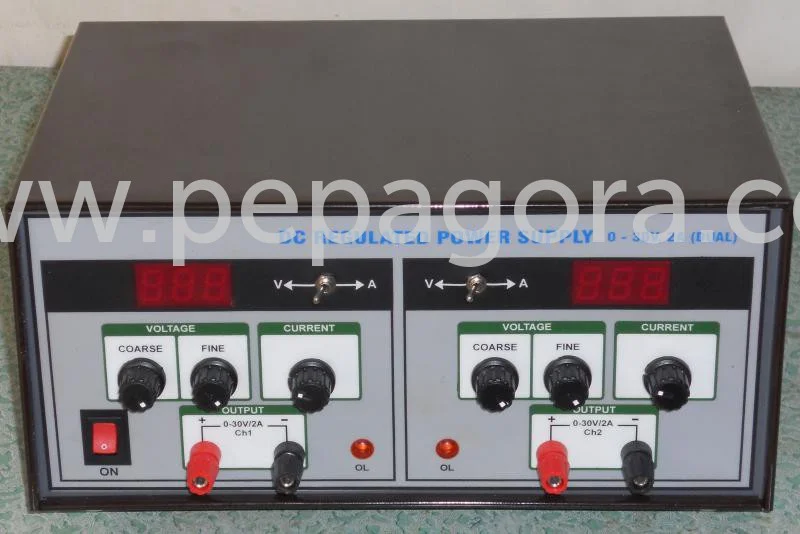
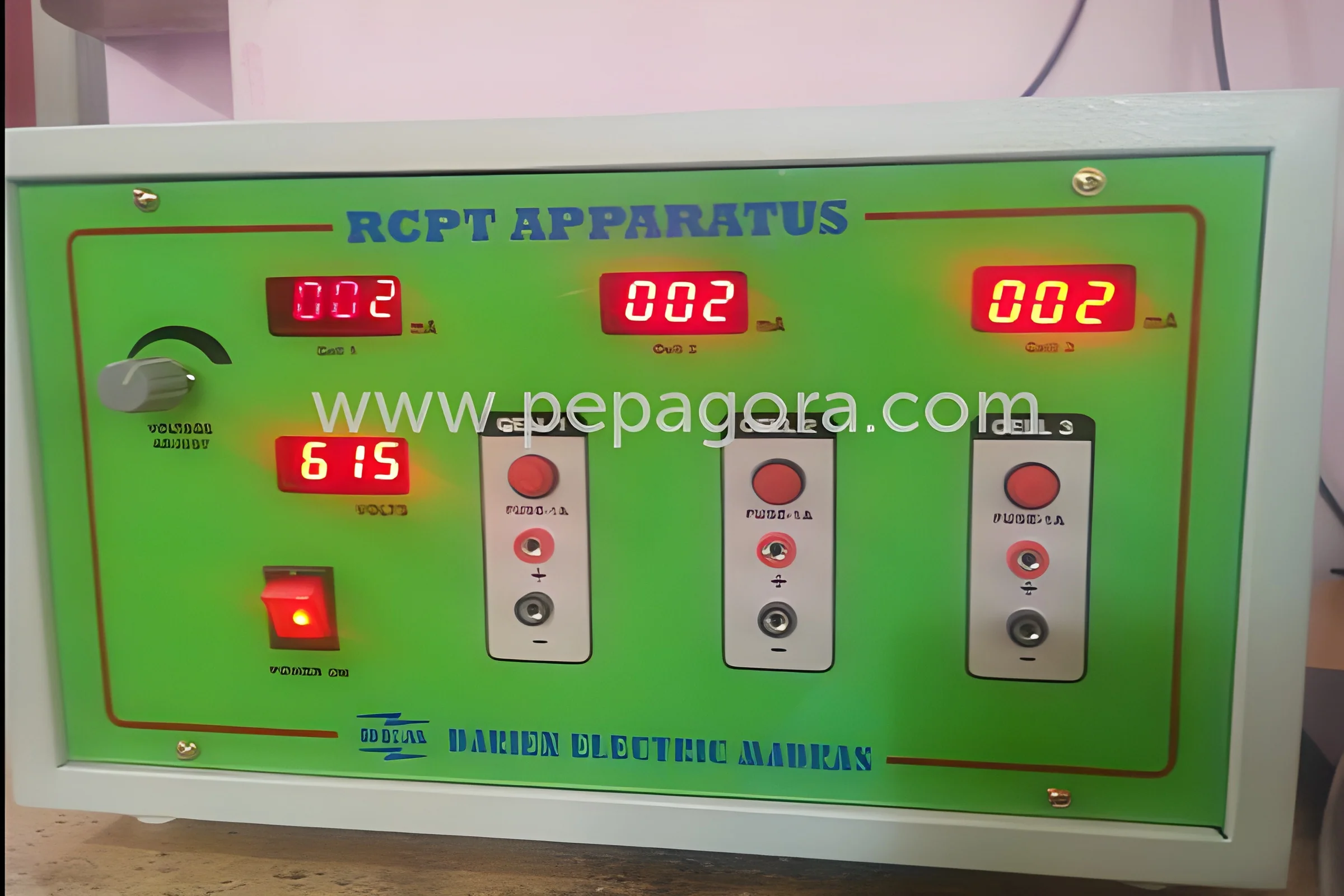
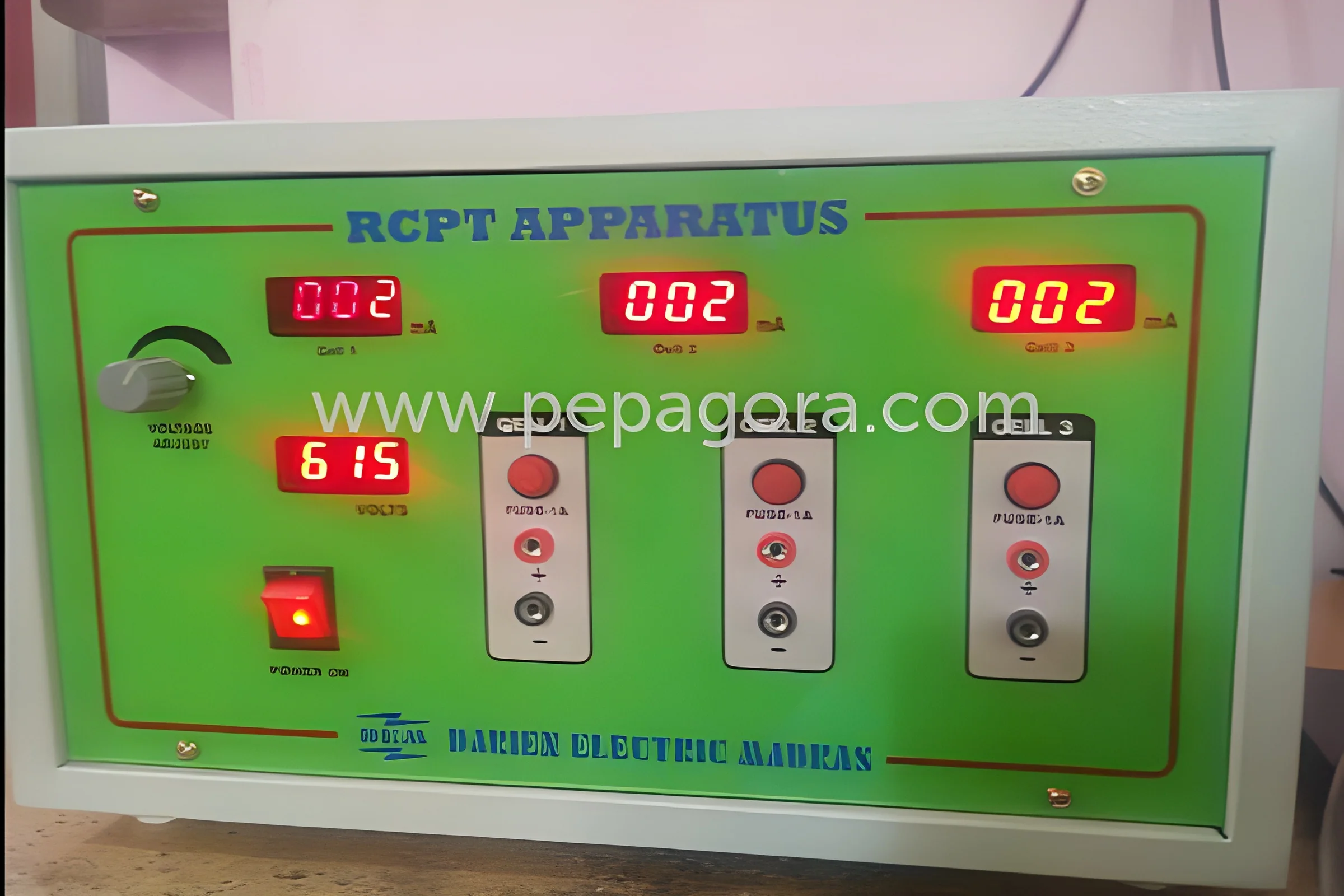
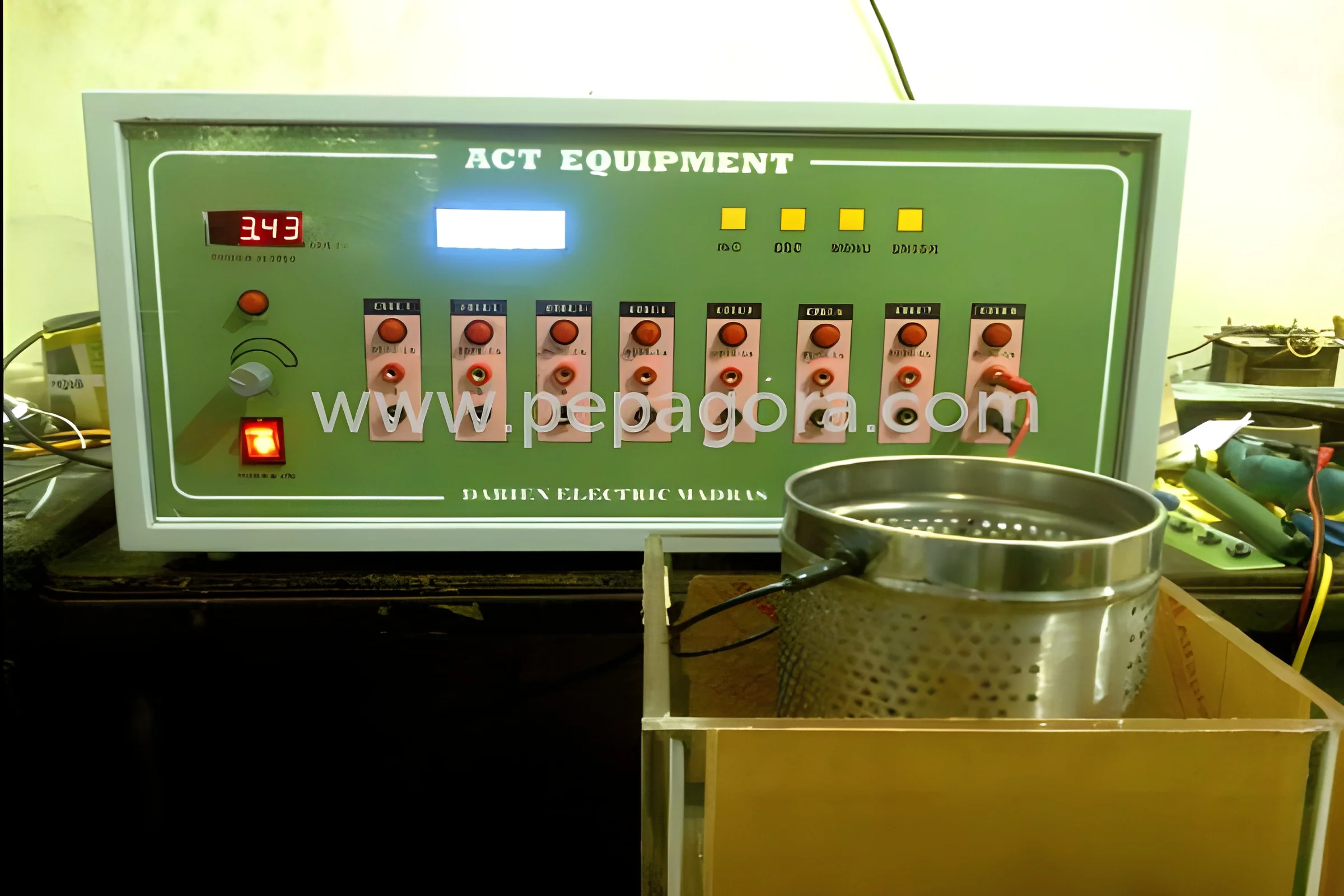
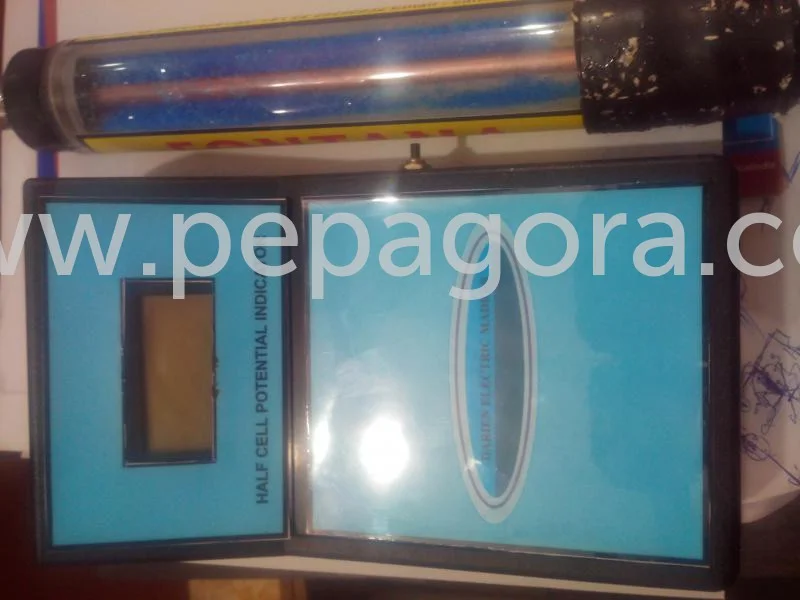
The Concrete Corrosion Testing Half Cell Potential Indicator represents advanced electrochemical testing technology designed specifically for measuring corrosion potential in reinforced concrete structures. This non-destructive testing instrument provides critical data about corrosion probability and activity within concrete elements through precise potential difference measurements between a standard reference electrode and embedded reinforcing steel. The resulting potential mapping reveals corrosion hotspots and patterns, enabling engineering professionals to make informed decisions regarding structural integrity, maintenance requirements, and repair prioritization without compromising the concrete surface or structural stability. The hydraulic power system ensures consistent performance and reliable operation in various field conditions.

Multiple industries benefit from this corrosion assessment technology, particularly civil engineering, construction management, infrastructure mai...
The Concrete Corrosion Testing Half Cell Potential Indicator represents advanced electrochemical testing technology designed specifically for measuring corrosion potential in reinforced concrete structures. This non-destructive testing instrument provides critical data about corrosion probability and activity within concrete elements through precise potential difference measurements between a standard reference electrode and embedded reinforcing steel. The resulting potential mapping reveals corrosion hotspots and patterns, enabling engineering professionals to make informed decisions regarding structural integrity, maintenance requirements, and repair prioritization without compromising the concrete surface or structural stability. The hydraulic power system ensures consistent performance and reliable operation in various field conditions.

Multiple industries benefit from this corrosion assessment technology, particularly civil engineering, construction management, infrastructure maintenance, and architectural conservation. Civil engineering firms utilize it for comprehensive bridge inspections, highway overpass evaluations, and tunnel assessments. Construction companies implement it for quality control during new projects to verify proper concrete cover and corrosion protection measures. Infrastructure maintenance teams depend on it for monitoring parking structures, transportation facilities, and marine installations. Architectural preservation specialists employ it for historical building assessments where non-invasive methods are essential for maintaining structural authenticity and heritage value.

The business value delivered by this instrument stems from its early corrosion detection capabilities and preventive maintenance advantages. By identifying corrosion issues during initial stages, this tool helps organizations avoid expensive structural repairs and extends the operational lifespan of concrete assets. Reliability is ensured through precision measurement technology and consistent performance across diverse environmental conditions. The investment return is substantial through reduced unexpected maintenance costs, prevention of structural failures, and compliance with safety regulations. The instrument's durability and accuracy establish it as a trusted solution for professionals requiring dependable corrosion assessment data to support critical maintenance and repair decision-making processes.

Key Features:
- Hydraulic operation system ensuring consistent field performance
- Universal testing machine compatibility for versatile application
- Precision measurement capabilities delivering accurate corrosion readings
- Robust construction designed for demanding field conditions
- Standardized testing protocols for reliable comparative analysis

Benefits:
- Early corrosion detection preventing structural deterioration
- Extended service life of concrete infrastructure assets
- Cost reduction through targeted maintenance planning
- Non-destructive testing preserving structural integrity
- Compliance with industry standards and safety regulations
Specifications
| Key Attributes | |
|---|---|
| Power | Hydraulic |
| Usage | Universal Testing Machine |
| Additional Information | |
|---|---|
| Country of Origin | India |
Application
The Half Cell Potential Indicator serves as an essential tool for evaluating corrosion activity in reinforced concrete without causing structural damage. It measures electrochemical potential differences to identify areas where rebar corrosion is occurring or likely to initiate. This enables proactive maintenance planning and targeted repair strategies, significantly extending infrastructure lifespan while reducing long-term maintenance expenses and preventing unexpected structural failures.
This precision instrument finds extensive application across various structural assessment scenarios including bridge inspections, building evaluations, parking facility assessments, and marine environment monitoring. Engineers and inspectors rely on its accurate readings to determine corrosion severity, develop effective rehabilitation plans, and verify repair effectiveness. The non-destructive nature makes it ideal for regular monitoring programs and quality assurance in both construction projects and ongoing maintenance operations.
- Bridge deck and support structure corrosion mapping and assessment
- Parking garage concrete slab and column integrity evaluation
- Marine structure corrosion monitoring in ports, piers and coastal facilities
- Historical building preservation and restoration project assessments
- Quality verification in new construction to ensure proper concrete coverage
Trade Details
| Available Stock | In Stock |
| Sample Availability | No |
Payment Terms
| Payment Terms |
|
Company Profile

Darien Electric Madras, Tamil Nadu
 Tamil Nadu, India
Tamil Nadu, IndiaElectronics & Electrical•Manufacturer•Distributor / Wholesaler
Factory Details
Factory SizeBelow 1000 sqm
Annual Production Capacity0
Main Markets
Eastern Asia
South Asia
Southeast Asia
Concrete Corrosion Testing Half Cell Potential Indicator Hydraulic Power
Concrete Corrosion Testing Half Cell Potential Indicator provides precise non-destructive corrosion assessment for reinforced concrete structures. This hydraulic-powered instrument delivers accurate potential measurements to evaluate rebar corrosion risk, ensuring structural safety and integrity.
Min. Order Quantity: 1 unit
Shipping
Shipping fee and delivery date to be negotiated. Contact supplier now for more details.
Darien Electric Madras
 Tamil Nadu, India
Tamil Nadu, IndiaElectronics & ElectricalManufacturer