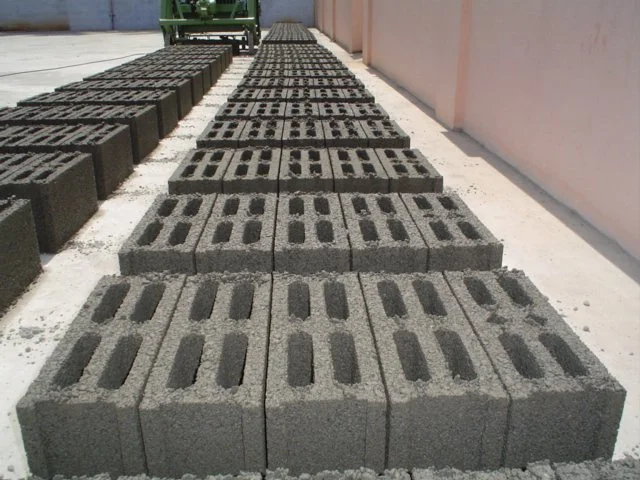
What are Concrete Blocks (Solid & Hollow)?
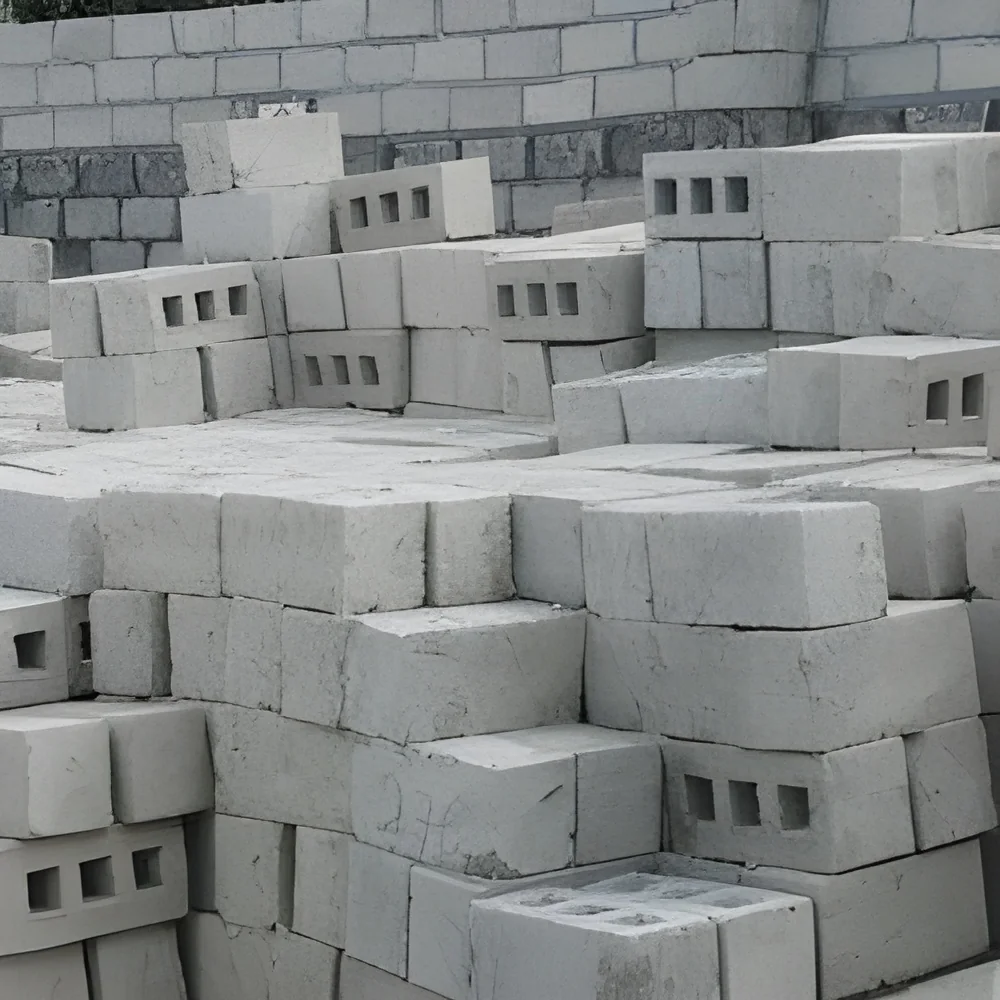
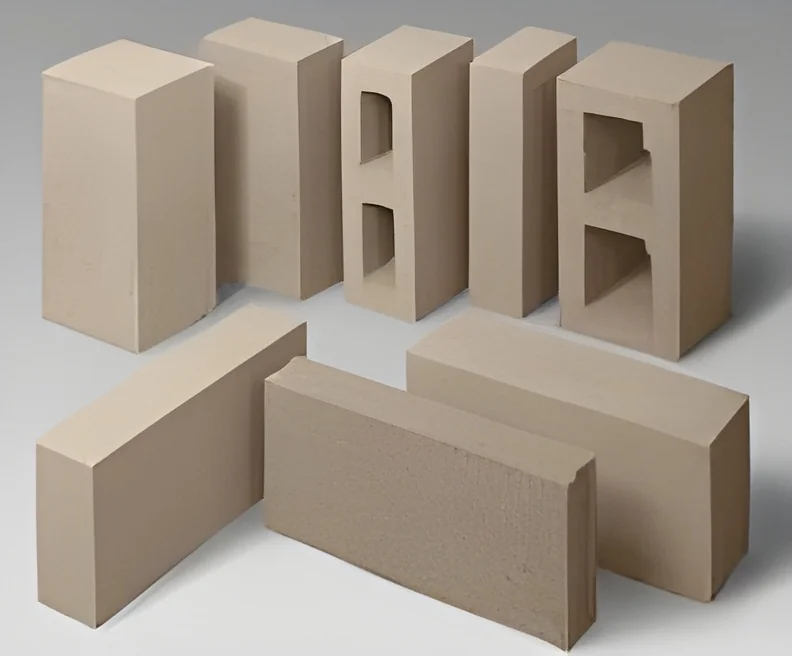
Concrete blocks, both solid and hollow, are essential building materials made from concrete, a mixture of cement, aggregates, and water. Solid concrete blocks are dense and heavy, providing strength and stability for structural applications. Hollow concrete blocks, on the other hand, feature a hollow core which reduces weight and enhances insulation properties. These blocks are manufactured in various sizes and shapes, making them versatile for different construction needs.
These concrete blocks find extensive use in construction projects, including residential, commercial, and industrial buildings. Solid blocks are often used for load-bearing walls, foundations, and retaining structures, while hollow blocks are ideal for non-load-bearing walls, partitions, and insulation. Their ability to withstand adverse weather conditions and their fire-resistant properties make them a preferred choice in many regions. The concrete block market continues to grow, driven by urbanization and the demand for durable building materials.
๐๐ฒ๐ ๐๐ฒ๐ฎ๐๐๐ฟ๐ฒ๐ ๐ฎ๐ป๐ฑ ๐ฆ๐ฝ๐ฒ๐ฐ๐ถ๐ณ๐ถ๐ฐ๐ฎ๐๐ถ๐ผ๐ป๐
Concrete blocks come with numerous features that enhance their performance and usability. They are engineered to meet various construction standards and can be customized to suit specific project needs. The following specifications outline important characteristics of concrete blocks.
Key specifications include:
1. Compressive Strength
- Indicates the block's ability to withstand axial loads.
- Typical ranges vary from 3.5 MPa to 20 MPa.
2. Density
- Refers to the mass per unit volume of the block.
- Common densities range between 1,800 kg/mยณ and 2,400 kg/mยณ.
3. Dimensions
- Available in various sizes, with standard dimensions including 400mm x 200mm x 200mm and 600mm x 200mm x 200mm.
4. Thermal Conductivity
- Measures the block's ability to conduct heat.
- Values generally range from 0.11 to 1.0 W/mยทK.
5. Water Absorption
- Reflects the block's porosity and resistance to moisture.
- Standard absorption rates are approximately 5% to 15%.
6. Fire Resistance
- Indicates how well the block can withstand fire.
- Most concrete blocks offer a fire rating of up to 4 hours.
In summary, concrete blocks provide a robust and versatile solution for a wide range of construction applications, with specifications tailored to meet industry standards.
๐๐ผ๐บ๐บ๐ผ๐ป ๐๐ฝ๐ฝ๐น๐ถ๐ฐ๐ฎ๐๐ถ๐ผ๐ป๐ ๐ฎ๐ป๐ฑ ๐จ๐๐ฒ ๐๐ฎ๐๐ฒ๐
Concrete blocks serve various industries, each benefiting from their unique properties.
1. Residential Construction: Used for walls, foundations, and partitions in houses, concrete blocks provide structural integrity and insulation.
2. Commercial Buildings: Commonly utilized in the construction of office buildings, shopping centers, and warehouses, concrete blocks offer durability and fire resistance.
3. Infrastructure Projects: Concrete blocks are employed in building roads, bridges, and retaining walls, ensuring stability and longevity.
4. Industrial Facilities: Factories and warehouses often incorporate concrete blocks for their strength and ability to withstand heavy loads.
5. Agricultural Structures: Used in barns and storage facilities, concrete blocks provide a strong and weather-resistant building option.
6. Educational Institutions: Schools and universities utilize concrete blocks for constructing classrooms and auditoriums due to their durability.
7. Healthcare Facilities: Hospitals and clinics use concrete blocks for their fire resistance and ability to create sterile environments.
๐ฃ๐ฟ๐ผ๐ฑ๐๐ฐ๐ ๐ฉ๐ฎ๐ฟ๐ถ๐ฎ๐ป๐๐ ๐ฎ๐ป๐ฑ ๐ฆ๐๐ฏ๐ฐ๐ฎ๐๐ฒ๐ด๐ผ๐ฟ๐ถ๐ฒ๐
Concrete blocks come in various forms to cater to specific construction needs.
Solid Concrete Blocks
These blocks are dense and offer high compressive strength, making them suitable for load-bearing applications. They are commonly used in foundations and structural walls.
Hollow Concrete Blocks
These blocks are lightweight and provide excellent insulation properties. Their hollow cores make them ideal for non-load-bearing walls and partitions, facilitating faster construction.
๐๐ฒ๐ป๐ฒ๐ณ๐ถ๐๐ ๐ฎ๐ป๐ฑ ๐๐ฑ๐๐ฎ๐ป๐๐ฎ๐ด๐ฒ๐
Concrete blocks offer numerous advantages that make them an ideal choice for construction projects.
1. Durability: Concrete blocks are resistant to weather, pests, and fire, ensuring a long lifespan for structures.
2. Cost-Effective: Their mass production leads to lower costs, making concrete blocks an economical building material.
3. Energy Efficiency: Hollow blocks provide better insulation, reducing energy costs for heating and cooling.
4. Versatility: Available in various sizes and shapes, concrete blocks can meet different design requirements.
5. Low Maintenance: Concrete blocks require minimal upkeep, reducing long-term maintenance costs.
6. Environmental Benefits: Made from natural materials, concrete blocks are recyclable and contribute to sustainable building practices.
๐๐๐๐ถ๐ป๐ด ๐๐๐ถ๐ฑ๐ฒ ๐ณ๐ผ๐ฟ ๐๐ฎ๐ ๐๐๐๐ฒ๐ฟ๐
When sourcing concrete blocks, businesses should consider several key factors to ensure the right choice for their projects.
1. Quality Assessment: Evaluate the quality of concrete blocks by checking for certifications and conducting tests for compressive strength and water absorption.
2. Supplier Verification: Vet suppliers by reviewing their reputation, customer feedback, and compliance with industry standards.
3. Pricing and MOQ: Understand pricing structures and minimum order quantities to ensure budget alignment and project feasibility.
4. Delivery and Lead Times: Discuss logistics with suppliers to confirm delivery schedules and lead times, which can impact project timelines.
5. Compliance Requirements: Ensure that the blocks meet local and international regulations, including safety and environmental standards.
๐๐ผ๐บ๐ฝ๐น๐ถ๐ฎ๐ป๐ฐ๐ฒ ๐ฎ๐ป๐ฑ ๐๐ฒ๐ฟ๐๐ถ๐ณ๐ถ๐ฐ๐ฎ๐๐ถ๐ผ๐ป๐
Concrete blocks are subject to various quality standards and certifications that ensure their reliability and safety. ISO 9001 is a widely recognized quality management standard that governs the production processes of concrete block manufacturers. Additionally, blocks may carry CE certification, indicating compliance with European safety regulations.
Safety and testing requirements for concrete blocks include assessments for fire resistance, compressive strength, and durability. Regional compliance considerations may vary, with specific standards set by local building codes and regulations. It is essential for buyers to verify that their selected blocks meet all necessary compliance standards to ensure safety and legal adherence.
Why Source Concrete Blocks (Solid & Hollow) from Pepagora?
Pepagora provides a trusted platform for sourcing concrete blocks, offering several key advantages to B2B buyers.
Verified Supplier Network: Pepagora connects buyers with a network of verified suppliers, ensuring quality and reliability in sourcing concrete blocks. Each supplier is vetted to maintain high standards in production.
Streamlined RFQ Process: The platform features an easy-to-use Request for Quotation (RFQ) system, allowing buyers to receive competitive quotes from multiple suppliers quickly.
Trade Assurance and Support: Pepagora offers trade assurance, providing peace of mind to buyers through protection mechanisms that ensure secure transactions and timely delivery.
Regional Coverage: Pepagora's extensive reach across India, the GCC, and Southeast Asia allows buyers to connect with local suppliers, facilitating efficient sourcing and logistics.
By choosing Pepagora for concrete block sourcing, businesses can expect quality, efficiency, and support throughout the procurement process.