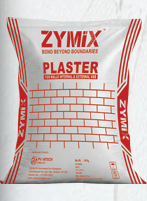
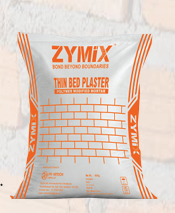
What are Premixed Plaster?
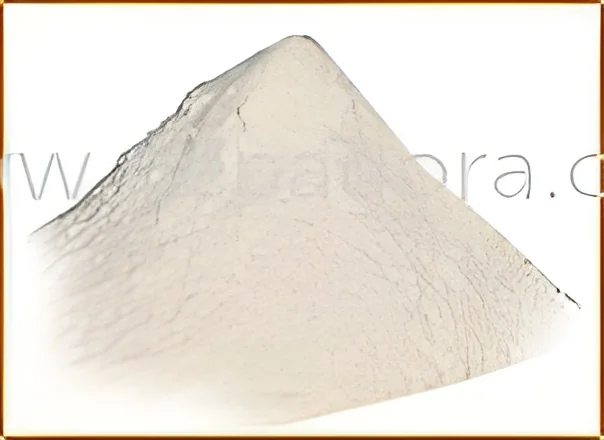
Premixed plaster is a type of ready-to-use material designed for construction and renovation projects. This product combines various components such as gypsum, water, and additives, which are blended to create a smooth, workable paste. Premixed plaster is typically packaged in bags or containers, making it convenient for application in various settings. This material is known for its ease of use, reducing the time and labor required for mixing and preparation.
The primary uses of premixed plaster include wall finishing, ceiling applications, and surface repairs. It is commonly applied in residential, commercial, and industrial construction projects. Businesses rely on premixed plaster for its ability to create a durable, aesthetically pleasing finish that adheres well to various substrates. Furthermore, its use extends beyond just new constructions; it is also a preferred choice for renovations and restorations, enhancing the overall appearance and functionality of spaces.
In the current market, premixed plaster holds significant relevance in the construction industry. With increasing demand for efficient building materials that save time and labor, premixed plaster has gained traction among contractors and builders. Its consistent performance and ease of application make it a valuable asset in any construction toolkit.
Key Features and Specifications
Premixed plaster comes with a range of features that cater to various construction needs. It offers a consistent texture and quality, ensuring reliable performance across applications. Understanding the specifications of premixed plaster is crucial for making informed purchasing decisions.
Key specifications include:
1. Composition
- Comprised of gypsum, water, and additives
- Designed for optimal workability and adhesion
2. Setting Time
- Typically sets within 30 to 60 minutes
- Fast-drying properties suitable for quick projects
3. Coverage Area
- Covers approximately 15 to 20 square meters per bag
- Varies based on application thickness
4. Finish Type
- Available in smooth and textured finishes
- Customizable for specific aesthetic requirements
5. Color Options
- Offered in various colors for design flexibility
- Can be painted over once dried
6. Packaging Sizes
- Available in 25 kg bags or larger containers
- Suitable for small and large-scale projects
7. Shelf Life
- Typically has a shelf life of 6 to 12 months
- Requires proper storage to maintain quality
In summary, the key features and specifications of premixed plaster ensure that it meets the diverse needs of construction professionals, providing reliable performance and ease of use.
Common Applications and Use Cases
Premixed plaster is utilized across several industries, making it a versatile material for various applications.
1. Residential Construction: In homes, premixed plaster is used for wall finishes, ceiling textures, and repair work, providing a smooth and appealing surface.
2. Commercial Spaces: Businesses often use premixed plaster for office renovations and building facades, enhancing the visual appeal of their environments.
3. Industrial Facilities: In factories and warehouses, premixed plaster serves as a durable finish for walls and ceilings, contributing to a clean and professional look.
4. Educational Institutions: Schools and universities apply premixed plaster in classrooms and auditoriums to achieve a polished finish that is both functional and aesthetic.
5. Healthcare Facilities: Hospitals and clinics utilize premixed plaster for infection control, as it can be easily cleaned and maintained.
6. Hospitality Industry: Hotels and restaurants leverage premixed plaster for interior design, creating inviting atmospheres for guests.
7. Retail Stores: Premixed plaster is commonly used in retail environments to create attractive displays and customer-friendly spaces.
Product Variants and Subcategories
Premixed plaster offers a variety of options to meet specific project requirements. Each variant is designed with unique features suitable for different applications.
Standard Premixed Plaster
This is the most common type, offering excellent workability and a smooth finish. It is suitable for general wall and ceiling applications in both residential and commercial settings.
Textured Premixed Plaster
This variant is ideal for creating decorative finishes. It allows contractors to achieve various textures that enhance the visual appeal of walls and ceilings.
Rapid-Setting Premixed Plaster
Designed for projects requiring quick turnaround, this variant sets faster than standard options. It is perfect for urgent repairs or time-sensitive construction tasks.
Fire-Resistant Premixed Plaster
This type is formulated to meet fire safety standards, making it suitable for areas requiring enhanced fire protection, such as commercial kitchens and industrial facilities.
Benefits and Advantages
Premixed plaster offers several benefits that make it a preferred choice among construction professionals.
1. Time Efficiency: Premixed plaster eliminates the need for mixing, allowing for quicker application and project completion.
2. Consistent Quality: The manufacturing process ensures uniformity in texture and performance, reducing the risk of application errors.
3. Versatility: It can be used in various applications, from residential to commercial projects, making it a flexible choice for contractors.
4. Ease of Use: The ready-to-use format simplifies the application process, making it accessible even for less experienced workers.
5. Aesthetic Appeal: Premixed plaster provides a smooth, professional finish that enhances the overall look of any space.
6. Durability: The material adheres well to surfaces, offering long-lasting results that withstand wear and tear over time.
Buying Guide for B2B Buyers
When sourcing premixed plaster, it's essential for buyers to consider several critical factors to ensure they make informed decisions.
1. Quality Assessment: Evaluate the quality of the plaster by checking for certifications and testing results. High-quality materials will perform better and provide a more consistent finish.
2. Supplier Verification: Vet suppliers to ensure they have a reliable track record. Look for reviews and testimonials from other businesses to gauge their reputation.
3. Pricing and MOQ: Consider the pricing structure and minimum order quantities. Understanding the cost implications can help in budget planning and negotiations.
4. Delivery and Lead Times: Check the supplier's delivery capabilities. Timely delivery is crucial for keeping projects on schedule.
5. Compliance Requirements: Ensure that the premixed plaster meets local and regional regulations. Compliance with safety and environmental standards is essential for project approval.
Compliance and Certifications
Premixed plaster must adhere to various quality standards and certifications to ensure safety and performance in construction applications. Relevant quality standards include ISO 9001, which pertains to quality management systems, ensuring that the products are consistently produced and controlled.
Additionally, the CE certification indicates that the premixed plaster meets European safety, health, and environmental protection standards. This certification is crucial for suppliers looking to operate in markets that require adherence to such standards.
Safety and testing requirements are essential in the production of premixed plaster. Manufacturers must conduct tests to assess the product's performance characteristics, such as setting time, adhesion, and durability.
Furthermore, regional compliance considerations play a significant role in the acceptance of premixed plaster. Different regions may have specific regulations regarding building materials, and it is vital for manufacturers and suppliers to stay informed about these guidelines to ensure market access.
Why Source Premixed Plaster from Pepagora?
Pepagora provides a trusted platform for sourcing premixed plaster, offering several key advantages to B2B buyers.
The verified supplier network ensures that buyers have access to reputable manufacturers and distributors. This network is essential for businesses looking to establish long-term partnerships and secure high-quality products.
The streamlined RFQ process simplifies the quotation system, allowing buyers to receive competitive pricing and quick responses from suppliers. This efficiency helps in making timely procurement decisions.
Trade assurance and support is another significant advantage of sourcing through Pepagora. The platform offers buyer protection, ensuring that transactions are secure and that buyers receive the products they expect.
Finally, Pepagora's regional coverage extends to India, the GCC, and Southeast Asia, providing businesses with access to a diverse market. This geographic reach enables buyers to explore various options and suppliers for their premixed plaster needs.

 IN
IN