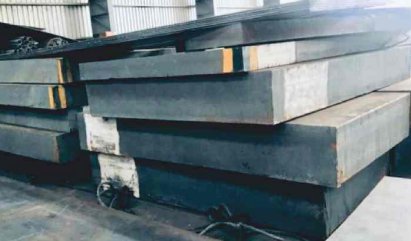
What are Precast Concrete Slabs?
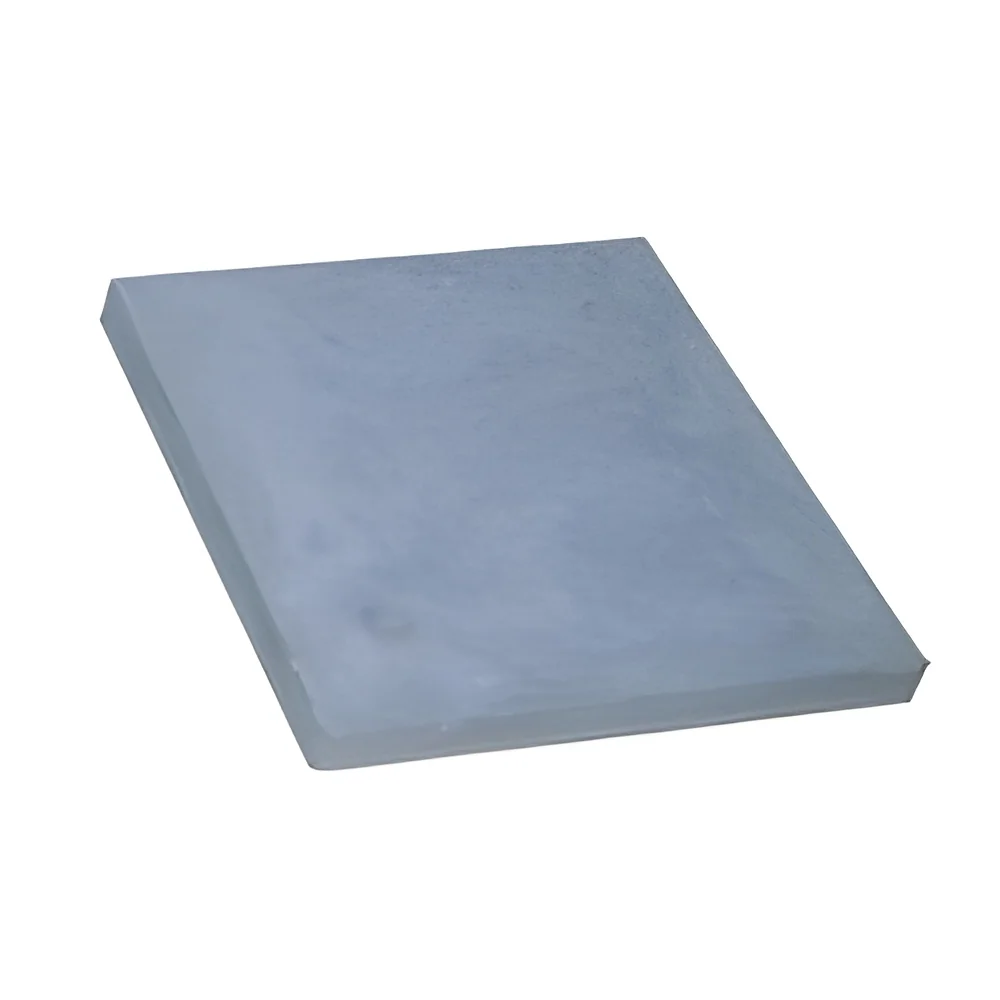
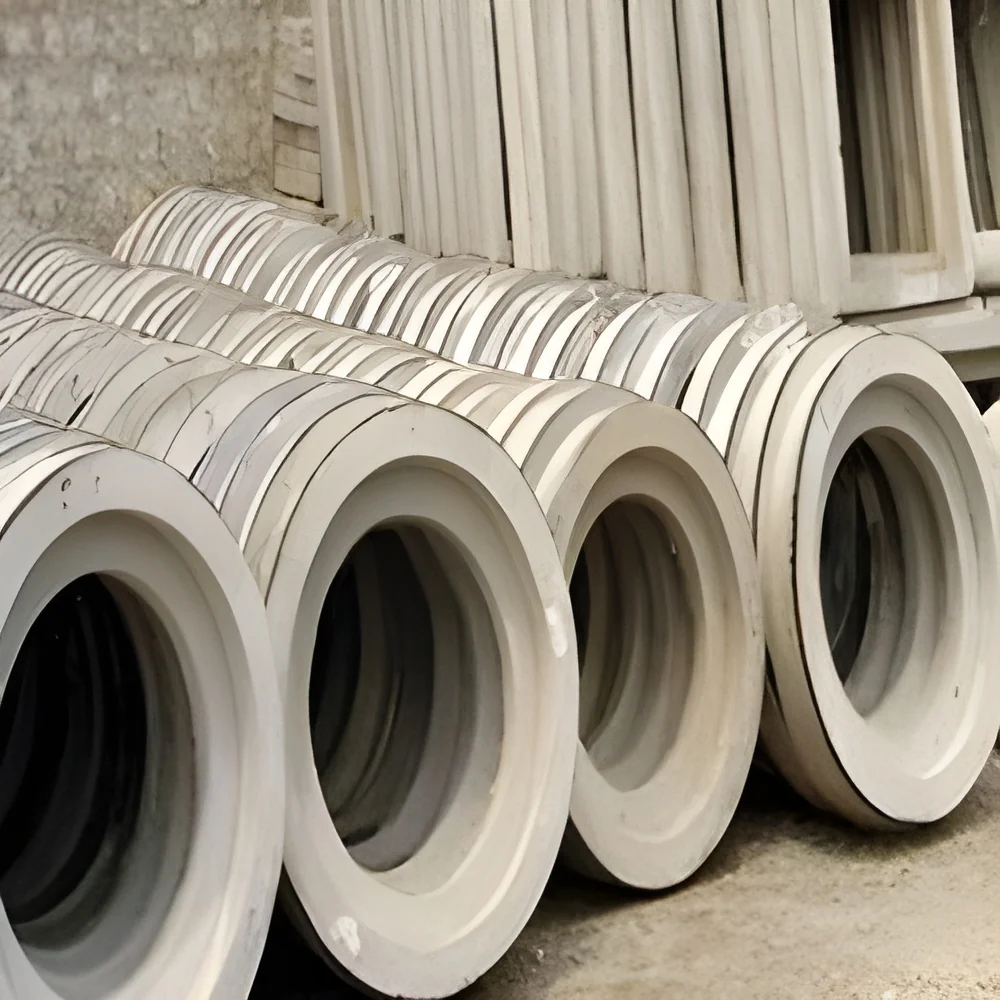
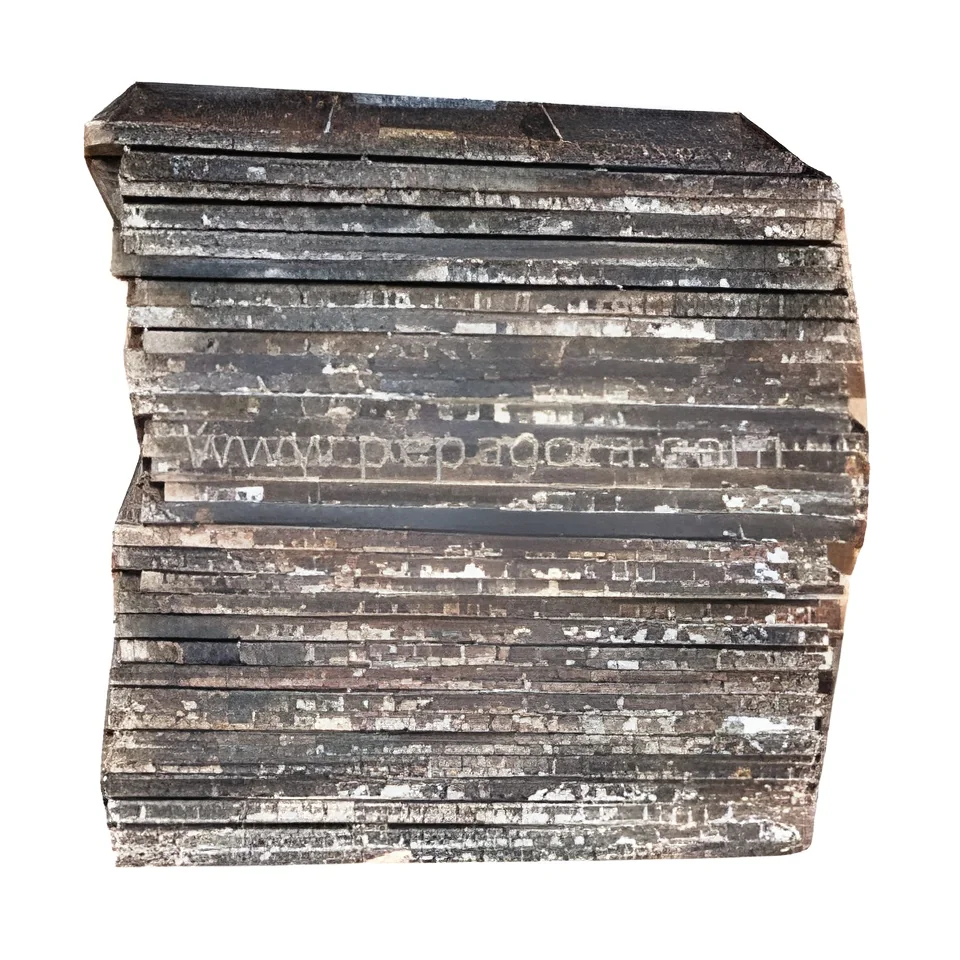
Precast concrete slabs are large, flat panels made from concrete that is cast and cured in a controlled environment before being transported to the construction site. This method allows for precise manufacturing and quality control, resulting in slabs that meet specific design and engineering requirements. Precast slabs are available in various shapes and sizes to accommodate different structural needs.
These slabs are primarily used in commercial and industrial construction, including floors, roofs, and walls. They are especially beneficial in large-scale projects where speed and efficiency are critical. Businesses across sectors, such as infrastructure, residential, and commercial construction, frequently adopt precast concrete slabs due to their durability and cost-effectiveness. The construction industry continues to evolve, and the demand for precast solutions is rising, driven by the need for quicker project completion and enhanced building performance.
Key Features and Specifications
Precast concrete slabs offer numerous features and specifications that make them suitable for various applications. Their design allows for quick installation, reducing labor costs and time on-site. These slabs are engineered for strength, allowing them to support significant loads while maintaining structural integrity.
Key specifications include:
1. Load-Bearing Capacity
- Designed to support variable loads based on application
- Typical load ratings can range from 50 to 100 pounds per square foot
2. Dimensions
- Available in standard sizes, often ranging from 4 feet by 8 feet to 12 feet by 40 feet
- Custom sizes can be manufactured to meet project-specific requirements
3. Thickness
- Common thicknesses range from 4 inches to 12 inches
- Thickness can be adjusted based on load requirements and application
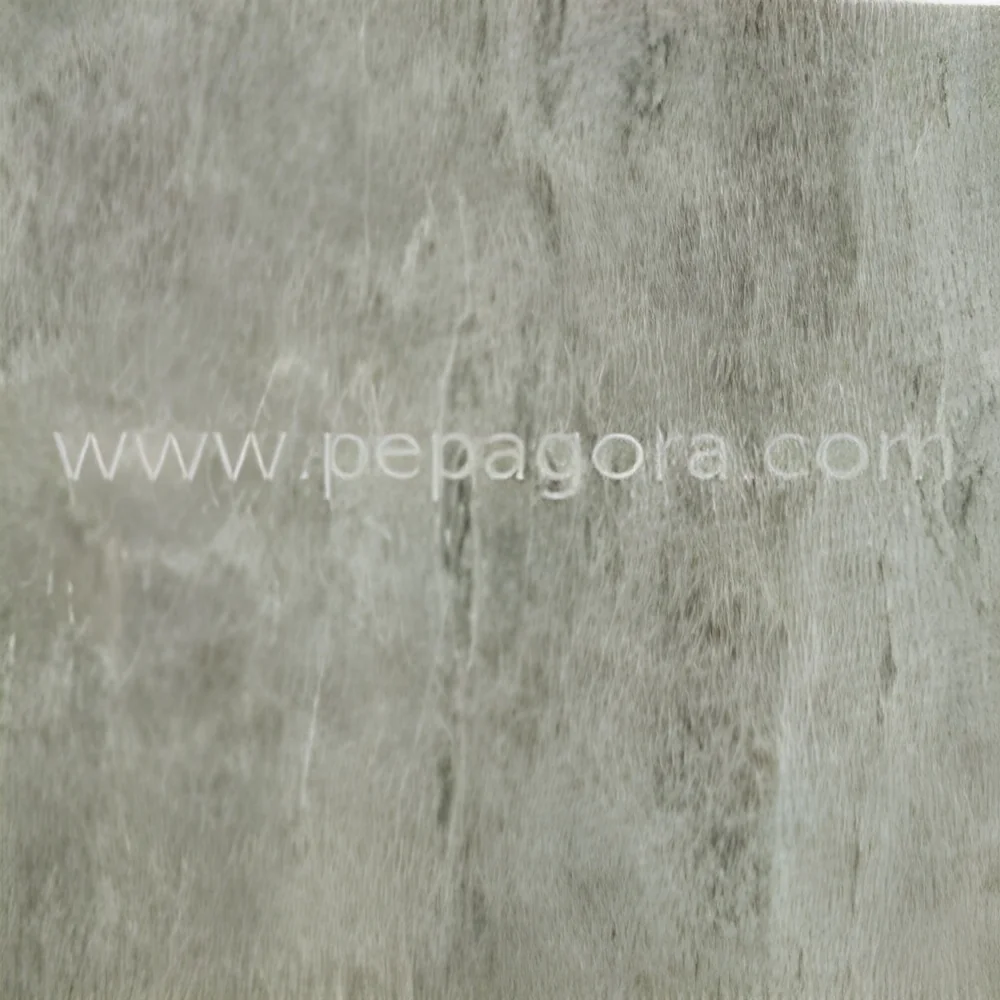
4. Surface Finish
- Can be provided with smooth, rough, or textured finishes
- Finish type can influence aesthetic and bonding characteristics
5. Weight
- Generally weighs between 80 to 120 pounds per square foot, depending on thickness and design
- Weight considerations are essential for transportation and installation planning
6. Reinforcement
- Typically reinforced with steel rebar or wire mesh to enhance strength
- Reinforcement design is tailored to the expected load conditions
7. Fire Resistance
- Naturally fire-resistant due to concrete properties
- Can meet fire safety codes without additional treatment
8. Durability
- Resistant to weather, moisture, and chemical exposure
- Long lifespan with minimal maintenance required
In summary, precast concrete slabs combine strength, efficiency, and versatility, making them an essential component in modern construction projects.
Common Applications and Use Cases
Precast concrete slabs are used across various industries, showcasing their adaptability and efficiency in construction.
1. Commercial Construction: Precast slabs are often used for flooring and roofing in commercial buildings, providing a durable and cost-effective solution for large spaces.
2. Infrastructure Projects: In highway and bridge construction, precast slabs serve as components for road surfaces and deck systems, enhancing overall structural performance.
3. Residential Buildings: These slabs are utilized in residential projects for flooring systems, allowing for quicker build times and improved energy efficiency.
4. Industrial Warehouses: Precast slabs provide robust flooring solutions for warehouses, capable of supporting heavy machinery and high traffic.
5. Parking Structures: Many parking garages are constructed using precast concrete slabs, which allow for efficient design and rapid construction.
6. Educational Facilities: Schools and universities benefit from precast slabs in their building designs, offering flexible layouts and quick assembly.
7. Retail Spaces: Precast slabs can be utilized in the construction of retail environments, providing an attractive and functional foundation.
Product Variants and Subcategories
Precast concrete slabs come in various forms to meet specific construction needs.
Standard Slabs: These are basic flat panels used for a wide range of applications, including flooring and roofing. They are ideal for projects requiring standard load-bearing capabilities.
Hollow Core Slabs: Featuring hollow channels, these slabs are lightweight yet strong, making them suitable for multi-story buildings where reduced weight is advantageous.
Double Tees: Designed for larger spans, double tees offer excellent load capacity and are commonly used in parking garages and industrial applications.
Insulated Slabs: These slabs come with built-in insulation, providing thermal efficiency and energy savings for climate-controlled environments.
Benefits and Advantages
Precast concrete slabs offer numerous advantages that make them attractive to businesses involved in construction.
1. Speed of Construction: Precast slabs can be manufactured off-site while site preparation is ongoing, significantly reducing overall project timelines.
2. Cost-Effectiveness: Their durability and reduced labor costs lead to lower overall expenses, making them a financially sound choice for large projects.
3. Quality Control: The controlled manufacturing environment ensures consistent quality and performance, reducing the likelihood of defects.
4. Design Flexibility: Precast slabs can be customized in size and shape, allowing for innovative architectural designs.
5. Sustainability: These slabs can be made from recycled materials and are often designed for energy efficiency, contributing to greener building practices.
6. Reduced Site Disruption: With much of the work done off-site, there is less disruption to the surrounding area during construction.
Buying Guide for B2B Buyers
When sourcing precast concrete slabs, it is essential for buyers to consider several factors to ensure they select the right products for their projects.
1. Quality Assessment: Evaluate the quality of the precast slabs by reviewing supplier certifications and past project examples. Look for adherence to industry standards to ensure reliability.
2. Supplier Verification: Vet potential suppliers thoroughly to confirm their reputation, experience, and financial stability. A reliable supplier is crucial for timely delivery and quality assurance.
3. Pricing and MOQ: Understand the pricing structure and minimum order quantities (MOQ) required by suppliers. This will help in budgeting and planning for large-scale projects.
4. Delivery and Lead Times: Discuss logistics with suppliers to confirm delivery schedules. Timely delivery is critical to maintaining project timelines and avoiding delays.
5. Compliance Requirements: Ensure that the slabs meet all relevant local and national building codes and regulations. Compliance with standards ensures safety and quality.
Compliance and Certifications
Precast concrete slabs must adhere to various quality standards and certifications to guarantee their performance and safety in construction applications.
ISO 9001 is a key standard that emphasizes quality management systems, ensuring that manufacturers consistently provide products that meet customer and regulatory requirements. Compliance with this standard reflects a commitment to quality and process improvement.
CE certification is another important aspect of precast concrete slabs. This mark indicates that the product meets European safety, health, and environmental protection standards. It is essential for products being sold within the European market.
Safety and testing requirements are critical for precast slabs to ensure they can withstand environmental stresses and loads over time. Regular testing for strength, durability, and fire resistance is necessary to maintain compliance and ensure safety.
Regional compliance considerations may vary, so it is vital for buyers to be aware of local regulations and standards. Understanding these requirements helps to avoid legal issues and ensures the slabs are suitable for their intended use.
Why Source Precast Concrete Slabs from Pepagora?
Pepagora provides a trusted platform for sourcing precast concrete slabs with several key advantages.
Verified Supplier Network: Pepagora connects buyers with a network of verified suppliers, ensuring quality products and reliable service. Each supplier undergoes a rigorous vetting process to maintain high standards.
Streamlined RFQ Process: The platform features an easy-to-use Request for Quotation (RFQ) system, allowing buyers to quickly obtain multiple quotes. This efficiency helps businesses make informed decisions based on competitive pricing and specifications.
Trade Assurance and Support: Buyers benefit from trade assurance that protects their purchases, ensuring that they receive the products as described. Pepagora's support team is available to assist with any inquiries or issues.
Regional Coverage: Pepagora has a broad geographic reach, covering markets in India, the Gulf Cooperation Council (GCC), and Southeast Asia. This extensive network enables buyers to tap into regional suppliers and meet their specific needs effectively.

 IN
IN