What are AAC Blocks (Autoclaved Aerated Concrete)?
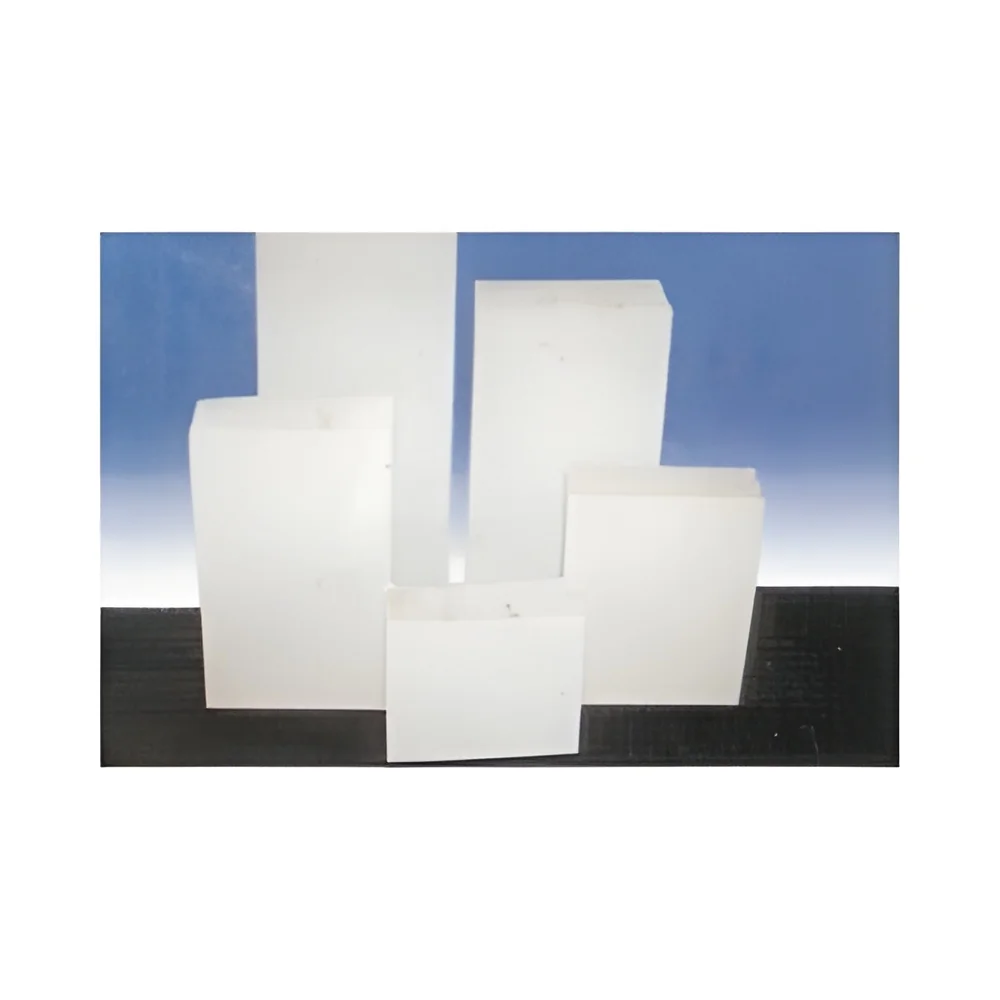
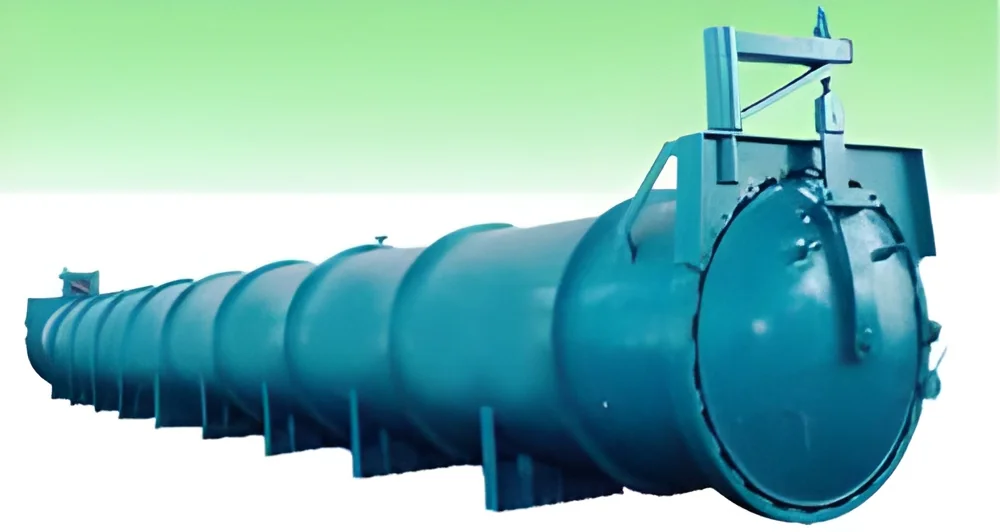
AAC Blocks, or Autoclaved Aerated Concrete blocks, are lightweight, precast building materials made from a mixture of silica, lime, cement, water, and aluminum powder. The production process involves the use of steam and high pressure, which creates a porous structure that provides both thermal insulation and structural strength. Due to their unique composition, AAC blocks are significantly lighter than traditional concrete blocks, making them easier to handle and transport.
These blocks are primarily used in construction for walls, floors, and roofs. Their insulation properties contribute to energy efficiency in buildings, making them an attractive option for both residential and commercial structures. Businesses in the construction industry are increasingly adopting AAC blocks due to their versatility and eco-friendly nature, as they produce less waste and can be recycled. The demand for energy-efficient building materials is driving growth in the AAC block market, as more companies seek sustainable solutions to meet regulatory standards and consumer preferences.
𝗞𝗲𝘆 𝗙𝗲𝗮𝘁𝘂𝗿𝗲𝘀 𝗮𝗻𝗱 𝗦𝗽𝗲𝗰𝗶𝗳𝗶𝗰𝗮𝘁𝗶𝗼𝗻𝘀
AAC Blocks are known for their innovative design and functionality, making them a popular choice in modern construction. They come with several key features that enhance their usability and effectiveness.
Key specifications include:
1. Density
- Typically ranges from 400 to 800 kg/m3, allowing for lightweight construction.
2. Compressive Strength
- Commonly around 3 to 6 N/mm², providing suitable structural integrity for various applications.
3. Thermal Conductivity
- Generally between 0.09 to 0.14 W/mK, offering excellent insulation properties.
4. Fire Resistance
- Classified as non-combustible, providing safety in case of fire incidents.
5. Sound Insulation
- Provides substantial sound reduction, making it ideal for urban construction.
6. Dimensional Tolerance
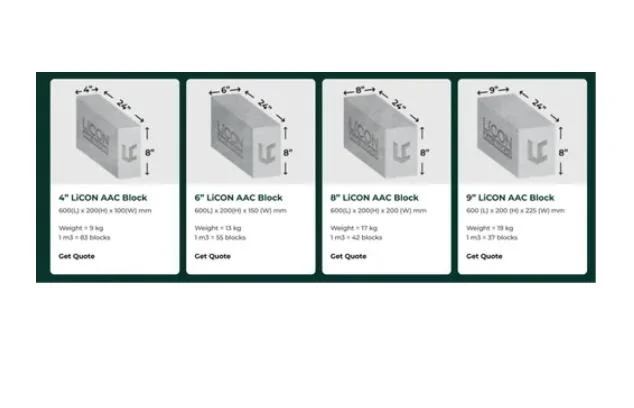
- Available in standardized sizes, typically 600mm x 200mm x 100mm, with minimal variation.
7. Eco-Friendliness
- Composed of natural raw materials, contributing to a reduced carbon footprint.
8. Workability
- Easy to cut and shape, facilitating quick installation and reducing labor costs.
In summary, AAC blocks combine numerous features that make them a favorable choice for contemporary building projects.
𝗖𝗼𝗺𝗺𝗼𝗻 𝗔𝗽𝗽𝗹𝗶𝗰𝗮𝘁𝗶𝗼𝗻𝘀 𝗮𝗻𝗱 𝗨𝘀𝗲 𝗖𝗮𝘀𝗲𝘀
AAC Blocks serve various industries, providing effective solutions for different construction needs.
1. Residential Construction: AAC blocks are widely used in building walls, partitions, and facades in homes, offering excellent thermal insulation and energy efficiency.
2. Commercial Buildings: They are increasingly utilized in office buildings and shopping complexes due to their lightweight nature and structural properties, allowing for faster construction timelines.
3. Industrial Structures: AAC blocks are effective for constructing warehouses and factories, combining strength with insulation to create conducive working environments.
4. Educational Institutions: Schools and universities benefit from AAC blocks for their sound insulation properties, creating quieter learning spaces.
5. Healthcare Facilities: Hospitals and clinics use AAC blocks to ensure fire safety and thermal comfort, crucial for patient care.
6. Infrastructure Projects: They are suitable for bridges and overpasses, where weight reduction is critical in design.
7. Disaster Relief Housing: Due to their lightweight and quick-installation properties, AAC blocks are ideal for building temporary housing in disaster-affected areas.
𝗣𝗿𝗼𝗱𝘂𝗰𝘁 𝗩𝗮𝗿𝗶𝗮𝗻𝘁𝘀 𝗮𝗻𝗱 𝗦𝘂𝗯𝗰𝗮𝘁𝗲𝗴𝗼𝗿𝗶𝗲𝘀
AAC Blocks come in various forms to cater to different construction requirements.
𝗟𝗶𝗴𝗵𝘁𝘄𝗲𝗶𝗴𝗵𝘁 𝗔𝗔𝗖 𝗕𝗹𝗼𝗰𝗸𝘀
These blocks are designed for standard construction projects, providing significant weight savings without compromising strength. They are ideal for residential buildings and low-rise structures.
𝗛𝗶𝗴𝗵-𝗦𝘁𝗿𝗲𝗻𝗴𝘁𝗵 𝗔𝗔𝗖 𝗕𝗹𝗼𝗰𝗸𝘀
Engineered for demanding construction applications, these blocks offer enhanced compressive strength. They are suitable for high-rise buildings and industrial applications where structural integrity is paramount.
𝗧𝗵𝗶𝗻 𝗔𝗔𝗖 𝗕𝗹𝗼𝗰𝗸𝘀
These blocks are thinner than standard options, allowing for more efficient use of space while maintaining excellent insulation properties. They are perfect for partition walls and interior applications.
𝗕𝗲𝗻𝗲𝗳𝗶𝘁𝘀 𝗮𝗻𝗱 𝗔𝗱𝘃𝗮𝗻𝘁𝗮𝗴𝗲𝘀
AAC Blocks provide several advantages that make them an appealing choice for builders and developers.
1. Energy Efficiency: AAC blocks offer superior thermal insulation, reducing energy costs for heating and cooling.
2. Lightweight: Their reduced weight facilitates easier handling and transportation, lowering labor and logistics costs.
3. Fire Resistance: Being non-combustible, AAC blocks enhance safety in buildings, particularly in urban environments.
4. Sound Insulation: They provide excellent soundproofing, contributing to a quieter indoor environment.
5. Environmentally Friendly: Made from natural materials, AAC blocks minimize environmental impact and support sustainable construction practices.
6. Quick Installation: Their lightweight nature and ease of cutting allow for faster construction timelines, reducing overall project durations.
𝗕𝘂𝘆𝗶𝗻𝗴 𝗚𝘂𝗶𝗱𝗲 𝗳𝗼𝗿 𝗕𝟮𝗕 𝗕𝘂𝘆𝗲𝗿𝘀
When sourcing AAC Blocks (Autoclaved Aerated Concrete), certain factors should be considered to ensure quality and suitability for your projects.
1. Quality Assessment: Evaluate the material's properties through certifications and testing results. Ensure that the blocks meet industry standards for strength and insulation.
2. Supplier Verification: Conduct thorough research on suppliers to ensure reliability and quality control. Look for customer feedback and industry references.
3. Pricing and MOQ: Understand the pricing structure and minimum order quantities to align with your project budget and requirements.
4. Delivery and Lead Times: Confirm logistics capabilities and expected lead times to avoid delays in your project schedule.
5. Compliance Requirements: Ensure that the AAC blocks comply with local building regulations and safety standards to avoid legal issues during construction.
𝗖𝗼𝗺𝗽𝗹𝗶𝗮𝗻𝗰𝗲 𝗮𝗻𝗱 𝗖𝗲𝗿𝘁𝗶𝗳𝗶𝗰𝗮𝘁𝗶𝗼𝗻𝘀
AAC Blocks must adhere to various quality standards and certifications to ensure safety and performance in construction applications.
ISO 9001 is a key quality management standard that many manufacturers aim to meet, ensuring consistent product quality and customer satisfaction.
The CE marking signifies that AAC blocks comply with European health, safety, and environmental protection standards, allowing for broader market access.
Additionally, AAC blocks must undergo rigorous safety and testing requirements to confirm their performance in fire resistance and thermal insulation.
Regional compliance considerations are essential, as different markets may have specific regulations governing the use of construction materials.
Why Source AAC Blocks (Autoclaved Aerated Concrete) from Pepagora?
Pepagora offers a trusted platform for sourcing AAC Blocks (Autoclaved Aerated Concrete), providing several key advantages for businesses in need of quality construction materials.
Verified Supplier Network: Pepagora connects you with a network of verified suppliers who meet stringent quality and safety standards, ensuring peace of mind in your sourcing decisions.
Streamlined RFQ Process: The platform facilitates a straightforward request for quotation process, making it easy to compare prices and specifications from various suppliers quickly.
Trade Assurance and Support: Buyers are protected through trade assurance mechanisms that ensure quality and timely delivery, enhancing trust in transactions.
Regional Coverage: With a strong presence in India, the GCC, and Southeast Asia, Pepagora provides extensive geographic reach, enabling businesses to source AAC blocks efficiently and effectively.