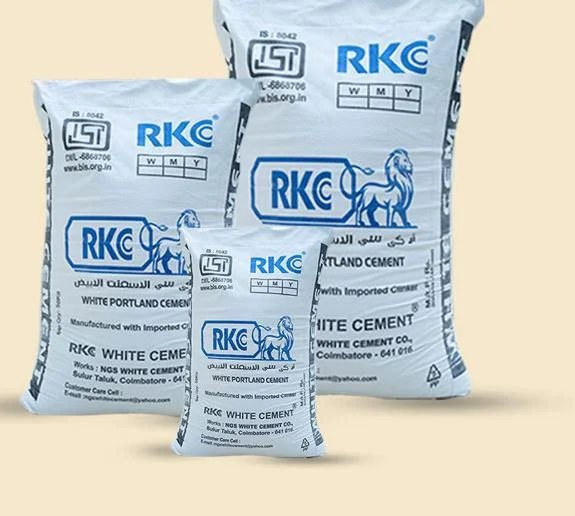
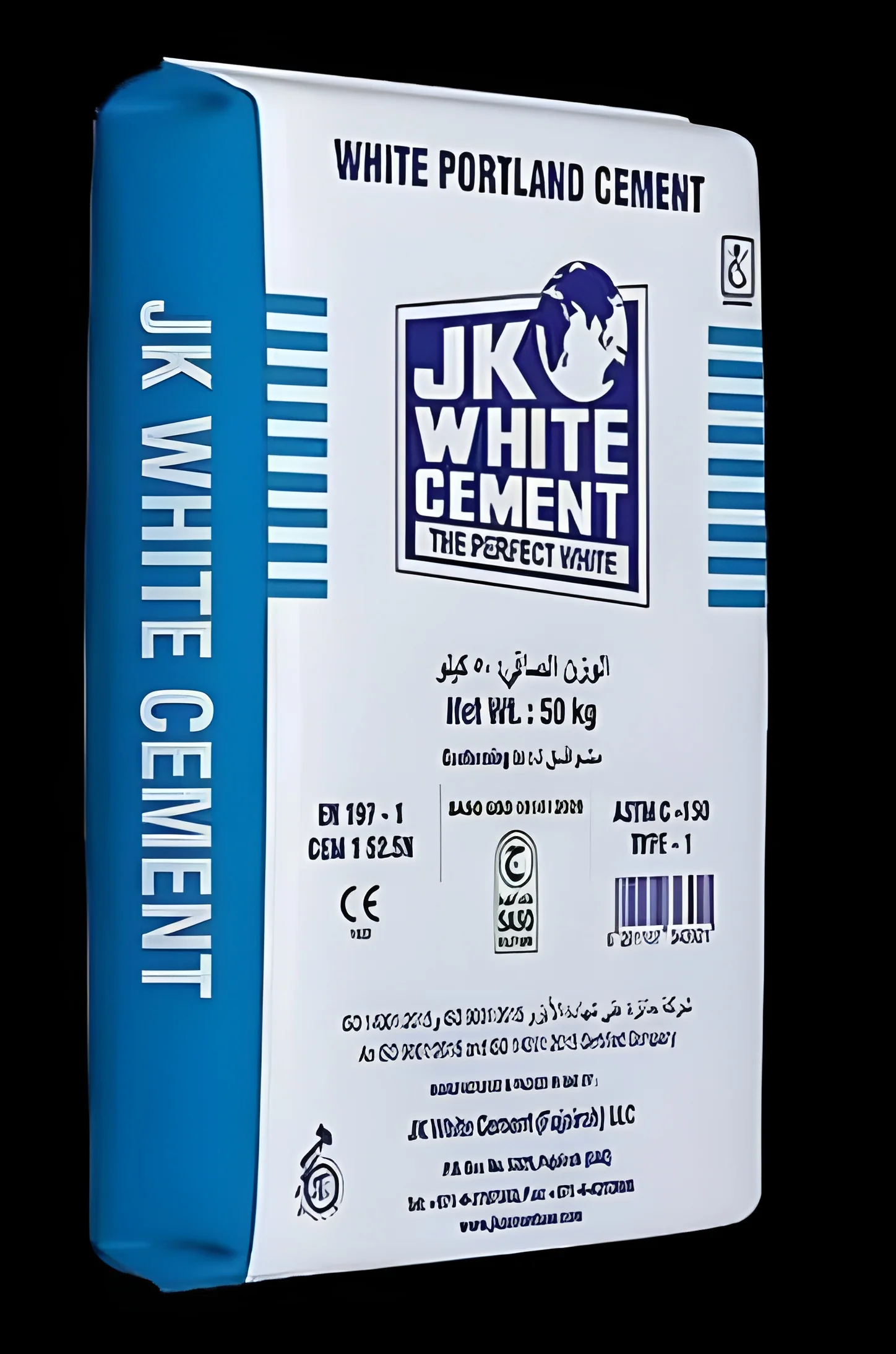
What are White Cement?
White cement is a construction material known for its high whiteness and aesthetic appeal. It is produced from raw materials that are low in iron and other coloring oxides, which gives it a bright, clean finish. The manufacturing process involves careful control of materials and conditions to ensure a consistent quality and color. White cement is often compared to traditional grey cement, but its unique properties make it suitable for a range of specialized applications.
The primary uses of white cement extend beyond conventional concrete. It is commonly utilized in architectural projects, decorative concrete works, and precast concrete products. White cement is favored for its ability to enhance the visual quality of structures, allowing for vibrant colors and intricate designs when combined with pigments. Its relevance in the construction industry is significant, especially for projects that prioritize appearance, such as residential buildings, monuments, and artistic installations. The market for white cement is growing, driven by increasing demand in the construction sector for high-quality, aesthetically pleasing materials.
Key Features and Specifications
White cement offers several key features that distinguish it from traditional cement types. Its unique properties make it suitable for various applications in construction and design.
Key specifications include:
1. Color Consistency
- White cement provides uniform coloration.
- It has a high brightness level, typically above 85%.
2. Compressive Strength
- It generally offers high compressive strength.
- Typical strengths range from 30 MPa to 50 MPa, depending on the formulation.
3. Setting Time
- White cement has a controlled setting time.
- Initial setting time ranges from 30 to 60 minutes.
4. Workability
- It offers excellent workability for intricate designs.
- Ideal for use in decorative applications and precast products.
5. Durability
- White cement is resistant to weathering and environmental factors.
- Provides long-lasting performance in various conditions.
6. Compatibility with Pigments
- It can be easily mixed with color pigments.
- Allows for a wide range of design options.
7. Low Shrinkage
- White cement exhibits low shrinkage properties.
- Reduces cracking and enhances structural integrity.
8. Environmental Impact
- Some formulations utilize recycled materials.
- Promotes sustainability in construction.
In summary, the specifications of white cement highlight its suitability for both functional and aesthetic applications in construction.
Common Applications and Use Cases
White cement serves various industries and applications, making it a versatile choice for many projects.
1. Construction: White cement is widely used in the construction of residential buildings, offering a clean finish that enhances curb appeal.
2. Decorative Concrete: Its ability to mix well with pigments makes it ideal for decorative applications, such as stamped concrete and colored overlays.
3. Precast Concrete Products: White cement is commonly used in precast elements like facades, columns, and panels, where appearance is crucial.
4. Architectural Details: It is often employed in intricate architectural designs, such as moldings and sculptures, due to its workability.
5. Flooring: White cement is used in creating polished concrete floors, providing an elegant finish in commercial and residential spaces.
6. Repair Works: It is utilized for repairs in structures where aesthetics are important, such as historical restorations.
7. Artistic Applications: Artists use white cement for creating sculptures and other art installations due to its versatility and finish.
Product Variants and Subcategories
White cement comes in various formulations to meet specific project requirements.
Traditional White Cement
This standard variant is ideal for most applications, providing high whiteness and strength. It is suitable for general construction and decorative purposes.
Rapid-Setting White Cement
This variant is designed for projects requiring quick turnarounds. It sets faster while maintaining the aesthetic qualities of traditional white cement.
High-Strength White Cement
Engineered for applications needing enhanced durability and load-bearing capacity, this variant is perfect for structural components in demanding environments.
Benefits and Advantages
White cement offers numerous benefits that make it an attractive choice for construction professionals.
1. Aesthetic Appeal: Its high whiteness allows for vibrant colors and intricate designs, enhancing the visual quality of projects.
2. Versatility: White cement can be used in various applications, from structural to decorative, making it a multi-functional material.
3. Improved Durability: It provides strong resistance to environmental factors, ensuring longevity in constructions.
4. Easy to Mix: White cement's compatibility with pigments allows for easy mixing and customization for specific project needs.
5. Low Maintenance: Structures built with white cement often require less maintenance due to their durability and resistance to weathering.
6. Eco-Friendly Options: Some white cement formulations incorporate recycled materials, promoting sustainability in construction.
Buying Guide for B2B Buyers
When sourcing white cement, several key factors should be considered to ensure quality and suitability for your project needs.
1. Quality Assessment: Evaluate the whiteness and strength of the product. Look for certifications that indicate compliance with industry standards.
2. Supplier Verification: Research potential suppliers to ensure they have a good reputation and reliable delivery records. Verify their certifications and customer feedback.
3. Pricing and MOQ: Understand the pricing structure and minimum order quantities. Compare quotes from different suppliers to get the best value.
4. Delivery and Lead Times: Consider the logistics of delivery, including lead times. Ensure that suppliers can meet your project deadlines.
5. Compliance Requirements: Familiarize yourself with local regulations and standards related to white cement to ensure compliance and avoid potential issues.
Compliance and Certifications
White cement is subject to various quality standards to ensure its performance and safety in construction applications.
ISO 9001 is a standard that ensures quality management systems are in place. It helps manufacturers maintain consistent quality in production processes.
CE certification indicates that the product meets European standards for safety, health, and environmental protection. This certification is crucial for projects in regions that require compliance with European guidelines.
Safety and testing requirements are essential in the production of white cement. Regular testing for strength, consistency, and environmental impact is necessary to maintain compliance with industry standards.
Regional compliance considerations should also be taken into account, particularly when sourcing for specific markets. Different regions may have unique regulations regarding construction materials that must be followed.
Why Source White Cement from Pepagora?
Pepagora provides a trusted platform for sourcing white cement, offering several key advantages to B2B buyers.
Verified Supplier Network: Pepagora connects buyers with a network of verified suppliers, ensuring that you can trust the quality and reliability of the products offered.
Streamlined RFQ Process: The platform simplifies the request for quotation process, allowing buyers to quickly receive competitive quotes from multiple suppliers.
Trade Assurance and Support: Pepagora offers buyer protection through trade assurance programs, ensuring that your transactions are secure and that you receive the products as promised.
Regional Coverage: With a reach spanning India, the GCC, and Southeast Asia, Pepagora provides access to a broad market, connecting buyers with suppliers that meet their specific regional needs.

 IN
IN