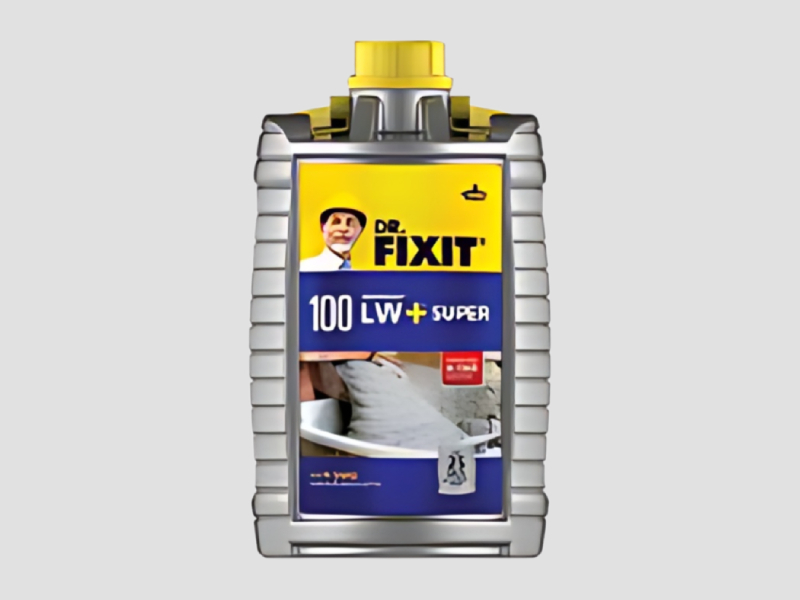
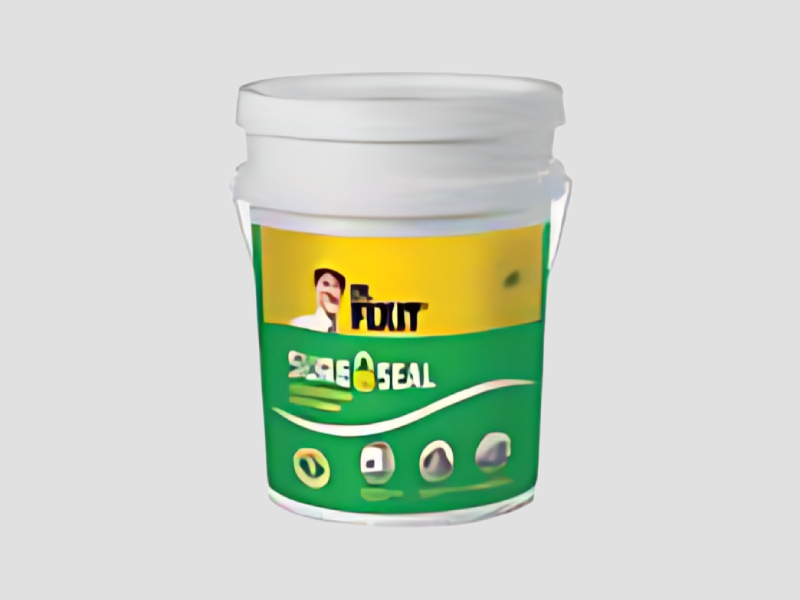
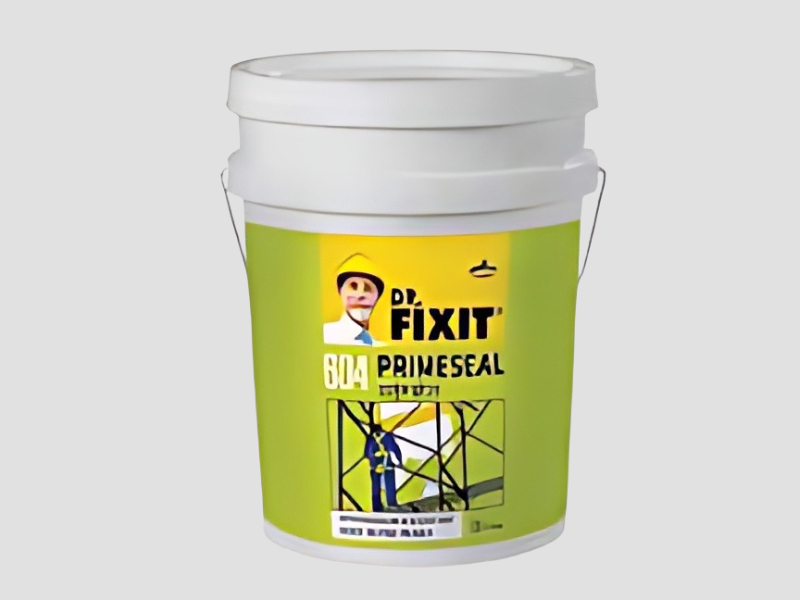
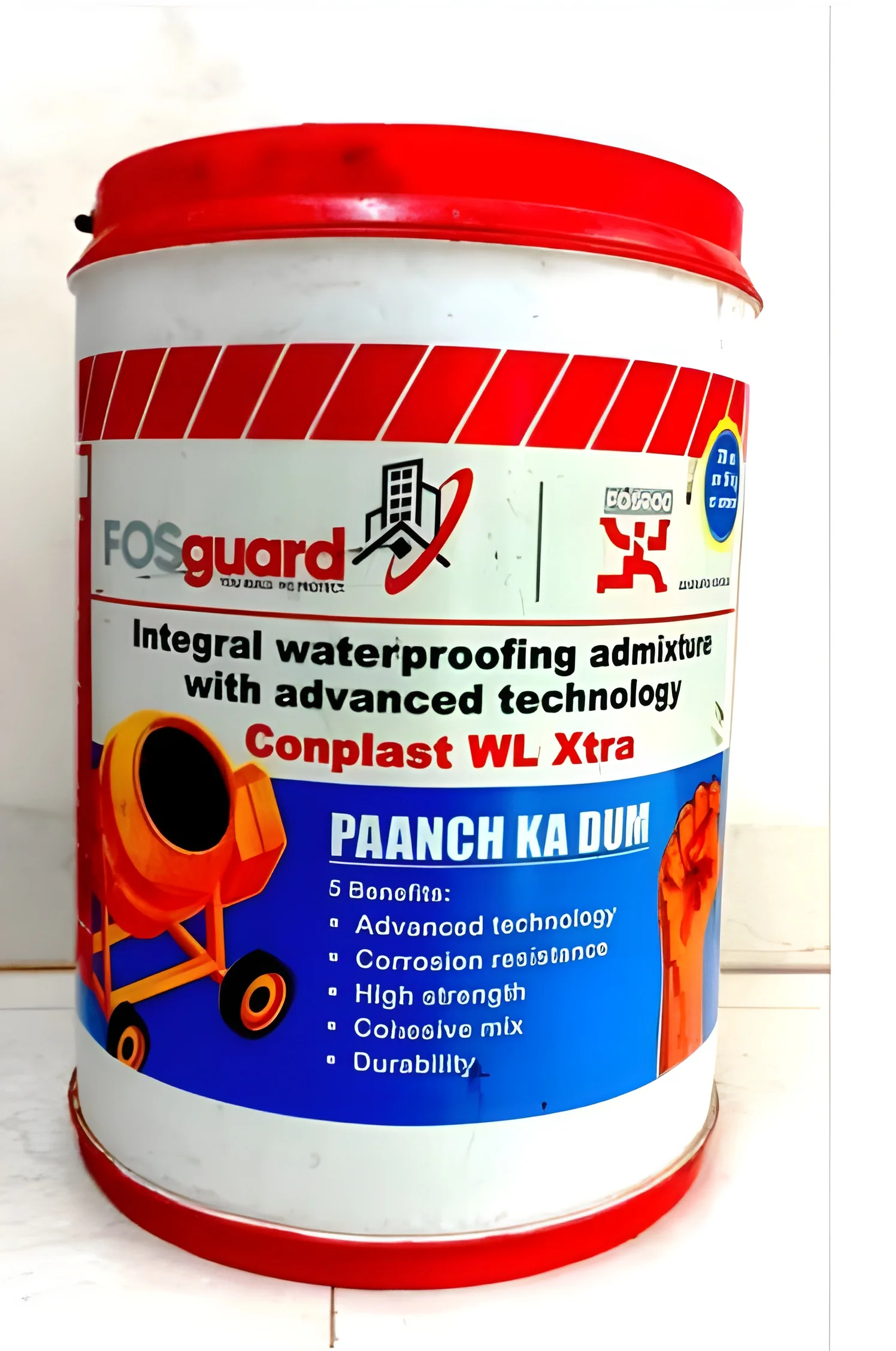
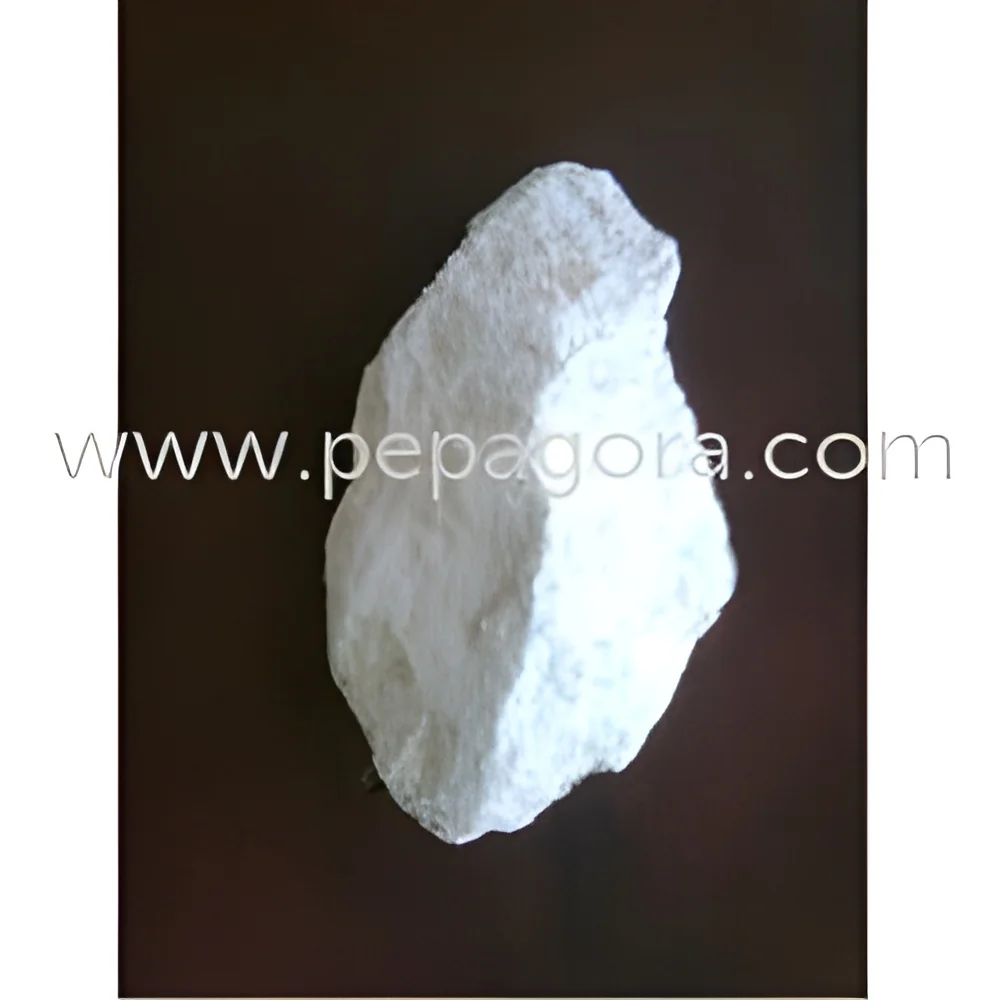
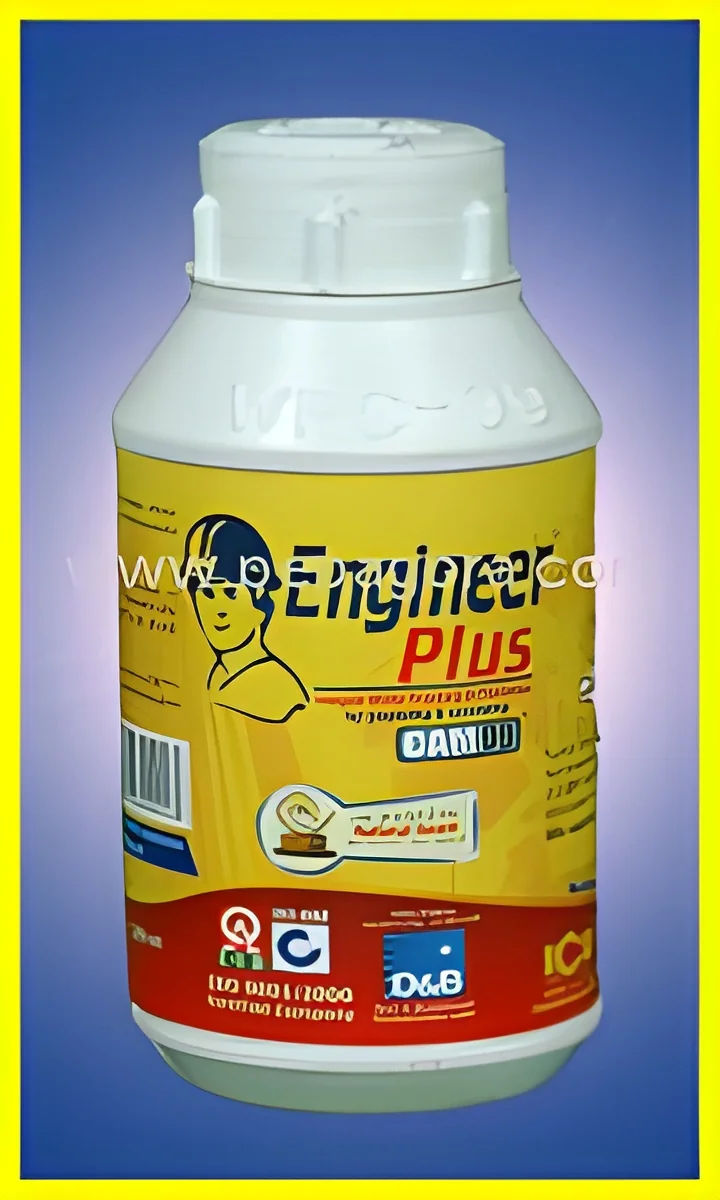
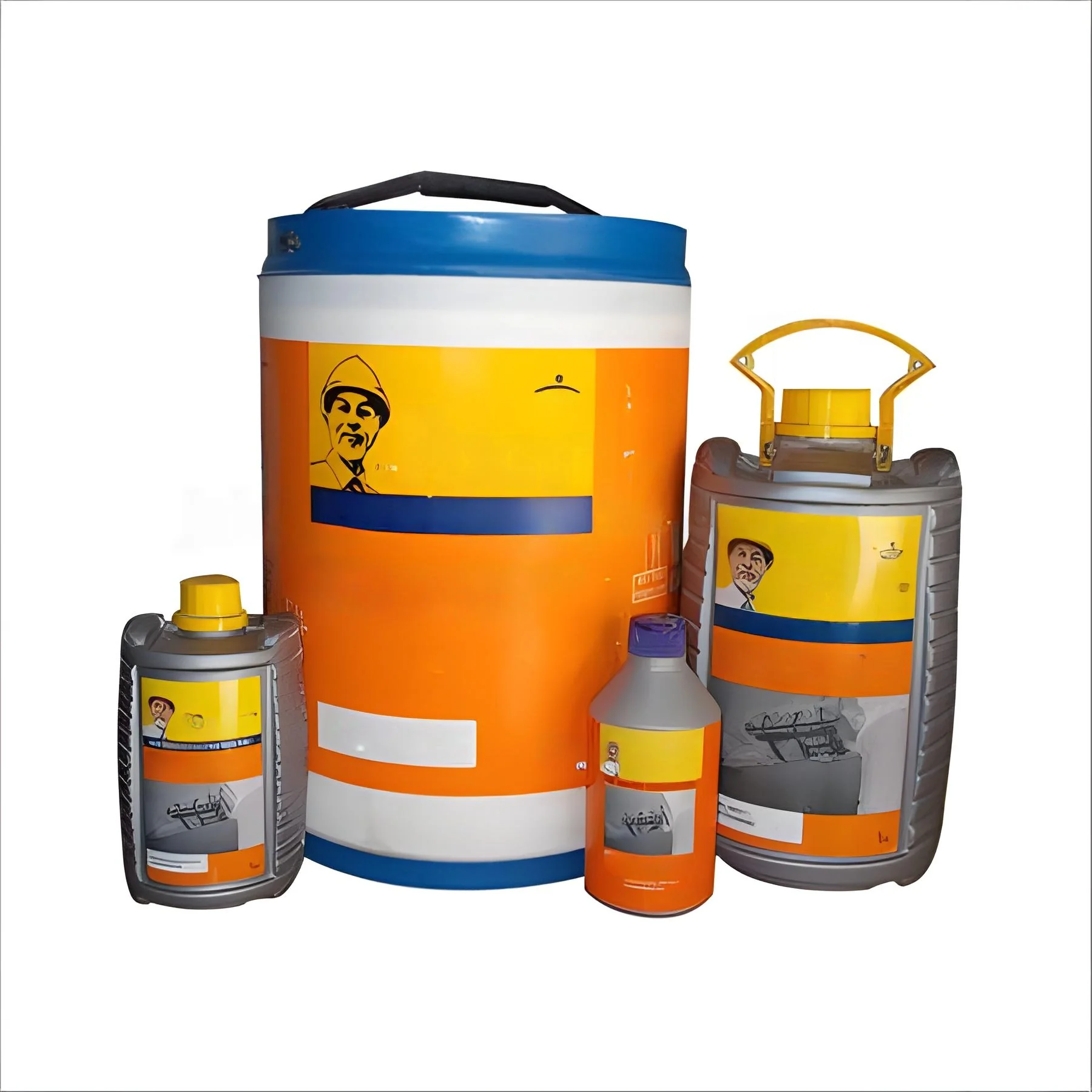
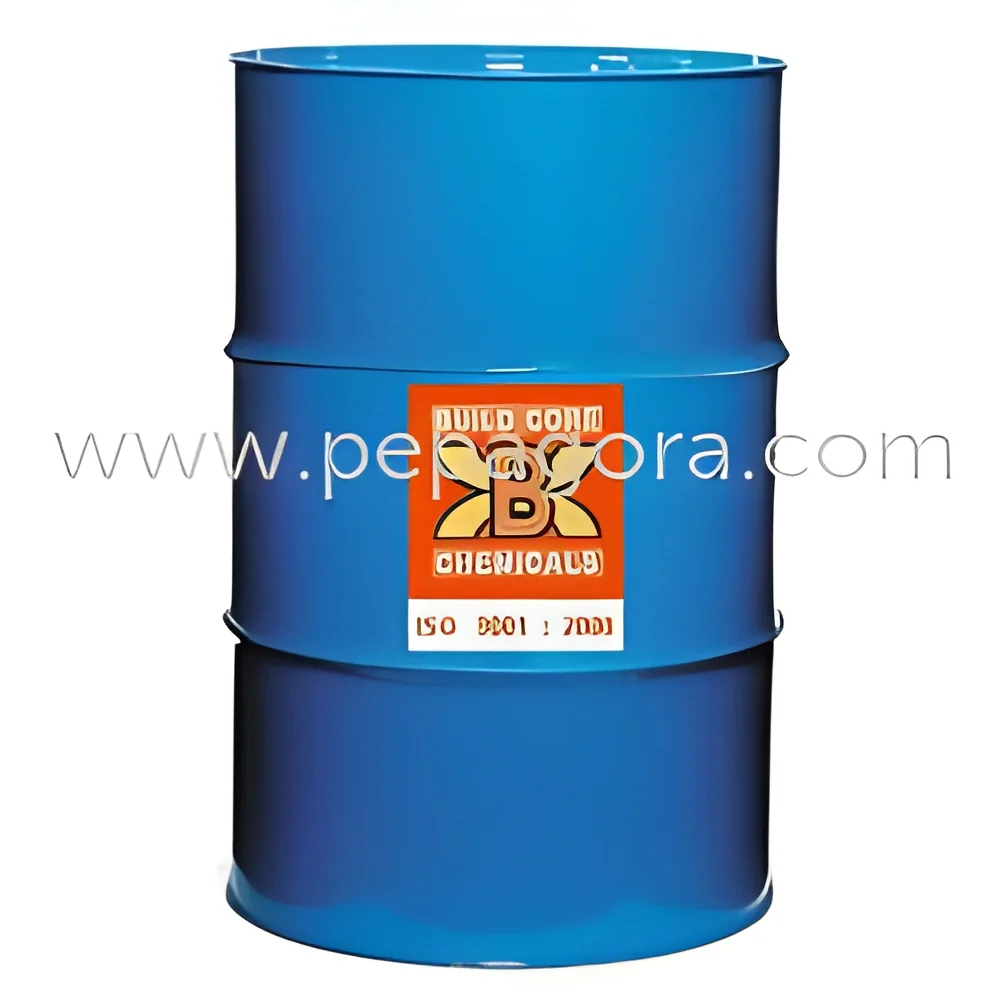
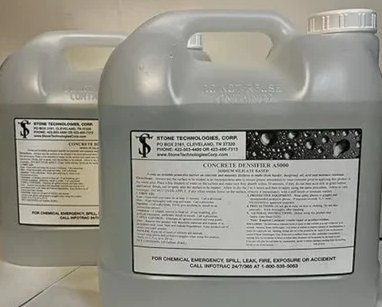
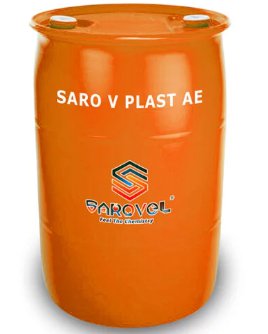
What are Concrete Admixtures?
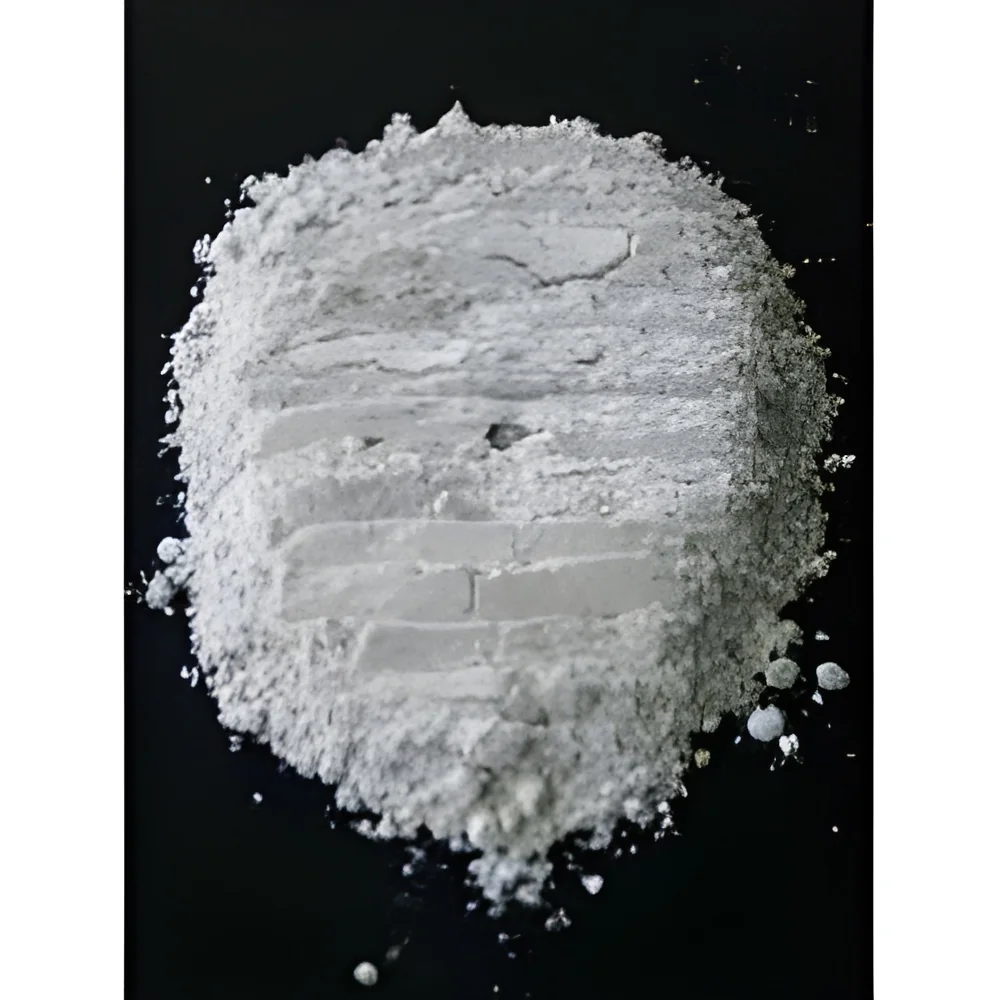
Concrete admixtures are materials added to concrete mixtures to enhance their properties and performance. These additives can modify the setting time, workability, durability, and strength of concrete. By incorporating specific admixtures, construction professionals can achieve desired characteristics that meet the requirements of various projects.
Concrete admixtures find primary use in construction applications, including residential, commercial, and infrastructure projects. They are essential for improving the quality of concrete, allowing it to perform better under various conditions. For example, admixtures can help achieve faster curing times, reduce water usage, or enhance resistance to environmental factors. As the demand for high-performance concrete increases, the relevance of these products in the market continues to grow, driven by the need for durable and sustainable construction solutions.
Key Features and Specifications
Concrete admixtures come with a variety of features designed to improve performance. Understanding these specifications is crucial for selecting the right product for specific applications.
Key specifications include:
1. Workability Enhancement
- Improves the flow and ease of mixing
- Reduces the need for additional water
2. Setting Time Modification
- Adjusts the time required for concrete to set
- Allows for quicker project completion or extended working time
3. Strength Improvement
- Increases compressive and tensile strength
- Essential for heavy-load applications
4. Durability Enhancement
- Provides resistance to weathering, chemical attack, and freeze-thaw cycles
- Extends the lifespan of concrete structures
5. Water Reducing Capability
- Lowers water-to-cement ratio for better strength
- Helps in achieving desired workability with less water
6. Shrinkage Control
- Minimizes cracking and deformation during curing
- Essential for large-scale projects
7. Air Entraining Properties
- Introduces microscopic air bubbles for improved frost resistance
- Enhances the workability of concrete
8. Corrosion Inhibition
- Protects embedded steel reinforcement from corrosion
- Increases the durability of concrete in aggressive environments
Concrete admixtures are vital for achieving optimal performance and longevity in concrete applications.
Common Applications and Use Cases
Concrete admixtures play a significant role across various industries. Their specific applications vary based on project requirements and environmental conditions.
1. Construction Industry: In residential and commercial construction, admixtures enhance workability and strength, allowing for the construction of high-quality structures.
2. Infrastructure Projects: In highway and bridge construction, admixtures improve durability and resistance to harsh weather conditions, ensuring the longevity of critical infrastructure.
3. Precast Concrete Manufacturing: Admixtures help achieve consistent quality in precast components, reducing production costs and time.
4. High-Rise Buildings: In skyscraper construction, admixtures are used to ensure that concrete can support heavy loads and withstand environmental stresses.
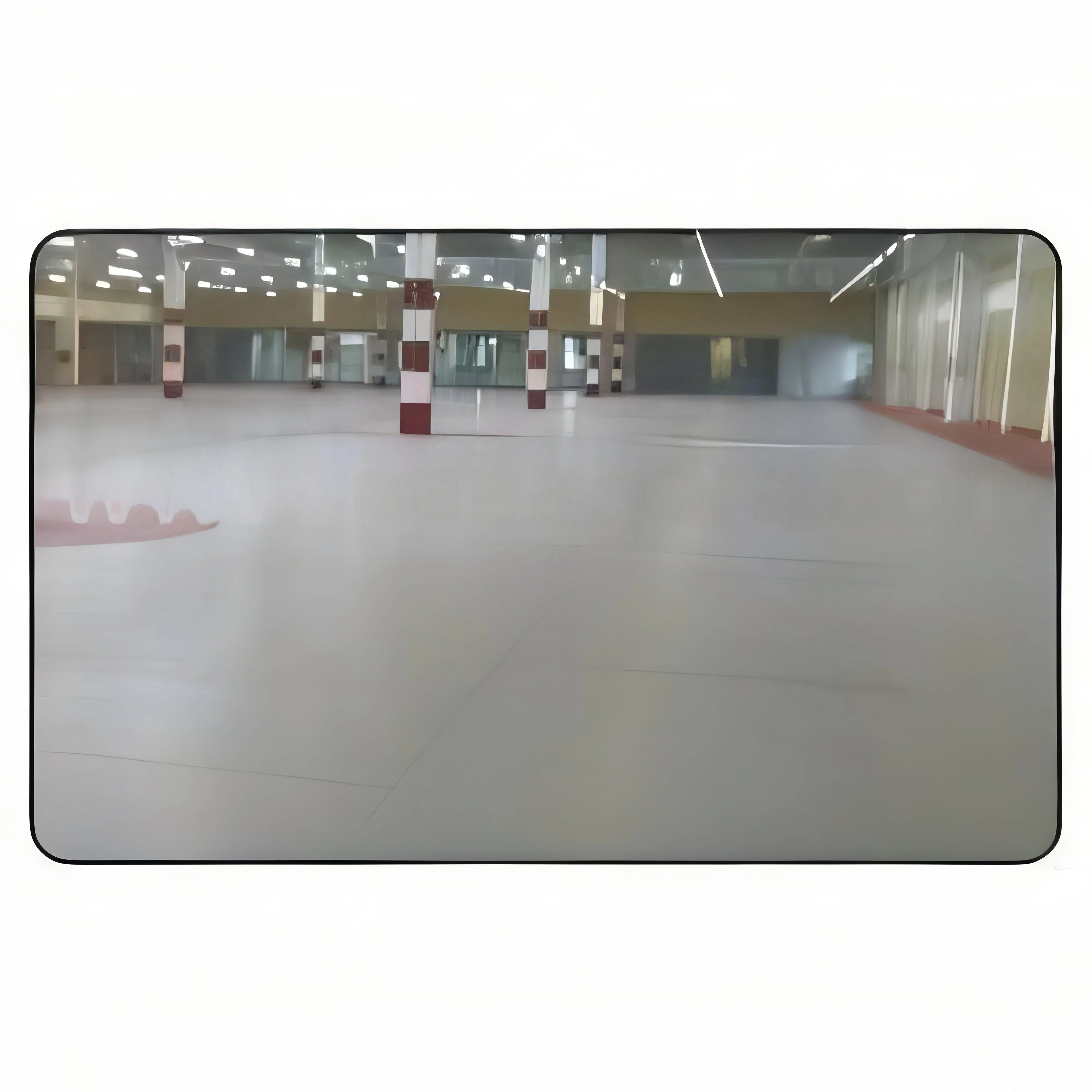
5. Industrial Flooring: Admixtures improve the performance of industrial floors, enhancing resistance to chemicals and wear.
6. Water Retaining Structures: In reservoirs and canals, admixtures contribute to water-tightness and durability, preventing leaks and structural failure.
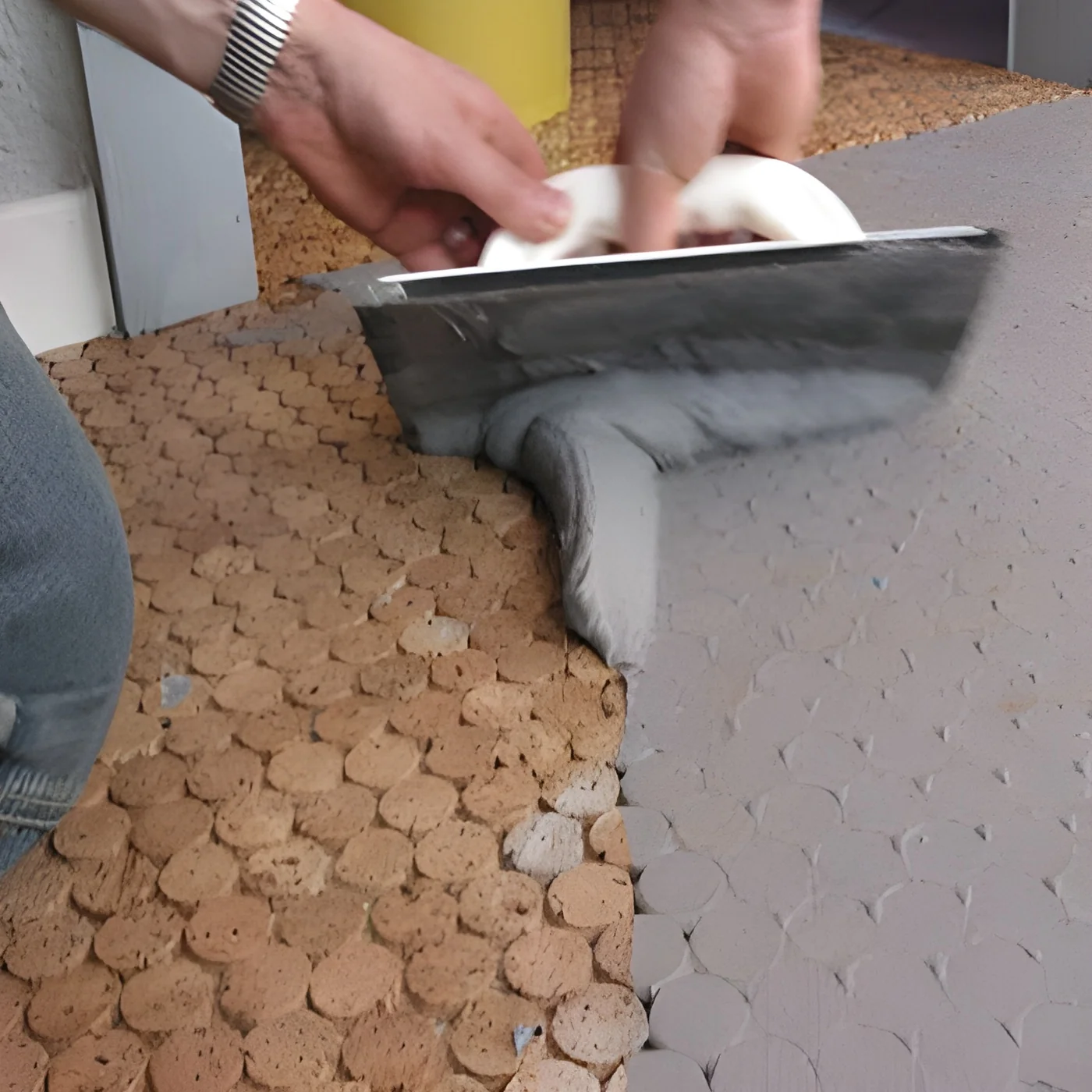
7. Repair and Rehabilitation: Admixtures are used in repair mortars to enhance adhesion and durability, extending the life of existing structures.
Product Variants and Subcategories
Concrete admixtures come in various types, each designed for specific applications and performance enhancements.
Water-Reducing Admixtures
These admixtures reduce the amount of water needed in the concrete mix, improving strength and workability. They are commonly used in high-strength concrete applications.
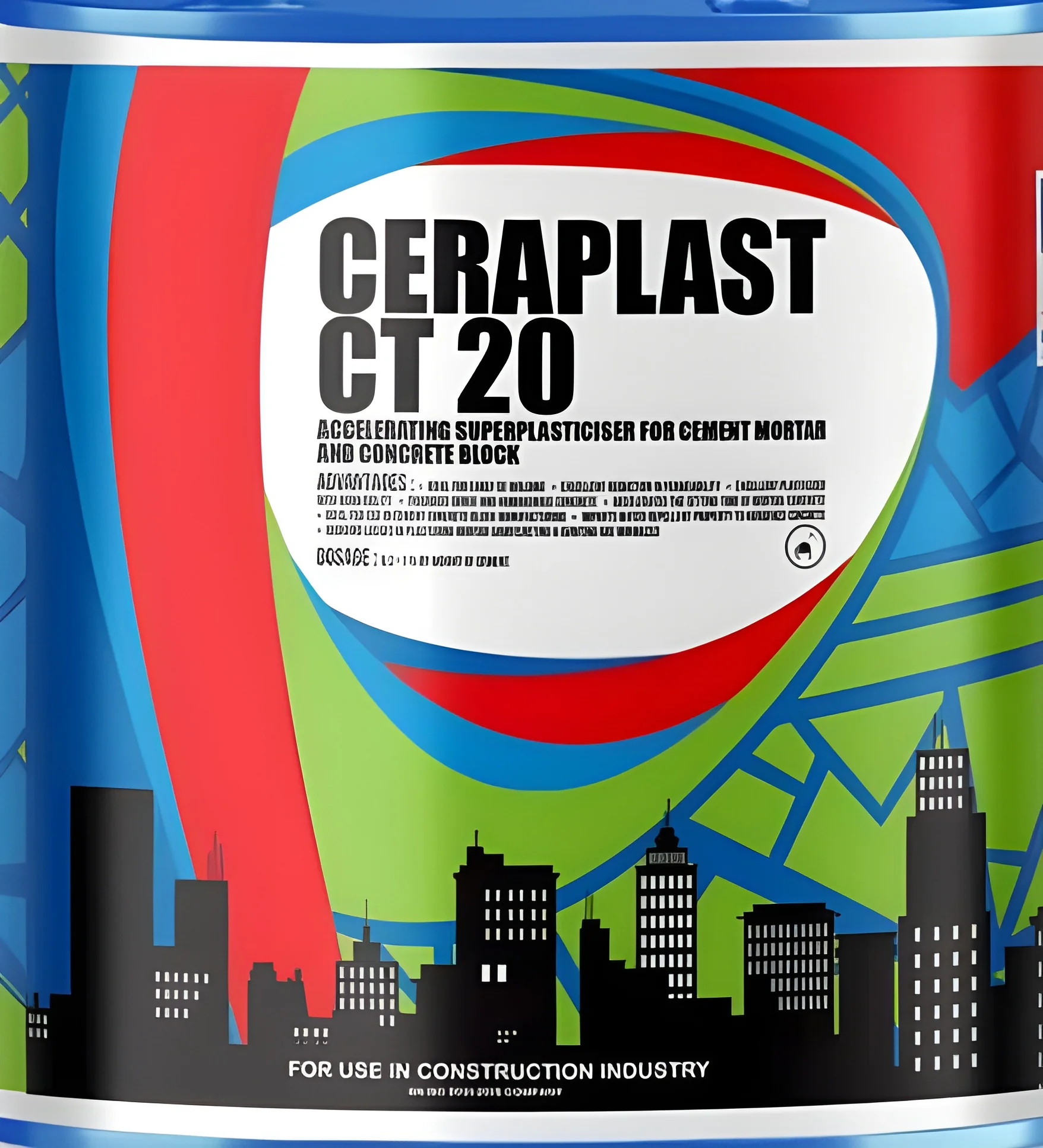
Accelerating Admixtures
These are used to speed up the curing process of concrete, allowing for quicker project completion. They are especially useful in cold weather conditions.
Retarding Admixtures
These help prolong the setting time of concrete, providing more workable time in hot weather. They are beneficial for large pours or when transportation times are lengthy.
Air-Entraining Admixtures
These introduce air bubbles into the concrete mix, enhancing frost resistance and workability. They are often used in exposed concrete applications.
Benefits and Advantages
Using concrete admixtures offers numerous benefits that can significantly improve construction outcomes.
1. Enhanced Durability: Admixtures increase the lifespan of concrete by improving its resistance to environmental factors.
2. Improved Workability: They make concrete easier to mix, place, and finish, reducing labor costs and time.
3. Cost Efficiency: By reducing water usage and enhancing strength, admixtures can lead to lower overall material costs.
4. Versatility: Different types of admixtures can be combined to achieve specific performance requirements tailored to project needs.
5. Time Savings: Accelerating admixtures can help speed up project timelines, allowing for quicker completion of construction phases.
6. Environmental Benefits: Many admixtures help reduce the carbon footprint of concrete by minimizing water use and improving overall material efficiency.
Buying Guide for B2B Buyers
When sourcing concrete admixtures, it is essential to consider several key factors to ensure the best selection for your needs.
1. Quality Assessment: Ensure that the admixtures meet industry standards for performance and safety. Look for certifications that guarantee quality.
2. Supplier Verification: Vet suppliers to confirm their reliability and reputation in the market. Check for reviews and request references if necessary.
3. Pricing and MOQ: Evaluate pricing structures and minimum order quantities to find a balance between cost-effectiveness and project requirements.
4. Delivery and Lead Times: Assess the supplier's ability to meet delivery schedules, which can impact project timelines.
5. Compliance Requirements: Understand the regulatory requirements for concrete admixtures in your region to ensure compliance and avoid potential issues.
Compliance and Certifications
Concrete admixtures must adhere to various quality standards and certifications to ensure safety and performance. Compliance with ISO 9001 guarantees a consistent quality management system in manufacturing.
Additionally, CE certification indicates that the product meets European Union safety, health, and environmental protection standards.
Testing requirements include assessments for performance characteristics, such as strength and durability. Ensuring that admixtures meet these standards is crucial for maintaining the integrity of construction projects.
Regional compliance considerations may vary, so it is vital to be aware of local regulations governing the use of construction materials, including concrete admixtures.
Why Source Concrete Admixtures from Pepagora?
Pepagora offers a trusted platform for sourcing concrete admixtures, providing several key advantages for B2B buyers.
Verified Supplier Network: Pepagora features a network of verified suppliers, ensuring that buyers have access to high-quality products from reputable manufacturers.
Streamlined RFQ Process: The platform simplifies the request for quotation process, making it easier for buyers to obtain the best prices and terms from multiple suppliers quickly.
Trade Assurance and Support: Pepagora provides buyer protection through trade assurance, ensuring that transactions are secure and that buyers receive the products they expect.
Regional Coverage: With a strong presence in India, the GCC, and Southeast Asia, Pepagora connects buyers with suppliers across these regions, facilitating access to concrete admixtures for various projects.

 IN
IN