
 IN
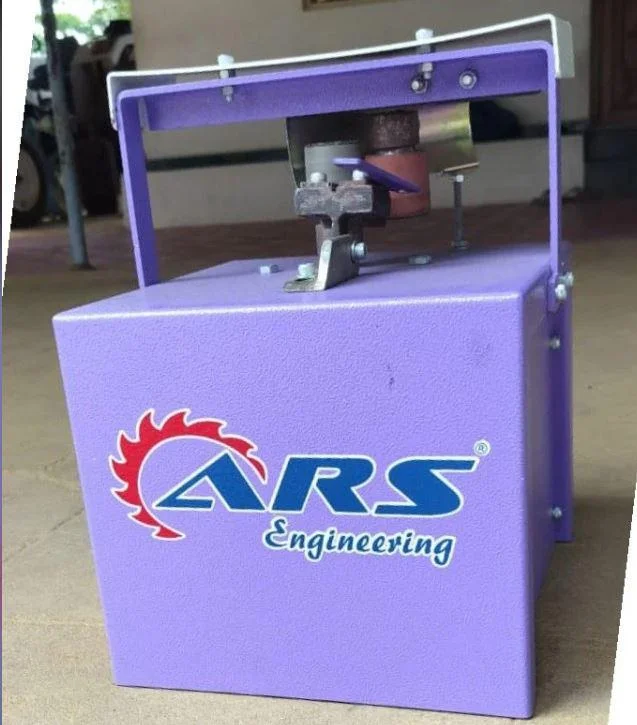
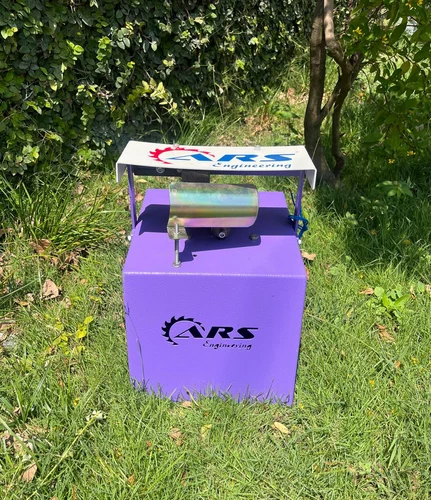
Tenoning & Mortising Machines
5 products available
What are Tenoning & Mortising Machines?
Tenoning and mortising machines are specialized woodworking tools designed to create precise joints in timber. A tenoning machine cuts tenons, which are protruding parts of a piece of wood that fit into a corresponding mortise cut into another piece. Conversely, a mortising machine is used to create the mortise, which is the cavity or hole that receives the tenon. Both machines are essential in producing strong, durable joints that are critical for furniture making, cabinetry, and structural woodworking.
The primary applications of tenoning and mortising machines include the production of furniture, doors, windows, and other wooden structures. These machines are commonly used in both small-scale workshops and large manufacturing facilities. Businesses benefit from these machines as they enhance efficiency, precision, and the overall quality of wood products. The market for these machines continues to grow due to the rising demand for custom woodworking and high-quality furniture.
In today's competitive woodworking industry, the relevance of tenoning and mortising machines cannot be overstated. As manufacturers strive for greater accuracy and speed, these machines play a pivotal role in meeting production demands. Market trends indicate a steady increase in the adoption of advanced machinery to improve operational efficiency and reduce labor costs.
Key Features and Specifications
Tenoning and mortising machines come with various features tailored to enhance performance and usability. Understanding these specifications is crucial for making an informed purchase.
Key specifications include:
1. Cutting Capacity
- Determines the maximum size of the wood pieces that can be processed.
- Typically ranges from 6 inches to 12 inches in width.
2. Motor Power
- Indicates the strength of the machine's motor.
- Commonly found in ranges from 1 HP to 5 HP.
3. Speed Settings
- Reflects the number of revolutions per minute (RPM) the machine can achieve.
- Varies between 2,000 to 4,500 RPM depending on the model.
4. Table Size
- Refers to the dimensions of the working surface.
- Standard sizes may range from 24 inches by 36 inches to larger configurations.
5. Weight
- The overall weight of the machine, which can affect portability and stability.
- Typically weighs between 200 lbs to 800 lbs.
6. Safety Features
- Includes guards, emergency stop buttons, and other safety mechanisms.
- Designed to minimize the risk of accidents during operation.
7. Dust Collection
- Refers to built-in systems for collecting wood debris.
- Essential for maintaining a clean work environment.
8. Control Systems
- Involves manual or digital controls for machine operation.
- Advanced models may feature programmable settings for enhanced precision.
In summary, understanding these key features and specifications will allow businesses to select the right tenoning and mortising machines that fit their operational needs.
Common Applications and Use Cases
Tenoning and mortising machines are versatile tools used across various industries.
1. Furniture Manufacturing: These machines are essential for producing joints in tables, chairs, and cabinets, ensuring durability and aesthetic appeal.
2. Cabinetry: High-quality cabinetry relies on precise mortise and tenon joints to create strong, lasting structures that can withstand daily use.
3. Timber Framing: In construction, these machines are used to create joints in timber frames, enhancing stability and structural integrity.
4. Woodworking Shops: Small and large woodworking shops utilize these machines for custom projects, enabling artisans to craft unique pieces.
5. Musical Instruments: Some manufacturers of wooden musical instruments rely on precision jointing to achieve the best sound quality.
6. Decorative Woodwork: Tenoning and mortising are important in producing intricate designs and patterns in decorative woodworking projects.
7. Boat Building: In marine construction, these machines ensure that wooden components fit seamlessly, which is crucial for the vessel's performance.
Product Variants and Subcategories
Tenoning and mortising machines come in various configurations, catering to different needs.
Horizontal Tenoning Machine: This variant is designed for horizontal operations, allowing for efficient cutting of multiple pieces in a single pass. It often features adjustable settings for various wood types and thicknesses.
Vertical Mortising Machine: Best suited for creating vertical mortises, this machine provides greater control over depth and precision, making it ideal for intricate work.
Pneumatic Tenoning Machine: Utilizing compressed air, this variant allows for faster operations and is particularly useful in high-volume production environments.
Portable Mortising Machine: Designed for on-site use, this lightweight variant offers flexibility and ease of use for carpenters working in various locations.
Benefits and Advantages
Investing in tenoning and mortising machines offers numerous advantages for businesses.
1. Enhanced Precision: These machines allow for accurate cuts, resulting in better joints and improved overall product quality.
2. Increased Efficiency: Automated features reduce manual labor and speed up production processes, allowing businesses to meet higher demand.
3. Versatility: Capable of handling various wood types and sizes, these machines adapt to different projects and requirements.
4. Cost-Effective: By minimizing waste and maximizing output, these machines contribute to lower production costs over time.
5. Safety Features: Built-in safety mechanisms protect operators, reducing the risk of accidents and ensuring a safer working environment.
6. Improved Workflow: Streamlined operations lead to better time management and productivity in woodworking projects.
Buying Guide for B2B Buyers
When sourcing tenoning and mortising machines, buyers should consider several key factors to ensure a successful purchase.
1. Quality Assessment: Evaluate the build quality and reliability of the machine. Look for reputable brands and read customer reviews to gauge performance.
2. Supplier Verification: Research potential suppliers thoroughly. Confirm their credentials, industry experience, and customer feedback to ensure they are trustworthy.
3. Pricing and MOQ: Understand the price range for the machines and inquire about minimum order quantities (MOQ). This will help in budgeting and planning.
4. Delivery and Lead Times: Discuss delivery options and lead times with suppliers to ensure timely receipt of the machines, especially for projects with tight deadlines.
5. Compliance Requirements: Be aware of any regulatory standards that the machines must meet, such as safety and quality certifications, ensuring they are compliant with local and international regulations.
Compliance and Certifications
Compliance and certification are vital aspects of tenoning and mortising machines. These machines must adhere to relevant quality standards such as ISO 9001, which ensures a consistent quality management system. Additionally, industry certifications like CE indicate compliance with European safety standards, ensuring that the machines meet safety and performance regulations.
Safety and testing requirements are also crucial. Manufacturers must conduct rigorous testing to certify the machines are safe for use. This includes evaluating the machines for potential hazards and ensuring they have adequate safety features.
Regional compliance considerations play a significant role in machine sourcing. Different regions may have specific regulations that must be followed, so it is essential to confirm that the machines comply with local laws and standards.
Why Source Tenoning & Mortising Machines from Pepagora?
Pepagora provides a trusted platform for sourcing tenoning and mortising machines, offering several key advantages for businesses.
Verified Supplier Network: Pepagora connects buyers with a network of verified suppliers, ensuring that only reputable manufacturers are accessible. This reduces the risk of purchasing low-quality machines.
Streamlined RFQ Process: The request for quotation (RFQ) process is designed to be user-friendly, allowing buyers to receive multiple quotes quickly. This enables informed decision-making based on competitive pricing.
Trade Assurance and Support: With trade assurance programs, buyers are protected during transactions. Pepagora offers support throughout the purchasing process, ensuring a smooth experience.
Regional Coverage: Pepagora's geographic reach spans India, the GCC, and Southeast Asia. This extensive coverage allows businesses to find local suppliers and streamline logistics, reducing lead times and shipping costs.

 India
 India

Frequently Asked Questions
What are Tenoning & Mortising Machines?
Tenoning and mortising machines are specialized woodworking tools designed to create precise joints in timber. Tenoning machines cut tenons, which are projections on a piece of wood that fit into corresponding mortises, while mortising machines create the mortises or cavities. These machines enhance the efficiency and accuracy of woodworking projects.
What are the different types of Tenoning & Mortising Machines?
There are several types of tenoning and mortising machines, including vertical and horizontal mortisers, as well as dedicated tenoning machines. Some models offer combination features, allowing users to perform both mortising and tenoning tasks. Additionally, machines can vary based on size, power source, and capabilities.
How do I choose the right Tenoning & Mortising Machines?
Choosing the right tenoning and mortising machines depends on factors such as the volume of work, types of projects, and material specifications. Consider the machine's power, size, and features, as well as the ease of operation and maintenance. It's also beneficial to review user feedback and consult with suppliers or manufacturers.
What are the standard specifications for Tenoning & Mortising Machines?
Standard specifications for tenoning and mortising machines typically include motor power, cutting capacity, table size, and speed settings. Additionally, machines may have specific features like adjustable depth settings, safety mechanisms, and compatibility with various tooling. Always refer to the manufacturer's guidelines for detailed specifications.
What is the price range for Tenoning & Mortising Machines?
The price range for tenoning and mortising machines can vary significantly based on brand, features, and capabilities, typically ranging from INR 15,000 to INR 1,00,000 or more. Entry-level models are generally more affordable, while advanced machines with extensive features may command higher prices. It's advisable to compare multiple suppliers for the best options.
What quality standards apply to Tenoning & Mortising Machines?
Quality standards for tenoning and mortising machines often include adherence to safety regulations and performance criteria established by industry organizations. Manufacturers may also comply with ISO standards and other certifications to ensure reliability and durability. Checking for quality certifications can help buyers ensure they are investing in a reliable machine.
Where can I find Tenoning & Mortising Machines suppliers in India?
You can find tenoning and mortising machines suppliers in India through various channels including B2B marketplaces, trade shows, and industry directories. Websites like Pepagora provide a platform to connect with reliable manufacturers and suppliers. Conducting online research and reading reviews can also help identify reputable suppliers.
Can Tenoning & Mortising Machines be customized?
Yes, many manufacturers offer customization options for tenoning and mortising machines based on specific requirements. Customizations can include modifications in size, features, and additional tooling to meet the unique needs of a business. It's recommended to discuss your requirements with the supplier to explore available options.
What is the typical minimum order quantity for Tenoning & Mortising Machines?
The minimum order quantity (MOQ) for tenoning and mortising machines can vary by supplier and can range from one unit to several units. Factors influencing MOQ may include the type of machine, customization requests, and supplier policies. Always confirm the MOQ with the supplier before placing an order.
What is the typical lead time for Tenoning & Mortising Machines?
Typical lead times for tenoning and mortising machines can range from a few weeks to several months, depending on the supplier, machine specifications, and whether customization is required. It's important to communicate with the supplier to obtain accurate lead time estimates based on current production schedules.
Why Businesses Trust Pepagora
Thousands of companies trust Pepagora to source smarter and sell faster
Expand Your Sales Globally

Source Smarter,Grow Faster
