
 IN
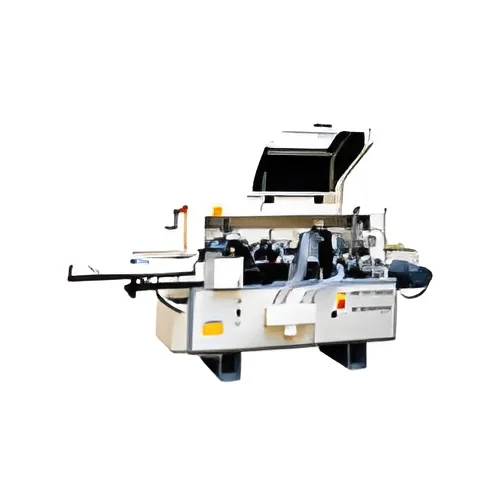
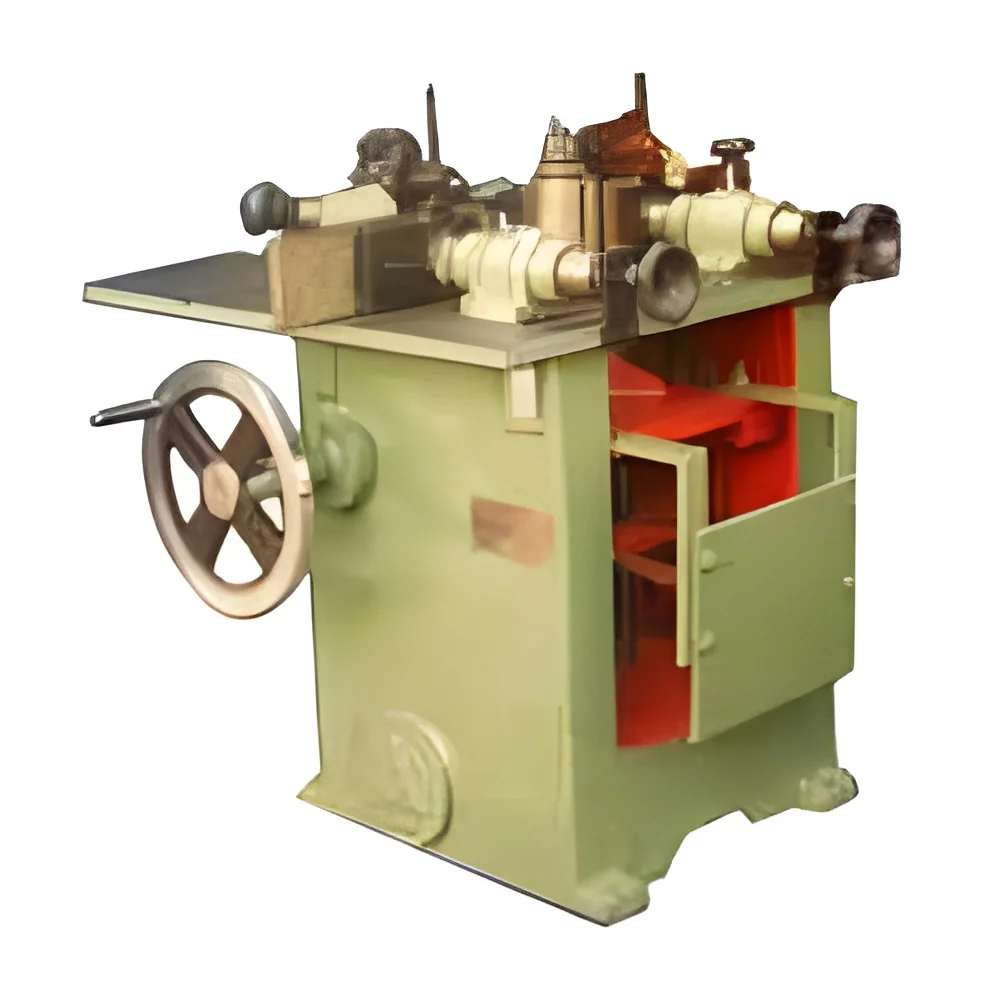
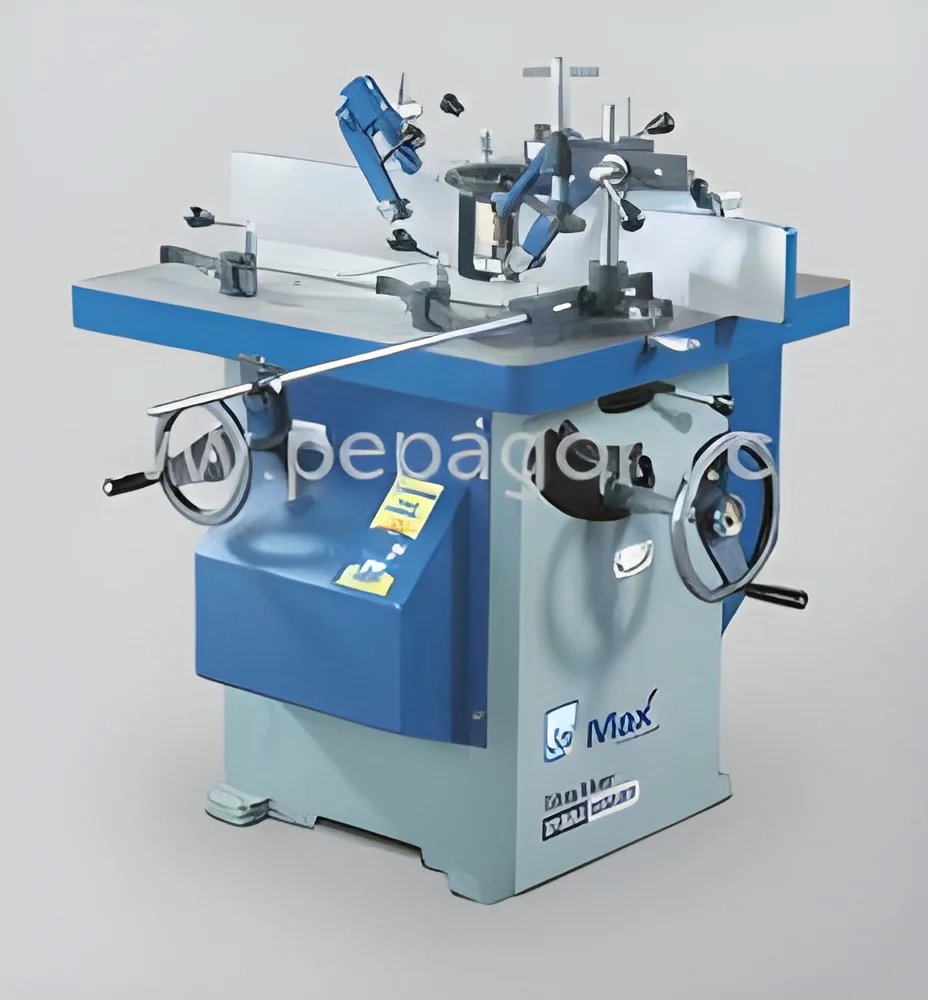
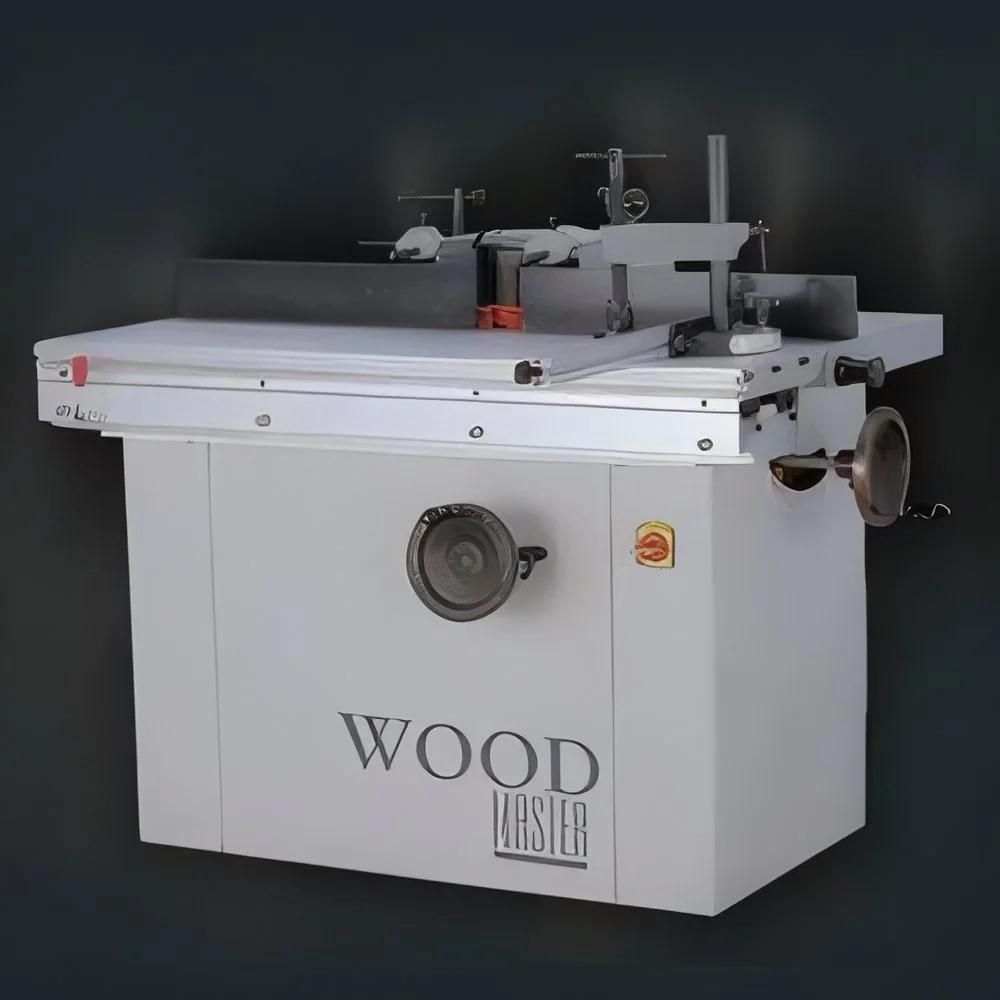
Spindle Moulders
4 products available
What are Spindle Moulders?
Spindle moulders are specialized woodworking machines designed to shape and profile wood through the use of rotating cutting tools. These machines feature a vertical spindle that holds the cutter head, allowing for precise and efficient shaping of wood pieces. Spindle moulders are essential in woodworking operations that require repeated cuts and intricate profiles, making them a staple in both small workshops and large industrial settings.
The primary uses of spindle moulders include creating decorative edges, grooves, and profiles on wood pieces. They are widely utilized in the production of furniture, cabinetry, and architectural elements. Businesses in the woodworking industry rely on spindle moulders for their ability to produce consistent and high-quality results, enhancing efficiency in production lines. As demand for custom wood products continues to rise, the relevance of spindle moulders in the market remains strong, with advancements in technology leading to increased capabilities and performance.
Key Features and Specifications
Spindle moulders are equipped with several key features that enhance their functionality and efficiency. Understanding these specifications is crucial for businesses looking to invest in this equipment.
Key specifications include:
1. Spindle Speed
- Typically ranges from 5000 to 10000 RPM
- Allows for various cutting applications depending on the material and cutter type
2. Maximum Cutter Diameter
- Generally accommodates cutters up to 200 mm
- Enables diverse profiling and shaping tasks
3. Table Size
- Common sizes range from 800 mm x 600 mm to 1200 mm x 800 mm
- Provides ample workspace for larger wood pieces
4. Power Rating
- Usually between 3 to 7.5 kW
- Ensures sufficient power for heavy-duty operations
5. Feed Speed
- Adjustable speeds from 5 to 15 meters per minute
- Facilitates control over the cutting process
6. Weight
- Varies from 200 kg to 600 kg
- Stability depends on the weight, influencing cutting precision
7. Safety Features
- Includes emergency stop buttons and blade guards
- Ensures operator safety during operation
8. Dust Extraction Compatibility
- Often designed to connect with dust collection systems
- Helps maintain a clean work environment
Spindle moulders are vital tools in the woodworking industry, and understanding their specifications can help businesses choose the right model for their needs.
Common Applications and Use Cases
Spindle moulders serve various industries with their versatility in wood processing.
1. Furniture Manufacturing: Spindle moulders are used to create intricate designs and profiles on furniture components, enhancing their aesthetic appeal.
2. Cabinetmaking: These machines are essential for crafting cabinet doors and frames, allowing for precise cuts and consistent results.
3. Architectural Woodworking: In architectural applications, spindle moulders shape wood for moldings, trims, and other decorative elements.
4. Joinery: Spindle moulders are utilized in joinery to produce joints and fittings that require high precision.
5. Musical Instruments: Some manufacturers use spindle moulders to shape wood components for instruments, ensuring quality sound production.
6. Flooring: In flooring applications, spindle moulders create tongue and groove edges for seamless installation.
7. DIY and Hobbyist Projects: Small workshops and hobbyists use spindle moulders for custom wood projects, benefiting from their versatility.
Product Variants and Subcategories
Spindle moulders come in various types, each tailored for specific applications and user needs.
Standard Spindle Moulders: These are the most common type, designed for general woodworking tasks. They offer flexibility in cutting and shaping wood, making them suitable for a wide range of applications.
Portable Spindle Moulders: Ideal for smaller workshops or on-site jobs, these machines are lightweight and easy to transport. They provide essential features for smaller-scale projects while maintaining performance.
Heavy-Duty Spindle Moulders: Designed for industrial applications, these variants come with enhanced power and larger tables to handle bigger wood pieces. They are built for continuous operation in high-demand environments.
Benefits and Advantages
Investing in spindle moulders offers numerous benefits to businesses in the woodworking industry.
1. Precision Cutting: Spindle moulders provide high accuracy in shaping wood, ensuring that every cut meets specifications.
2. Versatility: These machines can handle various profiles and shapes, making them suitable for diverse woodworking tasks.
3. Increased Efficiency: With the ability to perform repetitive tasks quickly, spindle moulders significantly enhance production speed.
4. Cost-Effectiveness: By automating shaping processes, businesses can reduce labor costs and minimize material waste.
5. Enhanced Quality: The consistent results achieved with spindle moulders lead to higher quality products, improving customer satisfaction.
6. Safety Features: Equipped with safety mechanisms, spindle moulders protect operators from accidents, fostering a safer work environment.
Buying Guide for B2B Buyers
When sourcing spindle moulders, it is essential to consider several factors to ensure the best investment.
1. Quality Assessment: Evaluate the build quality and reliability of the machine. Look for features such as robust construction and high-quality components that ensure durability over time.
2. Supplier Verification: Vet potential suppliers by checking their reputation, customer reviews, and industry experience. Reliable suppliers often provide warranties and after-sales support.
3. Pricing and MOQ: Consider the pricing structure and minimum order quantity. Compare quotes from multiple suppliers to ensure competitive pricing.
4. Delivery and Lead Times: Understand the logistics involved, including delivery times and costs. Ensure that the supplier can meet your production schedules.
5. Compliance Requirements: Verify that the spindle moulders meet relevant industry standards and certifications. This may include safety and performance regulations that vary by region.
Compliance and Certifications
Spindle moulders must adhere to various compliance standards to ensure safety and quality in production. Relevant quality standards include ISO 9001, which emphasizes quality management systems, and other sector-specific certifications such as HACCP and GDP.
Industry certifications like CE and UL are crucial for compliance, indicating that the equipment meets European and American safety standards, respectively. These certifications ensure that spindle moulders are safe for use in various environments and applications.
Additionally, manufacturers must consider safety and testing requirements to comply with local regulations. Regional compliance considerations may vary, so it is important to stay informed about specific regulations in your area to ensure full compliance.
Why Source Spindle Moulders from Pepagora?
Pepagora provides a trusted platform for sourcing spindle moulders with several key advantages.
Verified Supplier Network: Pepagora has a rigorous vetting process for suppliers, ensuring that businesses connect with reputable manufacturers and distributors. This network helps buyers find quality equipment with confidence.
Streamlined RFQ Process: The request for quotation system simplifies the buying process, allowing buyers to receive multiple quotes efficiently. This feature enables businesses to compare options and make informed decisions quickly.
Trade Assurance and Support: Buyers benefit from trade assurance programs that protect their purchases. Pepagora offers customer support to assist with any inquiries or issues that may arise during the buying process.
Regional Coverage: With a strong presence in India, the GCC, and Southeast Asia, Pepagora facilitates access to a wide range of suppliers and products. This regional coverage ensures that businesses can find the spindle moulders they need, regardless of their location.

 India
 India
 India
Frequently Asked Questions
What are Spindle Moulders?
Spindle moulders are woodworking machines designed to shape and profile wood pieces with precision. They utilize a rotating spindle to hold various cutting tools, allowing for the creation of complex designs and profiles on wood components.
What are the different types of Spindle Moulders?
There are several types of spindle moulders, including single-spindle, double-spindle, and tilting spindle moulders. Each type offers different capabilities and configurations to accommodate various woodworking applications.
How do I choose the right Spindle Moulders?
Choosing the right spindle moulder involves considering factors such as the type of work you plan to do, the size of the pieces you will be shaping, and the range of profiles you need. It is also important to evaluate the machine's power, speed settings, and safety features.
What are the standard specifications for Spindle Moulders?
Standard specifications for spindle moulders typically include spindle diameter, motor power, maximum cutting height, and table size. Other important specifications may include the type of feed system and the range of available cutting tools.
What is the price range for Spindle Moulders?
The price range for spindle moulders can vary significantly based on brand, features, and specifications. Generally, prices can start from around INR 30,000 and can go up to several lakhs for high-end models.
What quality standards apply to Spindle Moulders?
Spindle moulders should comply with various quality standards, including ISO certifications and safety regulations. These standards ensure that the machines operate efficiently and safely while maintaining durability and performance.
Where can I find Spindle Moulders suppliers in India?
You can find spindle moulders suppliers in India through online B2B marketplaces such as Pepagora.com, industry trade shows, and local woodworking equipment dealers. Researching and comparing different suppliers will help you find the best options.
Can Spindle Moulders be customized?
Yes, many manufacturers offer customization options for spindle moulders to meet specific operational requirements. Customization may include adjustments to the machine's size, spindle configuration, or additional features.
What is the typical minimum order quantity for Spindle Moulders?
The typical minimum order quantity (MOQ) for spindle moulders can vary by supplier and machine model. Generally, MOQ can range from one unit for standard machines to larger quantities for bulk orders.
What is the typical lead time for Spindle Moulders?
The typical lead time for spindle moulders usually ranges from 4 to 12 weeks, depending on the manufacturer's production schedule and whether the machine is standard or customized. It is advisable to confirm lead times with the supplier before placing an order.
Why Businesses Trust Pepagora
Thousands of companies trust Pepagora to source smarter and sell faster
Expand Your Sales Globally

Source Smarter,Grow Faster
