
 IN
Saw Machinery
20 products available
What are Saw Machinery?
Saw machinery refers to a range of industrial machines designed for cutting various materials such as wood, metal, plastics, and composites. These machines utilize different types of saw blades, including circular saws, band saws, and reciprocating saws, depending on the specific application. The primary function of saw machinery is to provide precise and efficient cutting solutions that enhance productivity in manufacturing and construction processes.
In business applications, saw machinery plays a crucial role in woodworking, metalworking, and fabrication industries. These machines are integral for producing components, parts, and finished products with accuracy and speed. Industries leverage saw machinery for tasks such as cutting lumber for furniture, processing metal sheets, and creating intricate designs in various materials. The demand for efficient cutting solutions drives innovation in saw machinery, ensuring its relevance in a competitive market.
Key Features and Specifications
Saw machinery comes equipped with a variety of features that enhance its performance and usability. Understanding these specifications is essential for selecting the right machine for specific cutting needs.
Key specifications include:
1. Blade Type
- Circular, band, or reciprocating blades depending on the application
- Different sizes and thicknesses for various materials
2. Cutting Capacity
- Maximum material thickness and width that can be processed
- Range varies by machine model
3. Power Rating
- Measured in horsepower or kilowatts
- Affects cutting efficiency and speed
4. Speed Settings
- Variable speed options for different materials
- Enhances versatility in cutting applications
5. Safety Features
- Includes blade guards, emergency stop buttons, and automatic shut-off
- Ensures operator safety during operation
6. Dust Collection System
- Built-in systems for minimizing debris and enhancing work environment
- Reduces cleanup time and improves visibility
7. Precision Controls
- Includes digital readouts and programmable settings
- Facilitates accurate cuts and repeatability
8. Portability
- Some models designed for easy transport
- Ideal for job sites or flexible work environments
In summary, the specifications of saw machinery are critical in determining their effectiveness and suitability for various industrial applications.
Common Applications and Use Cases
Saw machinery is widely utilized across several industries, each with specific applications that highlight the machine's versatility and efficiency.
1. Woodworking: In the woodworking industry, saw machinery is used to cut lumber for furniture making, cabinetry, and flooring. Precision cutting is essential to achieve high-quality finishes.
2. Metal Fabrication: Metalworking industries depend on saw machinery for cutting metal sheets and bars. This includes applications in automotive manufacturing and construction.
3. Construction: Saw machinery is crucial for cutting materials like drywall, plywood, and other building components. Efficient cutting tools help streamline construction timelines.
4. Furniture Manufacturing: Saw machinery aids in the production of various furniture types by providing accurate cuts for panels, legs, and other components.
5. Aerospace: In aerospace manufacturing, precision cutting of lightweight materials is achieved using specialized saw machinery, ensuring optimal performance and safety.
6. Plastics Processing: Saw machinery is employed to cut and shape plastic components for various applications, from packaging to automotive parts.
7. Signage: The signage industry utilizes saw machinery to create custom shapes and designs, ensuring high-quality output for visual communication.
Product Variants and Subcategories
Saw machinery encompasses a variety of types catering to different cutting needs and material types. The diversity in product variants allows businesses to select machines that best fit their applications.
Circular Saws
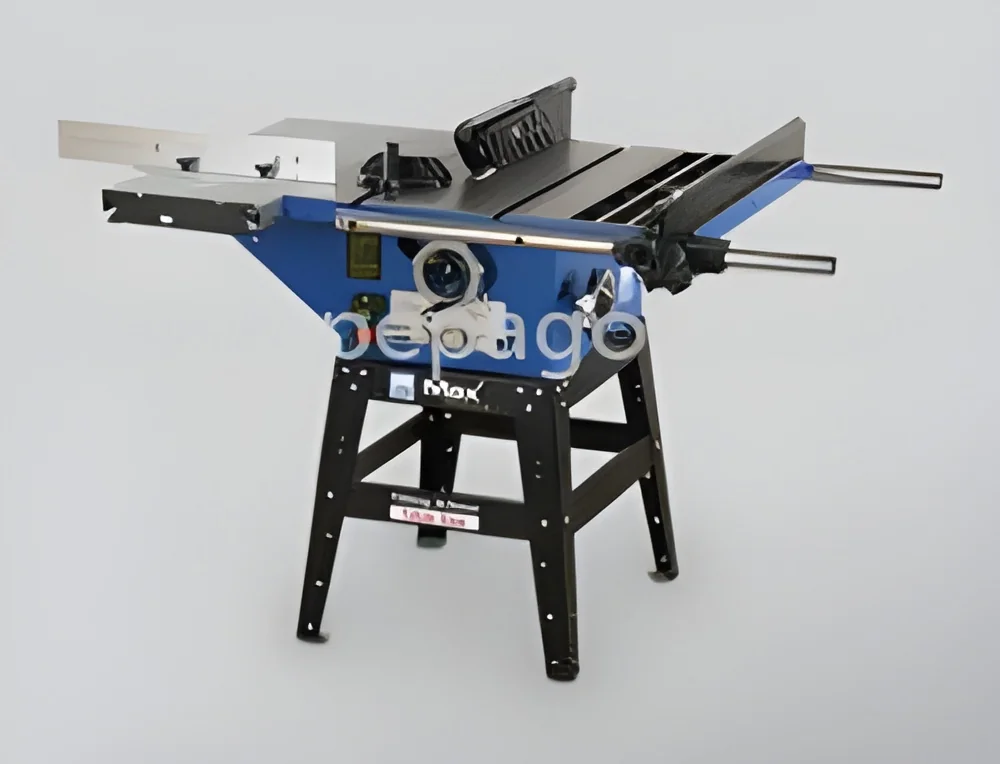
Circular saws are commonly used for cutting wood and metal materials. They are available in different sizes, allowing for versatility in various applications. Their efficiency makes them a staple in both industrial and construction settings.
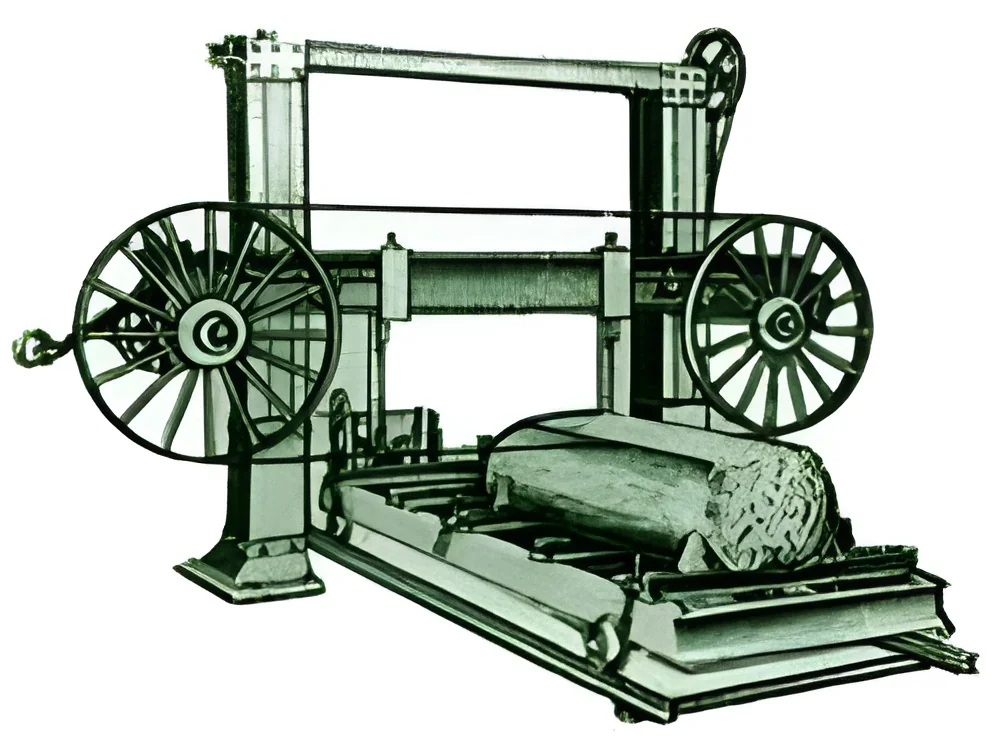
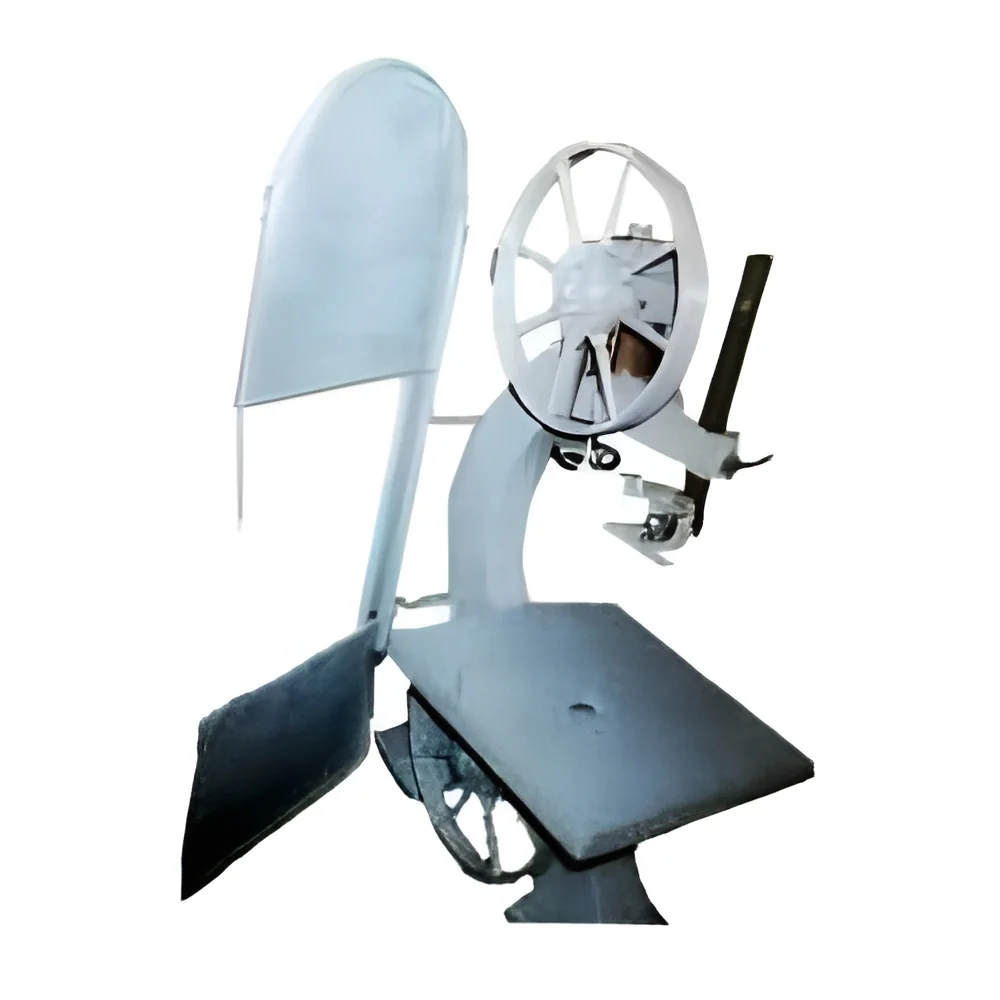
Band Saws
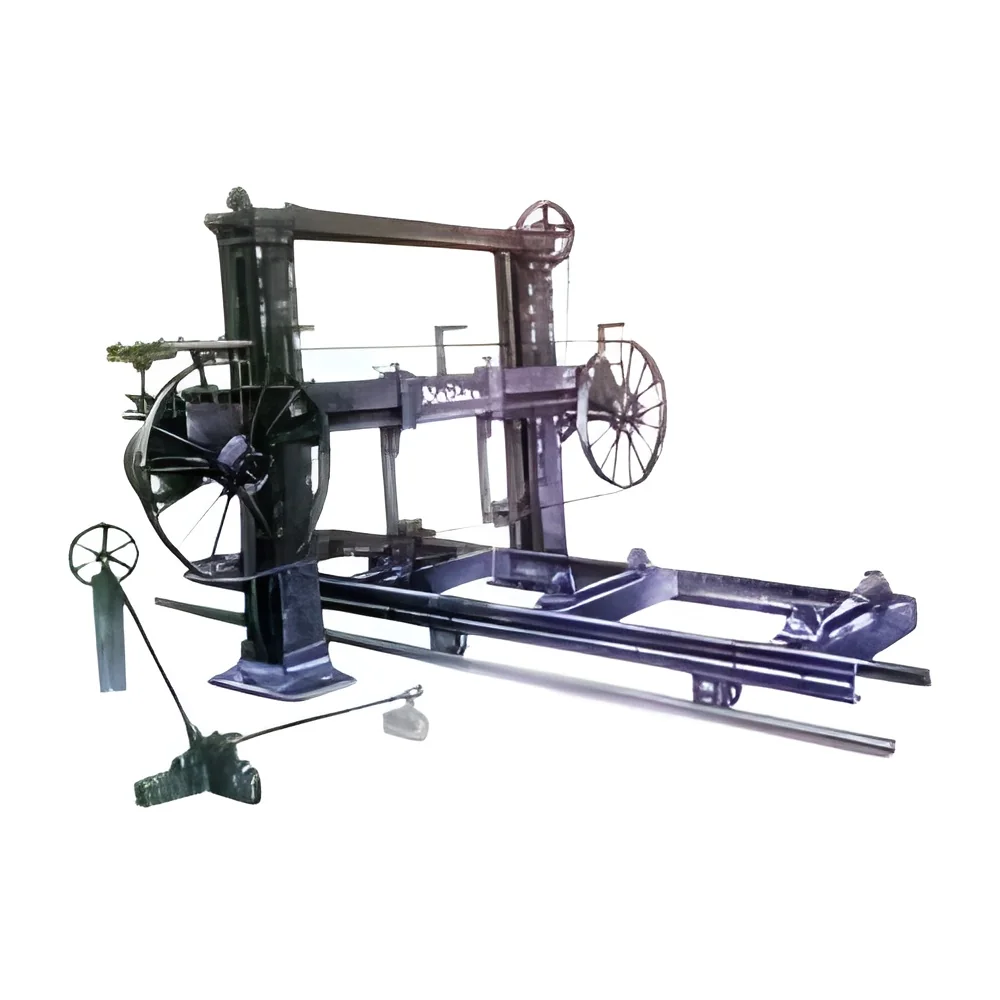
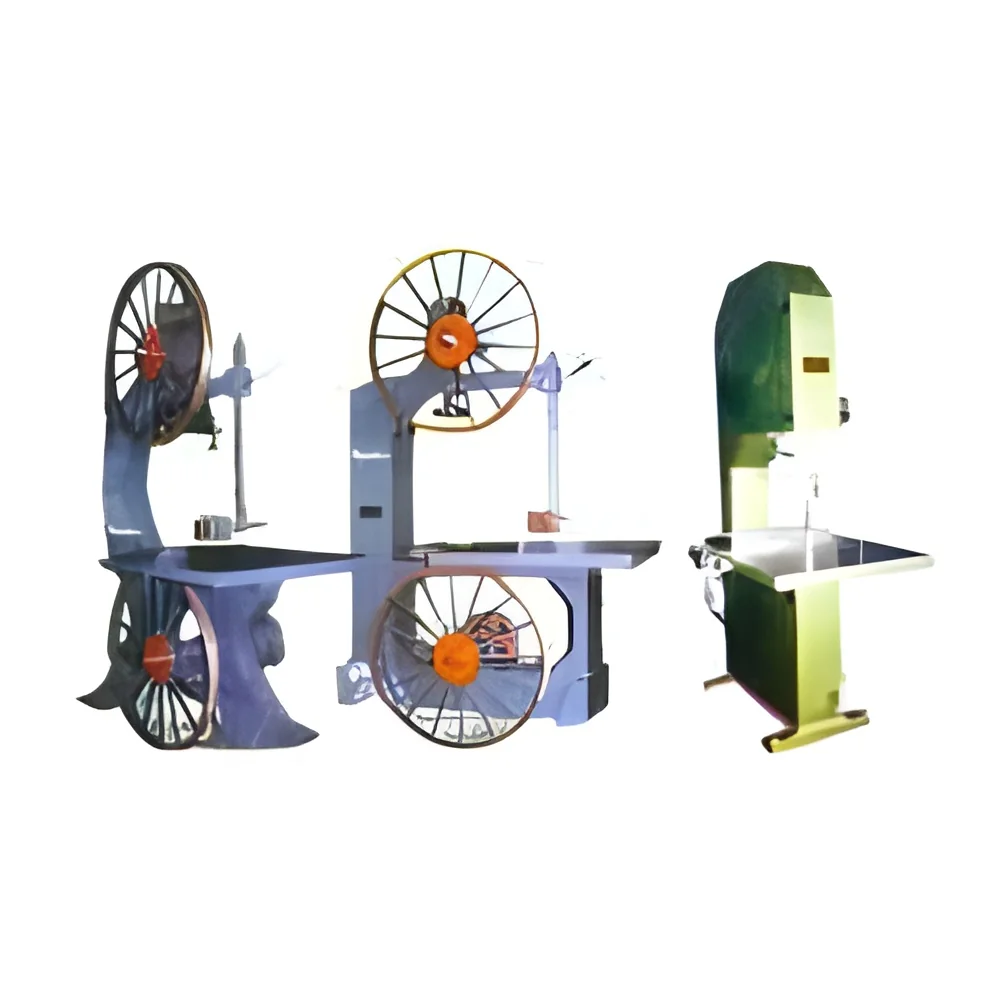
Band saws are designed for cutting irregular shapes and curves in materials like wood and metal. They offer precision for intricate designs and are often used in woodworking and metalworking industries.
Reciprocating Saws
Reciprocating saws are portable tools ideal for demolition and renovation projects. Their ability to cut through various materials quickly makes them popular among contractors and construction workers.
Benefits and Advantages
Investing in saw machinery offers numerous advantages for businesses looking to improve their cutting processes.
1. Increased Efficiency: Saw machinery enhances cutting speed and precision, leading to higher productivity levels in manufacturing operations.
2. Cost-Effectiveness: By streamlining cutting tasks, saw machinery reduces labor costs and material waste, contributing to overall savings.
3. Versatility: With different blade types and cutting capacities, saw machinery can handle a wide range of materials and applications, making it suitable for various industries.
4. Enhanced Safety: Modern saw machinery incorporates safety features that protect operators, reducing the risk of accidents during operation.
5. Improved Precision: High-quality saw machinery provides accurate cuts, ensuring that components meet strict specifications required in manufacturing and construction.
6. Durability: Industrial-grade saw machinery is built to withstand heavy use and can operate effectively over long periods, ensuring a good return on investment.
Buying Guide for B2B Buyers
When sourcing saw machinery, it is crucial for buyers to consider several key factors that influence their purchasing decisions.
1. Quality Assessment: Evaluate the quality of saw machinery by looking for reputable brands and reviewing customer feedback. High-quality machines typically offer better performance and longevity.
2. Supplier Verification: It's essential to vet suppliers to ensure they are reliable and provide quality products. Check for certifications, customer reviews, and their history in the industry.
3. Pricing and MOQ: Understand the pricing structure and minimum order quantities (MOQ) required by suppliers. This information helps in budgeting and planning purchases.
4. Delivery and Lead Times: Confirm delivery times and lead times to ensure that machinery arrives when needed. Delays can impact project timelines and productivity.
5. Compliance Requirements: Verify that the saw machinery meets relevant industry standards and regulations. Compliance with safety and quality standards is essential for operational success.
Compliance and Certifications
Compliance and certifications are vital aspects of saw machinery that ensure safety and quality in operation.
Saw machinery typically adheres to relevant quality standards such as ISO 9001, which assures customers of consistent quality management practices. Compliance with safety standards is crucial in preventing workplace accidents, and certifications like CE indicate that machinery meets European safety requirements.
Additionally, manufacturers may need to consider specific safety testing requirements based on regional regulations. Understanding these compliance needs is essential for businesses to maintain operational standards and legal adherence.
Why Source Saw Machinery from Pepagora?
Pepagora serves as a trusted platform for sourcing saw machinery with several key advantages that benefit B2B buyers.
Verified Supplier Network: Pepagora boasts a network of verified suppliers, ensuring that buyers have access to quality products and reputable manufacturers. This verification process helps mitigate risks associated with sourcing.
Streamlined RFQ Process: Buyers can easily request quotes through a streamlined process that allows for quick comparisons across suppliers. This efficiency saves time and aids in making informed purchasing decisions.
Trade Assurance and Support: Pepagora provides trade assurance, protecting buyers against potential issues with orders. The platform offers support throughout the purchasing process, facilitating a smoother experience.
Regional Coverage: With extensive coverage in regions such as India, the GCC, and Southeast Asia, Pepagora connects buyers with suppliers in their geographical area, simplifying logistics and reducing shipping times.
By choosing Pepagora, businesses can confidently source saw machinery that meets their operational needs while benefiting from a reliable and supportive platform.


 India
 India
 India
 India

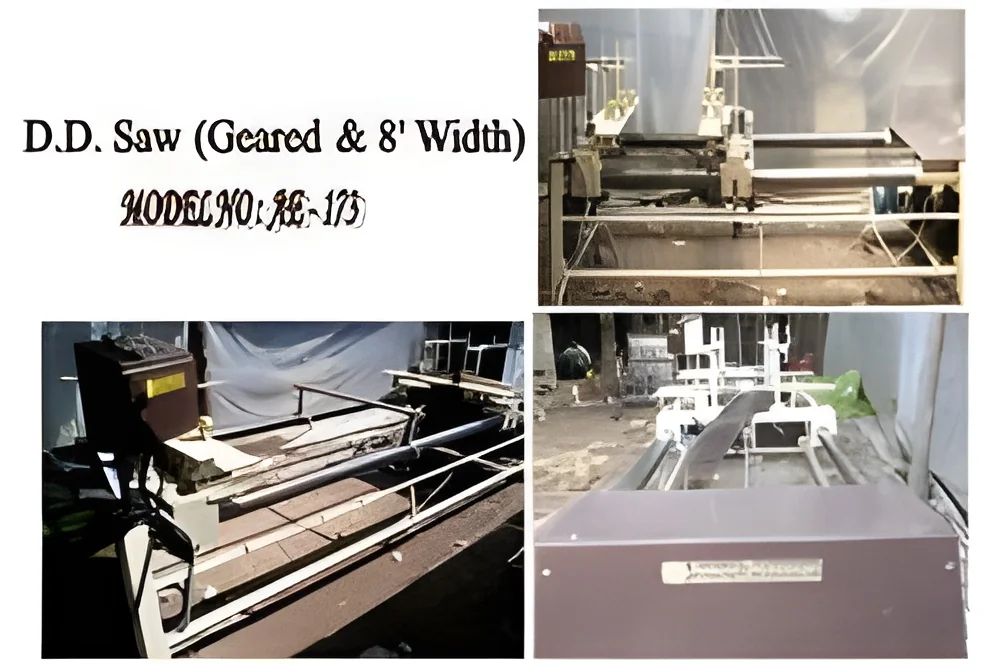

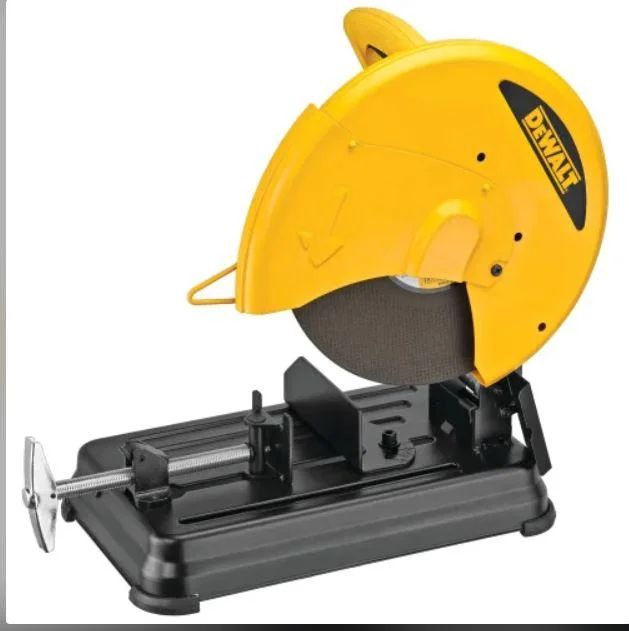 India
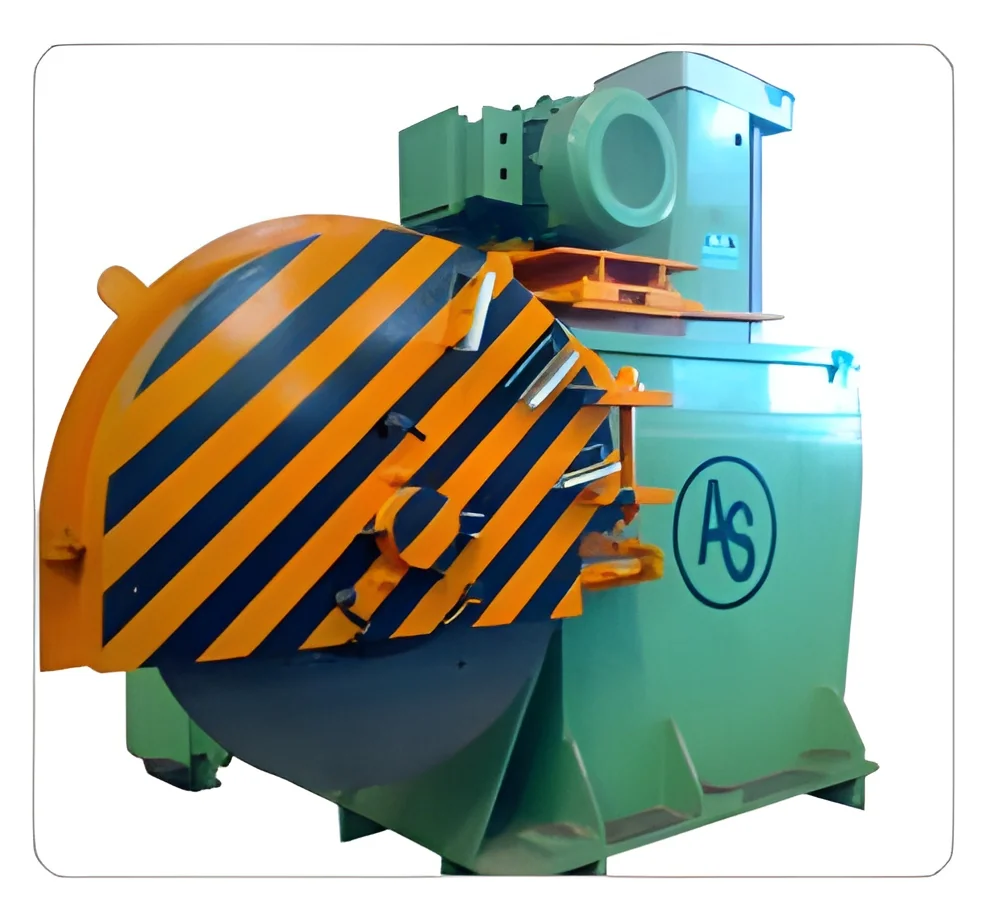 India
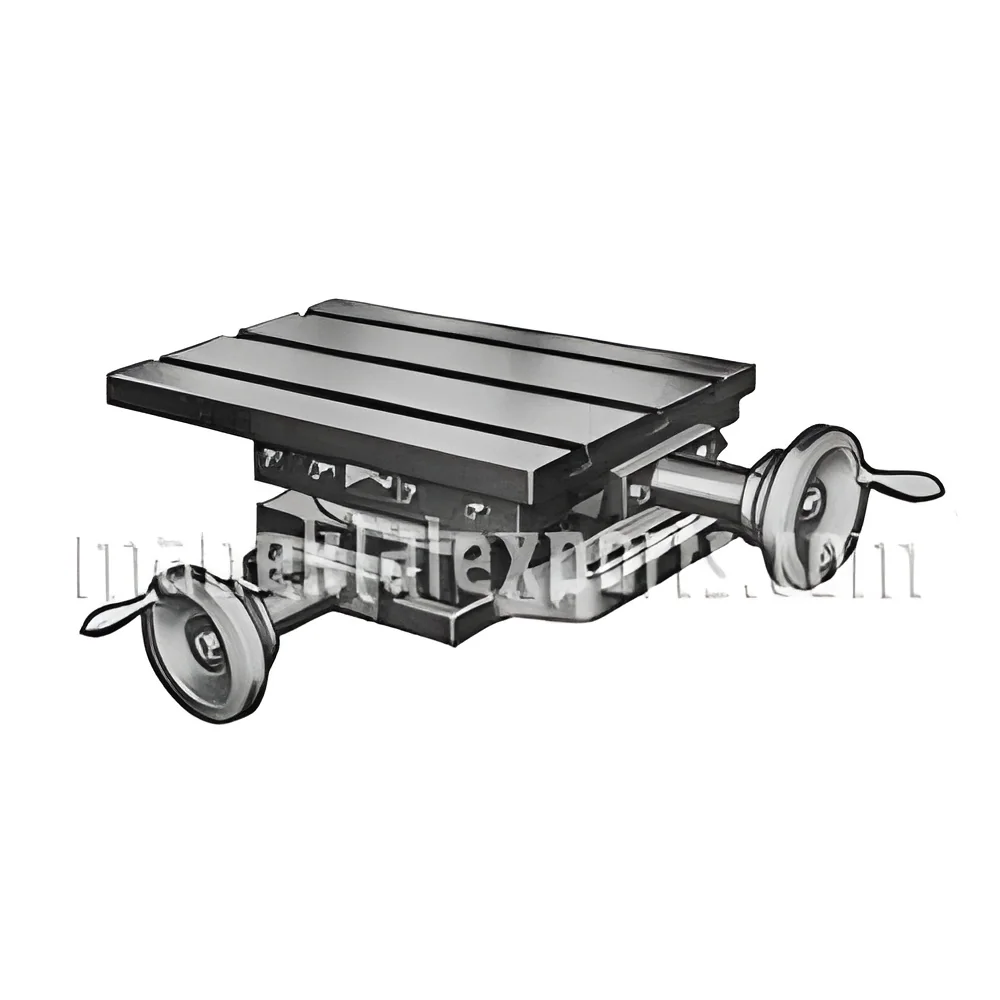 India

 India
 India
Frequently Asked Questions
What are Saw Machinery?
Saw machinery refers to a range of equipment used for cutting materials such as wood, metal, and plastic. These machines utilize various types of saw blades to achieve precise cuts and are essential in industries like woodworking, metal fabrication, and construction.
What are the different types of Saw Machinery?
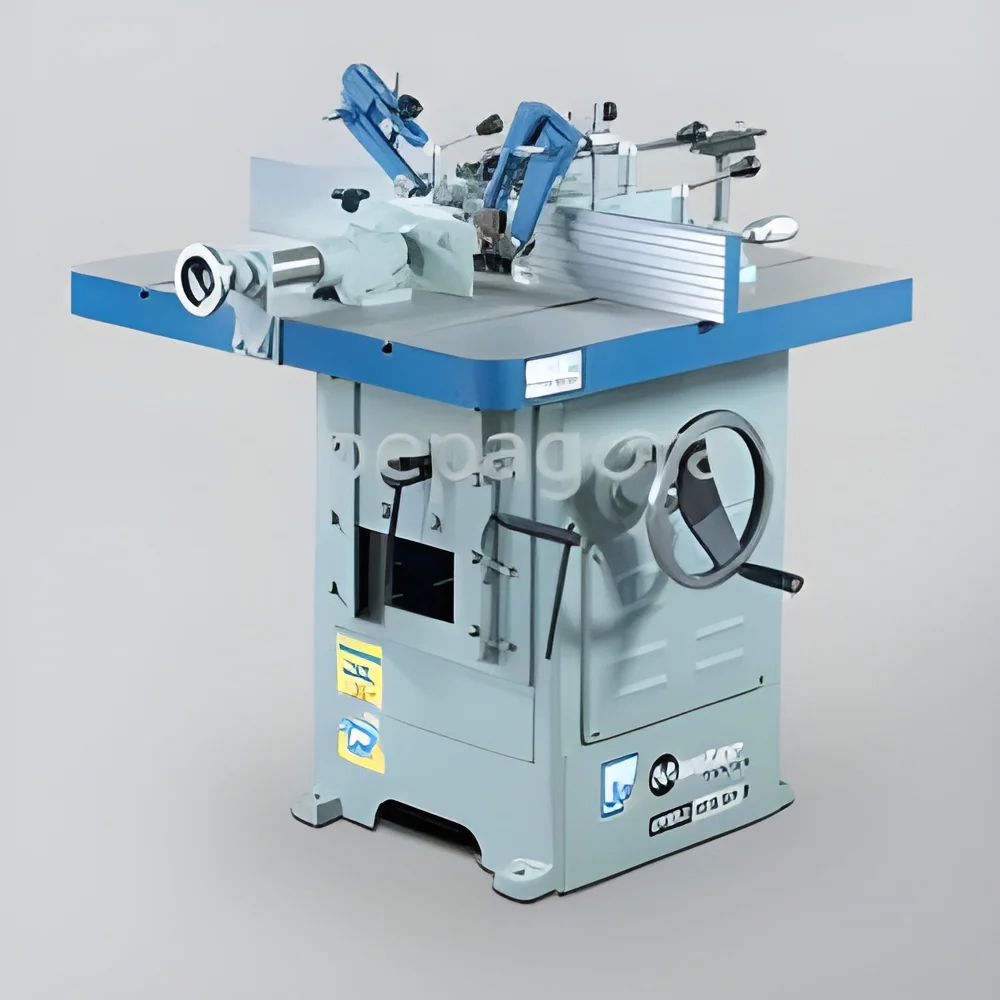
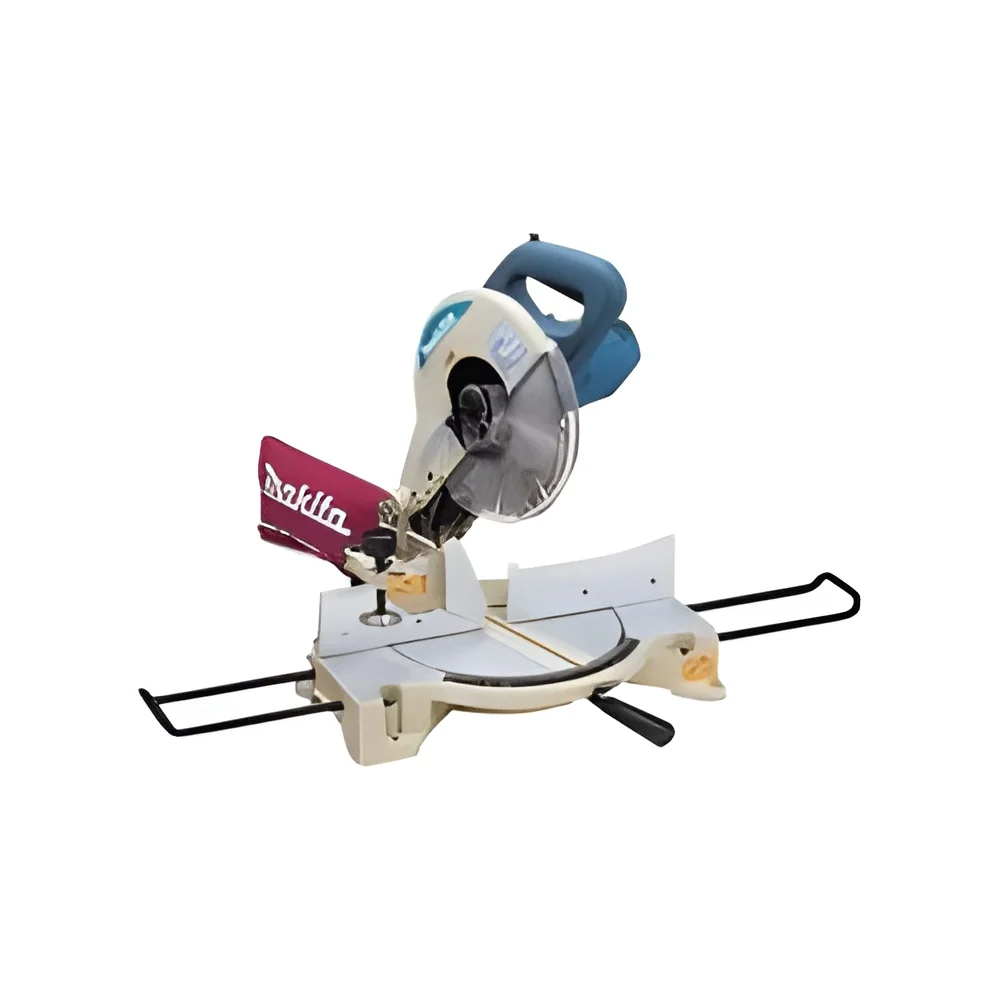
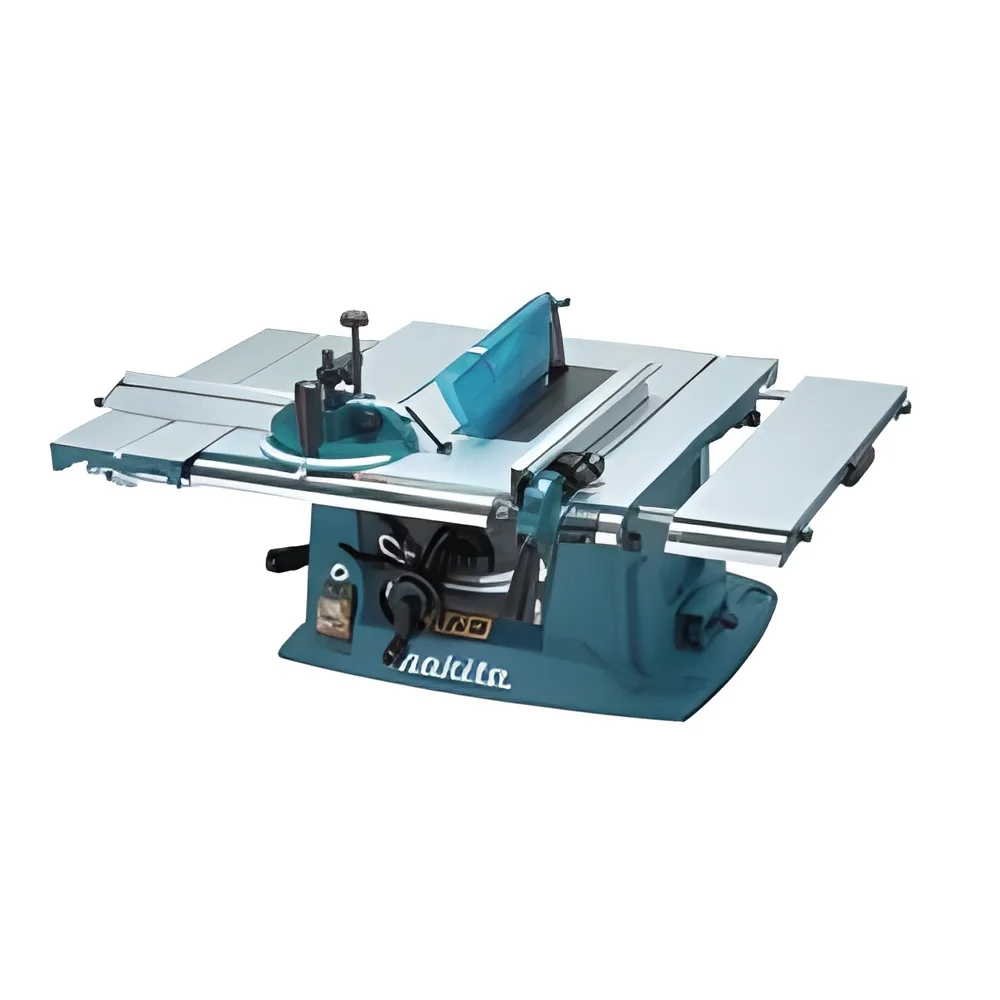
There are several types of saw machinery, including band saws, circular saws, table saws, and miter saws. Each type serves specific cutting needs and applications, from straight cuts to intricate shapes and angles.
How do I choose the right Saw Machinery?
Choosing the right saw machinery involves assessing your specific cutting needs, the materials you will be working with, and the volume of work. Additionally, consider factors like machine size, power requirements, and ease of use to ensure you select the best option for your operations.
What are the standard specifications for Saw Machinery?
Standard specifications for saw machinery typically include blade size, motor power, cutting capacity, and dimensions. It's important to review these specifications to ensure the machinery meets the requirements of your specific applications.
What is the price range for Saw Machinery?
The price range for saw machinery can vary significantly based on the type, brand, and features of the machine. Generally, prices can start from a few thousand rupees for basic models and go up to several lakhs for advanced and industrial-grade equipment.
What quality standards apply to Saw Machinery?
Saw machinery is subject to various quality standards that ensure safety, reliability, and performance. Common standards include ISO certifications and compliance with specific industry regulations, which may differ based on the type of machinery and its intended use.
Where can I find Saw Machinery suppliers in India?
You can find saw machinery suppliers in India through various channels, including online B2B marketplaces like Pepagora.com, trade shows, and industry directories. These platforms provide a comprehensive list of manufacturers and suppliers, making it easier to source the machinery you need.
Can Saw Machinery be customized?
Yes, many manufacturers offer customization options for saw machinery to meet specific operational needs. Customizations can include modifications in size, power, and additional features tailored to enhance performance for particular applications.
What is the typical minimum order quantity for Saw Machinery?
The typical minimum order quantity (MOQ) for saw machinery varies by supplier and type of machine. Generally, MOQs can range from a single unit for smaller machines to several units for larger, industrial-grade equipment.
What is the typical lead time for Saw Machinery?
The typical lead time for saw machinery can vary depending on the manufacturer, customization requirements, and stock availability. On average, lead times can range from a few weeks to several months, so it is advisable to check with the supplier for specific timelines.
Why Businesses Trust Pepagora
Thousands of companies trust Pepagora to source smarter and sell faster
Expand Your Sales Globally

Source Smarter,Grow Faster
