
 IN
Plastic Extruders
88 products available
What are Plastic Extruders?
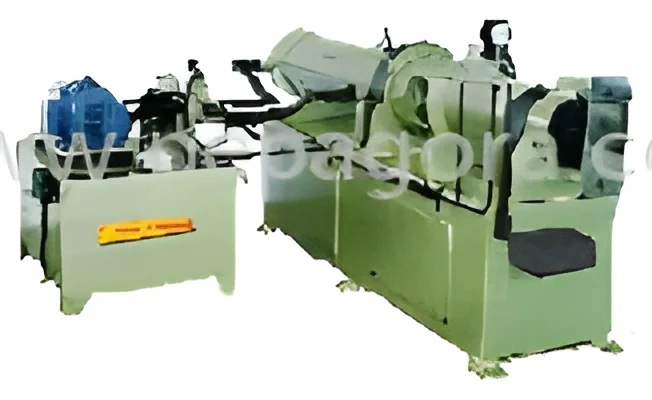
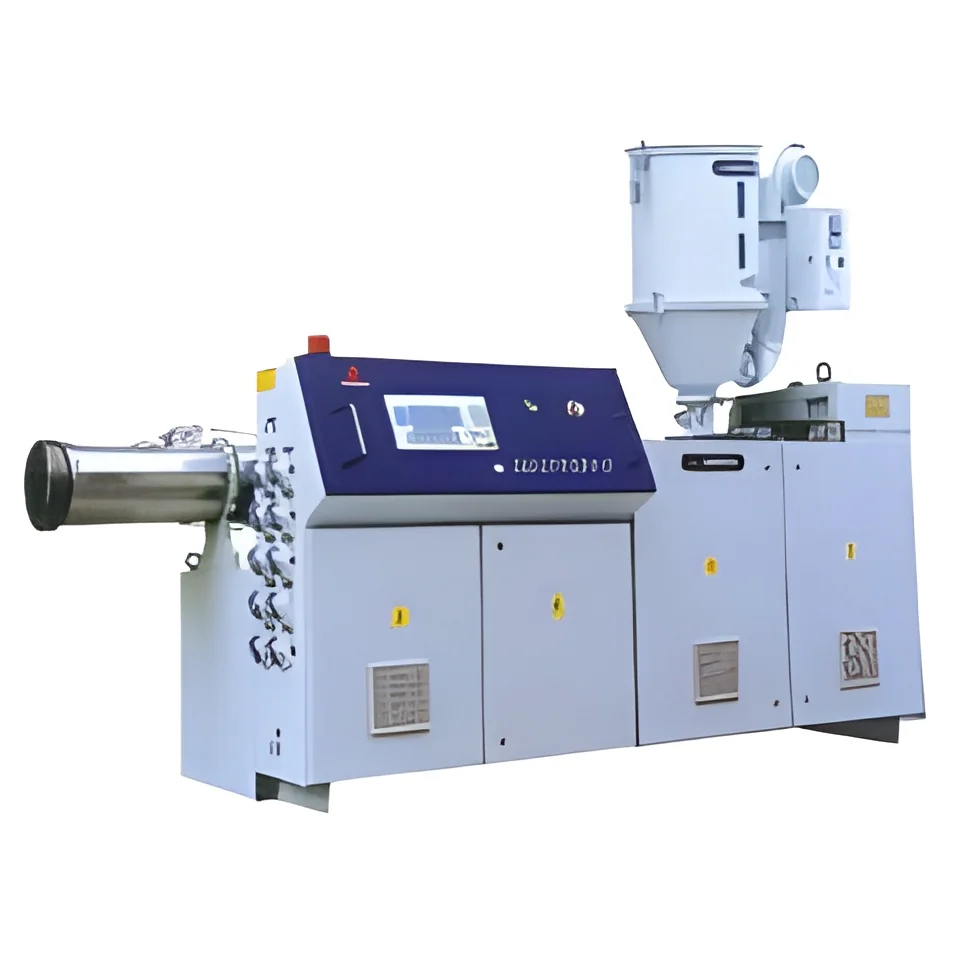
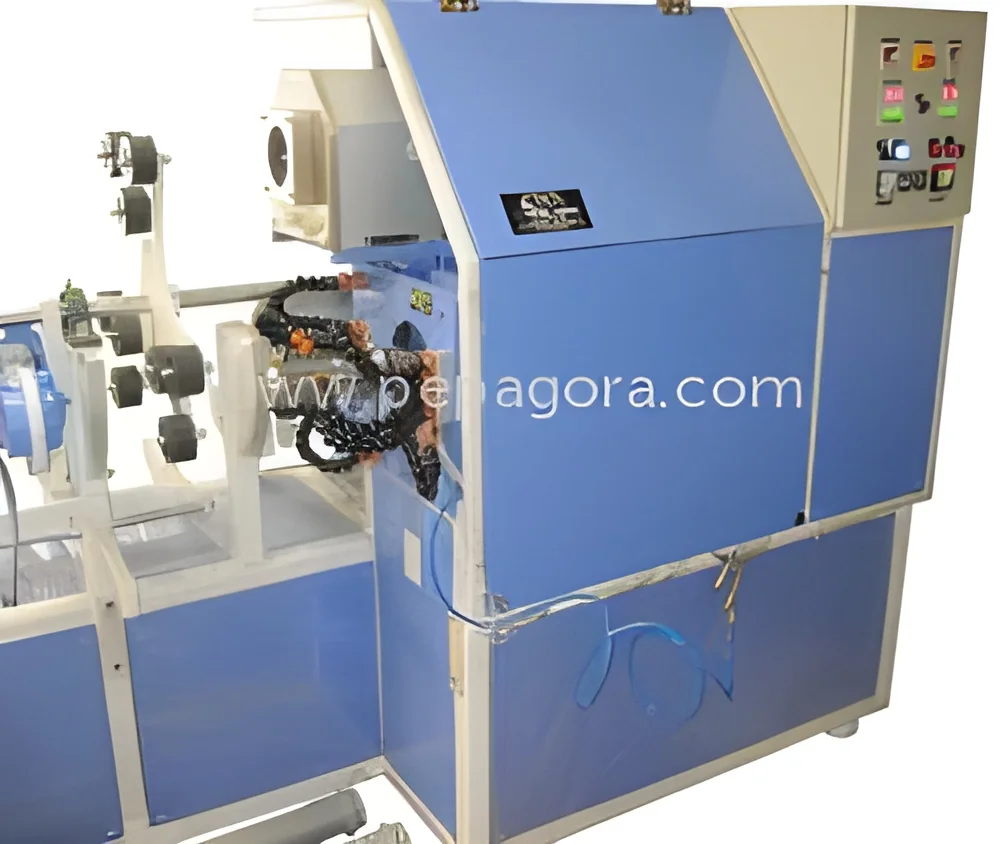
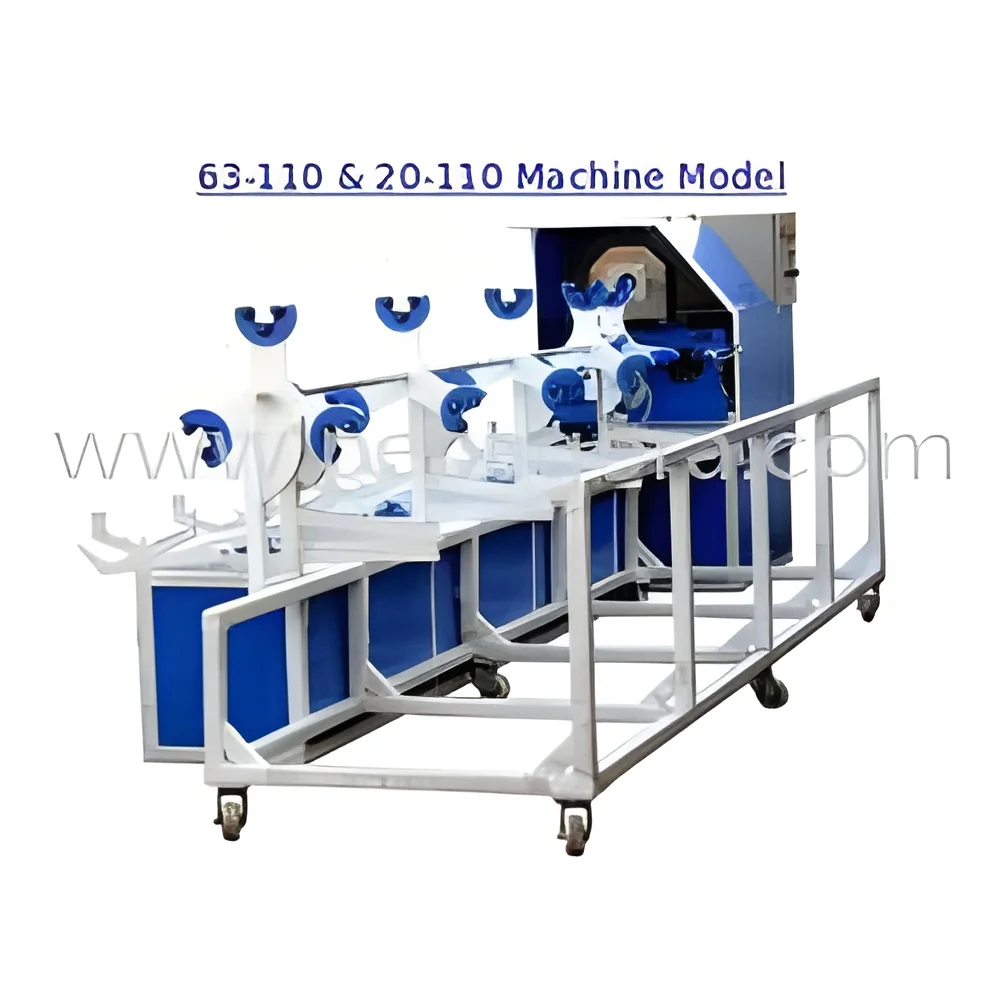
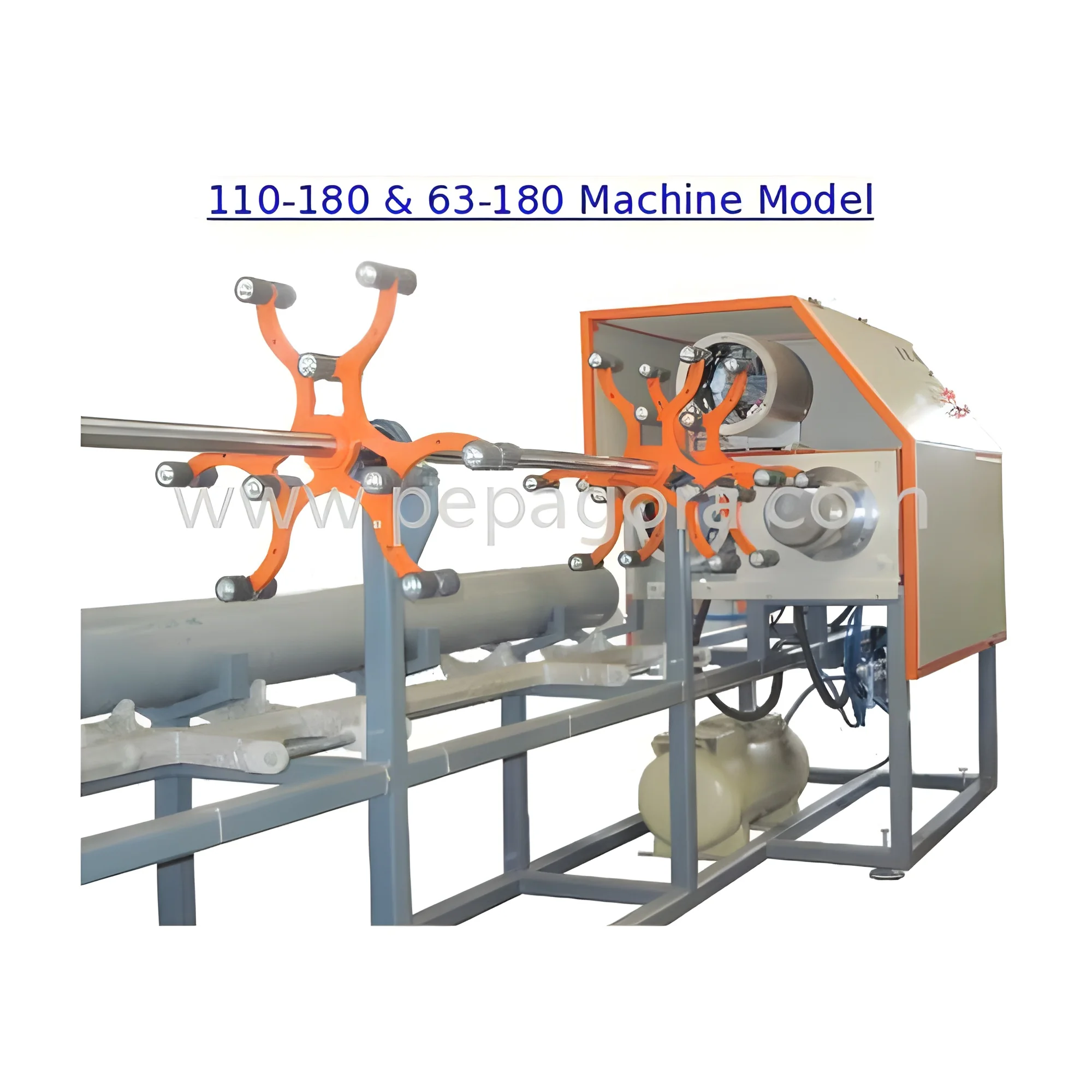
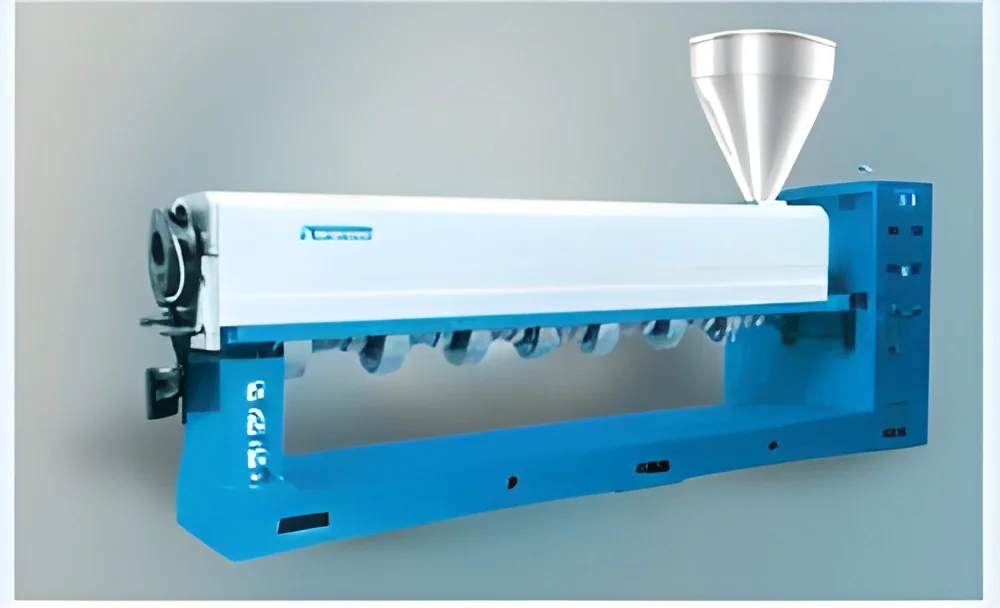
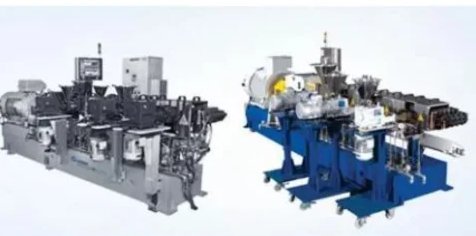
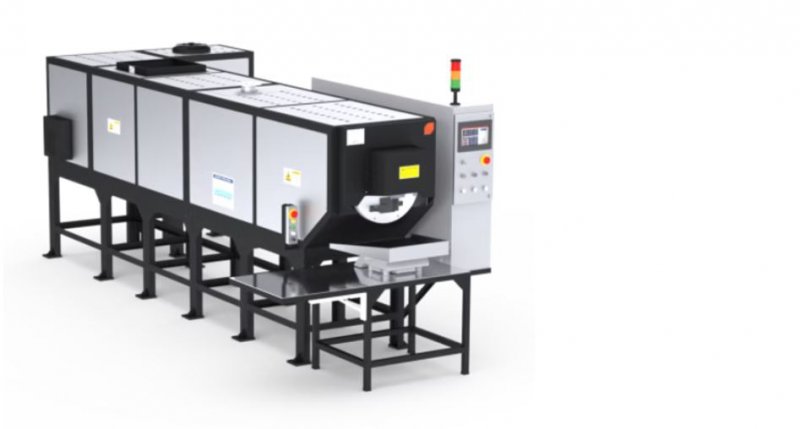
Plastic extruders are industrial machines designed to produce plastic products by melting raw plastic materials and forcing them through a die. This process transforms the raw material into specific shapes and profiles, which can then be cooled and cut to the desired length. The versatility of plastic extruders allows them to handle various types of thermoplastic materials, making them essential in many manufacturing processes.
Plastic extruders are primarily used in the production of items such as pipes, sheets, films, and profiles. They play a critical role in industries including packaging, construction, automotive, and consumer goods. By converting raw plastic into usable forms, extruders facilitate the mass production of plastic items, contributing to the efficiency and scalability of manufacturing operations. The demand for plastic products continues to grow, positioning plastic extruders as vital equipment in the global market.
Key Features and Specifications
Plastic extruders come equipped with various features and specifications that enhance their functionality and performance. Understanding these specifications is crucial for manufacturers looking to optimize their production processes.
Key specifications include:
1. Output Capacity
- Refers to the volume of plastic produced per hour
- Typically measured in kilograms or pounds per hour
2. Screw Diameter
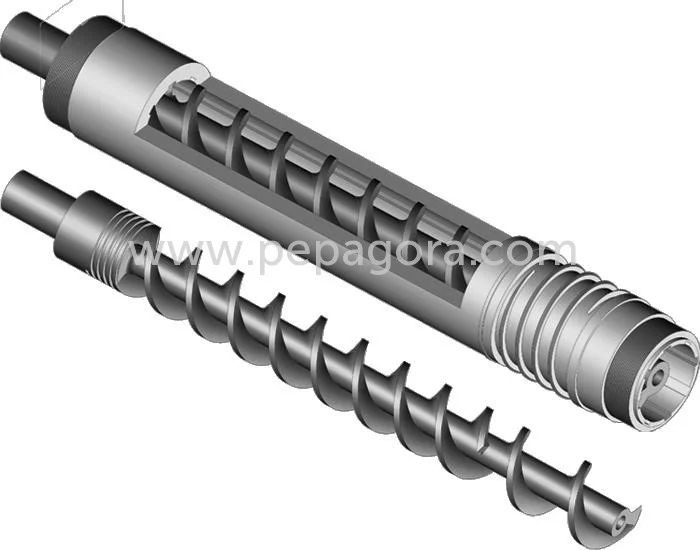
- Indicates the diameter of the screw used for melting and extruding plastic
- Common sizes range from 25mm to 150mm
3. Heating Zones
- Number of heating zones along the barrel
- Typically ranges from 2 to 6 zones for temperature control
4. Motor Power
- Power of the motor driving the extruder
- Often ranges from 5 HP to over 100 HP depending on the application
5. Material Compatibility
- Types of materials the extruder can process
- Generally compatible with various thermoplastics like PVC, PE, and PP
6. Control System
- Type of control system used for operation
- Can be manual, semi-automatic, or fully automatic
7. Cooling System
- Mechanism for cooling the extruded product post-processing
- May include water or air cooling options
8. Safety Features
- Built-in safety mechanisms to prevent accidents
- Includes emergency stop buttons and safety guards
In summary, understanding the key features and specifications of plastic extruders is essential for selecting the right equipment for specific production needs.
Common Applications and Use Cases
Plastic extruders serve various industries, providing tailored solutions for diverse applications.
1. Packaging Industry: Plastic extruders are widely used to create flexible films and rigid containers, enhancing packaging solutions for food and consumer goods.
2. Construction Industry: They are utilized to manufacture pipes, fittings, and profiles, which are essential for construction projects, plumbing, and infrastructure.
3. Automotive Industry: Extruded plastic components are used in vehicle interiors, exterior trims, and protective parts, contributing to lightweight and durable automotive designs.
4. Electrical and Electronics: Extruders produce insulation and sheathing for wires and cables, ensuring safety and efficiency in electrical applications.
5. Medical Sector: Plastic extruders create components for medical devices and packaging, emphasizing cleanliness and compliance with health standards.
6. Consumer Goods: They are employed in producing various household items, toys, and containers, catering to consumer needs with innovative designs.
7. Agriculture: Extruded products like mulch films and irrigation tubing enhance agricultural practices, improving efficiency and crop yields.
Product Variants and Subcategories
Plastic extruders come in various configurations to meet specific industry needs. The diversity in design allows for tailored applications.
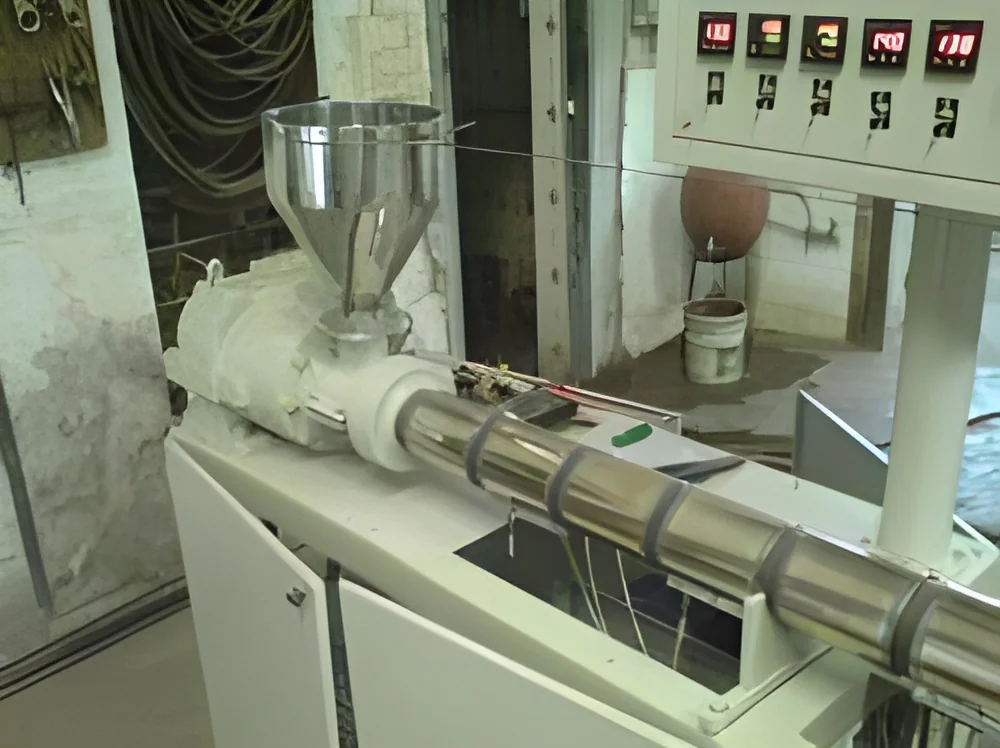
Single-Screw Extruder
This type is commonly used for general-purpose extrusion processes. It features a single screw that melts and conveys the material through the barrel. It is suitable for a wide range of thermoplastics and is known for its simplicity and effectiveness.
Twin-Screw Extruder
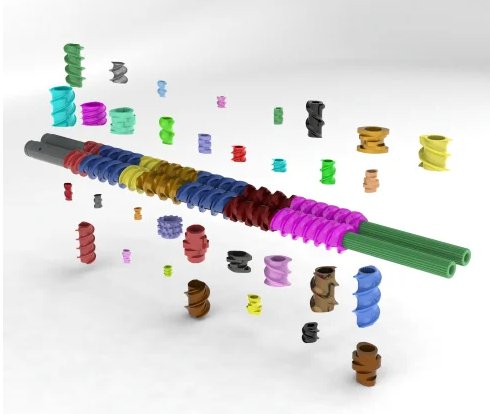
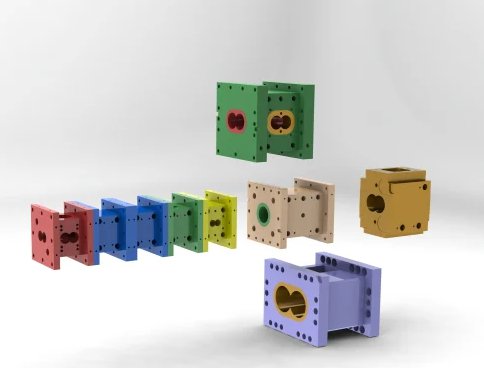
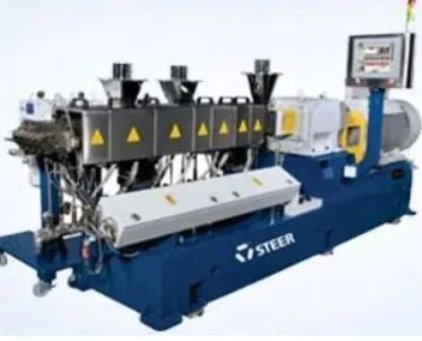
Twin-screw extruders are designed for more complex applications, such as compounding and mixing of materials. They consist of two intermeshing screws that provide better material handling and mixing capabilities. This variant is ideal for producing engineered plastics and specialty compounds.
Benefits and Advantages
Plastic extruders offer numerous advantages that contribute to their popularity in manufacturing.
1. High Efficiency: They enable continuous production, significantly increasing output while reducing labor costs.
2. Versatility: Plastic extruders can process a wide range of thermoplastic materials, making them suitable for various applications across industries.
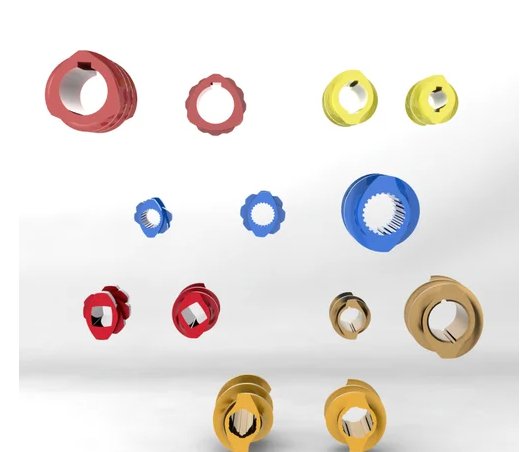
3. Customization: Many extruders can be tailored to specific production needs, allowing for adjustments in screw design, die configuration, and processing conditions.
4. Cost-Effectiveness: Lower production costs and reduced waste make plastic extruders a cost-effective solution for manufacturers.
5. Quality Control: Advanced control systems ensure consistent product quality and adherence to specifications throughout the production process.
6. Reduced Lead Times: The efficiency of extruders helps minimize lead times, allowing businesses to respond quickly to market demands.
Buying Guide for B2B Buyers
When sourcing plastic extruders, several factors must be considered to ensure the best fit for your business needs.
1. Quality Assessment: Evaluate the quality of the extruder by reviewing manufacturer certifications and customer feedback. Ensure that the equipment meets relevant industry standards for performance and reliability.
2. Supplier Verification: Vet potential suppliers thoroughly. Look for companies with a proven track record in the industry, and check for certifications that verify their manufacturing processes.
3. Pricing and MOQ: Understand the pricing structure and minimum order quantities. Compare costs among different suppliers to find the most competitive rates without compromising quality.
4. Delivery and Lead Times: Consider the logistics of delivery and typical lead times. Ensure that the supplier can meet your production schedule requirements.
5. Compliance Requirements: Investigate any regulatory compliance needs specific to your industry. Ensure that the extruders meet safety, environmental, and operational standards.
Compliance and Certifications
Compliance with industry standards and certifications is crucial for ensuring the quality and safety of plastic extruders.
Relevant quality standards such as ISO 9001 ensure that manufacturers adhere to consistent quality management practices. This certification indicates that the production processes are optimized for efficiency and reliability.
Additionally, some extruders may carry the CE mark, which signifies compliance with European health, safety, and environmental protection standards. This certification is essential for companies looking to enter markets that require stringent compliance measures.
Safety and testing requirements play a pivotal role in the operation of plastic extruders. Manufacturers should conduct regular testing and adhere to safety protocols to minimize risks in production.
Regional compliance considerations may also vary, with specific regulations in place depending on the country or region. It is essential to be aware of these regulations to avoid potential legal issues and ensure market access.
Why Source Plastic Extruders from Pepagora?
Pepagora provides a trusted platform for sourcing plastic extruders, offering significant advantages for B2B buyers seeking high-quality equipment.
Verified Supplier Network: Pepagora connects buyers with a network of verified suppliers, ensuring that each supplier meets strict quality and reliability standards. This network enhances confidence in purchasing decisions.
Streamlined RFQ Process: The platform features a user-friendly request for quotation (RFQ) system that simplifies the process of obtaining quotes from multiple suppliers. This efficiency saves time and helps buyers compare options effectively.
Trade Assurance and Support: Pepagora offers trade assurance to protect buyers throughout the purchasing process. In addition to this, dedicated support is available to assist with any inquiries or issues, ensuring a smooth experience.
Regional Coverage: With a focus on regions including India, the GCC, and Southeast Asia, Pepagora provides extensive geographic reach. This coverage enables buyers to access a diverse range of suppliers and products tailored to their local market needs.

Frequently Asked Questions
What are Plastic Extruders?
Plastic extruders are machines used to process plastic materials by forcing them through a die to create specific shapes and profiles. They are essential in the manufacturing of various plastic products, such as pipes, sheets, and films.
What are the different types of Plastic Extruders?
The main types of plastic extruders include single-screw extruders, twin-screw extruders, and co-rotating twin-screw extruders. Each type is suited for different applications and materials, with varying levels of efficiency and output.
How do I choose the right Plastic Extruders?
Choosing the right plastic extruder depends on factors such as the type of material you intend to process, the desired product specifications, and production volume. It is essential to assess the machine's capabilities, including temperature control and output rate.
What are the standard specifications for Plastic Extruders?
Standard specifications for plastic extruders typically include screw diameter, length-to-diameter ratio, output capacity, and heating zones. Additionally, specifications may cover the materials used for construction and the type of drive system employed.
What is the price range for Plastic Extruders?
The price range for plastic extruders can vary significantly based on their size, type, and features. Generally, prices can start from a few lakhs to several crores in Indian Rupees, depending on the specifications and manufacturer.
What quality standards apply to Plastic Extruders?
Plastic extruders must adhere to various quality standards, including ISO certifications and industry-specific guidelines. These standards ensure the machines are reliable, efficient, and safe for use in manufacturing processes.
Where can I find Plastic Extruders suppliers in India?
Plastic extruders suppliers in India can be found through various online B2B marketplaces, industry trade shows, and local manufacturing directories. Platforms like Pepagora.com provide a comprehensive list of verified suppliers and manufacturers.
Can Plastic Extruders be customized?
Yes, many manufacturers offer customization options for plastic extruders to meet specific production needs. Customizations may include modifications in screw design, heating zones, and control systems to enhance performance.
What is the typical minimum order quantity for Plastic Extruders?
The typical minimum order quantity (MOQ) for plastic extruders varies by supplier and can range from one unit for standard machines to several units for customized models. It is advisable to check with individual suppliers for their MOQ policies.
What is the typical lead time for Plastic Extruders?
The typical lead time for plastic extruders can range from a few weeks to several months, depending on the complexity of the machine and the manufacturer's production schedule. Custom orders may require longer lead times.
Why Businesses Trust Pepagora
Thousands of companies trust Pepagora to source smarter and sell faster
Expand Your Sales Globally

Source Smarter,Grow Faster
