
 IN
Pipe Bending Machines
32 products available
What are Pipe Bending Machines?
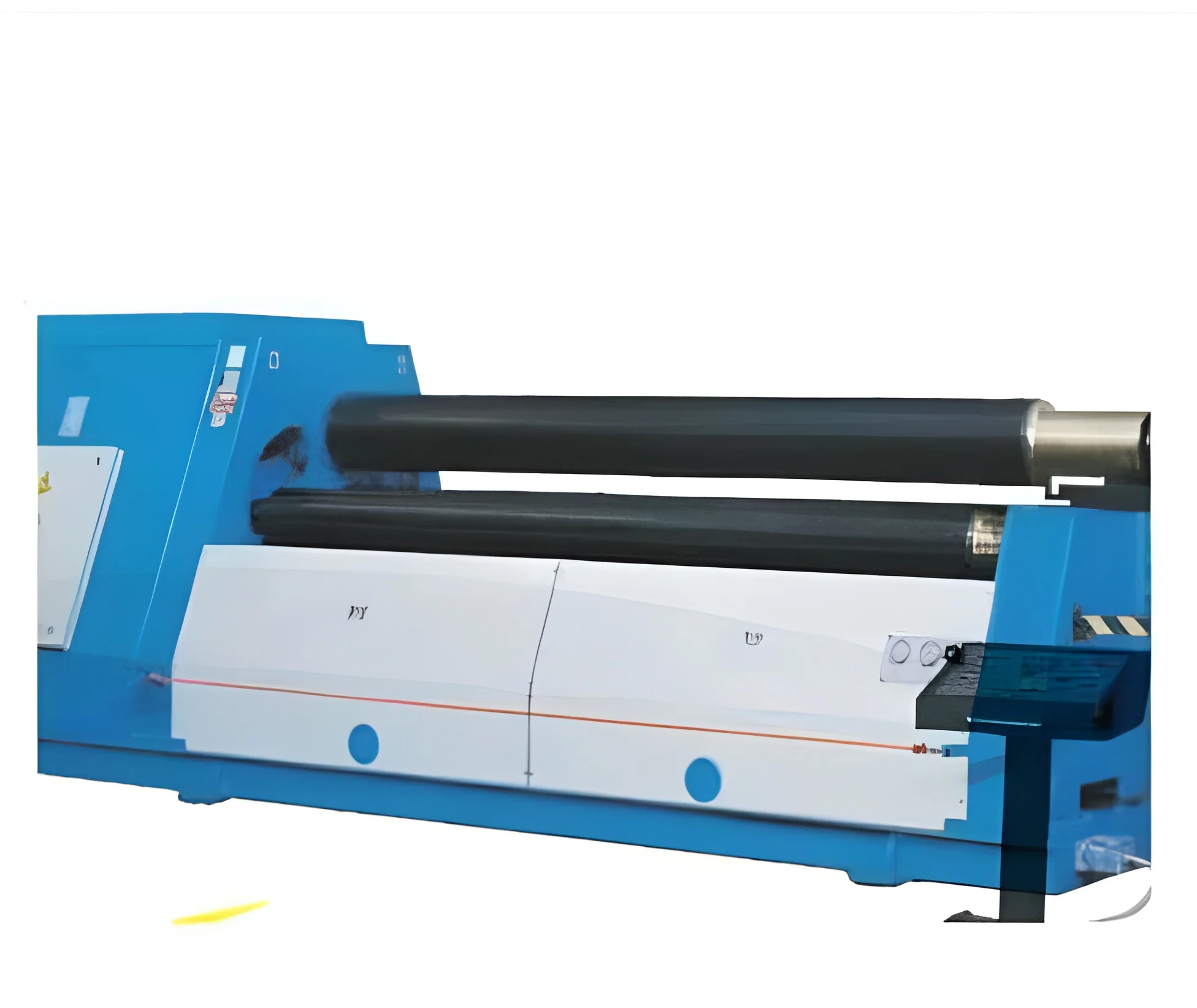
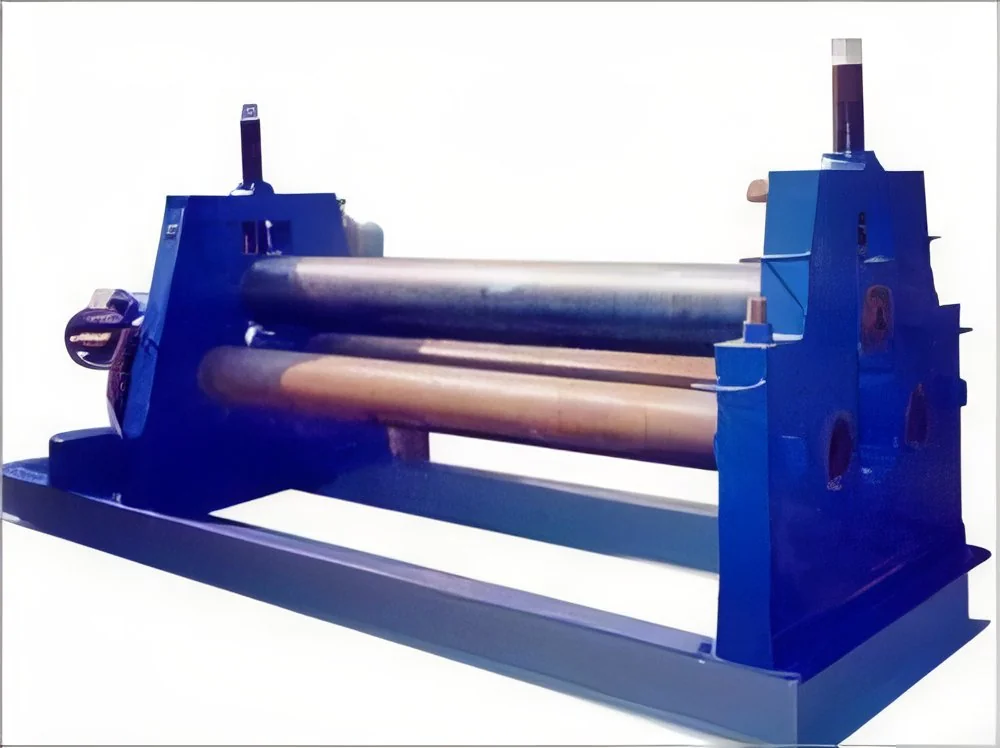
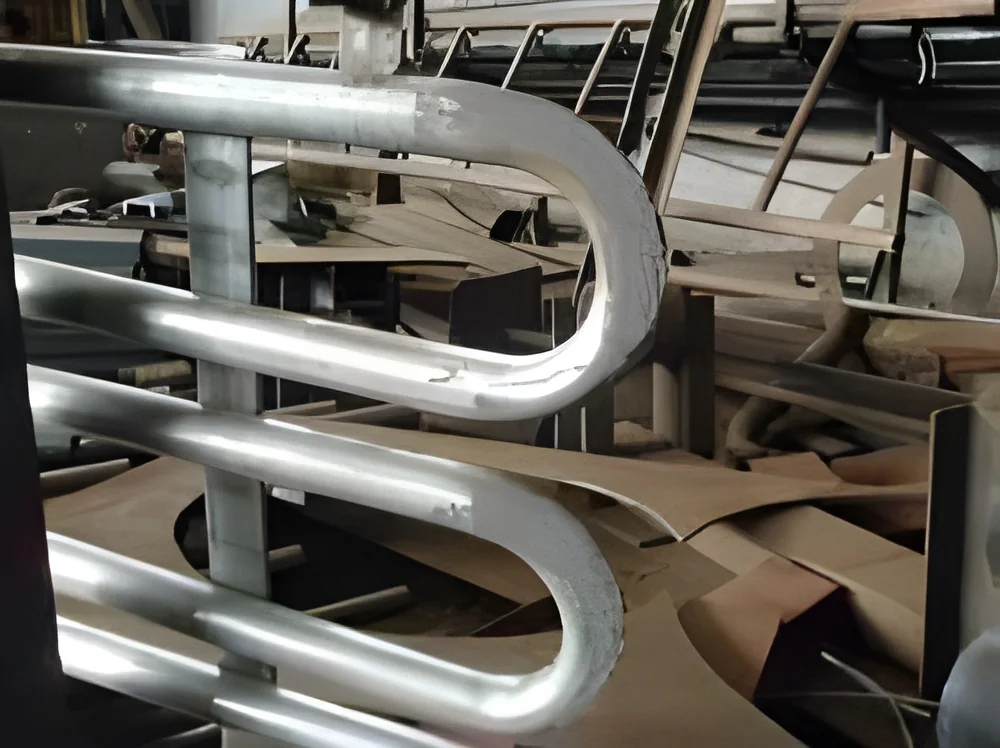
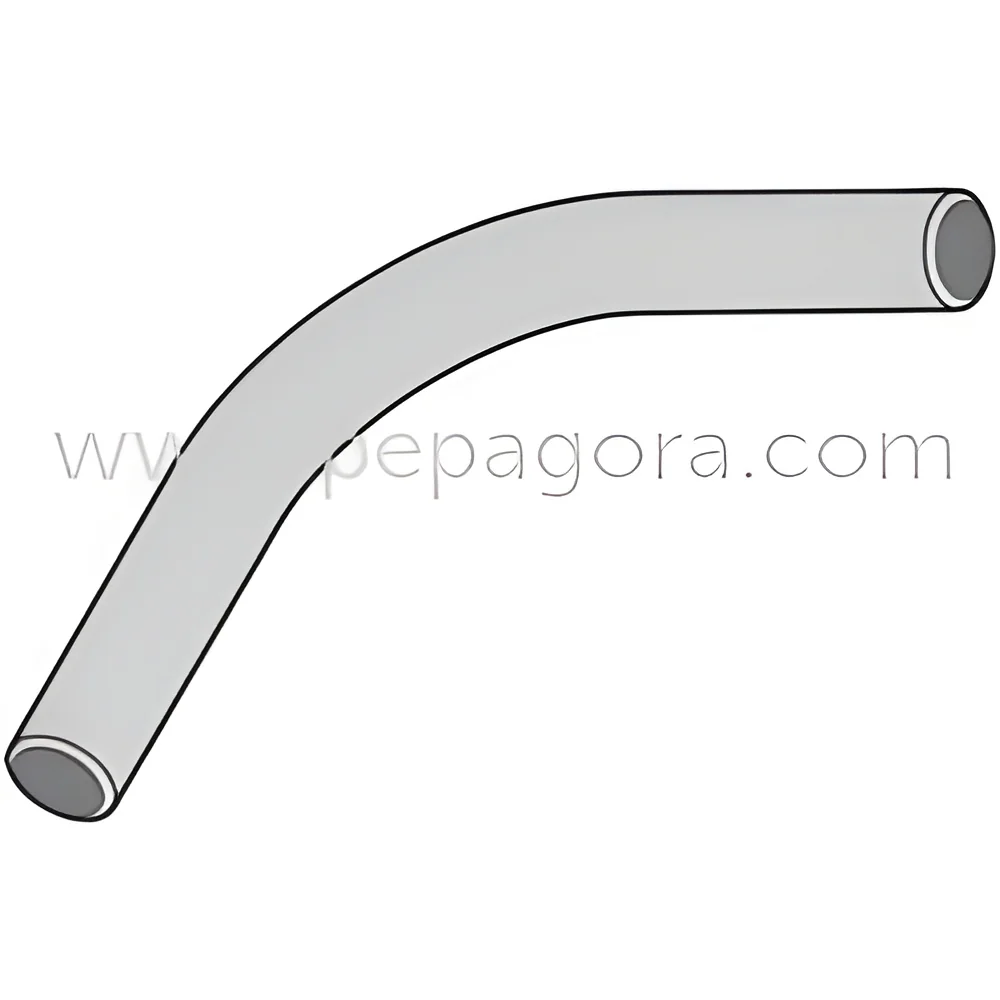
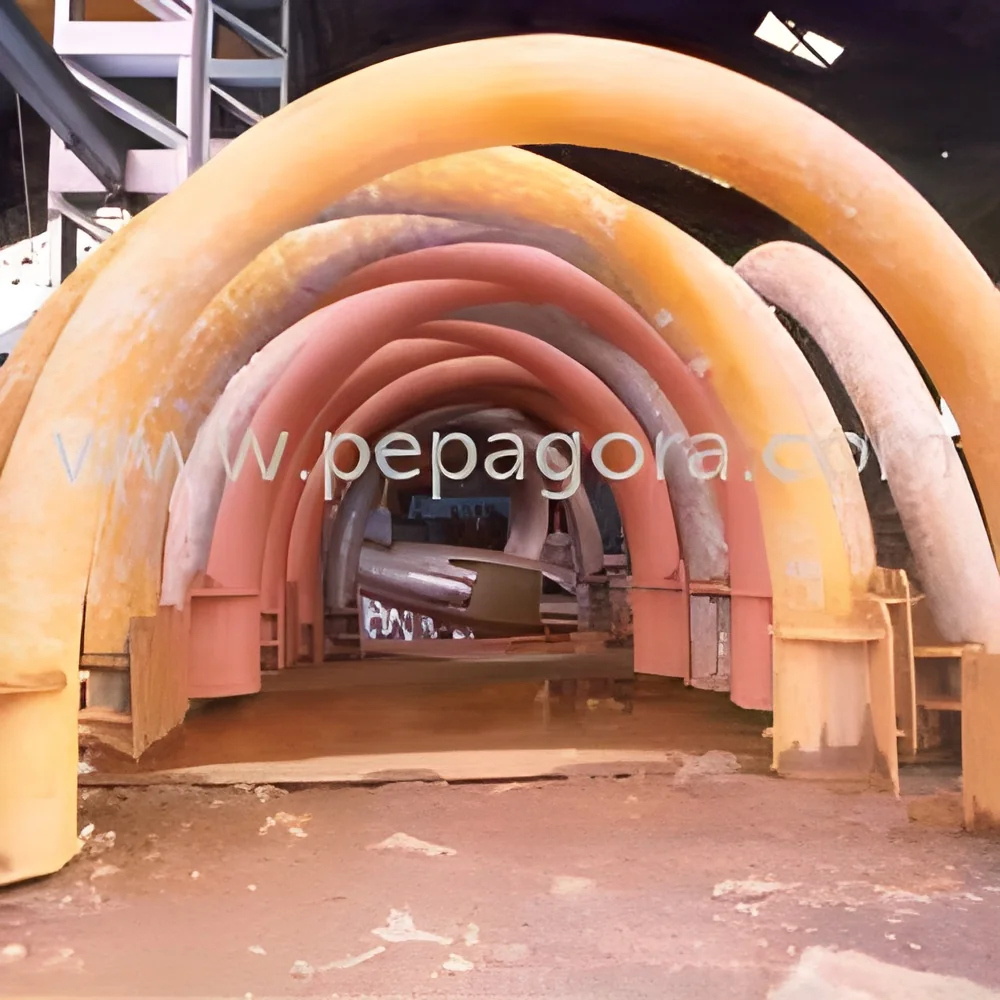
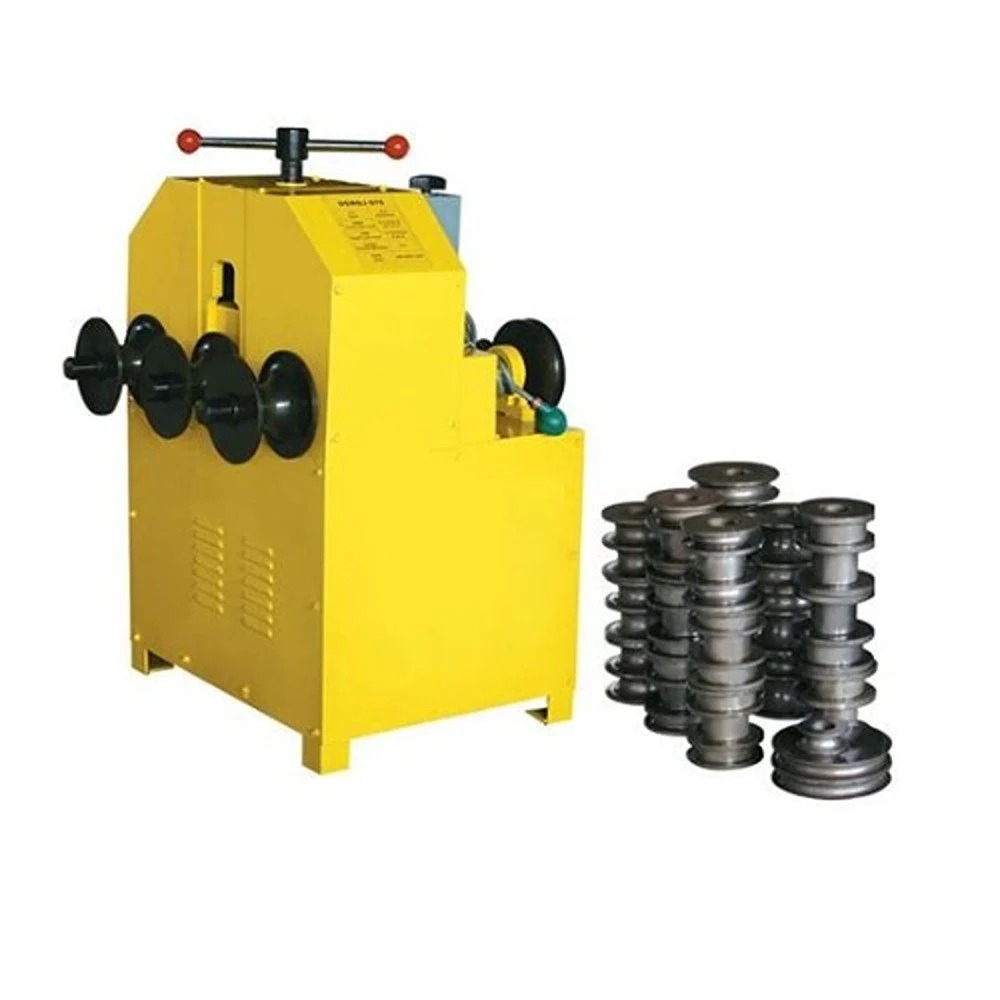
Pipe bending machines are specialized tools designed to bend pipes and tubes into precise shapes and angles without damaging the material. These machines utilize various bending techniques, such as rotary draw bending, ram bending, and roll bending, to achieve the desired curvature. They are crucial in manufacturing and construction industries where pipes are required to fit specific layouts and designs.
The primary uses of pipe bending machines include the fabrication of components for plumbing, HVAC systems, automotive parts, and industrial machinery. Businesses leverage these machines to produce custom pipe fittings and frames, ensuring that their products meet stringent specifications. The versatility of pipe bending machines makes them essential in numerous applications, from small-scale workshops to large production facilities.
In the current market context, the demand for pipe bending machines is growing due to increased infrastructure development and industrialization. Companies are investing in advanced bending technology to enhance efficiency, reduce waste, and improve the quality of their products. As a result, the pipe bending machine industry is evolving, with manufacturers continuously innovating to meet the changing needs of businesses.
Key Features and Specifications
Pipe bending machines come with a range of features that enhance their performance and usability. Understanding these specifications is crucial for businesses looking to invest in such equipment.
Key specifications include:
1. Bending Capacity
- Indicates the maximum diameter of the pipe that can be bent.
- Typically ranges from 1 inch to 10 inches, depending on the machine type.
2. Bending Angle Range
- Defines the degrees to which the machine can bend a pipe.
- Common ranges are from 0 to 180 degrees, with some machines offering more flexibility.
3. Power Source
- Can be hydraulic, electric, or manual.
- Hydraulic machines are preferred for heavier work due to their strength.
4. Control Type
- Machines may feature manual controls or CNC (computer numerical control) for precision.
- CNC machines allow for automated bending processes, enhancing efficiency.
5. Material Compatibility
- Suitable for various materials including steel, aluminum, and plastic.
- The choice of material can affect the bending process and outcomes.
6. Machine Weight
- Heavier machines tend to offer more stability during bending.
- Weight can range from a few hundred to several thousand pounds.
7. Footprint
- Size of the machine, which can impact workspace requirements.
- Compact designs are available for smaller operations.
8. Safety Features
- Includes emergency stops, guards, and overload protection.
- Essential for ensuring operator safety during operation.
In summary, selecting a pipe bending machine requires careful consideration of these specifications to ensure it meets the unique needs of a business.
Common Applications and Use Cases
Pipe bending machines serve a multitude of industries, each benefiting from their unique capabilities.
1. Construction: In the construction industry, pipe bending machines are used to create custom piping systems for plumbing and HVAC installations. Their ability to produce precise bends helps ensure efficient flow and fit.
2. Automotive: Manufacturers in the automotive sector use pipe bending machines to fabricate exhaust systems and chassis components. These machines provide the accuracy needed for high-performance vehicle parts.
3. Aerospace: The aerospace industry relies on bending machines to form lightweight yet durable tubing for aircraft. The precise bends minimize weight while maintaining structural integrity.
4. Oil and Gas: In oil and gas operations, pipe bending machines are essential for creating pipelines that transport materials across various terrains. Their ability to handle different pipe sizes is critical in this application.
5. Furniture Manufacturing: Pipe bending machines are increasingly used in furniture design to create unique shapes for metal furniture frames, providing both aesthetic appeal and structural support.
6. Shipbuilding: These machines are employed in shipbuilding to bend pipes for various systems, including fuel and water lines, ensuring compliance with maritime standards.
7. Energy: In renewable energy sectors, such as solar and wind, pipe bending machines assist in the production of components that require specific bending configurations for optimal performance.
Product Variants and Subcategories
Pipe bending machines come in various types to cater to different bending needs and applications, showcasing a diverse range of options available for businesses.
Manual Pipe Bending Machines
These machines require operator involvement for the bending process. They are cost-effective and suitable for small-scale operations where precision is less critical. Manual models are typically easier to transport and operate in limited spaces.
Hydraulic Pipe Bending Machines
Hydraulic machines use fluid power to bend pipes, offering significant strength and efficiency. They are ideal for larger diameters and thicker materials, making them popular in heavy industries such as automotive and construction.
CNC Pipe Bending Machines
CNC models offer automated controls for precision bending. They are suitable for high-volume production and complex designs. CNC machines enhance productivity by reducing manual labor and minimizing errors.
Electric Pipe Bending Machines
These machines use electric motors for operation, providing a cleaner and quieter alternative to hydraulic systems. They are ideal for light to medium-duty applications, offering flexibility in various manufacturing environments.
Benefits and Advantages
Investing in pipe bending machines brings several advantages that can enhance operational efficiency and product quality.
1. Increased Precision: Modern machines provide accurate bends, reducing the need for rework and ensuring high-quality outputs.
2. Enhanced Efficiency: Automation in CNC machines speeds up production times, allowing businesses to meet tight deadlines.
3. Versatile Applications: With the ability to work on various materials and sizes, pipe bending machines can adapt to different industry needs.
4. Cost Savings: Reducing waste and minimizing errors translates to lower production costs and improved profitability.
5. Improved Safety: Advanced safety features protect operators, reducing the risk of accidents and injuries during the bending process.
6. Space Optimization: Many machines are designed to occupy minimal floor space, making them suitable for facilities with limited room.
Buying Guide for B2B Buyers
When sourcing pipe bending machines, various factors must be considered to ensure the right fit for your business needs.
1. Quality Assessment: Evaluate the quality of the machine by checking manufacturer certifications and user reviews. Look for machines that meet industry standards for durability and performance.
2. Supplier Verification: Vet potential suppliers to ensure they have a reliable track record. Check references and seek recommendations to avoid issues down the line.
3. Pricing and MOQ: Understand the pricing structure and minimum order quantities. Compare different suppliers to find the best value while ensuring quality is not compromised.
4. Delivery and Lead Times: Clarify delivery schedules and lead times to plan your production accordingly. Delays can impact your business operations, so choose suppliers who can ensure timely delivery.
5. Compliance Requirements: Ensure that the machines comply with relevant regulations and safety standards. This is crucial for avoiding legal issues and ensuring safe operations.
Compliance and Certifications
Compliance with quality standards and certifications is vital for ensuring the reliability and safety of pipe bending machines.
Many manufacturers adhere to ISO 9001 standards, which ensure that quality management systems are in place. This certification confirms that the manufacturer consistently meets customer and regulatory requirements.
CE certification is also essential for machines sold in Europe, indicating compliance with health, safety, and environmental protection standards. This certification assures customers that the equipment meets stringent EU requirements.
Additionally, safety and testing requirements must be strictly followed to protect operators and ensure the machines function as intended. Manufacturers should provide documentation proving that their machines have passed necessary safety tests.
Regional compliance considerations may vary by country or region, so it is crucial to understand local regulations when sourcing pipe bending machines.
Why Source Pipe Bending Machines from Pepagora?
Pepagora offers a trusted platform for sourcing pipe bending machines, providing several key advantages that benefit B2B buyers.
Verified Supplier Network: Pepagora connects buyers with a network of verified suppliers, ensuring that you are working with reputable manufacturers. This reduces the risk associated with procurement and enhances the overall purchasing experience.
Streamlined RFQ Process: The platform features a straightforward request for quotation (RFQ) process, making it easy for buyers to obtain competitive quotes from multiple suppliers. This transparency aids in making informed purchasing decisions.
Trade Assurance and Support: Pepagora provides trade assurance to protect buyers during transactions. This includes support services that help resolve any disputes or concerns, ensuring a smoother procurement process.
Regional Coverage: With a focus on markets in India, the GCC, and Southeast Asia, Pepagora offers extensive regional coverage. This geographic reach ensures that buyers can find local suppliers who understand their specific needs and market conditions.
By choosing Pepagora, businesses can streamline their purchasing process while ensuring access to high-quality pipe bending machines and reliable suppliers.

 India


 India
 India
 India
 India

 India
 India
 India
 India
 India
 India
 India
 India
 India

Frequently Asked Questions
What are Pipe Bending Machines?
Pipe Bending Machines are industrial machines designed to bend pipes and tubes into various shapes and angles. These machines are essential in industries such as construction, automotive, and manufacturing, where precise bending of pipes is required for various applications.
What are the different types of Pipe Bending Machines?
There are several types of Pipe Bending Machines, including hydraulic, electric, and manual bending machines. Each type is suited for different applications and materials, with hydraulic machines typically offering more power and precision for larger projects.
How do I choose the right Pipe Bending Machines?
Choosing the right Pipe Bending Machine involves considering factors such as the material and diameter of the pipes, the required bend angles, and the volume of production. It is also essential to assess the machine's capabilities, including its bending capacity and automation level.
What are the standard specifications for Pipe Bending Machines?
Standard specifications for Pipe Bending Machines typically include bending capacity, pipe diameter range, bending angle range, and power requirements. Additionally, features such as control systems, speed, and automation options can also be part of the specifications.
What is the price range for Pipe Bending Machines?
The price range for Pipe Bending Machines can vary significantly based on factors like type, specifications, and brand. Generally, prices can start from a few thousand to several lakhs of Indian Rupees, depending on the machine's features and capabilities.
What quality standards apply to Pipe Bending Machines?
Pipe Bending Machines must adhere to various quality standards, including ISO certifications and industry-specific regulations. Manufacturers should comply with safety and performance standards to ensure reliability and efficiency in operations.
Where can I find Pipe Bending Machines suppliers in India?
You can find Pipe Bending Machines suppliers in India through B2B marketplaces, industry trade shows, and online directories. Websites like Pepagora.com provide a platform to connect with manufacturers and suppliers of Pipe Bending Machines.
Can Pipe Bending Machines be customized?
Yes, many manufacturers offer customization options for Pipe Bending Machines to meet specific requirements. Customizations can include modifications in size, capacity, and additional features to suit particular applications.
What is the typical minimum order quantity for Pipe Bending Machines?
The typical minimum order quantity (MOQ) for Pipe Bending Machines can vary by supplier, but it often ranges from one unit to several units. It is advisable to check with individual manufacturers for their specific MOQ requirements.
What is the typical lead time for Pipe Bending Machines?
The typical lead time for Pipe Bending Machines can range from a few weeks to several months, depending on factors such as customization, order volume, and supplier location. It's best to confirm lead times directly with the supplier before placing an order.
Why Businesses Trust Pepagora
Thousands of companies trust Pepagora to source smarter and sell faster
Expand Your Sales Globally

Source Smarter,Grow Faster
