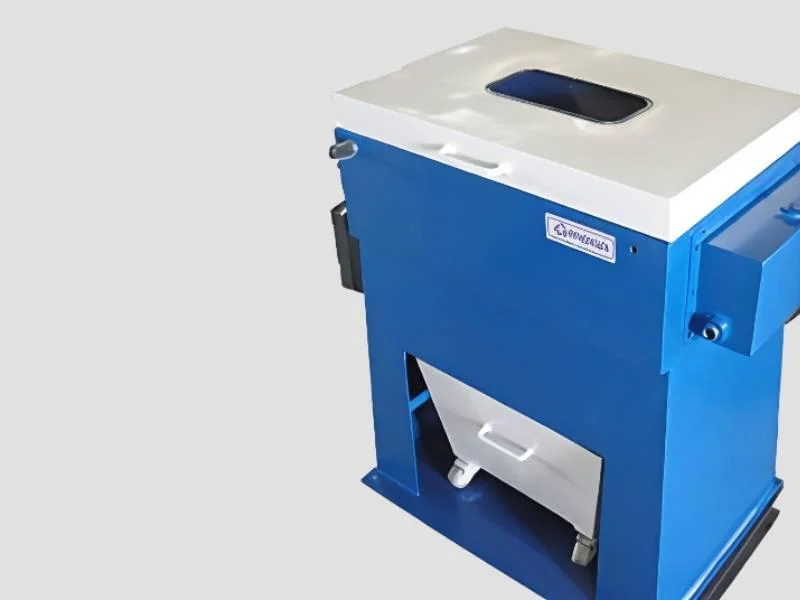
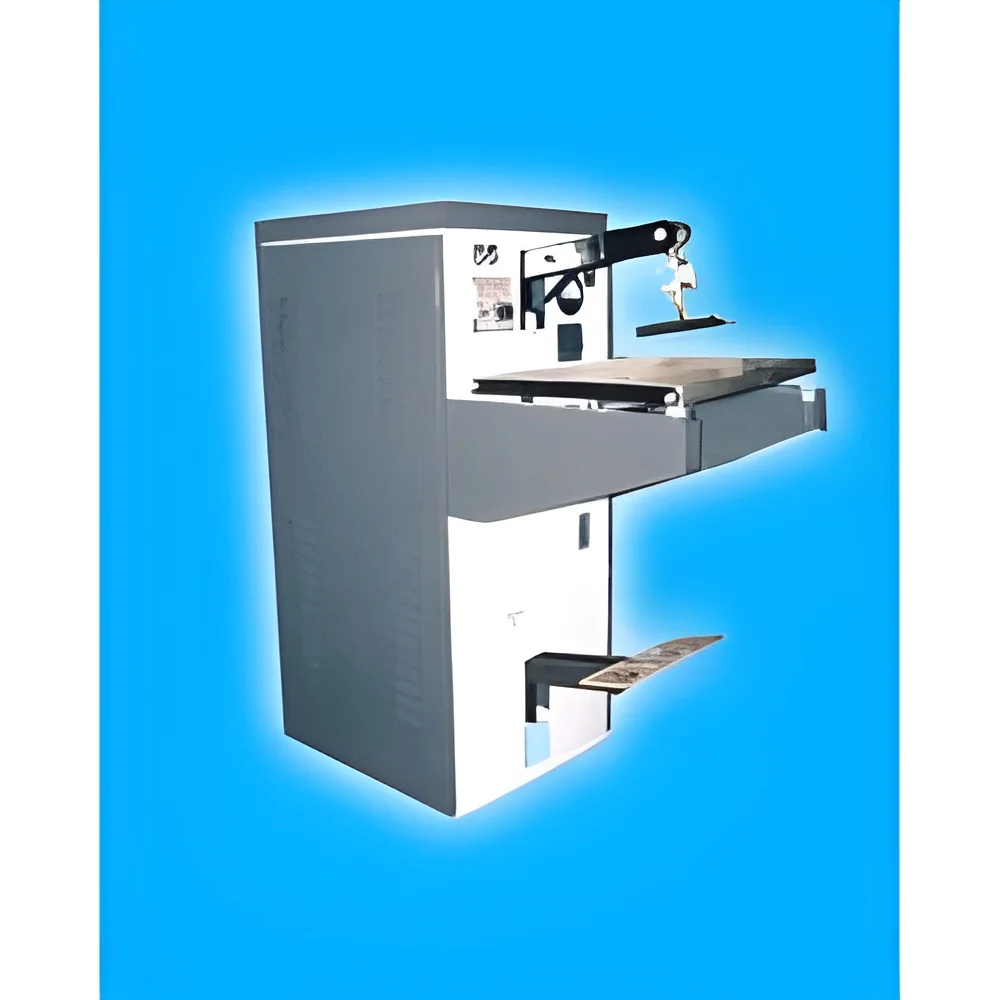
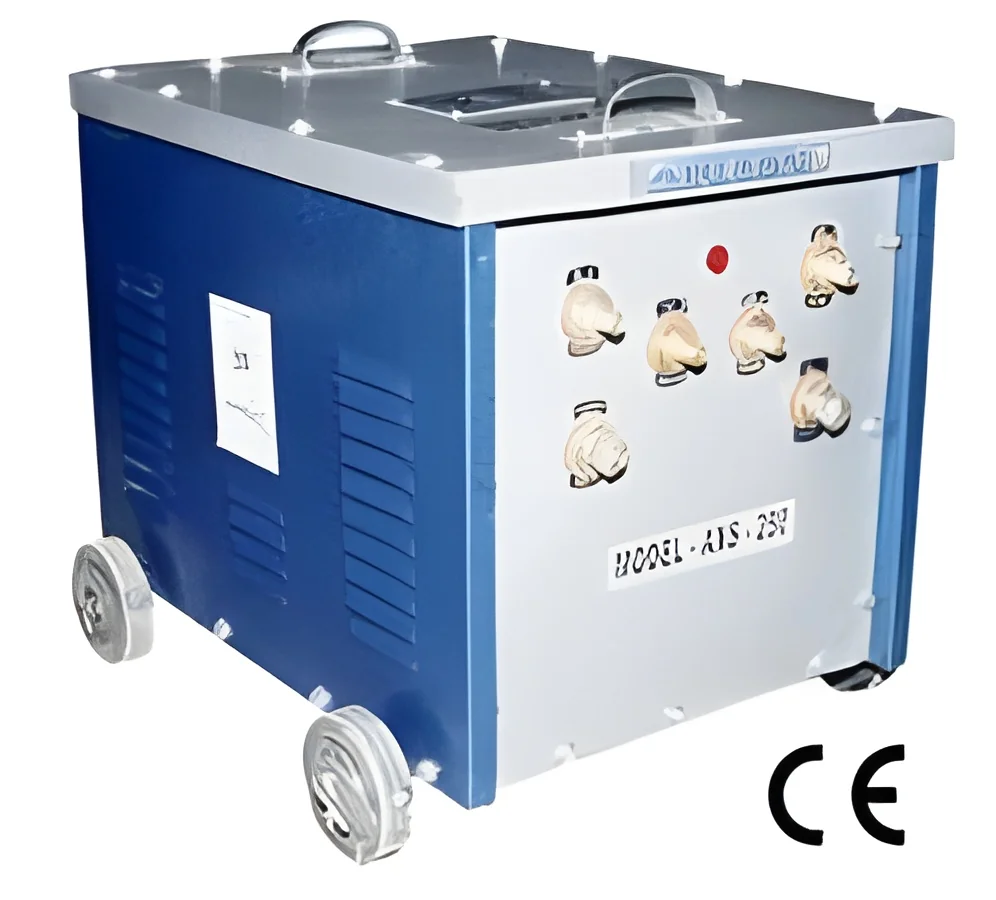
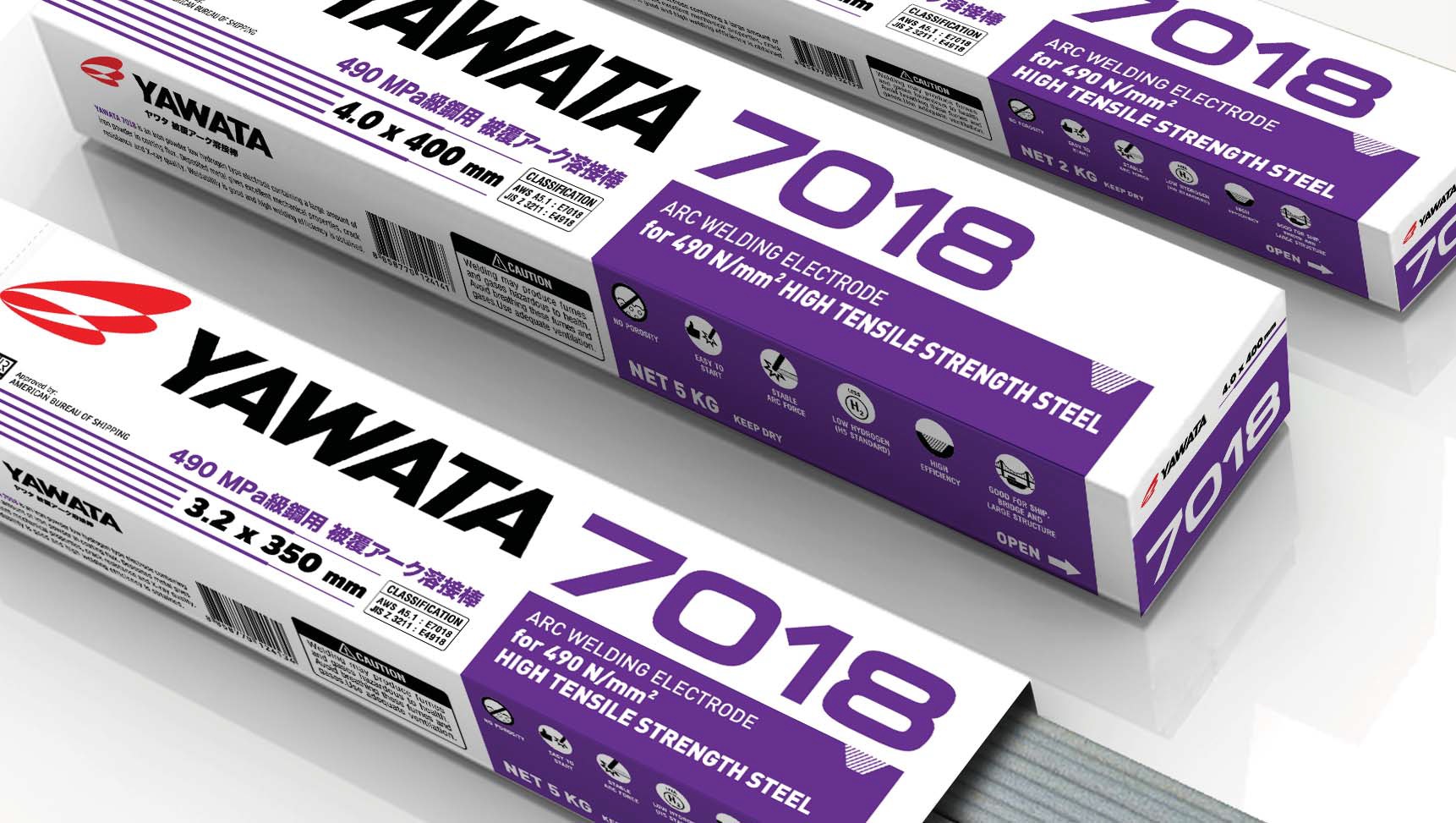
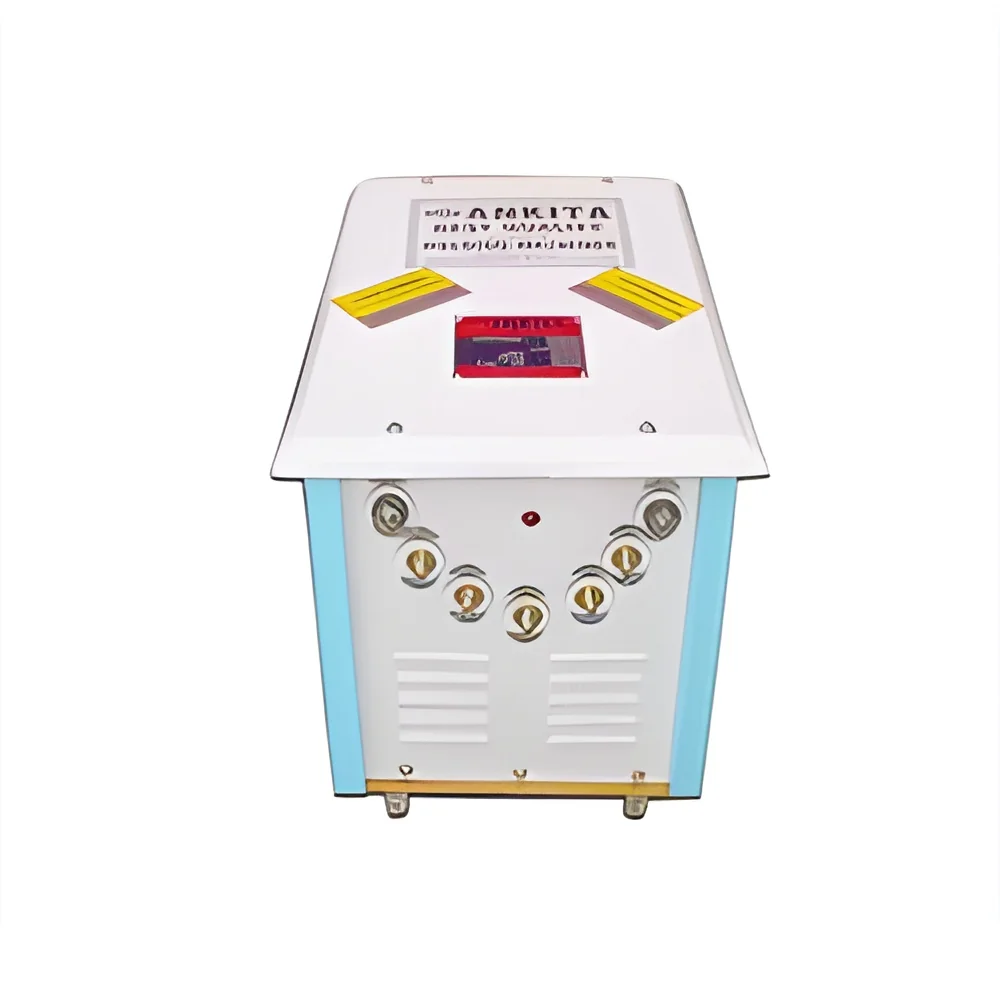
What are Welding Machines & Accessories?
Welding machines and accessories are essential tools used in various industrial processes to join materials, typically metals, through the application of heat. These machines can range from simple portable devices to complex, automated systems designed for high-volume production. Accessories include items like welding helmets, gloves, cables, and torches, which enhance safety and efficiency during welding operations.
These tools are primarily used in manufacturing, construction, automotive, and aerospace sectors. They facilitate the creation of durable connections in products ranging from machinery to structural components. The versatility of welding machines allows businesses to adapt to different welding methods, such as MIG, TIG, and stick welding, catering to diverse manufacturing needs. Given their critical role in production processes, the demand for welding machines and accessories continues to grow, making them a vital component of the industrial landscape.
Key Features and Specifications
Welding machines come with a variety of features and specifications that cater to different welding applications. Understanding these specifications is crucial for selecting the right machine for your business needs.
Key specifications include:
1. Power Output
- Determines the welding capacity.
- Measured in Amperes (A), typically ranging from 10A to 500A.
2. Duty Cycle
- Indicates the machine's operational capacity.
- Expressed as a percentage, often around 20% to 100%, indicating how long the machine can operate in a 10-minute period.
3. Welding Process Compatibility
- Refers to the types of welding supported.
- Includes MIG, TIG, Stick, and Flux-Cored welding.
4. Voltage Range
- Indicates the input voltage required.
- Common ranges include 110V, 220V, and 380V.
5. Weight
- Affects portability and ease of use.
- Can vary significantly, often between 20 lbs to over 100 lbs.
6. Cooling System
- Essential for preventing overheating.
- Can be air-cooled or water-cooled depending on the model.
7. Control Features
- Includes advanced settings for weld speed and power.
- Digital interfaces are common in modern machines.
8. Safety Features
- Critical for operator safety.
- May include thermal overload protection and automatic shut-off.
In summary, understanding these features and specifications helps businesses select the most suitable welding machines and accessories that meet their production requirements and safety standards.
Common Applications and Use Cases
Welding machines and accessories find applications across numerous industries, each with specific requirements.
1. Manufacturing: Welding is integral in the production of machinery and equipment. It ensures the durability and integrity of components used in various machines.
2. Construction: In the construction industry, welding is employed for structural steel fabrication, ensuring strong and reliable connections in buildings and bridges.
3. Automotive: Welding is crucial in automotive manufacturing for assembling parts and ensuring safety in vehicle structures.
4. Aerospace: The aerospace sector relies on advanced welding techniques to construct lightweight and strong components for aircraft and spacecraft.
5. Shipbuilding: Welding is extensively used in the shipbuilding industry to create robust hulls and structures that can withstand harsh marine environments.
6. Pipeline Construction: Welding is key in joining pipes for oil and gas transportation, ensuring leak-proof connections.
7. Energy Production: Welding is essential in constructing and maintaining power plants, including wind, solar, and fossil fuel facilities.
Product Variants and Subcategories
Welding machines and accessories come in various forms to suit different applications and user preferences.
MIG Welding Machines
These machines are designed for Metal Inert Gas (MIG) welding, which is known for its speed and ease of use. They are ideal for both beginners and experienced welders working on thin materials.
TIG Welding Machines
Tungsten Inert Gas (TIG) welding machines offer precision and control, making them suitable for intricate welding tasks. They are commonly used in industries requiring high-quality finishes, like aerospace and automotive.
Stick Welding Machines
Stick welding machines are versatile and portable, making them a great choice for outdoor work and heavy fabrication. They are often used in construction and maintenance applications.
Multi-Process Welding Machines
These machines can perform multiple welding processes, including MIG, TIG, and Stick welding. They offer flexibility for businesses that require different welding methods.
Benefits and Advantages
Welding machines and accessories provide numerous advantages for businesses.
1. Enhanced Durability: Welded joints are typically stronger than mechanical fasteners, ensuring long-lasting performance in various applications.
2. Increased Efficiency: Modern welding machines are designed for speed and precision, reducing production time and improving overall workflow.
3. Versatility: With various welding methods available, companies can adapt to different materials and project requirements easily.
4. Cost-Effective Solutions: Investing in high-quality welding machines can lead to lower operational costs through reduced rework and increased productivity.
5. Improved Safety: Advanced safety features in modern welding machines help protect operators from hazards associated with welding processes.
6. Better Quality Control: Enhanced control features allow for consistent weld quality, which is essential in industries where precision is critical.
Buying Guide for B2B Buyers
When sourcing welding machines and accessories, several factors should be considered to ensure the right choice.
1. Quality Assessment: Evaluate the quality of the machines based on standards and user reviews. Look for reputable brands known for reliability and performance.
2. Supplier Verification: Vet potential suppliers to ensure they are credible and provide quality products. Check for certifications and customer testimonials.
3. Pricing and MOQ: Understand the pricing structure, including any minimum order quantities that may apply. Compare quotes from multiple suppliers to find the best deal.
4. Delivery and Lead Times: Consider the lead times for delivery, as this can impact project timelines. Ensure suppliers can meet your deadlines.
5. Compliance Requirements: Familiarize yourself with any regulatory compliance that may apply to welding equipment in your region. Ensure that the products meet necessary safety and industry standards.
Compliance and Certifications
Welding machines and accessories must adhere to various quality standards and certifications to ensure safety and reliability. ISO 9001 is a widely recognized standard that emphasizes quality management systems, ensuring manufacturers consistently meet customer requirements.
CE certification is crucial for products sold in Europe, indicating compliance with health, safety, and environmental protection standards. This certification assures buyers that the equipment meets rigorous safety criteria.
Additionally, businesses should be aware of safety and testing requirements specific to their industry. These may include operational safety protocols and equipment testing standards. Regional compliance considerations must also be taken into account, as regulations can vary significantly across different countries and regions.
Why Source Welding Machines & Accessories from Pepagora?
Pepagora offers a trusted platform for sourcing welding machines and accessories, providing several key advantages for B2B buyers.
Verified Supplier Network: Pepagora has established a comprehensive network of verified suppliers, ensuring that buyers can access high-quality products from reputable manufacturers. This verification process enhances buyer confidence and reduces risks.
Streamlined RFQ Process: The request for quotation (RFQ) process on Pepagora is designed to be efficient, allowing buyers to receive competitive quotes from multiple suppliers quickly. This simplifies the procurement process and helps businesses find the best deals.
Trade Assurance and Support: Buyers on Pepagora benefit from trade assurance, which protects their transactions and ensures that suppliers meet their commitments. The platform also offers support to address any queries or concerns during the purchasing process.
Regional Coverage: With a strong presence in India, the GCC, and Southeast Asia, Pepagora provides extensive regional coverage. This geographic reach allows businesses to source welding machines and accessories tailored to their specific market needs while ensuring timely delivery and local support.

 IN
IN