
 IN
Heavy-Duty Workbenches
2 products available
What are Heavy-Duty Workbenches?
Heavy-duty workbenches are robust, industrial-grade surfaces designed to withstand significant wear and tear in demanding environments. These workbenches are constructed from high-quality materials, ensuring durability and stability for various applications. Built to support heavy equipment and tools, they often feature reinforced frames and surfaces that can handle substantial loads without compromising structural integrity.
These workbenches find primary use in industries such as manufacturing, automotive, electronics, and construction. They serve as essential work surfaces for assembly, repair, and fabrication tasks. Businesses rely on these workstations to enhance productivity and safety, allowing workers to perform tasks efficiently. Given the growing emphasis on workplace ergonomics and safety, heavy-duty workbenches have become increasingly relevant in market discussions surrounding industrial equipment and workspace optimization.
Key Features and Specifications
Heavy-duty workbenches come equipped with various features that enhance their functionality and adaptability. These specifications are critical for buyers to evaluate based on their specific needs and operational requirements.
Key specifications include:
1. Load Capacity
- Designed to hold significant weight, typically ranging from 1,000 to 5,000 pounds.
- Ensures stability under heavy equipment and tools.
2. Surface Material
- Often made from steel, laminate, or hardwood for durability.
- Resists scratches, stains, and impacts for longevity.
3. Dimensions
- Available in various sizes, generally ranging from 48 to 96 inches in width.
- Height is often adjustable to suit different ergonomic needs.
4. Storage Options
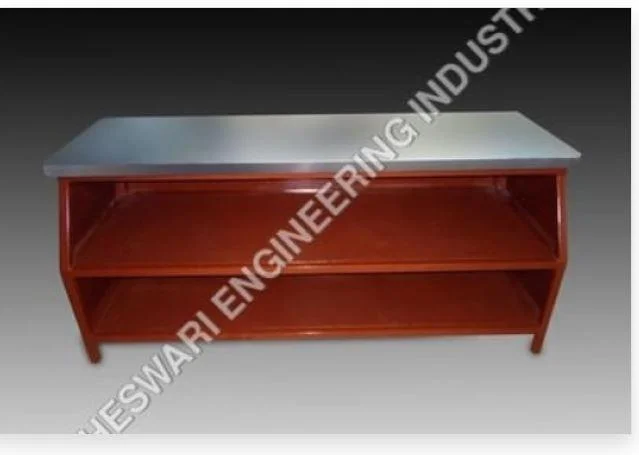
- Many models include integrated shelving, drawers, or cabinets.
- Provides efficient organization of tools and materials.
5. Mobility Features
- Some workbenches come with wheels for easy relocation.
- Locking mechanisms ensure stability during use.
6. Customization Options
- Possible modifications for specific applications, such as added electrical outlets.
- Tailored configurations to meet unique business requirements.
7. Safety Features
- Includes options for rounded edges and non-slip surfaces.
- Enhances worker safety during use.
8. Certification
- Often compliant with industry standards, including CE certification.
- Ensures adherence to safety and quality benchmarks.
In summary, heavy-duty workbenches provide essential features that cater to various industrial needs. Understanding these specifications helps businesses make informed purchasing decisions based on their operational demands.
Common Applications and Use Cases
Heavy-duty workbenches serve a wide range of industries, each with specific applications that leverage their robust design.
1. Manufacturing: In manufacturing environments, heavy-duty workbenches are utilized for assembly lines, allowing workers to efficiently build products while maintaining organization.
2. Automotive: In the automotive sector, these workbenches are critical for repair and maintenance tasks, providing a sturdy surface for tools and parts.
3. Electronics: Electronics manufacturers use heavy-duty workbenches for assembling delicate components, where precision and stability are paramount.
4. Construction: Construction sites benefit from these workbenches as they provide a reliable workspace for tool organization and material handling.
5. Warehousing: In warehouses, heavy-duty workbenches serve as packing and sorting stations, facilitating efficient inventory management.
6. Laboratories: Heavy-duty workbenches in laboratories support testing equipment and provide a stable surface for experiments.
7. Shipping and Receiving: These workbenches are also used in shipping areas for packing and preparing products for delivery.
Product Variants and Subcategories
Heavy-duty workbenches are available in various configurations to meet diverse needs. Each variant offers unique features tailored for specific applications.
Classic Workbench
This traditional model typically features a solid wood or steel top and is ideal for general industrial use. It provides a versatile workspace for a range of tasks, from assembly to repair.
Modular Workbench
Designed for flexibility, modular workbenches can be customized with various attachments and accessories. They are suitable for dynamic work environments where requirements may frequently change.
Mobile Workbench
Equipped with wheels, mobile workbenches offer portability without sacrificing strength. They are ideal for jobs that require frequent relocation across workspaces.
Heavy-Duty Adjustable Workbench
This variant allows users to adjust the height, accommodating various ergonomic needs. It is particularly beneficial in environments where multiple users share the workstation.
Benefits and Advantages
Investing in heavy-duty workbenches comes with several key advantages that enhance workplace efficiency and safety.
1. Durability: These workbenches are built to withstand heavy use, reducing the need for frequent replacements and repairs.
2. Enhanced Productivity: A sturdy work surface improves workflow, allowing workers to complete tasks more efficiently.
3. Ergonomics: Adjustable models promote better posture, reducing the risk of strain and injury for workers.
4. Organization: With integrated storage options, heavy-duty workbenches help maintain a clutter-free workspace, improving focus and productivity.
5. Safety: Features such as rounded edges and non-slip surfaces help minimize workplace accidents, promoting a safer environment.
6. Customization: The ability to modify workbenches ensures they meet specific operational needs, providing tailored solutions for businesses.
Buying Guide for B2B Buyers
When sourcing heavy-duty workbenches, several factors should be considered to ensure the right choice for your business.
1. Quality Assessment: Evaluate materials and construction quality to ensure long-lasting performance. Look for reviews or case studies to gauge reliability.
2. Supplier Verification: Vet suppliers by checking their credentials, reputation, and client feedback. Ensure they comply with industry standards.
3. Pricing and MOQ: Understand the pricing structure and minimum order quantities. Compare quotes from multiple suppliers to find the best deal.
4. Delivery and Lead Times: Confirm delivery schedules and lead times to ensure timely availability for your operations. Factor in logistics when planning orders.
5. Compliance Requirements: Ensure that the workbenches meet all relevant industry regulations and safety standards to avoid compliance issues.
Compliance and Certifications
Heavy-duty workbenches must adhere to various quality and safety standards to ensure reliability and safety in industrial environments.
ISO 9001 is a widely recognized standard that outlines quality management systems. Compliance with this standard indicates that manufacturers have established processes to ensure consistent quality in their products.
CE certification is also important, particularly for products sold in Europe. It signifies that the workbench complies with European health, safety, and environmental protection legislation.
Safety and testing requirements are critical for heavy-duty workbenches, ensuring they can withstand the stresses of industrial use without failure. Regular testing for load capacity, stability, and safety features is essential to maintain compliance.
Additionally, regional compliance considerations may vary. It is important to understand local regulations concerning safety and emissions, as these can influence product selection.
Why Source Heavy-Duty Workbenches from Pepagora?
Pepagora provides a trusted platform for sourcing heavy-duty workbenches, offering several key advantages to B2B buyers.
Verified Supplier Network: Pepagora ensures that all suppliers in its network are thoroughly vetted for quality and reliability. This gives buyers confidence in the products they purchase.
Streamlined RFQ Process: The request for quotation process is designed to be efficient, allowing buyers to receive competitive quotes from multiple suppliers quickly. This helps in making informed purchasing decisions.
Trade Assurance and Support: Buyers benefit from trade assurance programs that protect their investments. Pepagora provides support throughout the purchasing process, ensuring a smooth transaction.
Regional Coverage: With a strong presence in India, the GCC, and Southeast Asia, Pepagora offers extensive geographic reach, making it easier for businesses in these regions to access high-quality heavy-duty workbenches.
These advantages make Pepagora a preferred choice for sourcing heavy-duty workbenches, facilitating a seamless purchasing experience for industrial buyers.

Frequently Asked Questions
What are Heavy-Duty Workbenches?
Heavy-Duty Workbenches are robust and durable work surfaces designed to withstand heavy loads and rigorous use in industrial and commercial settings. They are typically constructed from high-quality materials such as steel or solid wood and are ideal for tasks that require substantial strength and stability.
What are the different types of Heavy-Duty Workbenches?
There are several types of Heavy-Duty Workbenches, including stationary workbenches, mobile workbenches, and adjustable height workbenches. Each type serves different purposes, with mobile options offering portability and adjustable models catering to ergonomic needs.
How do I choose the right Heavy-Duty Workbenches?
To choose the right Heavy-Duty Workbench, consider factors such as load capacity, dimensions, material, and intended use. It's also important to evaluate additional features like storage options, surface finishes, and whether you need a mobile or stationary unit.
What are the standard specifications for Heavy-Duty Workbenches?
Standard specifications for Heavy-Duty Workbenches typically include load capacity, which can range from 500 to 2000 pounds, and dimensions that vary based on the intended workspace. The bench surface should be resistant to chemicals and wear, and legs should provide adequate stability and support.
What is the price range for Heavy-Duty Workbenches?
The price range for Heavy-Duty Workbenches can vary significantly based on size, material, and additional features, typically ranging from INR 10,000 to INR 50,000. Custom options and specialized features may increase the cost further.
What quality standards apply to Heavy-Duty Workbenches?
Quality standards for Heavy-Duty Workbenches may include compliance with ISO certifications, which ensure reliability and safety in industrial environments. Additionally, manufacturers may adhere to specific industry standards for materials and construction to ensure durability.
Where can I find Heavy-Duty Workbenches suppliers in India?
You can find Heavy-Duty Workbenches suppliers in India through online B2B marketplaces like Pepagora, as well as local industrial equipment suppliers and manufacturers. It's advisable to compare options and check reviews to identify reputable suppliers.
Can Heavy-Duty Workbenches be customized?
Yes, many manufacturers offer customization options for Heavy-Duty Workbenches to meet specific requirements such as size, color, and additional features like shelving or drawers. Customization may involve additional costs and lead time.
What is the typical minimum order quantity for Heavy-Duty Workbenches?
The typical minimum order quantity (MOQ) for Heavy-Duty Workbenches can vary by supplier, but it often ranges from 1 to 10 units. Some suppliers may accommodate lower quantities for custom orders.
What is the typical lead time for Heavy-Duty Workbenches?
The typical lead time for Heavy-Duty Workbenches can range from 2 to 6 weeks, depending on the supplier, order volume, and whether customization is requested. It's recommended to confirm lead times directly with the supplier prior to placing an order.
Why Businesses Trust Pepagora
Thousands of companies trust Pepagora to source smarter and sell faster
Expand Your Sales Globally

Source Smarter,Grow Faster
