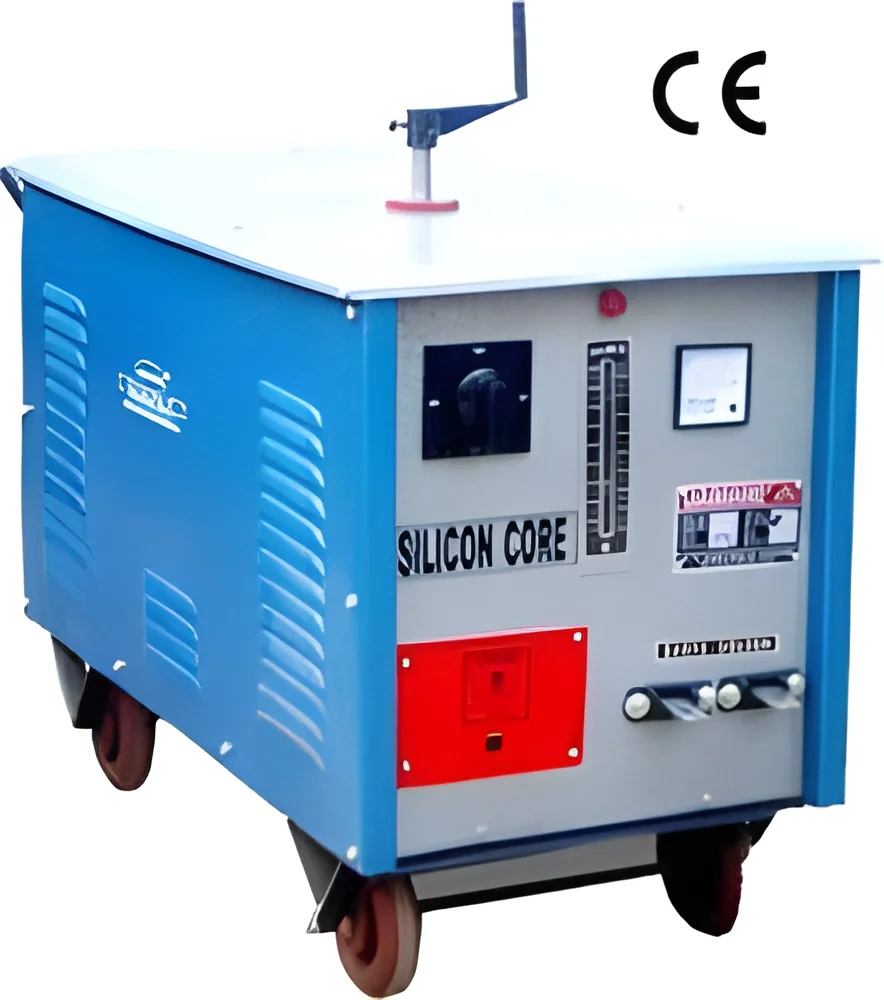
What are ARC Welding Machines?
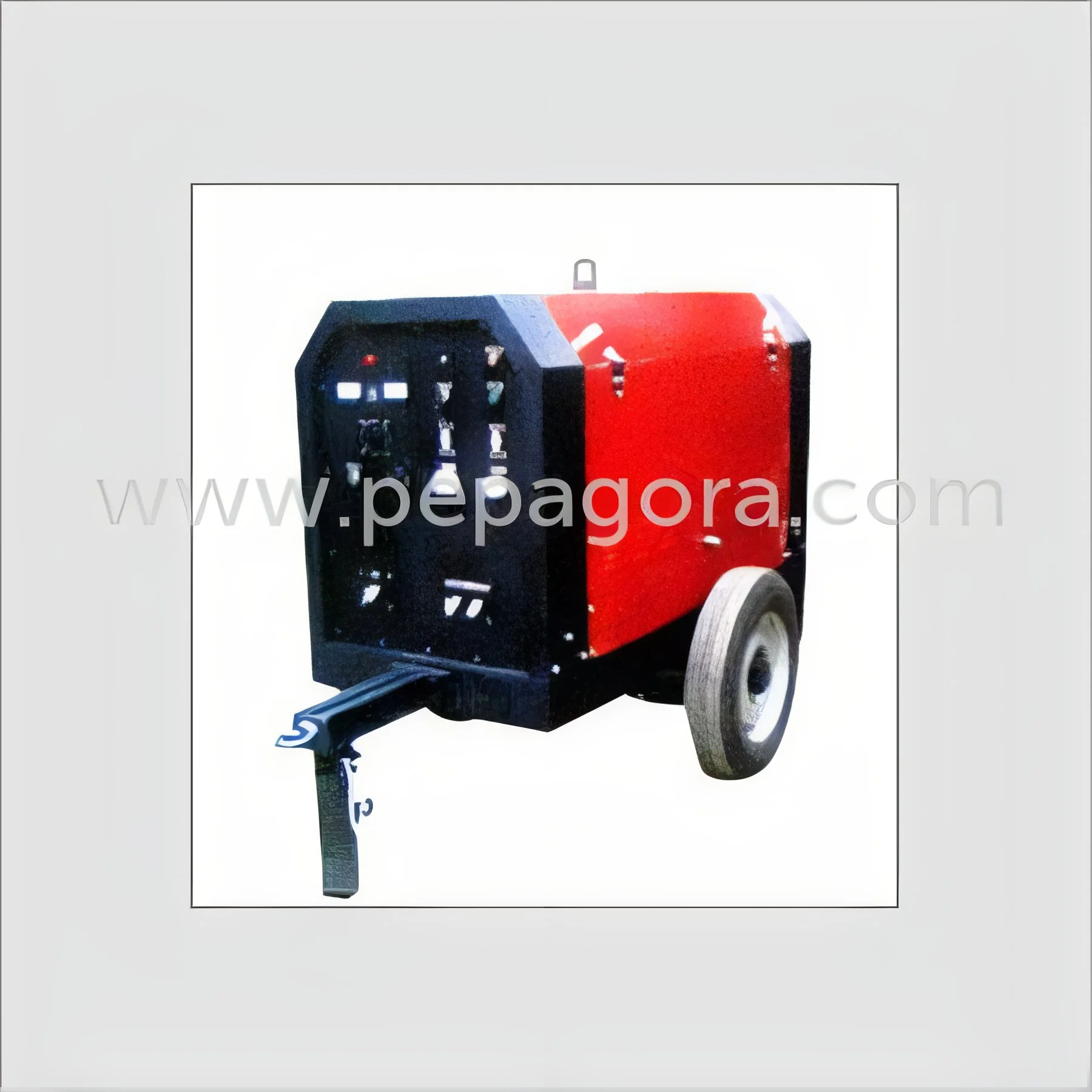
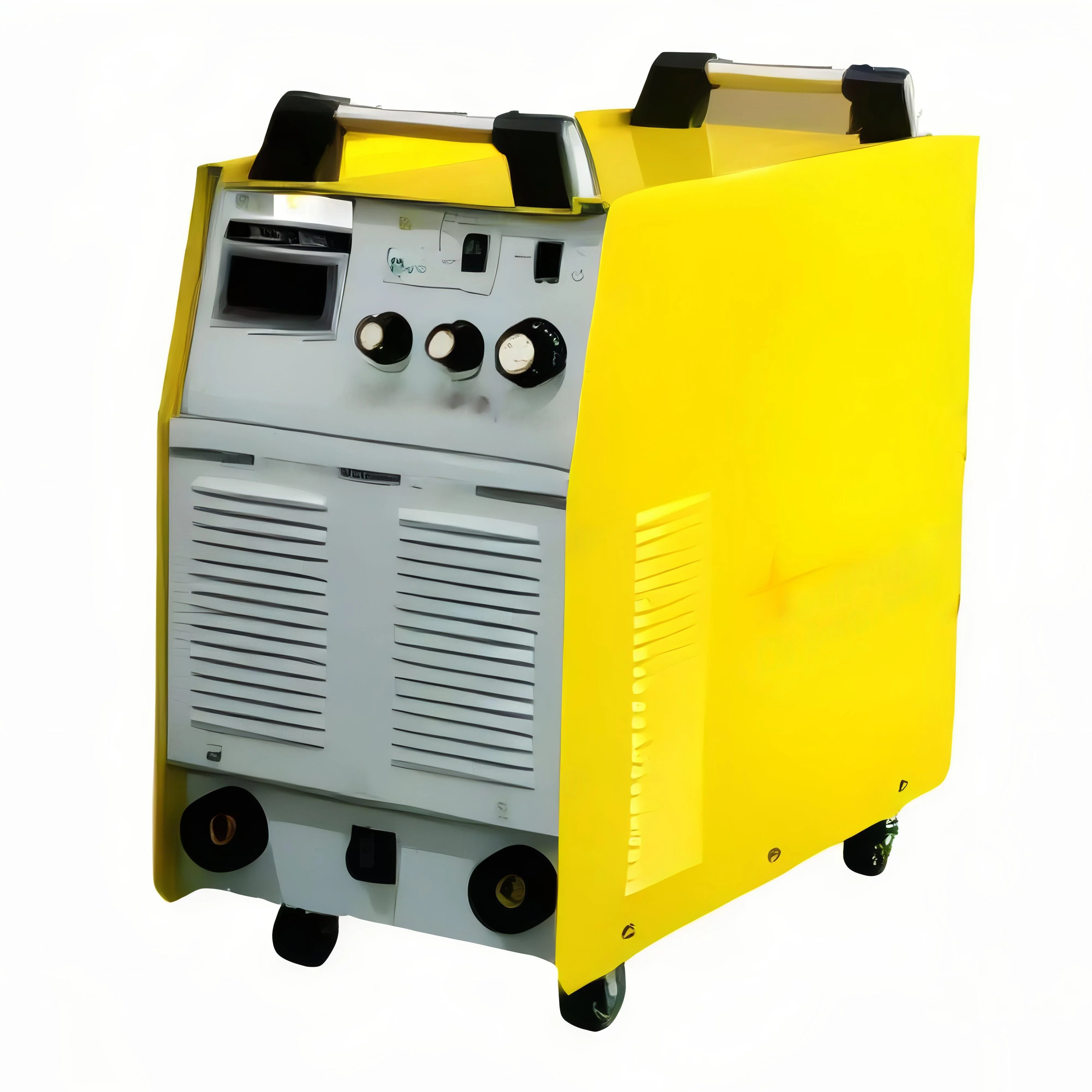
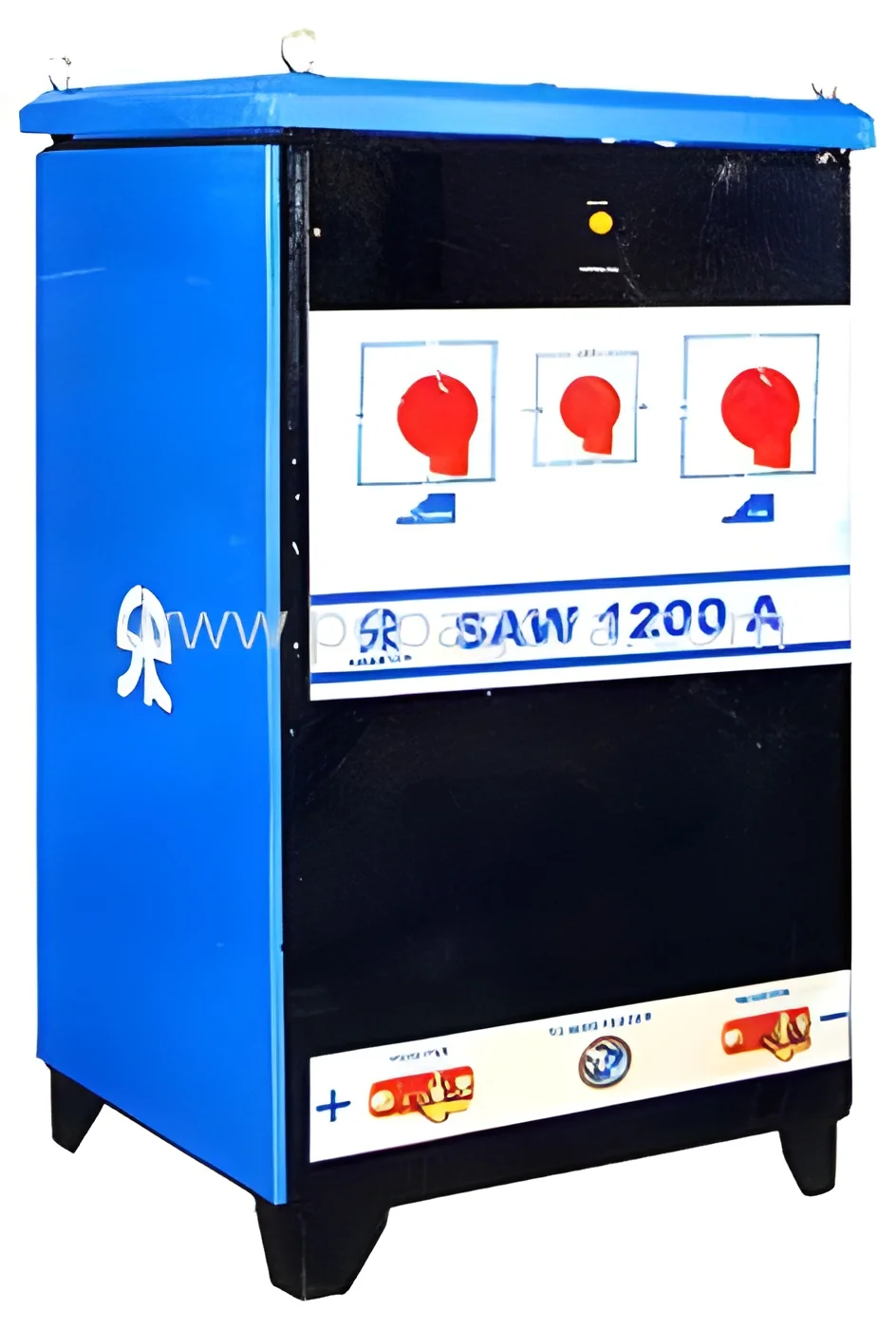
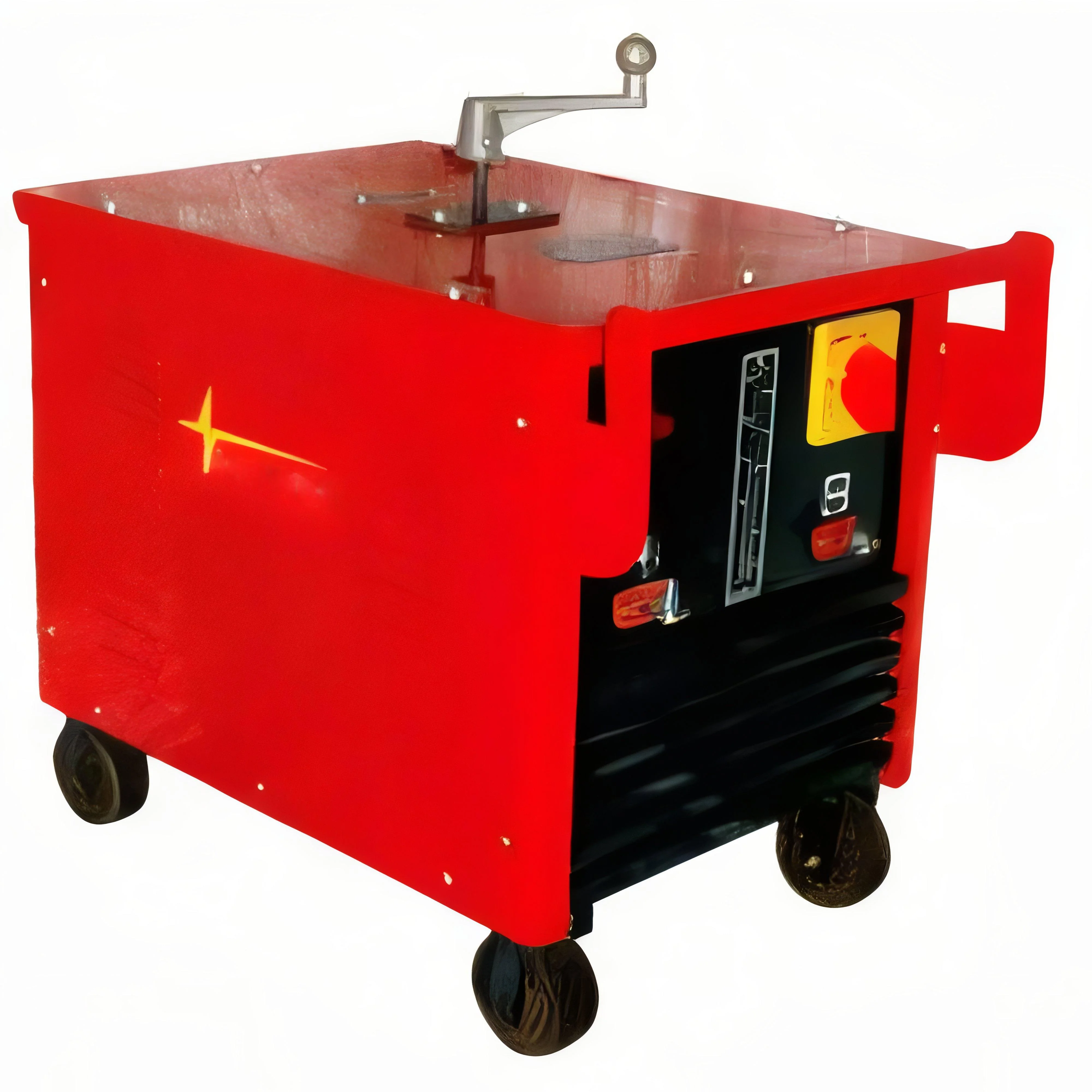
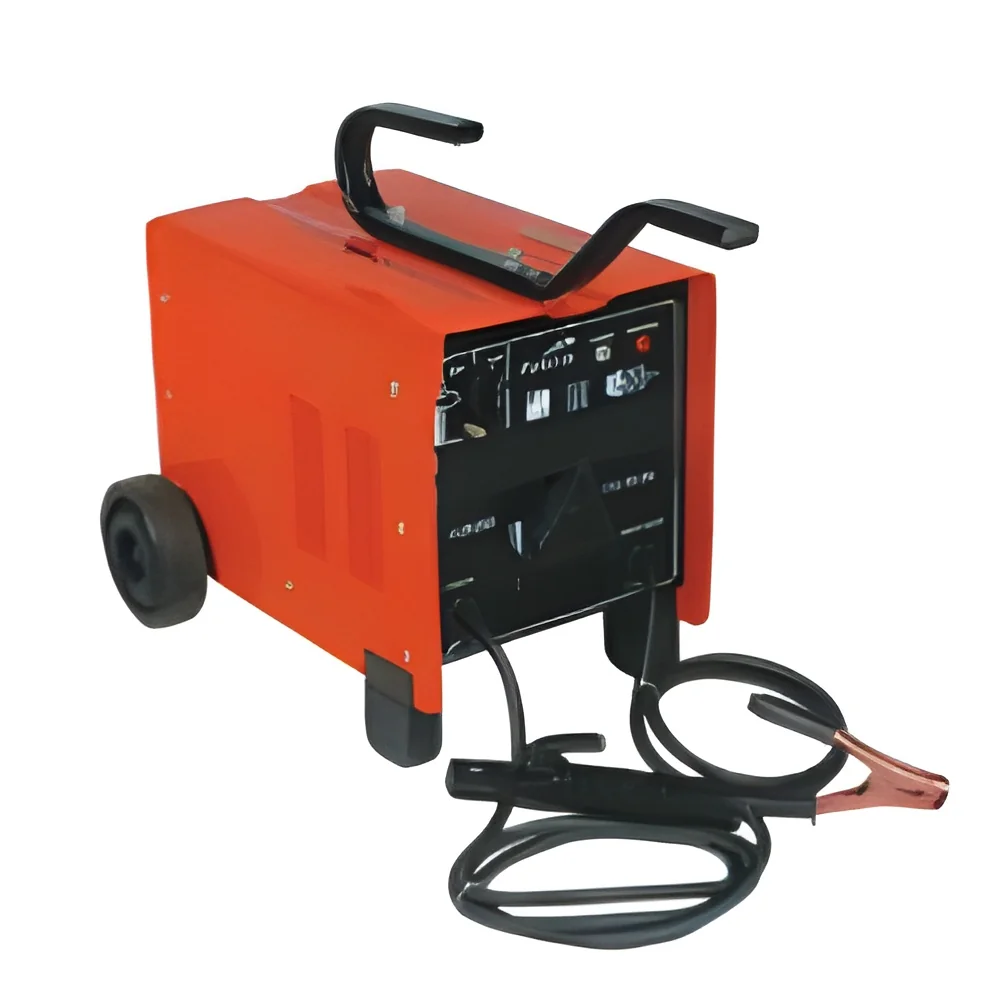
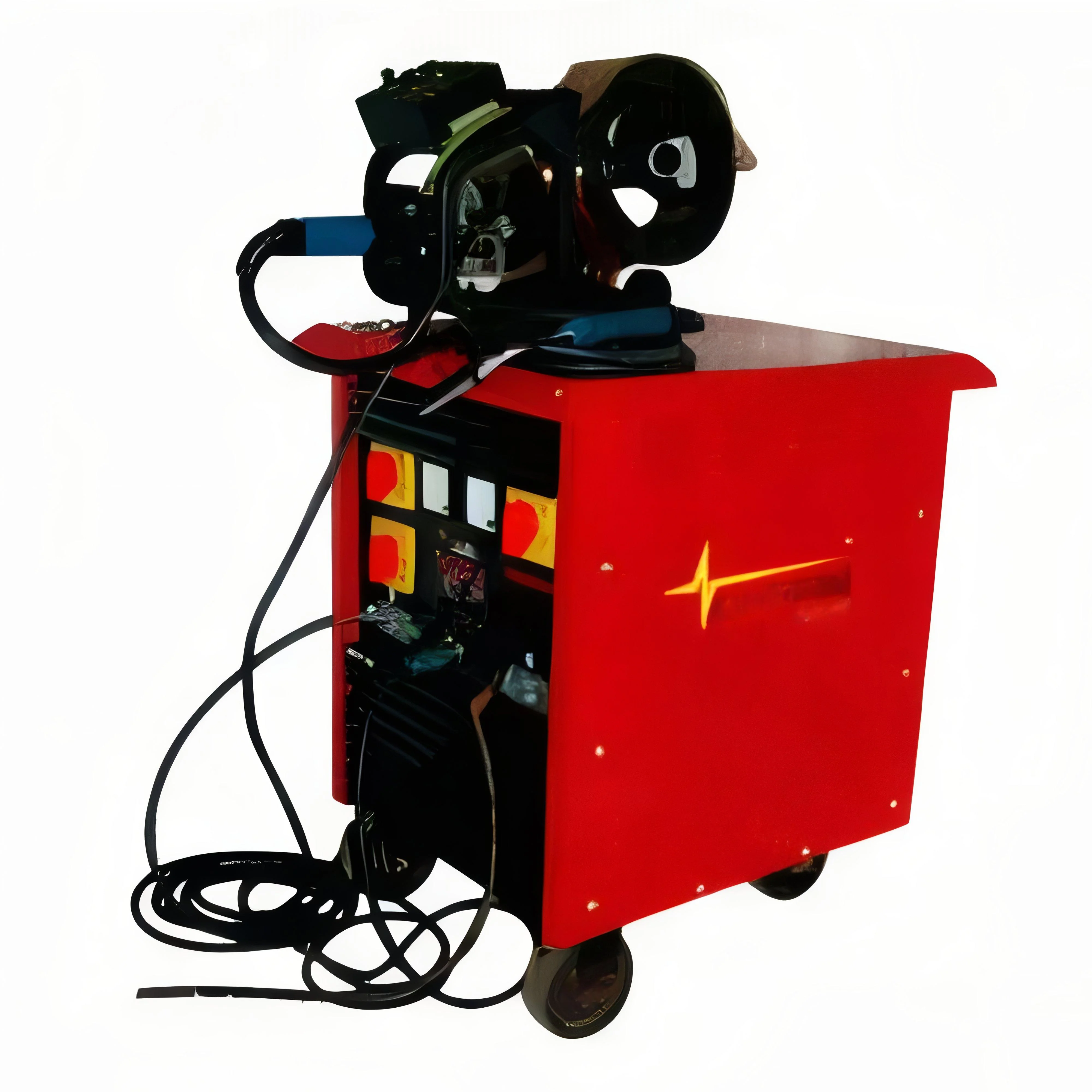
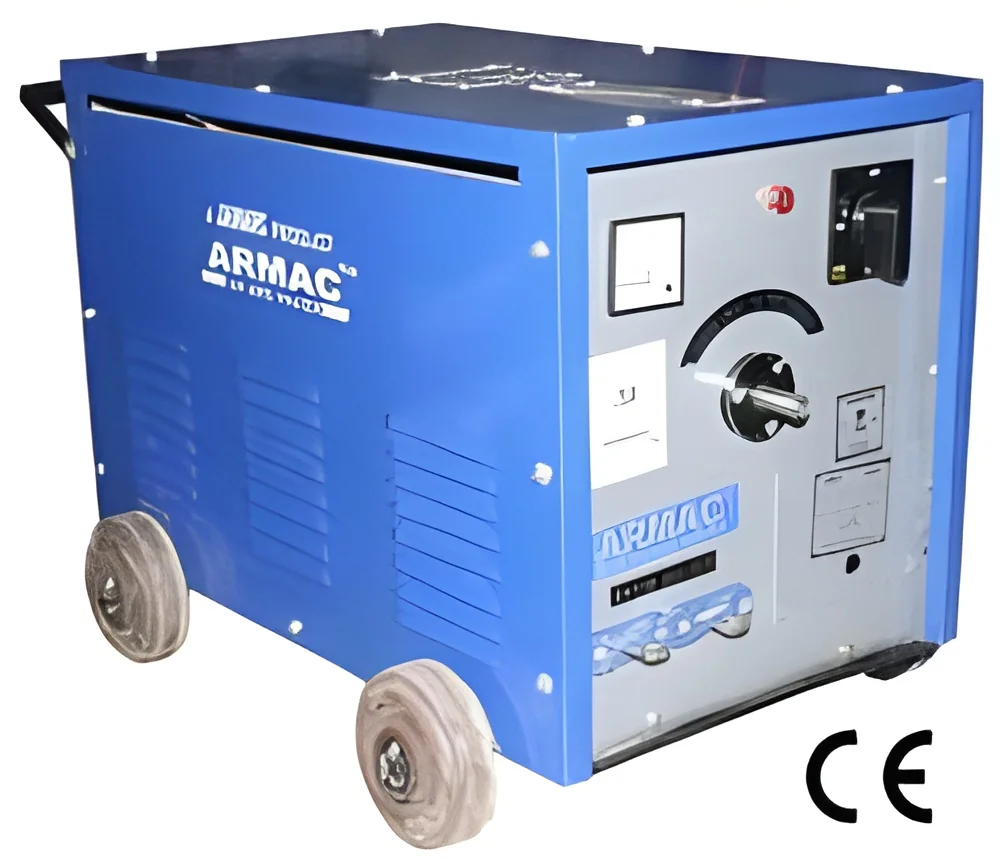
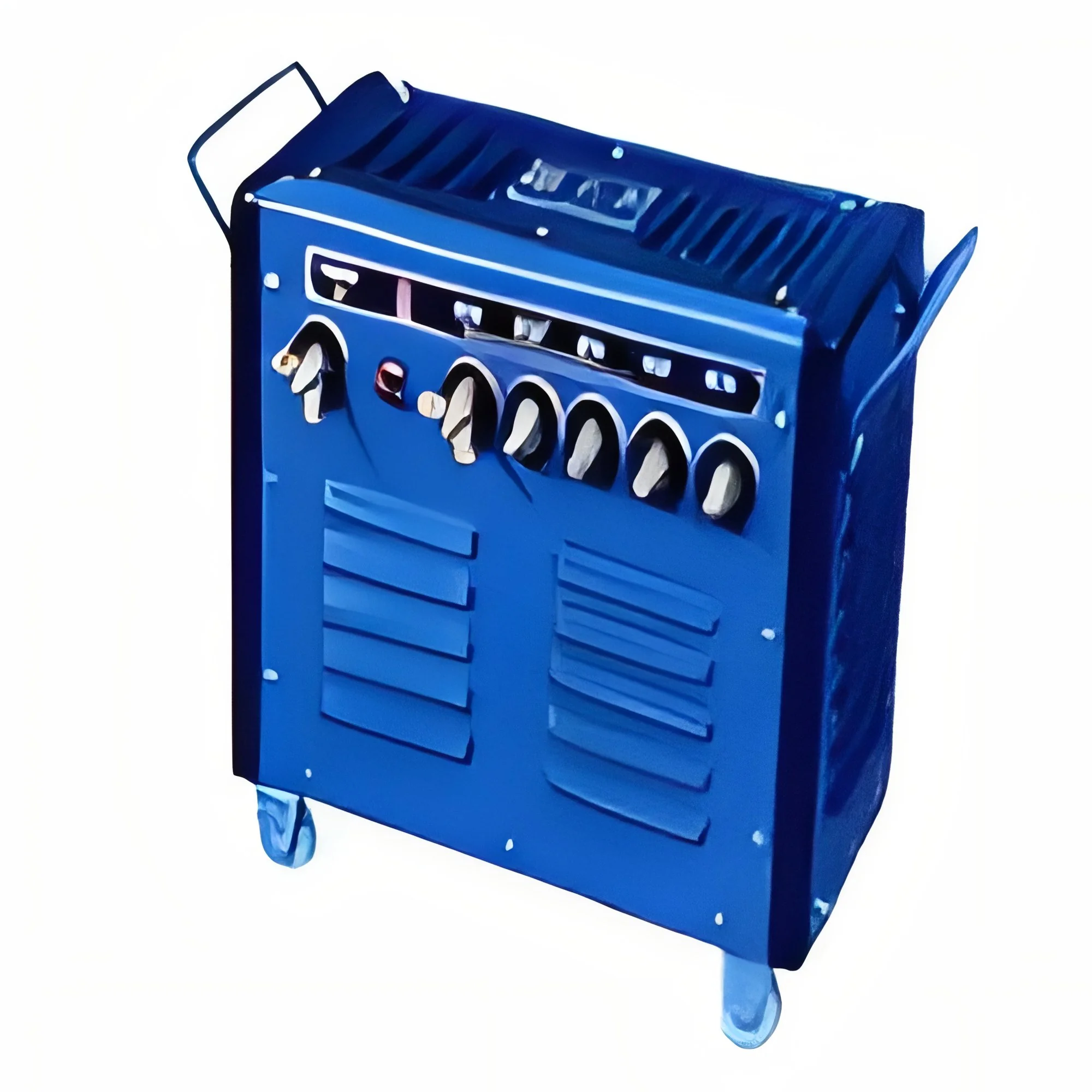
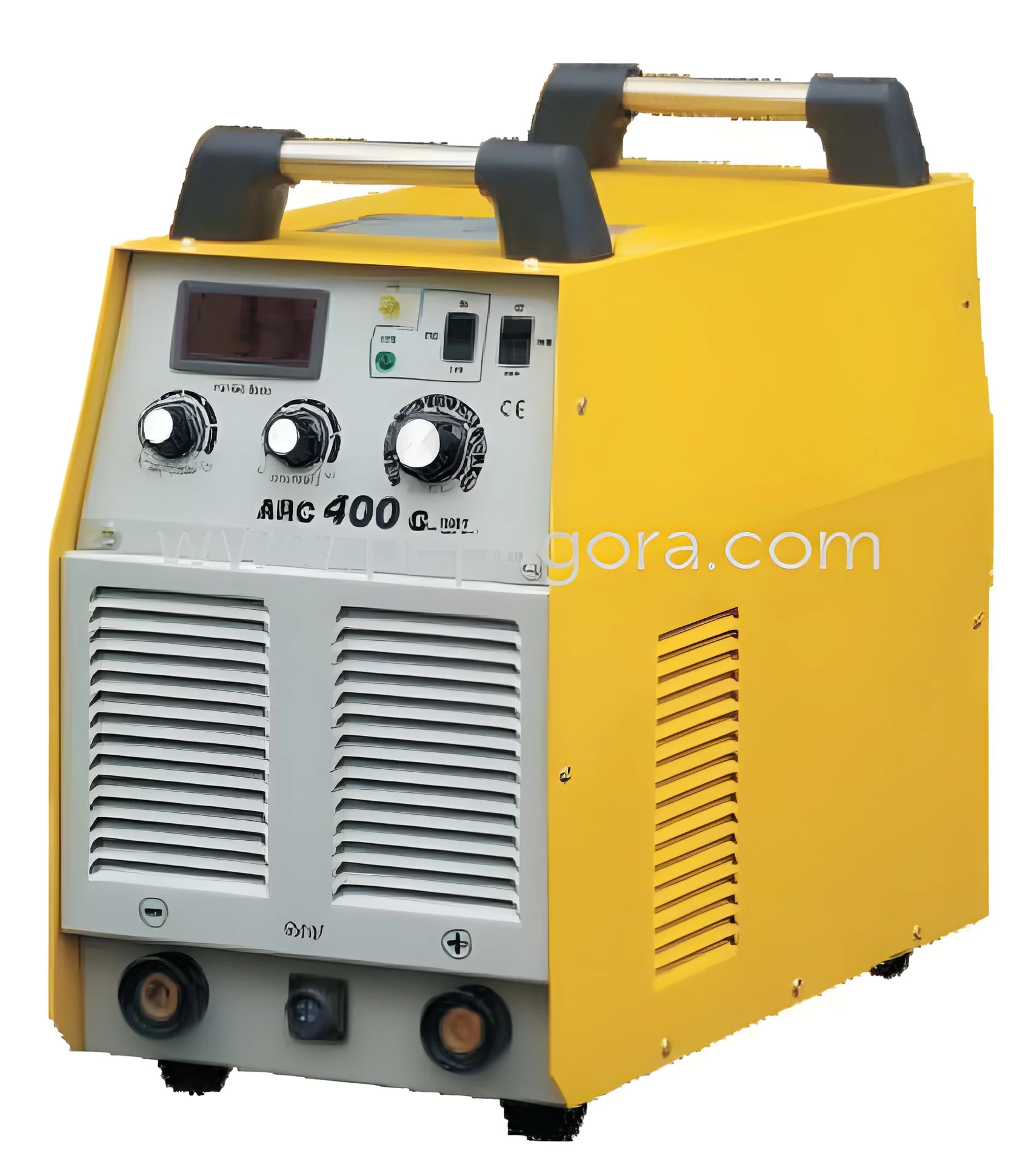
ARC welding machines are industrial devices used to join metal parts through the use of an electric arc. This process generates intense heat that melts the base metals and the filler material, if used, allowing them to fuse together when cooled. The method is highly efficient and versatile, making it a popular choice in various manufacturing and construction applications.
These machines are primarily used in industries such as automotive, construction, and metal fabrication. They can be employed for tasks ranging from repairing machinery to creating structural components. The ability to perform welding in different positions and environments enhances their utility, making them suitable for both indoor and outdoor applications. As industries evolve and demand more robust solutions, ARC welding machines continue to play a crucial role in modern manufacturing processes.
The market for ARC welding machines has seen significant growth due to the increasing demand for high-quality welded joints in production. With advancements in technology and automation, these machines are becoming more user-friendly and efficient. Companies that invest in reliable ARC welding solutions can achieve better productivity and maintain higher quality standards in their projects.
Key Features and Specifications
ARC welding machines come with several essential features designed to enhance their performance and usability. Understanding these specifications is crucial for B2B buyers to make informed decisions.
Key specifications include:
1. Power Output
- Measured in amperes, this determines the machine's capacity to generate heat.
- Typically ranges from 20A to 300A depending on the machine type.
2. Duty Cycle
- Indicates the amount of time the machine can operate continuously without overheating.
- Common duty cycles are 60%, 80%, and 100%.
3. Voltage Input
- The required voltage for operation, which can vary between single-phase and three-phase systems.
- Common input voltages include 110V, 220V, and 380V.
4. Welding Process
- Common processes include SMAW (Shielded Metal Arc Welding), TIG (Tungsten Inert Gas), and MIG (Metal Inert Gas).
- Each process offers different advantages based on the application.
5. Weight and Portability
- The weight of the machine affects its portability.
- Machines can range from lightweight, portable units to heavy-duty models.
6. Cooling System
- Ensures the machine remains operational during extended use.
- Options include air-cooled and water-cooled systems.
7. Control Features
- Advanced machines may include digital displays and automatic settings.
- These features enhance user control and precision.
8. Safety Features
- Includes features like thermal overload protection and automatic shut-off.
- Ensures safe operation during use.
By understanding these key specifications, businesses can select ARC welding machines that best fit their operational needs.
Common Applications and Use Cases
ARC welding machines are used across various industries due to their versatility and effectiveness.
1. Automotive Industry: Used for assembling vehicle frames, repairing parts, and creating custom components.
2. Construction Sector: Essential for joining structural steel elements, reinforcing bars, and metal roofing systems.
3. Shipbuilding: Employed in the fabrication of hulls and other metal structures, ensuring durability and strength.
4. Manufacturing: Utilized in metal fabrication shops for producing machinery parts and tools.
5. Aerospace: Critical for assembling and repairing aircraft components, where precision and reliability are paramount.
6. Energy Sector: Applied in constructing and maintaining pipelines and other infrastructure, ensuring safety and efficiency.
7. Heavy Equipment: Used for repairing and maintaining construction and agricultural machinery, contributing to operational uptime.
Product Variants and Subcategories
ARC welding machines come in various configurations to meet different industrial needs.
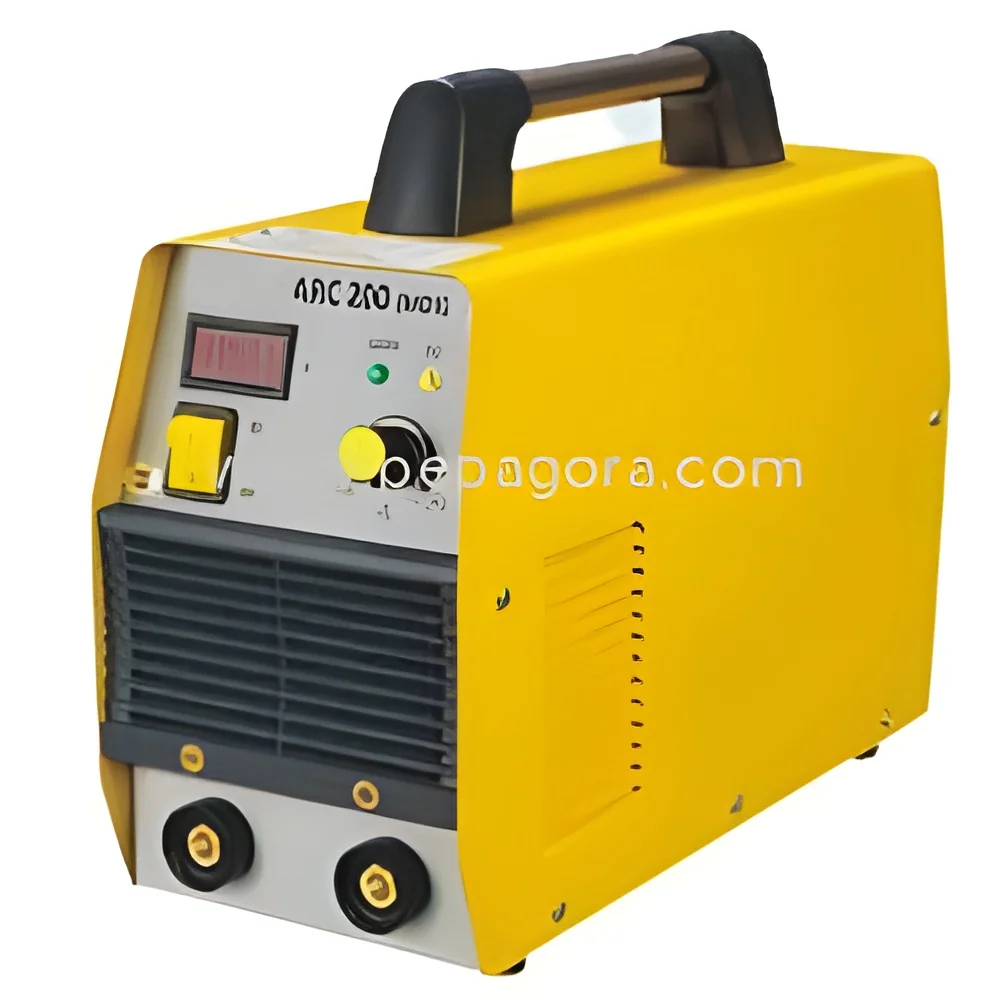
Portable ARC Welding Machines
These machines are designed for on-site applications where mobility is essential. They often feature lightweight designs and compact sizes, making them easy to transport.
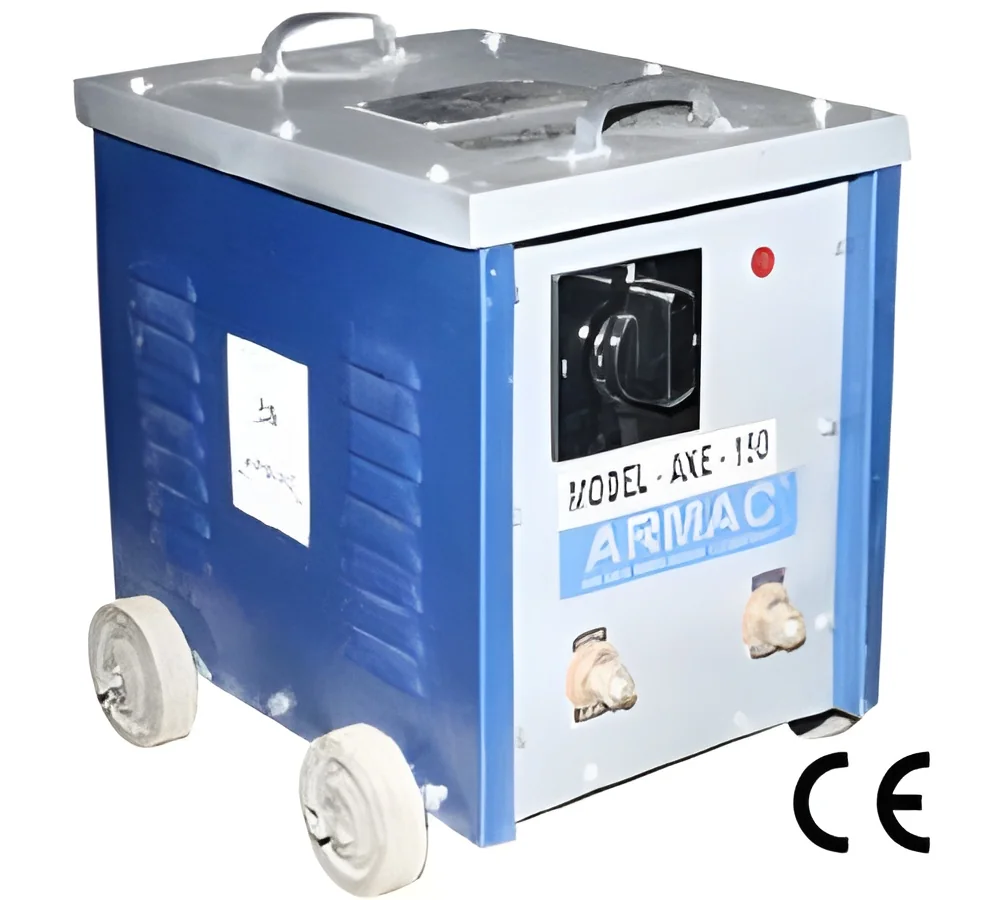
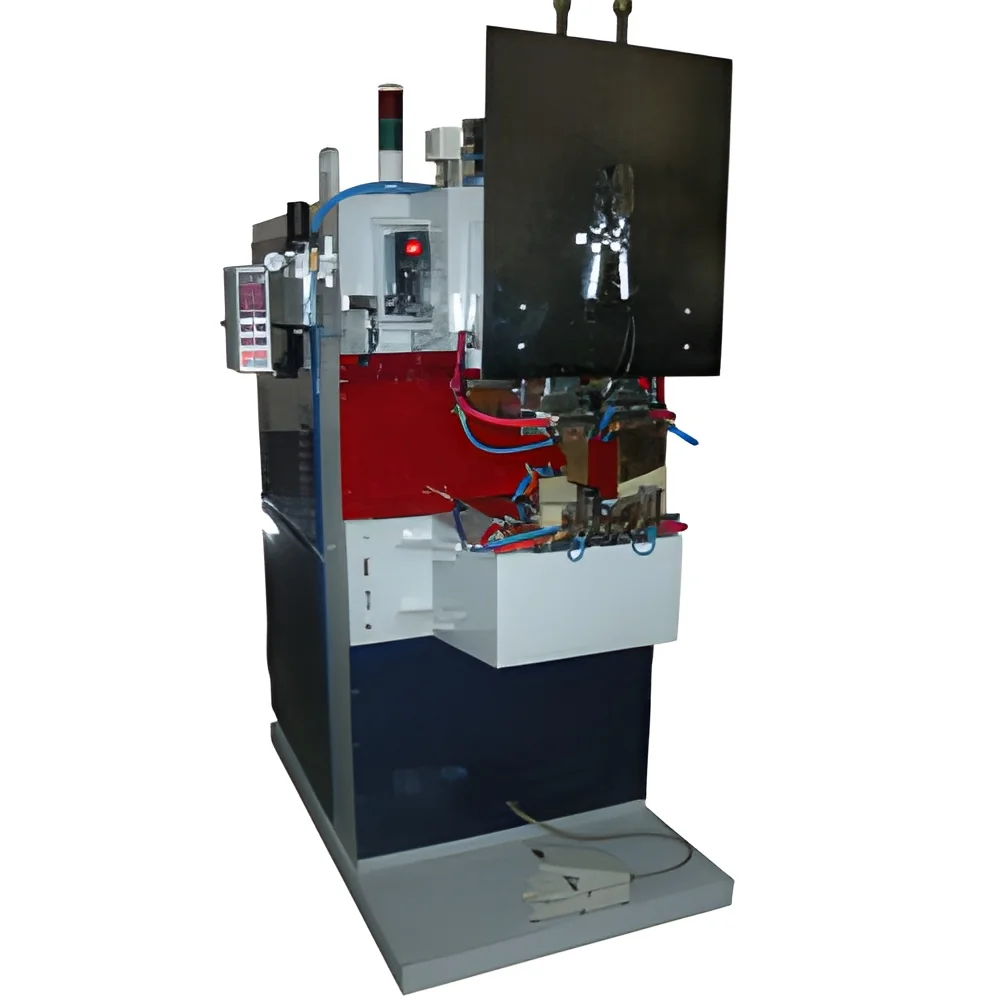
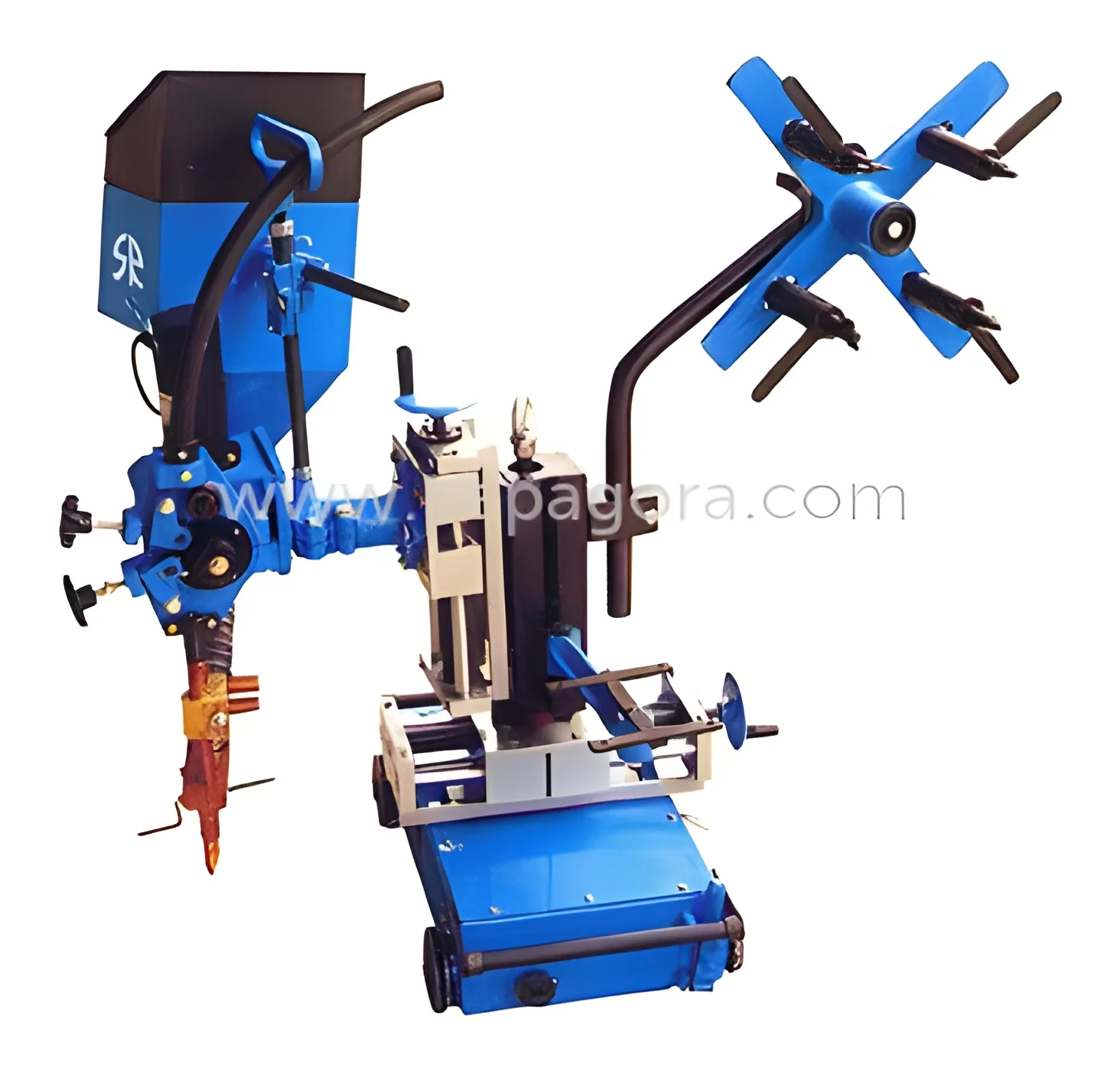
Industrial ARC Welding Machines
Built for high-volume production environments, these machines are robust and capable of handling extensive workloads. They often include advanced features for automation and efficiency.
Inverter ARC Welding Machines
These machines use inverter technology to provide a stable arc and reduce energy consumption. They are known for their compact size and lightweight design.
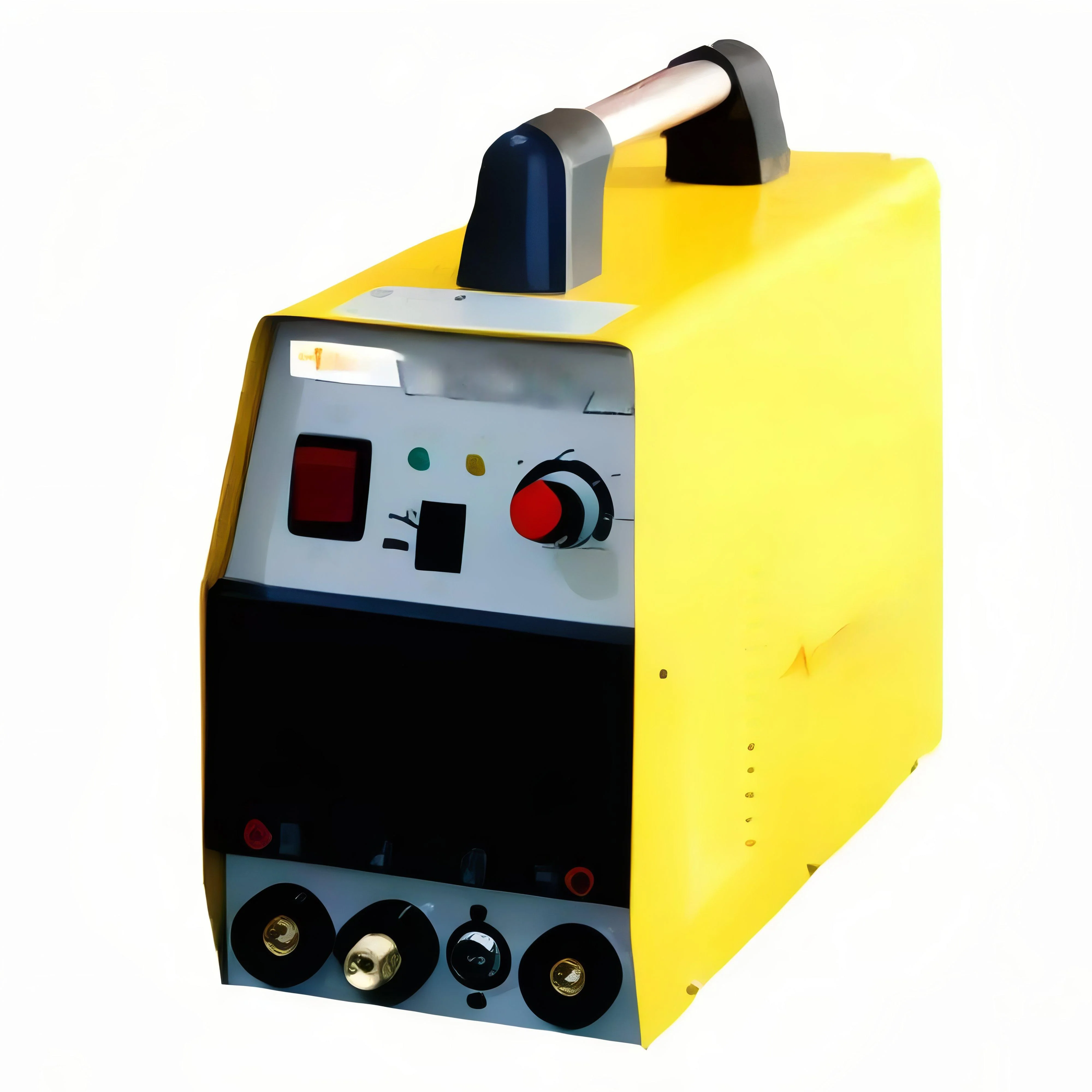
Multi-Process ARC Welding Machines
These versatile machines can perform various welding processes, including stick welding, TIG, and MIG. They are ideal for businesses that require flexibility in their welding applications.
Benefits and Advantages
Investing in ARC welding machines offers numerous benefits that enhance productivity and quality.
1. High Efficiency: These machines provide fast welding speeds, reducing overall project completion time.
2. Versatility: Capable of handling various metals and thicknesses, making them suitable for multiple applications.
3. Improved Weld Quality: ARC welding produces strong, reliable joints with minimal defects, ensuring high-quality outputs.
4. Cost-Effectiveness: Over time, these machines can lead to lower operational costs due to their durability and reduced maintenance needs.
5. User-Friendly Features: Many modern ARC welding machines come with intuitive controls and settings, making them easier for operators to use.
6. Enhanced Safety: Equipped with safety features, these machines help protect operators during use, reducing the risk of accidents.
Buying Guide for B2B Buyers
When sourcing ARC welding machines, it is essential to consider several key factors to ensure a successful purchase.
1. Quality Assessment: Look for machines that meet industry standards and have a solid reputation for performance. Evaluate customer reviews and case studies to gauge reliability.
2. Supplier Verification: Ensure that suppliers are reputable and have a track record of delivering quality products. Request references and check for certifications.
3. Pricing and MOQ: Understand the price range for the machines you are considering. Be aware of minimum order quantities and negotiate terms that suit your business needs.
4. Delivery and Lead Times: Clarify expected delivery times to ensure that the machines arrive when needed. Consider logistics and potential delays in the supply chain.
5. Compliance Requirements: Verify that the machines meet relevant industry standards and regulations. This includes checking for certifications like CE and ensuring compliance with safety and operational guidelines.
Compliance and Certifications
When considering ARC welding machines, compliance with relevant standards and certifications is critical. Many manufacturers adhere to quality standards such as ISO 9001, which ensures consistent quality management practices. This is essential for maintaining high production values and customer satisfaction.
In addition, industry certifications like CE indicate that the machines meet European health, safety, and environmental protection standards. This is particularly important for companies operating in regions where regulatory compliance is mandated.
Safety and testing requirements also play a significant role. ARC welding machines must undergo rigorous testing to ensure they operate safely under various conditions. This includes evaluating electrical safety, thermal performance, and structural integrity.
Regional compliance considerations may vary. Businesses should familiarize themselves with local regulations and standards that impact the use of ARC welding machines in their specific regions.
Why Source ARC Welding Machines from Pepagora?
Pepagora offers a reliable platform for sourcing ARC welding machines, providing several advantages for B2B buyers.
Verified Supplier Network: Pepagora connects buyers with a network of verified suppliers, ensuring that you access high-quality machines from trusted manufacturers. This reduces risks associated with sourcing from unknown vendors.
Streamlined RFQ Process: The platform features an efficient request for quotation (RFQ) system, simplifying the process of obtaining quotes from multiple suppliers. This allows buyers to compare options and make informed decisions quickly.
Trade Assurance and Support: Pepagora provides trade assurance, offering protection for buyers against fraud and ensuring that transactions are secure. The platform also offers customer support to assist with any inquiries or issues.
Regional Coverage: With a strong presence in India, the GCC, and Southeast Asia, Pepagora facilitates access to ARC welding machines across diverse markets. This geographic reach enables businesses to find the right solutions tailored to their specific operational needs.

 IN
IN