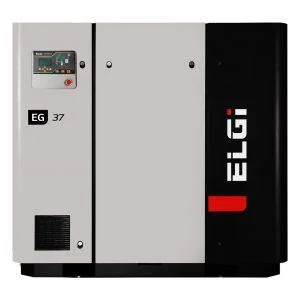
What are Air Compressors & Pneumatic Tools?
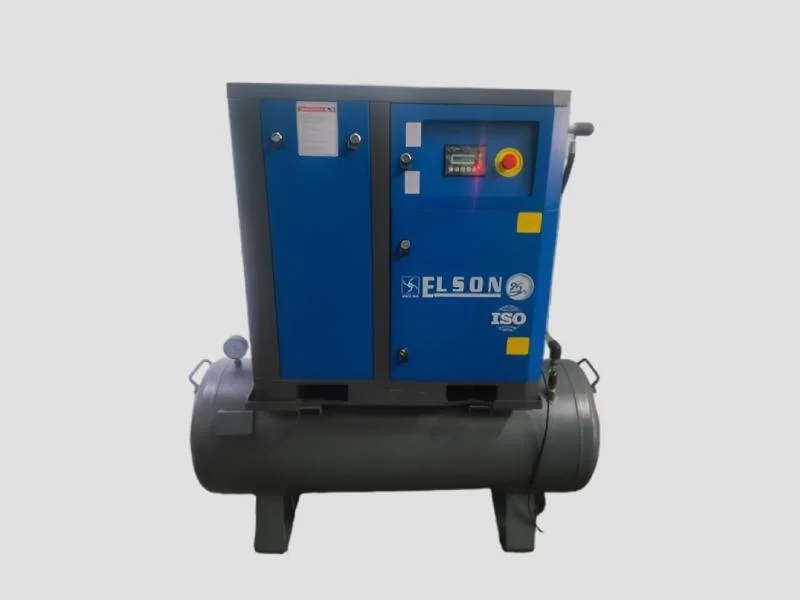
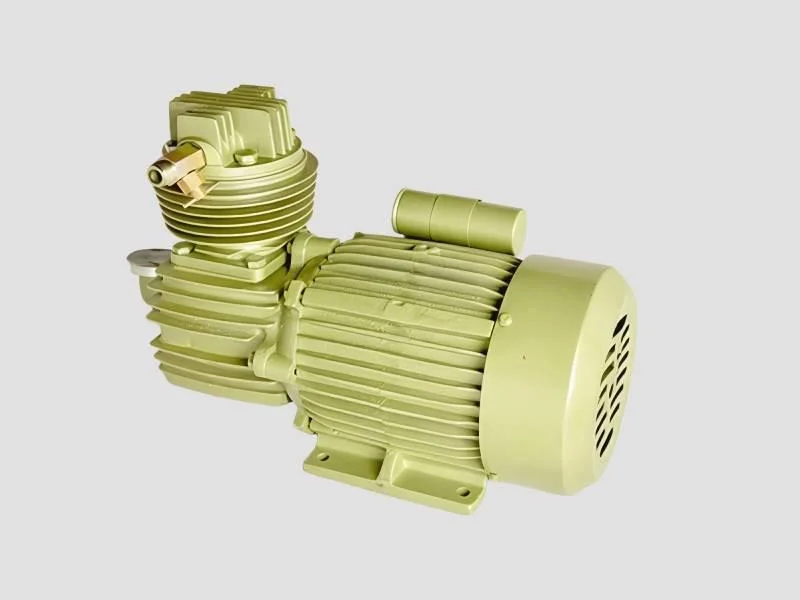
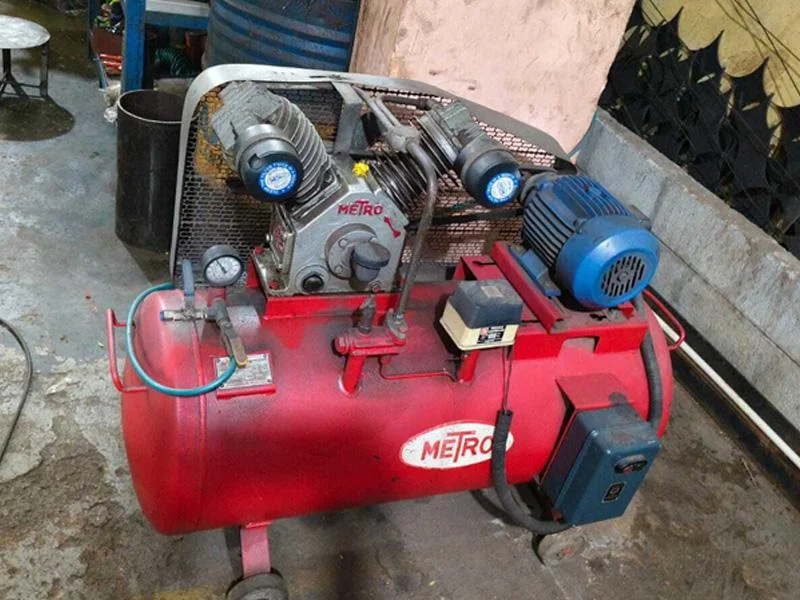
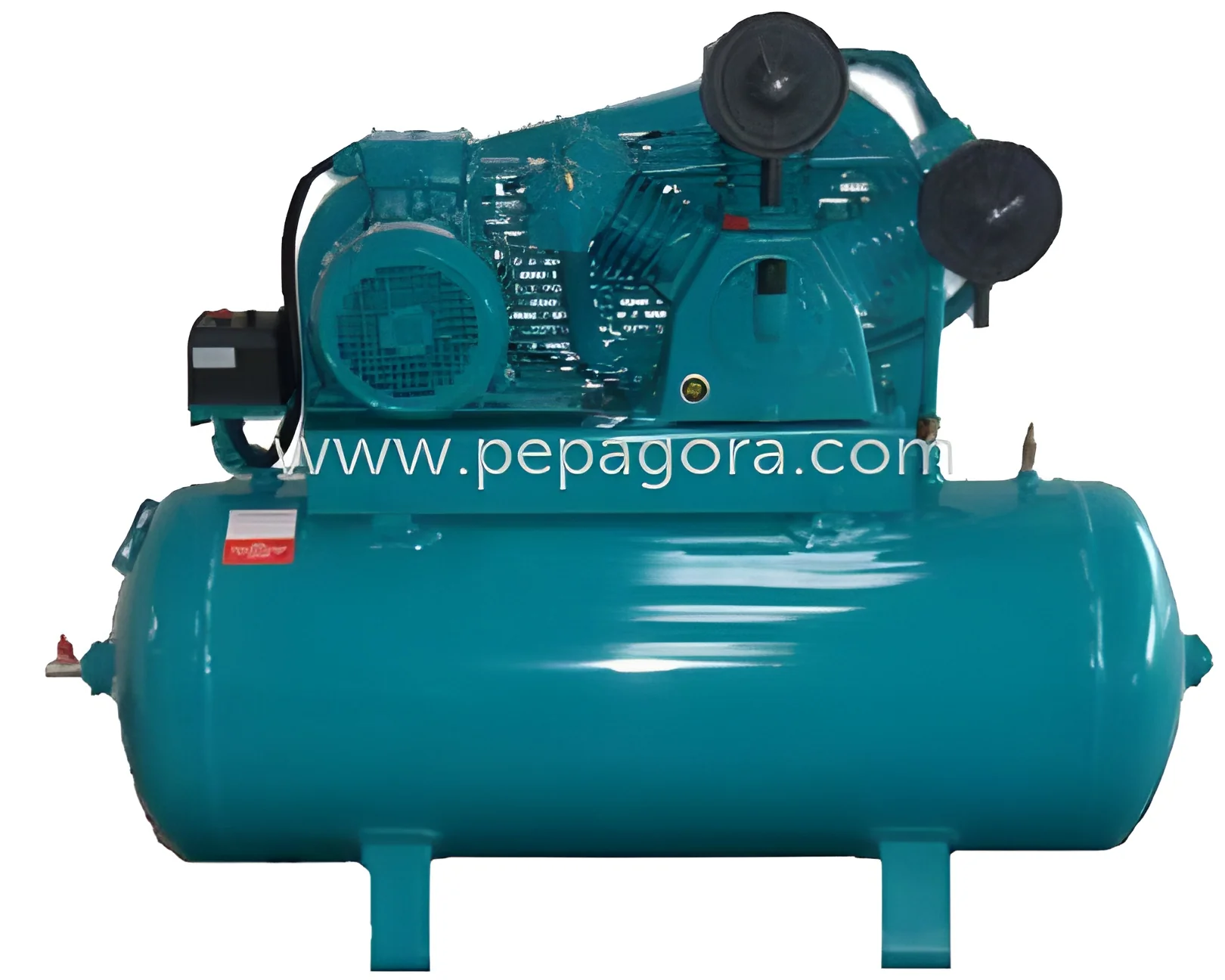
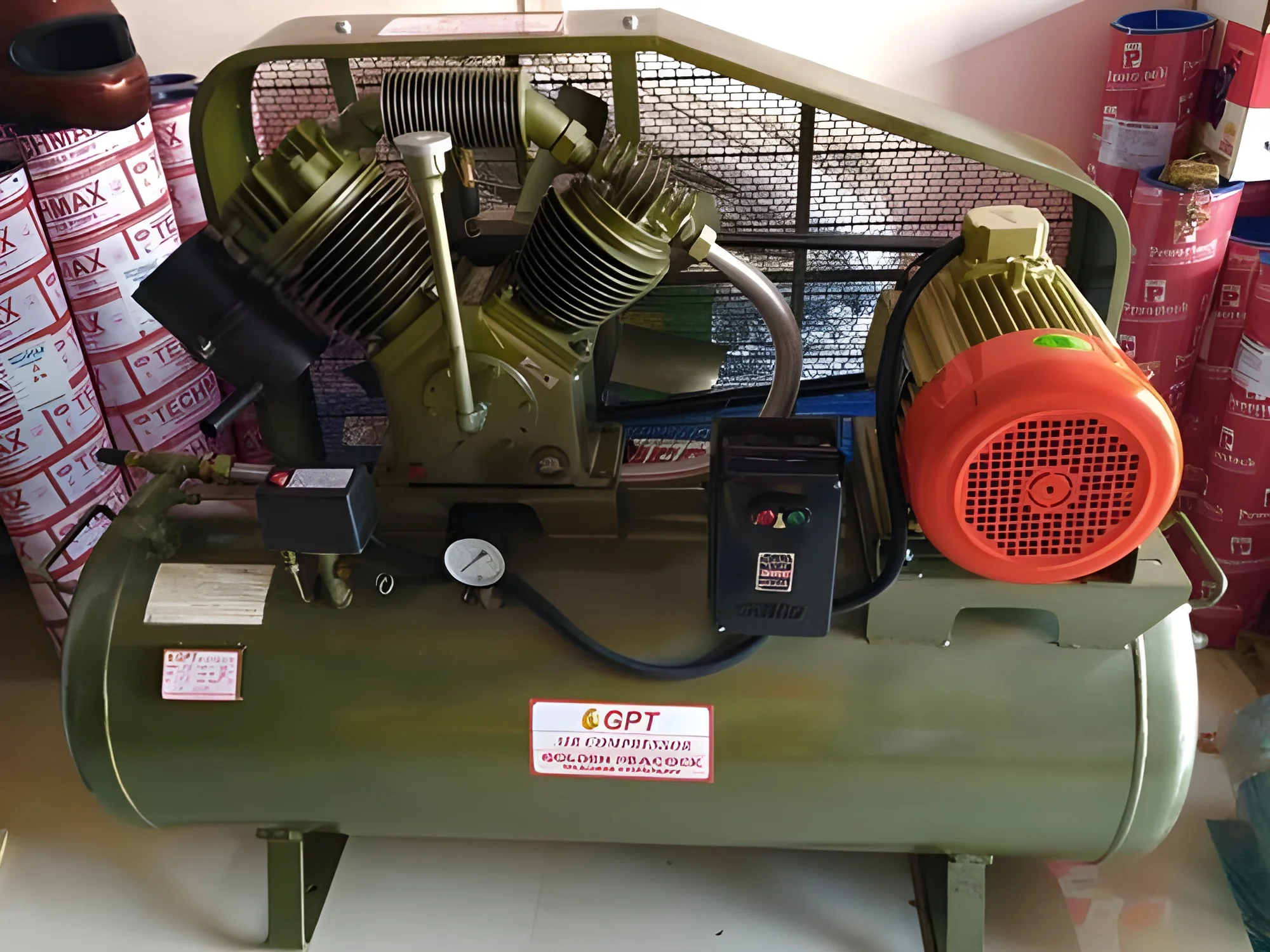
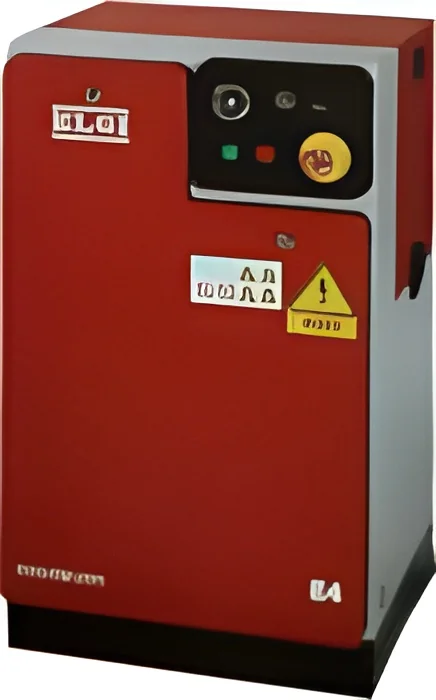
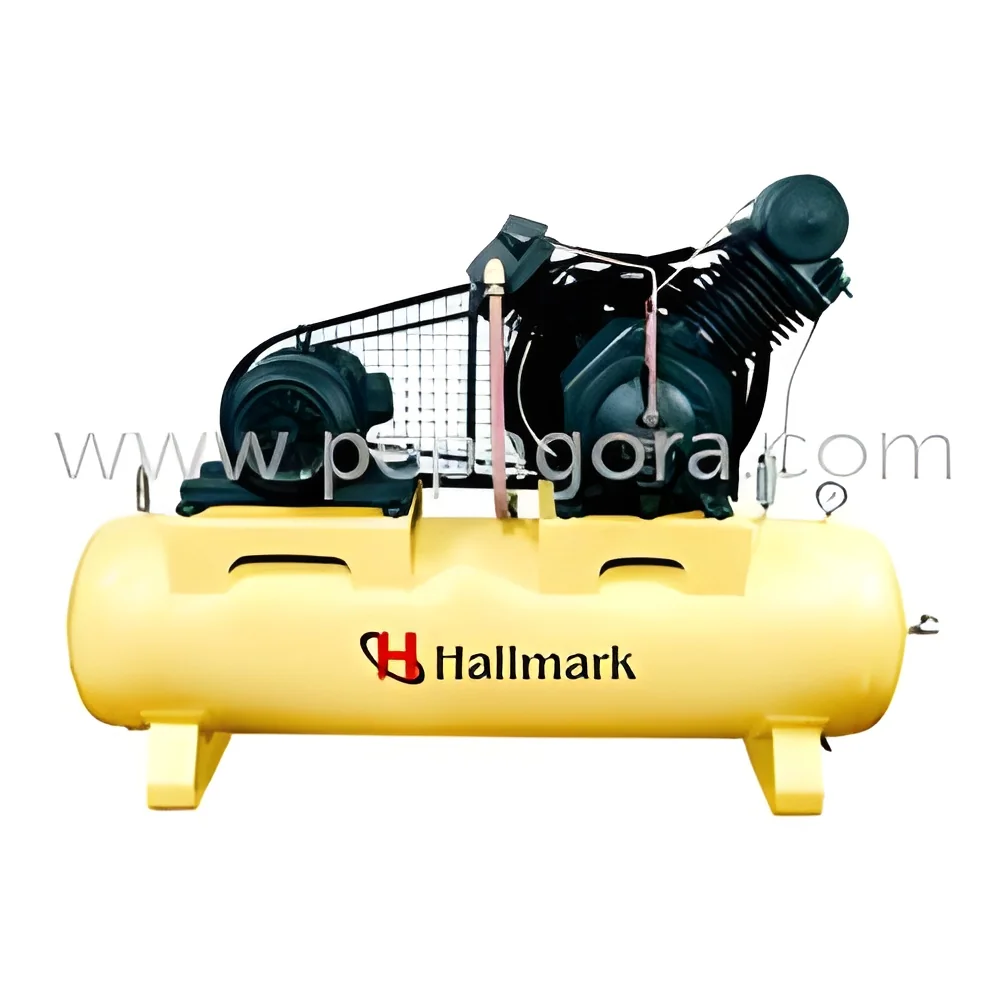
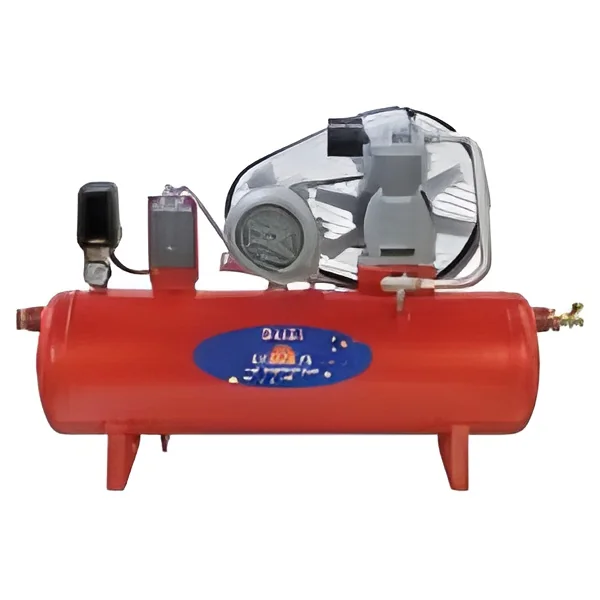
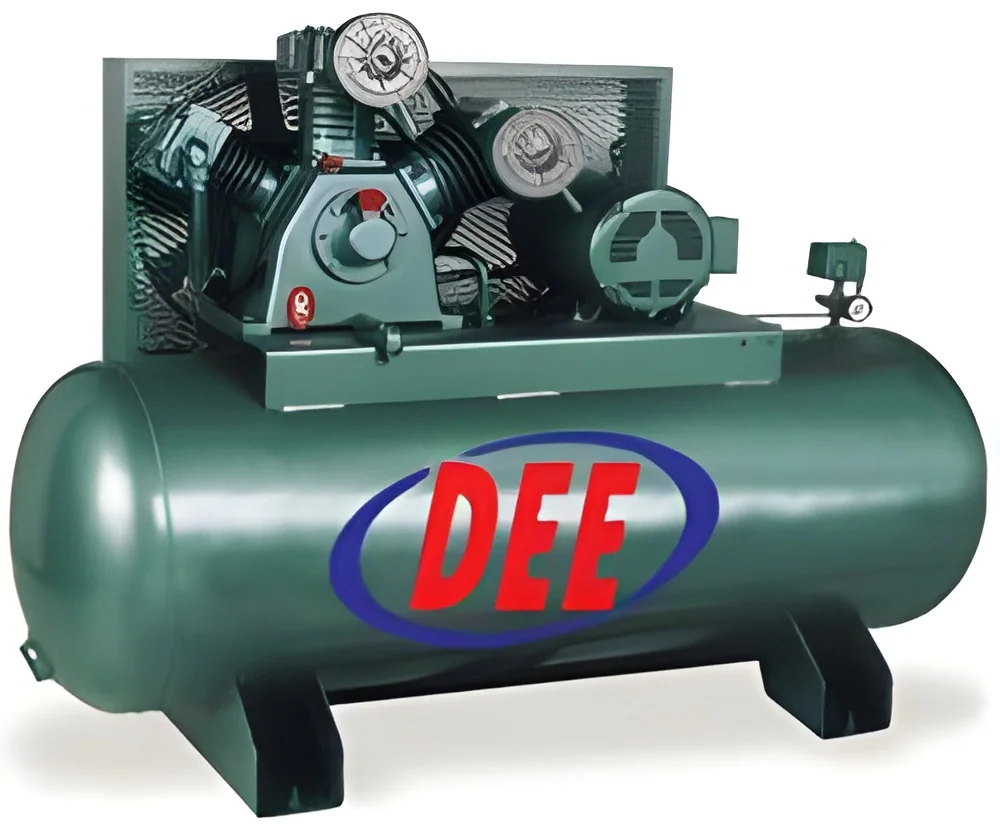
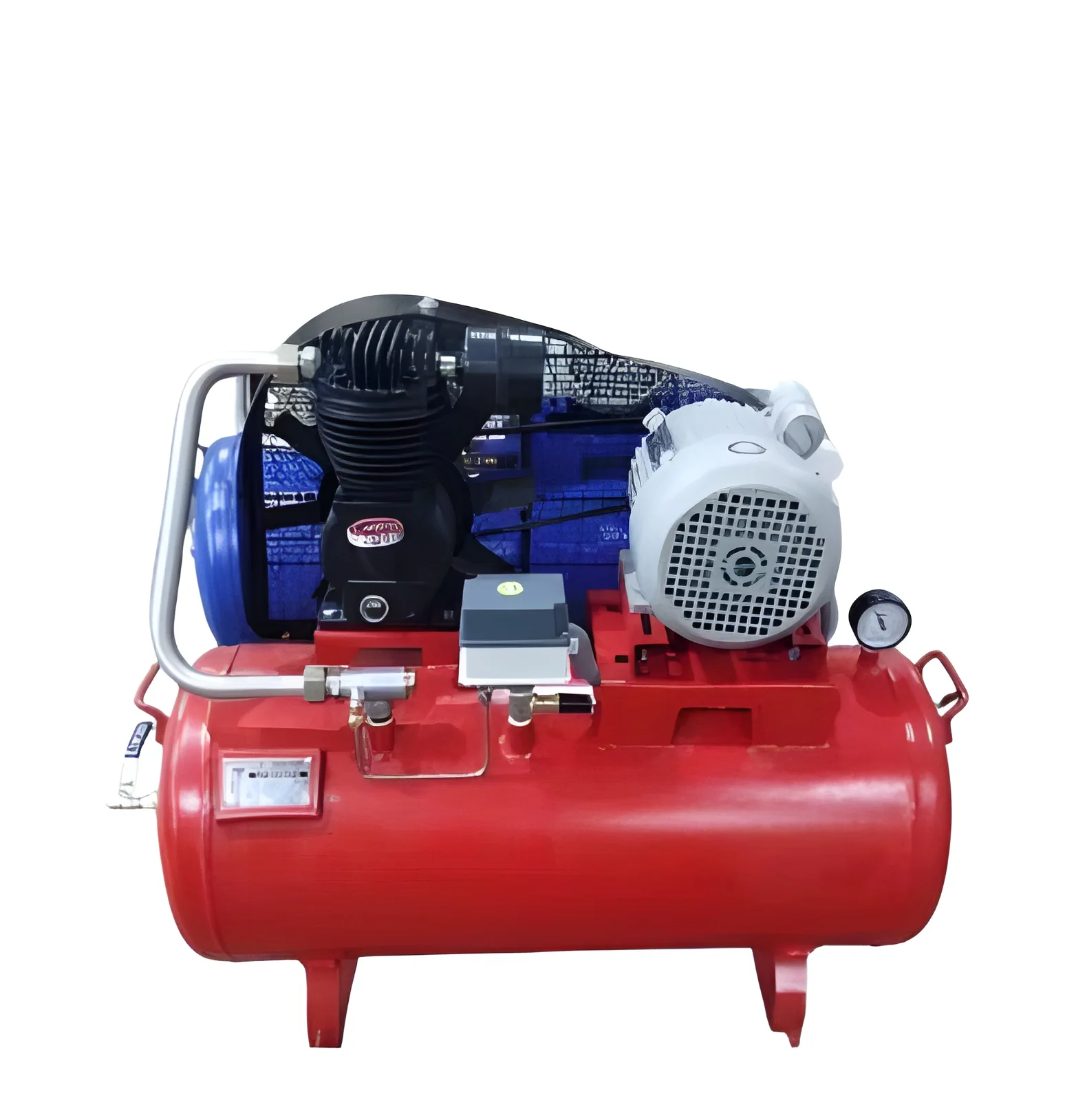
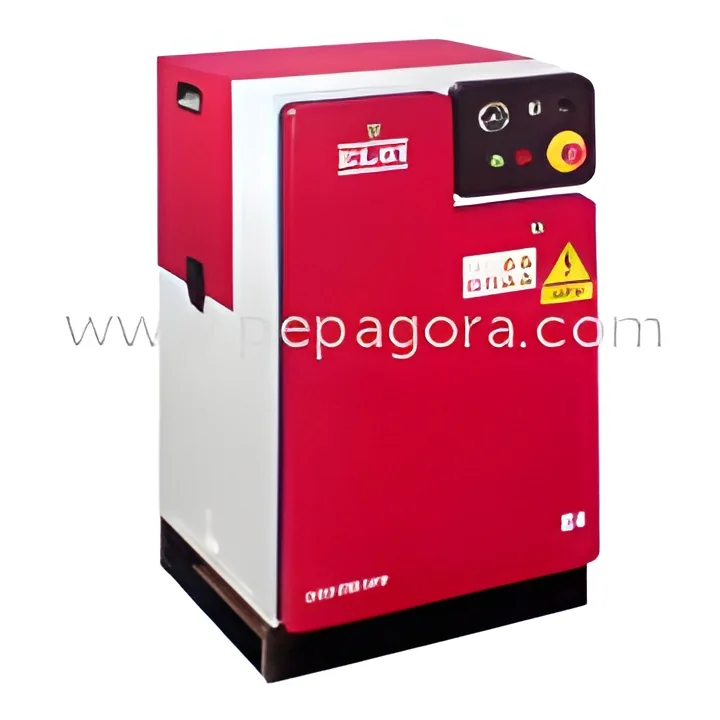
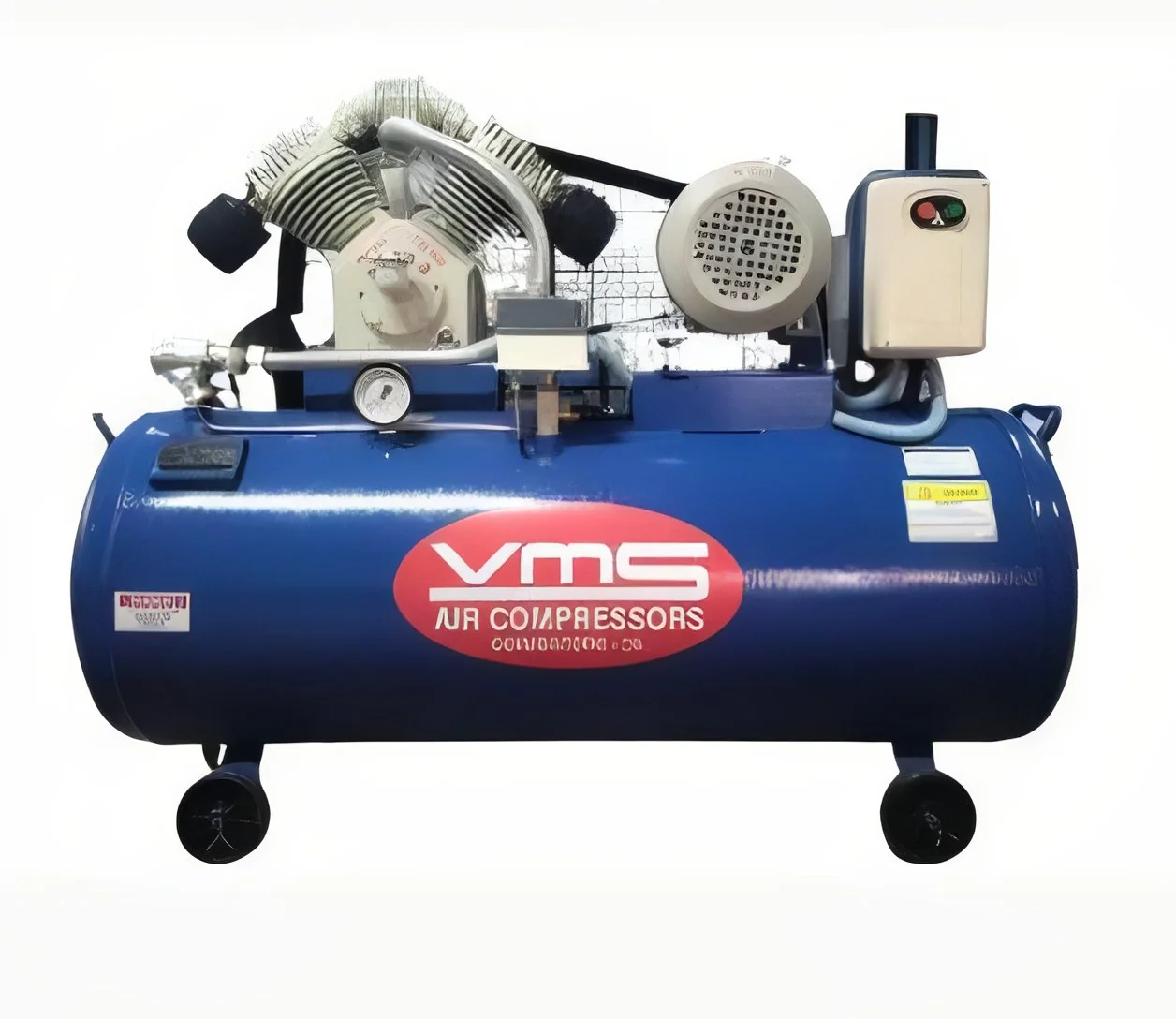
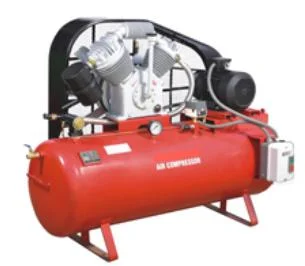
Air compressors are mechanical devices that convert power into potential energy stored in compressed air. This process involves drawing in air and compressing it to a higher pressure, which can then be used for various applications. Pneumatic tools, on the other hand, are powered by compressed air and include a range of equipment such as drills, wrenches, and spray guns. These tools rely on compressed air to perform tasks, making them essential in industries where power and efficiency are critical.
Air compressors and pneumatic tools are widely used across multiple sectors. They play a vital role in manufacturing, automotive repair, construction, and even in agricultural applications. Businesses utilize these tools for tasks like material handling, assembly, and surface finishing. The ability of pneumatic tools to deliver high power while remaining lightweight and easy to maneuver makes them particularly valuable in environments where precision and speed are necessary. The market for air compressors and pneumatic tools continues to grow as industries seek efficient solutions for their operational needs.
Today, the relevance of air compressors and pneumatic tools extends beyond traditional uses. As businesses pursue automation and increased productivity, the demand for high-quality, reliable pneumatic solutions is on the rise. This trend is complemented by advancements in technology, which are enhancing the performance and efficiency of these tools in various applications.
Key Features and Specifications
Air compressors and pneumatic tools come with a variety of features tailored to meet the needs of different industries. Understanding these features is crucial for selecting the right equipment for your operations.
Key specifications include:
1. Air Pressure Rating
- This specification indicates the maximum pressure that the compressor can generate, typically measured in PSI (pounds per square inch).
- Common ranges include 90 to 150 PSI for standard applications.
2. Air Flow Rate
- The air flow rate measures how much air the compressor can deliver, expressed in CFM (cubic feet per minute).
- Typical flow rates for industrial compressors range from 5 to 50 CFM.
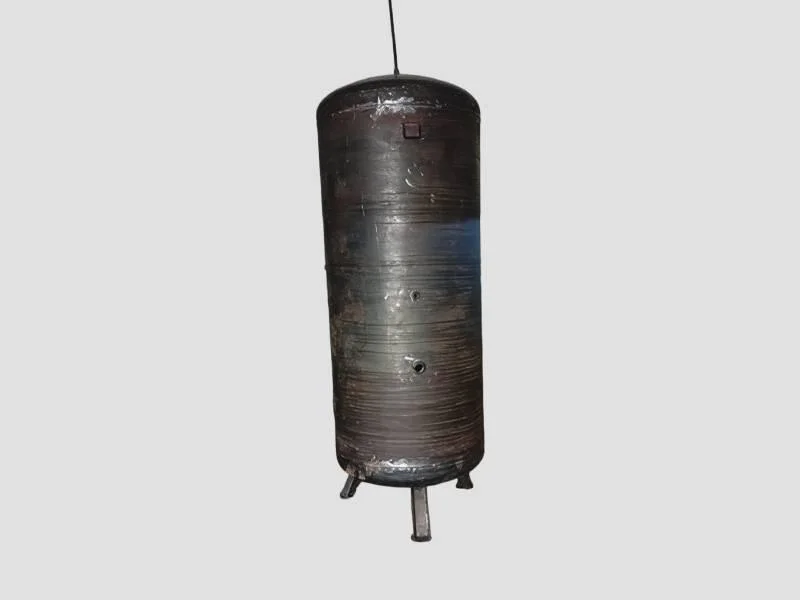
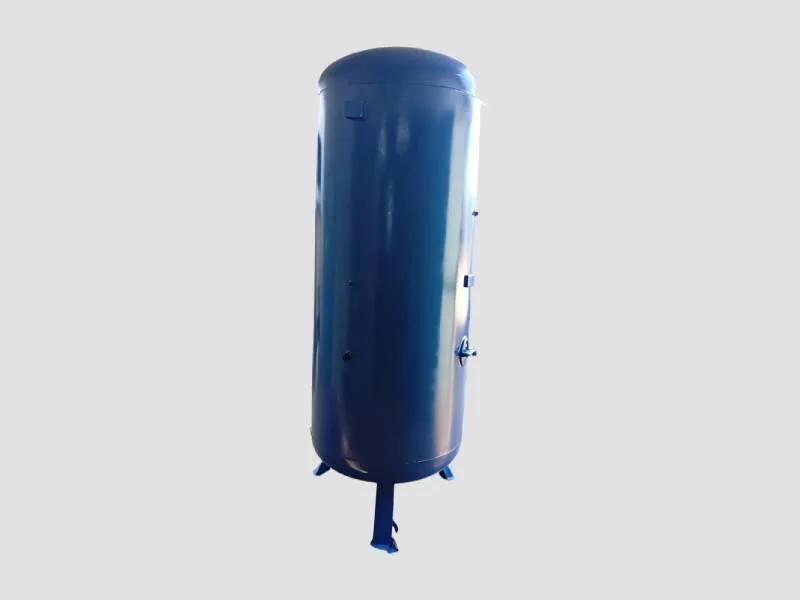
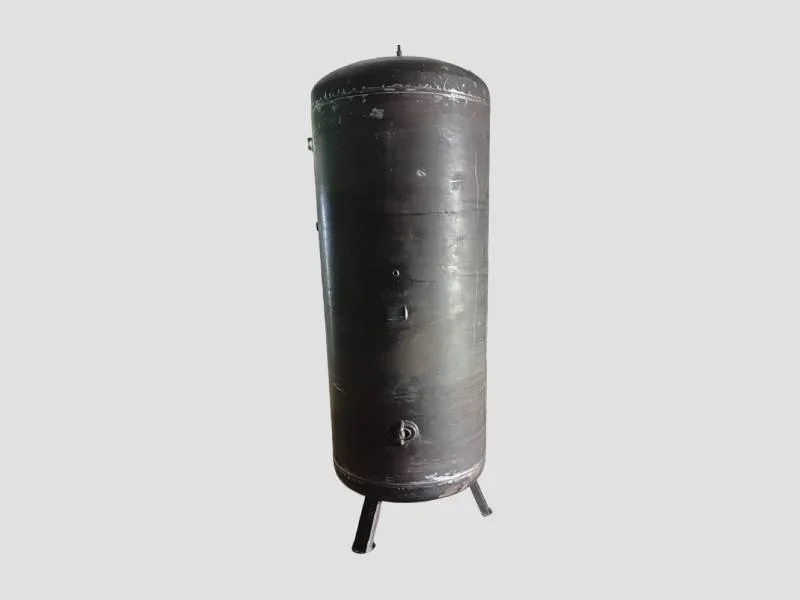
3. Tank Size
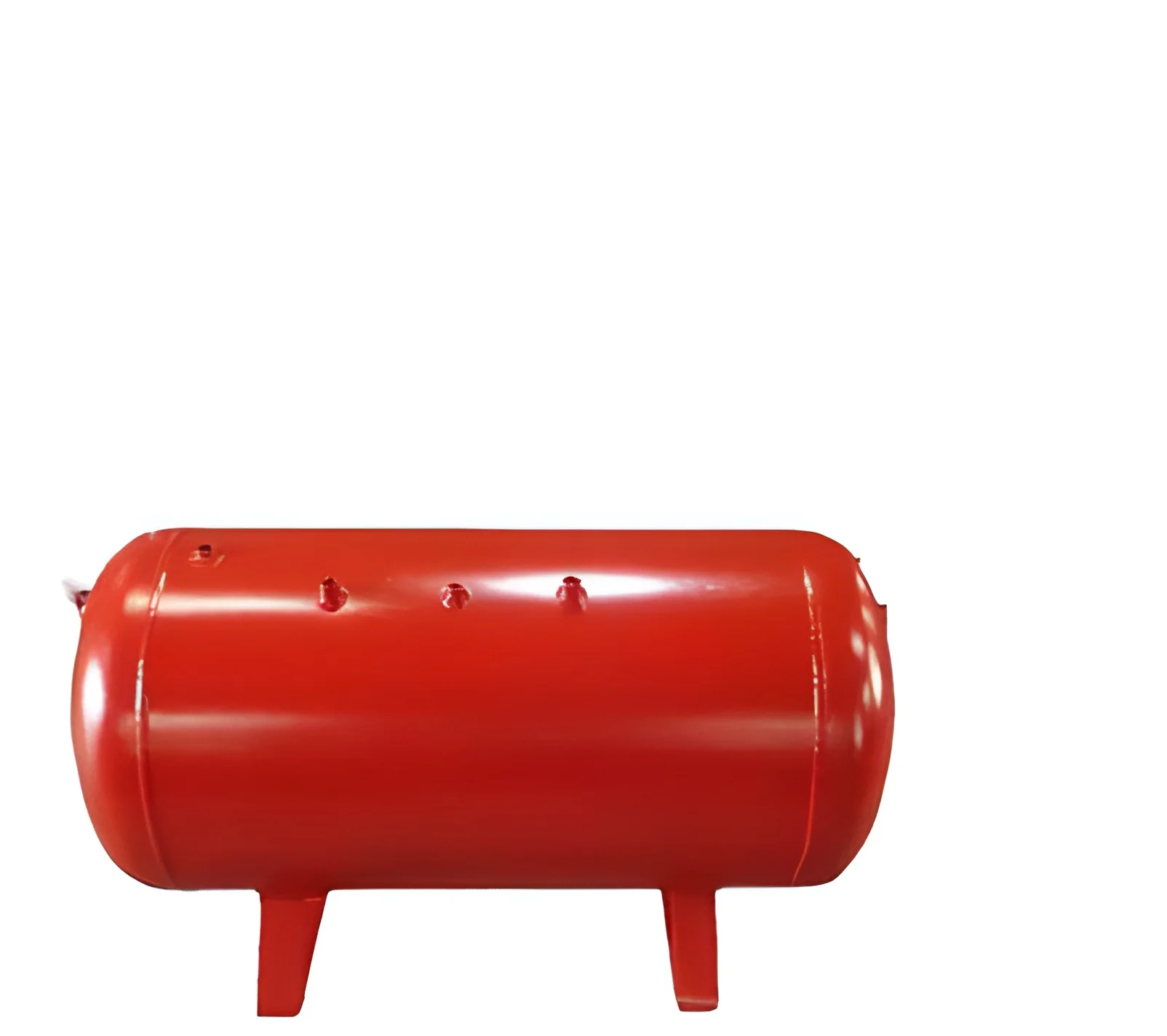
- The size of the air tank affects how long the compressor can run before needing to refill.
- Sizes can vary from portable units with 1-gallon tanks to stationary models with tanks exceeding 80 gallons.
4. Power Source
- Air compressors can be powered by electricity, gasoline, or diesel fuel.
- Electric models are common in indoor settings, while gas-powered models are often used in outdoor applications.
5. Noise Level
- Noise levels are an important consideration, measured in decibels (dB).
- Quiet models can operate at levels below 70 dB, suitable for noise-sensitive environments.
6. Portability
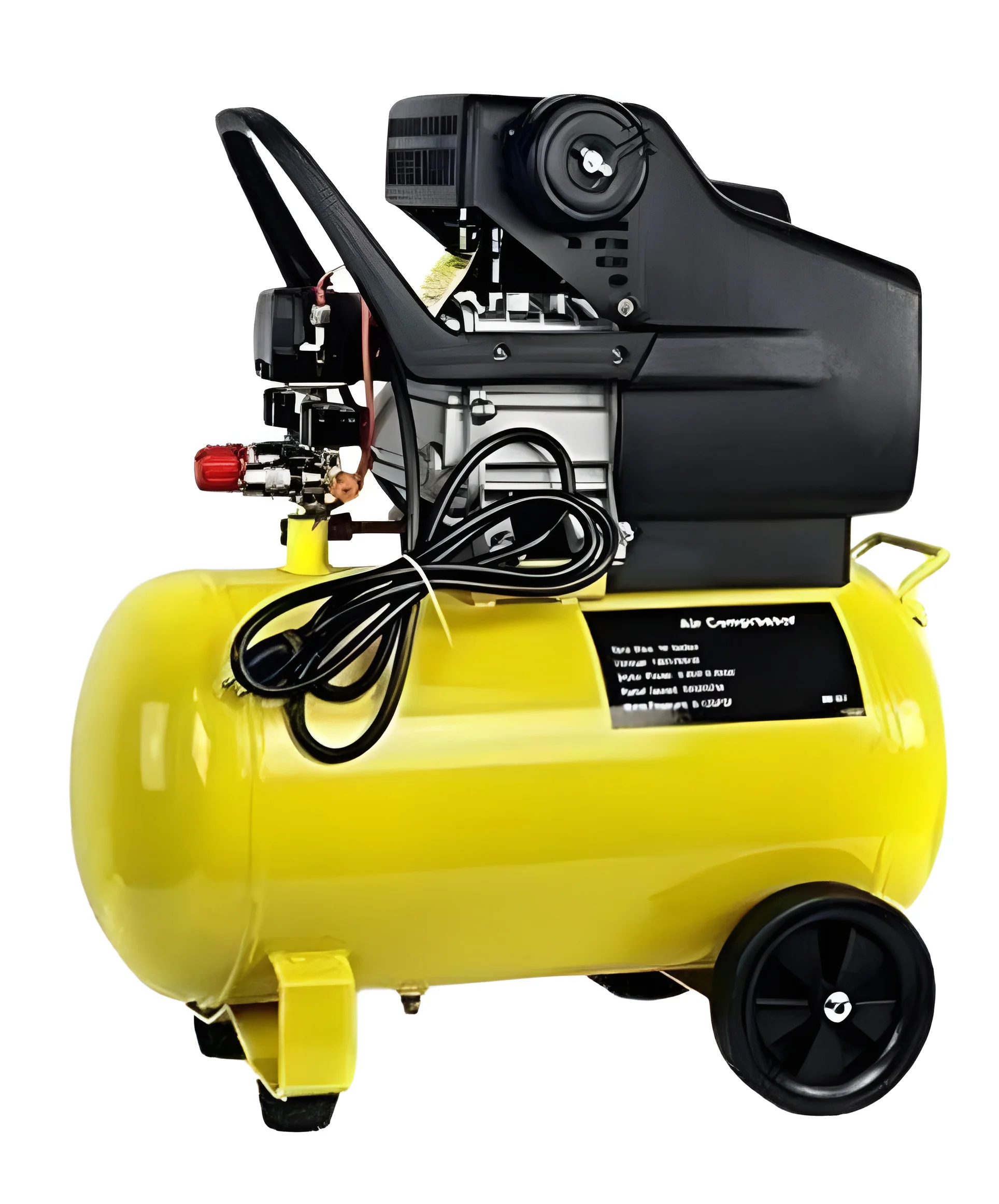
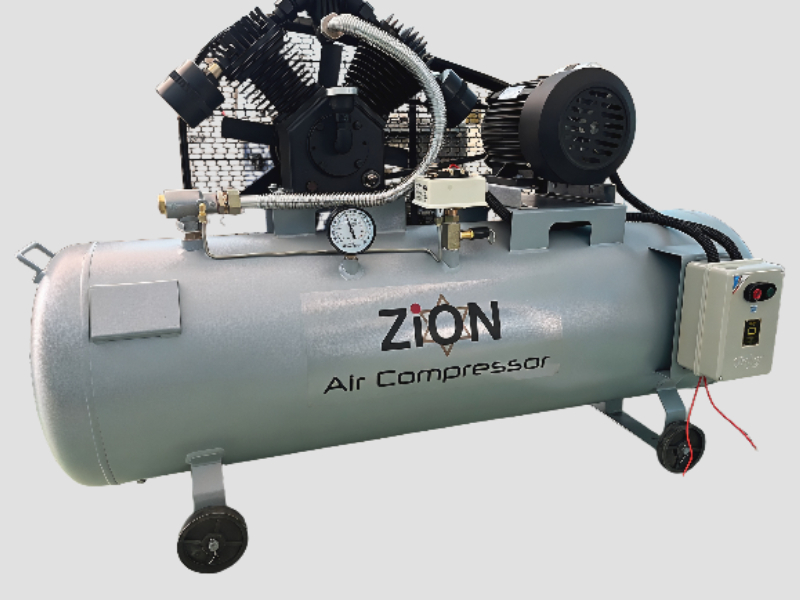
- Many air compressors are designed for easy transport, featuring wheels and handles.
- Portable models are ideal for job sites where mobility is essential.
7. Safety Features
- Look for compressors equipped with thermal overload protection and automatic shutoff features.
- These safety features help prevent overheating and ensure safe operation.
8. Durability
- The construction materials and design determine the lifespan and reliability of the equipment.
- Heavy-duty models are built to withstand rigorous use in demanding environments.
In summary, selecting air compressors and pneumatic tools requires careful consideration of their specifications. Understanding these features helps ensure that businesses choose the right equipment to meet their operational demands.
Common Applications and Use Cases
Air compressors and pneumatic tools are versatile and find applications in various industries.
1. Manufacturing: In manufacturing settings, air compressors power assembly lines and operate pneumatic tools for tasks such as riveting, drilling, and painting.
2. Automotive: The automotive industry utilizes pneumatic tools for tire inflation, impact wrenches, and spray painting, improving efficiency in repair and assembly processes.
3. Construction: In construction, air compressors are essential for powering tools like nail guns and sanders, enabling faster and more efficient work on job sites.
4. Agriculture: Farmers use pneumatic tools for tasks such as seed planting and crop spraying, enhancing productivity in agricultural operations.
5. HVAC: In heating, ventilation, and air conditioning (HVAC) applications, air compressors are crucial for operating air conditioning units and refrigeration systems.
6. Food and Beverage: Pneumatic tools are employed in food processing and packaging, ensuring safety and efficiency in handling products.
7. Woodworking: In woodworking, air compressors power tools such as brad nailers and spray guns, allowing for precision in crafting furniture and cabinetry.
Product Variants and Subcategories
The market for air compressors and pneumatic tools is diverse, catering to various needs and applications.
Portable Air Compressors
These models are lightweight and designed for mobility, making them suitable for job sites where power sources are not readily available. They are ideal for small tasks and DIY projects.
Stationary Air Compressors
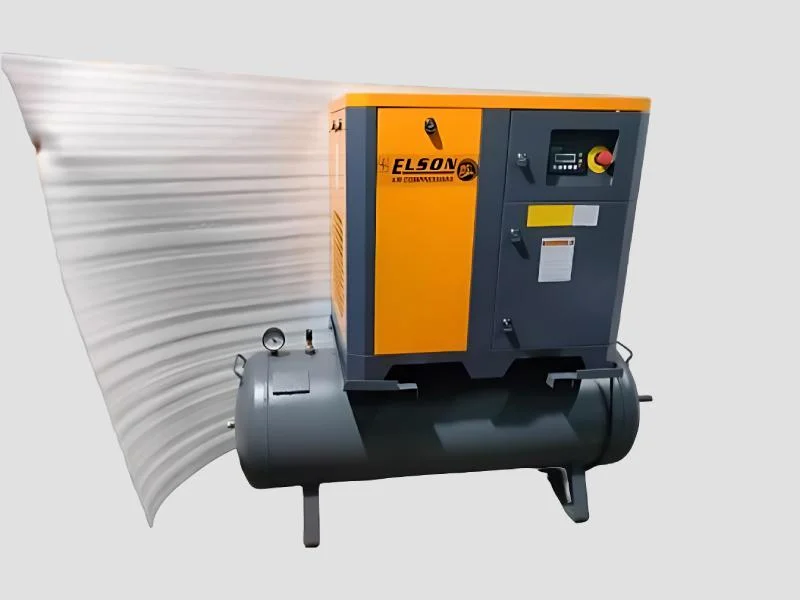
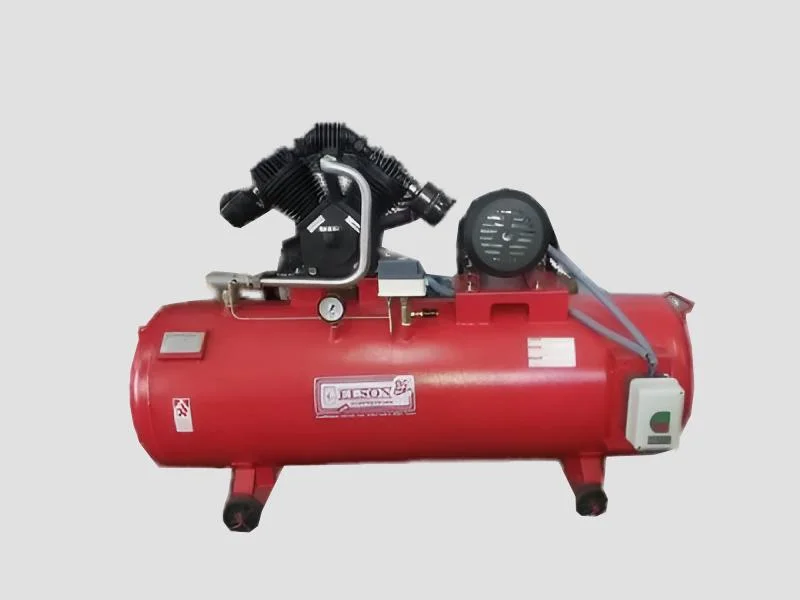
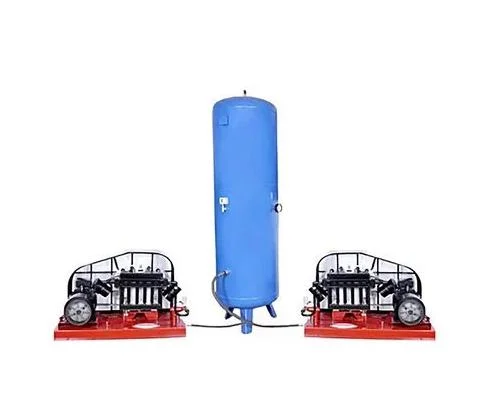
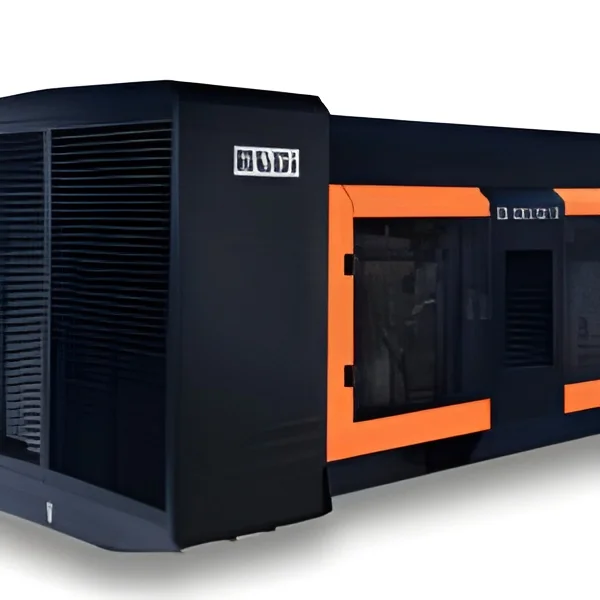
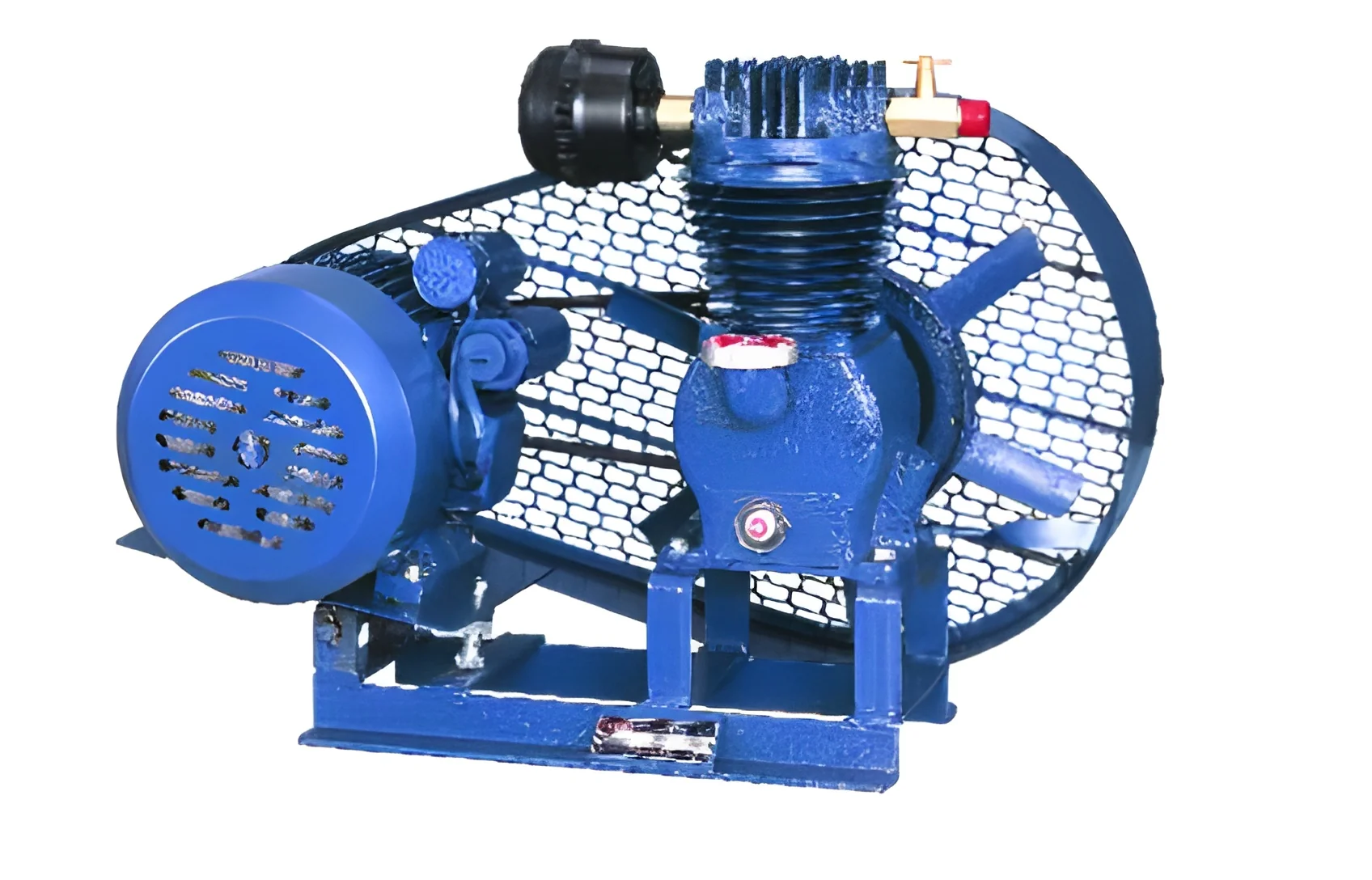
Stationary compressors are larger units designed for industrial applications. They offer higher air capacity and are typically used in manufacturing and heavy-duty environments.
Oil-Free Air Compressors
These compressors require less maintenance and are suitable for applications where oil contamination must be avoided, such as in food processing and medical environments.
Belt-Driven Air Compressors
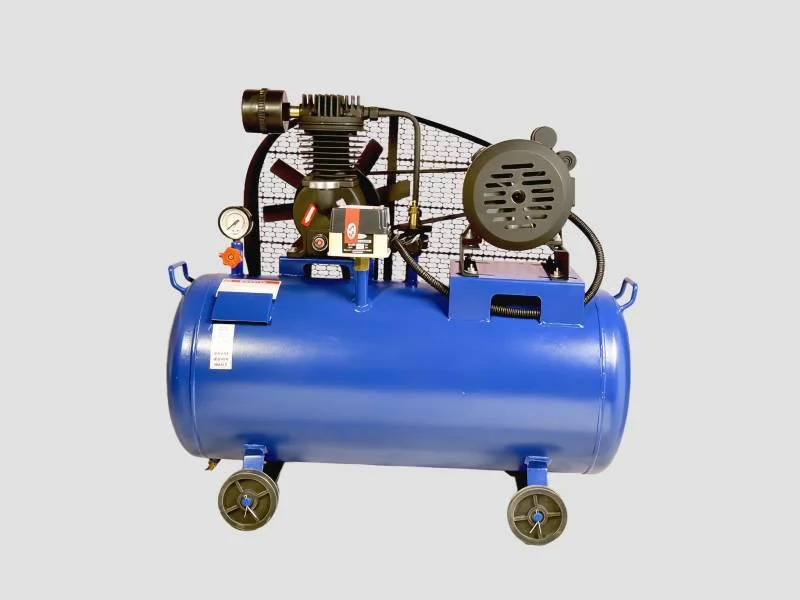
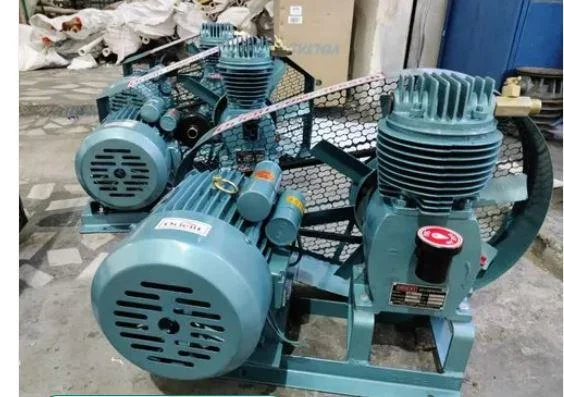
These models use a belt system to drive the compressor pump, typically offering higher efficiency and quieter operation. They are often used in workshops and industrial settings.
Benefits and Advantages
Investing in air compressors and pneumatic tools offers numerous advantages for businesses.
1. Enhanced Efficiency: These tools streamline operations, allowing tasks to be completed more quickly and effectively.
2. Reduced Manual Labor: Pneumatic tools significantly decrease the need for manual labor, leading to lower fatigue levels among workers.
3. Versatility: Air compressors can power a wide range of pneumatic tools, making them adaptable for various applications.
4. Cost-Effectiveness: Utilizing pneumatic tools can reduce operational costs over time due to lower energy consumption and maintenance requirements.
5. Improved Precision: Pneumatic tools provide consistent power and accuracy, ensuring high-quality results in tasks like painting and assembly.
6. Increased Safety: Many pneumatic tools come with safety features that minimize the risk of accidents and injuries during operation.
Buying Guide for B2B Buyers
When sourcing air compressors and pneumatic tools, there are several factors to consider to ensure you make an informed purchasing decision.
1. Quality Assessment: Evaluate the quality of the equipment by checking for certifications and industry standards. Look for products that meet ISO and CE standards to ensure reliability.
2. Supplier Verification: Vet suppliers carefully by reviewing their reputation, customer feedback, and history of compliance with industry regulations. This helps in selecting trustworthy partners.
3. Pricing and MOQ: Understand the pricing structure and minimum order quantities (MOQ) offered by different suppliers. This information is critical for budgeting and inventory management.
4. Delivery and Lead Times: Consider delivery options and lead times when planning your purchases. Reliable suppliers should provide clear timelines for order fulfillment.
5. Compliance Requirements: Ensure that the products meet local and international compliance requirements. This includes safety standards and environmental regulations that may apply.
Compliance and Certifications
Compliance and certifications are essential aspects of air compressors and pneumatic tools. Adhering to relevant quality standards ensures that products are safe and effective for industrial use.
ISO 9001 is a widely recognized standard for quality management systems. It ensures that manufacturers consistently produce products that meet customer and regulatory requirements.
Industry certifications like CE signify that the products comply with European health, safety, and environmental protection standards. This certification is crucial for products sold in European markets.
Safety and testing requirements also play a significant role in compliance. Manufacturers must conduct rigorous testing to ensure that their products meet safety standards and perform reliably under various conditions.
Regional compliance considerations vary by market. It is essential for businesses to be aware of local regulations to ensure that the products they source meet all necessary legal requirements.
Why Source Air Compressors & Pneumatic Tools from Pepagora?
Pepagora offers a trusted platform for sourcing air compressors and pneumatic tools, providing several key advantages for businesses.
Verified Supplier Network: Pepagora connects buyers with a network of verified suppliers. This system ensures that businesses can access high-quality products from reputable manufacturers.
Streamlined RFQ Process: The platform simplifies the Request for Quotation (RFQ) process, allowing buyers to easily compare offers from multiple suppliers. This transparency helps businesses make informed decisions.
Trade Assurance and Support: Pepagora provides trade assurance and support to buyers. This includes protection against fraud and assistance throughout the purchasing process, enhancing buyer confidence.
Regional Coverage: Pepagora has a strong presence in regions such as India, the GCC, and Southeast Asia. This geographic reach enables businesses in these areas to conveniently source high-quality air compressors and pneumatic tools tailored to their needs.

 IN
IN