What are Sandblasting Machines?
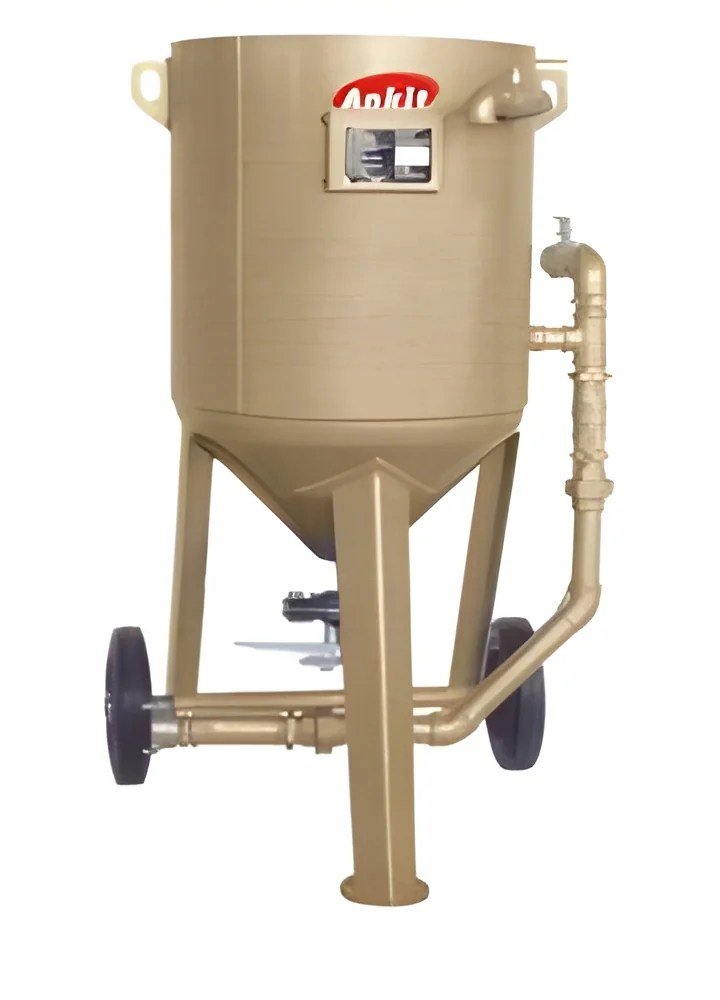
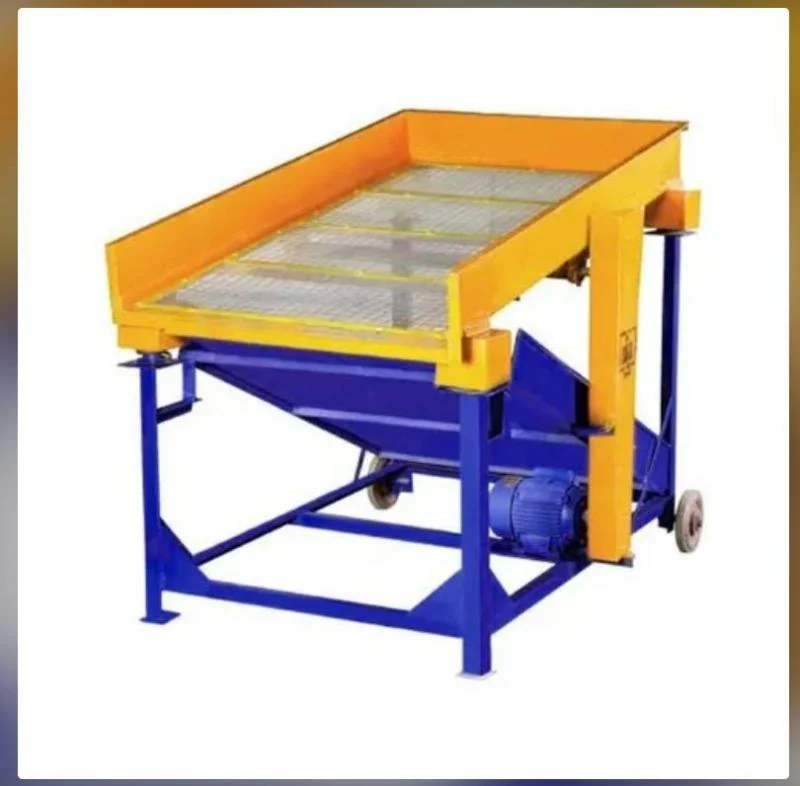
Sandblasting machines, also known as abrasive blasting machines, are industrial equipment designed to clean, etch, or finish surfaces by propelling abrasive materials at high velocities. This process is achieved through the use of compressed air or a water-based medium that helps launch the abrasive material against the target surface. Sandblasting machines can vary in size, complexity, and operational capabilities, catering to different industrial needs.
These machines find extensive use in various applications, including surface preparation for painting, rust removal, and the cleaning of metal parts. Industries such as automotive, aerospace, and manufacturing heavily rely on sandblasting for maintaining product quality and ensuring longevity. By providing a smooth and clean surface, sandblasting helps in enhancing the adhesion of coatings and paints.
In the current market, the demand for sandblasting machines is driven by the increasing need for surface finishing solutions across various sectors. With technological advancements, modern sandblasting machines offer improved efficiency, safety features, and versatility, making them indispensable in industrial operations.
Key Features and Specifications
Sandblasting machines come equipped with several key features that enhance their performance and usability. Understanding these specifications is crucial for selecting the right machine for specific applications.
Key specifications include:
1. Abrasive Type
- Various types of abrasives can be used, including sand, glass beads, and aluminum oxide.
- Different abrasives provide specific finishing effects suitable for various materials.
2. Pressure Range
- Operating pressure typically ranges from 30 to 120 PSI.
- The pressure level affects the speed and effectiveness of the blasting process.
3. Capacity
- Machines can vary in capacity, ranging from small portable units to large industrial models.
- The capacity determines the volume of abrasive that can be stored and used.
4. Hose Length
- Hose lengths can vary, usually from 10 to 50 feet.
- Longer hoses allow for increased maneuverability in larger workspaces.
5. Automation Level
- Machines can be manual, semi-automatic, or fully automatic.
- Higher automation levels lead to improved consistency and reduced labor costs.
6. Safety Features
- Common safety features include pressure relief valves and protective gear.
- Safety is paramount to protect operators from potential hazards.
7. Portability
- Some models are designed to be portable, allowing for on-site work.
- Portability is essential for projects requiring flexibility in location.
8. Noise Levels
- Noise levels can vary, typically ranging from 80 to 100 dB.
- Consideration of noise levels is important for compliance with workplace regulations.
In summary, understanding the key features and specifications of sandblasting machines allows buyers to make informed decisions that best suit their operational needs.
Common Applications and Use Cases
Sandblasting machines serve a wide range of industries, each with specific applications that benefit from abrasive blasting technology.
1. Automotive Industry: Sandblasting is used for cleaning and preparing vehicle parts before painting. It ensures a smooth and clean surface for better paint adhesion.
2. Aerospace Industry: In this sector, sandblasting is essential for removing contaminants from aircraft components, ensuring safety and performance.
3. Construction Industry: Sandblasting is applied to clean concrete and metal surfaces, preparing them for coatings and finishes.
4. Manufacturing Industry: Companies use sandblasting for surface preparation of metal parts, enhancing the quality of final products.
5. Restoration Projects: Sandblasting is commonly used in the restoration of historical buildings and artifacts, effectively removing layers of paint and corrosion.
6. Marine Industry: Sandblasting helps in cleaning ship hulls and other marine equipment, preventing rust and degradation.
7. Metal Fabrication: Fabricators utilize sandblasting to prepare metal surfaces for welding and finishing processes, ensuring strong bonds and high-quality results.
Product Variants and Subcategories
Sandblasting machines come in various configurations to accommodate different industrial needs. Understanding these variants can help buyers select the most suitable option.
Portable Sandblasting Machines: These compact units are designed for easy transportation and are ideal for small projects or on-site work. They provide versatility and convenience for operators.
Industrial Sandblasting Machines: Larger and more complex, these machines are built for high-volume operations. They are commonly used in manufacturing plants and large-scale surface preparation tasks.
Blast Cabinets: These enclosed systems allow for controlled sandblasting environments, minimizing dust exposure. They are great for precision work on small parts.
Wet Sandblasting Machines: Using water in conjunction with abrasives, these machines reduce dust and create a safer working environment. They are particularly useful in sensitive applications.
Benefits and Advantages
Investing in sandblasting machines offers several significant advantages for businesses.
1. Enhanced Surface Preparation: Sandblasting effectively removes contaminants, ensuring surfaces are ready for subsequent treatments.
2. Increased Efficiency: The high-speed operation of sandblasting machines reduces manual labor and accelerates project timelines.
3. Versatility: These machines can handle various materials and applications, making them suitable for diverse industries.
4. Cost Savings: By improving the longevity of coatings and finishes, sandblasting can lead to reduced maintenance costs over time.
5. Improved Product Quality: Consistent and thorough surface preparation results in higher-quality finished products.
6. Safety Improvements: Modern sandblasting machines incorporate safety features that protect operators and reduce workplace hazards.
Buying Guide for B2B Buyers
When sourcing sandblasting machines, there are several critical factors to consider to ensure that you make the right investment.
1. Quality Assessment: Evaluate the build quality and materials used in the machine. Look for machines that comply with industry standards to ensure durability.
2. Supplier Verification: Conduct thorough research on suppliers. Check their reputation, customer reviews, and history in the industry to ensure reliability.
3. Pricing and MOQ: Understand the pricing structures and minimum order quantities from different suppliers. This helps in budgeting and ensures you do not overcommit.
4. Delivery and Lead Times: Discuss logistics with suppliers to determine delivery timelines. Ensure that they can meet your project deadlines.
5. Compliance Requirements: Check that the machines comply with relevant regulations and certifications, such as CE marking, to ensure safety and reliability.
Compliance and Certifications
Compliance with industry standards and certifications is crucial for the safe operation of sandblasting machines. ISO 9001 is a widely recognized standard that ensures quality management systems are in place, promoting consistent quality in manufacturing processes.
Additionally, machines may carry industry certifications such as CE, indicating conformity with health, safety, and environmental protection standards within the European Economic Area. It's essential to verify that the sandblasting machines adhere to the necessary safety and testing requirements to minimize risks during operation.
Regional compliance considerations may also apply, as specific regions may have their own regulations governing the operation of industrial machinery. It is advisable to stay informed about these regulations to ensure compliance and avoid potential penalties.
Why Source Sandblasting Machines from Pepagora?
Pepagora offers a trusted platform for sourcing sandblasting machines, providing several key advantages to B2B buyers.
Verified Supplier Network: Pepagora maintains a comprehensive network of verified suppliers, ensuring that buyers can connect with reputable manufacturers. This reduces the risk of dealing with unverified entities and enhances trust in the purchasing process.
Streamlined RFQ Process: The platform features a user-friendly request for quotation (RFQ) system, allowing buyers to easily compare offers from multiple suppliers. This streamlining helps in making informed pricing decisions.
Trade Assurance and Support: Pepagora provides trade assurance services that protect buyers' interests throughout the transaction. This support helps ensure that buyers receive their products as promised.
Regional Coverage: With a focus on markets in India, the GCC, and Southeast Asia, Pepagora enables buyers to access a wide range of sandblasting machines tailored to their regional needs. This broad coverage allows for better sourcing options and flexibility in procurement.

 IN
IN