What are Lighting for Workshops?
Lighting for workshops refers to specialized lighting solutions designed to enhance visibility and safety in various industrial settings. These lighting systems are tailored to meet the unique demands of workshop environments where precision tasks are performed. The objective is to provide bright, even illumination that minimizes shadows and reduces the risk of accidents, thereby improving operational efficiency.
These lighting solutions are predominantly used in manufacturing facilities, automotive repair shops, and assembly lines. They play a critical role in ensuring workers can see clearly while performing intricate tasks, which can significantly reduce errors and improve productivity. As industries evolve, the need for effective workshop lighting has become increasingly relevant, making it a critical component in modern industrial design.
The market for workshop lighting is expanding as businesses recognize the importance of effective illumination in enhancing both safety and productivity. With advancements in technology, such as LED lighting, there is a growing trend towards energy-efficient solutions that not only provide better lighting but also reduce operational costs. Understanding the various options available in the market can help businesses make informed decisions.
Key Features and Specifications
When considering lighting for workshops, several key features and specifications are important to understand. These specifications ensure that the lighting meets the specific needs of different workshop environments.
Key specifications include:
1. Light Output
- Measured in lumens, it indicates the total amount of visible light emitted.
- Higher lumens are required for detailed tasks.
2. Energy Efficiency
- Refers to the wattage used for the light output.
- LED lights are typically more energy-efficient compared to traditional bulbs.
3. Color Temperature
- Measured in Kelvin, it affects how colors are perceived under the light.
- A color temperature of around 4000K to 5000K is ideal for workshops.
4. Durability
- Refers to the materials and construction quality.
- Lighting fixtures should be resistant to impacts and moisture.
5. Installation Type
- Options include ceiling-mounted, wall-mounted, or portable units.
- Choice depends on the layout of the workshop.
6. Dimming Capability
- Some fixtures come with dimming features allowing for adjustable light levels.
- This helps in managing energy consumption and light intensity.
7. Lifespan
- The expected operational life of the lighting, often measured in hours.
- Longer lifespans reduce replacement frequency and maintenance costs.
8. Compliance Standards
- Ensures that the lighting meets industry safety and performance standards.
- Common certifications include CE marking for safety.
In summary, understanding these specifications is crucial for selecting the right lighting solution for workshop applications. Proper lighting not only enhances productivity but also ensures a safer working environment.
Common Applications and Use Cases
Lighting for workshops serves a wide range of industries, each with specific applications that require tailored lighting solutions.
1. Manufacturing: In manufacturing settings, adequate lighting is essential for assembly lines and machinery operation. Proper illumination reduces the risk of accidents and enhances worker productivity.
2. Automotive Repair: Workshops in the automotive sector require bright, focused lighting to assist mechanics in performing detailed repairs and inspections. Well-lit spaces help in identifying issues more efficiently.
3. Woodworking: Woodshops benefit from consistent lighting to accurately see cuts and measurements. This precision is vital in ensuring high-quality craftsmanship.
4. Metal Fabrication: In metalworking environments, bright lighting is necessary for tasks such as welding and machining. It ensures safety and accuracy during complex procedures.
5. Electronics Assembly: Workshops that involve assembling electronic components require specialized lighting to prevent errors in small-scale tasks and enhance visibility of intricate parts.
6. Construction: Temporary lighting solutions are often needed at construction sites to provide sufficient illumination during non-daylight hours. This ensures safety and efficiency in ongoing projects.
7. Research and Development: Laboratories often require specialized lighting for experiments and product development. Proper lighting is crucial for accuracy in research outcomes.
Product Variants and Subcategories
Lighting for workshops comes in various forms, providing options to suit different needs and environments.
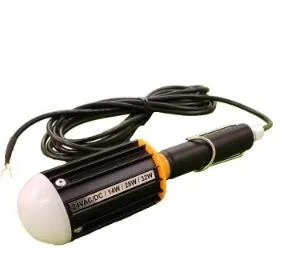
LED Workshop Lights: These lights are energy-efficient, long-lasting, and provide bright illumination. They are often used in both stationary and portable applications, making them versatile for various workshop settings.
Fluorescent Lighting Fixtures: These are commonly used in larger spaces due to their broad light distribution. They are an economical choice for general lighting in workshops.
High Bay Lights: Designed for high ceilings, these lights ensure that large areas are well-lit. They are ideal for warehouses and manufacturing floors.
Task Lighting: Focused lighting solutions that are used for specific tasks that require additional illumination. These are essential in areas where detail work is performed.
Benefits and Advantages
Investing in quality lighting for workshops offers several key benefits that can significantly impact operations.
1. Improved Visibility: Adequate lighting enhances visibility, allowing workers to perform tasks with greater accuracy and safety.
2. Increased Productivity: Bright, even lighting can lead to faster work rates as employees can see clearly, resulting in improved output.
3. Safety Enhancement: Well-illuminated workshops reduce the likelihood of accidents and injuries, creating a safer working environment for employees.
4. Energy Efficiency: Modern lighting solutions, particularly LEDs, consume less energy, leading to reduced operational costs over time.
5. Reduced Eye Strain: Proper lighting minimizes glare and shadows, which can contribute to eye fatigue among workers.
6. Versatility: Various lighting types provide flexibility for different applications, making them suitable for diverse workshop environments.
Buying Guide for B2B Buyers
When sourcing lighting for workshops, several factors should be carefully considered to ensure the right choice.
1. Quality Assessment: Evaluate the quality of lighting fixtures by checking for reliable brands and user reviews. Look for energy-efficient options that provide sufficient light output.
2. Supplier Verification: Conduct thorough research on potential suppliers. Ensure they have a proven track record and positive customer feedback to guarantee reliability.
3. Pricing and MOQ: Understand the pricing structure and minimum order quantities. Compare quotes from multiple suppliers to find the best deal that meets your budget.
4. Delivery and Lead Times: Inquire about shipping options and lead times. Timely delivery is crucial for maintaining project schedules.
5. Compliance Requirements: Familiarize yourself with applicable regulations and compliance standards. Ensure the lighting solutions meet safety and performance certifications.
Compliance and Certifications
Compliance and certifications are critical factors for lighting products used in workshops. Adhering to relevant quality standards ensures that the lighting systems are safe and effective.
ISO 9001 is a widely recognized standard that focuses on quality management systems. It is essential for manufacturers of workshop lighting to comply, as it signifies a commitment to quality.
CE marking indicates that the product meets European safety, health, and environmental protection requirements. This certification is important for ensuring that the lighting fixtures are safe for use in industrial environments.
Safety and testing requirements should be strictly followed to minimize risks associated with electrical and fire hazards. Regular testing can ensure that the lighting remains in safe working condition.
Regional compliance considerations may vary, so it is crucial to be aware of local regulations that pertain to electrical products and safety standards. Ensuring compliance with these regulations can help prevent legal issues and enhance safety.
Why Source Lighting for Workshops from Pepagora?
Pepagora provides a trusted platform for sourcing lighting for workshops, offering multiple advantages for B2B buyers.
Verified Supplier Network: Pepagora has established a network of verified suppliers, ensuring that buyers can access quality products from reputable manufacturers. This verification process adds a layer of trust and reliability.
Streamlined RFQ Process: The request for quotation process on Pepagora is designed to be efficient and straightforward. Buyers can easily request quotes from multiple suppliers, enabling them to compare options and make informed decisions.
Trade Assurance and Support: Pepagora offers trade assurance that protects buyers throughout the purchasing process. This includes support for resolving any issues that may arise, ensuring a seamless buying experience.
Regional Coverage: Pepagora has a strong presence in key markets such as India, the GCC, and Southeast Asia. This regional coverage allows buyers to access a diverse range of products suited to their specific needs and local regulations.
By choosing Pepagora for sourcing lighting for workshops, businesses can benefit from a combination of quality, efficiency, and support tailored to their industrial lighting needs.

 IN
IN