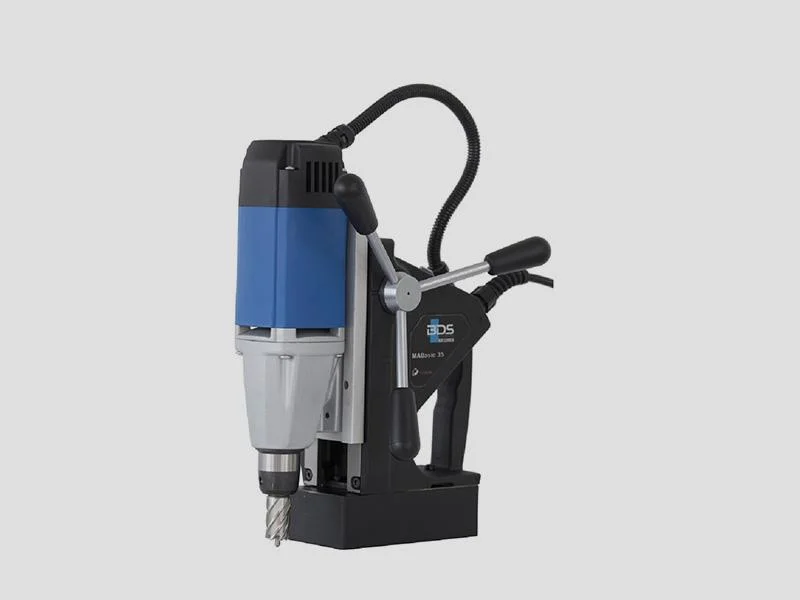
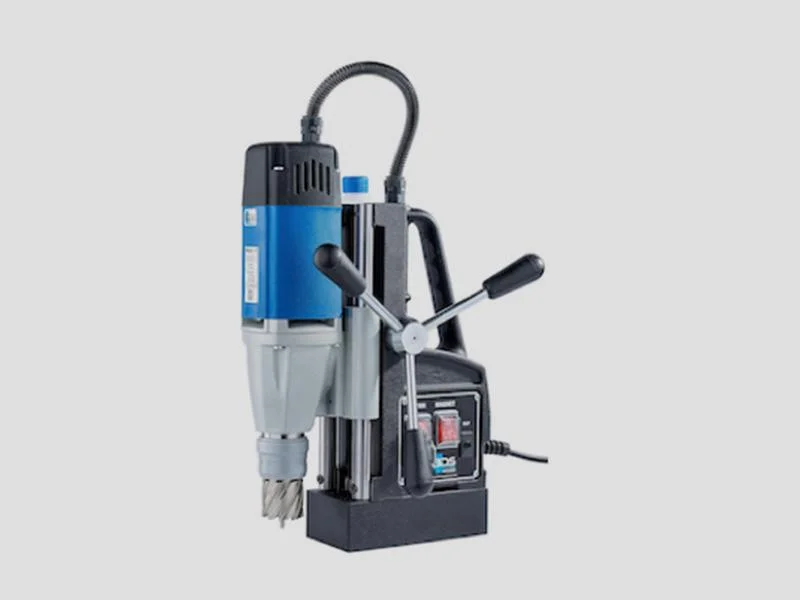
What are Magnetic Drill Machines?
Magnetic drill machines are specialized tools designed for drilling holes in metal surfaces. They utilize a powerful electromagnet to hold the machine firmly in place during operation, ensuring precision and stability. Unlike conventional drills, magnetic drills can be used on vertical or overhead surfaces, making them versatile for various applications. Their compact design also allows for easy portability, enabling use in confined spaces.
These machines are primarily used in industrial settings such as construction, manufacturing, and metalworking. They are ideal for tasks like creating holes for bolts, anchors, and other fasteners in steel plates and beams. With the ability to drill large diameters and depths with ease, magnetic drills enhance productivity and precision in heavy-duty applications. As industries increasingly focus on efficiency and accuracy, magnetic drill machines have gained significant traction in the market.
In a competitive industrial landscape, the demand for reliable and effective drilling solutions is rising. Magnetic drill machines are recognized for their ability to deliver consistent performance, making them essential tools for fabricators and contractors. Their relevance in markets such as construction, shipbuilding, and automotive manufacturing underscores their importance in modern industrial operations.
Key Features and Specifications
Magnetic drill machines come with several key features that enhance their functionality and ease of use. Understanding these features is crucial for making informed purchasing decisions.
Key specifications include:
1. Magnet Power
- The strength of the electromagnet that holds the drill in place.
- Typically ranges from 900 to 2000 pounds of holding force.
2. Drilling Capacity
- Maximum diameter and depth of holes that can be drilled.
- Common capacities include diameters from 1/2 inch to 2 inches and depths up to 3 inches.
3. Motor Power
- The power output of the machine's motor.
- Usually ranges from 600 watts to 1,500 watts.
4. Weight
- The overall weight of the machine, affecting portability.
- Typically between 20 to 50 pounds.
5. Speed Settings
- Number of different speeds available for drilling.
- Often provides 2 to 3 adjustable speed settings.
6. Cooling System
- Mechanism to prevent overheating during prolonged use.
- Some models include built-in cooling systems.
7. Tool Compatibility
- Types of drill bits and accessories that can be used.
- Commonly compatible with twist drill bits and annular cutters.
8. Safety Features
- Various safety mechanisms to protect the user.
- May include overload protection and emergency shut-off switches.
In summary, magnetic drill machines are characterized by their powerful magnetic hold, versatile drilling capacities, and user-friendly features. These specifications are essential for ensuring optimal performance and safety during industrial applications.
Common Applications and Use Cases
Magnetic drill machines serve a wide range of industries, each benefiting from their unique capabilities.
1. Construction: These machines are commonly used for drilling holes in steel beams and columns for structural support. Their portability allows for use on construction sites with varying layouts.
2. Manufacturing: In manufacturing environments, magnetic drills are utilized for producing precise holes in metal components, essential for assembly and fabrication processes.
3. Metalworking: Fabricators use magnetic drills to create accurate holes in various metal types, improving the efficiency of metalworking tasks such as cutting and welding.
4. Shipbuilding: Magnetic drill machines are vital in shipbuilding for drilling holes in thick steel plates, facilitating the assembly of ships and marine structures.
5. Automotive: The automotive industry employs magnetic drills for drilling holes in vehicle frames and components, providing the necessary precision for assembly.
6. HVAC Installation: In HVAC systems, these machines are used to drill holes for mounting ducts and equipment, ensuring proper installation.
7. Aerospace: Magnetic drills play a significant role in aerospace manufacturing, where precise drilling in lightweight materials is crucial for aircraft assembly.
Product Variants and Subcategories
While there are no specific subcategories of magnetic drill machines, the diversity within the product line allows for various configurations and features to suit different needs.
Portable Magnetic Drill Machines: These lightweight models are designed for on-site use, providing the flexibility needed for various job locations. They often feature battery power options for enhanced mobility.
Heavy-Duty Magnetic Drill Machines: Built for robust applications, these machines come with higher power ratings and greater drilling capacities. They are ideal for industrial environments where heavy materials are processed.
Compact Magnetic Drill Machines: These are designed for tight spaces and smaller projects, offering a balance of power and portability. They are perfect for applications in confined areas where larger models cannot fit.
Benefits and Advantages
Magnetic drill machines offer several key benefits that enhance their appeal to industrial users.
1. Precision: Magnetic drills provide accurate drilling, minimizing errors during metal fabrication and assembly processes.
2. Versatility: These machines can be used on various surfaces and in different orientations, making them suitable for diverse applications.
3. Portability: Many models are lightweight and easy to transport, allowing for use in multiple locations without difficulty.
4. Increased Productivity: The ability to drill quickly and efficiently reduces downtime and enhances overall productivity on job sites.
5. Enhanced Safety: With built-in safety features, magnetic drills help protect operators from accidents and ensure safer working conditions.
6. Cost-Effectiveness: Over time, using magnetic drill machines can reduce labor costs and material waste, offering a favorable return on investment.
Buying Guide for B2B Buyers
When sourcing magnetic drill machines, several factors should be considered to ensure a satisfactory purchase.
1. Quality Assessment: Evaluate the build quality and materials used in the machine. Look for robust components that ensure durability and longevity.
2. Supplier Verification: Conduct thorough research on potential suppliers to verify their reputation and reliability. Request references or read reviews from other customers.
3. Pricing and MOQ: Understand the pricing structure and minimum order quantities (MOQ) set by suppliers. Compare prices to ensure competitive offers while maintaining quality.
4. Delivery and Lead Times: Inquire about the delivery schedules and lead times for receiving the machines. Timely delivery is crucial for maintaining project timelines.
5. Compliance Requirements: Check for any compliance and regulatory requirements relevant to your industry. Ensure that the machines meet necessary safety and quality standards.
Compliance and Certifications
Magnetic drill machines must adhere to various compliance and certification standards to ensure safety and quality.
Key quality standards include ISO 9001, which sets the criteria for quality management systems. This standard ensures that manufacturers maintain consistent quality in their products.
Industry certifications such as CE indicate that the machines meet European safety and environmental protection requirements. This certification is crucial for buyers looking to ensure their equipment is compliant with regulations.
Safety and testing requirements are critical for magnetic drill machines, as they must undergo rigorous testing to ensure their reliability during operation. This includes evaluating their magnetic hold strength and motor performance.
Regional compliance considerations may vary based on local regulations. Buyers should be aware of any specific requirements in their region to ensure that the machines comply with necessary standards.
Why Source Magnetic Drill Machines from Pepagora?
Pepagora provides a trusted platform for sourcing magnetic drill machines, offering several key advantages for B2B buyers.
Verified Supplier Network: Pepagora has established a network of verified suppliers, ensuring that buyers can source high-quality machines from reliable manufacturers. This network helps mitigate the risks associated with purchasing equipment online.
Streamlined RFQ Process: The request for quotation (RFQ) process on Pepagora is designed to be efficient and user-friendly. Buyers can easily submit requests and receive competitive quotes from multiple suppliers, simplifying the decision-making process.
Trade Assurance and Support: Pepagora offers trade assurance, providing buyers with protection against potential issues during transactions. This support helps build trust and confidence in the purchasing process.
Regional Coverage: With a strong presence in India, the GCC, and Southeast Asia, Pepagora facilitates access to a wide range of magnetic drill machines tailored to the needs of diverse markets. Buyers can benefit from localized support and expertise while sourcing their equipment.

 IN
IN