What are Lathe Machines?
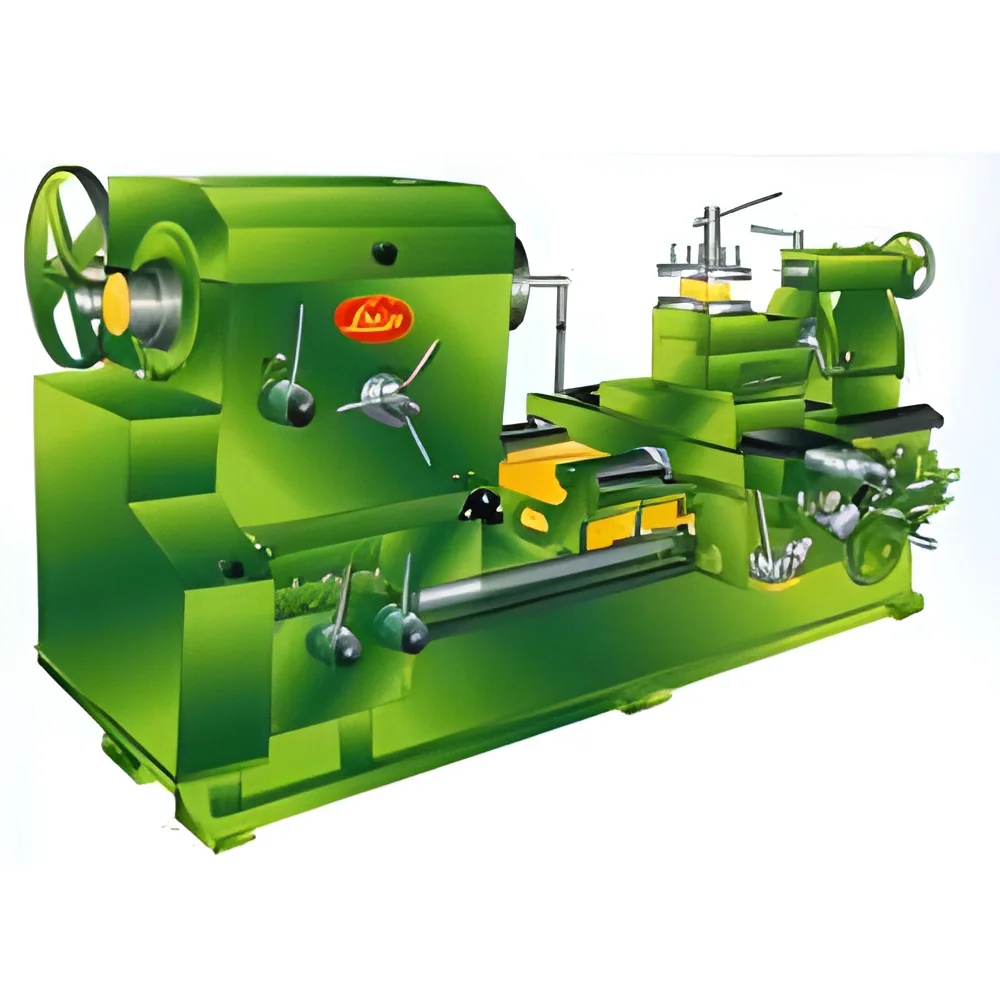
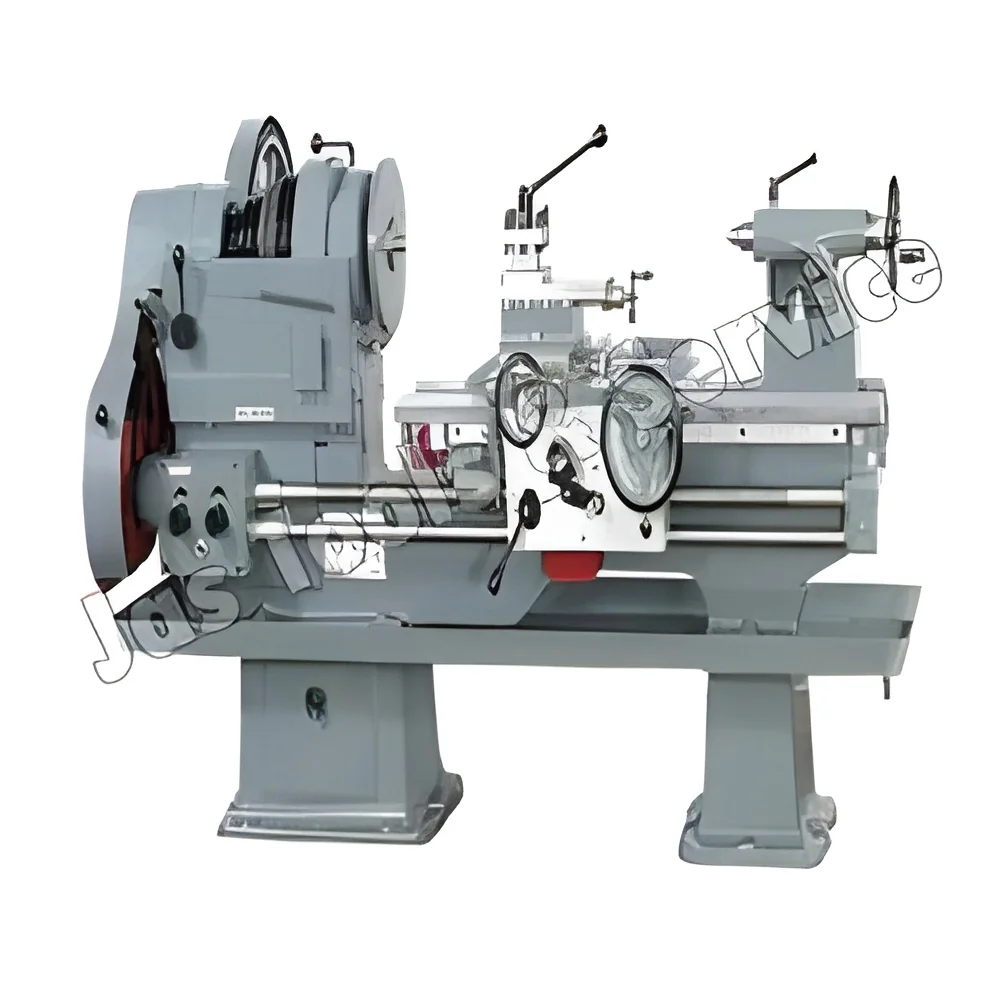
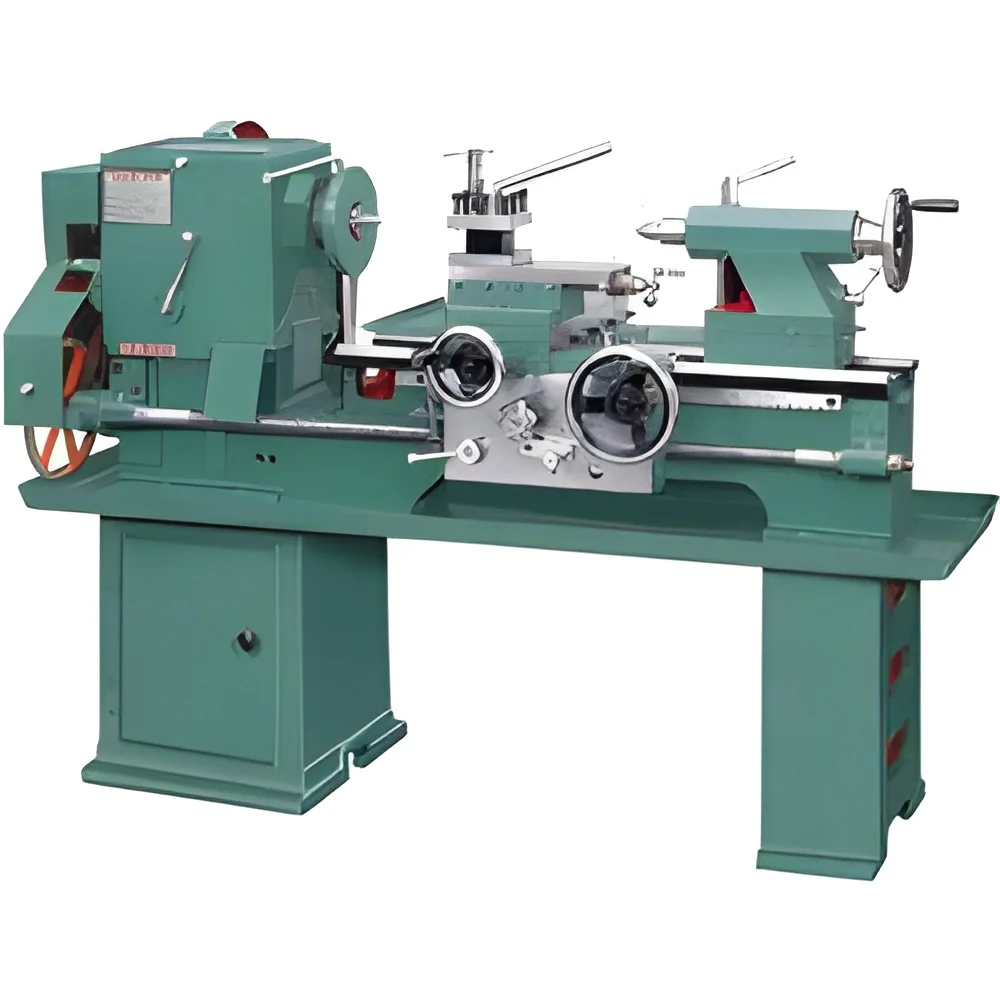
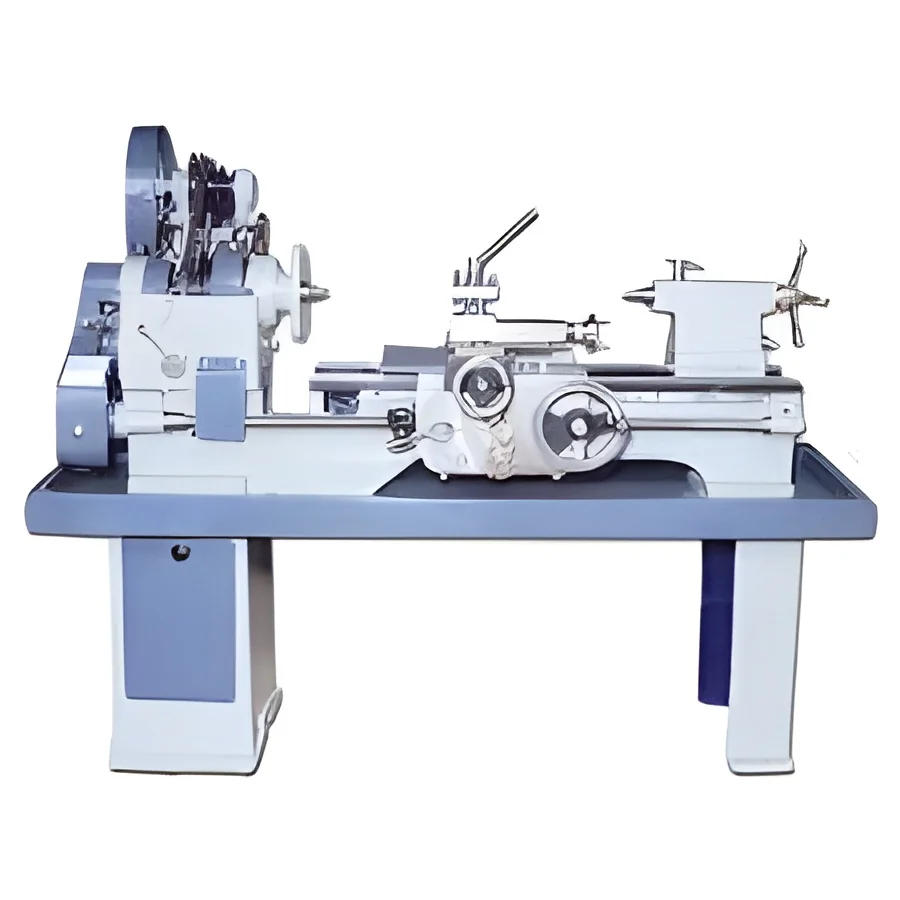
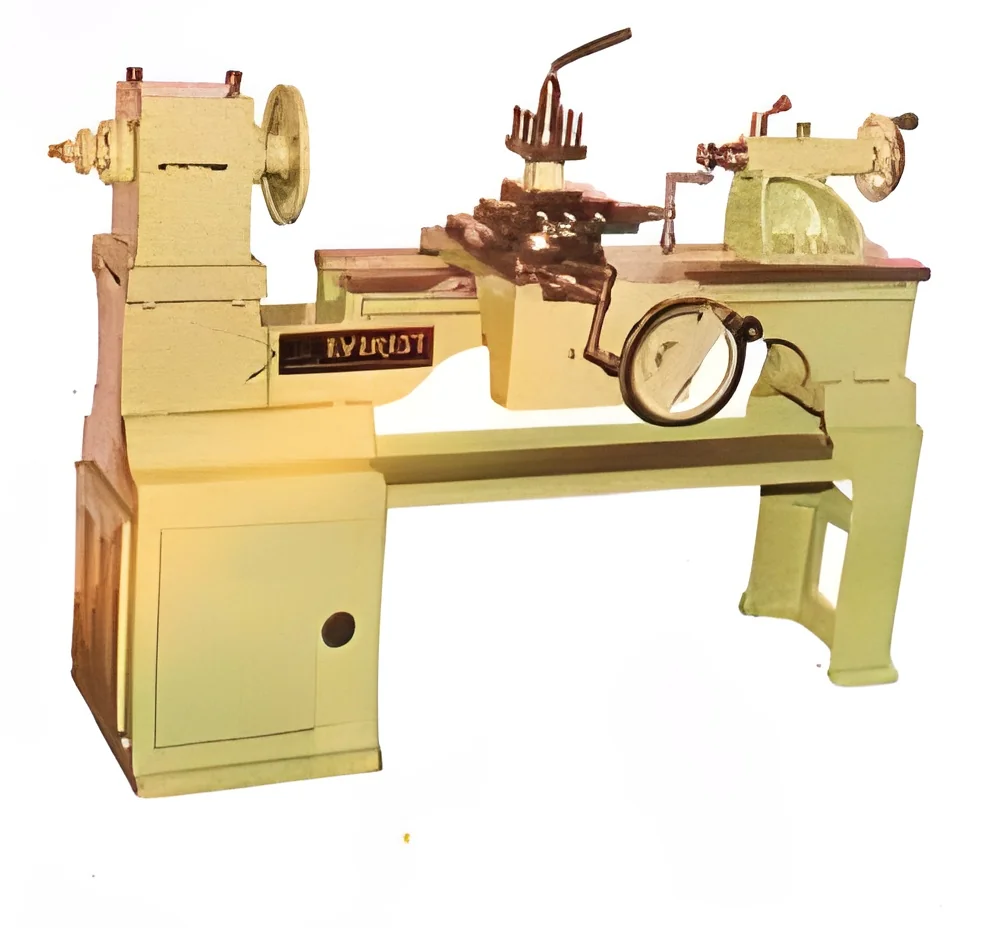
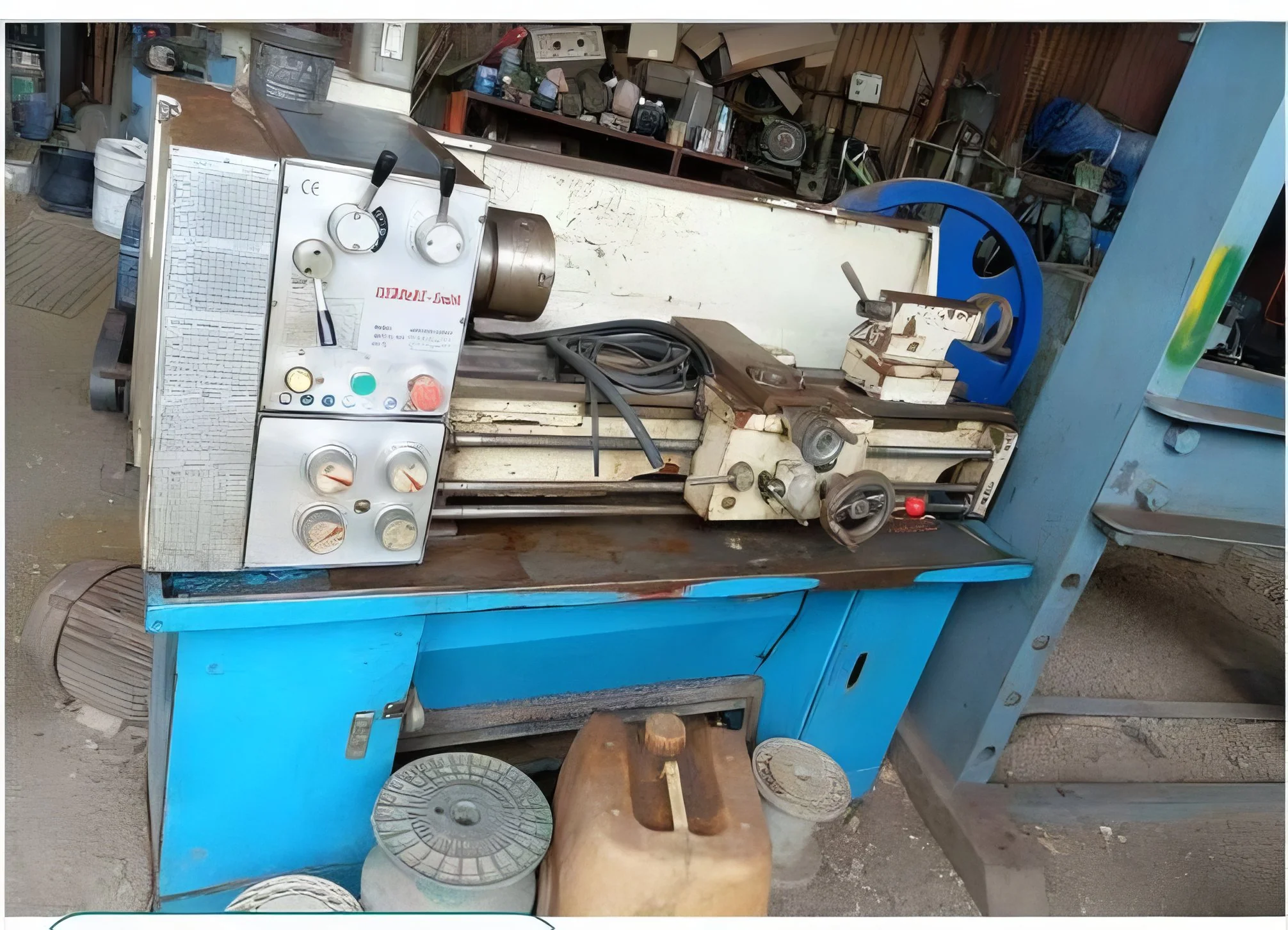
Lathe machines are precision tools used in manufacturing to shape, cut, and finish materials such as metal, wood, and plastic. They operate by rotating the workpiece against a cutting tool, allowing for the creation of intricate designs and precise dimensions. Lathes are fundamental in machining operations and can be adapted for various functions, including turning, drilling, and threading.
These machines find extensive applications in numerous industries, including automotive, aerospace, and manufacturing. They are crucial in producing components such as shafts, gears, and fittings. Businesses leverage lathe machines for both mass production and custom projects, making them versatile tools for a wide range of applications. The lathe machine market is driven by the increasing demand for precision engineering and automated machining processes.
Key Features and Specifications
Lathe machines boast a variety of features and specifications that enhance their functionality and performance. They are designed to accommodate various materials and operational requirements, making them essential in many industrial settings.
Key specifications include:
1. Swing Over Bed
- The maximum diameter of the workpiece that can be turned on the lathe.
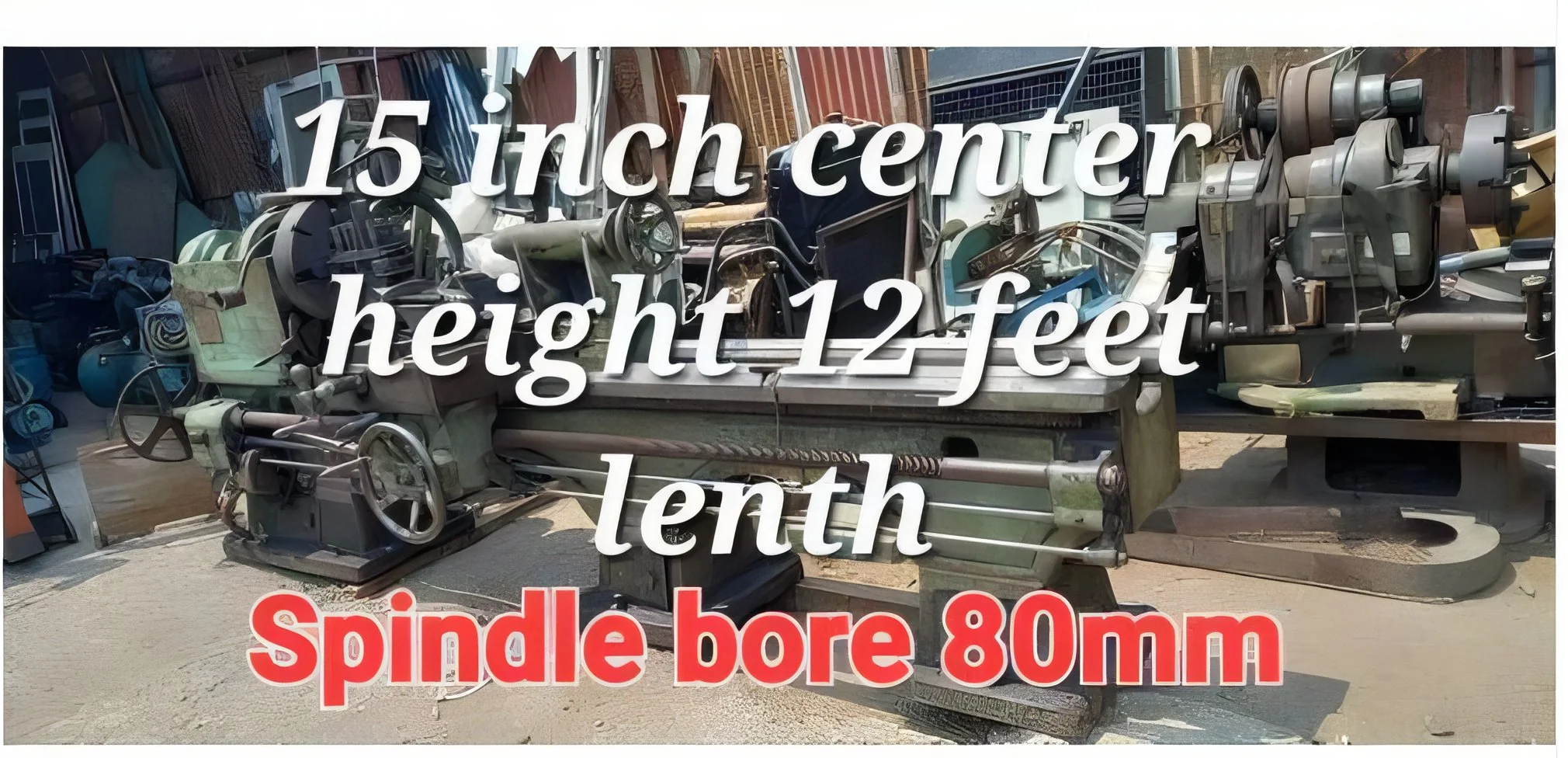
- Typical ranges vary from 12 inches to over 40 inches.
2. Distance Between Centers
- The maximum length of the workpiece that can be supported between the headstock and tailstock.
- Common ranges include 24 inches to 120 inches.
3. Spindle Speed
- The speed at which the spindle rotates, measured in RPM.
- Ranges can be from 50 RPM to 3000 RPM.
4. Motor Power
- The horsepower rating of the lathe's motor, which affects its cutting capabilities.
- Common ratings range from 1 HP to over 10 HP.
5. Tool Post Type
- The design and functionality of the tool holder used to secure cutting tools.
- Variants include quick-change and fixed tool posts.
6. Control System
- The type of control mechanism used, such as manual or CNC (Computer Numerical Control).
- CNC lathes allow for automated and highly precise operations.
7. Bed Type
- The construction of the lathe bed, which influences stability and vibration control.
- Options include flat bed and slant bed designs.
8. Weight
- The overall weight of the machine, which affects stability during operation.
- Weights can range from a few hundred to several tons.
Lathe machines are essential for achieving precise machining results, and understanding these specifications helps buyers select the right equipment for their needs.
Common Applications and Use Cases
Lathe machines have diverse applications across multiple industries, providing critical support in manufacturing processes.
1. Automotive: Lathe machines are used to manufacture engine components, transmission parts, and other intricate fittings that require high precision.
2. Aerospace: In this industry, lathes create lightweight yet strong components for aircraft, ensuring they meet strict safety and performance standards.
3. Manufacturing: Various tools and equipment produced in manufacturing facilities often rely on lathes for shaping and finishing.
4. Medical: Lathes are used to produce surgical instruments and implants, requiring exceptional precision and quality.
5. Energy: Components for turbines and generators are often machined using lathe machines to ensure durability and efficiency.
6. Furniture: In the woodworking sector, lathes create unique furniture designs and components, such as legs and spindles.
7. Electronics: Small components like housings and connectors for electronic devices are frequently manufactured using lathes.
Product Variants and Subcategories
Lathe machines come in different variants designed to meet specific operational needs and industry requirements.
CNC Lathe Machines
CNC lathe machines utilize computer programming to automate the machining process. This allows for high precision and repeatability in producing complex parts, making them ideal for mass production runs.
Manual Lathe Machines
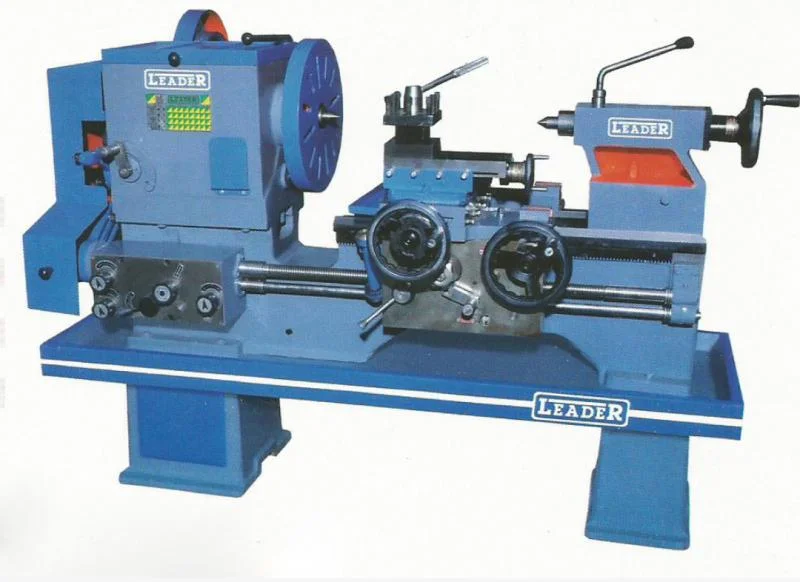
Manual lathe machines require operator input for every adjustment and cut. They are typically favored for smaller operations or custom jobs where flexibility and hands-on control are essential.
Benefits and Advantages
Lathe machines offer numerous benefits that make them indispensable in industrial settings.
1. Precision: These machines provide high accuracy and repeatability, essential for producing quality components.
2. Versatility: Lathe machines can handle a wide range of materials and processes, allowing for diverse applications.
3. Efficiency: Automated features, especially in CNC models, increase production speed and reduce labor costs.
4. Customization: Lathe machines can be tailored to specific manufacturing needs, accommodating various sizes and configurations.
5. Durability: Built to withstand rigorous use, lathe machines offer long operational lifespans, making them a wise investment.
6. Reduced Waste: Precision cutting minimizes material waste, contributing to more sustainable manufacturing practices.
Buying Guide for B2B Buyers
When sourcing lathe machines, there are several crucial factors to consider.
1. Quality Assessment: Evaluate the construction quality and durability of the machine. Look for reputable manufacturers that adhere to industry standards to ensure reliability.
2. Supplier Verification: Vet suppliers by checking their credentials, customer feedback, and service history. Establishing a trustworthy relationship is vital for ongoing support.
3. Pricing and MOQ: Understand the pricing structure and minimum order quantities (MOQ) required by suppliers. This helps in budgeting and planning purchases.
4. Delivery and Lead Times: Inquire about logistics, including shipping options and lead times. Timely delivery is essential to maintain production schedules.
5. Compliance Requirements: Ensure that the lathe machines meet any relevant regulatory standards in your region, such as safety and operational guidelines.
Compliance and Certifications
Lathe machines must meet several quality standards and certifications to ensure they operate safely and effectively in industrial settings.
Relevant quality standards include ISO 9001, which defines criteria for a quality management system. Compliance with this standard indicates that manufacturers consistently provide products that meet customer and regulatory requirements.
Industry certifications such as CE demonstrate that the machines conform to European health, safety, and environmental protection legislation. This certification is crucial for machines sold in Europe.
Safety and testing requirements are also critical. Lathe machines should undergo rigorous testing to ensure they operate safely under various conditions.
Regional compliance considerations may vary, so it is essential for buyers to be aware of local regulations that apply to industrial equipment.
Why Source Lathe Machines from Pepagora?
Pepagora serves as a reliable platform for sourcing lathe machines, offering numerous advantages to B2B buyers.
Verified Supplier Network: Pepagora connects buyers with a network of verified suppliers. This ensures that buyers can source high-quality machines from reputable manufacturers, minimizing risks in the purchasing process.
Streamlined RFQ Process: The platform provides an efficient request-for-quotation system, allowing buyers to easily compare prices and specifications from multiple suppliers. This saves time and facilitates informed decision-making.
Trade Assurance and Support: Pepagora offers trade assurance, providing buyers with protection throughout the purchasing process. This includes support for any disputes or issues that may arise.
Regional Coverage: With a focus on markets in India, the GCC, and Southeast Asia, Pepagora ensures that buyers can access a wide range of lathe machines suited to their specific needs and regional compliance requirements.

 IN
IN