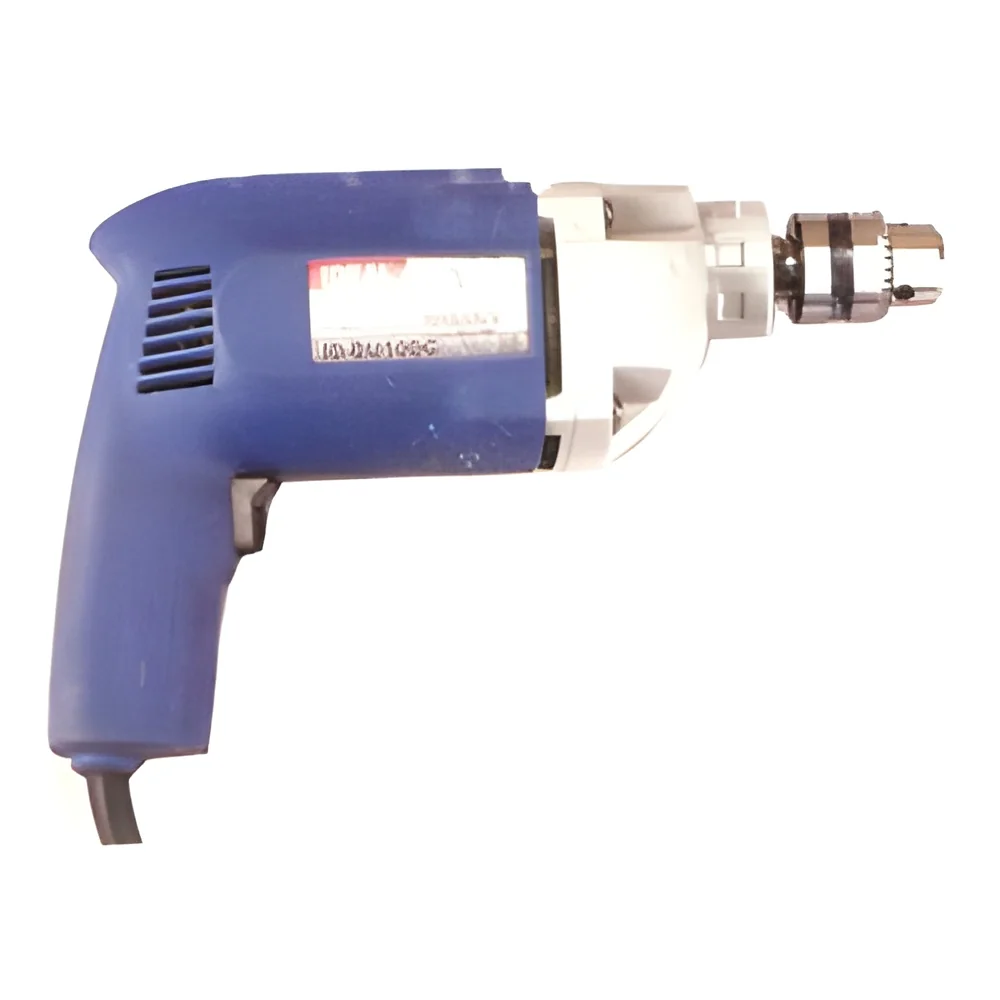
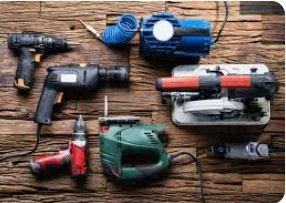
What are Power Tools (Drills, Grinders, Saws)?
Power tools, specifically drills, grinders, and saws, are essential equipment used in various industries for construction, manufacturing, and maintenance tasks. These tools operate using electric power or batteries, making them efficient and effective for a wide range of applications. Their primary purpose is to enhance productivity by enabling users to perform tasks more quickly and with greater precision compared to manual tools.
Drills are primarily used for creating holes in various materials, ranging from wood to metal. Grinders are designed for smoothing, cutting, or shaping materials by utilizing abrasive wheels. Saws, on the other hand, are used to cut through a variety of materials, including wood, metal, and plastic, depending on the type of saw. The relevance of these tools in today’s market is significant, as they are critical for achieving operational efficiency in sectors such as construction, automotive, and manufacturing.
𝗞𝗲𝘆 𝗙𝗲𝗮𝘁𝘂𝗿𝗲𝘀 𝗮𝗻𝗱 𝗦𝗽𝗲𝗰𝗶𝗳𝗶𝗰𝗮𝘁𝗶𝗼𝗻𝘀
Power tools are characterized by specific features and specifications that determine their performance and suitability for various tasks. Understanding these specifications is crucial for businesses looking to purchase the right tools for their needs.
Key specifications include:
1. Power Source
- Electric or battery-operated options
- Voltage ratings typically ranging from 12V to 240V
2. Motor Power
- Wattage ratings indicating the tool's performance
- Common ranges from 300W to 1500W
3. Speed Settings
- Variable speeds for different applications
- RPM ranges typically from 0 to 3000 RPM
4. Weight
- Lightweight designs for ease of handling
- Weights generally between 1 kg to 5 kg
5. Ergonomics
- Comfortable grips for prolonged use
- Designs that reduce user fatigue
6. Safety Features
- Built-in safety locks and guards
- Emergency shut-off mechanisms
7. Durability
- Quality materials to withstand heavy use
- Often rated for industrial applications
8. Accessories and Attachments
- Variety of drill bits, grinding wheels, and saw blades available
- Compatibility with various attachments for enhanced versatility
These specifications ensure that power tools meet the demands of various industrial and commercial applications.
𝗖𝗼𝗺𝗺𝗼𝗻 𝗔𝗽𝗽𝗹𝗶𝗰𝗮𝘁𝗶𝗼𝗻𝘀 𝗮𝗻𝗱 𝗨𝘀𝗲 𝗖𝗮𝘀𝗲𝘀
Power tools serve a multitude of industries, each requiring specific functionalities.
1. Construction: Drills and saws are extensively used for building structures, installing fixtures, and performing renovations.
2. Manufacturing: Grinders are essential for refining metal parts, while drills are used in assembly lines for precise hole placement.
3. Automotive: Power tools are used in automotive repair for tasks such as drilling, grinding, and cutting components.
4. Electrical: Electricians use drills and saws for installing wiring and fixtures safely and efficiently.
5. Woodworking: Saws and drills facilitate intricate woodwork, allowing artisans to create detailed designs.
6. Maintenance: Facilities management utilizes power tools for repairs and upkeep of machinery and infrastructure.
7. HVAC: Professionals in heating, ventilation, and air conditioning use drills for installation and grinders for metalwork.
𝗣𝗿𝗼𝗱𝘂𝗰𝘁 𝗩𝗮𝗿𝗶𝗮𝗻𝘁𝘀 𝗮𝗻𝗱 𝗦𝘂𝗯𝗰𝗮𝘁𝗲𝗴𝗼𝗿𝗶𝗲𝘀
Power tools come in a variety of forms to meet different user needs. This diversity allows for specialized applications across multiple sectors.
Cordless Drills: These drills offer portability and convenience, ideal for jobs where power outlets are not readily available. They are designed for quick and efficient drilling without the hassle of cords.
Angle Grinders: Suitable for cutting and grinding tasks, angle grinders are versatile tools that can handle different materials. They are commonly used in metalworking and fabrication.
Circular Saws: These saws are designed for making straight cuts in wood, metal, and plastic. They provide precision and speed for large-scale cutting tasks.
Reciprocating Saws: Often used in demolition and construction, reciprocating saws can cut through various materials quickly and efficiently, making them essential for heavy-duty applications.
𝗕𝗲𝗻𝗲𝗳𝗶𝘁𝘀 𝗮𝗻𝗱 𝗔𝗱𝘃𝗮𝗻𝘁𝗮𝗴𝗲𝘀
Investing in quality power tools provides numerous benefits for businesses.
1. Increased Efficiency: Power tools significantly reduce the time required to complete tasks, enhancing overall productivity.
2. Improved Precision: With advanced features and specifications, these tools enable greater accuracy in work, minimizing errors.
3. Versatility: A wide range of tools and attachments allows for diverse applications, making them suitable for various projects.
4. Enhanced Safety: Modern power tools include safety features that help prevent accidents and injuries in the workplace.
5. Cost-Effectiveness: While the initial investment may be higher, the durability and efficiency of power tools lead to long-term savings.
6. User Comfort: Ergonomic designs and lightweight materials improve user comfort, allowing for prolonged use without fatigue.
𝗕𝘂𝘆𝗶𝗻𝗴 𝗚𝘂𝗶𝗱𝗲 𝗳𝗼𝗿 𝗕𝟮𝗕 𝗕𝘂𝘆𝗲𝗿𝘀
When sourcing power tools, it is essential for B2B buyers to consider several factors to ensure they make informed purchasing decisions.
1. Quality Assessment: Buyers should evaluate the quality of materials and craftsmanship to ensure durability and performance. Look for tools that meet industry standards and have positive reviews from other users.
2. Supplier Verification: It is crucial to vet suppliers by checking their credentials, certifications, and customer feedback. Reliable suppliers will provide transparent information regarding their products.
3. Pricing and MOQ: Evaluate the cost of tools and inquire about minimum order quantities. Understanding pricing structures can help in budgeting effectively while ensuring you meet your operational needs.
4. Delivery and Lead Times: Assess the supplier's ability to deliver within your required timeframes. Efficient logistics are essential to avoid delays in projects.
5. Compliance Requirements: Ensure that the tools meet relevant industry standards and regulations. This may include safety certifications like CE and adherence to quality management systems such as ISO 9001.
𝗖𝗼𝗺𝗽𝗹𝗶𝗮𝗻𝗰𝗲 𝗮𝗻𝗱 𝗖𝗲𝗿𝘁𝗶𝗳𝗶𝗰𝗮𝘁𝗶𝗼𝗻𝘀
Power tools must adhere to various compliance and certification standards to ensure quality and safety. ISO 9001 is a commonly recognized quality management standard that ensures manufacturers maintain effective processes for producing reliable products.
Additionally, CE marking is crucial for power tools sold in European markets, indicating compliance with health, safety, and environmental protection standards. Safety testing requirements often dictate that tools undergo rigorous evaluations to confirm their reliability and safety in operation.
Regional compliance considerations may vary, so it is important for manufacturers and suppliers to be aware of local regulations that apply to their products. This ensures that the tools meet the necessary legal requirements and safety benchmarks for users.
Why Source Power Tools (Drills, Grinders, Saws) from Pepagora?
Pepagora offers a reliable platform for sourcing power tools, including drills, grinders, and saws. The advantages of using Pepagora are numerous.
Verified Supplier Network: Pepagora connects buyers with a network of verified suppliers, ensuring that businesses can source high-quality power tools from reputable manufacturers.
Streamlined RFQ Process: The platform simplifies the Request for Quotation process, allowing buyers to receive multiple quotes quickly from various suppliers, facilitating better decision-making.
Trade Assurance and Support: Pepagora provides trade assurance, ensuring that buyers are protected during transactions. Their support team is available to assist with any inquiries or issues.
Regional Coverage: With a focus on markets in India, the GCC, and Southeast Asia, Pepagora offers expansive regional coverage, making it easier for businesses to find suitable suppliers in their area. This broad reach is vital for companies looking to source power tools efficiently and effectively.