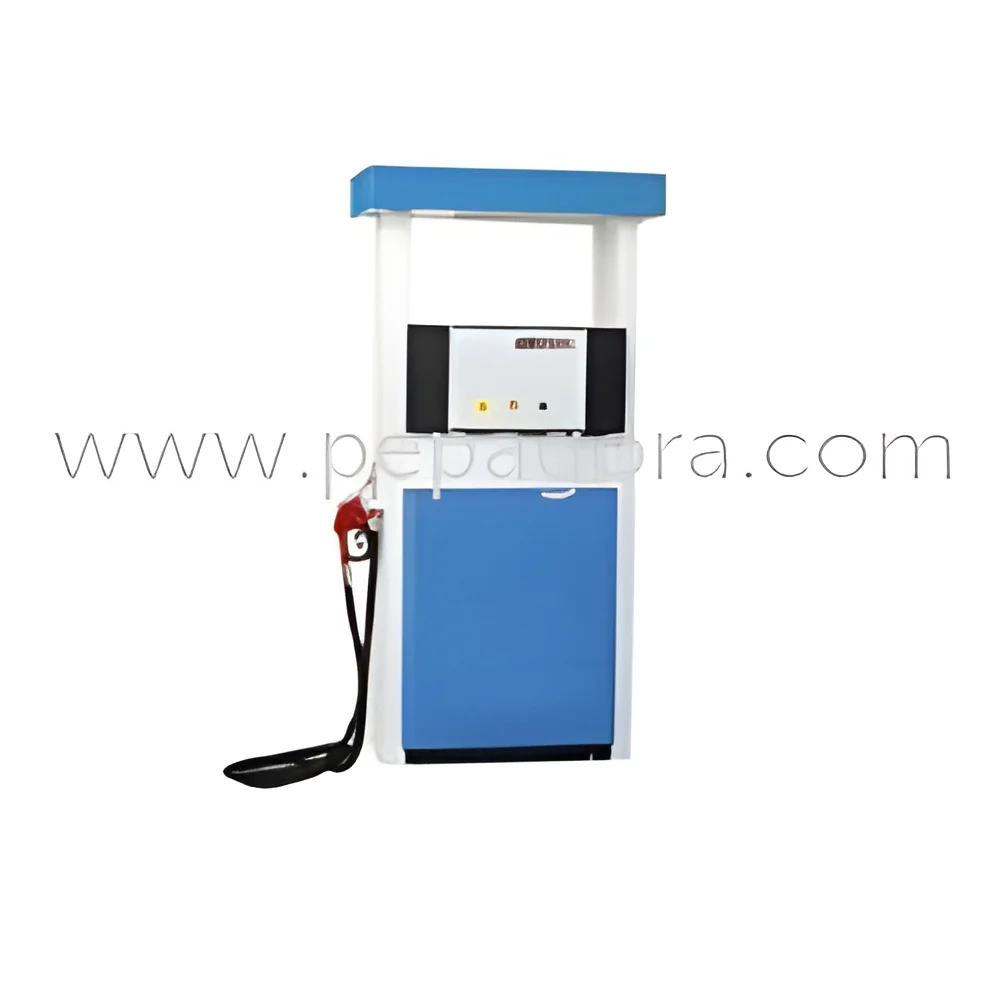
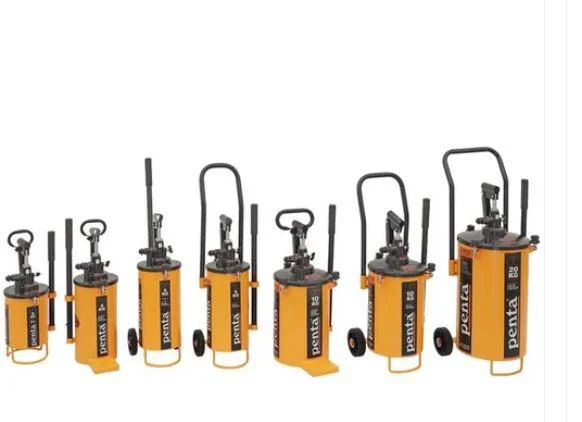
What are Grease Pumps & Oil Dispensers?
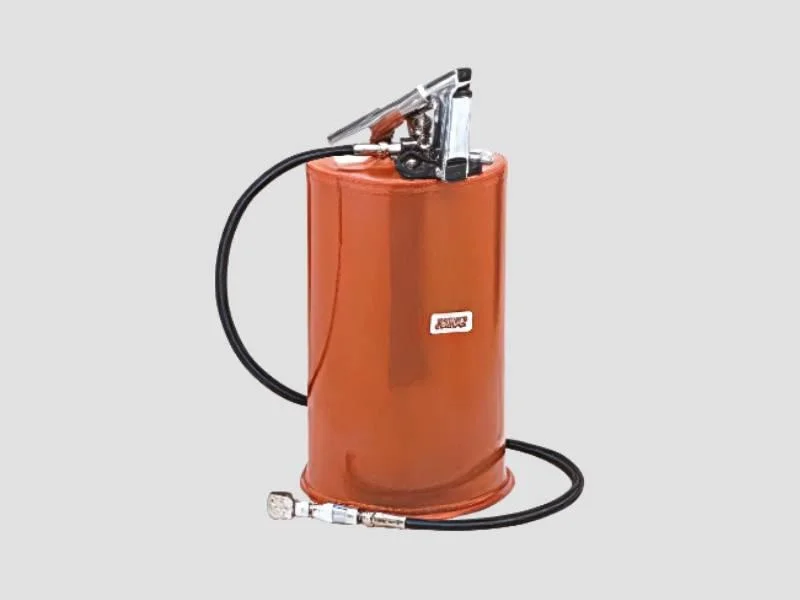
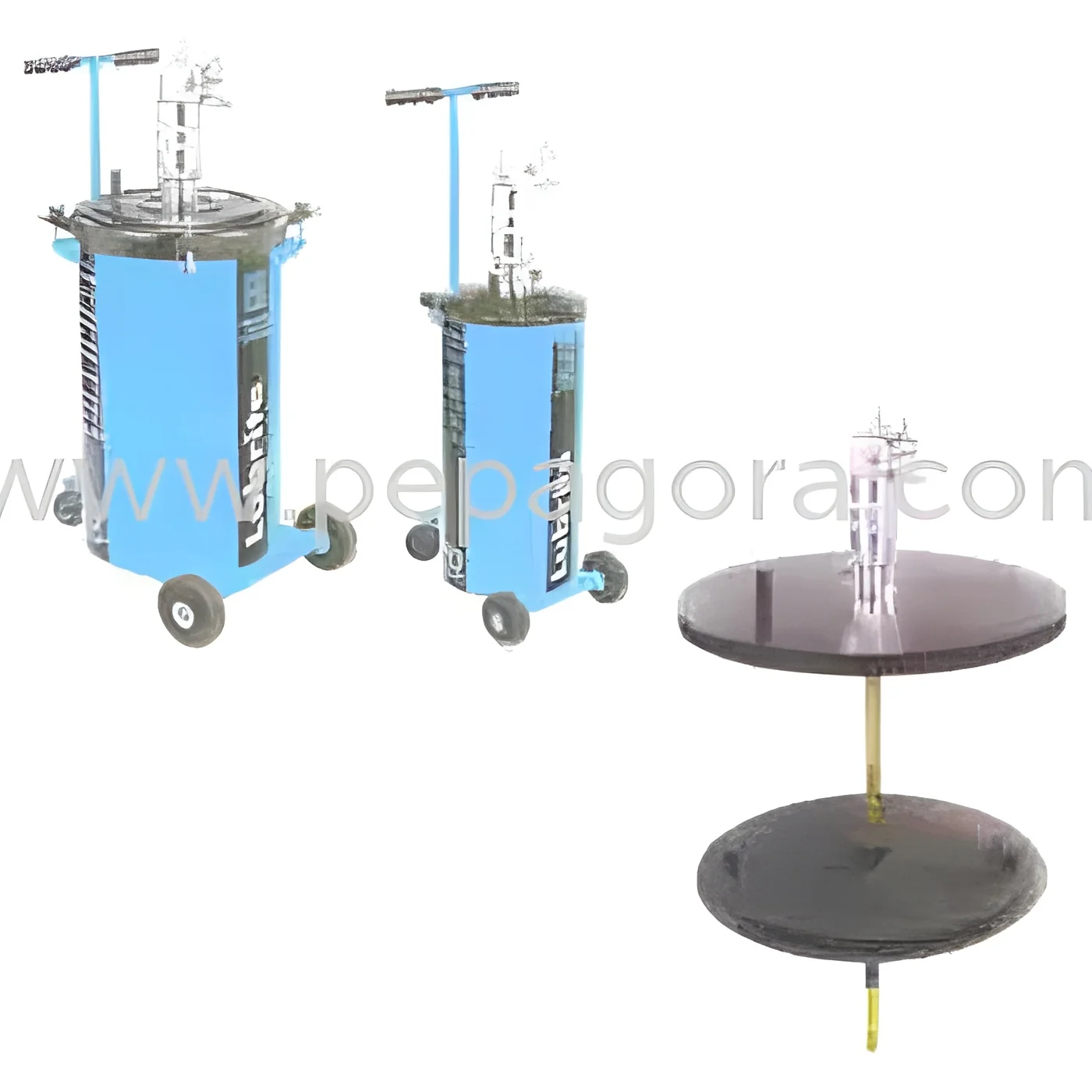
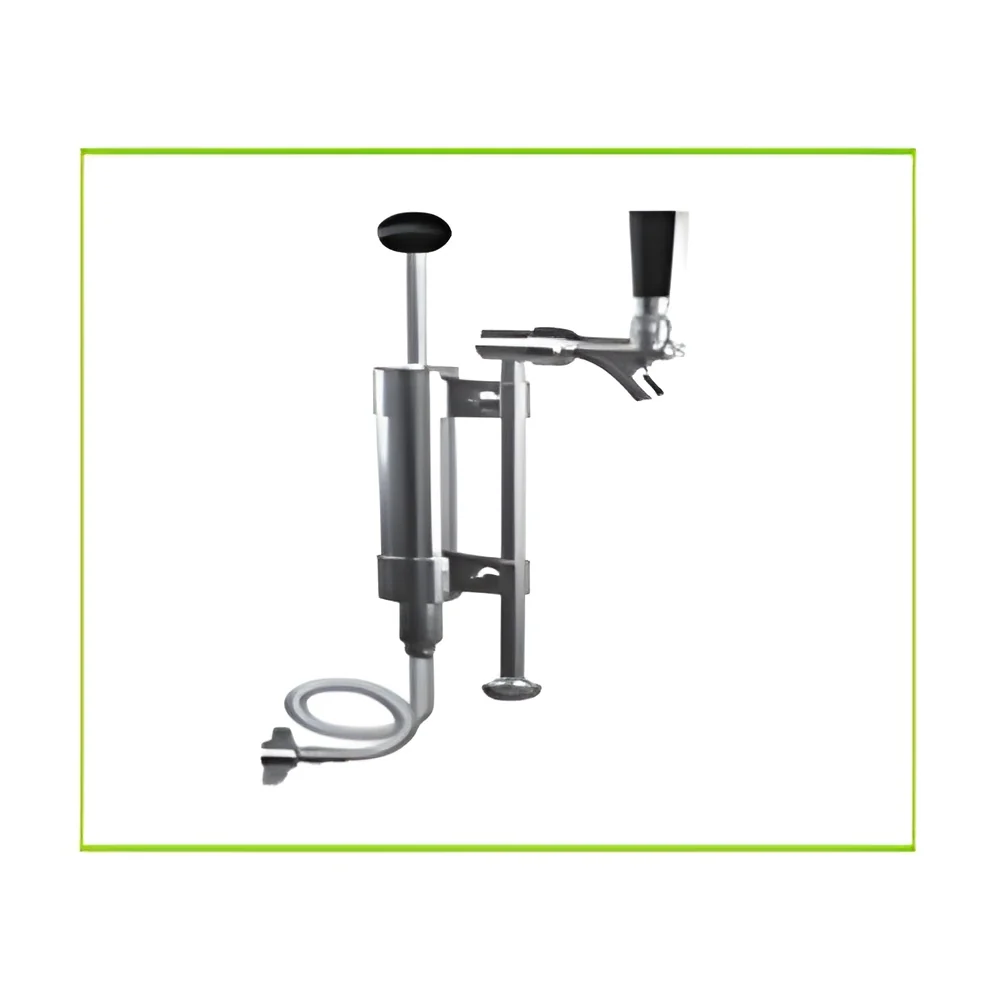
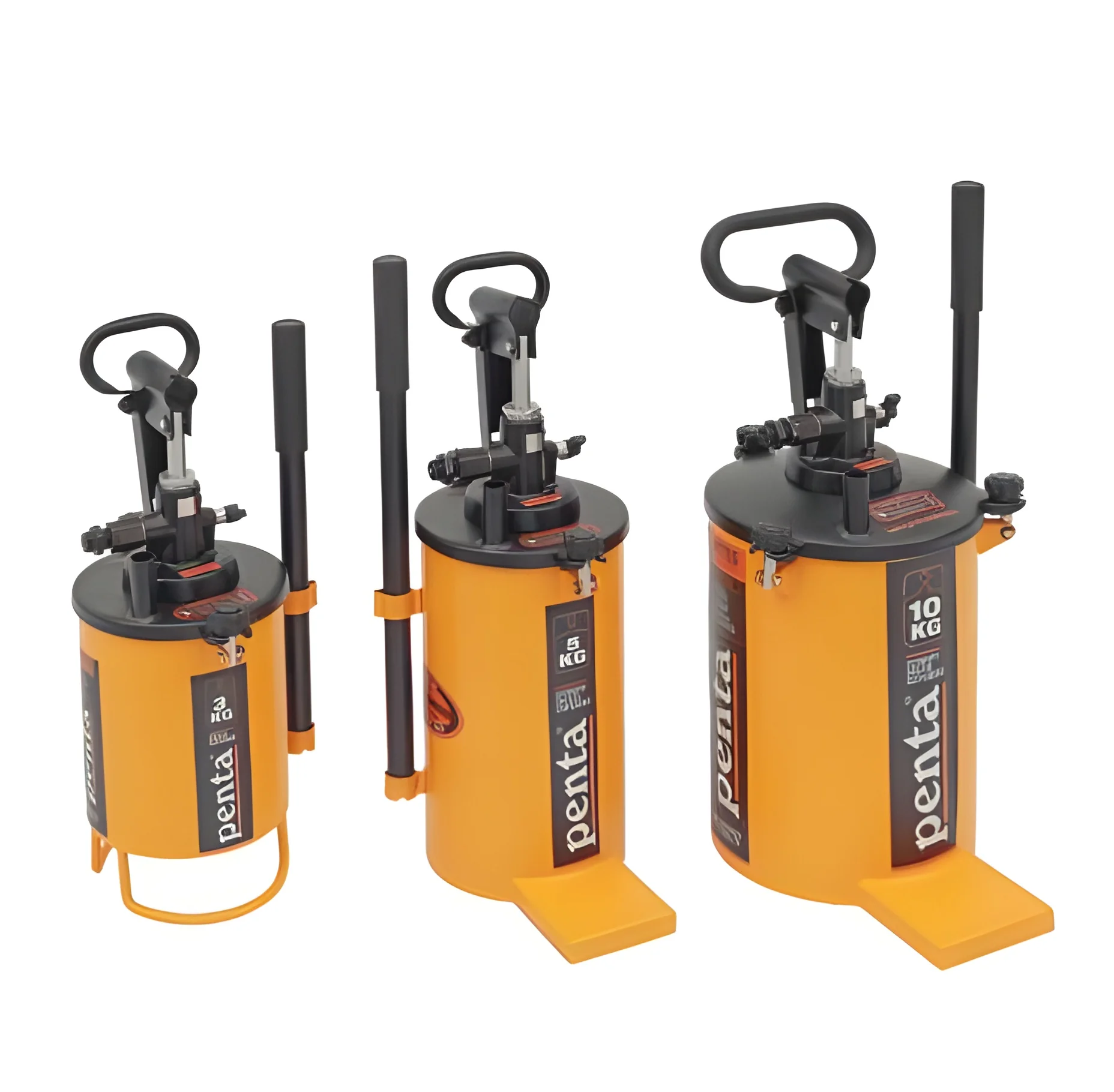
Grease pumps and oil dispensers are essential tools used for the efficient application and distribution of lubricants in various machinery and equipment. These devices are designed to handle different types of lubricants, including grease and oil, ensuring that moving parts are adequately lubricated to reduce friction, wear, and overheating. Grease pumps often operate manually or automatically, providing a controlled flow of grease, while oil dispensers are specifically built for dispensing oil in precise amounts.
These tools are commonly utilized in industries such as automotive, manufacturing, and construction. Their primary function is to ensure that machinery operates smoothly and efficiently by maintaining proper lubrication. In a manufacturing context, for instance, grease pumps are vital for maintaining heavy machinery, while oil dispensers are crucial for ensuring that engines and other components receive the necessary oil supply. In today's competitive market, the reliability and performance of these devices are critical to minimizing downtime and maximizing productivity.
Key Features and Specifications
Grease pumps and oil dispensers come equipped with various features that enhance their functionality and efficiency. When selecting these products, it is essential to consider specific specifications that meet industry standards and operational needs.
Key specifications include:
1. Flow Rate
- Determines the speed at which grease or oil is dispensed.
- Typical ranges vary from 0.5 to 3.0 liters per minute.
2. Pressure Rating
- Indicates the maximum pressure at which the pump operates efficiently.
- Common ratings can range from 300 to 500 psi.
3. Capacity
- Refers to the volume of lubricant the pump or dispenser can hold.
- Capacities may vary from 3 liters to over 20 liters depending on the model.
4. Power Source
- Grease pumps can be manual, pneumatic, or electric.
- Oil dispensers may also operate on battery power or be connected to a power supply.
5. Dispensing Accuracy
- Relates to the precision with which the lubricant is dispensed.
- Many devices offer an accuracy of +/- 1%.
6. Build Material
- Typically made from durable materials like stainless steel or high-density polyethylene.
- This ensures longevity and resistance to harsh working environments.
In summary, understanding these key features and specifications is crucial for selecting the right grease pump or oil dispenser to suit specific operational requirements.
Common Applications and Use Cases
Grease pumps and oil dispensers find applications across a wide range of industries, each with unique lubrication needs.
1. Automotive: In automotive workshops, grease pumps are utilized for lubricating wheel bearings, chassis, and engines, ensuring optimal performance and longevity.
2. Manufacturing: Factories rely on oil dispensers for machinery and equipment, with precise lubrication essential for reducing wear and tear on production lines.
3. Construction: Heavy machinery, such as bulldozers and excavators, require regular lubrication, making grease pumps vital for maintaining these assets in the construction industry.
4. Agriculture: Farming equipment benefits from specialized oil dispensers that ensure tractors and harvesters operate efficiently.
5. Marine: Boats and ships utilize grease pumps for maintaining essential components like winches and steering systems, enhancing reliability at sea.
6. Food Processing: In food processing plants, oil dispensers must comply with stringent hygiene standards, ensuring safe operations while lubricating machinery.
7. Mining: Heavy equipment in mining operations requires robust grease pumps to ensure continuous operation under harsh conditions.
Product Variants and Subcategories
Grease pumps and oil dispensers are available in various models, each designed to meet specific needs.
Manual Grease Pump
This variant is operated by hand and is ideal for small applications or maintenance tasks. It is portable and easy to use, making it suitable for workshops and field operations.
Electric Oil Dispenser
Designed for automatic operation, this variant provides precise dispensing of oil without manual effort. It is particularly beneficial in high-volume settings where consistency is critical.
Pneumatic Grease Pump
Using compressed air, this variant offers high power and efficiency, making it suitable for industrial applications requiring rapid lubrication of multiple points.
Battery-Powered Oil Dispenser
This portable variant allows for easy use in locations without direct power supply. It is ideal for fieldwork and maintenance tasks in remote locations.
Benefits and Advantages
Investing in grease pumps and oil dispensers offers numerous advantages for businesses aiming to improve efficiency and reliability.
1. Enhanced Efficiency: These devices deliver precise lubrication, which minimizes downtime and maximizes equipment performance.
2. Cost Savings: Regular lubrication reduces wear and tear, leading to lower maintenance costs and extending the lifespan of machinery.
3. Improved Safety: Proper lubrication helps prevent overheating and mechanical failures, contributing to a safer working environment.
4. Versatility: Available in various models, these pumps and dispensers can be adapted to different types of lubricants and applications.
5. Ease of Use: Many units feature user-friendly designs, allowing for quick and straightforward operation, even for untrained personnel.
6. Time-Saving: Automated dispensers significantly reduce the time spent on lubrication tasks, allowing staff to focus on other critical activities.
Buying Guide for B2B Buyers
When sourcing grease pumps and oil dispensers, several factors should be taken into account to ensure a suitable purchase.
1. Quality Assessment: Evaluate products based on material quality, durability, and manufacturer reputation. Look for certifications that indicate compliance with industry standards.
2. Supplier Verification: Conduct thorough background checks on suppliers to ensure they have a track record of reliability and quality. Reviews and testimonials can provide insights into their service.
3. Pricing and MOQ: Understand the pricing structure and minimum order quantities (MOQ) to ensure they align with your budget and operational needs.
4. Delivery and Lead Times: Consider logistics and the expected delivery times to avoid disruptions in operations. Confirm lead times with suppliers before finalizing orders.
5. Compliance Requirements: Ensure that the products meet local and international compliance standards relevant to your industry to avoid legal and operational issues.
Compliance and Certifications
Compliance with quality standards and certifications is crucial for grease pumps and oil dispensers, ensuring they operate safely and effectively. Key standards include ISO 9001, which outlines quality management systems, and HACCP, which focuses on safety in food processing environments.
Industry certifications like CE indicate that products meet European safety and environmental standards. This is particularly important for businesses operating in regions with stringent regulatory requirements.
Additionally, safety and testing requirements ensure that products can withstand the demands of their intended applications. Regional compliance considerations must also be taken into account, as different areas may have specific regulations governing the use of lubricants and machinery.
Why Source Grease Pumps & Oil Dispensers from Pepagora?
Pepagora offers a trusted platform for sourcing grease pumps and oil dispensers, providing several key advantages for businesses.
Verified Supplier Network: Pepagora connects buyers with a network of verified suppliers, ensuring that only reputable manufacturers are available for consideration. This reduces the risk associated with sourcing products.
Streamlined RFQ Process: The platform features a user-friendly request for quotation (RFQ) system, allowing buyers to easily request quotes from multiple suppliers. This simplifies the procurement process and promotes competitive pricing.
Trade Assurance and Support: Buyers can benefit from trade assurance programs that protect their purchases. Pepagora also offers customer support to assist with any inquiries or issues that may arise during the buying process.
Regional Coverage: With a strong presence in India, the GCC, and Southeast Asia, Pepagora provides access to a vast market of suppliers and buyers. This geographic reach enhances opportunities for businesses looking to expand their sourcing options or establish new partnerships.

 IN
IN