What are Marking Gauges?
Marking gauges are precision tools used primarily in woodworking and metalworking to mark out lines for cutting, drilling, or shaping materials. They are designed to create consistent, accurate marks at specific distances from an edge or surface. Marking gauges can come in various forms, but they typically consist of a beam and a scribing point, which can be adjusted to the desired measurement.
The primary uses of marking gauges include ensuring precise measurements for joints, establishing layout lines, and creating reference points for further machining processes. They find application not only in woodworking but also in metal fabrication and construction, where accuracy is critical. Marking gauges are essential for professionals seeking to enhance productivity and ensure quality in their work.
In the current market, marking gauges are increasingly relevant due to the growing emphasis on precision in manufacturing and craftsmanship. With advancements in material technology and design, these tools have evolved to meet the needs of various industries, ensuring they remain a staple in both traditional and modern workshops.
Key Features and Specifications
Marking gauges are designed with several key features that enhance their functionality and precision. Their specifications determine their suitability for different applications in industrial settings.
Key specifications include:
1. Beam Length
- The beam length can vary, typically ranging from 6 inches to 24 inches.
- Longer beams provide greater reach, while shorter beams offer more control for detailed work.
2. Material Composition
- Common materials include stainless steel and aluminum for durability and resistance to corrosion.
- The choice of material affects the tool's weight and longevity.
3. Adjustment Mechanism
- Many marking gauges feature a thumb screw or locking mechanism to secure the scribing point.
- A smooth adjustment mechanism ensures quick and easy changes in measurement.
4. Scribing Point Type
- Options may include a sharp point for wood or a hardened tip for metal.
- The type of scribing point influences the tool's versatility across different materials.
5. Scale Markings
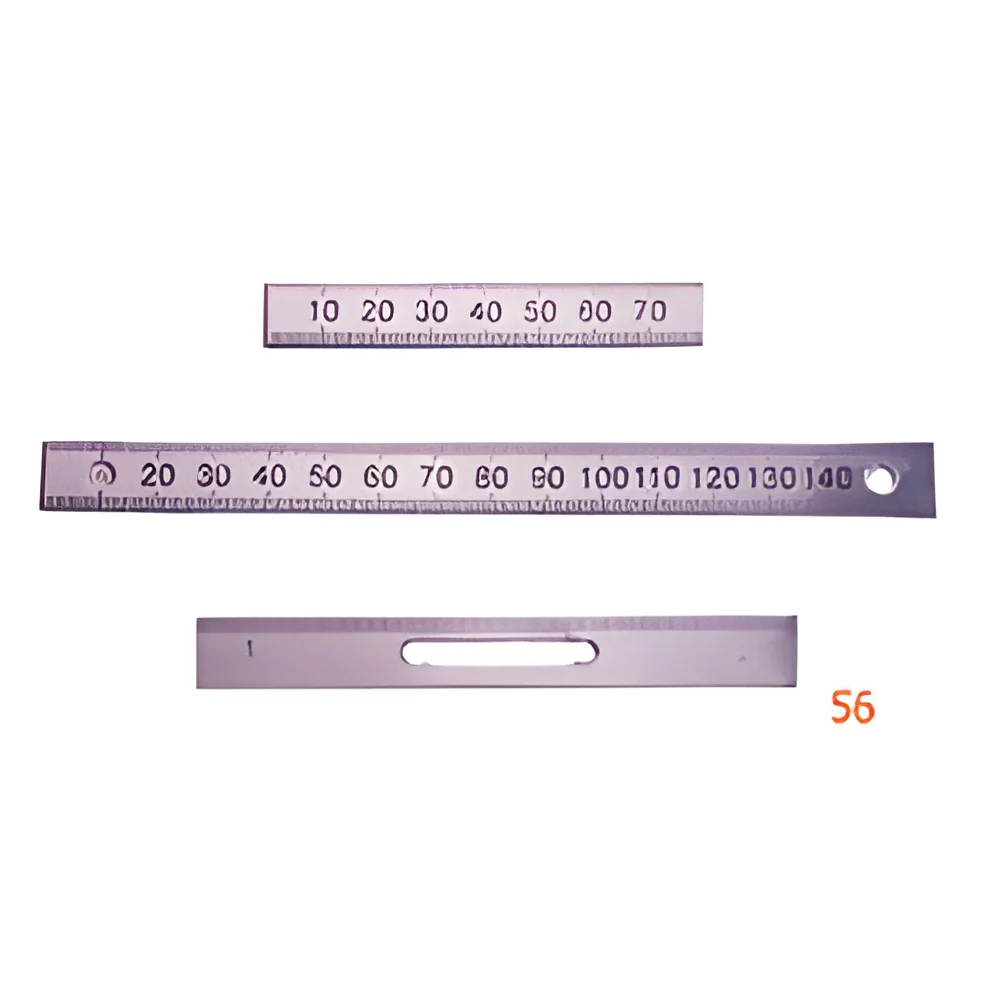
- Marking gauges may include engraved or printed scale markings for easy measurement reference.
- Clear markings enhance accuracy during use.
6. Weight
- The weight of marking gauges can impact user comfort, especially during extended use.
- Lightweight models are preferable for portability, while heavier models may provide stability.
In summary, understanding these features and specifications helps businesses select the right marking gauges based on their specific application needs.
Common Applications and Use Cases
Marking gauges are widely used across various industries, emphasizing their versatility and importance.
1. Woodworking: In the woodworking industry, marking gauges are essential for creating precise layout lines for joinery, ensuring that cuts are accurate and fit together perfectly.
2. Metal Fabrication: Marking gauges are utilized in metal fabrication to mark out cutting lines on sheets and plates, allowing for precise machining and welding.
3. Construction: In construction, these tools help contractors establish accurate measurements for framing and installations, enhancing overall build quality.
4. Furniture Manufacturing: Marking gauges assist in ensuring consistency in the production of furniture, where precision is crucial for both aesthetics and functionality.
5. Cabinet Making: In cabinet making, marking gauges are used to ensure accuracy in dimensions and alignments, contributing to high-quality finished products.
6. Engineering: Engineers use marking gauges for layout work in manufacturing settings, ensuring parts are made to exact specifications.
7. DIY Projects: Hobbyists and DIY enthusiasts also benefit from marking gauges, as they improve accuracy and efficiency in various home improvement tasks.
Product Variants and Subcategories
Marking gauges come in a variety of designs to cater to different user needs and preferences.
Standard Marking Gauge
This is the most common variant, typically featuring a simple beam and scribing point. It is versatile and suitable for general marking tasks across woodworking and metalworking applications.
Mortise Gauge
A mortise gauge is designed specifically for marking mortises and tenons. It often features two scribing points, allowing users to mark both sides of a joint simultaneously for increased accuracy.
Wheel Marking Gauge
This variant includes a wheel for the scribing point, providing smoother lines and reducing the risk of splintering in wood. It is ideal for detailed woodworking tasks.
Bevel Gauge
While primarily used for measuring angles, a bevel gauge can also serve as an effective marking tool, particularly in applications requiring angled cuts or measurements.
Benefits and Advantages
Marking gauges offer numerous benefits that enhance their value in various applications.
1. Precision: These tools provide high accuracy, ensuring that marks are consistent and reliable, which is critical for quality work.
2. Efficiency: Using a marking gauge reduces the time spent measuring and marking, leading to increased productivity in workshop environments.
3. Versatility: Marking gauges can be used across different materials, including wood and metal, making them suitable for various applications.
4. Ease of Use: Most marking gauges are straightforward to operate, allowing users to quickly adjust measurements and mark lines with minimal effort.
5. Durability: High-quality marking gauges are made from robust materials, ensuring they withstand regular use and maintain their accuracy over time.
6. Cost-Effective: Investing in a reliable marking gauge can save money in the long run by reducing material waste and enhancing the quality of finished products.
Buying Guide for B2B Buyers
When sourcing marking gauges, B2B buyers should consider several critical factors to ensure they make informed purchasing decisions.
1. Quality Assessment: It is essential to evaluate the quality of marking gauges by checking the materials used and the manufacturer’s reputation. High-quality tools are more likely to provide consistent results.
2. Supplier Verification: Vetting suppliers is crucial to ensure reliability. Buyers should look for suppliers with a history of delivering quality products and positive customer feedback.
3. Pricing and MOQ: Understanding the pricing structure and minimum order quantities (MOQ) is vital for budgeting. Buyers should compare prices across different suppliers to find the best deals without compromising quality.
4. Delivery and Lead Times: It is important to confirm delivery times and lead times with suppliers to avoid delays in projects. Efficient logistics can greatly impact operational efficiency.
5. Compliance Requirements: Buyers should be aware of any regulatory needs related to marking gauges, including safety standards and certifications, to ensure that the products meet industry requirements.
Compliance and Certifications
Marking gauges must adhere to specific quality standards and certifications to ensure they are suitable for professional use.
ISO 9001 is a relevant standard that emphasizes quality management systems. Manufacturers that comply with this standard demonstrate their commitment to maintaining high-quality production processes.
CE certification is essential for marking gauges sold in European markets. This certification indicates that the product meets health, safety, and environmental protection standards.
Safety and testing requirements are also crucial. Marking gauges should undergo rigorous testing to ensure they are safe for use in various applications, minimizing risks for users.
Regional compliance considerations may vary. Buyers should ensure that their chosen marking gauges comply with local regulations and standards to avoid potential legal issues.
Why Source Marking Gauges from Pepagora?
Pepagora provides a trusted platform for sourcing marking gauges, offering several key advantages for B2B buyers.
Verified Supplier Network: Pepagora ensures that all suppliers are thoroughly vetted, providing buyers with confidence that they are working with reliable manufacturers who deliver high-quality products.
Streamlined RFQ Process: The request for quotation (RFQ) process on Pepagora is designed to be user-friendly, allowing buyers to obtain multiple quotes quickly and efficiently, saving time and effort.
Trade Assurance and Support: Pepagora offers trade assurance and support to buyers, protecting their interests in transactions and providing assistance throughout the purchasing process.
Regional Coverage: With a strong presence in India, the Gulf Cooperation Council (GCC), and Southeast Asia, Pepagora facilitates access to a wide range of suppliers, ensuring buyers can find the right marking gauges for their needs regardless of location.

 IN
IN