
 IN
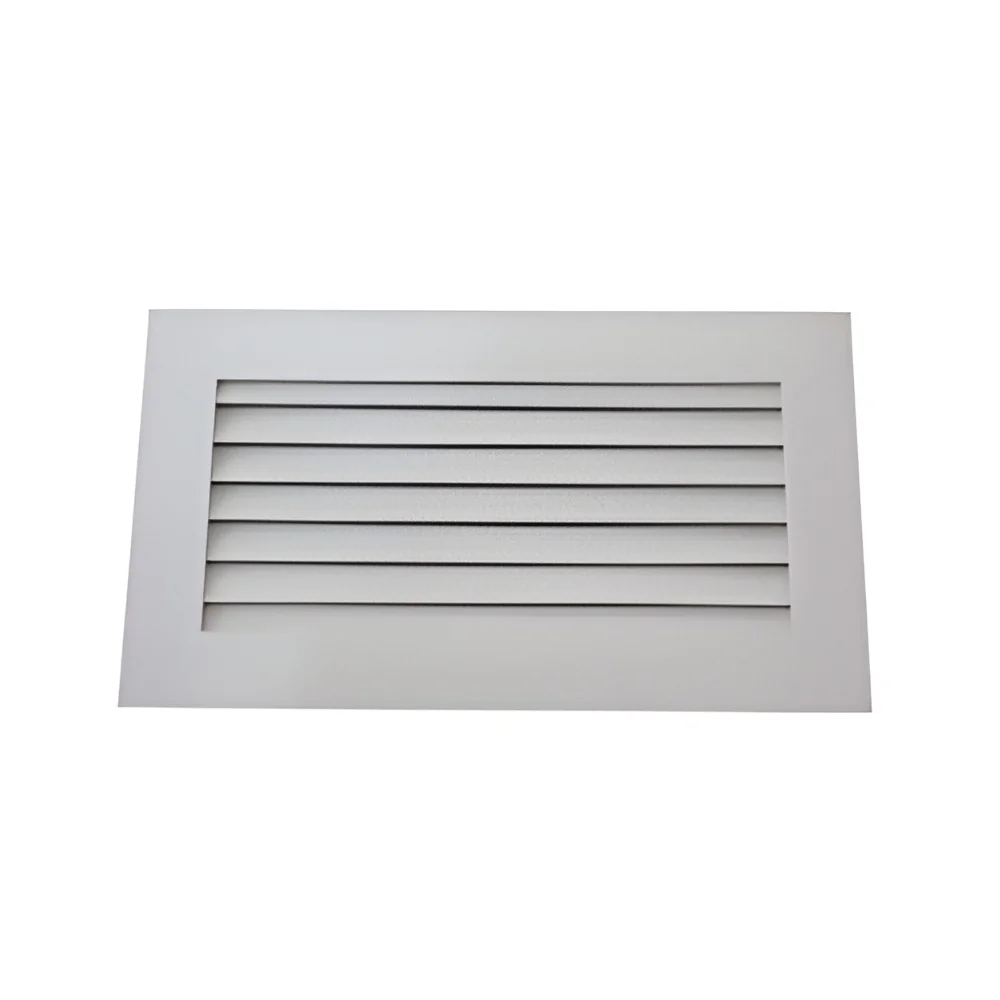
Ventilation Systems
6 products available
What are Ventilation Systems?
Ventilation systems are integral components in various industries, designed to ensure a continuous flow of fresh air while removing contaminants from indoor environments. These systems can be mechanical or natural, depending on the method of air circulation. Mechanical systems use fans and ducts, while natural systems rely on air movement through windows, vents, and other openings. The primary function of ventilation is to maintain air quality and thermal comfort, which is crucial for both human health and productivity.
In industrial settings, ventilation systems are employed to control temperature, reduce humidity, and manage indoor air pollutants. They find applications in manufacturing plants, warehouses, laboratories, and food processing facilities. Proper ventilation helps in compliance with health and safety regulations, making it essential for operational efficiency. The market for ventilation systems is growing, driven by increasing awareness regarding indoor air quality and stringent regulations across various sectors.
Key Features and Specifications
Ventilation systems come with a variety of features and specifications tailored to meet specific industrial needs. Understanding these specifications is crucial for selecting the right system for your business.
Key specifications include:
1. Airflow Rate
- Measurement of the volume of air moved by the system
- Typically measured in cubic feet per minute (CFM)
2. Energy Efficiency
- Rating that indicates the system's energy consumption
- Higher efficiency ratings lead to lower operational costs
3. Noise Level
- Measurement of sound produced by the system during operation
- Usually measured in decibels (dB)
4. Filtration System
- Type of filters used to remove particulates and contaminants from the air
- Different filter ratings such as HEPA or MERV
5. Control Options
- Availability of automated controls and sensors
- Options for manual or programmable settings
6. Ductwork Compatibility
- Suitability for existing ductwork or need for new installation
- Consideration of duct size and material
7. Temperature Control Features
- Ability to maintain desired temperature levels
- Options for heating or cooling capabilities
8. Humidity Control
- Systems designed to regulate moisture levels in the air
- Important for processes sensitive to humidity changes
In summary, understanding these features and specifications helps businesses select ventilation systems that align with their operational requirements.
Common Applications and Use Cases
Ventilation systems play a pivotal role in a variety of industrial applications.
1. Manufacturing: In manufacturing facilities, ventilation systems remove harmful fumes and dust particles generated during production processes. They help maintain a safe working environment and comply with health regulations.
2. Food Processing: In food processing plants, proper ventilation is essential for maintaining hygiene and preventing the growth of mold and bacteria. These systems ensure the air quality meets food safety standards.
3. Warehousing: Warehouses often require ventilation systems to manage temperature and humidity levels, especially when storing sensitive products. They help protect inventory and improve working conditions for staff.
4. Chemical Processing: In chemical plants, ventilation systems are critical for controlling toxic vapors and gases. They ensure that workers are not exposed to hazardous substances.
5. Laboratories: Laboratories need precise ventilation to maintain air quality and prevent contamination of experiments. Specialized systems help in controlling airflow and filtration.
Product Variants and Subcategories
Ventilation systems come in a range of variants to cater to different industrial needs.
Exhaust Ventilation Systems
These systems are designed to expel stale air and contaminants from a facility. They are often used in kitchens, laboratories, and manufacturing plants to ensure a safe and comfortable environment.
Supply Ventilation Systems
Supply ventilation systems bring in fresh air from outside to replace stale indoor air. They are commonly used in offices and commercial buildings to enhance air quality and comfort.
Balanced Ventilation Systems
These systems combine both exhaust and supply ventilation to maintain a balanced airflow. They are ideal for environments where both air quality and energy efficiency are priorities.
Benefits and Advantages
Investing in ventilation systems offers numerous benefits to businesses.
1. Improved Air Quality: Ventilation systems significantly enhance indoor air quality by removing pollutants and providing fresh air.
2. Enhanced Comfort: By regulating temperature and humidity, these systems create a more comfortable working environment for employees.
3. Compliance with Regulations: Proper ventilation helps businesses meet health and safety standards, reducing the risk of penalties.
4. Energy Efficiency: Modern ventilation systems are designed to operate efficiently, lowering energy costs over time.
5. Increased Productivity: A well-ventilated environment contributes to employee well-being and productivity, leading to better overall performance.
6. Reduced Maintenance Costs: Effective ventilation can minimize the build-up of dust and contaminants, leading to lower maintenance needs for equipment and facilities.
Buying Guide for B2B Buyers
When looking to purchase ventilation systems, it is important for buyers to consider several factors to ensure a successful acquisition.
1. Quality Assessment: Evaluate the quality of the system by checking certifications and compliance with industry standards. Look for systems that meet recognized quality benchmarks.
2. Supplier Verification: Vet suppliers by reviewing their history, customer feedback, and certifications. A reliable supplier will have a proven track record of delivering high-quality products.
3. Pricing and MOQ: Understand the pricing structure and minimum order quantities (MOQ) required by suppliers. This helps in budgeting and planning your purchase effectively.
4. Delivery and Lead Times: Discuss logistics with suppliers to understand delivery schedules and lead times. Timely delivery is crucial to maintain project timelines.
5. Compliance Requirements: Ensure that the chosen ventilation system complies with local and international regulations. This includes safety standards and environmental regulations.
Compliance and Certifications
Ventilation systems are subject to various quality and safety standards that ensure their efficiency and reliability.
ISO 9001 is a widely recognized standard that outlines quality management principles. Compliance with this standard indicates that the manufacturer consistently meets customer and regulatory requirements.
CE certification is essential for ventilation systems sold in Europe, indicating that the product meets health, safety, and environmental protection standards.
Safety and testing requirements are also critical, with products undergoing rigorous assessments to ensure they operate safely under expected conditions.
Regional compliance considerations may vary based on local laws and regulations, making it important for buyers to be aware of these factors when sourcing systems.
Why Source Ventilation Systems from Pepagora?
Pepagora offers a trusted platform for sourcing ventilation systems, providing several key advantages for businesses.
Verified Supplier Network: Pepagora ensures that all suppliers are thoroughly vetted for quality and reliability. This gives buyers the confidence that they are working with trustworthy partners.
Streamlined RFQ Process: The request for quotation process is simplified, allowing buyers to easily compare offers and select the best option based on their specific needs.
Trade Assurance and Support: Buyers are protected through trade assurance, ensuring that financial transactions are secure and that support is available throughout the purchasing process.
Regional Coverage: With extensive reach into markets such as India, the GCC, and Southeast Asia, Pepagora connects businesses with suppliers that can meet their ventilation system needs effectively and efficiently.


Frequently Asked Questions
What are Ventilation Systems?
Ventilation Systems are designed to control and improve the quality of air within an indoor environment. They facilitate the exchange of indoor air with fresh outdoor air, helping to remove pollutants, excess moisture, and odors.
What are the different types of Ventilation Systems?
There are several types of Ventilation Systems, including natural ventilation, mechanical ventilation, and hybrid systems. Natural ventilation relies on wind and thermal buoyancy, while mechanical systems involve fans and ducts to circulate air. Hybrid systems combine both methods for optimal performance.
How do I choose the right Ventilation Systems?
Choosing the right Ventilation System depends on factors such as the size of the space, the number of occupants, and specific air quality needs. It is essential to assess the building layout and consider energy efficiency, noise levels, and maintenance requirements.
What are the standard specifications for Ventilation Systems?
Standard specifications for Ventilation Systems typically include airflow rates, efficiency ratings, and noise levels. It is also important to consider the materials used, filter sizes, and control options to ensure compatibility with your specific application.
What is the price range for Ventilation Systems?
The price range for Ventilation Systems can vary widely based on type, size, and features. Generally, prices can start from a few thousand rupees for basic systems to several lakhs for advanced, large-scale installations.
What quality standards apply to Ventilation Systems?
Quality standards for Ventilation Systems may include ISO certifications, ASHRAE guidelines, and local building codes. Compliance with these standards ensures that the systems perform efficiently and safely in their intended environments.
Where can I find Ventilation Systems suppliers in India?
You can find Ventilation Systems suppliers in India through B2B marketplaces like Pepagora, industry trade shows, and online directories. It is advisable to check supplier credentials and reviews to ensure reliability.
Can Ventilation Systems be customized?
Yes, many manufacturers offer customization options for Ventilation Systems to meet specific needs. Customization may include adjustments in size, airflow capacities, and control systems to better suit the application.
What is the typical minimum order quantity for Ventilation Systems?
The typical minimum order quantity (MOQ) for Ventilation Systems can vary by manufacturer but usually ranges from 10 to 50 units. Higher quantities may be required for customized systems or specific configurations.
What is the typical lead time for Ventilation Systems?
The typical lead time for Ventilation Systems can range from a few weeks to several months, depending on the complexity of the order and availability of materials. It is advisable to confirm lead times with suppliers before placing an order.
Why Businesses Trust Pepagora
Thousands of companies trust Pepagora to source smarter and sell faster
Expand Your Sales Globally

Source Smarter,Grow Faster
