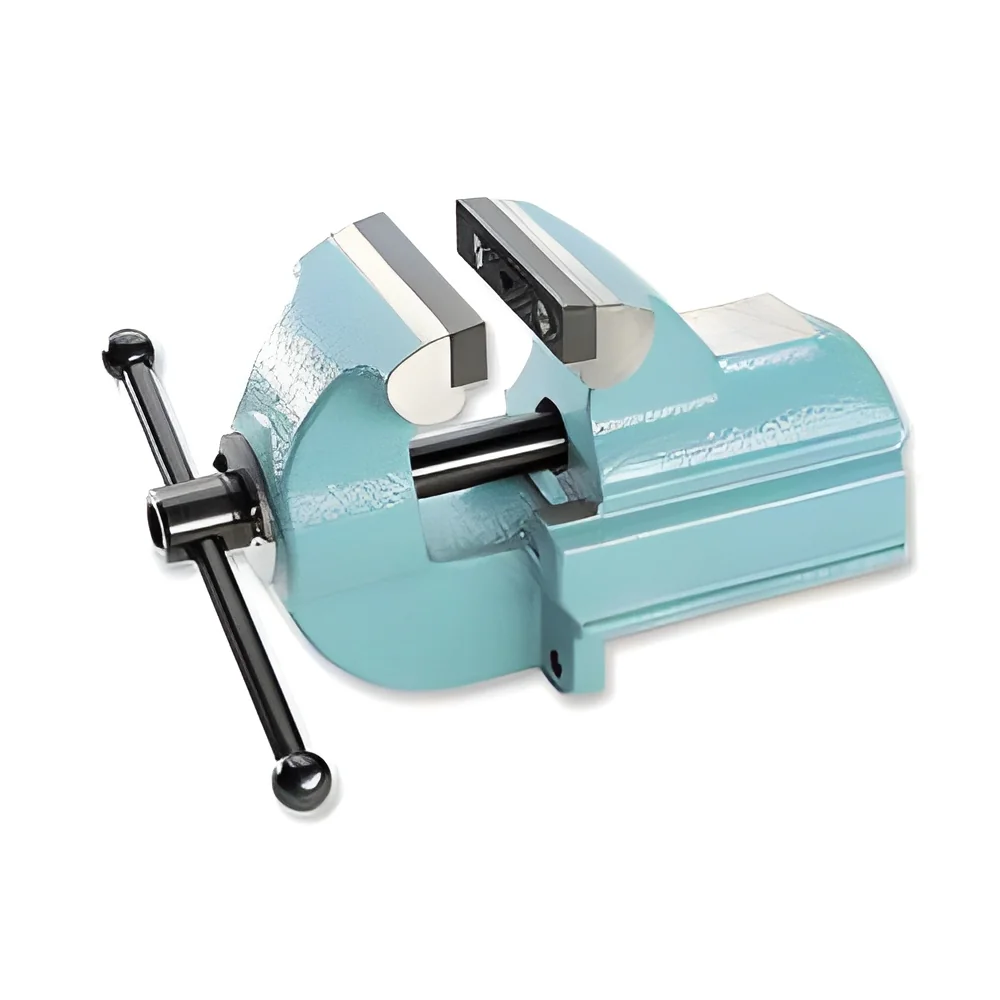
What are Bench Vices & Clamps?
Bench vices and clamps are essential tools used in various industries for securing workpieces in place during operations such as cutting, drilling, or assembling. A bench vice typically consists of a sturdy frame with jaws that can be adjusted to hold objects firmly. Clamps, on the other hand, come in various shapes and sizes, designed to apply pressure to workpieces to keep them stationary.
These tools find primary use in metalworking, woodworking, and construction. In metalworking, bench vices are invaluable for holding metal pieces securely to facilitate tasks such as welding or machining. In woodworking, clamps provide the necessary grip to hold together pieces during gluing or assembly. Their versatility makes them a staple in workshops and manufacturing environments across multiple sectors.
The market for bench vices and clamps is robust, driven by growth in industries such as automotive manufacturing, construction, and home improvement. As businesses seek reliable tools to enhance productivity and efficiency, the demand for high-quality bench vices and clamps continues to rise. This trend underscores the importance of selecting the right tools to meet specific application needs.
Key Features and Specifications
When selecting bench vices and clamps, several key features and specifications should be considered to ensure optimal performance. These specifications help buyers make informed decisions based on their specific needs and applications.
Key specifications include:
1. Jaw Width
- The width of the jaws determines the size of the workpiece that can be held.
- Common ranges vary from 4 inches to 12 inches.
2. Jaw Opening
- This measurement indicates the maximum distance between the jaws when fully opened.
- Typical ranges are from 3 inches to 8 inches.
3. Material
- Bench vices are often made from cast iron or steel for durability.
- High-quality models may feature a powder-coated finish for corrosion resistance.
4. Weight Capacity
- Indicates the maximum weight the vice or clamp can support.
- Typical capacities can range from 100 lbs to 500 lbs.
5. Mounting Type
- Vices can be mounted to workbenches using bolt-on or clamp-on designs.
- Each type offers different levels of stability and mobility.
6. Clamping Force
- Refers to the amount of pressure applied by the clamp or vice.
- Effective clamping force can range from 1,000 to 3,000 pounds.
7. Adjustability
- Many clamps offer adjustable features for versatility in application.
- Look for models that include quick-release mechanisms.
8. Certifications
- Ensure that products meet industry standards such as CE certification for safety and quality assurance.
In summary, understanding these specifications will assist buyers in selecting bench vices and clamps that align with their operational requirements and ensure reliability in their tasks.
Common Applications and Use Cases
Bench vices and clamps are utilized across a variety of industries for multiple applications.
1. Metalworking: In metal fabrication shops, bench vices are crucial for holding metal parts during cutting and welding processes, ensuring precision and safety.
2. Woodworking: Carpenters use clamps to secure wood pieces during assembly, allowing for clean joints and strong bonds when using adhesives.
3. Automotive: In automotive repair and manufacturing, these tools are used to hold components securely while performing maintenance or assembly tasks.
4. Construction: Clamps support various building materials during installation, providing stability in structural assembly and finishing work.
5. Electronics: In electronics manufacturing, vices hold circuit boards in place while components are soldered or assembled, preventing movement that could cause errors.
6. DIY Projects: Hobbyists and DIY enthusiasts rely on bench vices and clamps for home improvement tasks, ensuring accuracy and safety in their projects.
7. Metal Art: Artists and craftsmen use clamps to hold pieces together while welding or creating metal sculptures, allowing for intricate designs.
Product Variants and Subcategories
Bench vices and clamps come in various forms, each designed for specific applications and user preferences.
Fixed Bench Vice: This is the most common type, featuring a stationary base and adjustable jaws. It is ideal for general-purpose tasks in workshops and garages.
Pipe Vice: Specifically designed to grip cylindrical objects like pipes, this variant features curved jaws to prevent slippage. It is widely used in plumbing and metalworking.
C-Clamp: A versatile tool that can be used in various applications, C-clamps are characterized by their C-shaped frame and screw mechanism, making them easy to adjust for different workpieces.
Quick-Release Clamp: This type features a mechanism that allows for rapid adjustment and release, saving time during repetitive tasks. It is popular in woodworking for clamping multiple pieces quickly.
Parallel Clamp: Designed to apply even pressure across the entire surface of a workpiece, parallel clamps are favored in woodworking for glue-ups, ensuring strong, flat joints.
Benefits and Advantages
Bench vices and clamps offer several advantages that enhance productivity and safety in industrial and workshop environments.
1. Improved Stability: These tools provide a secure hold on workpieces, reducing the risk of movement during operations and increasing accuracy.
2. Enhanced Safety: By keeping hands away from cutting or drilling tools, they minimize the risk of accidents, protecting workers from injury.
3. Versatility: With various types and sizes available, bench vices and clamps can be used in multiple applications across different industries.
4. Time Efficiency: Quick-release mechanisms and adjustable features facilitate faster setup and teardown, allowing for increased workflow.
5. Durability: High-quality materials and construction ensure longevity, even under heavy use, making them a smart investment for businesses.
6. Cost-Effectiveness: Investing in reliable bench vices and clamps reduces the need for replacements and repairs, delivering long-term savings.
Buying Guide for B2B Buyers
When sourcing bench vices and clamps, there are several key factors to consider to ensure you make the right purchase for your business needs.
1. Quality Assessment: Look for products made from durable materials that meet industry standards. Assessing the quality ensures longevity and performance under heavy usage.
2. Supplier Verification: Vet suppliers to confirm their reputability and history of delivering reliable products. Request references or reviews to gauge their reliability.
3. Pricing and MOQ: Understand the pricing structure and minimum order quantity (MOQ) requirements. This helps in budgeting and planning for inventory needs.
4. Delivery and Lead Times: Inquire about the expected delivery timelines and lead times. Timely deliveries are crucial to maintain project schedules.
5. Compliance Requirements: Ensure that the products comply with relevant safety and industry standards, such as CE certification, to avoid regulatory issues.
Compliance and Certifications
Bench vices and clamps are subject to various quality standards and certifications that ensure their safety and performance in industrial applications. ISO 9001 is a common quality management standard that indicates a manufacturer’s commitment to quality and continuous improvement. This certification is crucial for businesses looking to source reliable tools that meet specific quality benchmarks.
Additionally, CE certification signifies that products meet European health, safety, and environmental protection standards. This is particularly important for companies operating in regions where compliance with European standards is mandatory.
Safety and testing requirements also play a vital role in the design and manufacture of bench vices and clamps. Manufacturers must adhere to rigorous testing protocols to ensure that tools can withstand specified loads and pressures without failure.
Regional compliance considerations may vary based on local regulations. Buyers should familiarize themselves with these requirements to ensure that their sourced products meet all necessary legal standards.
Why Source Bench Vices & Clamps from Pepagora?
Pepagora provides a trusted platform for sourcing bench vices and clamps, offering several key advantages that benefit B2B buyers.
Verified Supplier Network: Pepagora has established a network of verified suppliers who meet stringent quality standards. This ensures that buyers can source reliable products without concern.
Streamlined RFQ Process: The request for quotation (RFQ) process is designed to be efficient and user-friendly. Buyers can easily compare quotes and select the best options for their needs.
Trade Assurance and Support: Pepagora offers trade assurance to protect buyers' investments. This support ensures that transactions are secure and that customers receive the products as promised.
Regional Coverage: With a strong presence in India, the GCC, and Southeast Asia, Pepagora connects buyers with suppliers across these regions, facilitating smooth trade and logistics. This geographic reach enhances accessibility and convenience for businesses looking to source bench vices and clamps.

 IN
IN