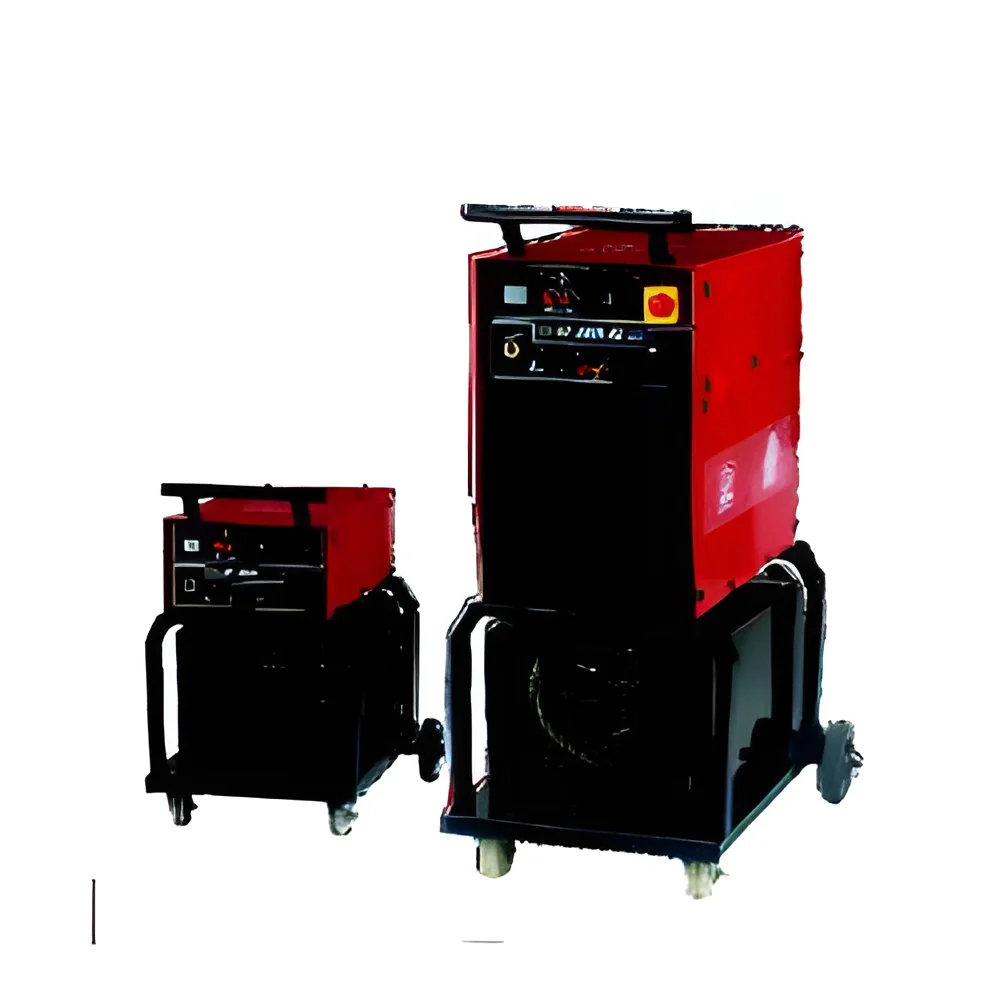
What are TIG Welding Machines?
TIG welding machines, or Tungsten Inert Gas welding machines, are advanced tools used for joining metals through a process that employs a non-consumable tungsten electrode. This technique is known for its precision and ability to produce high-quality welds on a variety of materials, including stainless steel, aluminum, and copper alloys. The process involves shielding the weld area from atmospheric contamination by an inert gas, typically argon or helium, which helps ensure a clean and strong weld.
These machines are predominantly used in industries that require high-quality welding, such as aerospace, automotive, and fabrication. Businesses in these sectors benefit from the accuracy and control provided by TIG welding machines, making them ideal for thin materials and intricate welds. The versatility of TIG welding also allows for its application in artistic metalwork and repair jobs, further broadening its usage across different sectors. With increasing demands for precision welding, the market for TIG welding machines continues to grow, reflecting their significance in modern manufacturing.
Key Features and Specifications
TIG welding machines come equipped with a variety of features that enhance their performance and usability. Understanding these specifications is crucial for selecting the right machine for your needs.
Key specifications include:
1. Power Output
- Ranges from 130 to 400 amps, suitable for different thicknesses of materials.
2. Duty Cycle
- Typically between 20% to 60%, indicating how long the machine can operate continuously before needing a cooling period.
3. Voltage
- Standard operating voltage often ranges from 110V to 230V, depending on the model.
4. Gas Flow Rate
- Adjustable flow rates, generally between 5 to 25 liters per minute, to optimize shielding.
5. Torch Type
- Available in air-cooled or water-cooled options, affecting portability and cooling efficiency.
6. Control Type
- Features include manual and digital controls for ease of operation and precision settings.
7. Portability
- Lightweight designs available, weighing between 20 to 70 pounds, enhancing mobility.
8. Additional Features
- Some machines come with built-in foot pedals, digital displays, and advanced safety mechanisms.
In summary, selecting a TIG welding machine involves understanding these key specifications to match the equipment with specific welding requirements and operational environments.
Common Applications and Use Cases
TIG welding machines are utilized in numerous industries, showcasing their versatility and effectiveness.
1. Aerospace: TIG welding is essential in the aerospace industry for fabricating components that require precise and strong welds, including structural frames and fuel tanks.
2. Automotive: In automotive manufacturing, TIG welding is used for creating high-quality joints in exhaust systems, chassis, and bodywork, particularly with thin materials.
3. Fabrication: Fabricators use TIG welding for custom metalwork and repairs, capitalizing on its ability to produce clean and aesthetic welds.
4. Marine: In shipbuilding, TIG welding is employed for welding aluminum and stainless steel components, ensuring durability in harsh environments.
5. Medical Equipment: The medical device industry relies on TIG welding for assembling components made from stainless steel and titanium, where hygiene and precision are critical.
6. Art and Sculpture: Artists and metalworkers utilize TIG welding for creating intricate sculptures and artistic pieces, benefiting from its precision in detailing.
7. HVAC: In the HVAC sector, TIG welding is used for joining copper pipes and components, ensuring leak-tight connections in systems.
Product Variants and Subcategories
TIG welding machines are available in various configurations to meet different needs and applications.
Portable TIG Welding Machines
These machines are designed for mobility and ease of use in various job sites. They typically offer a lower power output but maintain high precision, making them ideal for smaller projects and repairs.
Industrial TIG Welding Machines
Built for heavy-duty applications, these machines provide higher power outputs and longer duty cycles. They are suitable for large-scale manufacturing and fabrication where continuous operation is necessary.
Multi-Process Welding Machines
These versatile units combine TIG welding capabilities with MIG and stick welding options. This flexibility allows users to handle a wider range of welding tasks with a single machine.
Digital TIG Welding Machines
Equipped with advanced digital controls, these machines offer enhanced precision and ease of use. Features like programmable settings and digital displays make them suitable for both novice and experienced welders.
Benefits and Advantages
Investing in TIG welding machines comes with several significant benefits.
1. High-Quality Welds: TIG welding produces clean, precise, and aesthetically pleasing welds, making it ideal for applications where appearance matters.
2. Versatility: TIG machines can weld a variety of metals, including non-ferrous materials, which broadens their application scope.
3. Control: The operator has greater control over the welding process, allowing for adjustments in heat and speed, which results in superior weld quality.
4. Minimal Cleanup: The inert gas shielding reduces the amount of slag and spatter, leading to less post-weld cleanup.
5. Fine Detail Work: Ideal for thin metals and intricate designs, TIG welding is favored in industries requiring high precision.
6. Cost-Effectiveness: Although the initial investment may be higher, the efficiency and quality of TIG welding can lead to cost savings in materials and labor over time.
Buying Guide for B2B Buyers
When sourcing TIG welding machines, several factors should be considered to ensure a suitable purchase.
1. Quality Assessment: Look for machines that adhere to industry standards and come with warranties. Check for customer reviews and performance ratings to gauge quality.
2. Supplier Verification: Vet suppliers to ensure they are reputable and have a track record of delivering reliable products. Request references and inspect their certifications.
3. Pricing and MOQ: Compare pricing among suppliers and be aware of minimum order quantities. Evaluate the total cost of ownership beyond just the initial price.
4. Delivery and Lead Times: Confirm delivery schedules and lead times to ensure the machines arrive when needed. Discuss logistics details with suppliers.
5. Compliance Requirements: Ensure the machines comply with relevant safety and industry standards. Check for necessary certifications like CE to meet regulatory expectations.
Compliance and Certifications
Compliance and certifications are critical for TIG welding machines to ensure safety and performance standards are met.
ISO 9001 is a key quality management standard that outlines requirements for effective quality management systems. Manufacturers of TIG welding machines should adhere to this standard to ensure consistent quality and customer satisfaction.
CE certification indicates conformity with health, safety, and environmental protection standards for products sold within the European Economic Area. This certification assures buyers that the machines meet essential safety requirements.
Additionally, TIG welding machines must comply with various safety and testing requirements that ensure operator safety and equipment reliability. These may include electrical safety tests and performance validations.
Regional compliance considerations may vary, so it's important for buyers to be aware of specific regulations applicable in their area, ensuring that their chosen machines meet all local compliance standards.
Why Source TIG Welding Machines from Pepagora?
Pepagora provides a trusted platform for sourcing TIG welding machines, offering several key advantages that benefit B2B buyers.
Verified Supplier Network: Pepagora ensures that all suppliers in its network are thoroughly vetted. This verification process guarantees that buyers are working with reputable manufacturers, reducing the risk of receiving substandard products.
Streamlined RFQ Process: The request for quotation (RFQ) process on Pepagora is designed to be simple and efficient. Buyers can easily submit their requirements and receive competitive quotes from multiple suppliers, enabling informed decision-making.
Trade Assurance and Support: Pepagora offers trade assurance to protect buyers throughout the purchasing process. This includes support for resolving disputes and ensuring that products meet specified requirements upon delivery.
Regional Coverage: Pepagora's geographic reach extends across India, the GCC, and Southeast Asia, providing buyers with access to a wide range of suppliers and products tailored to their specific region and market needs.
By leveraging Pepagora's resources and expertise, businesses can confidently source high-quality TIG welding machines that meet their operational requirements.

 IN
IN