IN
IN₹
Apparel & Fashion
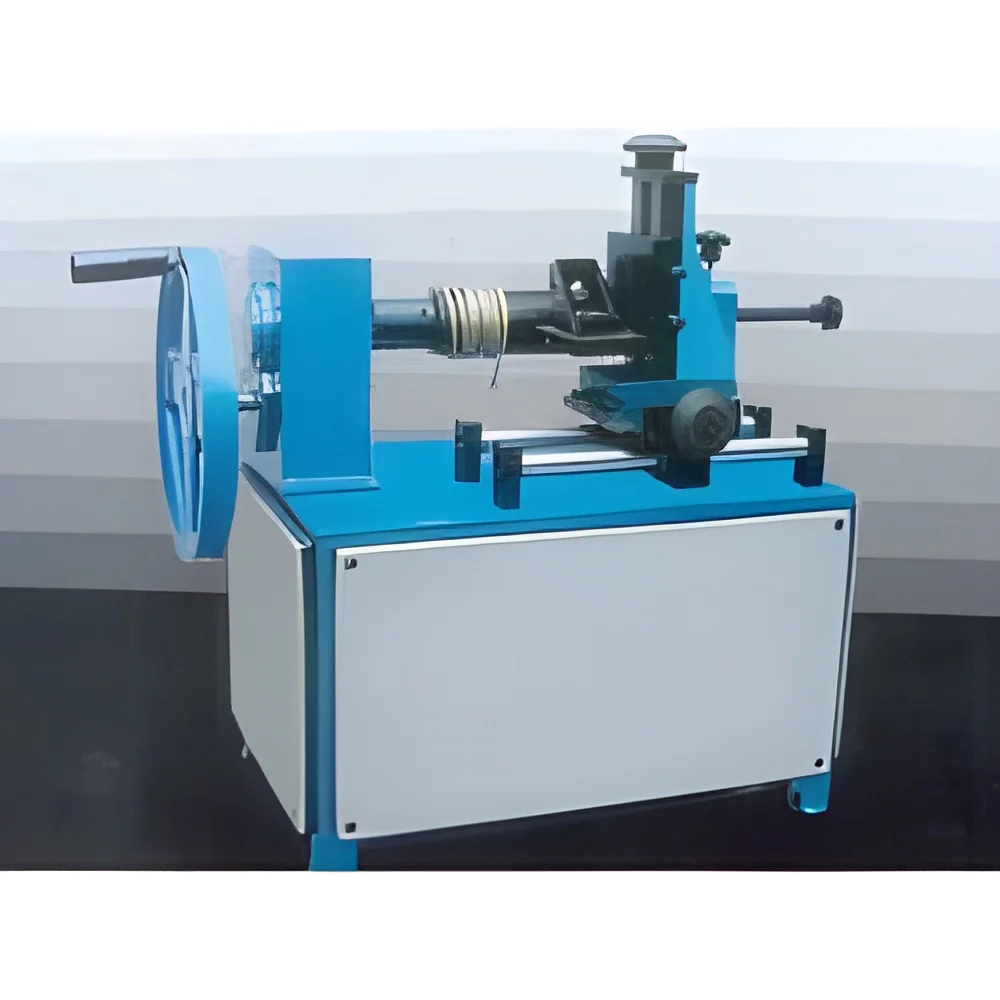
Description
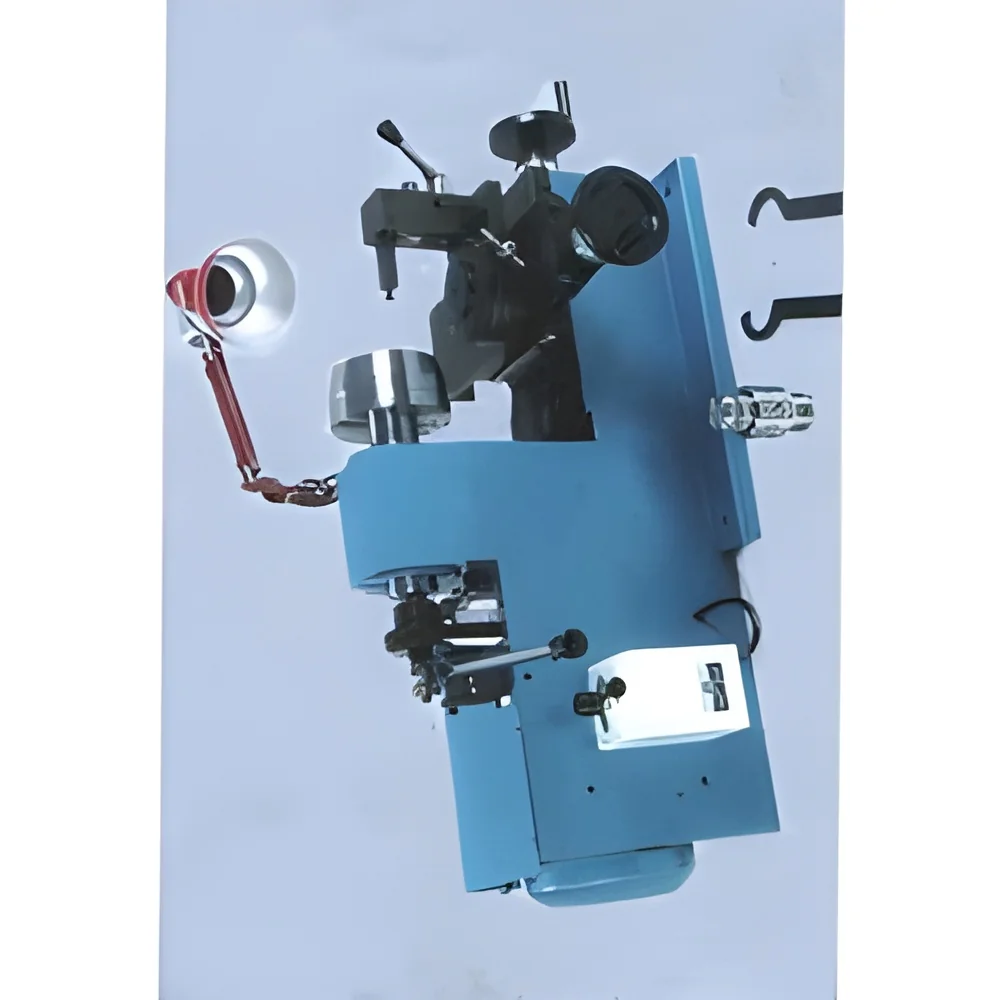
Manual tube bending machines represent precision metalworking tools engineered for accurate bending and shaping of metal tubes through hand-operated mechanisms. These robust machines function without electrical power requirements, making them exceptionally suitable for workshops and job sites where power availability may be limited or unreliable. Designed to handle various tube materials including mild steel, stainless steel, aluminum, and copper, these machines accommodate multiple diameters and wall thicknesses while providing operators complete control over the bending process. The manual operation ensures precise angle formation and repeatable results, while durable construction components withstand daily industrial use, delivering reliable performance for custom tube forming applications that demand consistency and accuracy.

These versatile machines serve numerous industries including automotive repair, metal fabrication, HVAC services, and furniture manufacturing. Automotive wor...
Manual tube bending machines represent precision metalworking tools engineered for accurate bending and shaping of metal tubes through hand-operated mechanisms. These robust machines function without electrical power requirements, making them exceptionally suitable for workshops and job sites where power availability may be limited or unreliable. Designed to handle various tube materials including mild steel, stainless steel, aluminum, and copper, these machines accommodate multiple diameters and wall thicknesses while providing operators complete control over the bending process. The manual operation ensures precise angle formation and repeatable results, while durable construction components withstand daily industrial use, delivering reliable performance for custom tube forming applications that demand consistency and accuracy.

These versatile machines serve numerous industries including automotive repair, metal fabrication, HVAC services, and furniture manufacturing. Automotive workshops utilize them for bending exhaust pipes and creating custom tubing for vehicle modifications and restoration projects. Metal fabrication shops depend on them for producing handrails, structural frames, and architectural components with precise bend specifications. HVAC technicians rely on these machines for shaping copper and aluminum tubes in refrigeration and air conditioning system installations. Furniture manufacturers employ them to form tubular frames for chairs, tables, and various products requiring curved metal elements. This cross-industry versatility makes manual tube bending machines indispensable assets for businesses engaged in metalworking and custom fabrication processes.

The business value of manual tube bending machines centers on their operational reliability, cost efficiency, and consistent performance. These machines require minimal maintenance and feature lower operating costs compared to powered alternatives, significantly reducing overall business expenses. Their manual operation eliminates electricity dependency, enabling continuous productivity during power outages or in remote locations without reliable power sources. The machines deliver uniform bending results that minimize material waste and rework requirements, ensuring projects meet quality standards and completion deadlines. Their durable construction translates to extended service life with minimal downtime, providing excellent return on investment for workshops and fabrication units focused on sustainable, efficient operations that maintain high productivity levels.

Key Features:
- Manual operation system requiring no electrical power source
- Compatibility with multiple tube materials including steel, aluminum, and copper
- Robust construction using durable components for extended service life
- Precision bending capability delivering consistent, accurate results
- Simple maintenance design minimizing operational downtime

Benefits:
- Eliminates electricity dependency for operation in any location
- Handles diverse materials and diameters for versatile applications
- Long-lasting performance with minimal maintenance requirements
- Consistent bending accuracy reducing material waste and rework
- Cost-effective operation with lower overall business expenses
Specifications
| Additional Information | |
|---|---|
| Country of Origin | India |
Application
Manual tube bending machines serve essential roles in metal fabrication and plumbing operations where precision bending is required without electrical power. These robust tools deliver consistent performance across various tube diameters and materials, making them ideal for workshops with limited infrastructure or remote job sites. Their manual operation ensures reliable performance in diverse working conditions while supporting small to medium production requirements with accuracy and control.
These machines are extensively utilized across HVAC contracting, automotive repair services, and furniture manufacturing facilities. They enable creation of custom bends for exhaust systems, structural frameworks, and architectural elements while maintaining cost-effectiveness and operational simplicity. The manual functionality reduces maintenance needs and operational costs, providing businesses with dependable metal forming capabilities that enhance productivity and quality output across multiple applications.
- Forming precise exhaust pipe bends for automotive repair and customization projects
- Creating architectural handrails and structural elements for construction sites
- Shaping tubular frames for furniture manufacturing and product assembly
- Bending copper and aluminum tubing for HVAC and refrigeration installations
- Producing custom framework components for industrial machinery and equipment
Trade Details
| Available Stock | In Stock |
| Sample Availability | No |
Payment Terms
| Payment Terms |
|
Company Profile
Bharat Machine Tools, Gujarat
 Gujarat, India
Gujarat, IndiaApparel & Fashion•Manufacturer•Distributor / Wholesaler•Importer / Exporter
Factory Details
Factory SizeBelow 1000 sqm
Annual Production Capacity0
Manual Tube Bending Machine For Metal Fabrication And Workshops
Manual tube bending machine delivers precise metal tube forming for workshops and fabrication units. This hand-operated equipment provides reliable bending without power dependency, supporting various tube materials and diameters for consistent results.
Min. Order Quantity: 1 unit
Shipping
Shipping fee and delivery date to be negotiated. Contact supplier now for more details.
Bharat Machine Tools
 Gujarat, India
Gujarat, IndiaApparel & FashionManufacturer