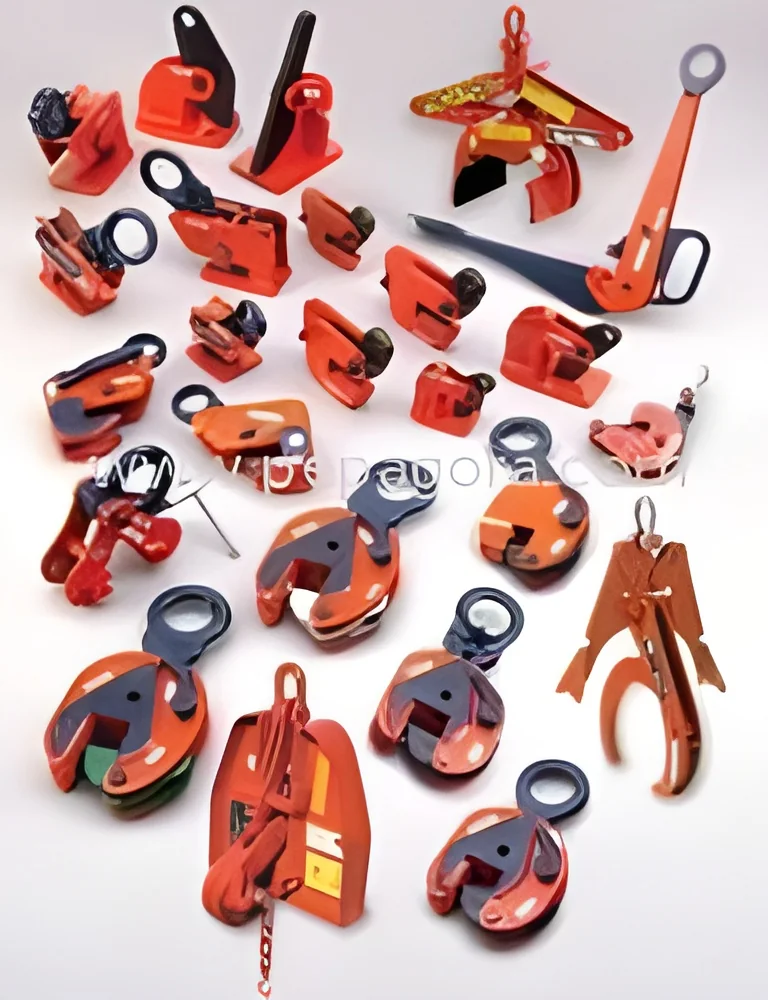
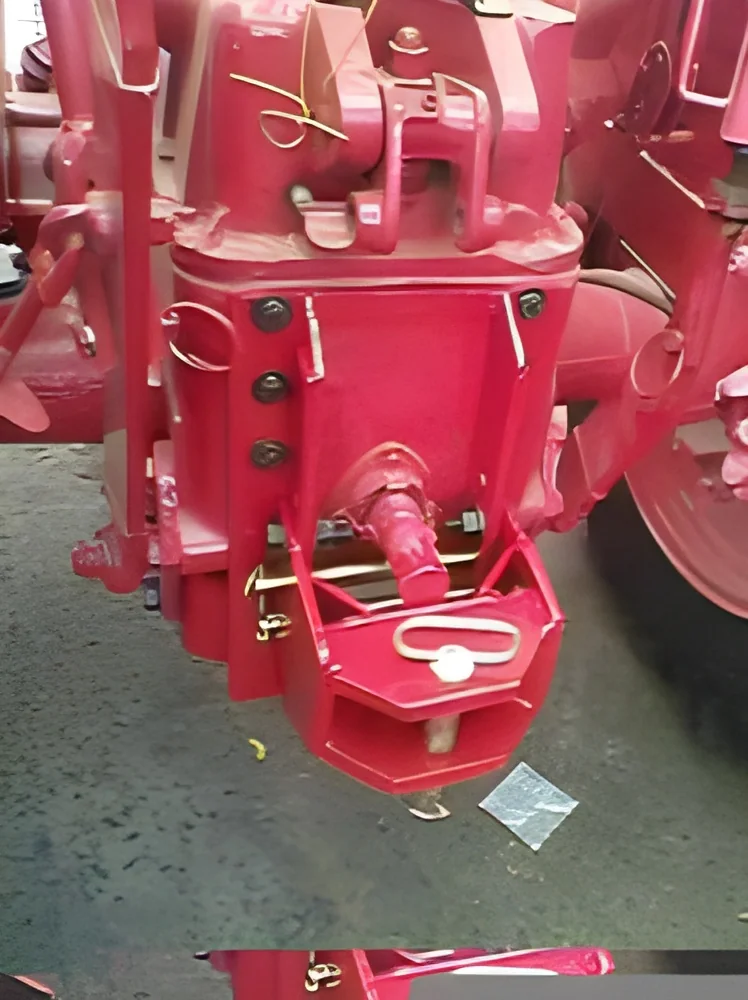
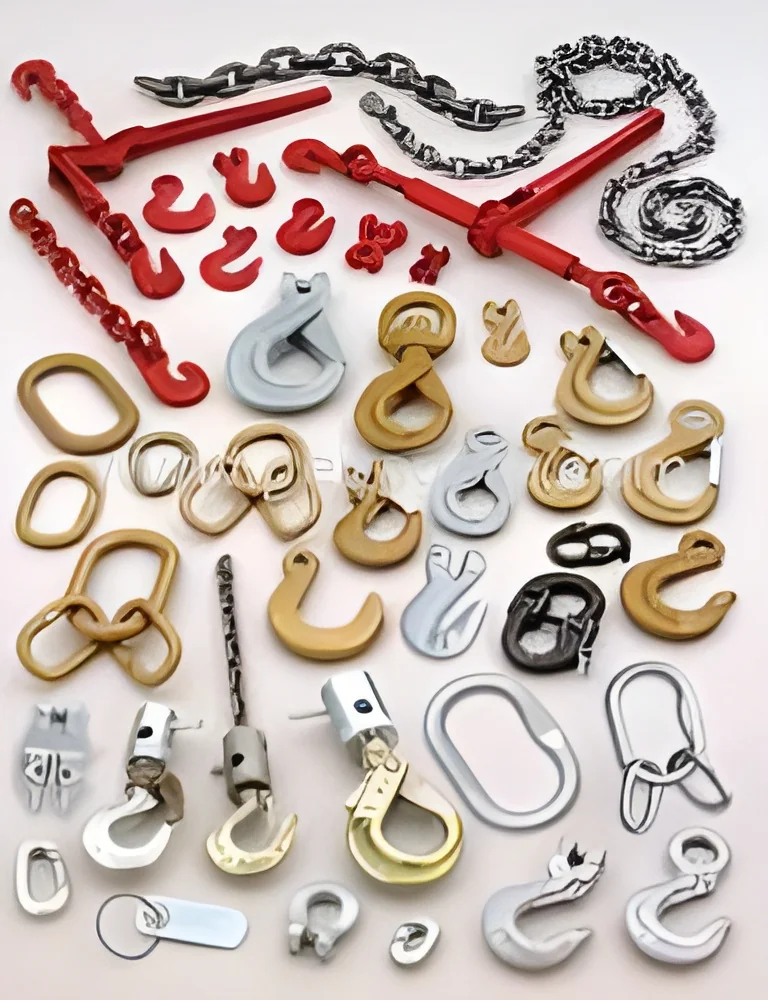
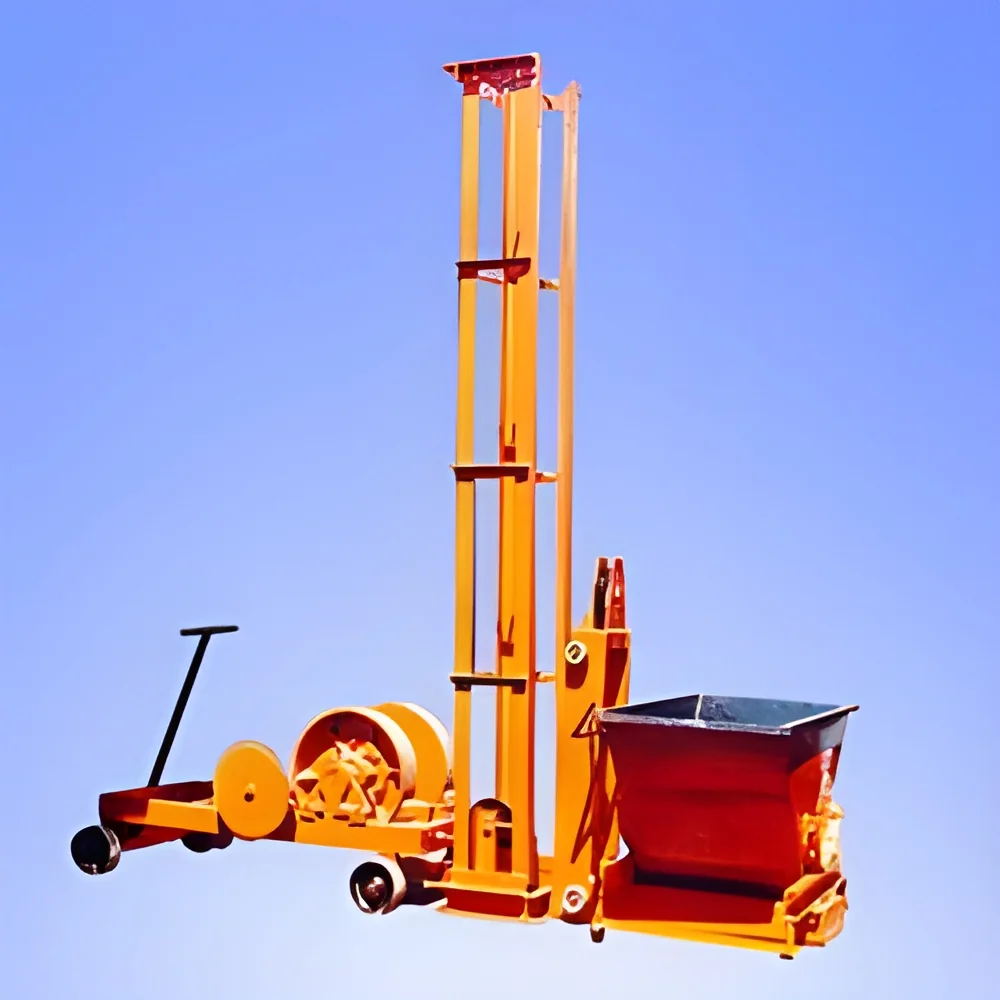
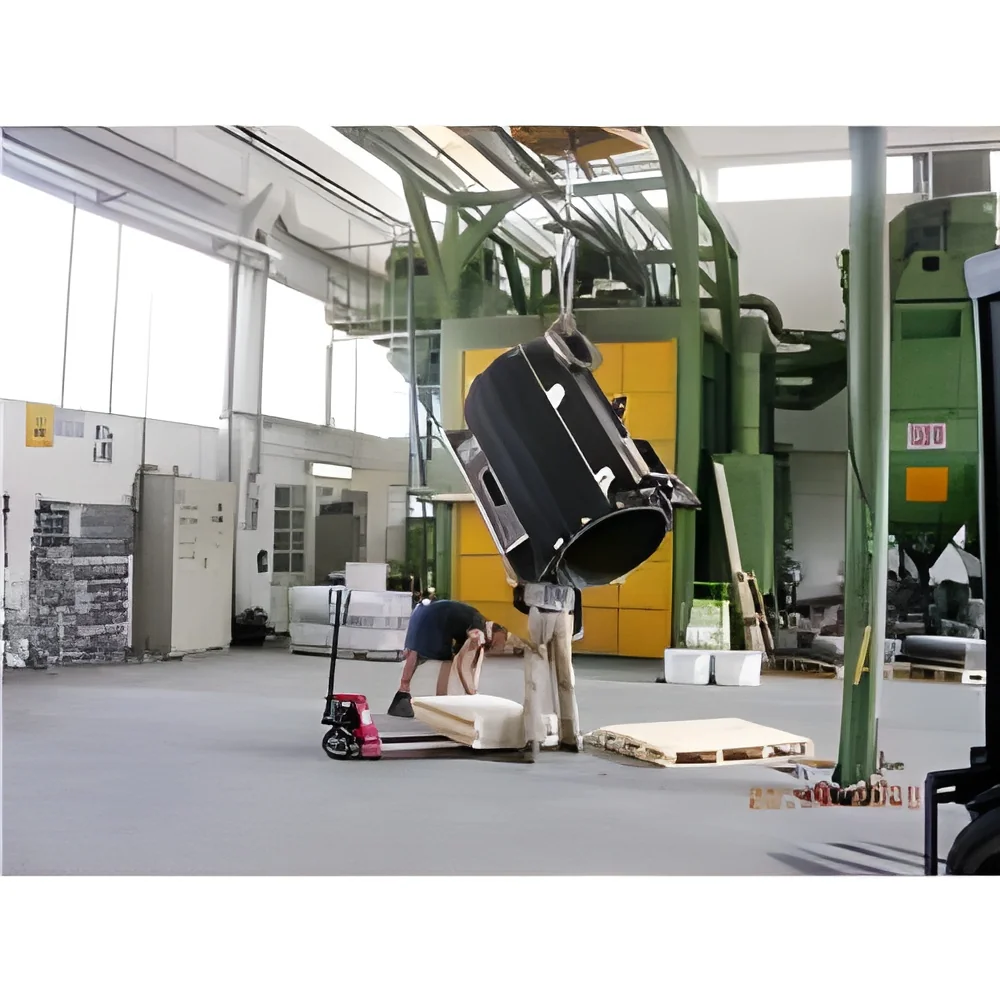
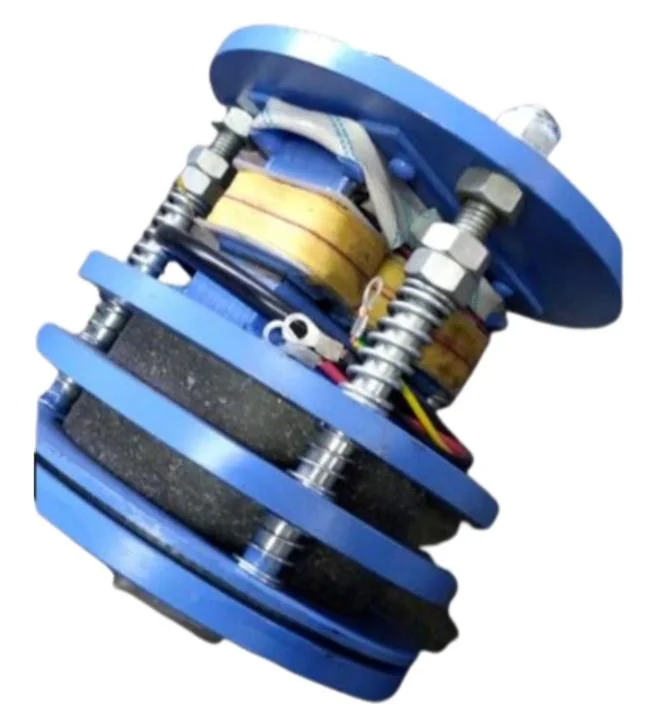
What are Engine Hoists & Cranes?
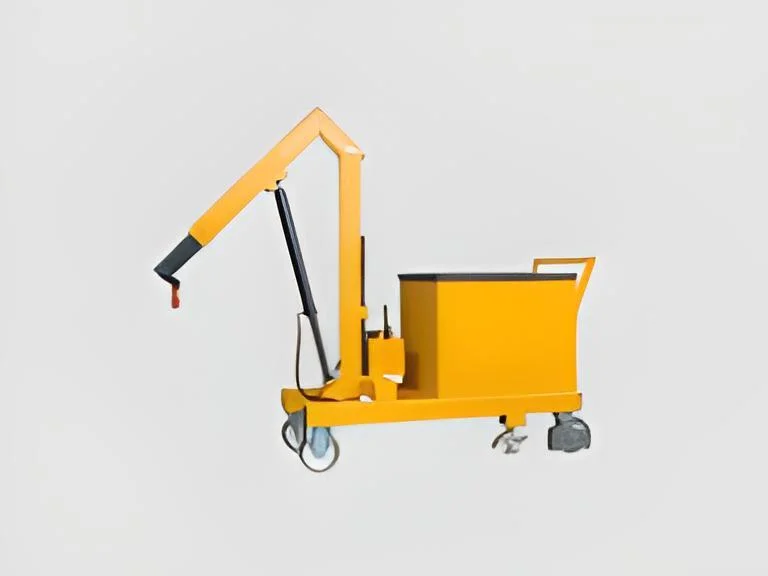
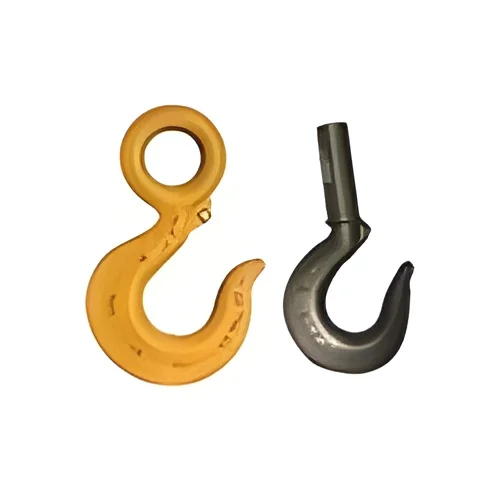
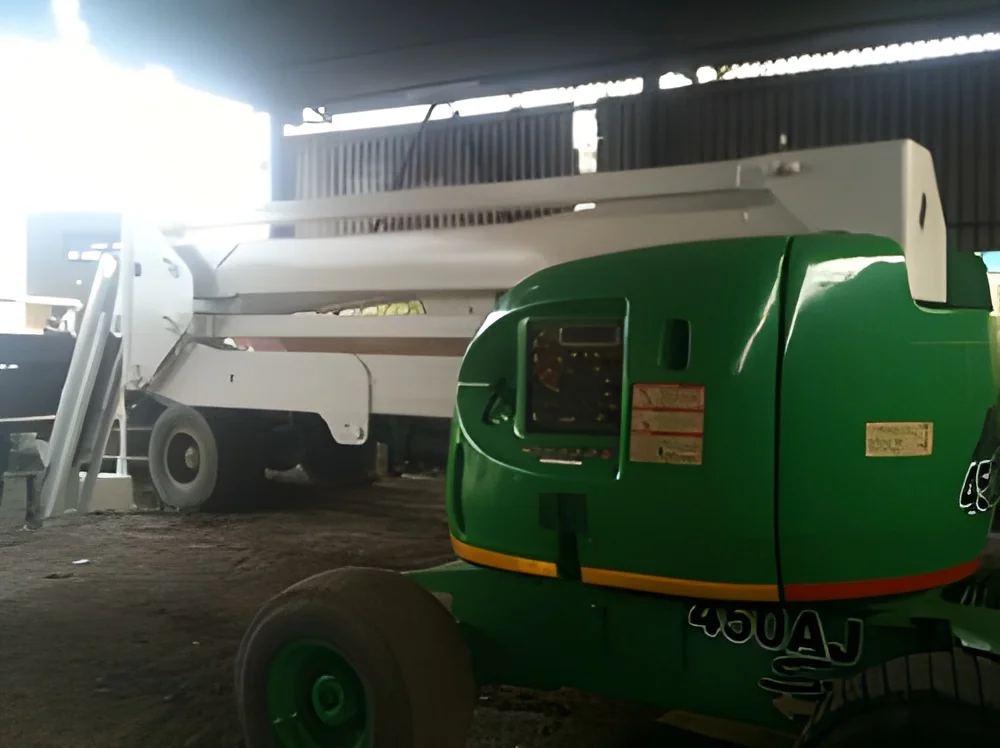
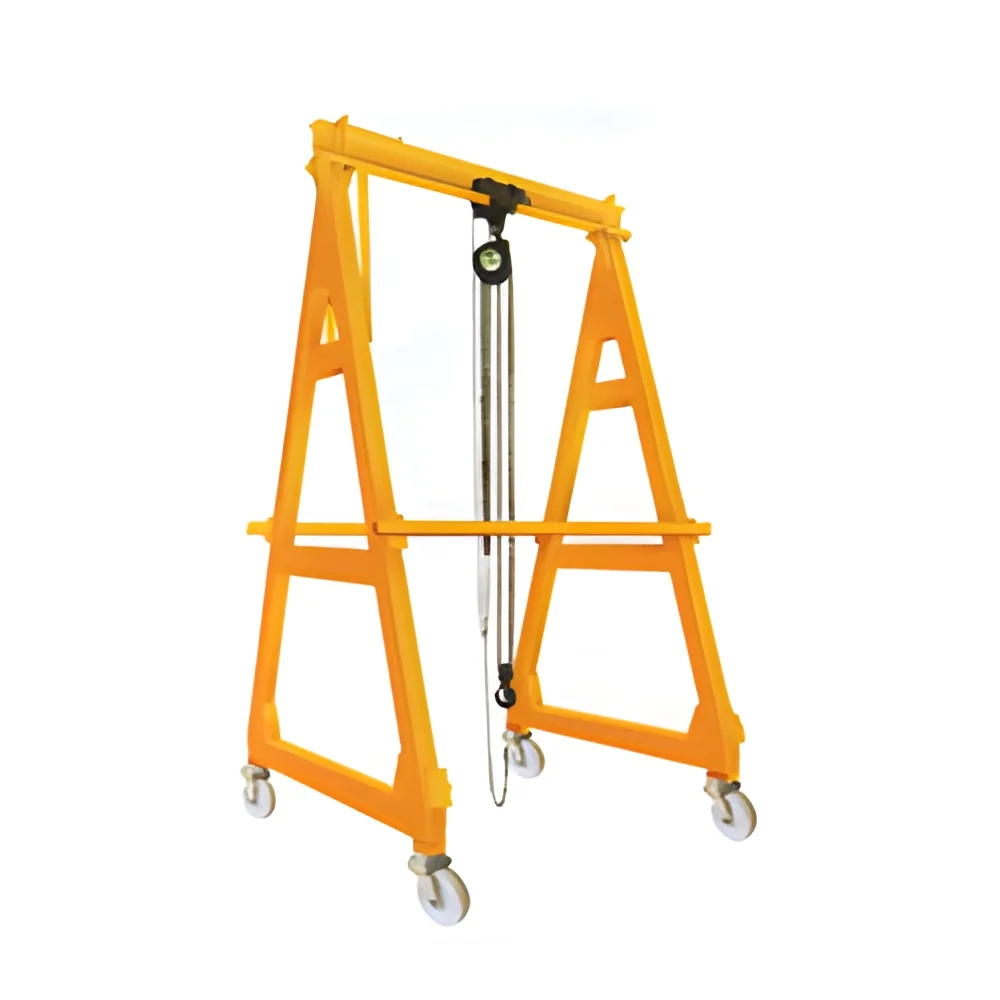
Engine hoists and cranes are essential lifting equipment designed for moving heavy loads in various industrial settings. Engine hoists typically consist of a sturdy frame with a hydraulic lifting mechanism, allowing for the safe and efficient lifting of engines and other substantial machinery. Cranes, on the other hand, come in various types and sizes, including mobile, overhead, and gantry cranes, each designed for specific lifting tasks.
These tools are widely used in automotive, construction, manufacturing, and shipping industries. They are crucial for tasks such as lifting engines into vehicles, moving heavy equipment on job sites, and handling materials in warehouses. The ability to lift and transport heavy loads safely and efficiently makes engine hoists and cranes vital for productivity and safety in any industrial operation.
In today's competitive market, the demand for high-quality lifting equipment continues to grow. Industries are increasingly focused on improving operational efficiency while ensuring worker safety. As a result, the market for engine hoists and cranes is expected to expand, driven by advancements in technology and manufacturing processes.
Key Features and Specifications
Engine hoists and cranes come equipped with several features that enhance their functionality and safety. Understanding these specifications is crucial for selecting the right equipment for your operations.
Key specifications include:
1. Load Capacity
- The maximum weight the hoist or crane can lift.
- Typically ranges from 1 ton to over 100 tons, depending on the model.
2. Lifting Height
- The maximum vertical distance the equipment can raise a load.
- Varies from 6 feet to over 30 feet for different models.
3. Arm Length
- The reach of the hoist or crane arm.
- Common lengths vary from 4 feet to 10 feet.
4. Construction Material
- Made from steel or aluminum for strength and durability.
- Steel models offer higher weight capacities.
5. Mobility
- Some cranes are fixed, while others are mobile with wheels.
- Mobile cranes are designed for flexible use across different locations.
6. Hydraulic System
- Many hoists use hydraulic systems for lifting.
- Ensure smooth and controlled lifting motions.
7. Safety Features
- Include overload protection and emergency stop functions.
- Essential for preventing accidents during operation.
8. Compliance Standards
- Many products meet international safety standards, such as CE certification.
- Important for ensuring equipment reliability and safety.
In summary, understanding these specifications helps businesses choose the right engine hoist or crane that meets their operational needs while ensuring safety and efficiency.
Common Applications and Use Cases
Engine hoists and cranes serve a wide range of industries, making them versatile tools in many settings.
1. Automotive Industry: Engine hoists are commonly used in automotive workshops for lifting engines out of and into vehicles. They enable mechanics to work efficiently on repairs and replacements.
2. Construction Industry: Cranes are essential for lifting heavy materials, such as steel beams and concrete blocks, on construction sites. They facilitate the assembly and disassembly of large structures.
3. Manufacturing Sector: In factories, cranes are used to move heavy machinery and components along assembly lines. This enhances productivity and reduces manual labor risks.
4. Shipping and Logistics: Cranes play a critical role in loading and unloading cargo containers at ports. They ensure the safe and efficient movement of goods.
5. Aerospace Industry: Engine hoists are used for lifting aircraft engines during maintenance and repairs. They provide the necessary height and control for safe handling.
6. Warehousing: Cranes are utilized in warehouses for moving heavy pallets and stock. This improves inventory management and storage solutions.
7. Mining Operations: Heavy-duty cranes are essential for lifting and moving equipment in mining sites, ensuring operational efficiency in harsh environments.
Product Variants and Subcategories
Engine hoists and cranes come in various configurations to suit different lifting needs.
Hydraulic Engine Hoists: These hoists utilize hydraulic power for lifting heavy loads smoothly and efficiently. They are ideal for automotive applications and can easily be maneuvered around a shop floor.
Electric Cranes: Designed for heavy lifting, electric cranes provide automated lifting with precision. They are suitable for manufacturing and assembly lines where repetitive lifting is required.
Manual Cranes: These cranes require human effort to operate, making them cost-effective for smaller operations. They are commonly used in workshops and garages for lighter lifting tasks.
Portable Engine Hoists: These compact hoists are easy to transport and set up, making them ideal for mobile mechanics or job sites where space is limited.
Heavy-Duty Cranes: Designed for industrial applications, these cranes can lift extremely heavy loads and are often used in construction and manufacturing settings.
Benefits and Advantages
Investing in engine hoists and cranes offers numerous advantages for businesses.
Key benefits include:
1. Increased Efficiency: These lifting tools streamline operations, allowing workers to move heavy items quickly and safely.
2. Enhanced Safety: Engine hoists and cranes reduce the risk of injury by eliminating the need for manual lifting, promoting a safer workplace.
3. Versatility: With various models and configurations available, these tools can adapt to different lifting tasks across multiple industries.
4. Cost Savings: By improving handling processes, businesses can reduce labor costs and minimize equipment damage during lifting.
5. Durability: High-quality hoists and cranes are built to withstand heavy use, ensuring long-term reliability and performance.
6. Compliance with Safety Standards: Many products meet relevant safety regulations, providing peace of mind for businesses concerned about adherence to industry standards.
Buying Guide for B2B Buyers
When sourcing engine hoists and cranes, it is essential to consider several factors to ensure you make the best choice for your operations.
1. Quality Assessment: Evaluate the build quality and materials used in the hoists and cranes. Look for reputable manufacturers known for durable and reliable products.
2. Supplier Verification: Vet suppliers thoroughly to ensure they have a good track record of delivering quality equipment. Check for customer reviews and industry certifications.
3. Pricing and MOQ: Understand the pricing structure and minimum order quantities (MOQ) required by suppliers. This will help you manage your budget effectively.
4. Delivery and Lead Times: Discuss delivery options and lead times with suppliers to ensure that you can meet your operational timelines.
5. Compliance Requirements: Verify that the equipment complies with necessary industry regulations and standards, such as CE certification. This is crucial for maintaining safety and quality.
Compliance and Certifications
Engine hoists and cranes must adhere to various compliance and certification standards to ensure safety and quality.
Relevant quality standards include ISO 9001, which outlines requirements for quality management systems, ensuring that manufacturers consistently provide products that meet customer and regulatory requirements.
Industry certifications like CE indicate that the equipment meets European safety standards. This certification is crucial for gaining trust and ensuring compliance in markets that require such standards.
Safety and testing requirements are vital in the manufacturing process of engine hoists and cranes. These requirements ensure that products can safely handle specified loads without risk of failure.
Regional compliance considerations may vary, so it is essential to check local regulations regarding the use of lifting equipment. Ensuring compliance with these standards helps businesses avoid legal issues and promotes a safe working environment.
Why Source Engine Hoists & Cranes from Pepagora?
Pepagora provides a trusted platform for sourcing engine hoists and cranes with several key advantages that benefit B2B buyers.
Verified Supplier Network: Pepagora connects buyers with a network of verified suppliers, ensuring that you can find reputable manufacturers and distributors. This network helps streamline the sourcing process and minimizes the risk of dealing with unqualified vendors.
Streamlined RFQ Process: The request for quotation (RFQ) process on Pepagora is designed to be user-friendly and efficient. Buyers can easily submit their requirements and receive competitive quotes from multiple suppliers, simplifying decision-making.
Trade Assurance and Support: Pepagora offers trade assurance, providing buyers with protection against potential issues in transactions. This support enhances buyer confidence when sourcing heavy lifting equipment.
Regional Coverage: With a strong presence in India, the GCC, and Southeast Asia, Pepagora ensures that buyers have access to a diverse range of suppliers in these regions. This geographic reach facilitates timely procurement and supports local industries.

 IN
IN