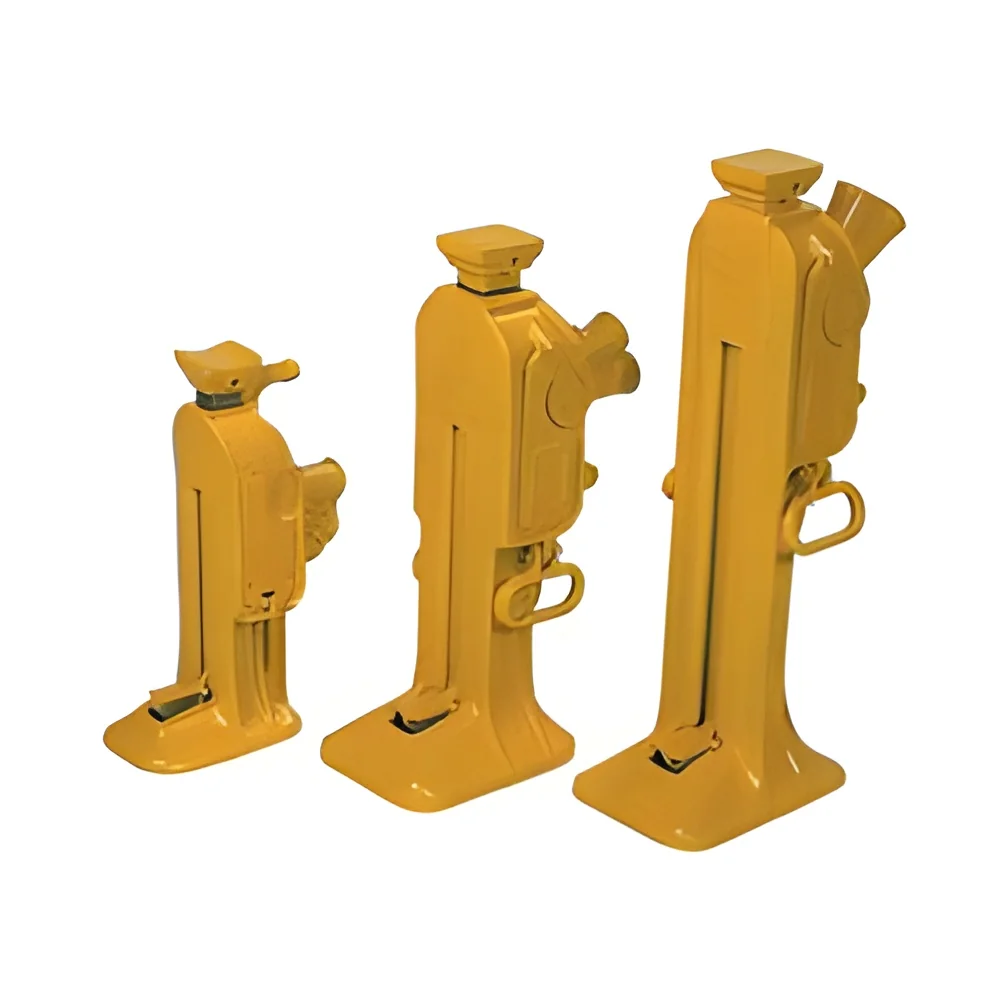
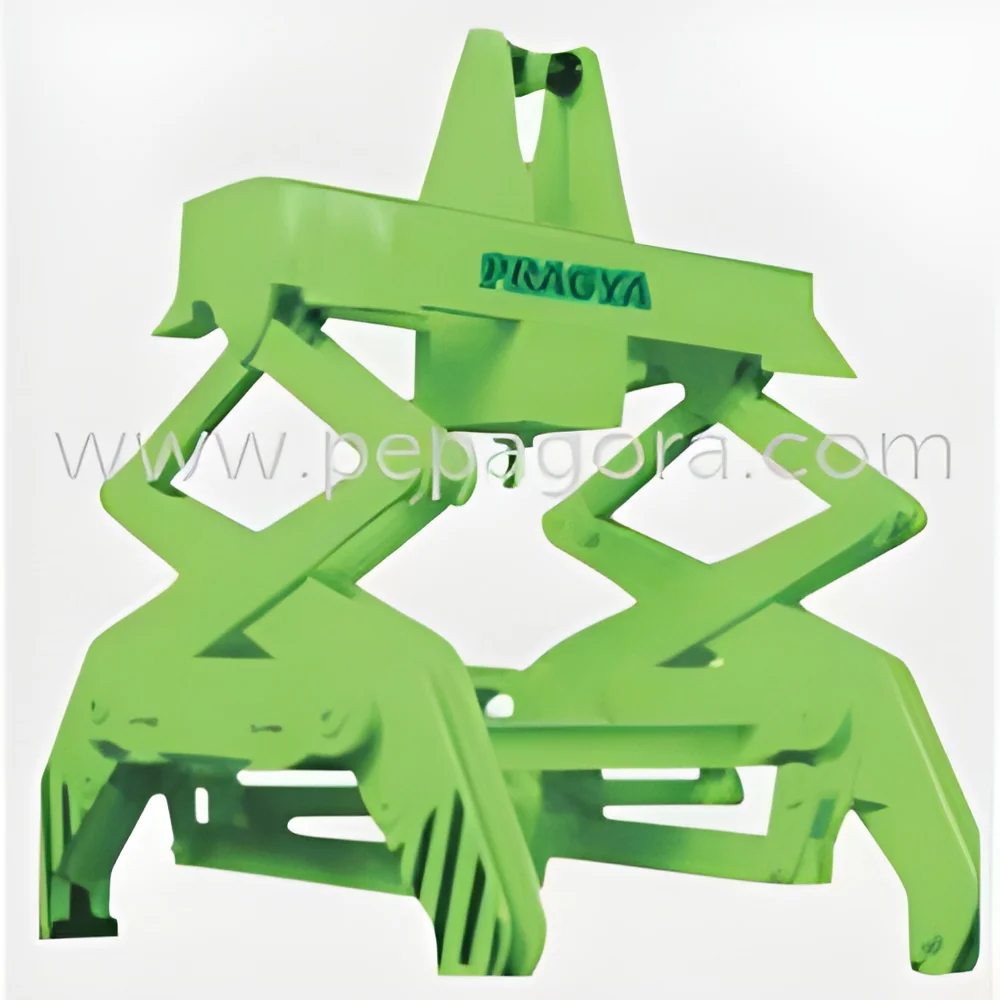
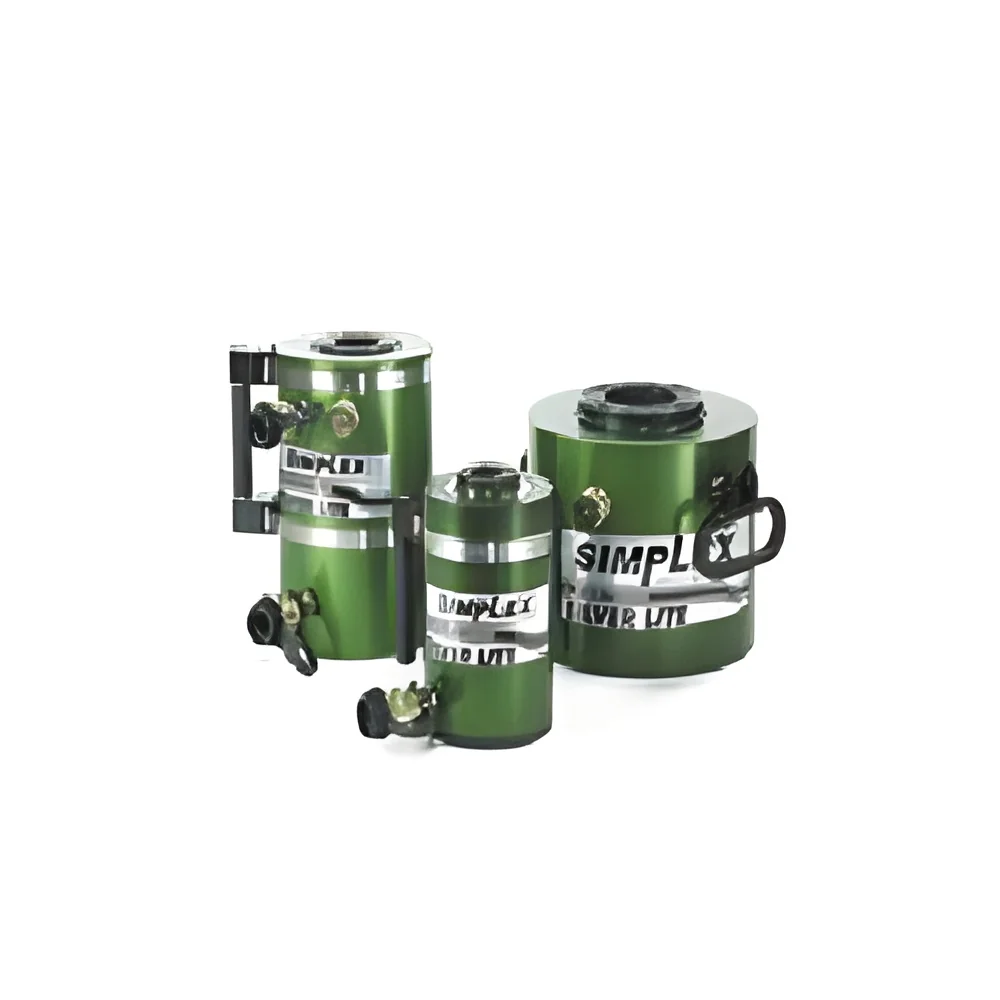
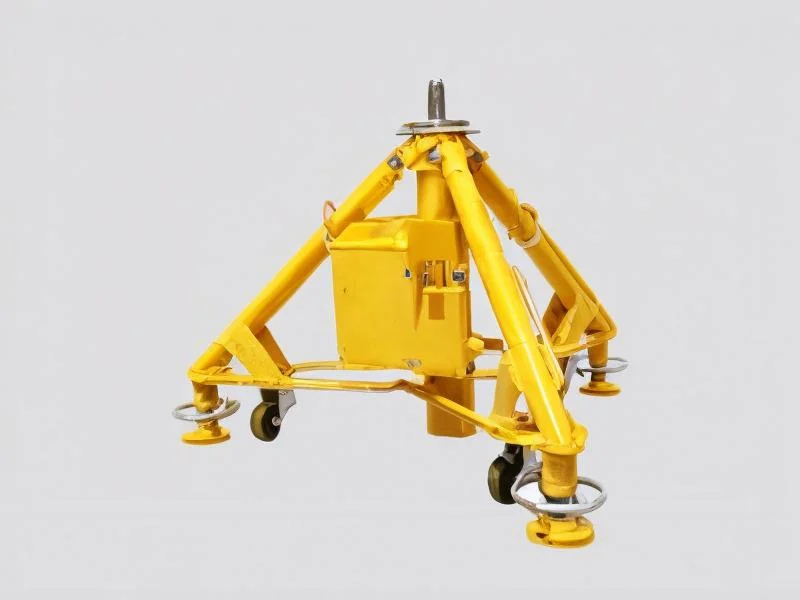
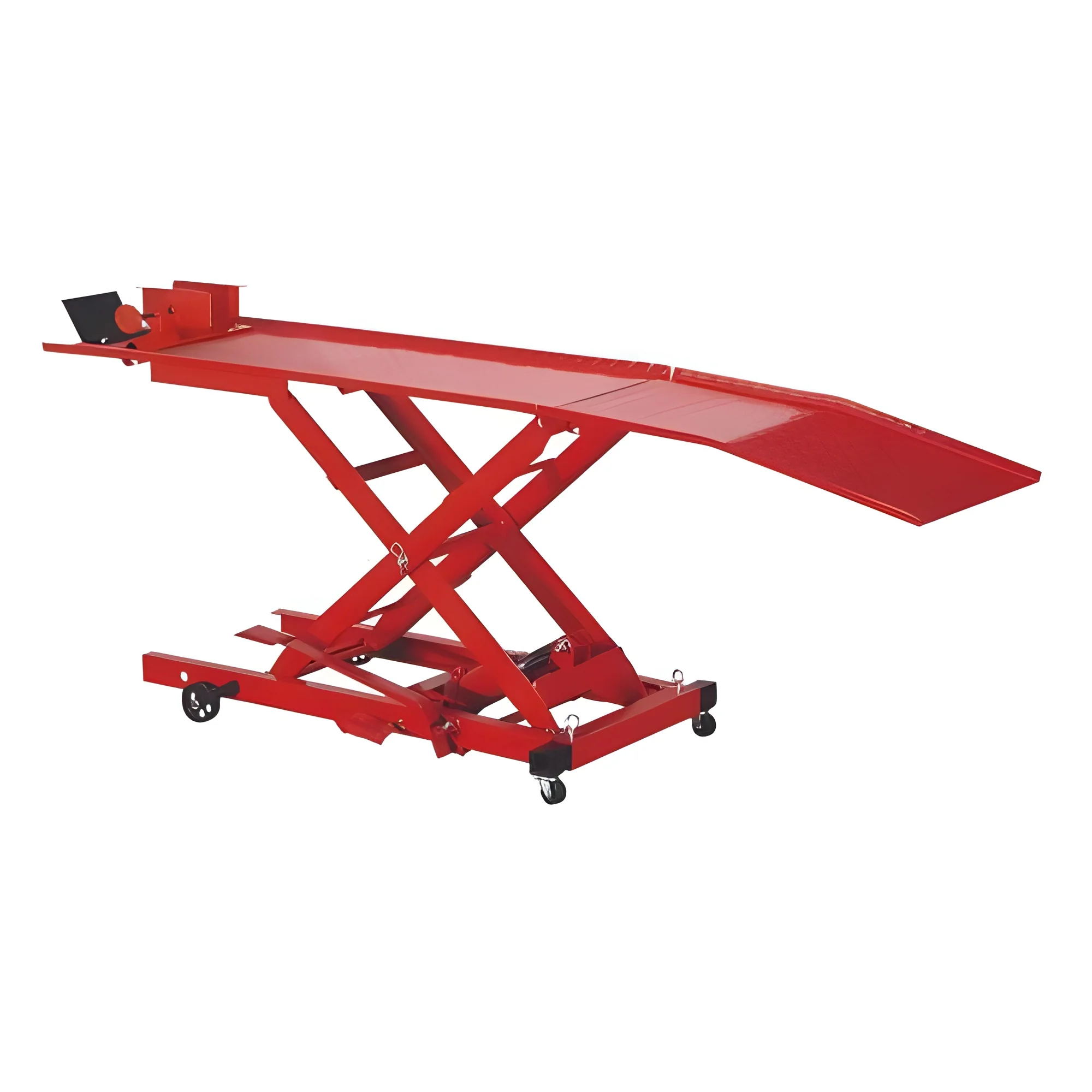
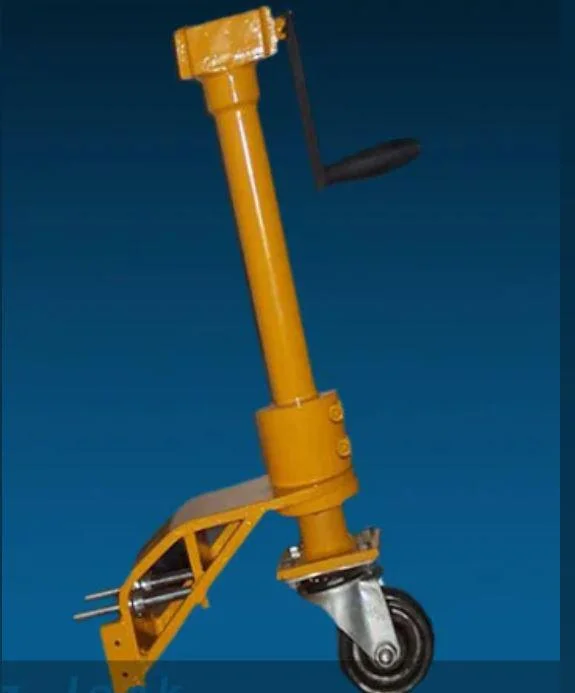
What are Hydraulic Jacks & Lifting Equipment?
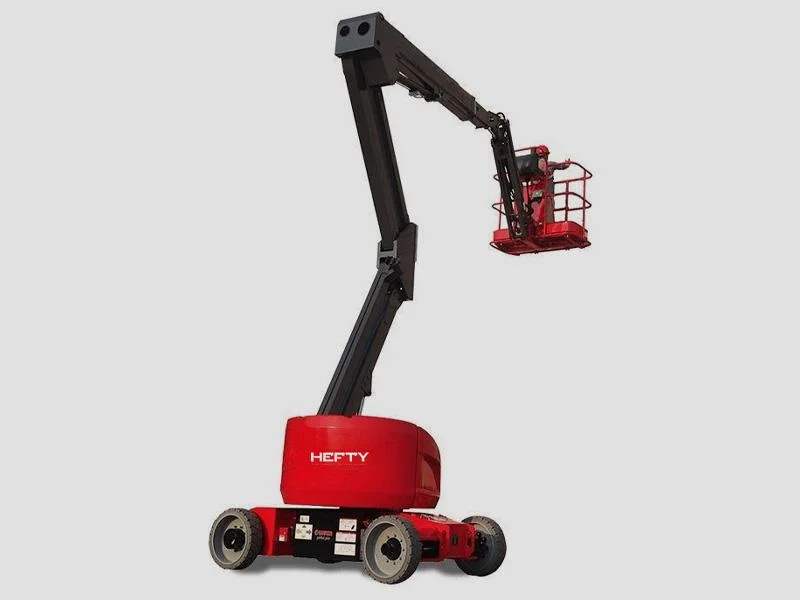
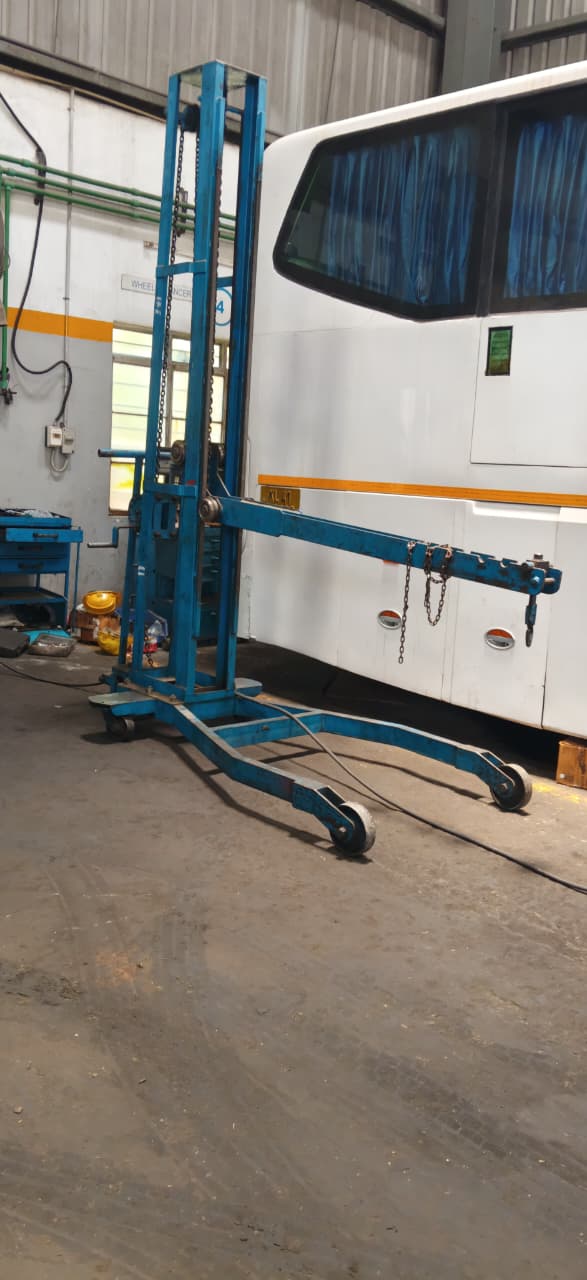
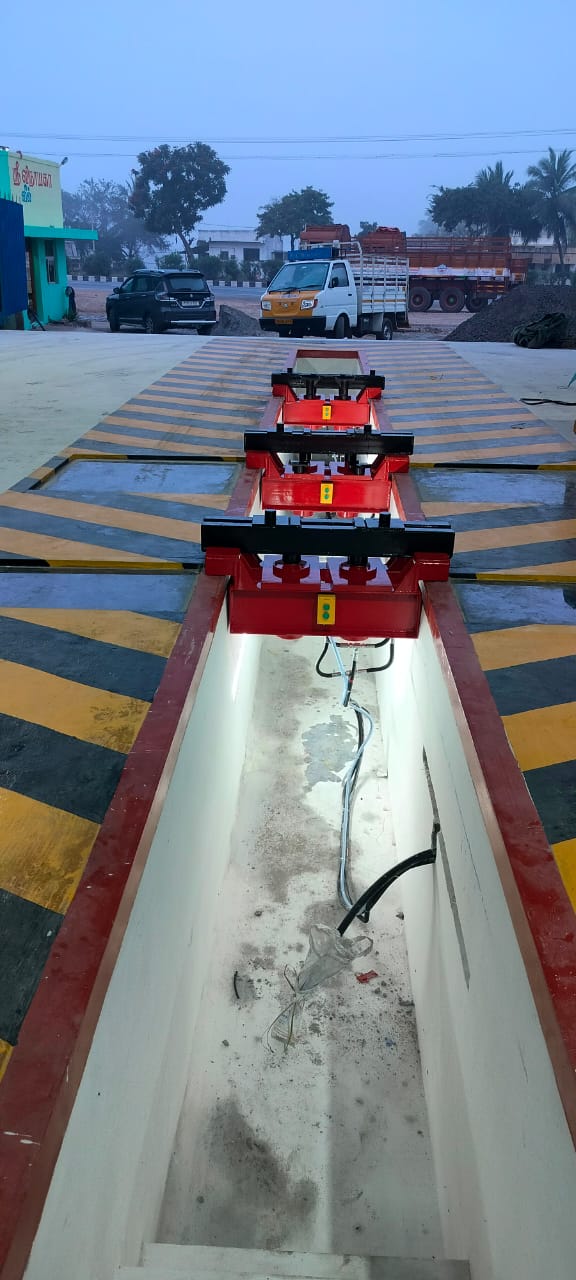
Hydraulic jacks and lifting equipment are mechanical devices that utilize hydraulic power to lift heavy loads with ease. These tools are designed to provide a reliable and efficient means of elevating equipment, machinery, or vehicles for maintenance, repair, or transportation purposes. By harnessing the principles of hydraulics, these devices can generate significant lifting force with minimal manual effort, making them essential in various industrial settings.
The primary uses of hydraulic jacks and lifting equipment span a wide range of applications, including automotive repair shops, construction sites, warehouses, and manufacturing facilities. They are commonly employed to lift vehicles for tire changes, facilitate heavy machinery movement, and support construction projects that involve lifting structural components. The versatility and efficiency of hydraulic jacks make them vital tools in many sectors, driving productivity and safety.
In today's competitive market, the demand for hydraulic jacks and lifting equipment continues to grow as industries seek effective solutions for handling heavy loads. With the increasing emphasis on safety and operational efficiency, these tools are becoming indispensable in various sectors. The integration of advanced technology and materials is also shaping the future of hydraulic lifting solutions, enhancing performance and reliability across applications.
Key Features and Specifications
Hydraulic jacks and lifting equipment come with several key features and specifications that ensure performance and safety. Understanding these specifications is critical for selecting the right equipment for specific applications.
Key specifications include:
1. Load Capacity
- Indicates the maximum weight the jack can lift.
- Common ranges vary from 1 ton to 50 tons or more.
2. Lifting Height
- Refers to the maximum height the equipment can elevate a load.
- Standard lifting heights range from 10 inches to over 30 inches.
3. Operating Pressure
- Represents the hydraulic pressure required to lift the load.
- Typical operating pressures are between 2000 to 4000 PSI.
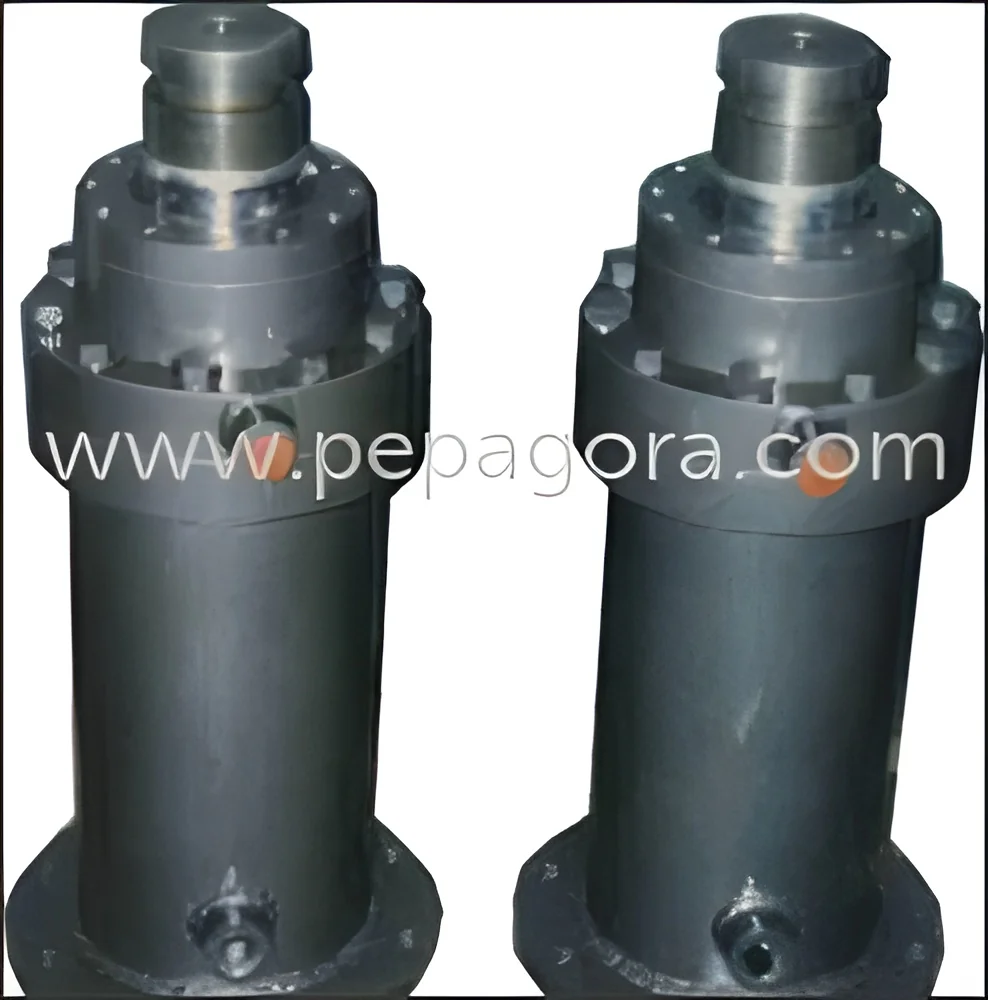
4. Cylinder Stroke Length
- Measures the distance the piston can travel within the cylinder.
- Stroke lengths usually range from 5 to 15 inches.
5. Construction Material
- Indicates the materials used in the jack's construction, affecting durability.
- Common materials include steel and high-strength aluminum.
6. Safety Features
- Includes mechanisms such as overload protection and safety locks.
- Essential for preventing accidents during operation.
7. Portability
- Refers to the ease of moving the jack from one location to another.
- Options include wheeled models and lightweight designs.
8. Compliance Standards
- Ensures the equipment meets industry safety and performance standards.
- Common certifications include UL and CE.
In summary, selecting hydraulic jacks and lifting equipment involves understanding these specifications to ensure they meet the unique needs of various applications.
Common Applications and Use Cases
Hydraulic jacks and lifting equipment serve a wide range of industries, each with specific applications that enhance operational efficiency.
1. Automotive Industry: Hydraulic jacks are widely used in garages for lifting cars during maintenance and repair work. They facilitate tasks such as tire changes and undercarriage inspections.
2. Construction: In construction sites, hydraulic lifting equipment is essential for moving heavy materials, such as steel beams and concrete blocks, during building projects.
3. Manufacturing: Hydraulic jacks are used in manufacturing facilities to lift heavy machinery for maintenance, repairs, and installation, thus ensuring operational efficiency.
4. Warehousing: Hydraulic lifting equipment assists in loading and unloading heavy pallets, optimizing space and improving productivity in warehouse environments.
5. Shipping and Logistics: Hydraulic jacks play a crucial role in the shipping industry by facilitating the movement of heavy cargo within shipping containers and loading docks.
6. Aerospace: In the aerospace sector, hydraulic jacks are utilized to lift aircraft for maintenance inspections and repairs, providing safe and efficient access to critical components.
7. Oil and Gas: Hydraulic lifting equipment is used in the oil and gas industry for hoisting equipment and components during drilling operations, ensuring safety and efficiency.
Product Variants and Subcategories
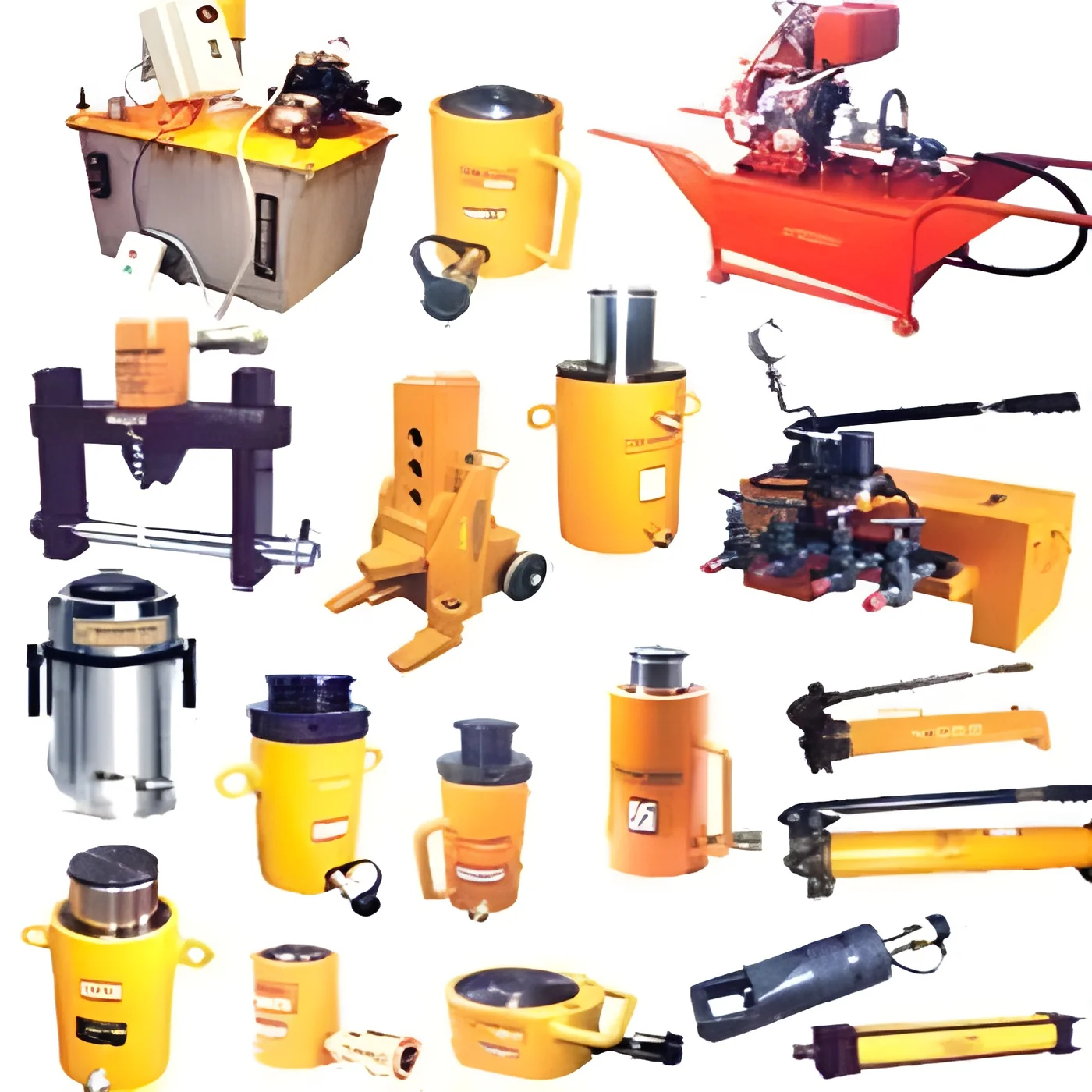
Hydraulic jacks and lifting equipment come in various types, each tailored for specific applications and industries.
Bottle Jacks: These compact jacks are designed for lifting vehicles and heavy machinery. They offer a high lifting capacity in a small footprint, making them ideal for tight spaces.
Floor Jacks: Often used in automotive shops, floor jacks provide a stable platform for lifting vehicles. They feature a low profile to fit under cars and can lift to higher heights.
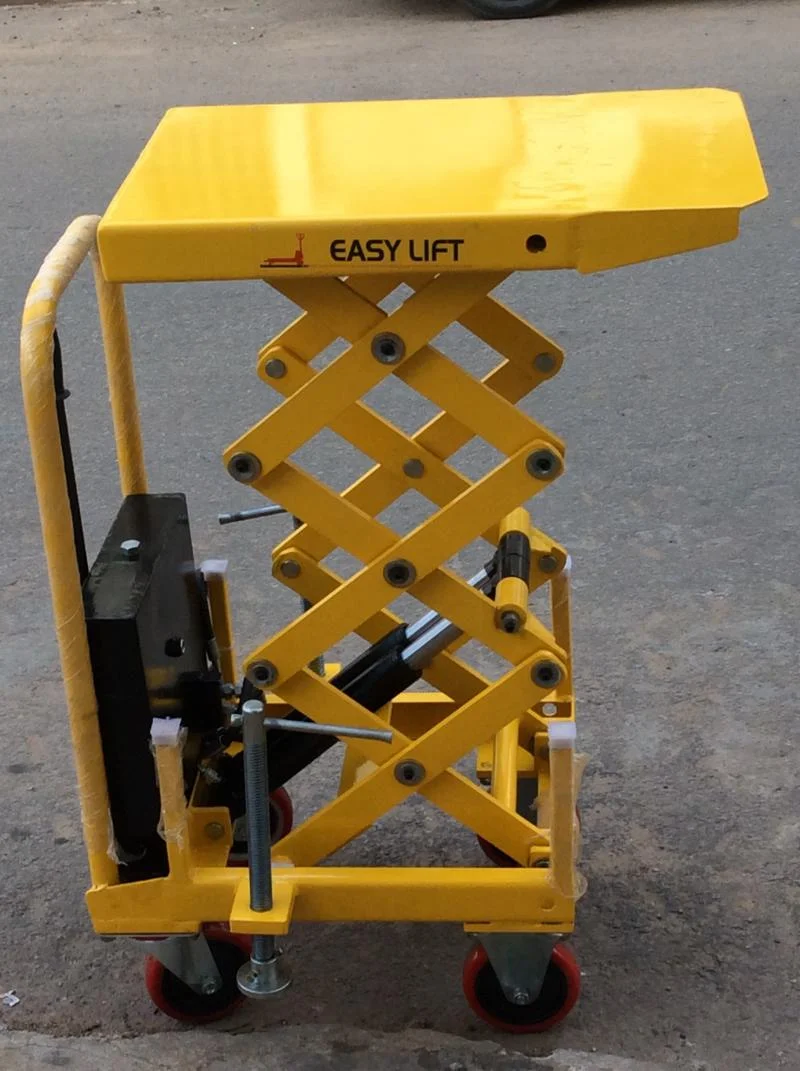
Scissor Jacks: Commonly used for emergency tire changes, scissor jacks are lightweight and easy to operate. They use a scissor mechanism to lift loads quickly and efficiently.
Pneumatic Jacks: Utilizing compressed air, pneumatic jacks provide rapid lifting capabilities. They are often employed in industrial settings where speed is critical.
Electric Jacks: These jacks are powered by electricity and offer automated lifting capabilities, making them suitable for applications requiring minimal manual effort.
Benefits and Advantages
Hydraulic jacks and lifting equipment provide numerous benefits that enhance operational efficiency and safety.
1. High Efficiency: Hydraulic systems can lift heavy loads with minimal effort, significantly reducing the time required for lifting tasks.
2. Safety: Equipped with safety features such as overload protection, hydraulic jacks minimize the risk of accidents during operation.
3. Versatility: These tools are suitable for various applications across multiple industries, allowing businesses to utilize them in different contexts.
4. Space-saving Design: Many hydraulic jacks are designed to be compact and portable, making them easy to store and use in tight spaces.
5. Durability: Constructed from high-quality materials, hydraulic jacks are built to withstand heavy use and provide long-lasting performance.
6. Reduced Labor Costs: By enabling fewer personnel to handle heavy lifting tasks, hydraulic jacks can lower labor costs and improve workplace efficiency.
Buying Guide for B2B Buyers
When sourcing hydraulic jacks and lifting equipment, it is essential to consider several factors to ensure that you select the right product for your business needs.
1. Quality Assessment: Evaluate the quality of the hydraulic jacks by checking for certifications and standards compliance. Look for products that meet industry benchmarks for safety and performance.
2. Supplier Verification: Conduct thorough vetting of suppliers to ensure reliability and reputation in the market. Consider customer reviews and past performance to gauge supplier credibility.
3. Pricing and MOQ: Understand the pricing structure and minimum order quantities. Request quotes from multiple suppliers to compare costs and negotiate favorable terms.
4. Delivery and Lead Times: Assess the supplier’s ability to deliver on time. Consider logistics and potential delays to ensure that you can meet your operational timelines.
5. Compliance Requirements: Ensure that the products meet all relevant regulatory requirements and industry standards. This may include safety certifications such as UL and CE.
Compliance and Certifications
Compliance and certifications are crucial in the hydraulic jacks and lifting equipment industry to ensure safety and performance.
Relevant quality standards, such as ISO 9001, provide a framework for maintaining quality management systems. These standards help manufacturers produce reliable and high-quality products.
Industry certifications like UL and CE signify that the equipment meets specific safety and performance criteria. These certifications are essential for gaining customer trust and ensuring regulatory compliance.
Additionally, safety and testing requirements must be adhered to, including load testing and safety checks to verify that the equipment can handle specified loads without failure.
Regional compliance considerations may vary, so it is essential for manufacturers and suppliers to stay informed about local regulations in different markets.
Why Source Hydraulic Jacks & Lifting Equipment from Pepagora?
Pepagora provides a trusted platform for sourcing hydraulic jacks and lifting equipment, offering several key advantages that set it apart from competitors.
Verified Supplier Network: Pepagora maintains a comprehensive network of verified suppliers, ensuring that buyers have access to reliable and high-quality products. Each supplier undergoes a rigorous verification process to ensure credibility.
Streamlined RFQ Process: The request for quotation (RFQ) process on Pepagora is designed to be efficient, allowing buyers to quickly obtain quotes from multiple suppliers. This streamlines the sourcing process and saves time for businesses.
Trade Assurance and Support: Pepagora offers trade assurance measures that protect buyers during transactions. This includes support for dispute resolution, ensuring that buyers feel secure in their purchases.
Regional Coverage: With a strong presence in India, the GCC, and Southeast Asia, Pepagora provides extensive geographic reach. This allows businesses to source hydraulic jacks and lifting equipment from a variety of regional suppliers, increasing options and competitive pricing.

 IN
IN