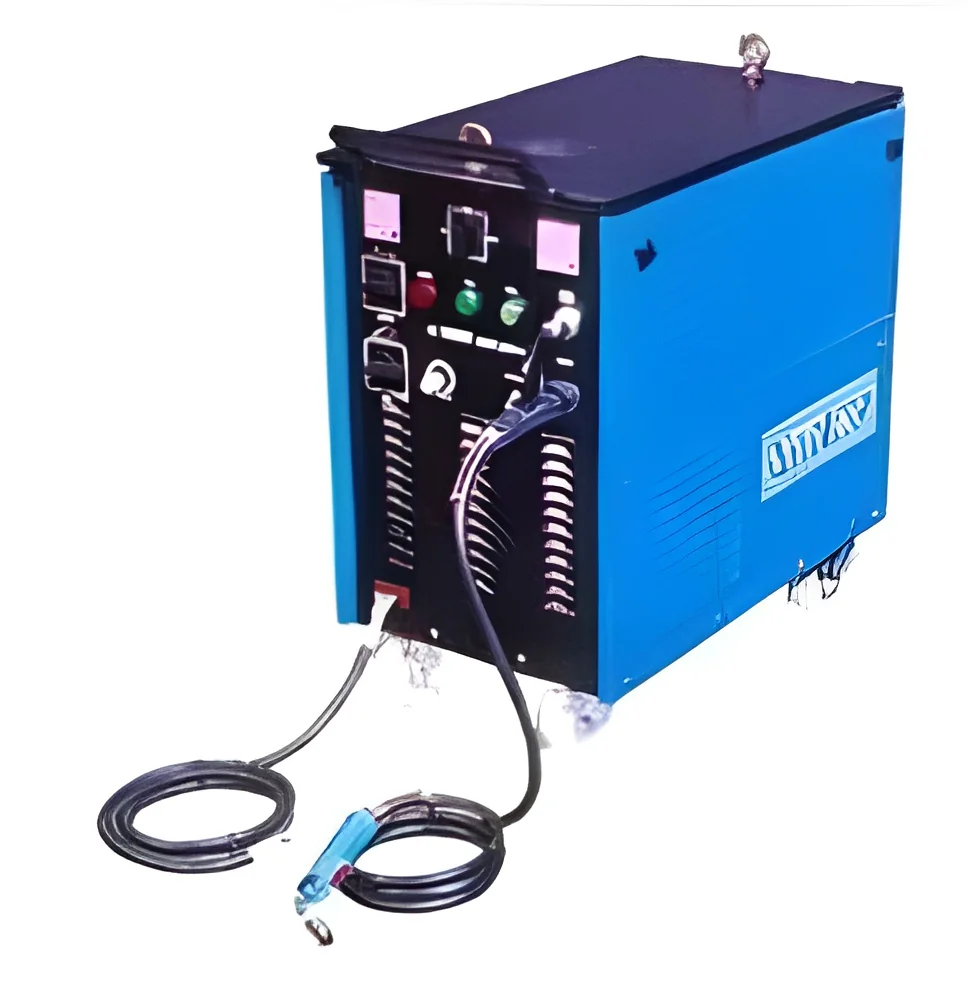
What are MIG Welding Machines?
MIG Welding Machines, also known as Metal Inert Gas Welding Machines, are a type of welding equipment that uses a continuous wire feed to join metal components. The process involves feeding a wire electrode through a welding gun and melting it to create a strong bond between workpieces. This technique is favored for its efficiency and ease of use, making it suitable for both novice and experienced welders.
These machines are widely used in various sectors, including manufacturing, automotive, and construction. They are ideal for welding thin materials and offer high-speed welding capabilities. Businesses often utilize MIG welding for fabricating metal structures, repairing equipment, and constructing automotive parts. The versatility of MIG Welding Machines allows them to adapt to different metal types, such as steel, aluminum, and copper, enhancing their relevance in diverse industrial applications.
With the growing demand for efficient and reliable welding solutions, the market for MIG Welding Machines continues to expand. As industries evolve and require more sophisticated welding capabilities, manufacturers are focusing on innovations that improve performance and safety. This positions MIG welding as a critical technology in modern manufacturing processes.
Key Features and Specifications
MIG Welding Machines come with a variety of features designed to enhance performance and usability. These features cater to different welding needs, making them suitable for a wide range of applications.
Key specifications include:
1. Welding Amperage Range
- This specification indicates the range of current the machine can output.
- Typically ranges from 30 to 300 A, depending on the model.
2. Wire Feed Speed
- This refers to the speed at which the welding wire is fed into the weld pool.
- Common speeds range from 1 to 20 meters per minute.
3. Voltage Control
- This feature allows users to adjust the output voltage for optimal welding conditions.
- Usually adjustable between 10 to 30 V.
4. Duty Cycle
- The duty cycle indicates the percentage of time the machine can operate continuously within a set time frame.
- Common duty cycles range from 20% to 80% at maximum output.
5. Gas Type Compatibility
- MIG machines can work with various shielding gases like Argon, CO2, or mixtures.
- Compatibility varies by model.
6. Weight and Portability
- The weight of MIG Welding Machines affects their portability.
- Typically ranges from 20 to 80 kg.
7. Power Supply Requirements
- This specification indicates the input voltage and phase required for operation.
- Commonly operates on single-phase or three-phase power sources.
8. Cooling System
- Many MIG welding machines feature built-in cooling systems to prevent overheating.
- Options include air-cooled or water-cooled systems.
In summary, the features and specifications of MIG Welding Machines are essential for ensuring high-quality welding results. Understanding these parameters helps businesses choose the right equipment for their specific applications.
Common Applications and Use Cases
MIG Welding Machines serve various industries, each with distinct requirements and applications.
1. Automotive Industry: MIG welding is widely used in manufacturing and repairing vehicle frames and components. Its speed and efficiency make it ideal for high-volume production lines.
2. Construction: In construction, MIG welding is utilized for fabricating steel structures, reinforcing bars, and metal frameworks, providing strong and durable connections.
3. Manufacturing: Many manufacturing processes, from appliances to machinery, rely on MIG welding for assembling parts. Its ability to weld different metals enhances versatility in production.
4. Shipbuilding: MIG welding is employed in shipbuilding for its effectiveness in joining thick metal plates and creating strong hulls.
5. Aerospace: In the aerospace sector, MIG welding is utilized for fabricating components that require high precision and reliability.
6. Maintenance and Repair: Many businesses use MIG welding machines for maintenance and repair work, ensuring quick fixes to broken or worn-out parts.
7. Art and Sculpture: Artists and sculptors often use MIG welding to create metal sculptures and art pieces, taking advantage of its versatility in joining various metal forms.
Product Variants and Subcategories
MIG Welding Machines come in various types to meet different operational needs. This diversity allows businesses to select the right equipment based on their specific applications.
Portable MIG Welders: These compact and lightweight machines are ideal for on-site welding tasks. They offer flexibility and ease of transport, making them suitable for maintenance work or small projects.
Industrial MIG Welding Machines: Designed for heavy-duty applications, these machines can handle larger workloads and thicker materials. They often feature advanced controls and higher duty cycles.
Multi-Process Welding Machines: These versatile machines can perform MIG welding, TIG welding, and stick welding. They are suitable for businesses that require flexibility in their welding capabilities.
Inverter MIG Welders: These modern machines utilize inverter technology for improved efficiency and performance. They are often lighter and more energy-efficient than traditional models.
Benefits and Advantages
MIG Welding Machines offer several benefits that enhance productivity and quality in welding processes.
1. Speed and Efficiency: MIG welding allows for faster welding speeds compared to other methods, increasing overall productivity and reducing project timelines.
2. Ease of Use: The user-friendly design of MIG welding machines makes them accessible for both beginners and experienced welders, reducing the learning curve.
3. Versatile Material Compatibility: MIG welding can be used on a variety of metals, including steel, aluminum, and stainless steel, making it adaptable for different projects.
4. Clean Welding Process: The use of shielding gas minimizes spatter and produces cleaner welds, reducing post-weld cleanup efforts.
5. Cost-Effectiveness: The efficiency of MIG welding can lead to cost savings in labor and materials, making it a financially viable option for many businesses.
6. Consistent Quality: MIG welding provides a stable arc and uniform heat distribution, resulting in consistent and high-quality welds across projects.
Buying Guide for B2B Buyers
When sourcing MIG Welding Machines, it is essential to consider various factors to ensure the right choice for your business needs.
1. Quality Assessment: Evaluate the build quality and reliability of the machines. Look for reputable brands with proven track records in the industry.
2. Supplier Verification: Vet suppliers thoroughly to ensure they provide quality products and reliable customer service. Check for reviews and testimonials from other businesses.
3. Pricing and MOQ: Understand the pricing structure and minimum order quantities (MOQ). Compare prices across different suppliers to find competitive offers.
4. Delivery and Lead Times: Discuss delivery timelines with suppliers to ensure timely receipt of machines. Consider logistics and shipping costs in your overall budget.
5. Compliance Requirements: Ensure that the MIG Welding Machines meet necessary regulatory and safety standards. Verify compliance with industry certifications relevant to your region.
Compliance and Certifications
Compliance and certifications are vital for ensuring the safety and quality of MIG Welding Machines. These machines should meet relevant quality standards such as ISO 9001, which outlines requirements for quality management systems. Adherence to such standards helps manufacturers maintain consistency in product quality and performance.
Additionally, industry certifications like CE indicate that the machines comply with European safety and health regulations. This certification is crucial for businesses operating in regions that mandate compliance with such standards.
Safety and testing requirements are also essential considerations. MIG Welding Machines should undergo rigorous testing to ensure they operate safely under various conditions. Businesses should verify that the machines have passed necessary safety assessments.
Regional compliance considerations may vary, so it is important for buyers to understand specific regulations applicable to their location. Ensuring compliance with local standards can help prevent legal issues and enhance operational efficiency.
Why Source MIG Welding Machines from Pepagora?
Pepagora provides a trusted platform for sourcing MIG Welding Machines, offering several key advantages for businesses.
Verified Supplier Network: Pepagora connects buyers with a network of verified suppliers. This ensures that businesses can source high-quality machines from reputable manufacturers.
Streamlined RFQ Process: The platform simplifies the request for quotation (RFQ) process, making it easy for buyers to gather competitive quotes and make informed purchasing decisions.
Trade Assurance and Support: Pepagora offers trade assurance, providing protection for buyers throughout the purchasing process. This support ensures confidence in transactions and reduces risks.
Regional Coverage: With a geographic reach extending across India, the GCC, and Southeast Asia, Pepagora enables businesses to connect with suppliers in their region, facilitating easier logistics and communication.

 IN
IN