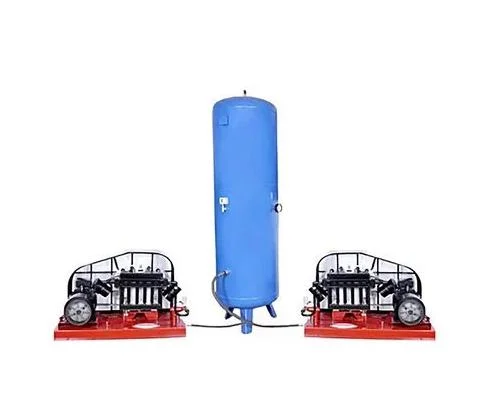
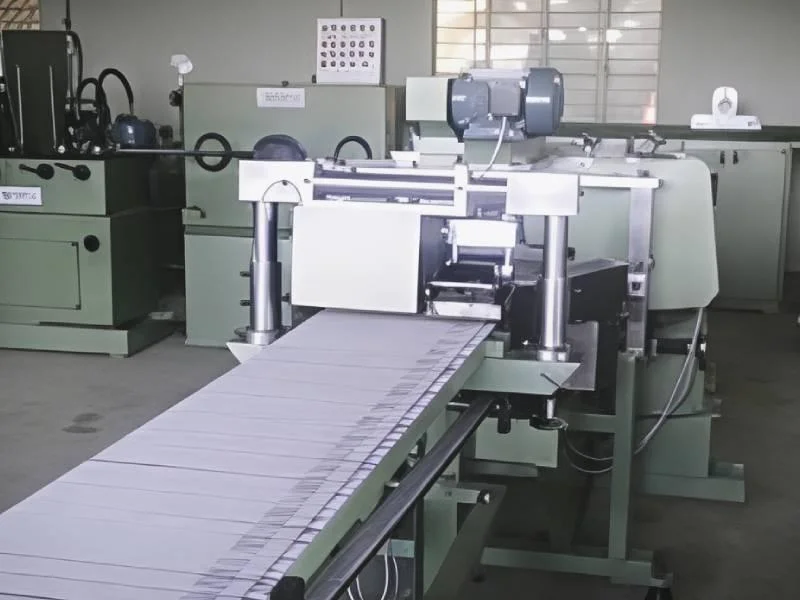
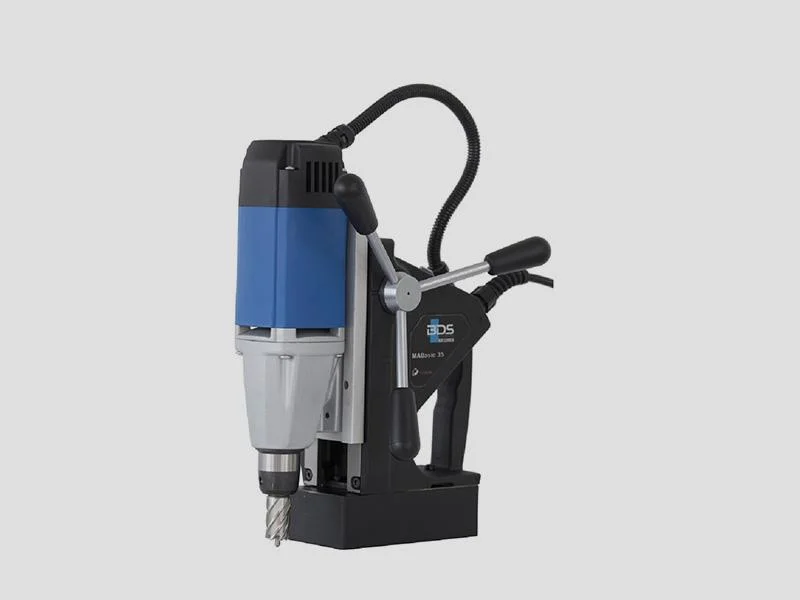
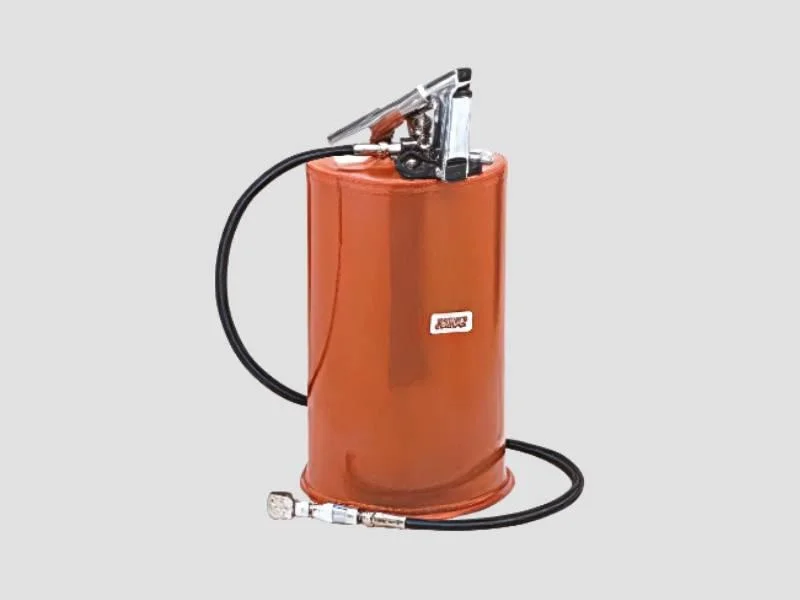
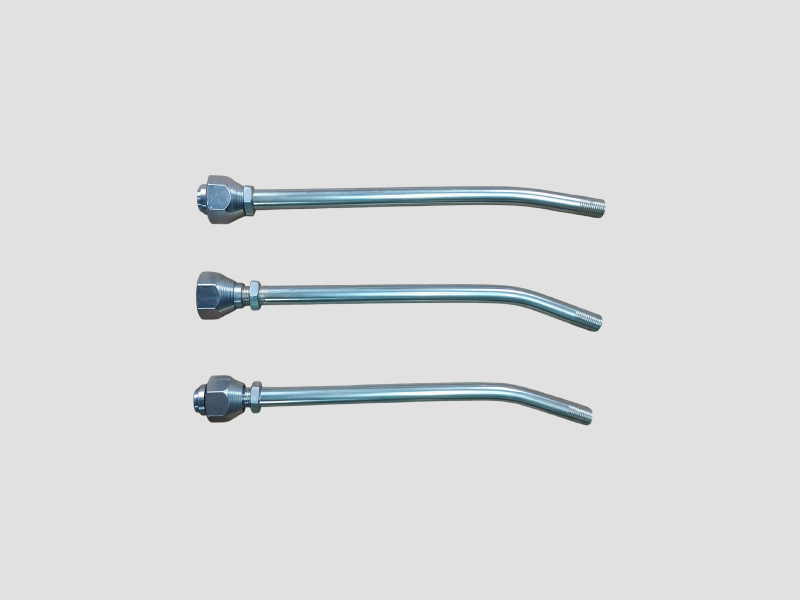
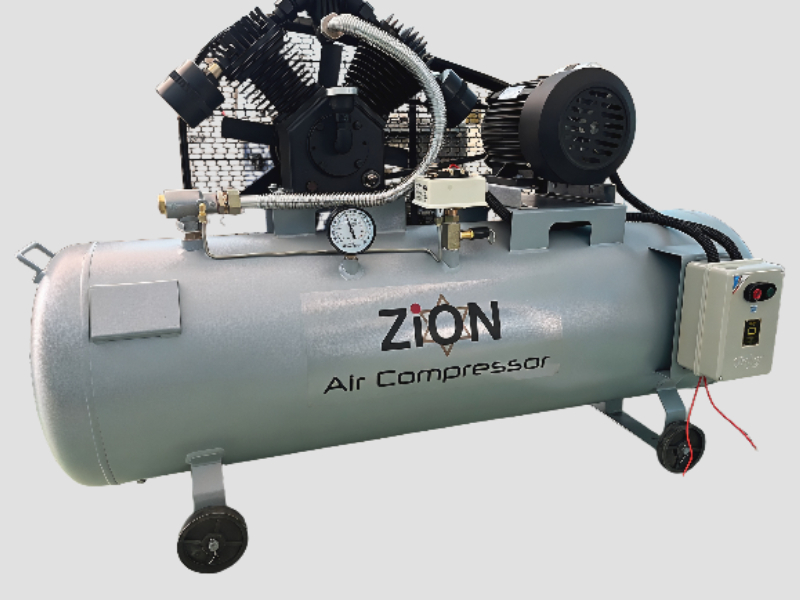
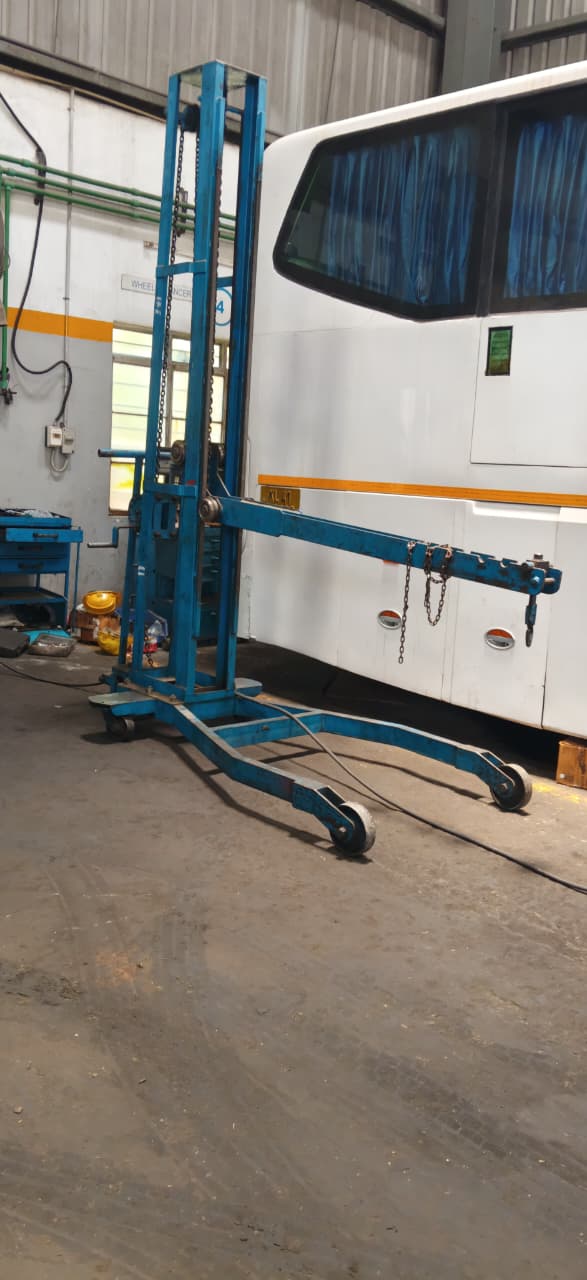
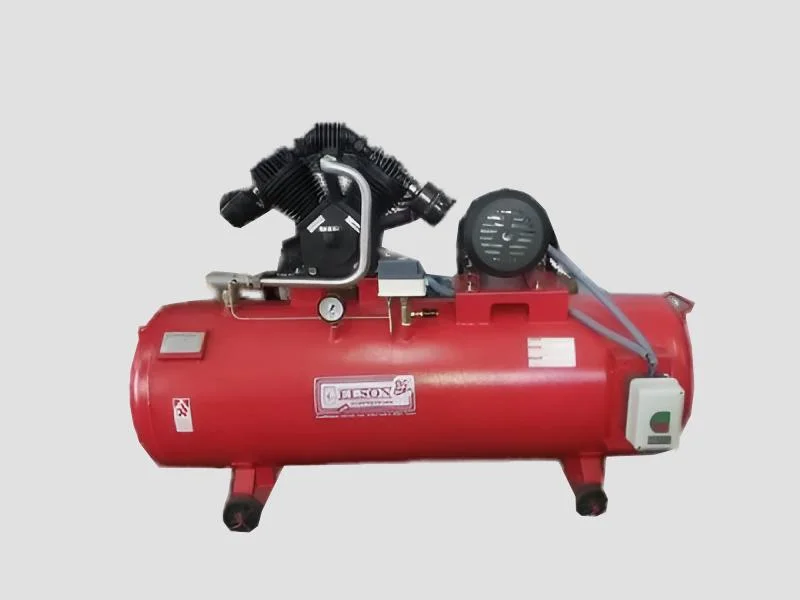
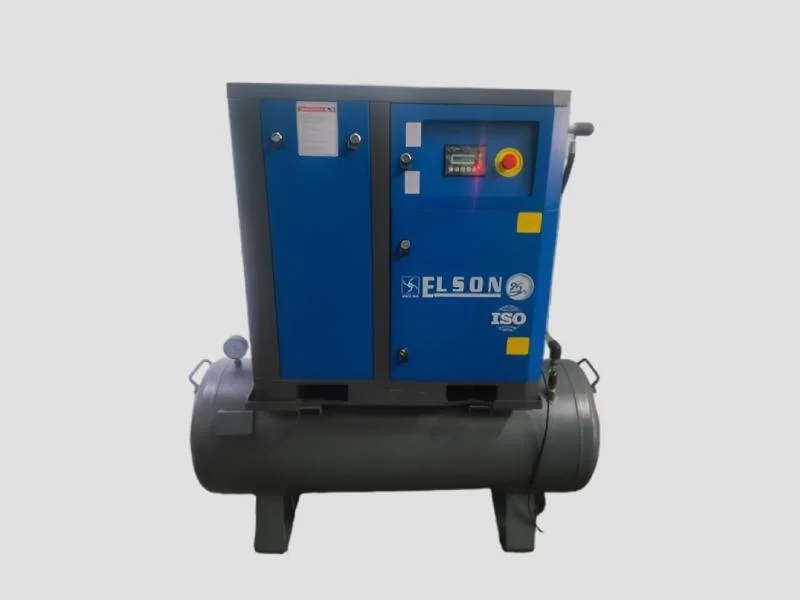
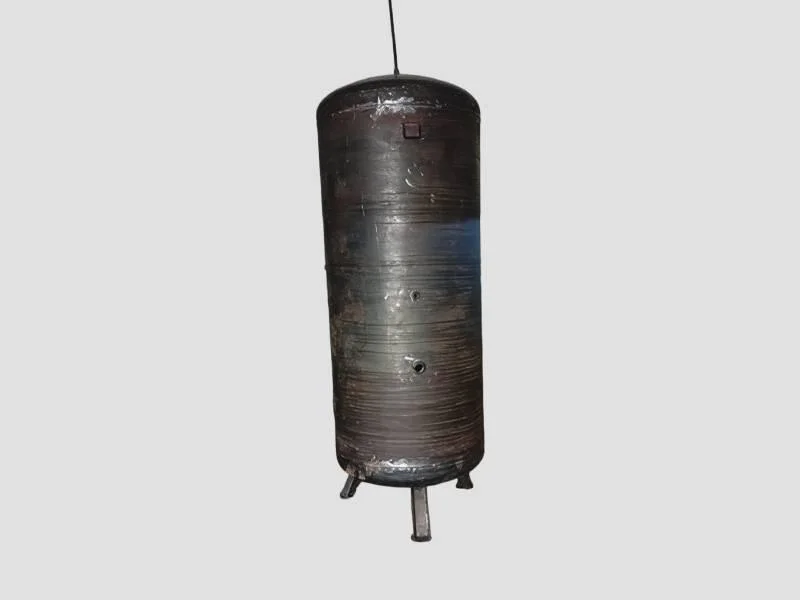
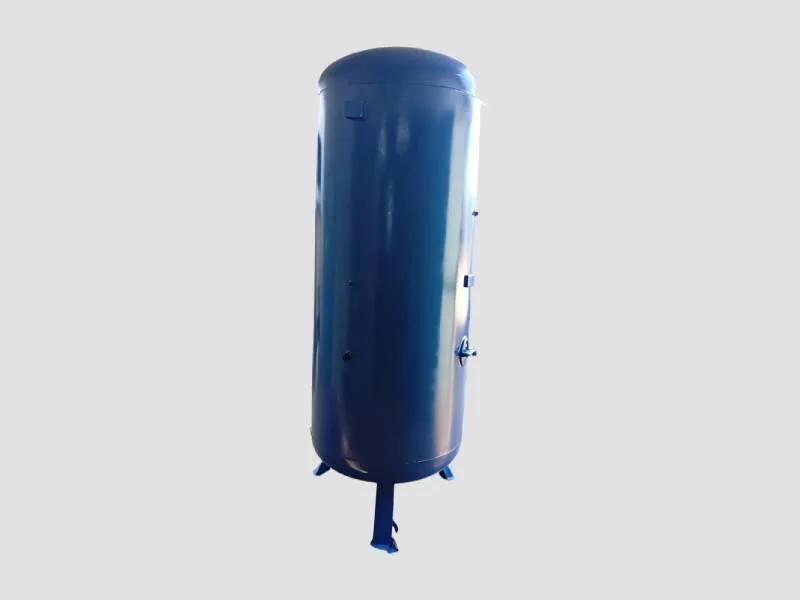
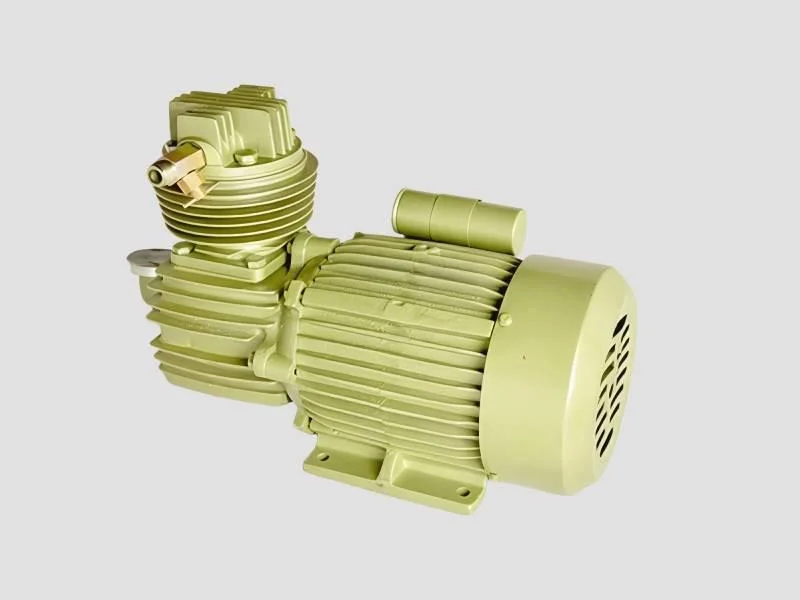
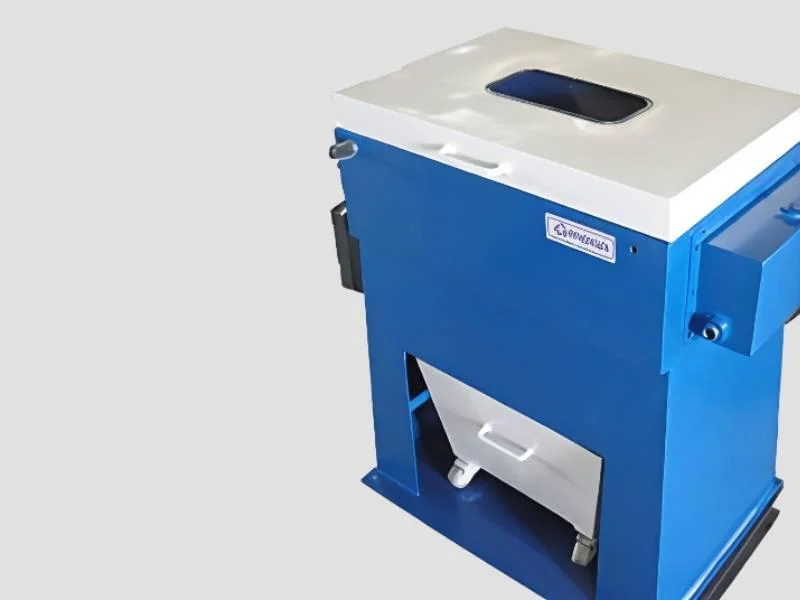
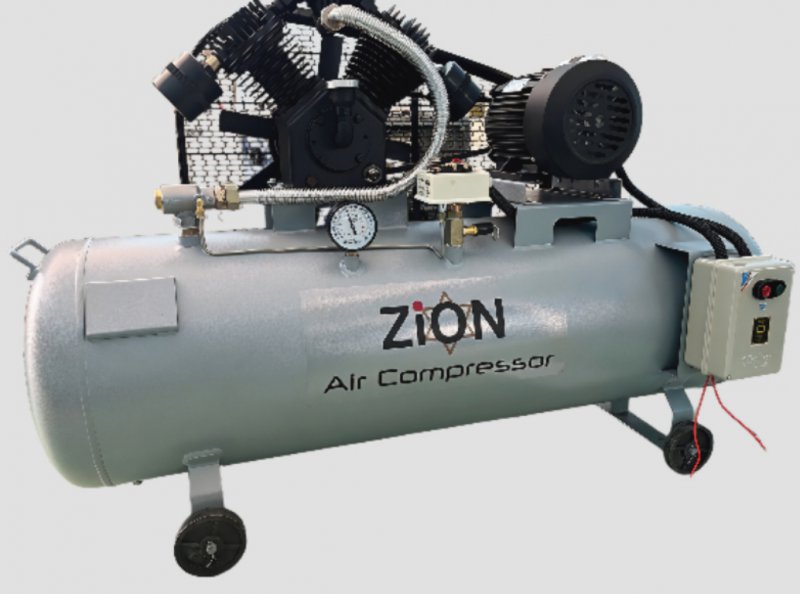
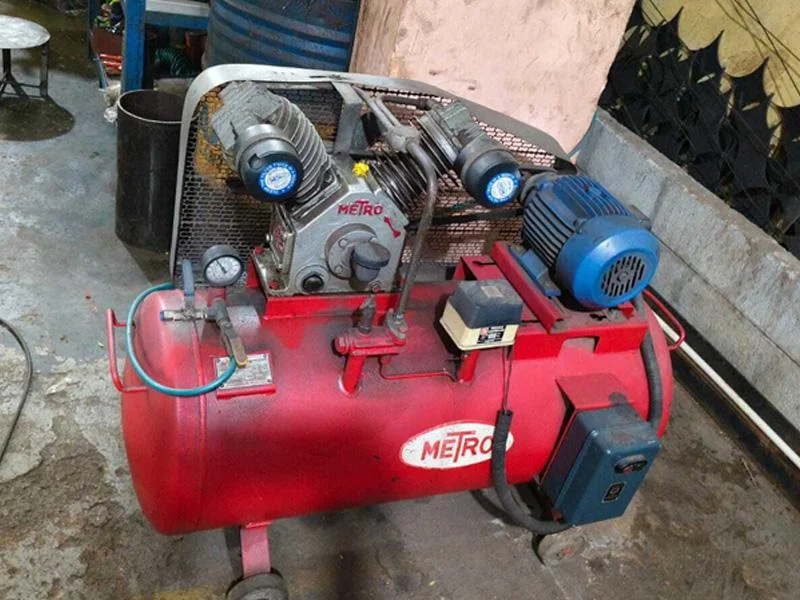
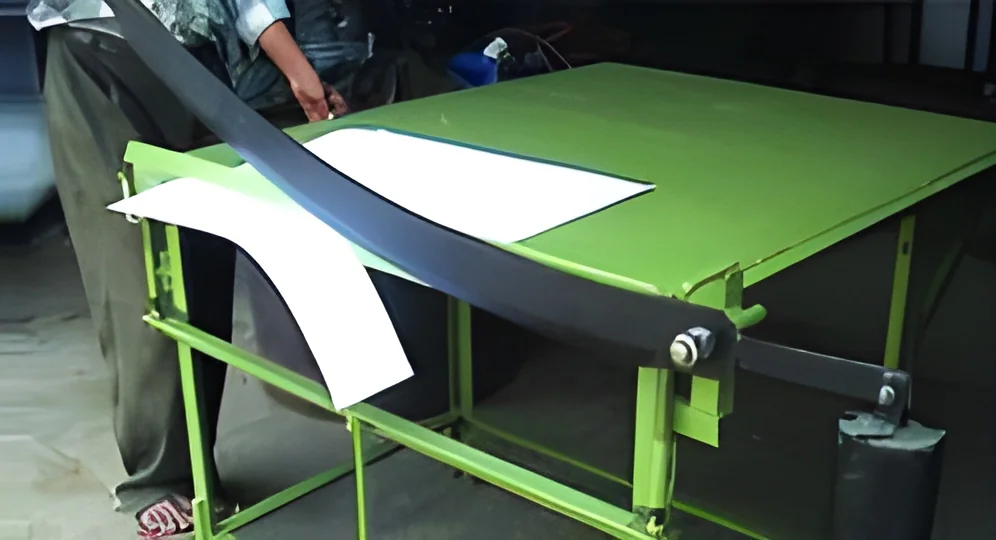
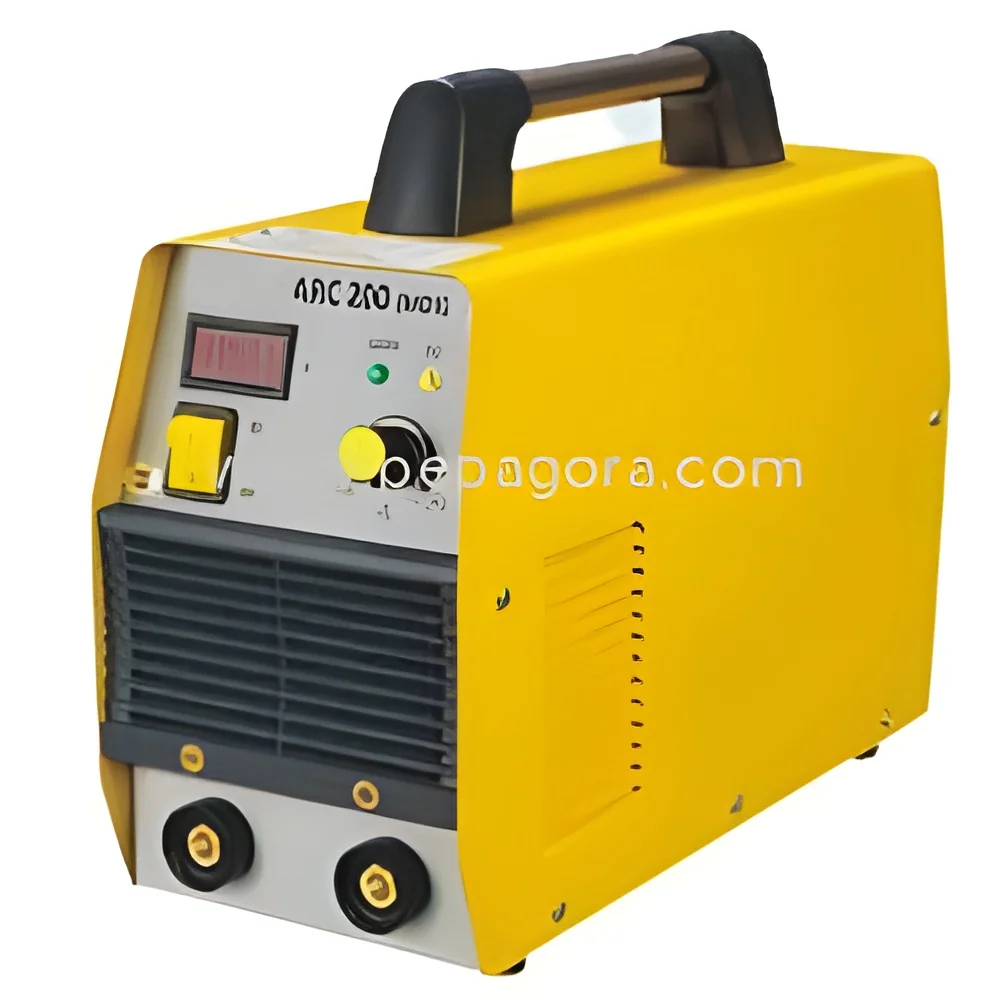
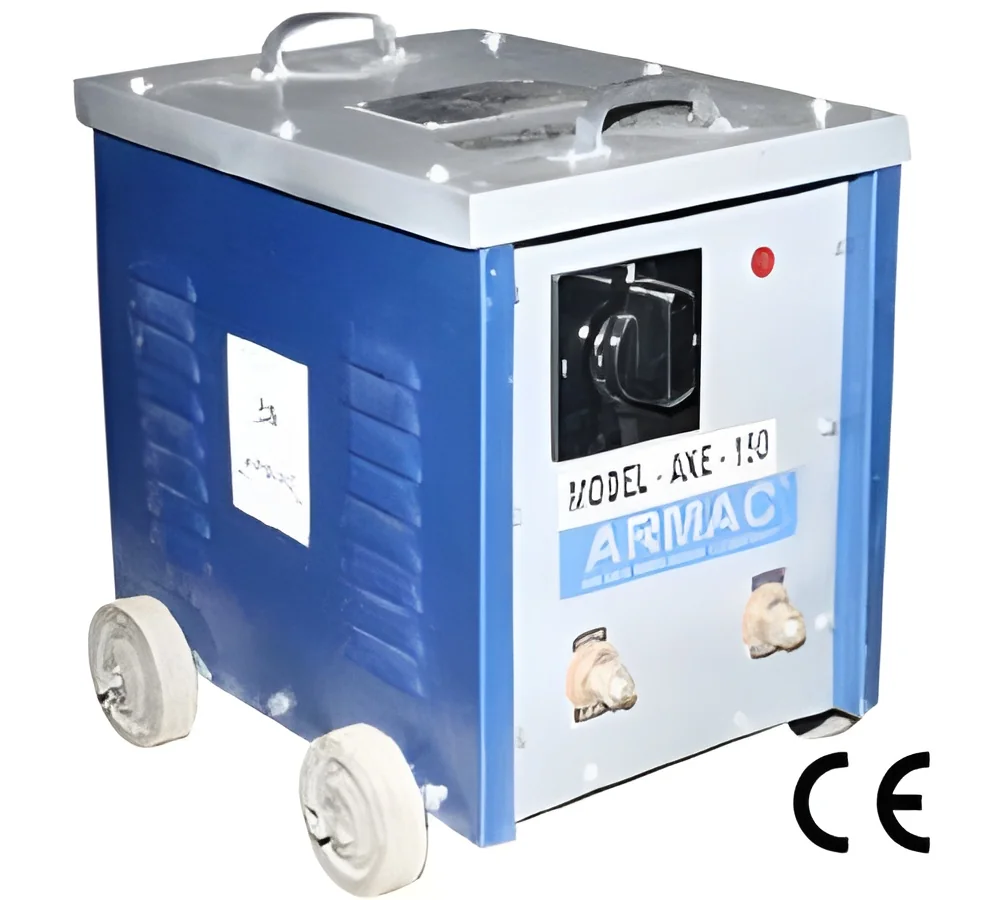
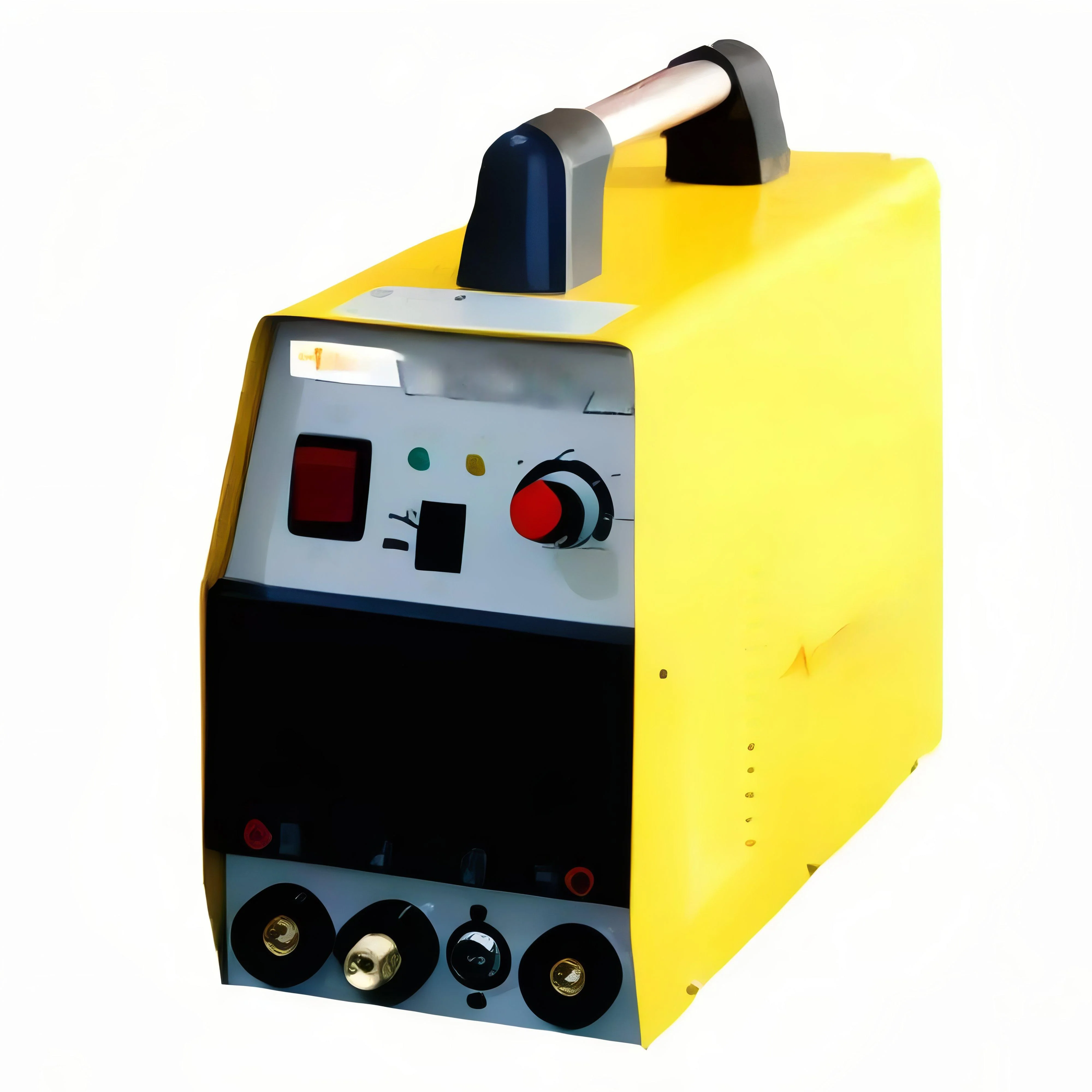
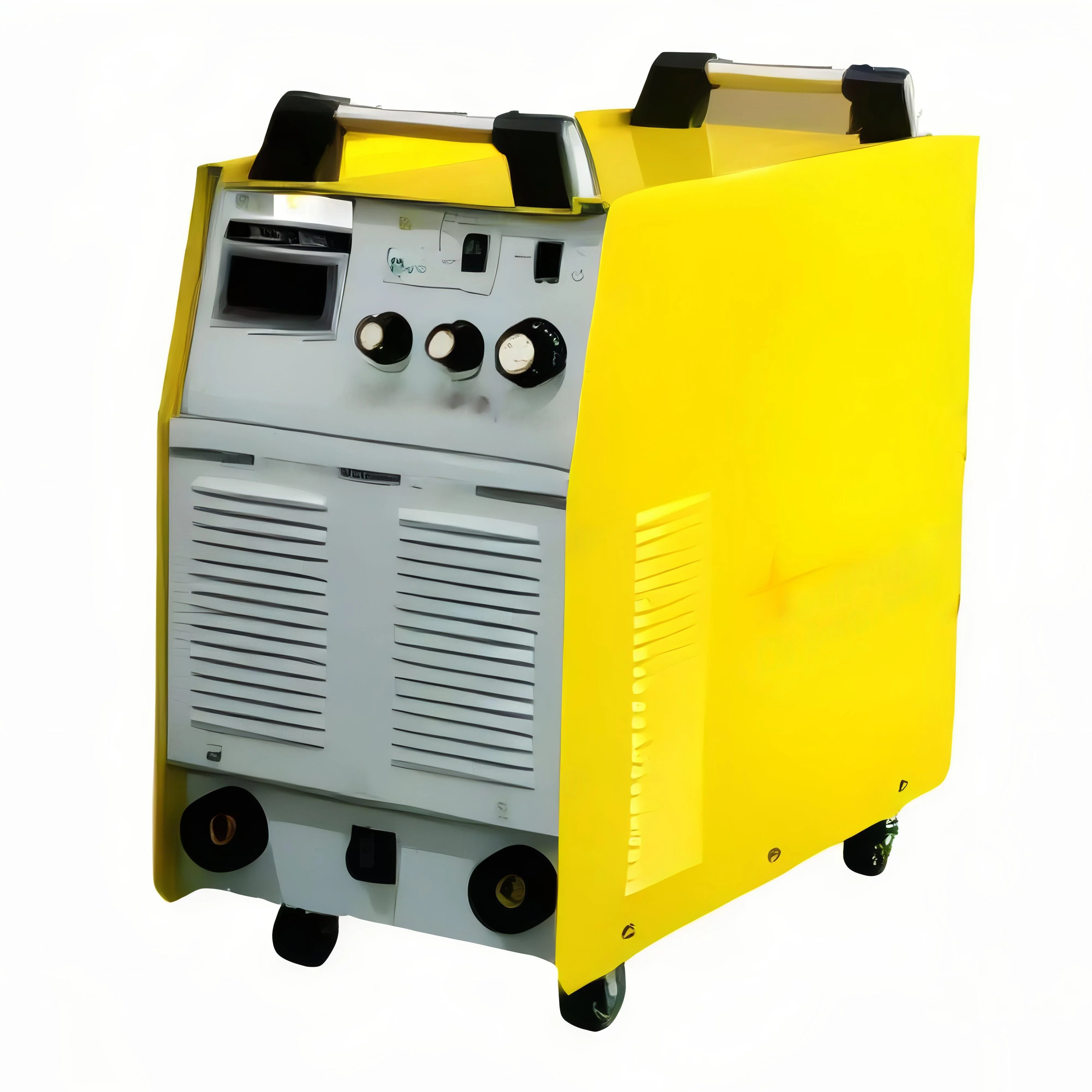
𝗪𝗵𝗮𝘁 𝗮𝗿𝗲 𝗪𝗼𝗿𝗸𝘀𝗵𝗼𝗽 𝗘𝗾𝘂𝗶𝗽𝗺𝗲𝗻𝘁?
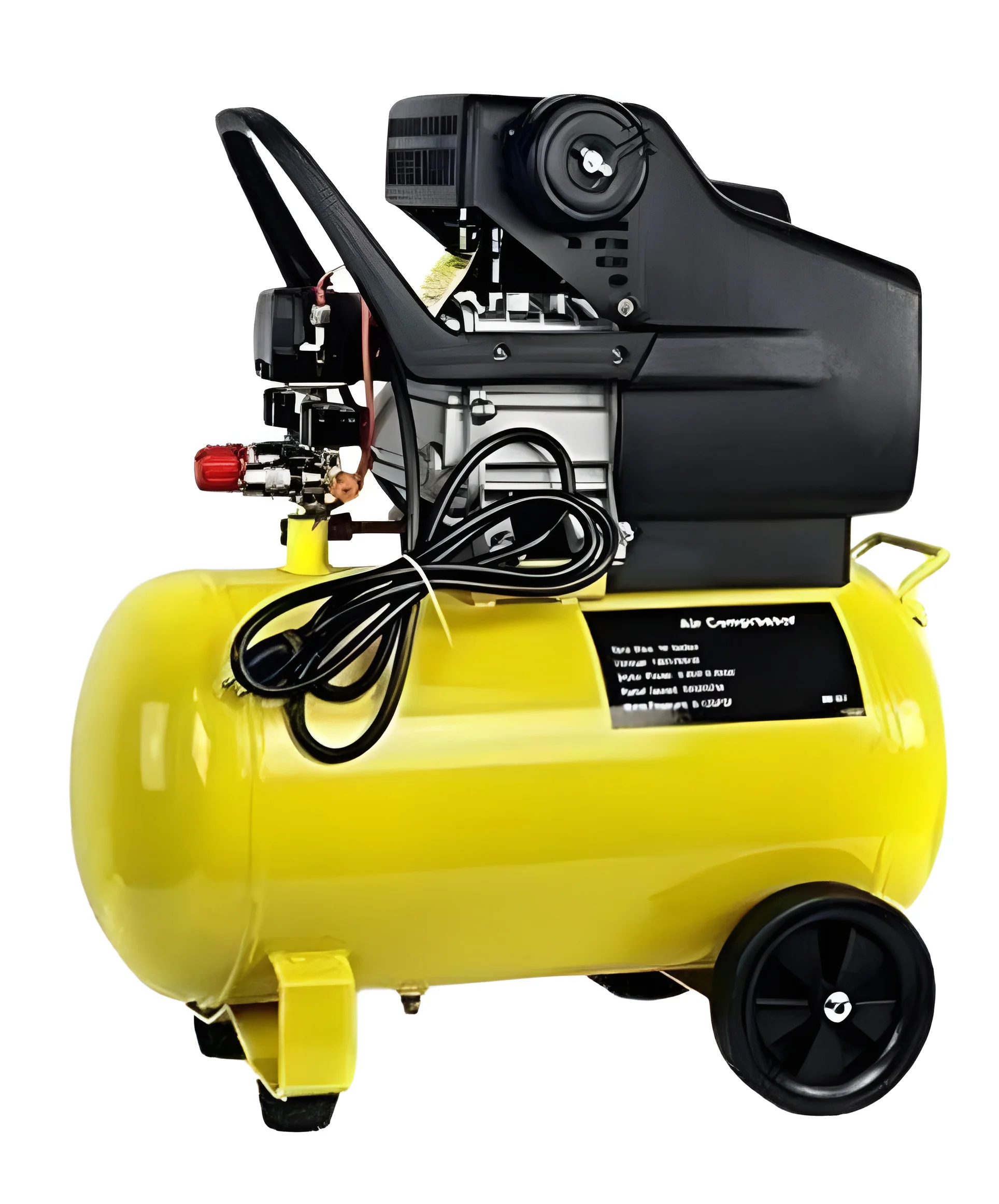
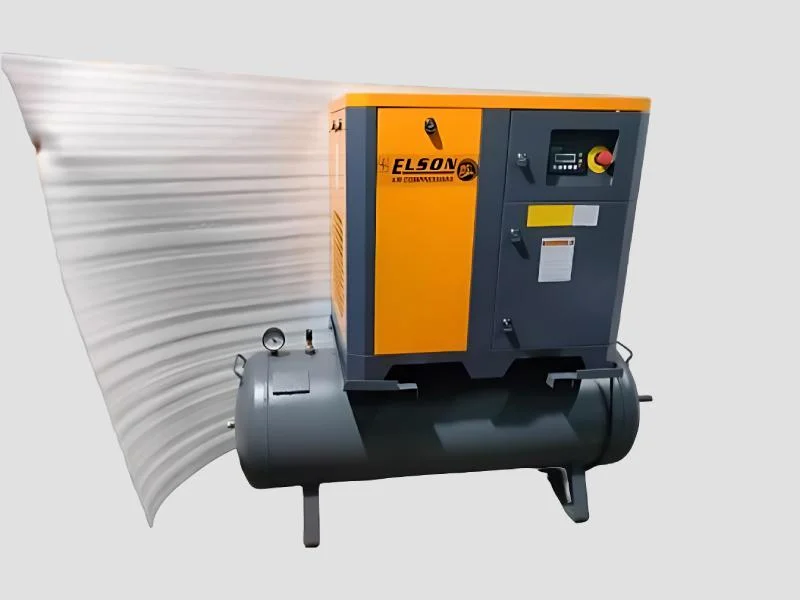
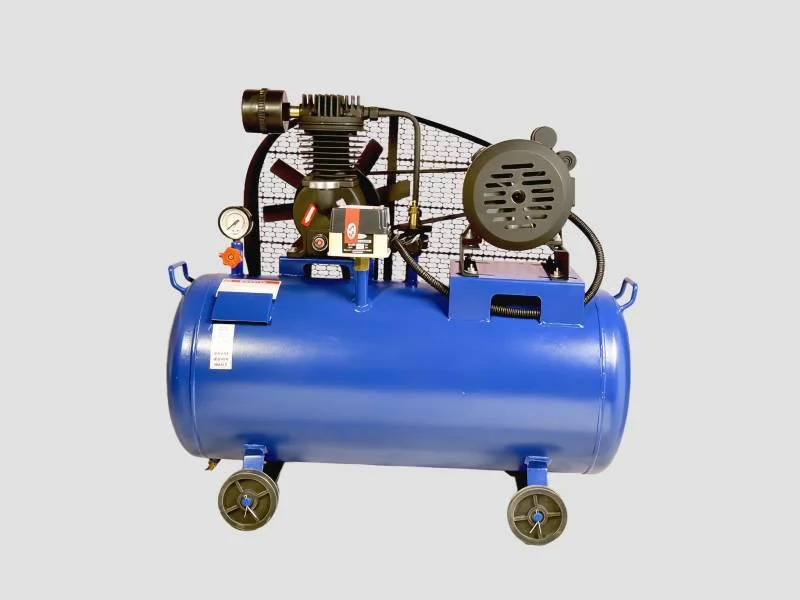
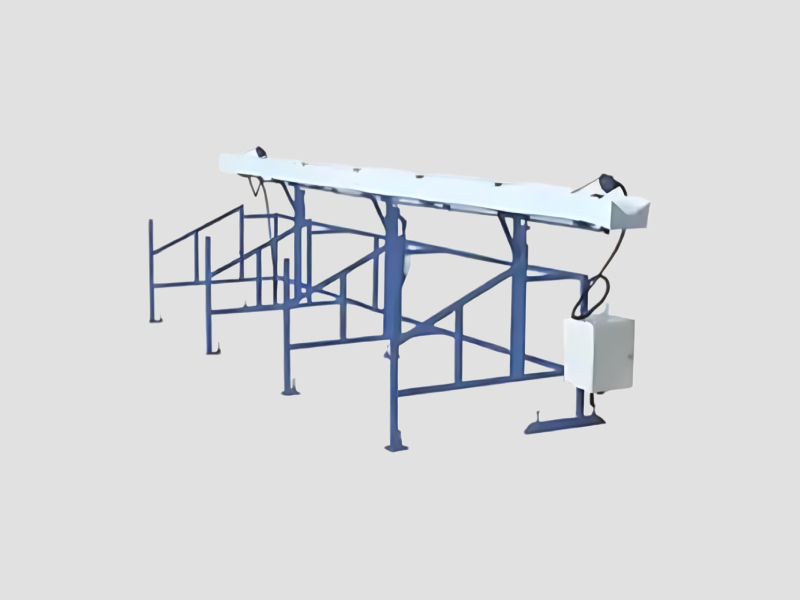
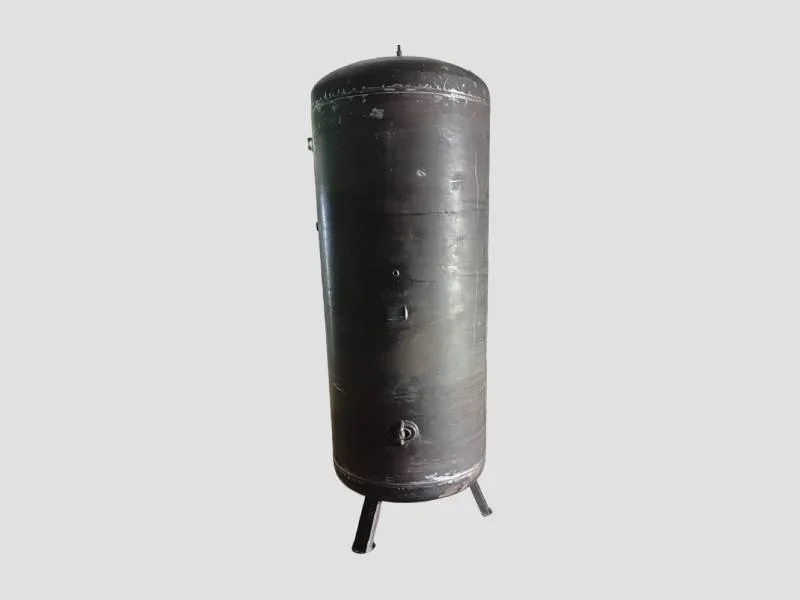
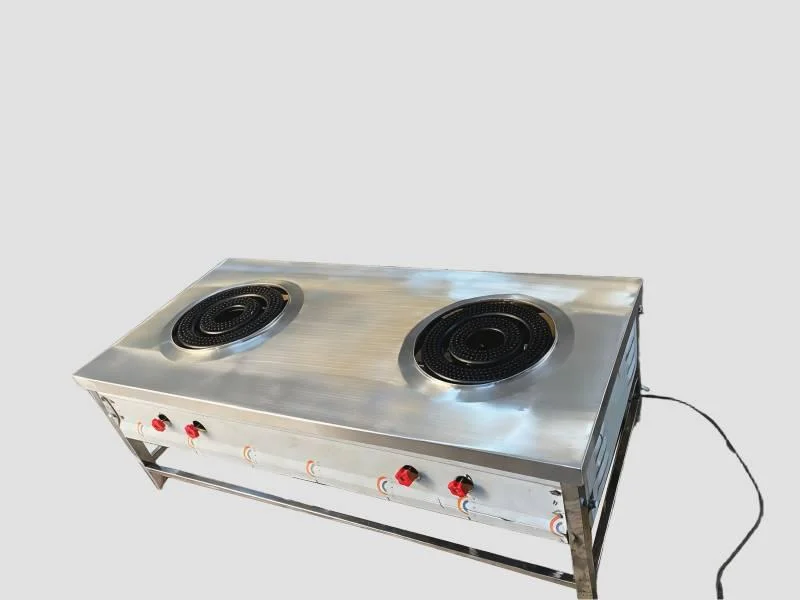
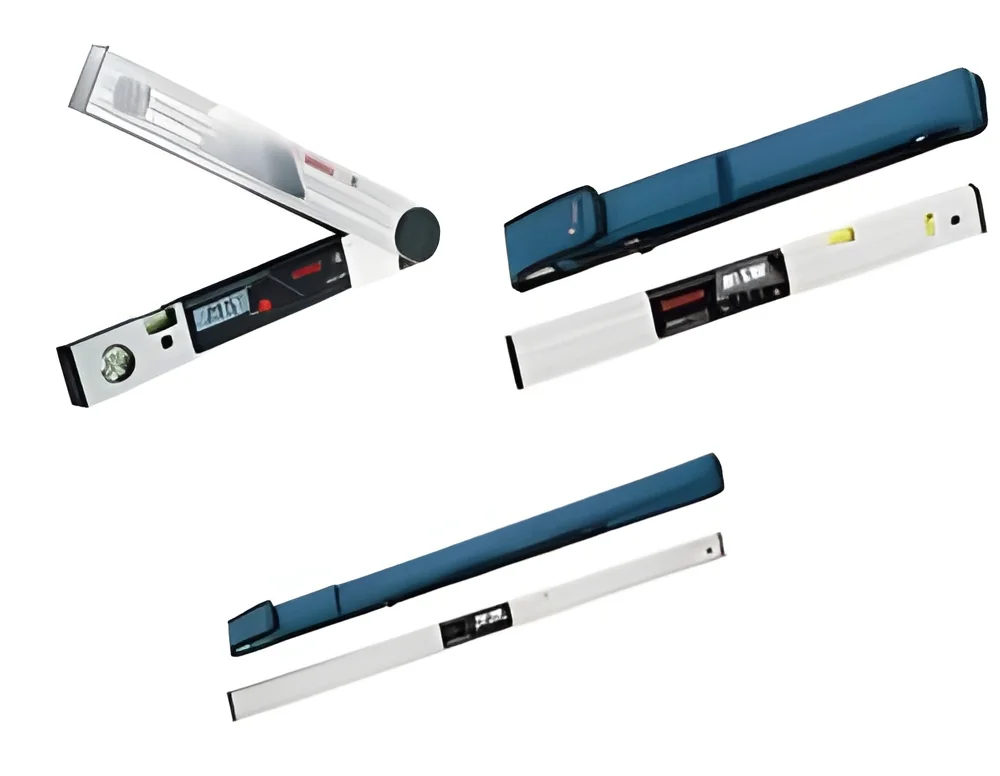
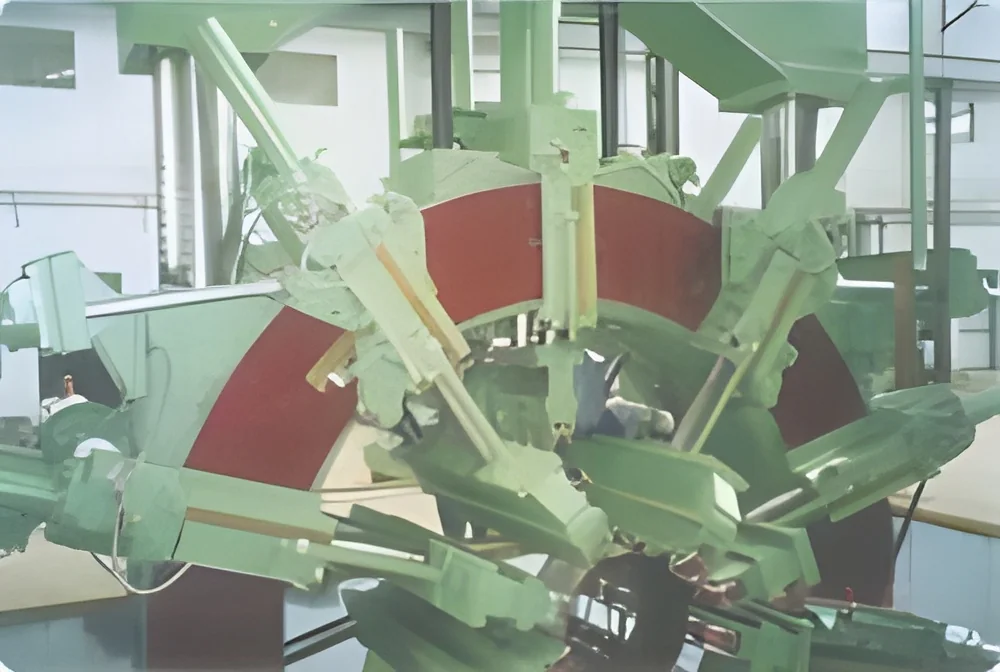
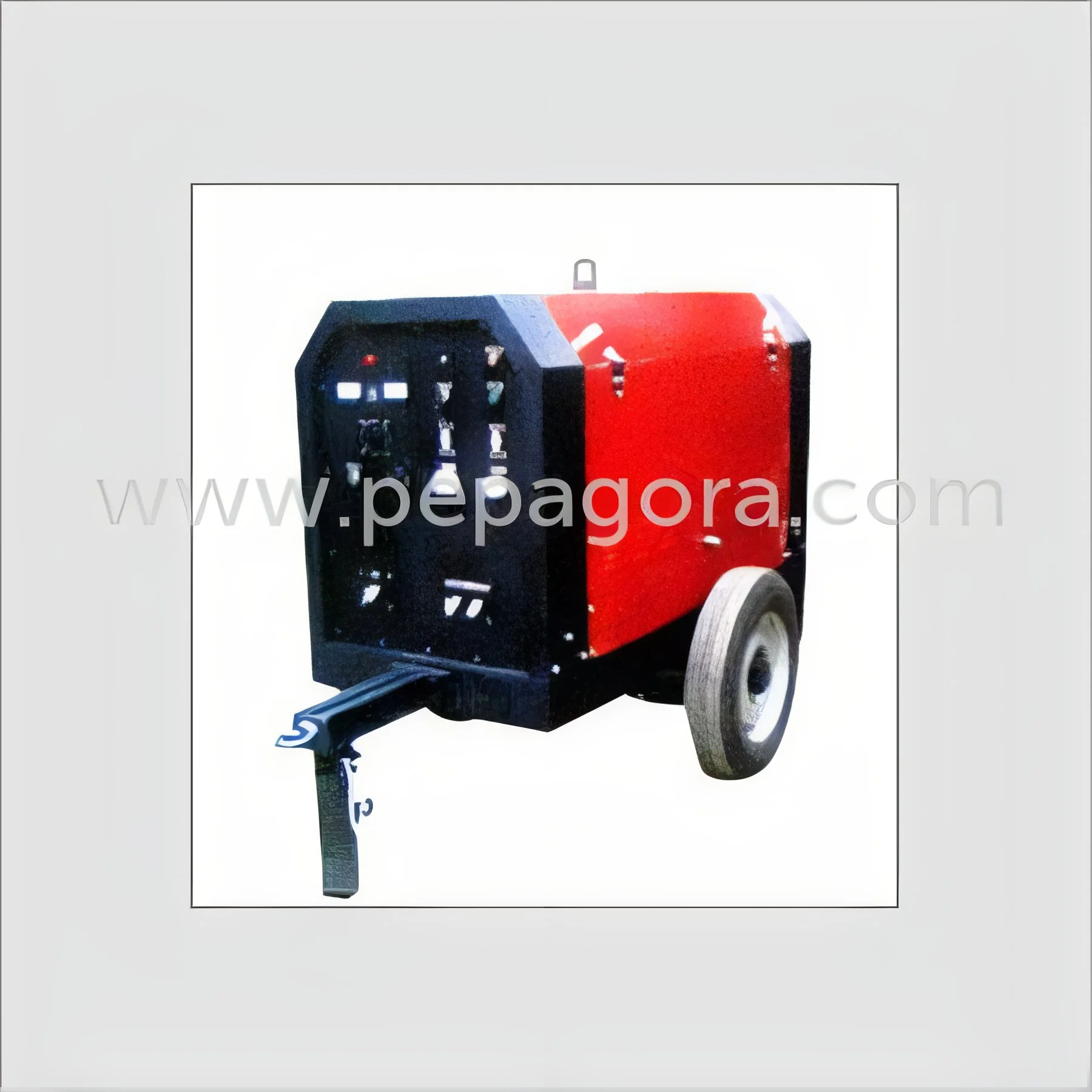
Workshop equipment refers to a range of tools and machinery used in various industrial settings for manufacturing, assembly, maintenance, and repair tasks. This equipment encompasses everything from hand tools to large machinery, designed to improve efficiency, safety, and precision in work processes. Workshop equipment is essential for creating a productive workspace where skilled labor can perform tasks effectively.
The primary uses of workshop equipment span numerous industries, including manufacturing, automotive, aerospace, and construction. Businesses utilize these tools for tasks such as machining, welding, fabrication, and assembly. Properly selected and maintained workshop equipment can significantly enhance operational capabilities, reduce downtime, and ensure consistent quality in output.
In the current market, workshop equipment plays a vital role in driving productivity and innovation. The demand for advanced machinery and tools continues to grow as industries seek to optimize their operations. As technology evolves, the integration of automation and smart features into workshop equipment is becoming increasingly relevant, aiding businesses in staying competitive.
𝗞𝗲𝘆 𝗙𝗲𝗮𝘁𝘂𝗿𝗲𝘀 𝗮𝗻𝗱 𝗦𝗽𝗲𝗰𝗶𝗳𝗶𝗰𝗮𝘁𝗶𝗼𝗻𝘀
Workshop equipment is characterized by several key features and specifications that determine its suitability for specific tasks. Understanding these specifications can help businesses select the right equipment for their needs.
Key specifications include:
1. Build Quality
- Durable materials are used to withstand heavy usage.
- Resistance to wear and tear under various conditions.
2. Power Source
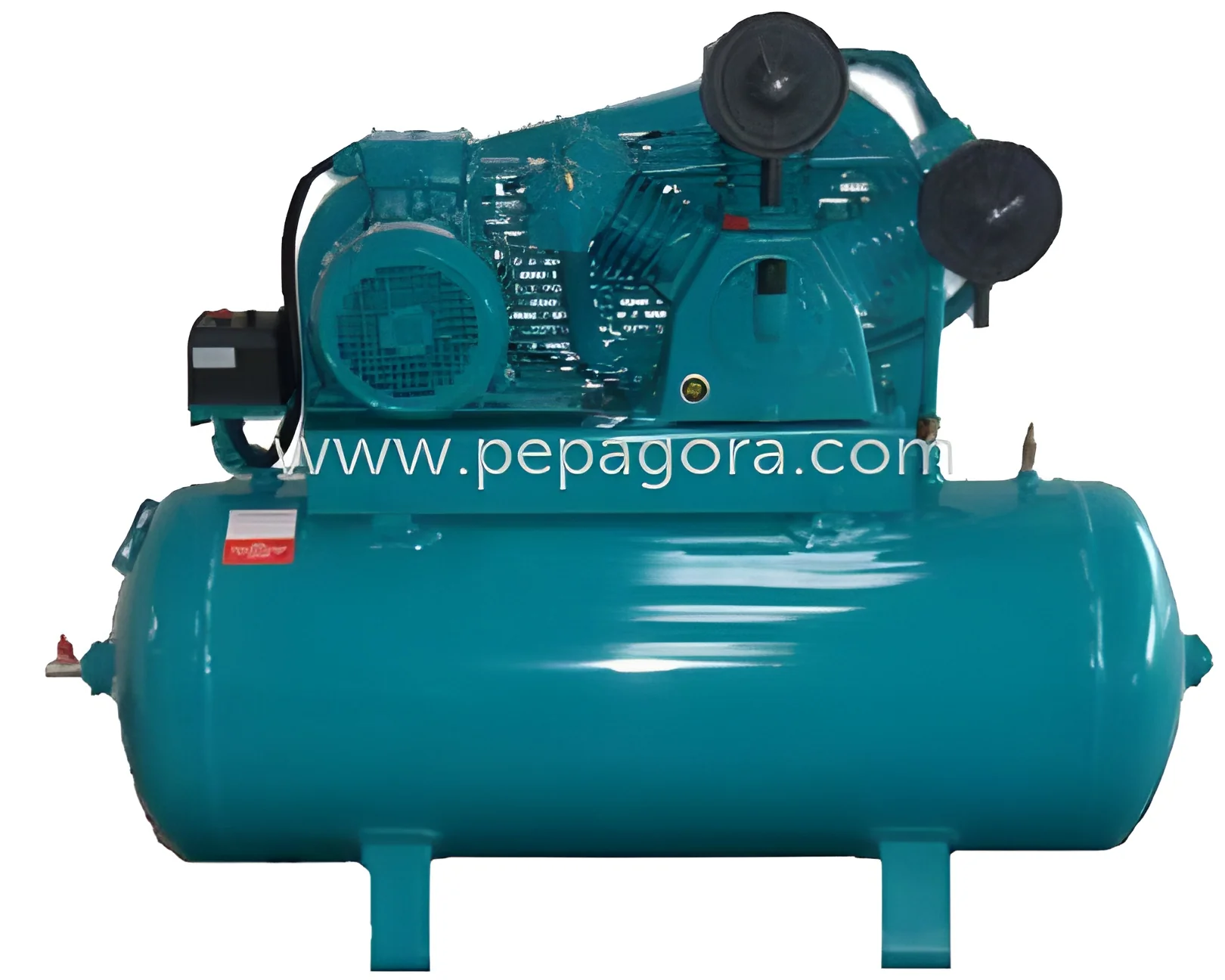
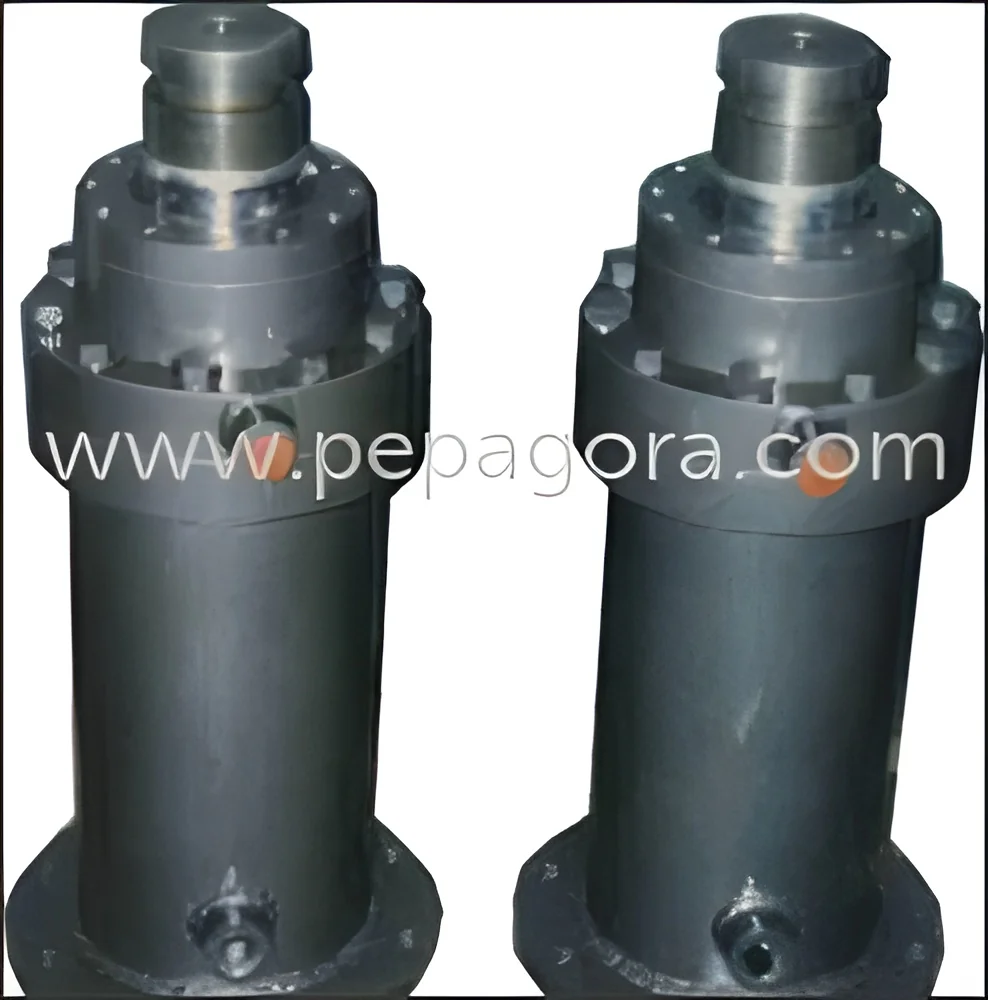
- Options may include electrical, pneumatic, or hydraulic.
- Each power source has its own operational advantages.
3. Size and Weight
- Equipment is available in various sizes to fit different workshop layouts.
- Compact designs may be available for limited spaces.
4. Operational Speed
- Speed specifications vary depending on the equipment type.
- Higher speeds can lead to increased productivity in certain applications.
5. Safety Features
- Equipment should include protective guards and emergency shut-off systems.
- Compliance with safety standards is critical for operation.
6. Maintenance Requirements
- Some equipment may require regular servicing.
- User-friendly designs can simplify maintenance tasks.
7. Compatibility with Accessories
- Equipment should support various attachments or tools for versatility.
- Ensures adaptability to different tasks and applications.
8. Warranty and Support
- A solid warranty can indicate manufacturer confidence.
- Access to customer support is vital for troubleshooting.
Choosing the right specifications can greatly enhance operational efficiency and safety.
𝗖𝗼𝗺𝗺𝗼𝗻 𝗔𝗽𝗽𝗹𝗶𝗰𝗮𝘁𝗶𝗼𝗻𝘀 𝗮𝗻𝗱 𝗨𝘀𝗲 𝗖𝗮𝘀𝗲𝘀
Workshop equipment finds extensive applications across various industries, enabling businesses to perform specialized tasks effectively.
1. Manufacturing: Equipment is used for assembly lines, machining components, and quality control testing, ensuring high production rates and consistent product quality.
2. Automotive: Workshops utilize equipment for vehicle repairs, part fabrication, and routine maintenance, allowing for efficient service and repair processes.
3. Aerospace: Precision tools and machinery are essential for the fabrication and assembly of aircraft components, meeting stringent safety and quality standards.
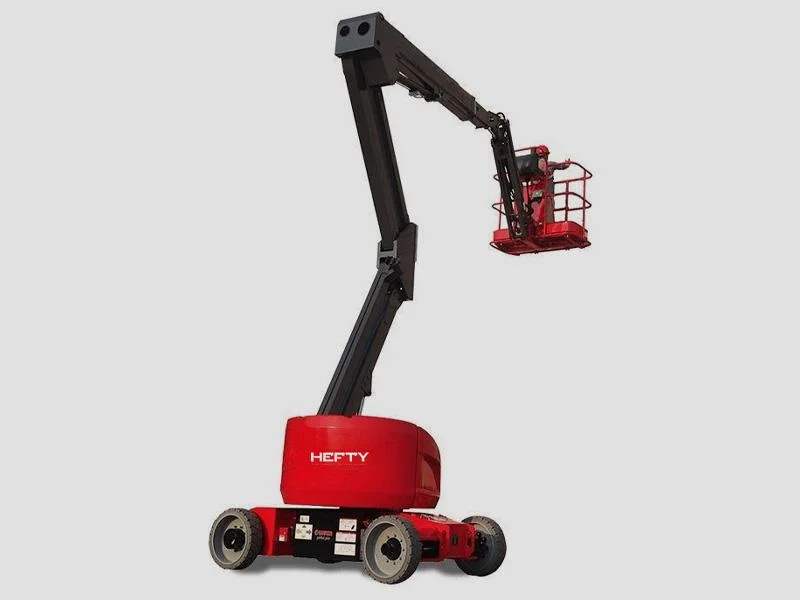
4. Construction: Equipment such as hoists and scaffolding aids in building structures, enabling workers to perform tasks safely at heights and in various environments.
5. Metalworking: Tools like lathes and milling machines allow for the shaping and finishing of metals, crucial for creating intricate components in various applications.
6. Woodworking: Workshop equipment facilitates cutting, shaping, and joining wood, essential for furniture production and custom woodworking projects.
7. Electronics: Specialized tools are used for assembling and testing electronic devices, ensuring functionality and adherence to specifications.
𝗣𝗿𝗼𝗱𝘂𝗰𝘁 𝗩𝗮𝗿𝗶𝗮𝗻𝘁𝘀 𝗮𝗻𝗱 𝗦𝘂𝗯𝗰𝗮𝘁𝗲𝗴𝗼𝗿𝗶𝗲𝘀
Workshop equipment comes in various forms to cater to different operational needs and preferences. Understanding these variants can help businesses make informed choices.
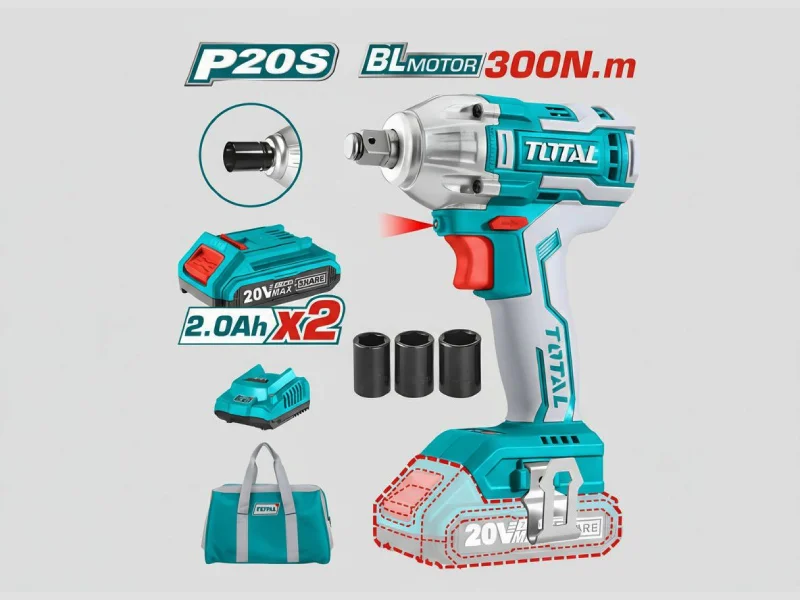
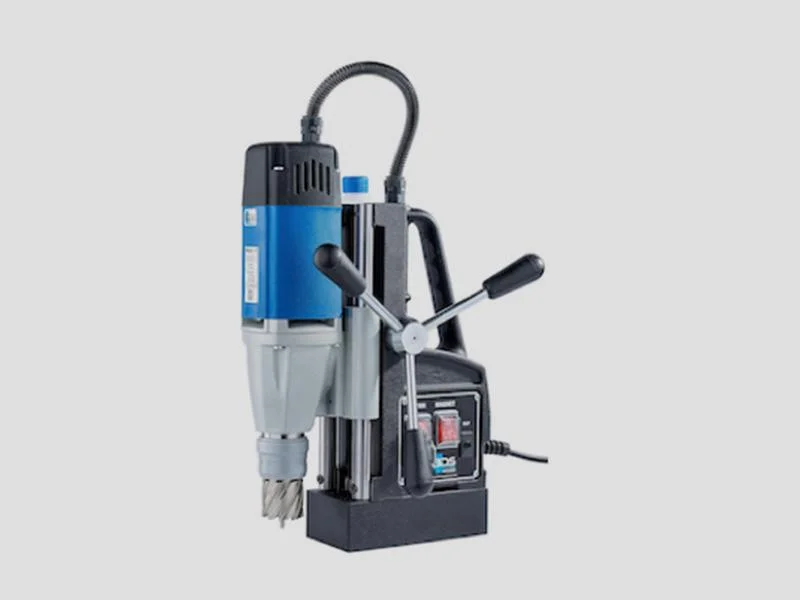
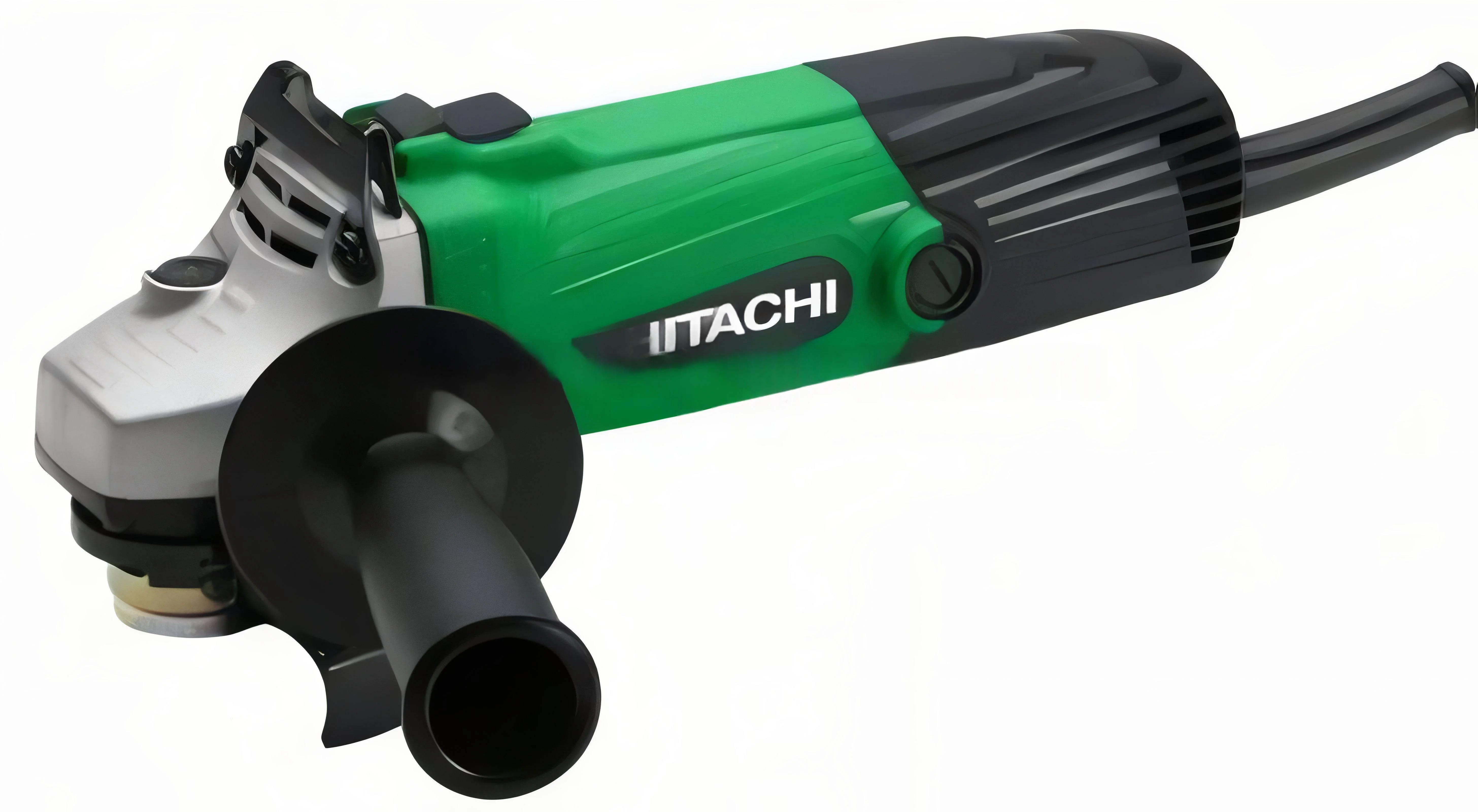
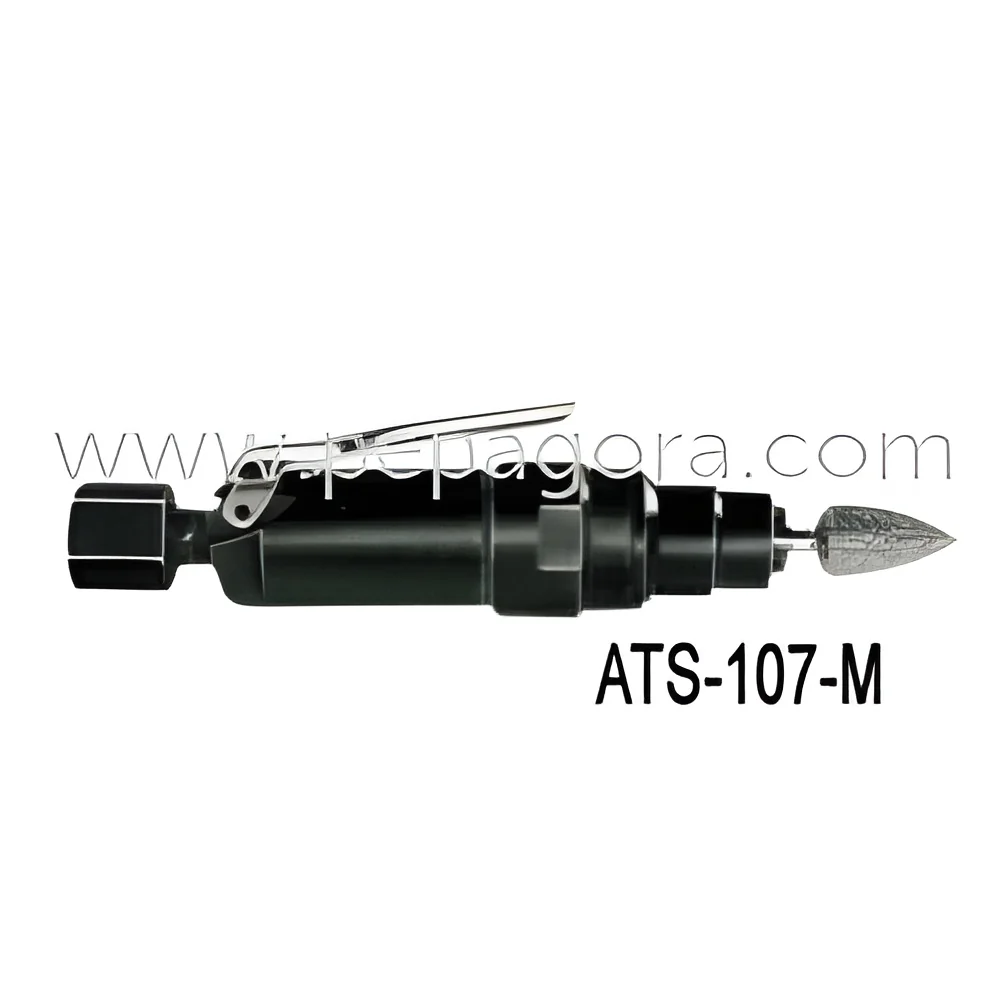
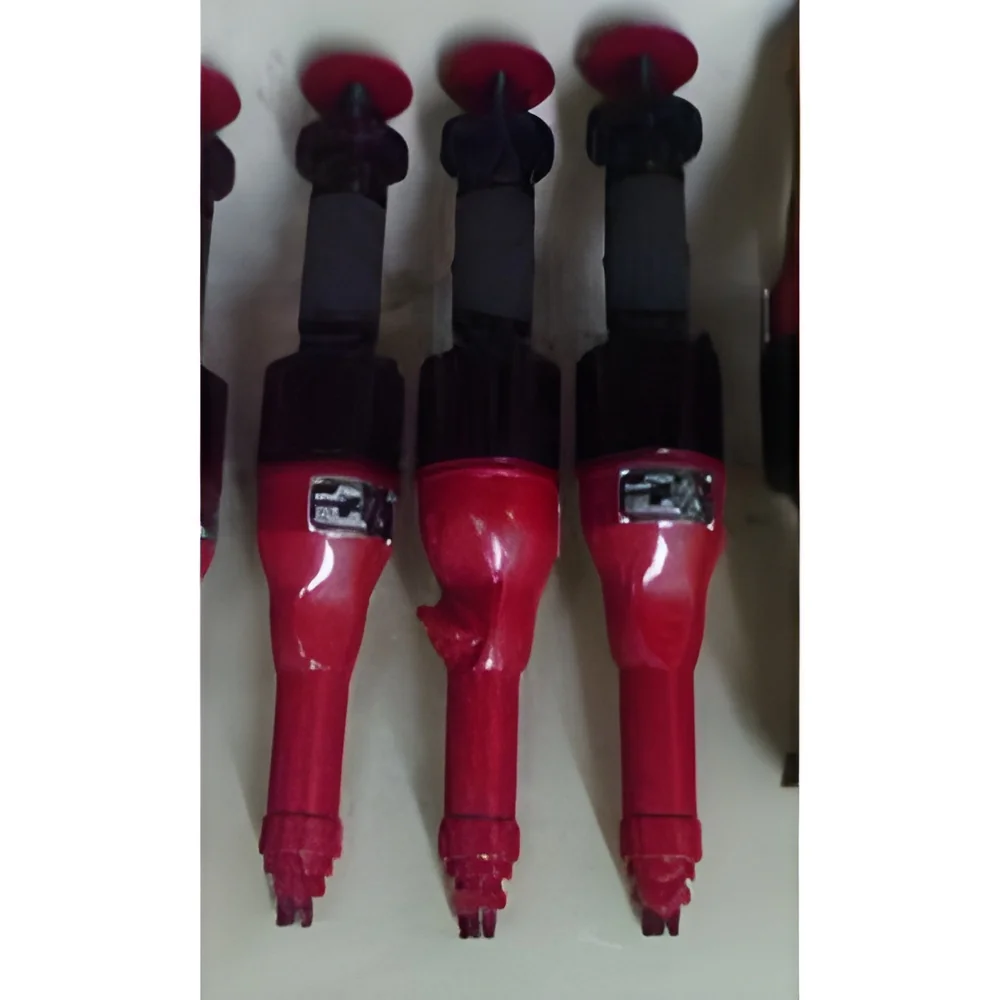
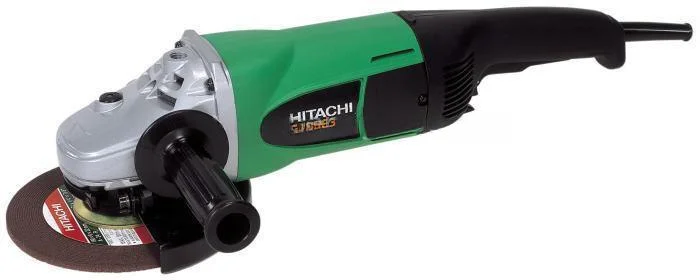
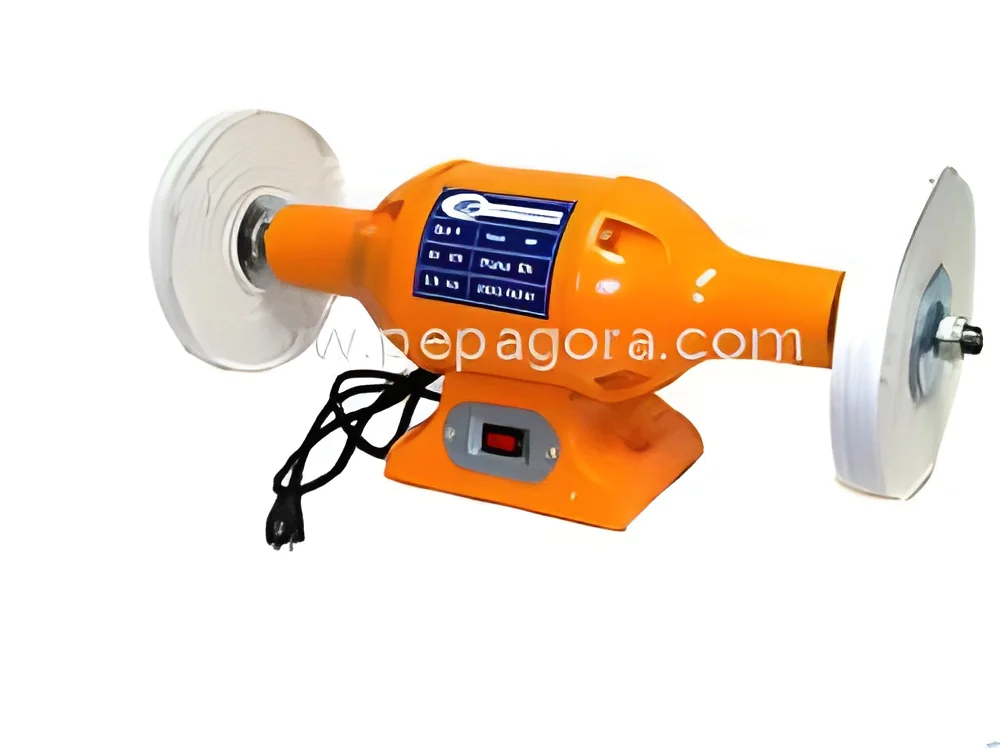
Power Tools: These include drills, saws, and grinders, designed for ease of use and mobility. Power tools are essential for tasks that require high precision and speed.
Hand Tools: Simple but effective, hand tools like wrenches, screwdrivers, and pliers are critical for assembly and repair tasks. They are often portable and require minimal maintenance.
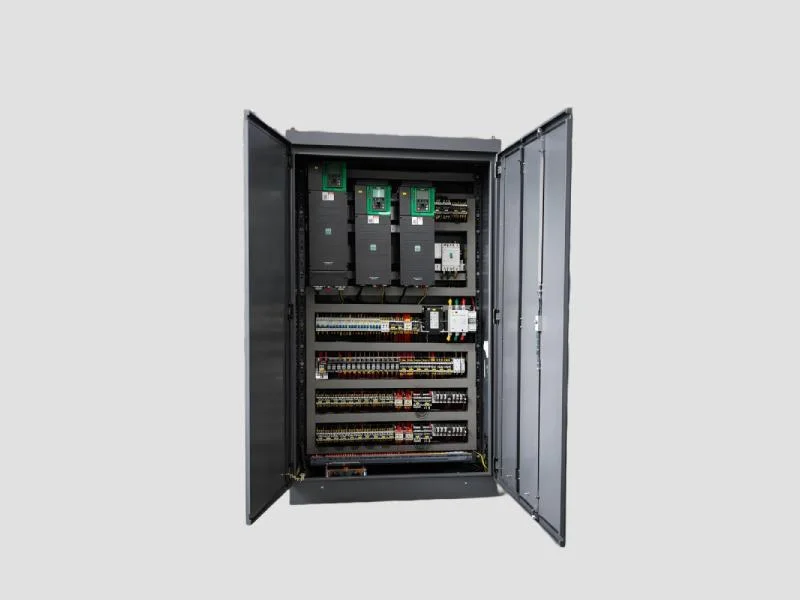
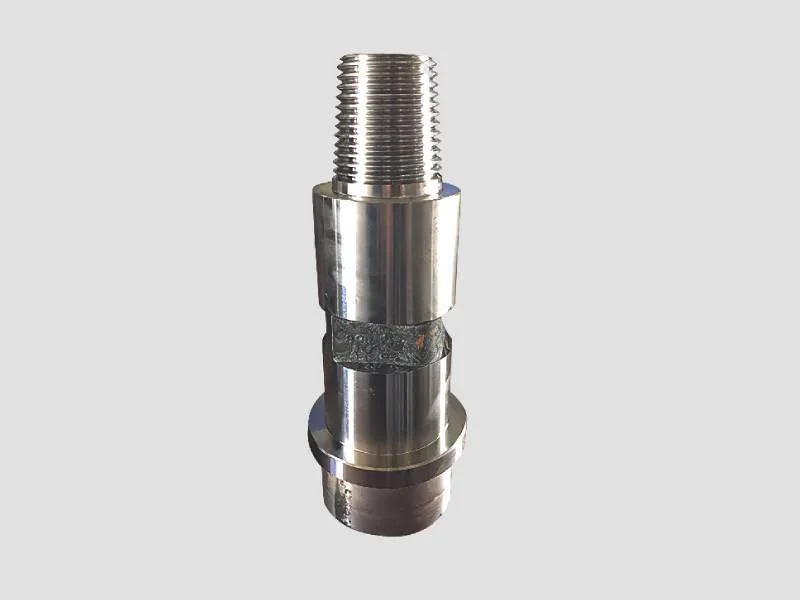
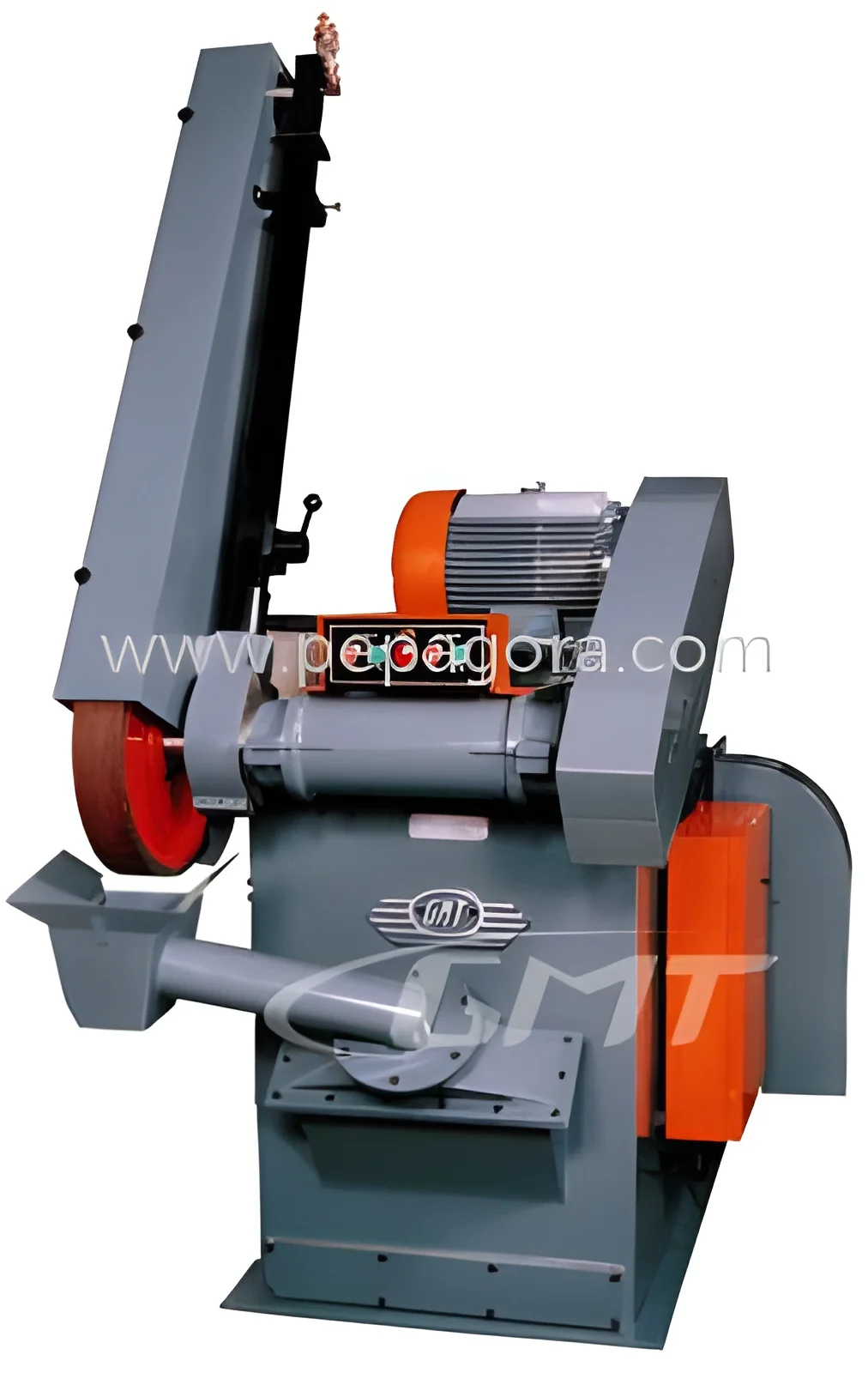
Machinery: This category includes larger equipment such as lathes, milling machines, and CNC machines, designed for heavy-duty tasks. They offer high precision and automation capabilities.
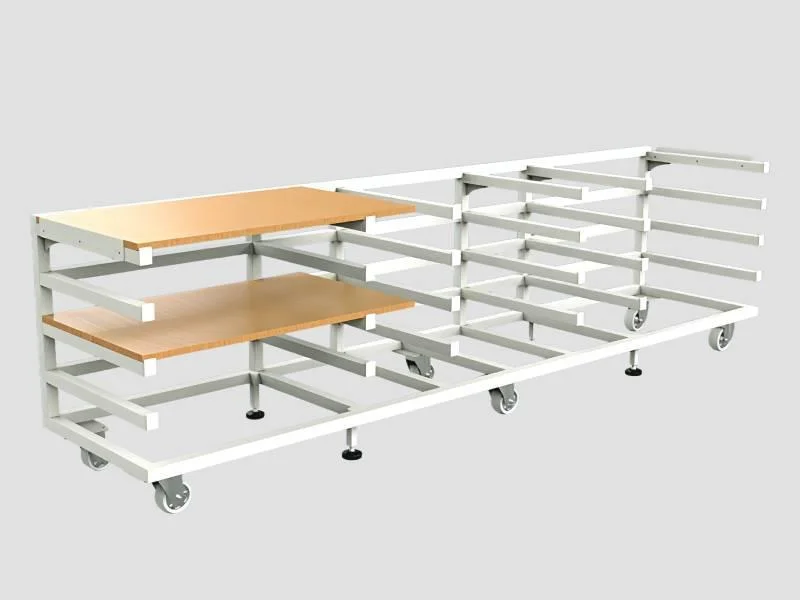
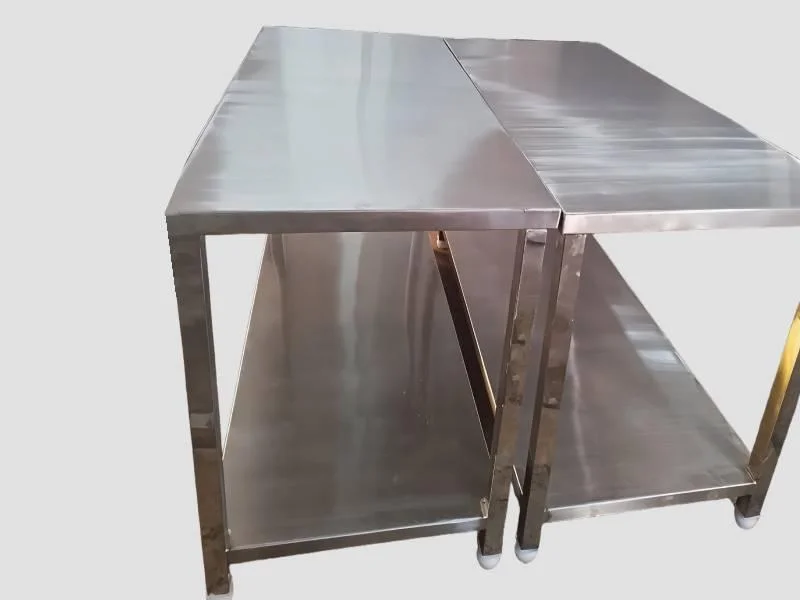
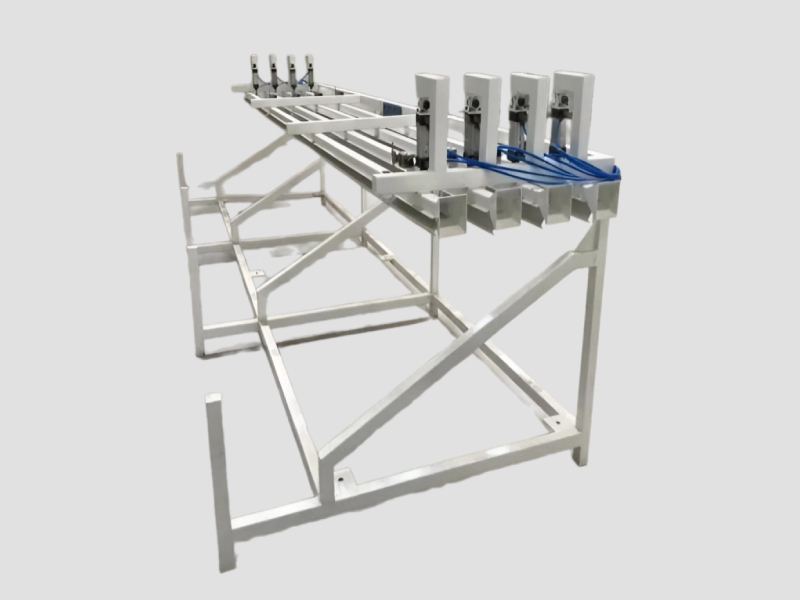
Workbenches: Sturdy work surfaces are essential for performing various tasks. Workbenches can be customized to fit specific needs, including storage solutions and integrated tools.
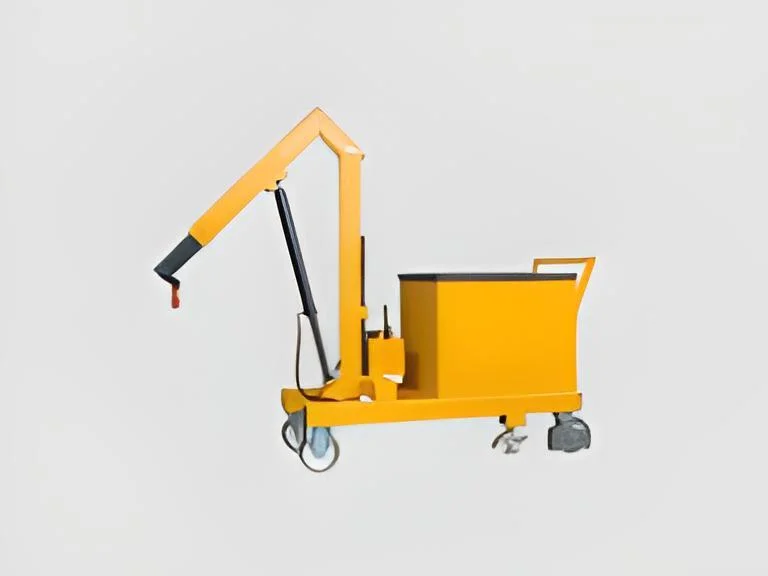
Material Handling Equipment: Items like forklifts and pallet jacks help in transporting and organizing materials within a workshop, enhancing workflow efficiency.
𝗕𝗲𝗻𝗲𝗳𝗶𝘁𝘀 𝗮𝗻𝗱 𝗔𝗱𝘃𝗮𝗻𝘁𝗮𝗴𝗲𝘀
Investing in quality workshop equipment brings numerous advantages to businesses looking to enhance their operational capabilities.
1. Increased Efficiency: Well-designed equipment streamlines workflows, allowing tasks to be completed faster and with greater accuracy.
2. Improved Safety: Modern workshop equipment is built with safety features that reduce the risk of accidents and injuries, fostering a safer working environment.
3. Cost-Effective: Though the initial investment may be significant, high-quality equipment often leads to lower maintenance costs and longer lifespan, yielding cost savings over time.
4. Enhanced Quality: Precision tools contribute to higher-quality outputs, ensuring that products meet or exceed industry standards.
5. Versatility: Many workshop machines can accommodate various tasks through interchangeable parts and accessories, allowing for greater flexibility in operations.
6. Ease of Use: User-friendly designs and features simplify operation, enabling workers to focus on their tasks without extensive training.
𝗕𝘂𝘆𝗶𝗻𝗴 𝗚𝘂𝗶𝗱𝗲 𝗳𝗼𝗿 𝗕𝟮𝗕 𝗕𝘂𝘆𝗲𝗿𝘀
When sourcing workshop equipment, it is important for businesses to consider several key factors to ensure they make the right investment.
1. Quality Assessment: Buyers should evaluate the materials and construction of the equipment to ensure durability and reliability. Look for reviews and testimonials from other users.
2. Supplier Verification: Vetting suppliers is crucial to ensure they are reputable and capable of delivering quality products. Look for certifications and industry experience.
3. Pricing and MOQ: Understanding the pricing structure and minimum order quantities can help in budgeting and negotiating with suppliers. Compare quotes from multiple sources.
4. Delivery and Lead Times: Consider the logistics involved in shipping and delivery to avoid disruptions. Ensure that suppliers can meet your timelines.
5. Compliance Requirements: Familiarize yourself with any industry-specific regulations that may apply to the equipment. Ensure that products meet necessary compliance standards for safety and quality.
𝗖𝗼𝗺𝗽𝗹𝗶𝗮𝗻𝗰𝗲 𝗮𝗻𝗱 𝗖𝗲𝗿𝘁𝗶𝗳𝗶𝗰𝗮𝘁𝗶𝗼𝗻𝘀
Workshop equipment must adhere to various compliance and certification standards to ensure safety and quality in industrial applications.
ISO 9001 is a widely recognized quality management standard that ensures products meet customer and regulatory requirements. Equipment manufacturers often follow this standard to maintain high levels of quality.
CE certification indicates that products comply with European health, safety, and environmental protection standards. This certification is essential for equipment sold within the European market.
Additionally, safety and testing requirements vary by industry and region. Equipment may undergo rigorous testing to ensure it meets the necessary safety criteria.
Regional compliance considerations are also crucial. Different markets may have specific regulations regarding equipment use, manufacturing practices, and environmental impact.
𝗪𝗵𝘆 𝗦𝗼𝘂𝗿𝗰𝗲 𝗪𝗼𝗿𝗸𝘀𝗵𝗼𝗽 𝗘𝗾𝘂𝗶𝗽𝗺𝗲𝗻𝘁 𝗳𝗿𝗼𝗺 𝗣𝗲𝗽𝗮𝗴𝗼𝗿𝗮?
Pepagora offers a trusted platform for sourcing workshop equipment, bringing several key advantages to B2B buyers.
Verified Supplier Network: Pepagora connects businesses with a network of verified suppliers, ensuring that buyers engage with reputable manufacturers. This verification process enhances trust and reduces risks.
Streamlined RFQ Process: The request for quotation (RFQ) system simplifies the sourcing process. Buyers can easily obtain multiple quotes, allowing for informed decision-making.
Trade Assurance and Support: Pepagora provides buyer protection through trade assurance, ensuring that transactions are secure. Additionally, dedicated support is available to assist buyers throughout the purchasing process.
Regional Coverage: With a strong presence in India, the GCC, and Southeast Asia, Pepagora offers extensive regional coverage. This geographic reach enables businesses to access a wide range of workshop equipment tailored to their local needs.

 IN
IN