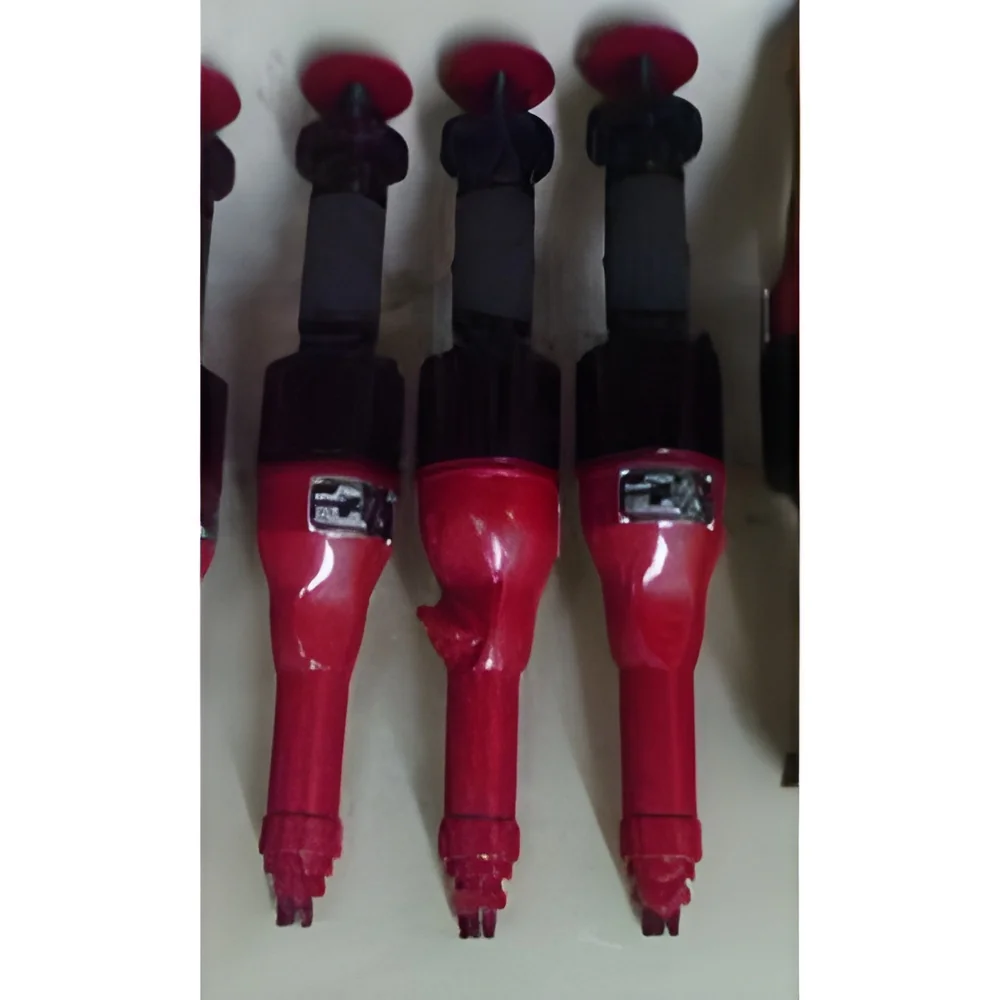
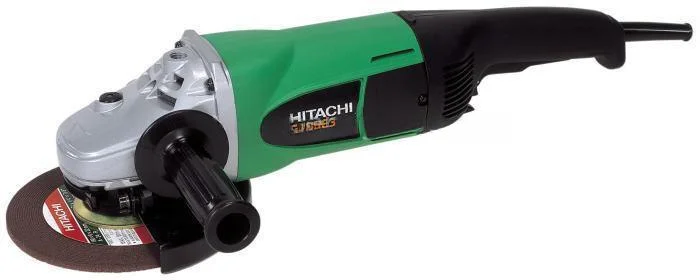
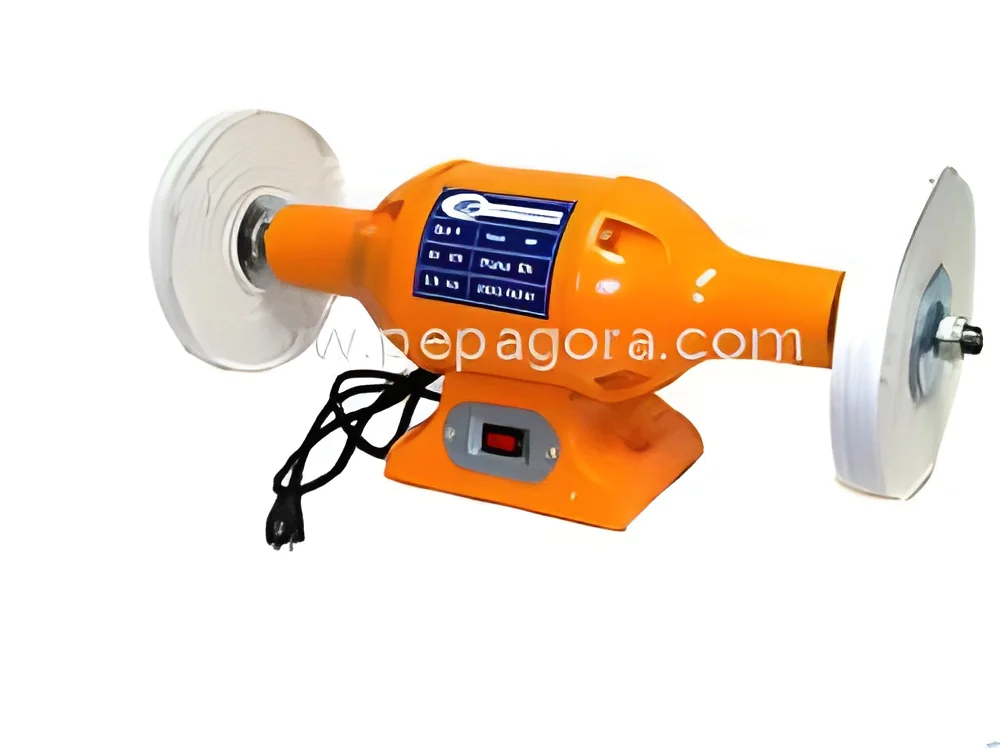
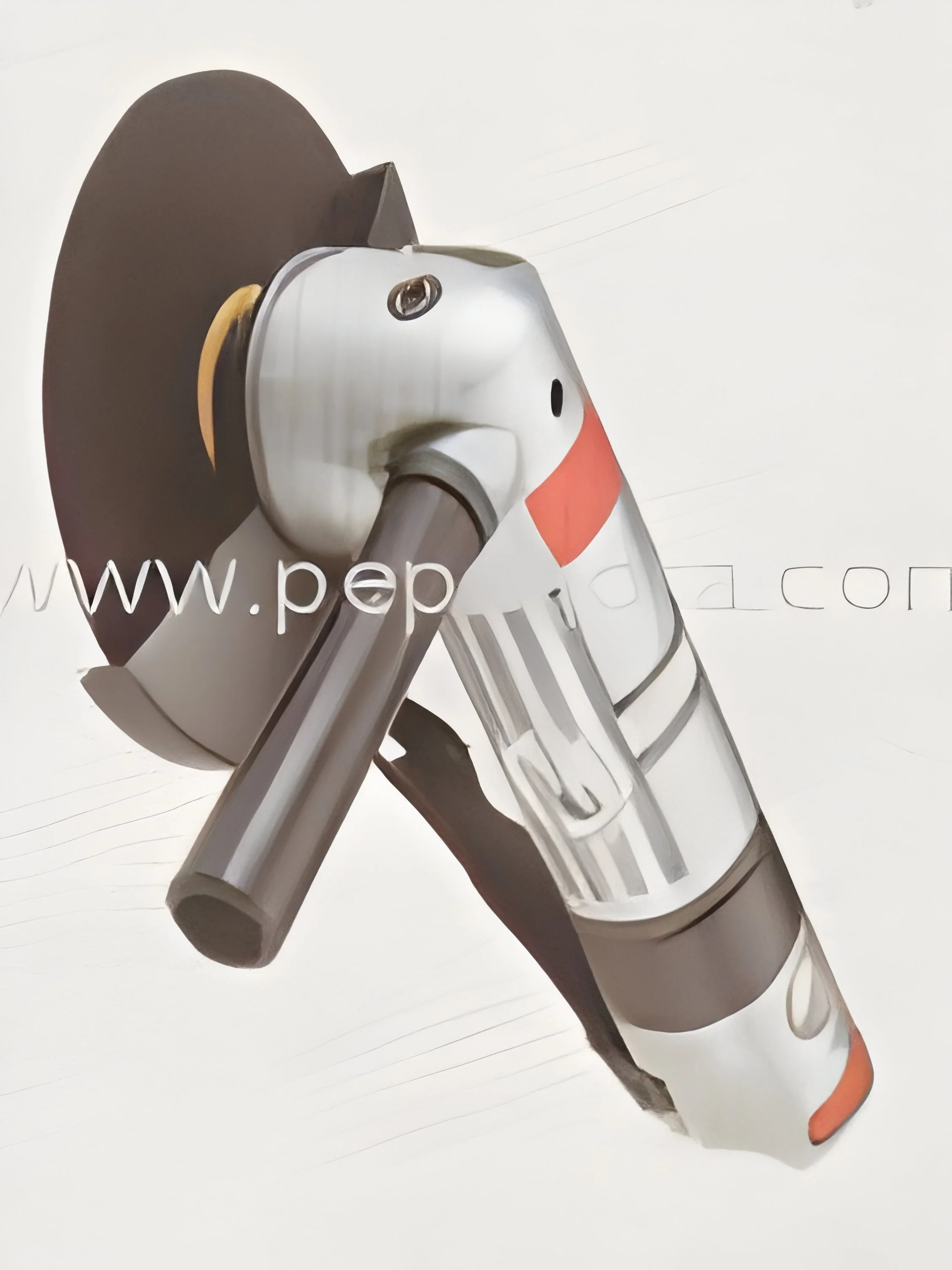
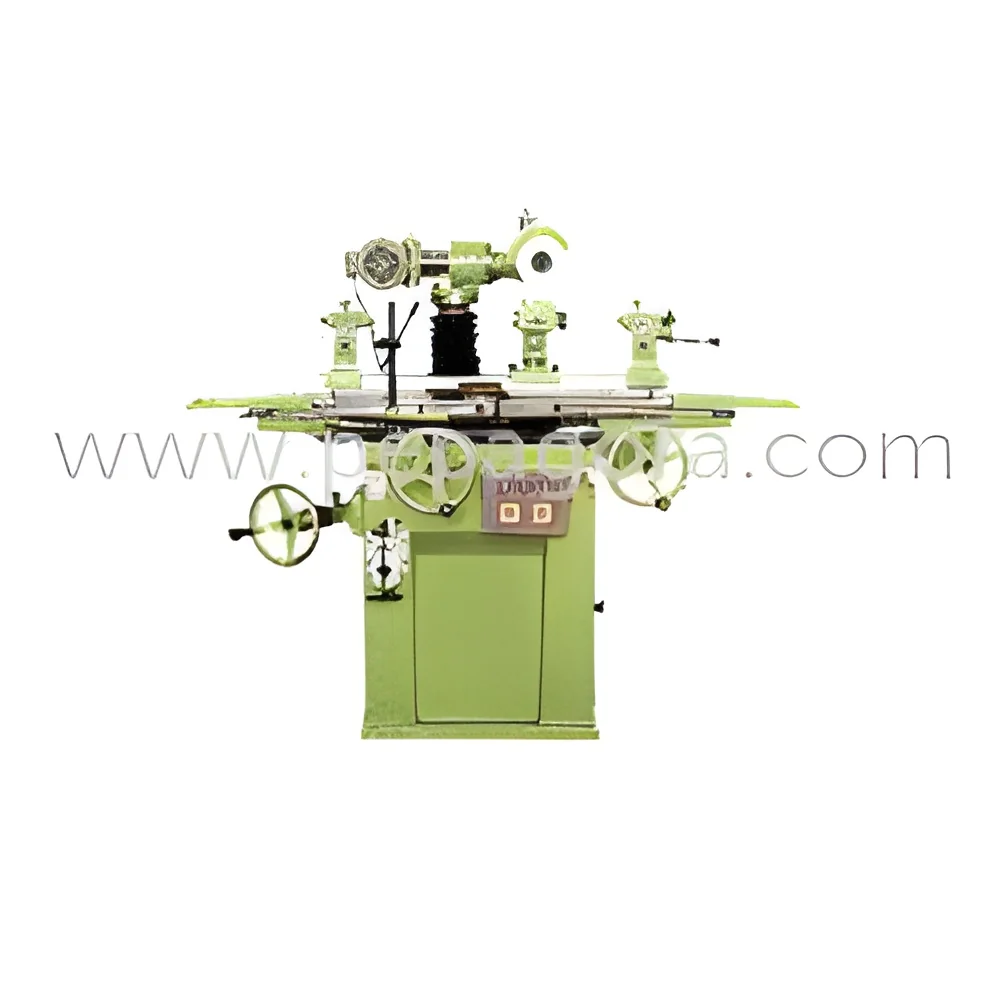
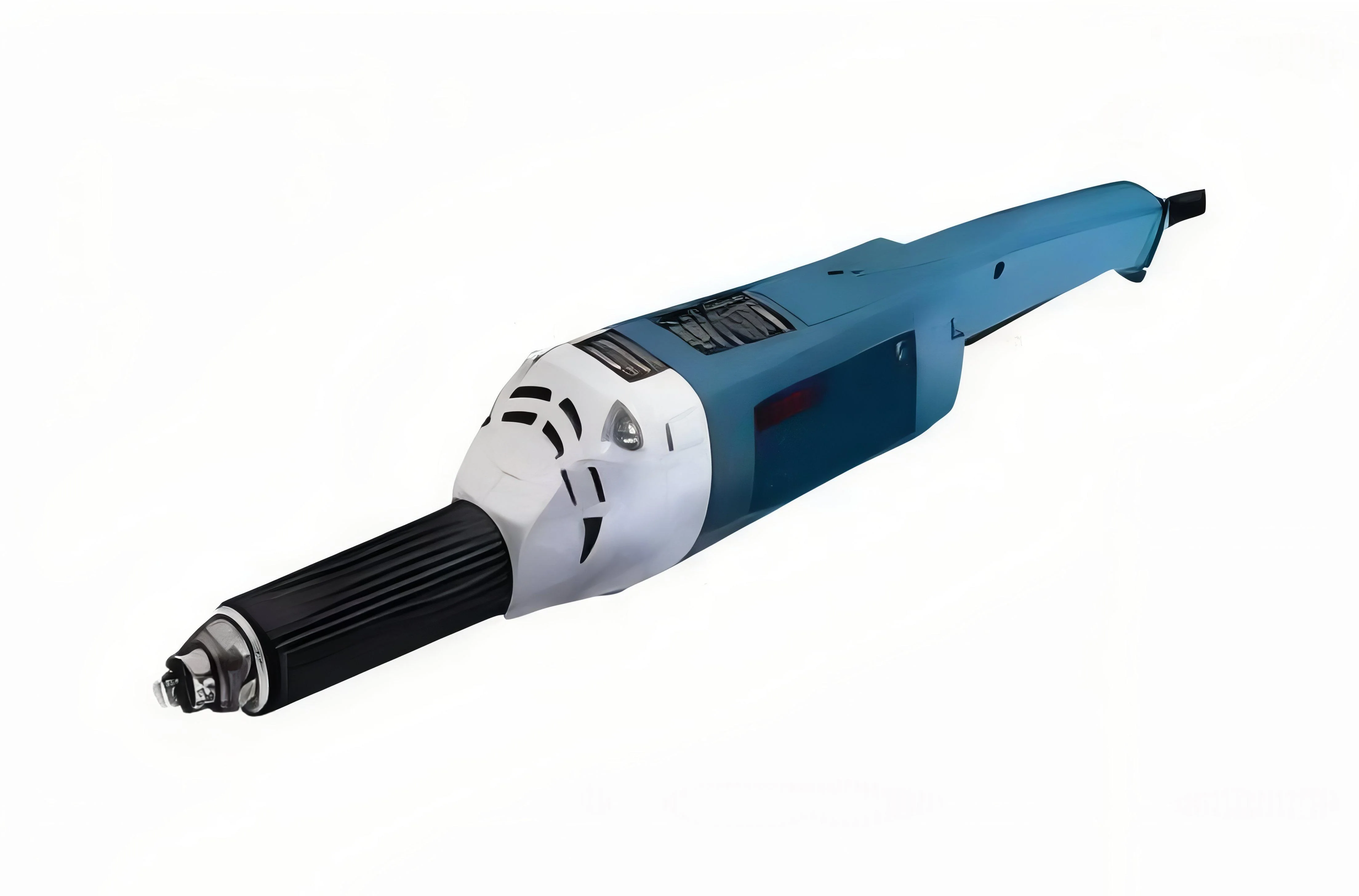
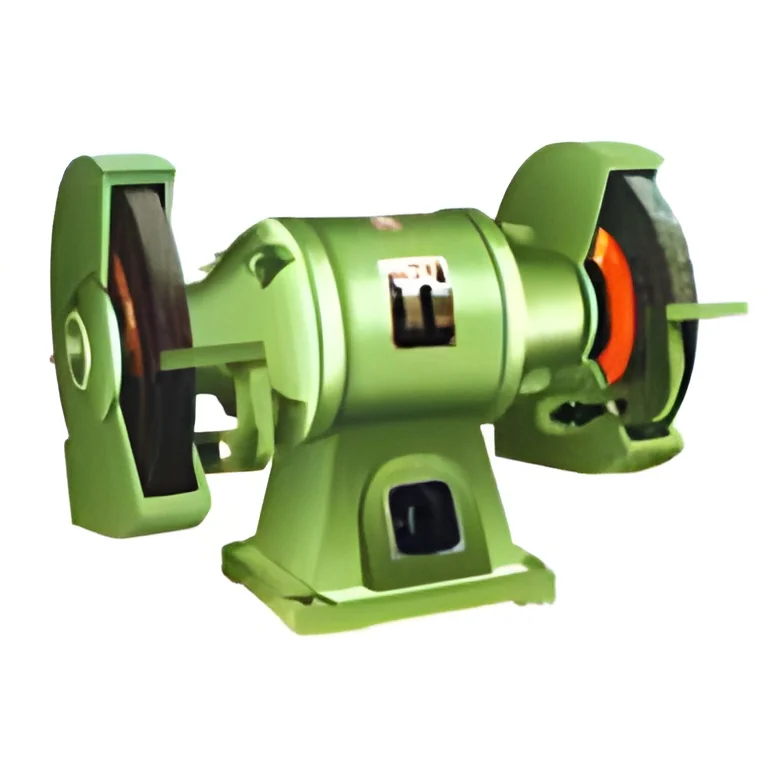
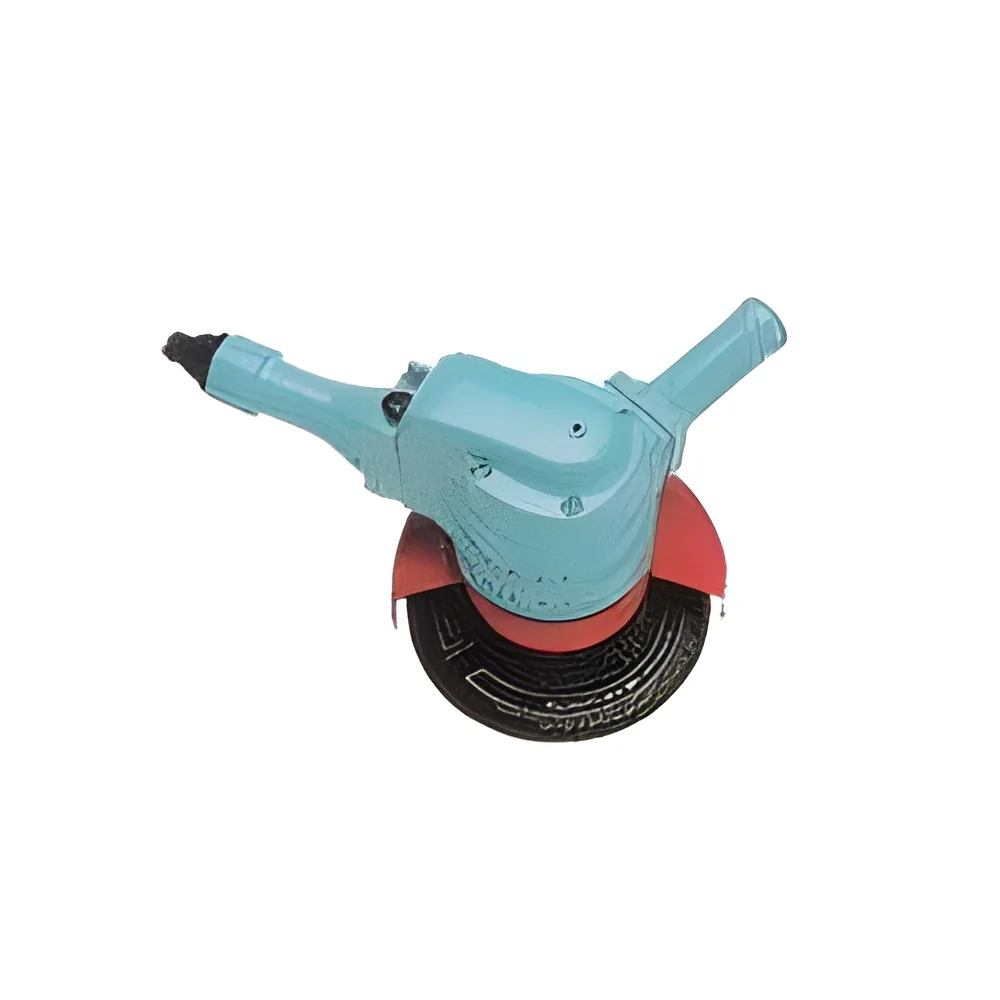
What are Grinders & Polishers?
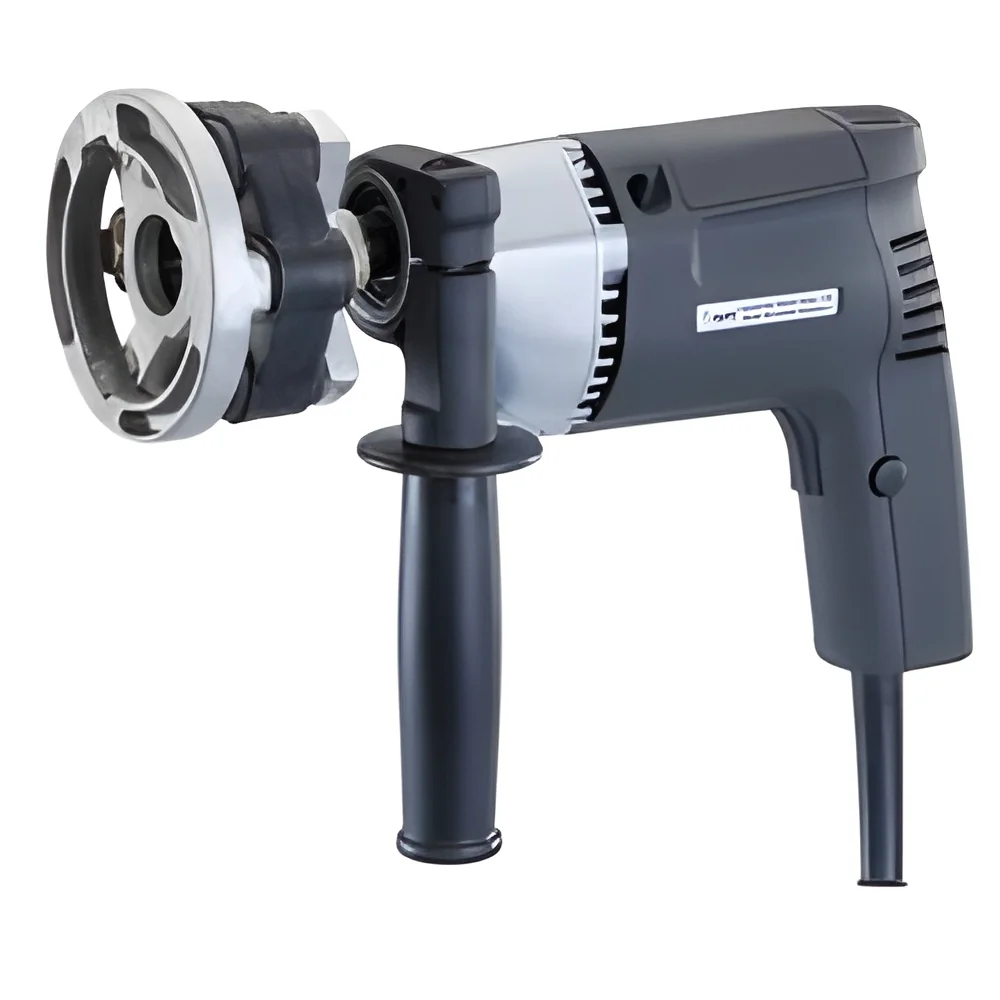
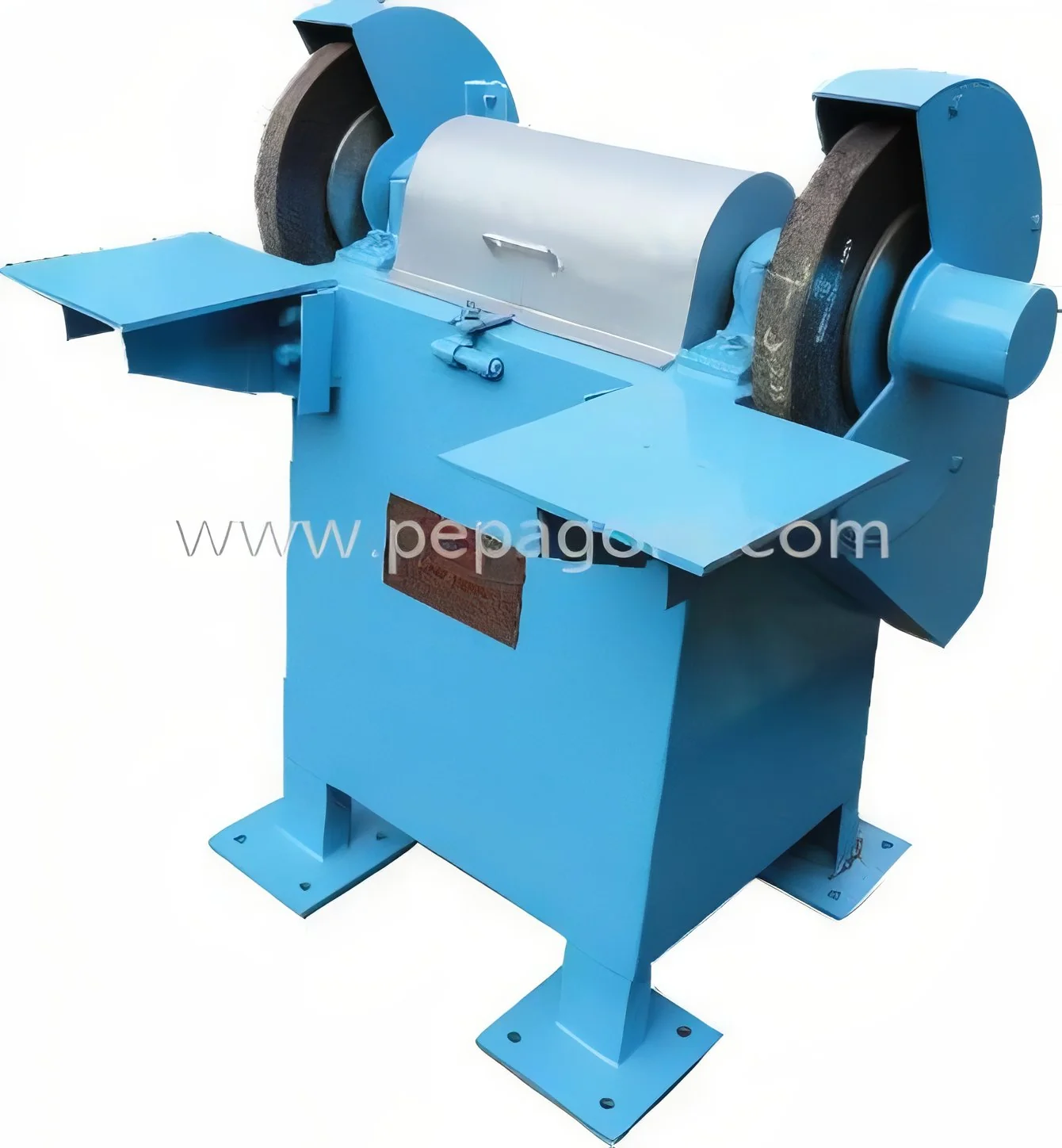
Grinders and polishers are essential tools used for surface finishing and material removal. Grinders typically employ rotating abrasive wheels or discs to grind down materials, achieving a smoother surface or removing excess material. Polishers, on the other hand, are used to enhance the surface finish by using finer abrasives, often resulting in a glossy, polished appearance. Both types of equipment are vital in various industries, including manufacturing, construction, and automotive repair.
These tools have numerous applications in business settings. They are commonly used for tasks such as smoothing metal surfaces, polishing wood, and refining concrete floors. Grinders and polishers can also be found in specialized applications, such as jewelry making and stone cutting. Their versatility and effectiveness make them indispensable in achieving high-quality finishes or precise dimensions in a range of materials.
In the current market, the demand for grinders and polishers is driven by the increasing need for high-quality finishing processes in manufacturing and construction. As industries continue to evolve with advancements in technology, the capabilities and specifications of these tools are also expanding to meet new standards. Consequently, businesses are investing in modern grinding and polishing equipment to enhance productivity and improve product quality.
Key Features and Specifications
Grinders and polishers come with a range of features and specifications that enhance their performance and usability. Understanding these specifications is crucial for businesses looking to invest in high-quality equipment.
Key specifications include:
1. Power Rating
- Indicates the motor strength of the grinder or polisher.
- Common ranges are between 500 to 3000 watts.
2. Speed Range
- Refers to the revolutions per minute (RPM) at which the tool operates.
- Typical ranges can be from 2000 RPM to 10000 RPM.
3. Disc Size
- Represents the diameter of the grinding or polishing disc.
- Sizes can vary from 4 inches to over 12 inches.
4. Weight
- Affects the portability and ease of use.
- Grinders and polishers can weigh from 3 to 15 kilograms.
5. Noise Level
- Important for workplace safety and comfort.
- Average noise levels range from 80 dB to 100 dB.
6. Vibration Control
- Features designed to minimize user fatigue.
- Many models include ergonomic designs and anti-vibration technology.
7. Dust Collection
- Systems that help manage debris during operation.
- Options may include built-in vacuums or dust bags.
8. Safety Features
- Includes guards, safety switches, and overload protection.
- Essential for preventing accidents and injuries.
These specifications collectively contribute to the effectiveness and safety of grinders and polishers, enabling businesses to select the right tools for their needs.
Common Applications and Use Cases
Grinders and polishers are utilized across various industries, each with specific applications that highlight their versatility.
1. Manufacturing: In the manufacturing sector, grinders are employed for shaping and finishing metal parts, while polishers enhance the appearance of products like automotive components and machinery.
2. Construction: These tools are vital in construction for smoothing concrete surfaces and preparing materials for installation, ensuring that finished surfaces meet quality standards.
3. Automotive: Grinders and polishers are used extensively in automotive repair shops for restoring vehicle surfaces, removing rust, and achieving a high-gloss finish on paint jobs.
4. Woodworking: In woodworking, polishers provide the final touch to furniture pieces, enhancing the wood grain and ensuring a smooth, appealing finish.
5. Jewelry Making: Jewelers utilize small grinders and polishers to shape and refine precious metals and stones, ensuring intricate designs are polished to perfection.
6. Stone Fabrication: In stone and tile industries, these tools help in cutting and finishing granite, marble, and other stones, allowing for precise and attractive results.
7. Aerospace: The aerospace industry requires precision grinding and polishing for components to ensure safety and performance standards.
Product Variants and Subcategories
Grinders and polishers come in various types, catering to different needs and applications. Each variant offers unique features suited for specific tasks.
Angle Grinder
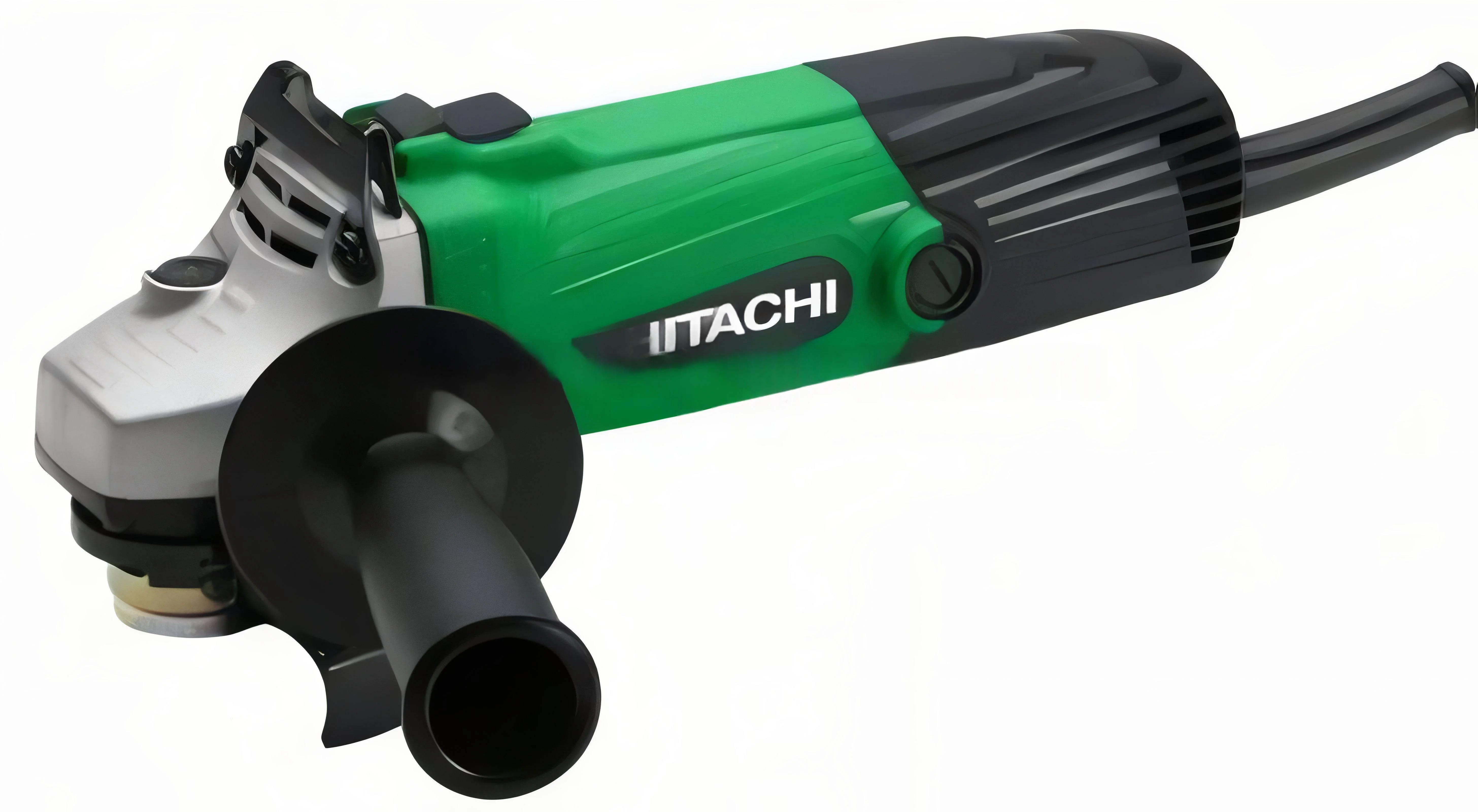
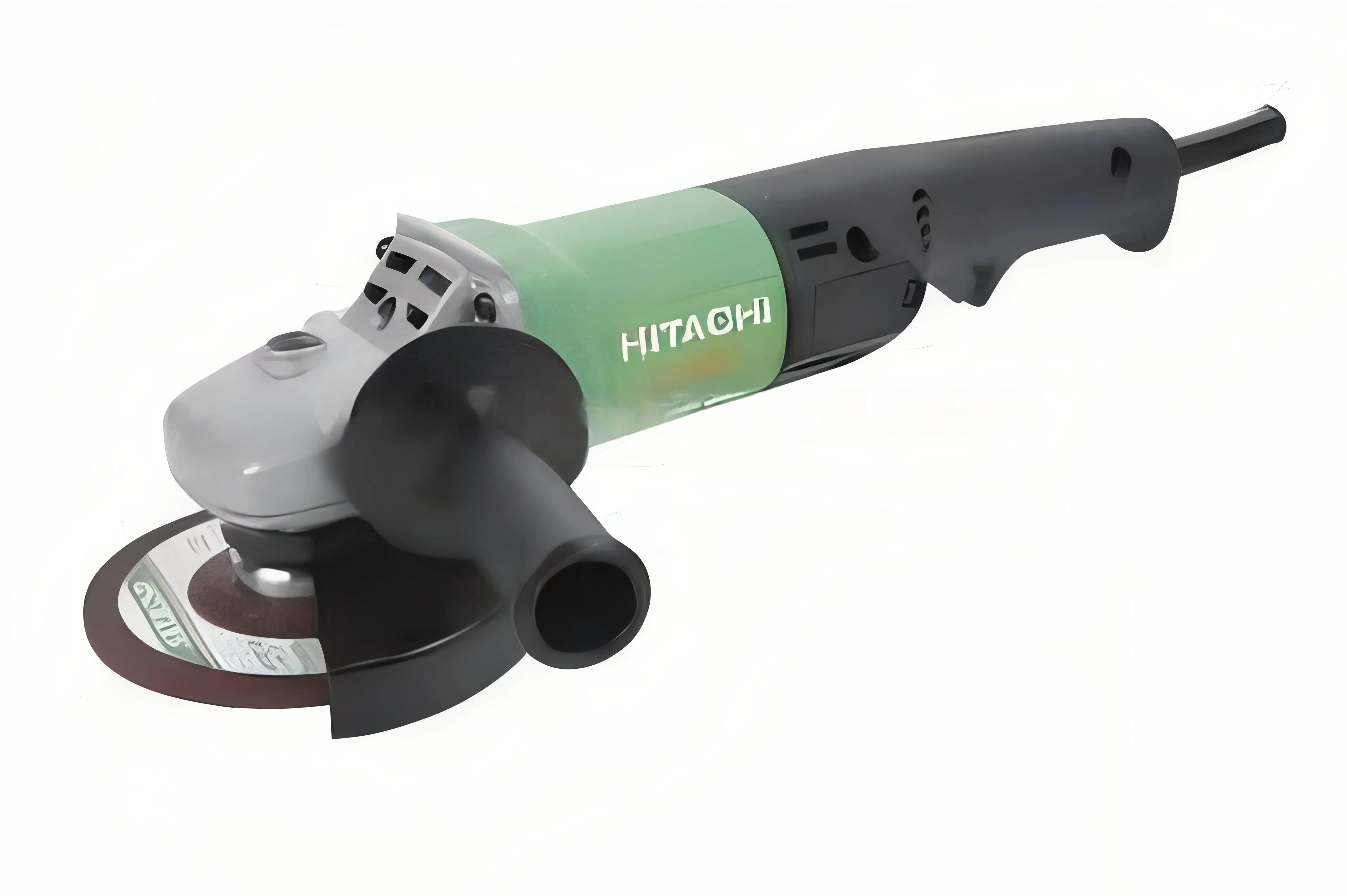
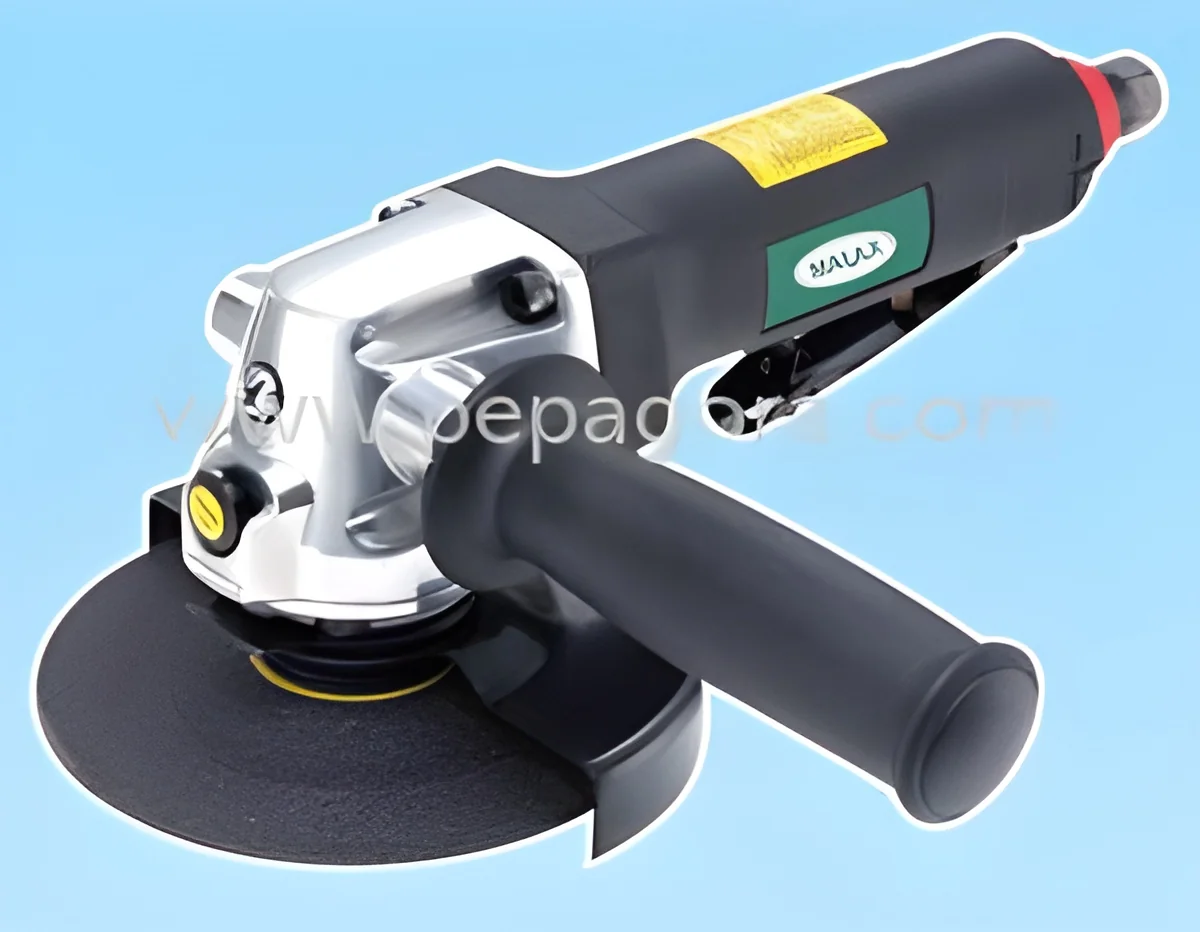
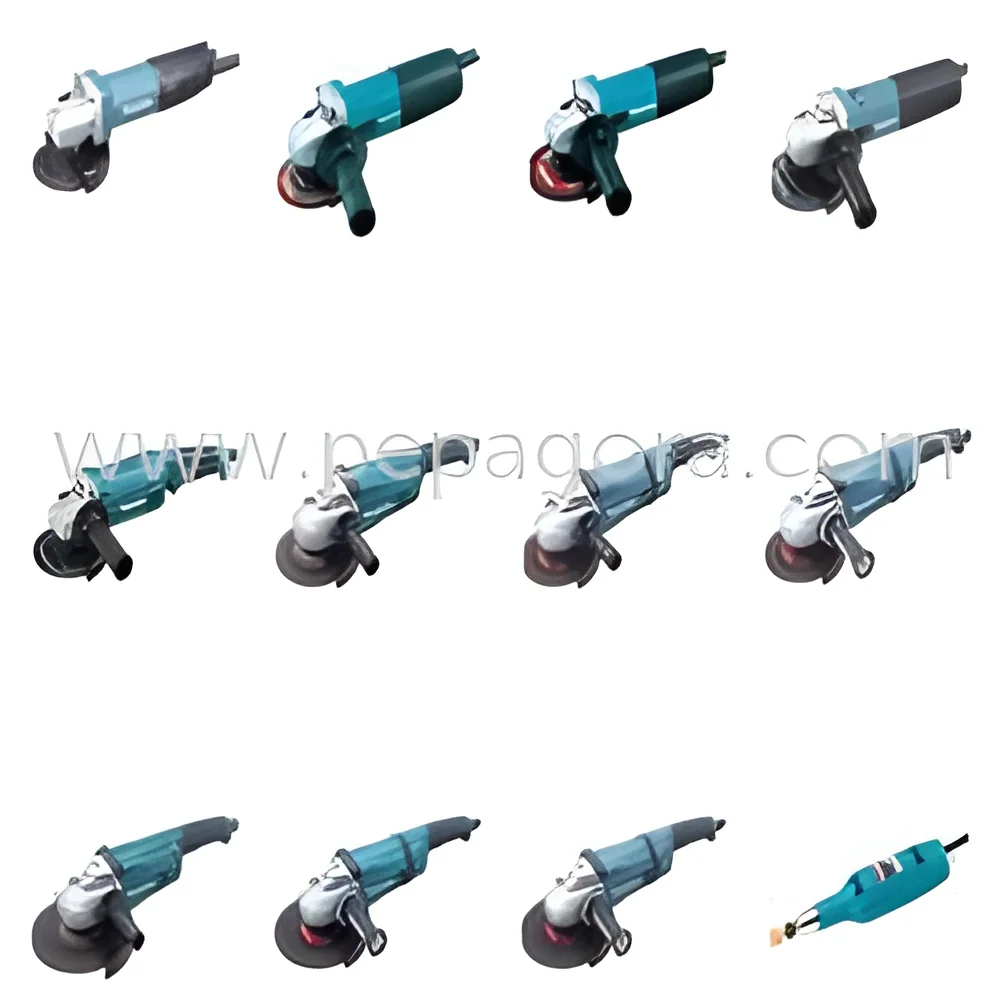
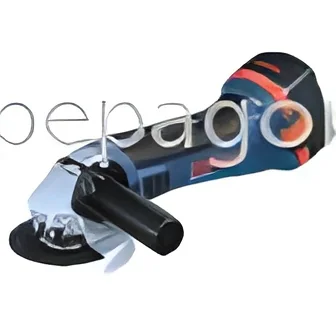
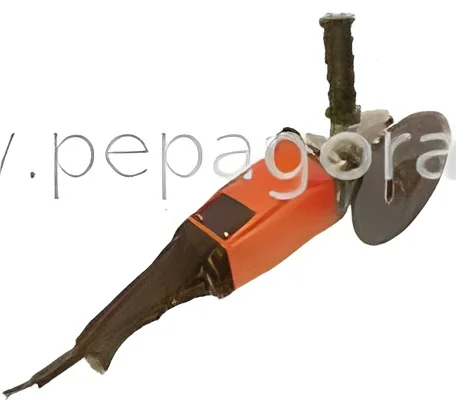
An angle grinder is a versatile tool that can be used for grinding, cutting, and polishing. With interchangeable discs, it is suitable for metalwork and masonry tasks, making it popular in construction and fabrication.
Belt Sander
A belt sander is designed for sanding large surfaces quickly and is often used in woodworking applications. Its continuous belt mechanism allows for efficient removal of material and smoothing surfaces.
Orbital Polisher
An orbital polisher is ideal for achieving a high-gloss finish on vehicles and other surfaces. Its random orbital motion reduces the risk of swirl marks, making it perfect for automotive detailing.
Die Grinder
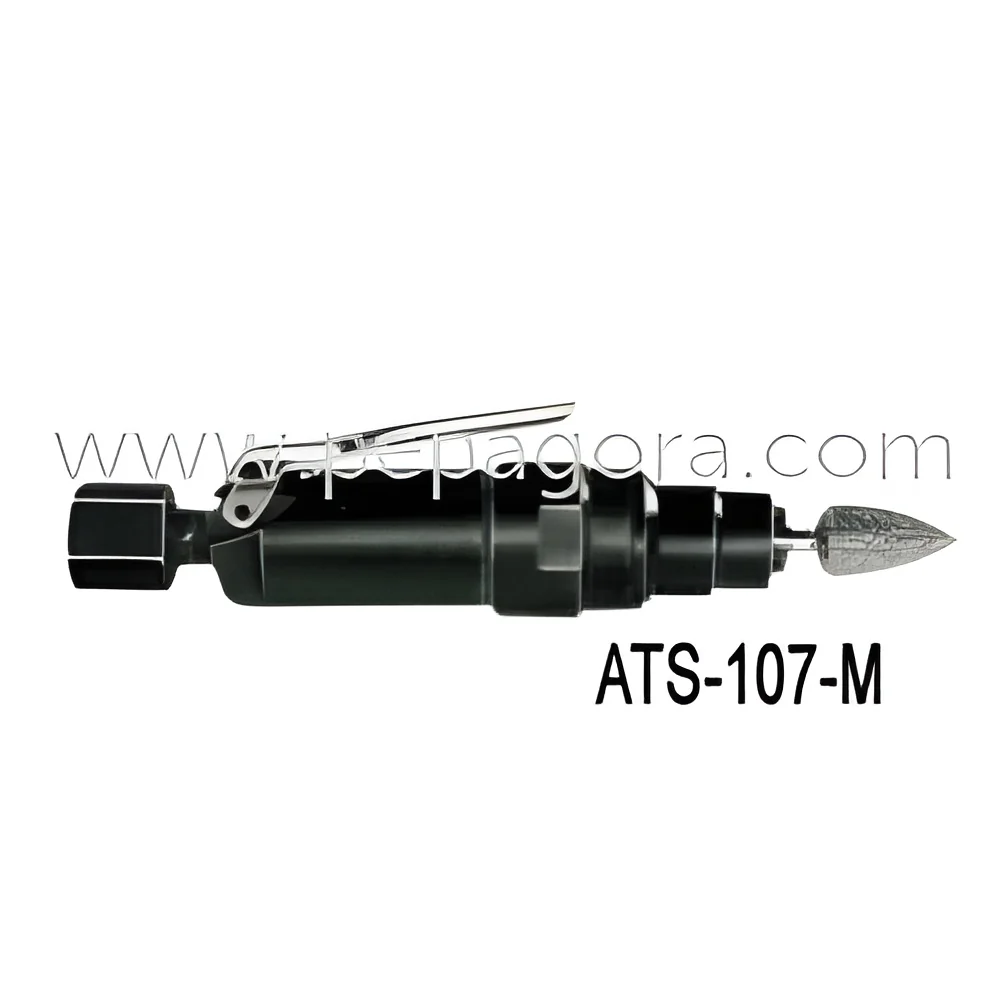
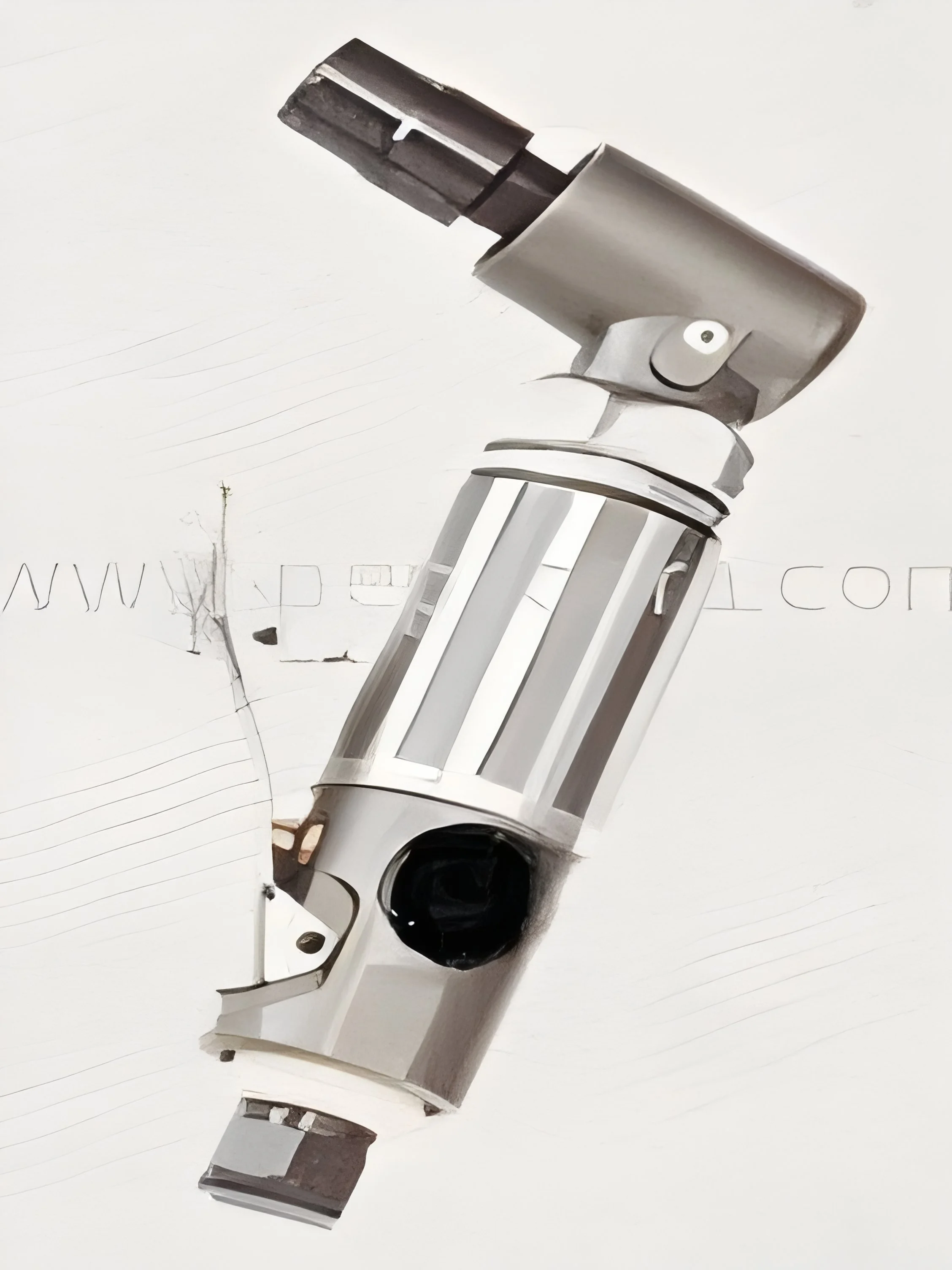
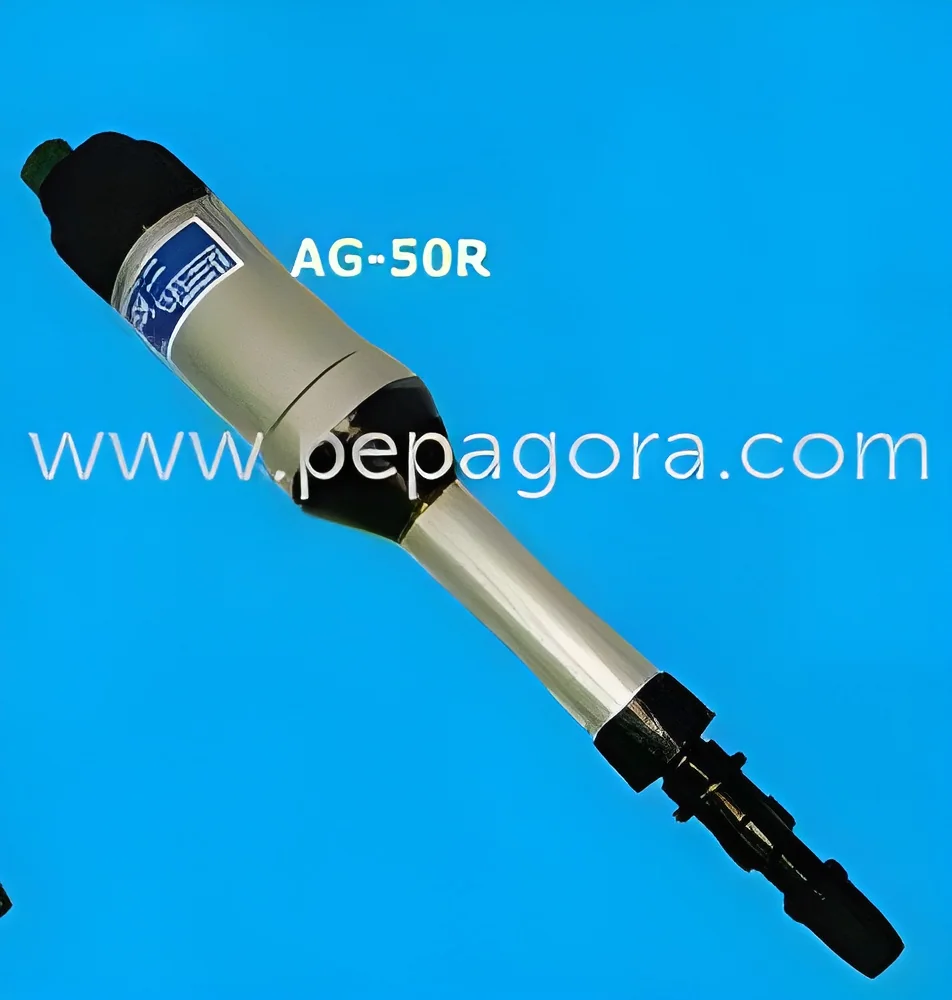
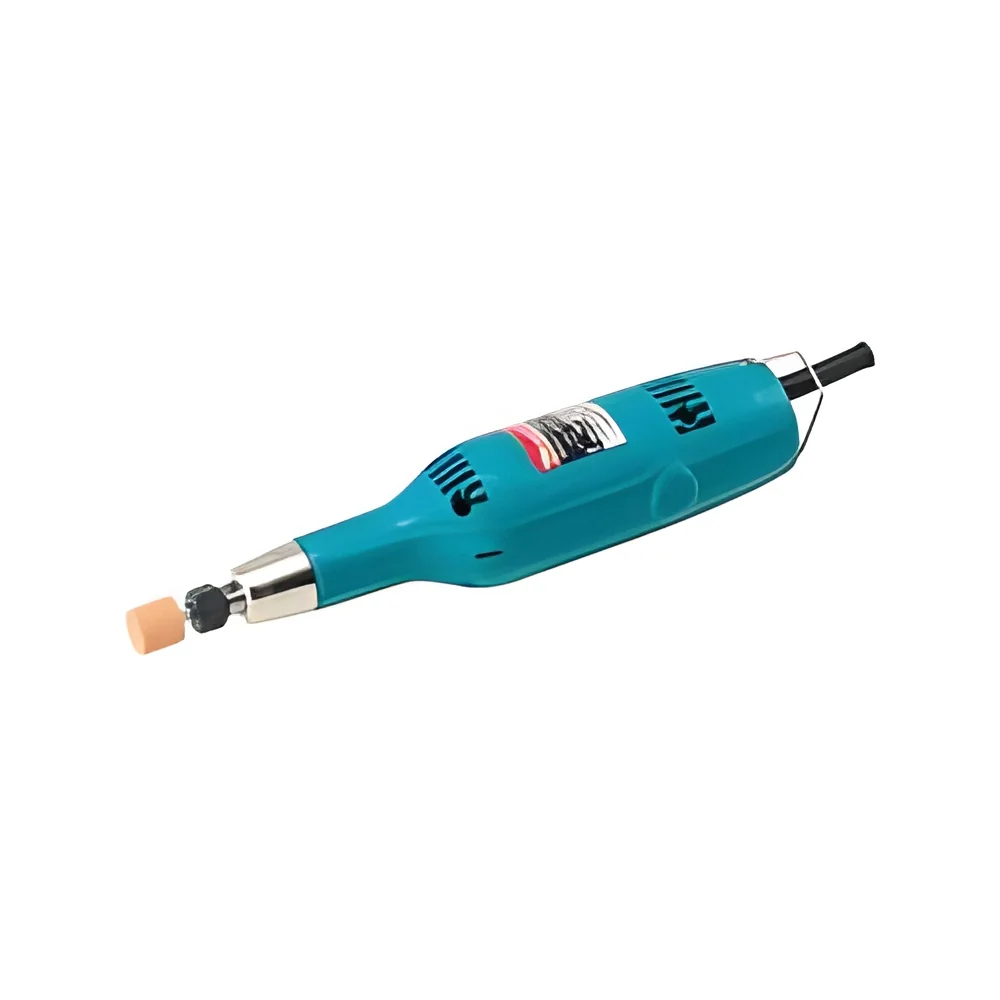
A die grinder is a high-speed tool used for precision grinding and polishing in tight spaces. It is commonly used in metalworking and for intricate detail work.
Floor Grinder
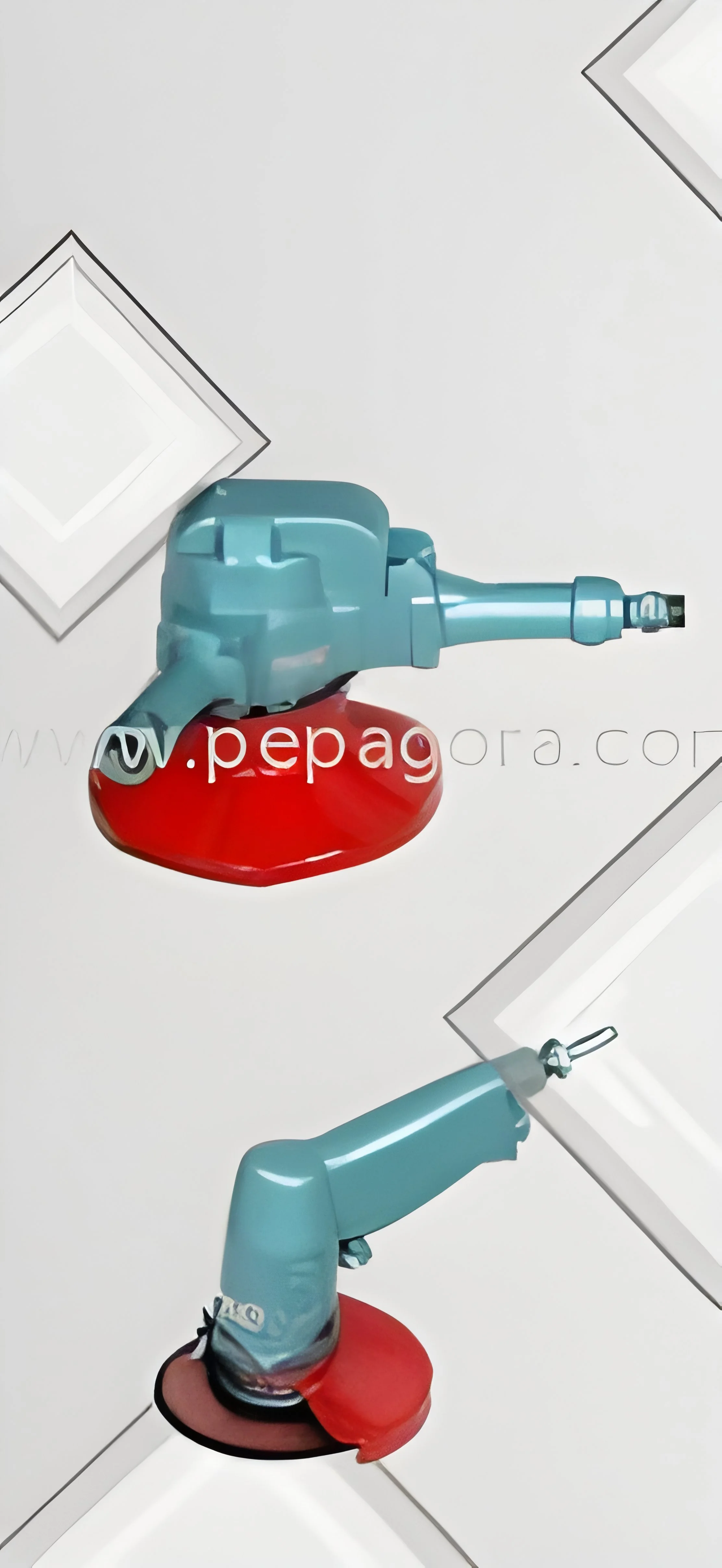
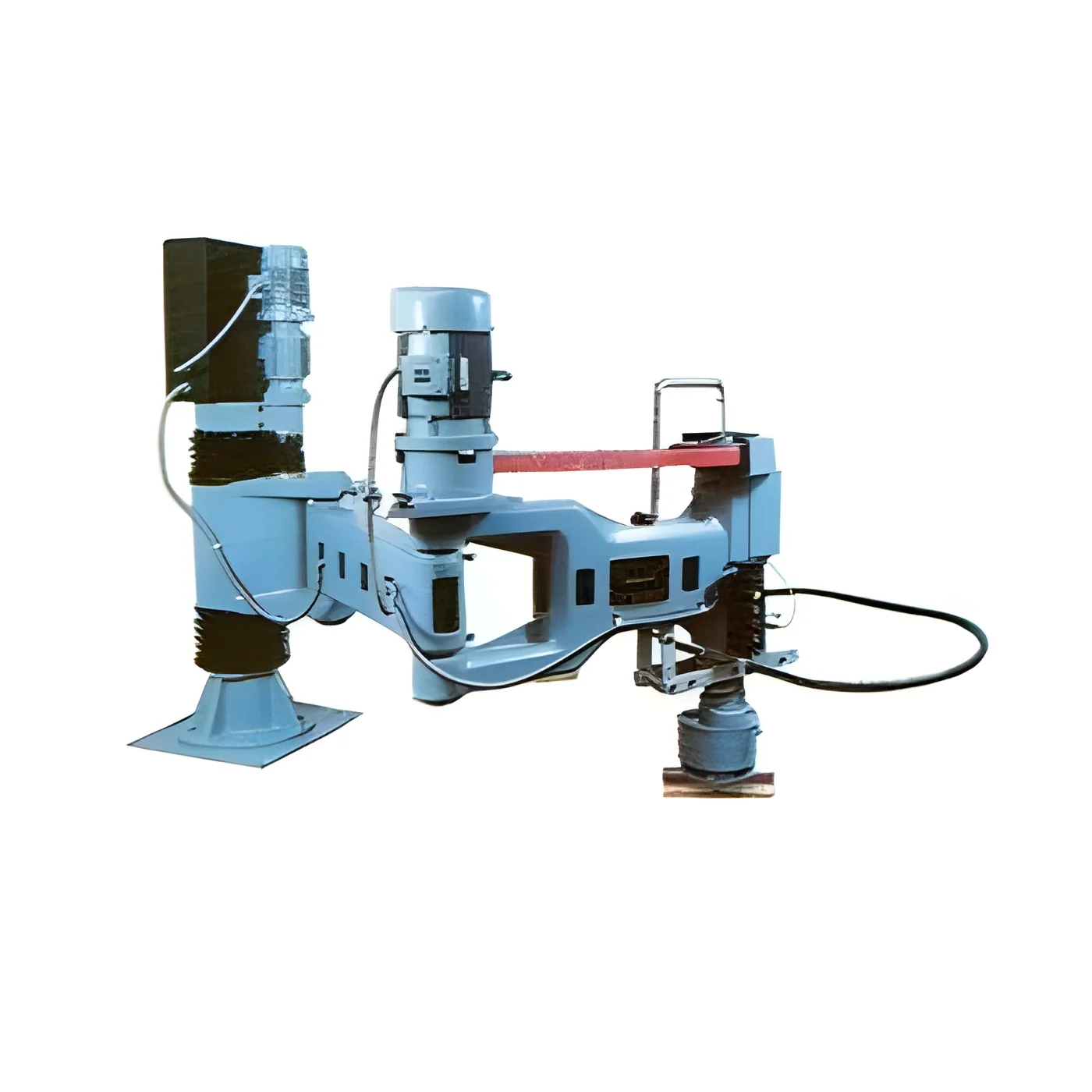
Floor grinders are specialized machines used for grinding and polishing concrete floors. They are essential in the construction and flooring industries for surface preparation and finishing.
Benefits and Advantages
Investing in grinders and polishers provides numerous benefits for businesses seeking high-quality finishing solutions.
Key benefits include:
1. Enhanced Surface Quality: Grinders and polishers improve the surface finish of materials, resulting in aesthetically pleasing and functional products.
2. Increased Efficiency: These tools allow for faster material removal and polishing, significantly reducing production time and increasing throughput.
3. Versatility: With various attachments and settings, grinders and polishers can handle a wide range of materials and applications, making them suitable for multiple industries.
4. Cost-Effectiveness: By investing in high-quality grinders and polishers, businesses can reduce labor costs and minimize the need for additional finishing processes.
5. Improved Safety: Many modern grinders and polishers come equipped with safety features that protect operators, reducing the risk of accidents and injuries.
6. User Comfort: Ergonomically designed tools reduce fatigue and improve control, allowing operators to work more efficiently for extended periods.
Buying Guide for B2B Buyers
When sourcing grinders and polishers, businesses should consider several critical factors to ensure they choose the right equipment.
1. Quality Assessment: Evaluate the quality of materials and construction to ensure durability and longevity. Look for reputable brands and customer reviews to gauge performance.
2. Supplier Verification: Vet potential suppliers to ensure they have a reliable track record and can provide support and service for the products they sell.
3. Pricing and MOQ: Understand the pricing structure and minimum order quantities (MOQ) to align with budget constraints and production needs.
4. Delivery and Lead Times: Confirm delivery schedules and lead times to avoid disruptions in production. Ensure suppliers can meet your timeline requirements.
5. Compliance Requirements: Verify that products meet relevant industry standards and regulations to ensure safety and compliance in your operations.
Compliance and Certifications
Grinders and polishers must adhere to various industry standards and certifications to ensure quality and safety.
Relevant quality standards include ISO 9001, which outlines requirements for quality management systems, ensuring that products meet customer and regulatory expectations. Certifications like CE indicate compliance with European safety standards, reflecting a commitment to safety and performance.
Additionally, safety and testing requirements are critical in ensuring that these tools operate safely under various conditions. Regular testing for electrical safety and performance metrics is essential in maintaining compliance.
Regional compliance considerations may vary, and businesses should be aware of local regulations governing the use of machinery and equipment in their respective industries.
Why Source Grinders & Polishers from Pepagora?
Pepagora provides a trusted platform for sourcing grinders and polishers, with several key advantages that benefit B2B buyers.
Verified Supplier Network: Pepagora connects buyers with a network of verified suppliers, ensuring that all listed products meet high standards of quality and reliability. This adds a layer of trust in the purchasing process.
Streamlined RFQ Process: The request for quotation (RFQ) system simplifies the procurement process. Buyers can easily compare offers from multiple suppliers, facilitating informed decision-making.
Trade Assurance and Support: Pepagora offers buyer protection through trade assurance programs, ensuring that purchases are secure. This support helps mitigate risks associated with sourcing industrial equipment.
Regional Coverage: With an extensive network in regions such as India, the Gulf Cooperation Council (GCC), and Southeast Asia, Pepagora ensures that buyers have access to local suppliers who understand specific market needs and can provide timely service.

 IN
IN