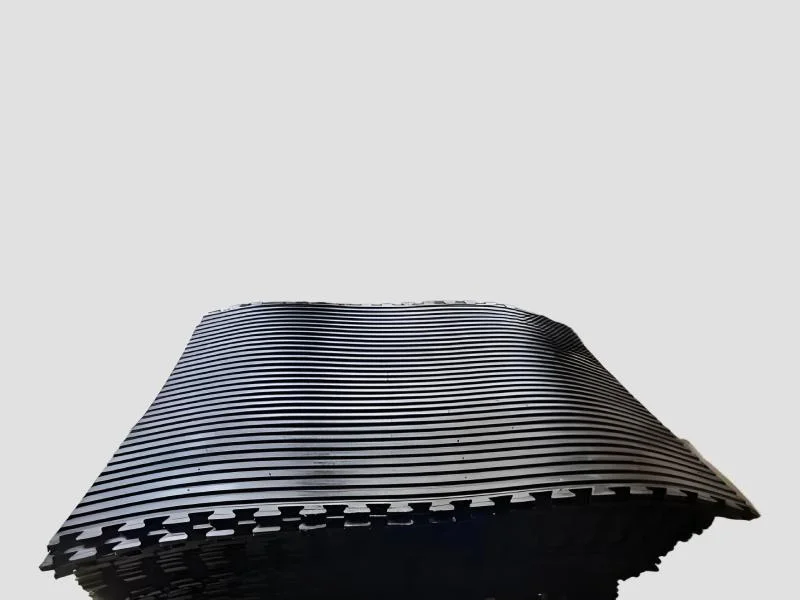
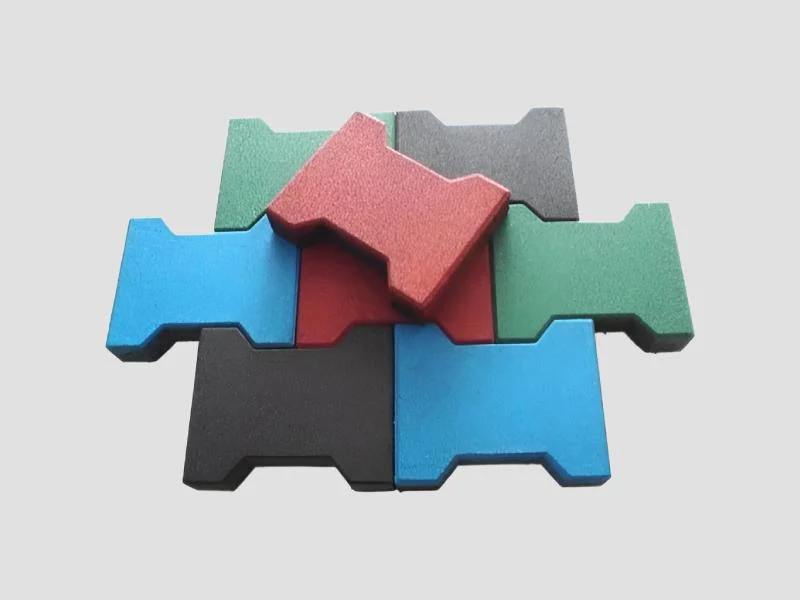
What are Workbench Mats?
Workbench mats are essential accessories designed to enhance safety and efficiency in industrial and commercial work environments. These mats provide a cushioned surface for workers, helping to reduce fatigue and discomfort during prolonged periods of standing. Made from durable materials, workbench mats often feature non-slip surfaces that help to prevent accidents and provide stability for both personnel and equipment.
The primary applications of workbench mats span various industries, including manufacturing, automotive, electronics, and warehousing. They are commonly used in assembly lines, repair stations, and packing areas, where workers benefit from protective cushioning. Additionally, workbench mats can help in organizing tools and materials, ensuring a clean and efficient workspace. Their relevance in today’s market is underscored by the growing emphasis on workplace safety and ergonomics, making them a valuable investment for businesses focused on employee well-being.
As industries evolve, the demand for workbench mats continues to grow. Companies are increasingly recognizing the need for durable and effective solutions that promote productivity while safeguarding their workforce. This trend is particularly significant in sectors where heavy machinery and repetitive tasks are common, further highlighting the importance of workbench mats.
Key Features and Specifications
Workbench mats come equipped with various features designed to meet the needs of different work environments. Understanding these specifications can help buyers select the right mats for their applications.
Key specifications include:
1. Material Composition
- Made from high-density foam, rubber, or PVC
- Provides durability and comfort for extended use
2. Thickness
- Typically ranges from 3/8 inch to 1 inch
- Thicker mats offer more cushioning for comfort
3. Surface Texture
- Options include smooth, textured, or anti-slip
- Textured surfaces enhance grip and stability
4. Chemical Resistance
- Some mats are resistant to oils, chemicals, and solvents
- Ideal for environments where spills may occur
5. Size Options
- Available in various sizes to fit different workspaces
- Custom sizes may be available for specific applications
6. Weight
- Mats vary in weight depending on material
- Heavier mats may stay in place better during use
7. Ease of Cleaning
- Many mats are designed for easy maintenance
- Can be cleaned with standard cleaning solutions
8. Warranty
- Some manufacturers offer warranties ranging from 1 to 5 years
- Indicates the quality and durability of the product
In summary, selecting the right workbench mat requires careful consideration of these specifications to ensure optimal performance in the intended environment.
Common Applications and Use Cases
Workbench mats are utilized across multiple industries, each with unique requirements and applications.
1. Manufacturing: In manufacturing plants, workbench mats provide cushioning for workers on assembly lines, reducing fatigue and improving productivity.
2. Automotive: Automotive repair shops use workbench mats to create safe workspaces for technicians, protecting them from slips and falls while working on vehicles.
3. Electronics: In electronics assembly areas, workbench mats help safeguard sensitive components from static discharge and provide a comfortable working surface.
4. Warehousing: In warehouses, these mats improve worker comfort during packing and sorting activities, contributing to overall efficiency.
5. Retail: Retail environments use workbench mats at checkout counters to enhance employee comfort and reduce fatigue during long shifts.
6. Laboratories: In laboratory settings, workbench mats offer protection against spills and help maintain a clean working environment.
7. Food Service: In food processing areas, slip-resistant mats contribute to safety while providing comfort for staff standing for long periods.
Product Variants and Subcategories
Workbench mats come in various types to cater to different needs and preferences. Understanding these variants can help businesses choose the most suitable option.
Anti-Fatigue Mats
These mats are specifically designed to reduce fatigue for workers who spend long hours standing. They feature cushioning that promotes circulation and comfort, making them ideal for assembly lines and packing stations.
Static Control Mats
Static control mats are crucial in environments where sensitive electronic components are handled. They help prevent static electricity buildup, protecting valuable equipment and ensuring safety in electronics manufacturing.
Wet Area Mats
Designed for use in environments prone to moisture, wet area mats provide enhanced slip resistance. They are commonly used in food processing and cleaning areas, ensuring safety in wet conditions.
Textured Workbench Mats
These mats feature a textured surface that enhances grip and stability. They are suitable for various applications, including automotive and manufacturing, where secure footing is essential.
Benefits and Advantages
Investing in workbench mats offers numerous benefits to businesses and their employees.
1. Enhanced Comfort: Workbench mats reduce fatigue by providing cushioning, allowing workers to stand for longer periods without discomfort.
2. Improved Safety: Non-slip surfaces minimize the risk of accidents, contributing to a safer workplace environment.
3. Increased Productivity: Comfortable workers are more productive. Workbench mats can help improve overall efficiency in various tasks.
4. Equipment Protection: Mats can help protect tools and equipment from damage, extending their lifespan and reducing replacement costs.
5. Easy Maintenance: Many workbench mats are designed for easy cleaning, helping maintain a hygienic work environment.
6. Versatile Applications: Workbench mats can be used across various industries, making them a flexible solution for different business needs.
Buying Guide for B2B Buyers
When sourcing workbench mats, B2B buyers should consider several important factors to ensure a suitable purchase.
1. Quality Assessment: Evaluate the quality of materials and construction. Look for mats that offer durability and meet industry standards.
2. Supplier Verification: Vet suppliers to ensure they are reputable and provide high-quality products. Check for reviews and testimonials from other customers.
3. Pricing and MOQ: Understand the pricing structure and minimum order quantities. This information will help in budgeting and ensuring cost-effectiveness.
4. Delivery and Lead Times: Confirm the expected delivery times and logistics involved in shipping the mats to your location.
5. Compliance Requirements: Ensure that the mats meet any relevant industry standards or regulations, such as safety certifications.
Compliance and Certifications
Compliance with quality standards and regulations is essential for workbench mats in industrial settings. Relevant standards may include ISO 9001, which ensures quality management systems are in place. Additionally, some mats may adhere to HACCP guidelines, particularly in food processing environments.
Industry certifications, such as CE marking, indicate that the product meets European safety, health, and environmental protection standards. These certifications help buyers ensure that workbench mats are safe and reliable for their intended applications.
Moreover, safety and testing requirements play a critical role in the manufacturing process of workbench mats. Manufacturers should conduct thorough testing to guarantee that their products meet regulatory standards. Buyers should also consider regional compliance, as requirements may vary by location.
Why Source Workbench Mats from Pepagora?
Pepagora provides a trusted platform for sourcing workbench mats, offering several key advantages for B2B buyers.
Verified Supplier Network: Pepagora features a robust network of verified suppliers who have been thoroughly vetted to ensure they provide high-quality products. This gives buyers confidence in their purchasing decisions.
Streamlined RFQ Process: The Request for Quotation (RFQ) system simplifies the procurement process. Buyers can easily submit their requirements and receive competitive quotes from multiple suppliers, saving time and effort.
Trade Assurance and Support: Pepagora offers trade assurance, providing protection for buyers in their transactions. This support helps mitigate risks associated with sourcing products from various suppliers.
Regional Coverage: With a strong presence in India, the GCC, and Southeast Asia, Pepagora offers regional coverage that facilitates easier access to suppliers. This geographic reach ensures that businesses can find the products they need, no matter where they are located.

 IN
IN