
 IN
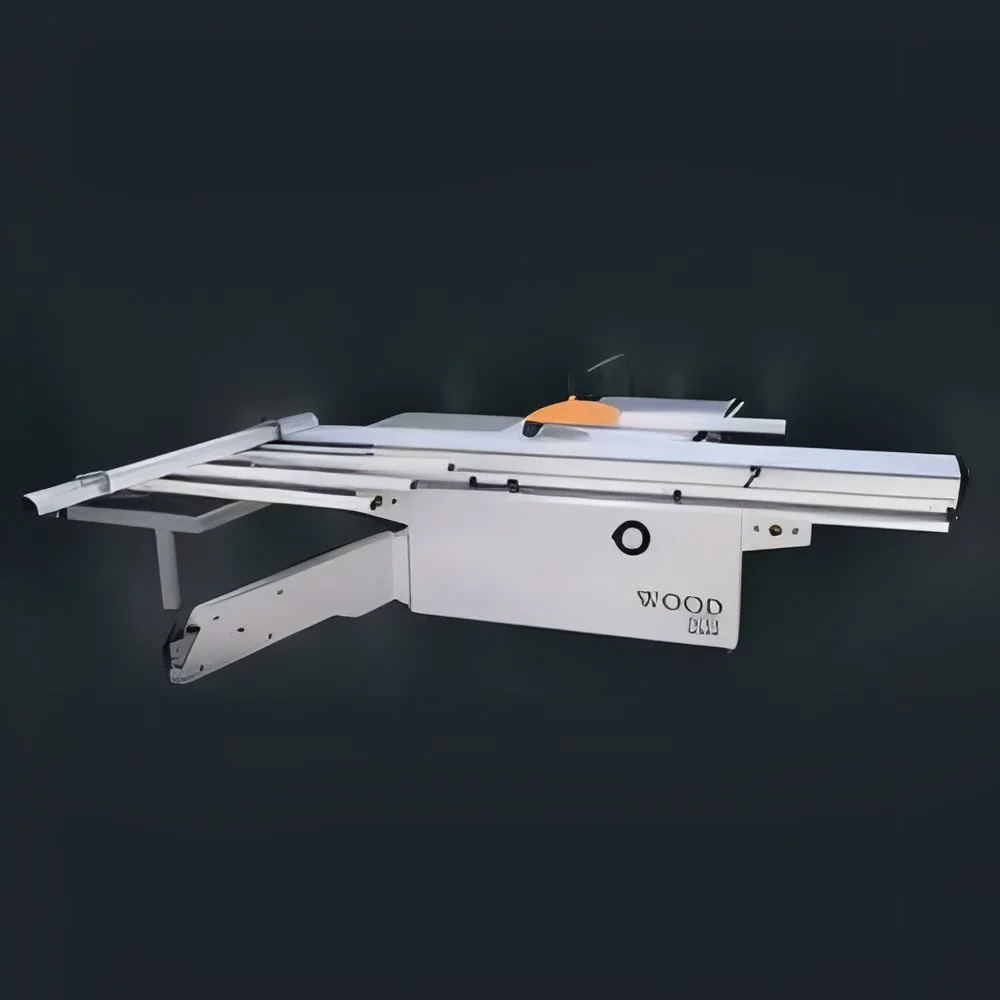
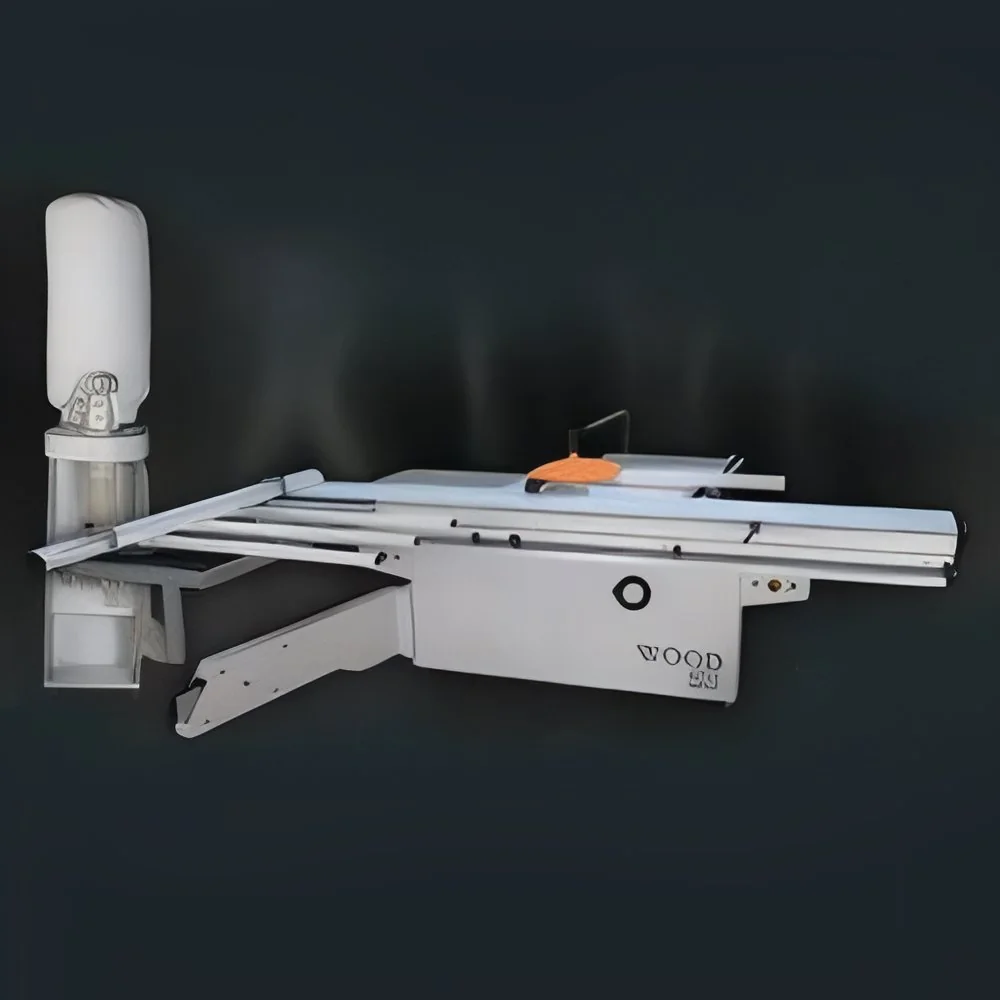
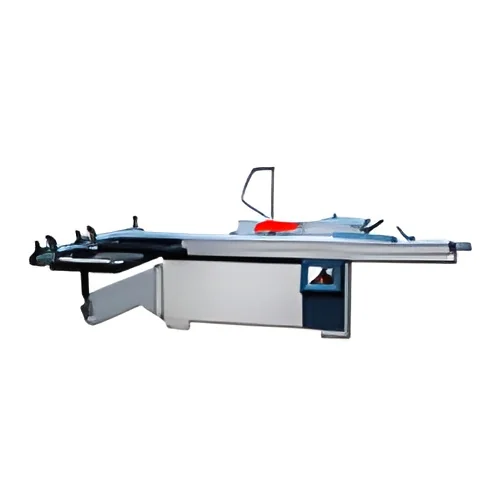
Panel Saws (Manual, CNC)
3 products available
Key Features and Specifications
Panel saws, whether manual or CNC, come with several key features that enhance their performance and usability. Understanding these specifications is essential for businesses looking to invest in these machines.
Key specifications include:
1. Cutting Capacity
- Maximum panel size that can be cut
- Typically ranges from 3x6 feet to 5x12 feet
2. Blade Size
- Diameter of the saw blade used
- Common sizes range from 10 inches to 12 inches
3. Power Rating
- Motor power for operation
- Generally varies from 1.5 kW to 5.5 kW
4. Cutting Speed
- Speed at which the blade moves
- Can range from 10 m/min to 30 m/min
5. Repeatability
- Precision of cuts with respect to dimensions
- Tolerance levels often within ±0.1 mm
6. Control System
- Type of control for CNC models
- Options include touch screen panels and computer software integration
7. Safety Features
- Integrated safety mechanisms
- May include blade guards and emergency stop buttons
8. Weight and Dimensions
- Overall size and weight of the machine
- Weight can range from 300 kg to over 1000 kg depending on the model
In summary, understanding these features and specifications can help businesses make informed decisions when selecting panel saws that best meet their production needs.
Common Applications and Use Cases
Panel saws find application across various industries due to their versatility and efficiency in cutting.
1. Furniture Manufacturing: Panel saws are essential in shaping and cutting wood and composite materials used in furniture production. They enable precise cuts for components like tabletops and cabinet doors.
2. Cabinet Making: In cabinetry, panel saws provide accurate cuts for shelves, cabinets, and custom storage solutions. Their ability to handle large panels efficiently is crucial in this industry.
3. Construction: Panel saws are used to cut materials like plywood and drywall for building structures. Their efficiency helps streamline the construction process and reduce material waste.
4. Sign Making: In the sign-making industry, panel saws cut various materials, including acrylic and wood, allowing for the creation of detailed signage and displays.
5. Automotive: Panel saws are used in the automotive sector to cut lightweight composite materials for vehicle interiors and exteriors, contributing to overall vehicle design and efficiency.
6. Aerospace: In aerospace manufacturing, panel saws are employed to cut advanced materials used in aircraft components, supporting precision and quality in production.
7. Retail Displays: Retail industries utilize panel saws to create custom displays and fixtures, ensuring that products are showcased effectively.
Product Variants and Subcategories
Panel saws come in a variety of configurations to suit different operational needs.
Manual Panel Saws: These saws require operator involvement for cutting. They are ideal for smaller workshops or businesses that need versatile, hands-on cutting capabilities. Manual panel saws are typically more affordable and easier to maintain.
CNC Panel Saws: Designed for higher precision and efficiency, CNC panel saws automate the cutting process. They are well-suited for large-scale operations where speed and accuracy are paramount. These machines often come with advanced software for programming complex cuts.
Benefits and Advantages
Investing in panel saws offers numerous advantages for businesses.
1. Enhanced Precision: CNC panel saws provide high precision, reducing the likelihood of errors in cuts and ensuring consistent quality.
2. Increased Efficiency: These machines streamline the cutting process, allowing for faster production and reduced labor costs.
3. Versatile Applications: Panel saws can handle a variety of materials, making them suitable for multiple industries.
4. Reduced Material Waste: By providing accurate cuts, panel saws minimize waste and optimize material usage, contributing to cost savings.
5. Safety Features: Many panel saws come equipped with safety mechanisms, protecting operators and reducing the risk of accidents.
6. Customization Options: Businesses can find panel saws tailored to their specific needs, whether manual or CNC, allowing for flexibility in operations.
Buying Guide for B2B Buyers
When sourcing panel saws, companies should consider various key factors to ensure they make a sound investment.
1. Quality Assessment: Evaluate the build quality and durability of the panel saw to ensure it meets operational demands. Look for customer reviews and performance ratings.
2. Supplier Verification: Vet potential suppliers to ensure they have a good track record. Consider checking references and evaluating their customer support services.
3. Pricing and MOQ: Understand the pricing structure and minimum order quantities (MOQ) to find options that fit your budget and operational needs.
4. Delivery and Lead Times: Discuss logistical aspects such as delivery times and shipping options to avoid production delays.
5. Compliance Requirements: Ensure that the panel saws meet local and international compliance standards, including safety regulations and certifications.
Compliance and Certifications
Panel saws must adhere to various compliance and certification standards to ensure safety and quality in operation. ISO 9001 is a widely recognized quality management standard that applies to manufacturing processes, ensuring consistent product quality.
CE certification indicates that the product meets European safety and health requirements, making it suitable for use in the European market. Safety testing is essential; panel saws should undergo rigorous assessments to verify their operational safety.
Additionally, companies should consider regional compliance requirements based on their operational location. This ensures that the machinery meets local regulations and standards, which can vary significantly across different regions.
Why Source Panel Saws (Manual, CNC) from Pepagora?
Pepagora offers a reliable platform for sourcing panel saws, providing businesses with several key advantages.
Verified Supplier Network: Pepagora ensures that all suppliers listed on the platform are vetted, providing buyers with confidence in the quality and reliability of the products offered.
Streamlined RFQ Process: The request for quotation (RFQ) system simplifies the procurement process, allowing businesses to easily compare prices and specifications from multiple suppliers.
Trade Assurance and Support: Pepagora offers buyer protection, ensuring that businesses can source products with peace of mind. Support services are available to assist buyers throughout the purchasing process.
Regional Coverage: With a strong presence in India, the GCC, and Southeast Asia, Pepagora provides extensive regional coverage, making it easier for businesses to find the right panel saws to meet their operational needs.

 India
Frequently Asked Questions
What are Panel Saws (Manual, CNC)?
Panel Saws are specialized cutting tools used primarily in woodworking and manufacturing industries to cut large panels of material like plywood, particleboard, or MDF. Manual Panel Saws require manual operation while CNC (Computer Numerical Control) Panel Saws are automated, offering precision cutting with computer programming.
What are the different types of Panel Saws (Manual, CNC)?
There are primarily two types of Panel Saws: Manual and CNC. Manual Panel Saws are operated by hand, allowing for greater control, while CNC Panel Saws are automated machines that provide consistent and precise cuts, making them suitable for high-volume production.
How do I choose the right Panel Saws (Manual, CNC)?
Choosing the right Panel Saw depends on factors such as the type of material you plan to cut, the volume of production, and your budget. Evaluate the features, such as cutting capacity, ease of use, and safety measures, to ensure the saw meets your specific needs.
What are the standard specifications for Panel Saws (Manual, CNC)?
Standard specifications for Panel Saws typically include cutting depth, cutting width, and power requirements. For CNC Panel Saws, additional specifications such as software compatibility, axis movements, and tool types are also important to consider.
What is the price range for Panel Saws (Manual, CNC)?
The price of Panel Saws can vary widely based on type, brand, and features. Manual Panel Saws generally range from INR 20,000 to INR 1,50,000, while CNC Panel Saws can start from INR 1,00,000 and go up to several lakhs depending on their specifications and capabilities.
What quality standards apply to Panel Saws (Manual, CNC)?
Panel Saws must comply with various safety and quality standards, including ISO and CE certifications, depending on the market. These standards ensure that the equipment is safe to use and meets performance benchmarks for durability and precision.
Where can I find Panel Saws (Manual, CNC) suppliers in India?
You can find Panel Saw suppliers in India through online B2B marketplaces like Pepagora, trade shows, and industry directories. It's advisable to compare multiple suppliers to assess quality, pricing, and customer reviews.
Can Panel Saws (Manual, CNC) be customized?
Yes, many manufacturers offer customization options for Panel Saws to meet specific cutting requirements or to accommodate unique production needs. Custom features may include modifications in size, software, or additional tooling.
What is the typical minimum order quantity for Panel Saws (Manual, CNC)?
The minimum order quantity (MOQ) for Panel Saws can vary by supplier and product type. Generally, for manual models, the MOQ may be one unit, while for CNC models, it could be higher due to their complexity and cost.
What is the typical lead time for Panel Saws (Manual, CNC)?
Typical lead time for Panel Saws can range from a few weeks to several months, depending on the type of saw, customization, and supplier's production schedule. It's essential to confirm lead times with the supplier at the time of order.
Why Businesses Trust Pepagora
Thousands of companies trust Pepagora to source smarter and sell faster
Expand Your Sales Globally

Source Smarter,Grow Faster
