IN
IN₹
Apparel & Fashion
Description
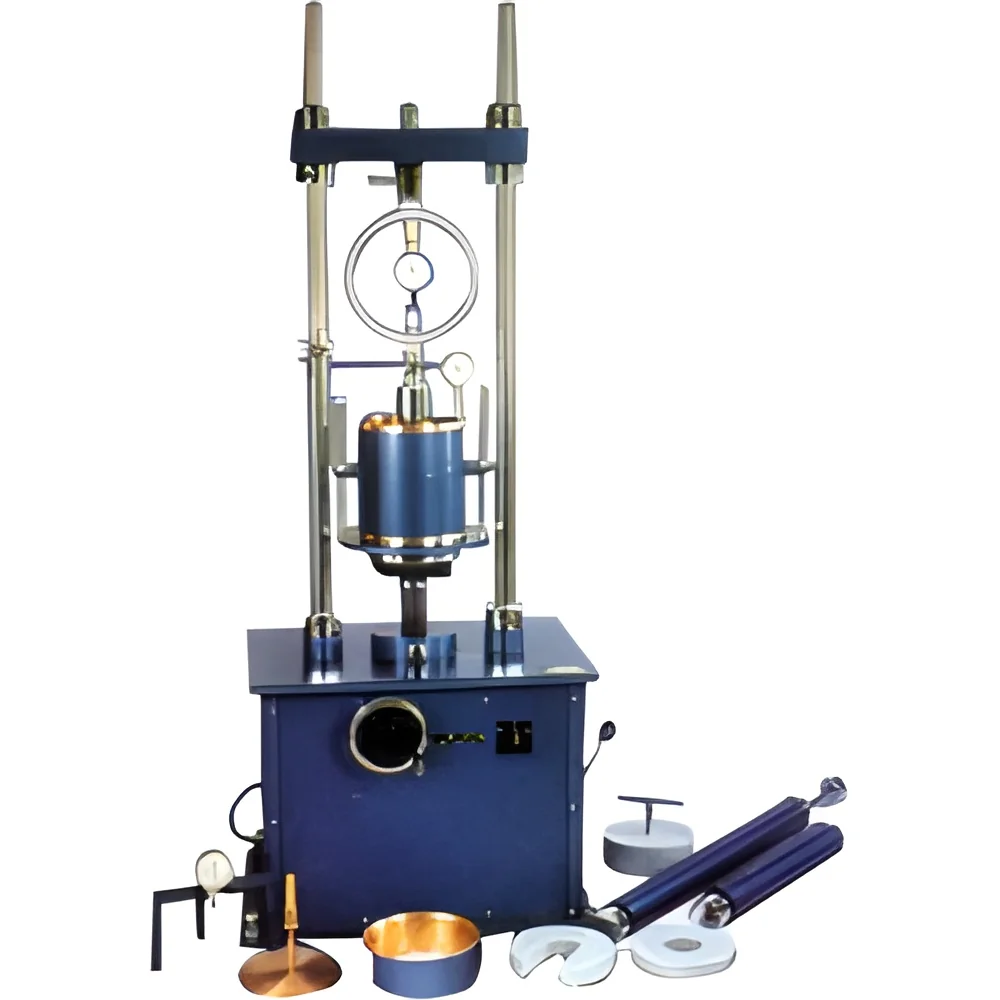
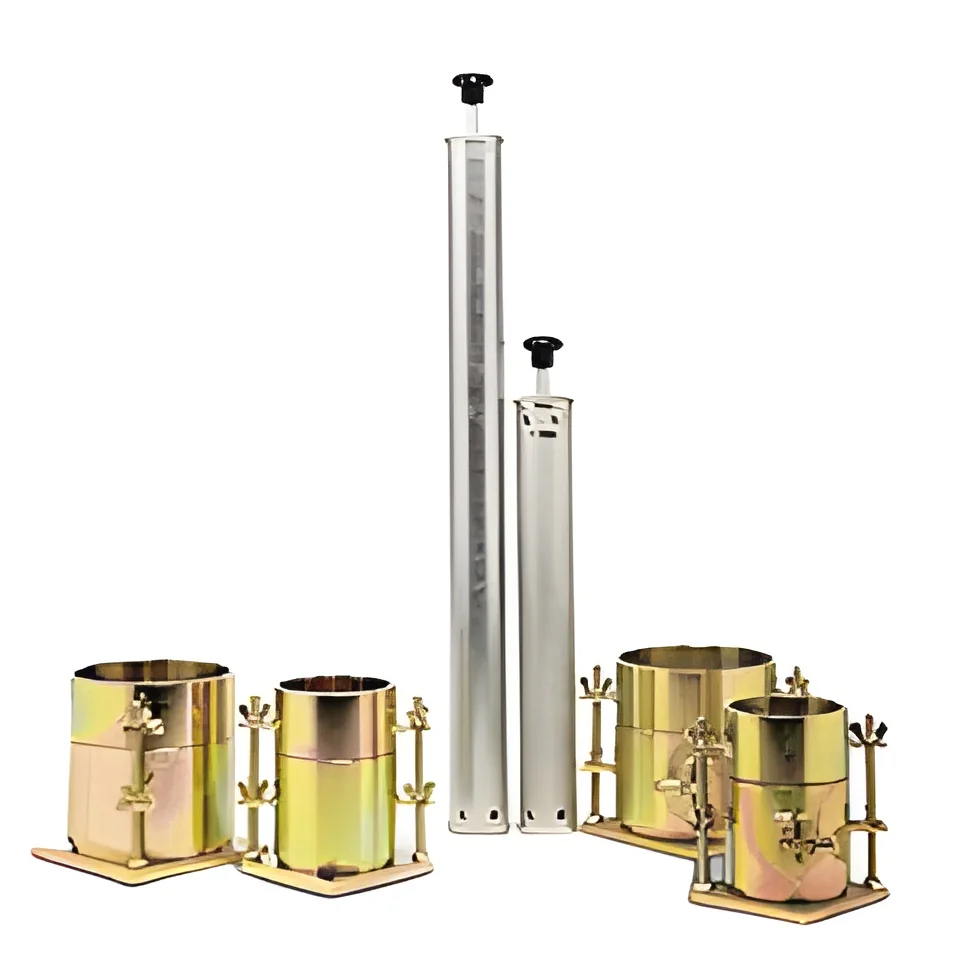
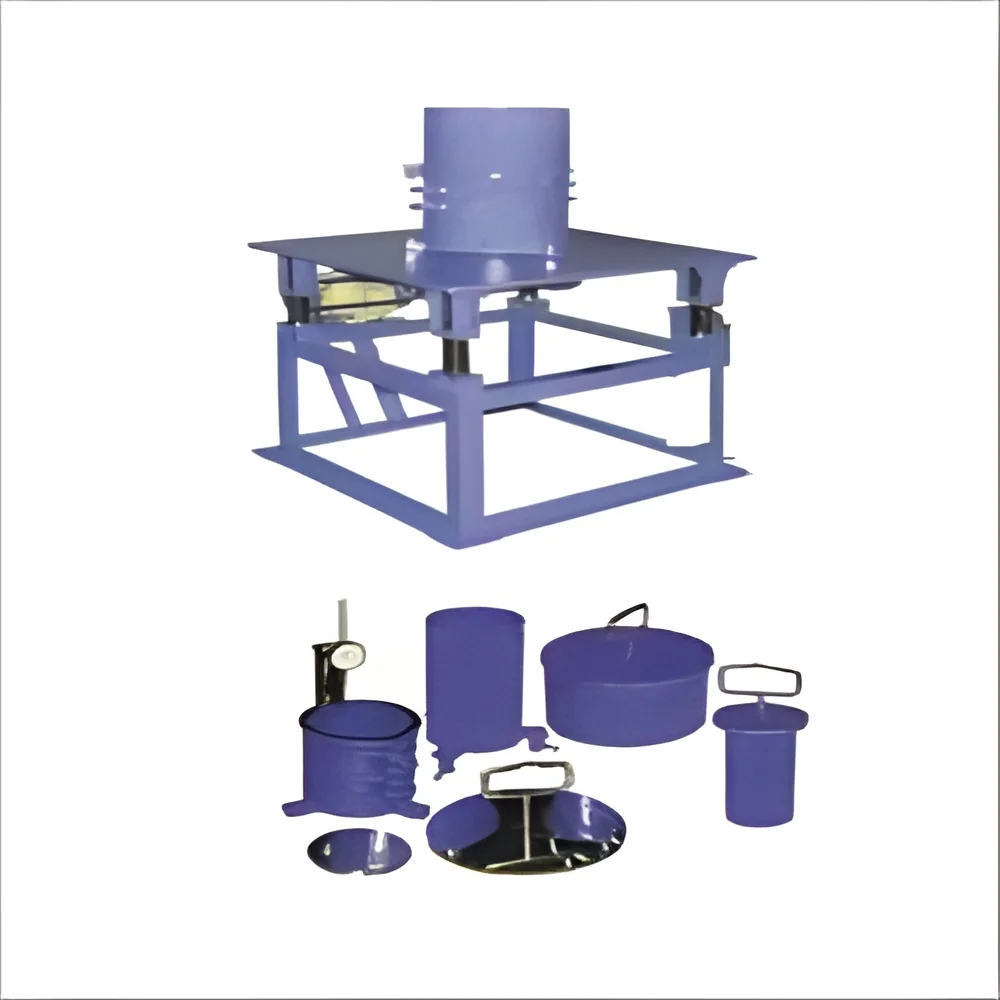
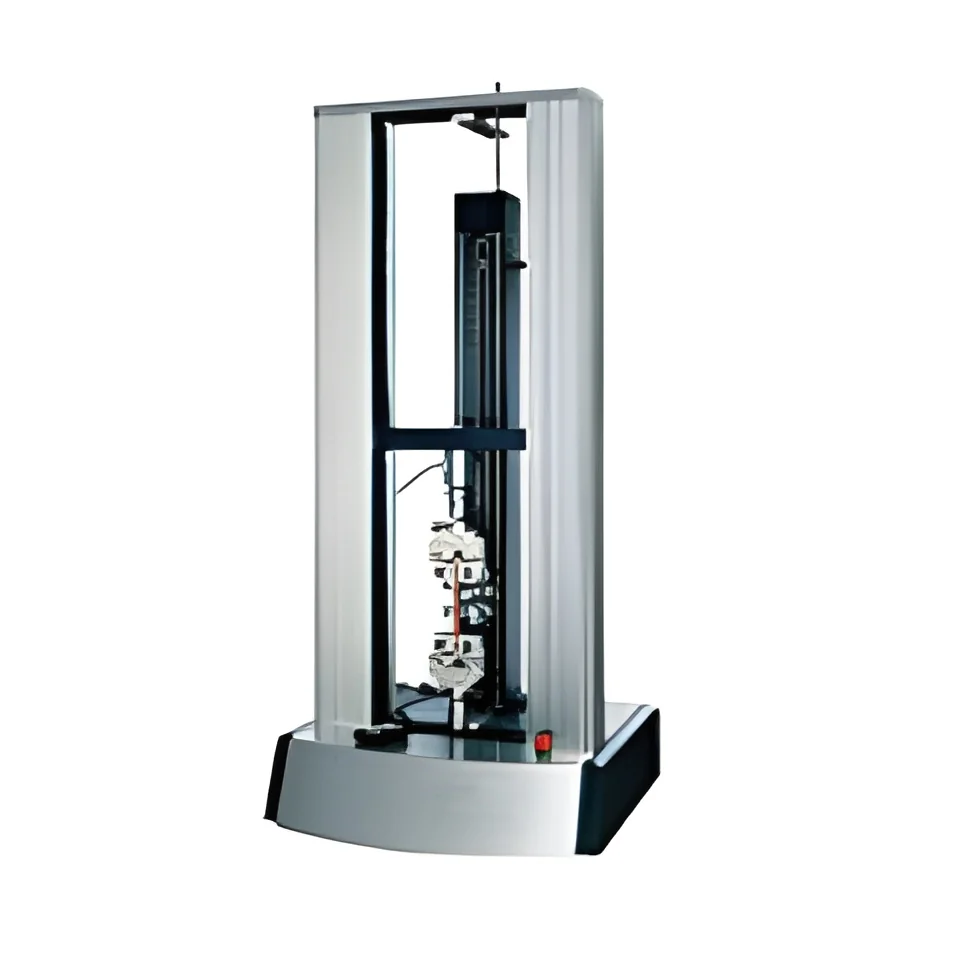
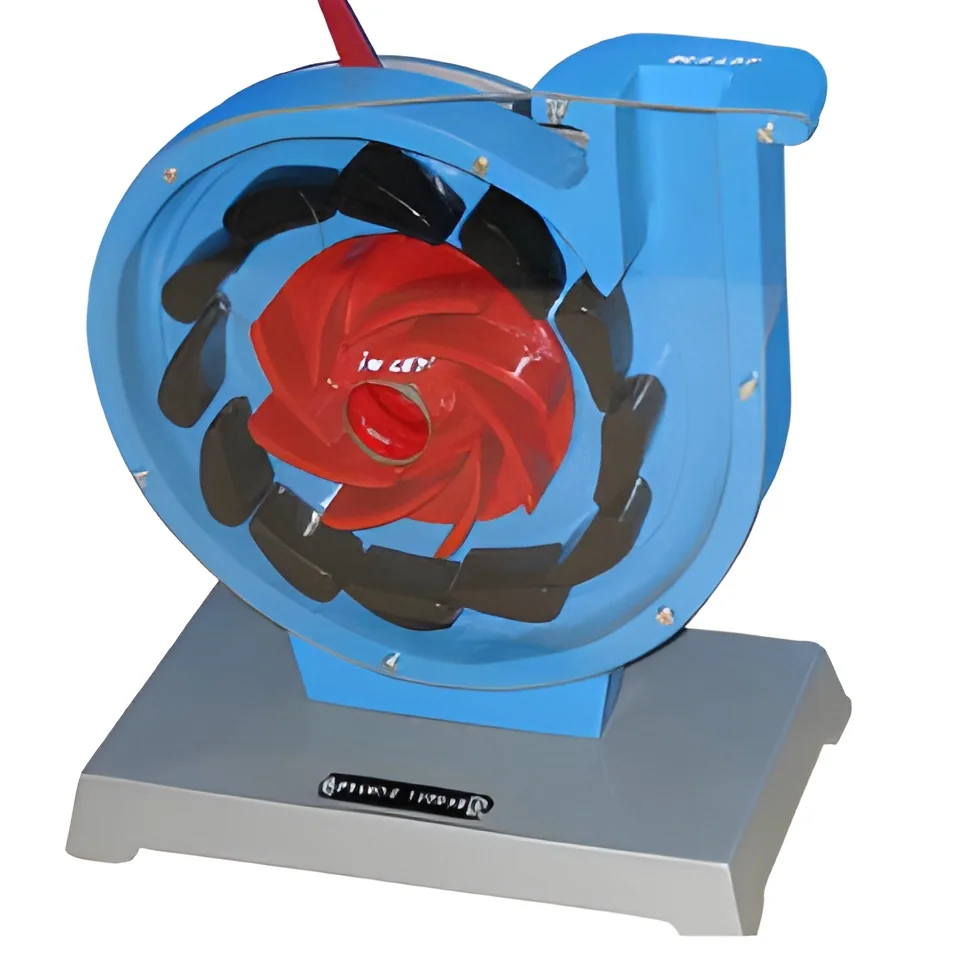
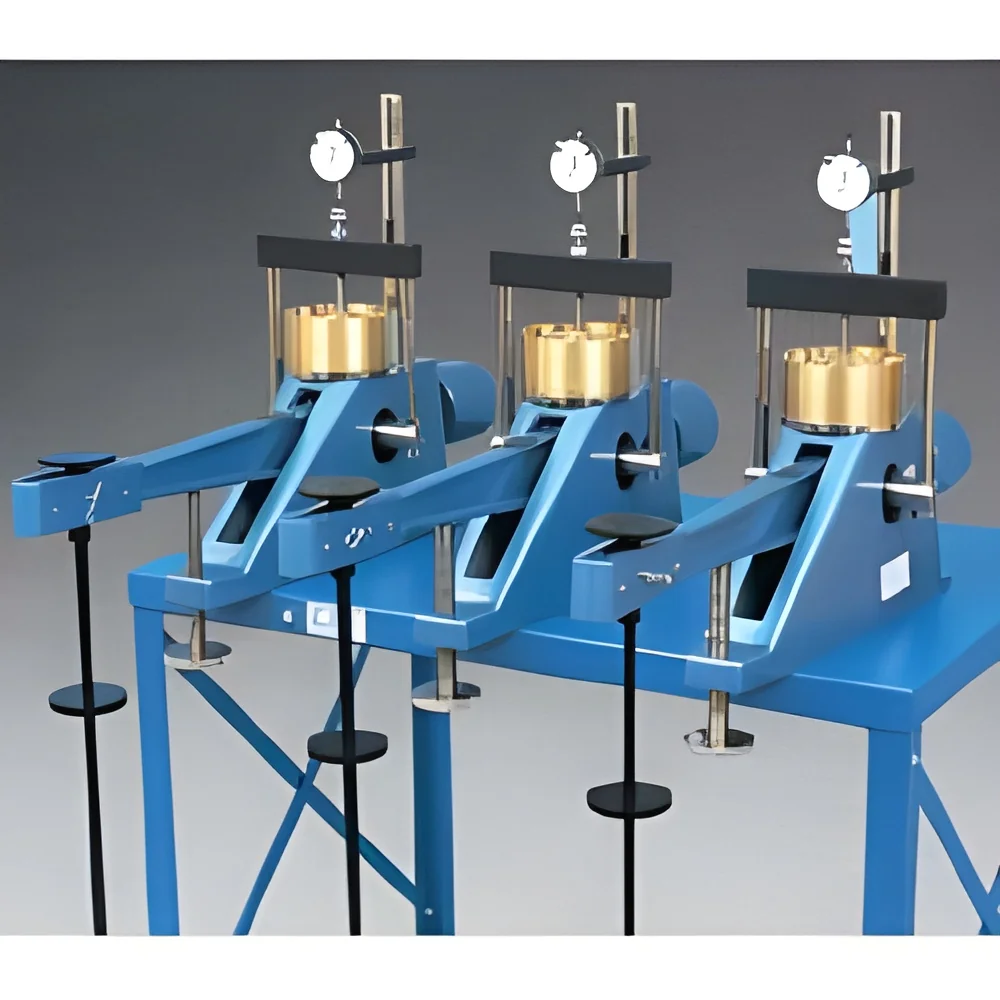
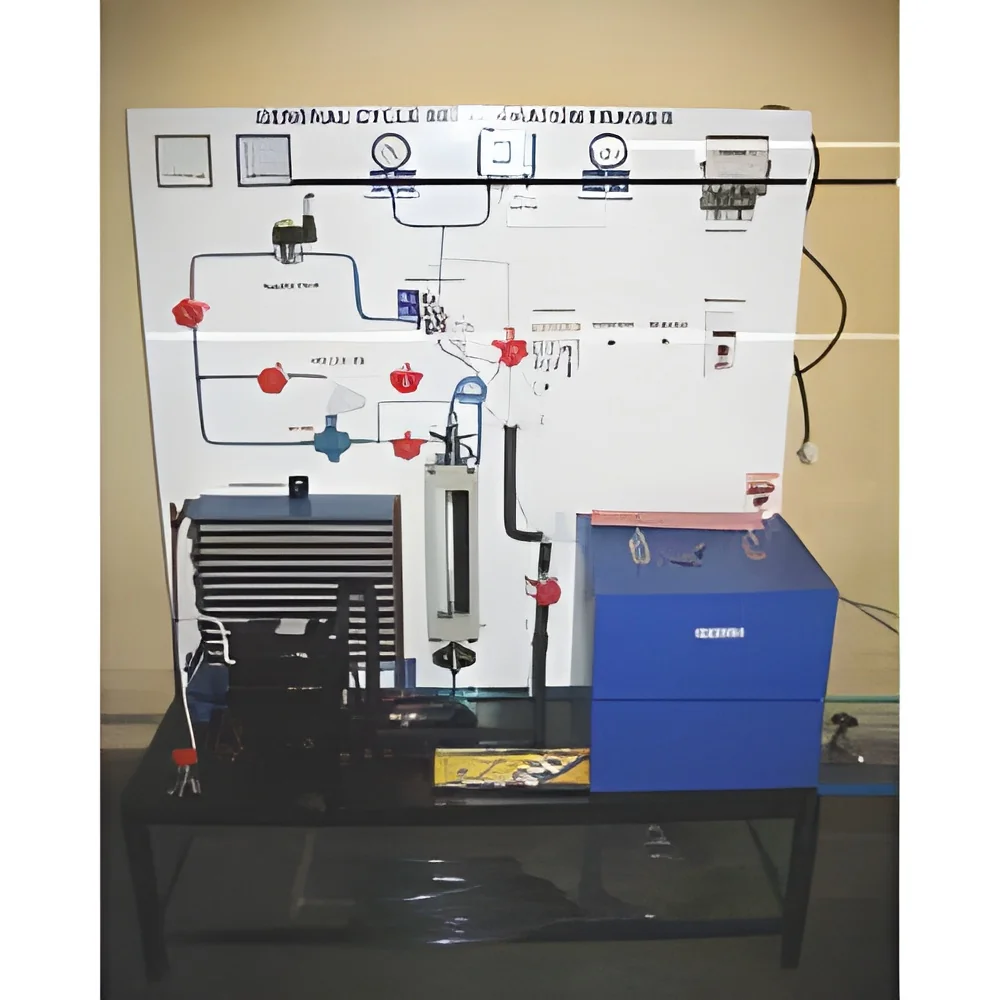
Our hydraulic fluid mechanics training instruments set the standard for engineering education equipment, providing comprehensive hands-on learning experiences for students studying fluid mechanics, hydraulic systems, and power transmission principles. Each unit features precision components that mirror industrial applications, ensuring students develop practical skills directly applicable to real-world scenarios. The equipment includes pumps, valves, actuators, pressure gauges, and flow meters arranged in modular configurations supporting numerous experiments and demonstrations. Built to withstand rigorous educational use, these instruments feature robust construction with integrated safety considerations throughout the design. The systems accommodate both basic introductory exercises and advanced investigative projects, making them suitable for various educational levels from diploma programs to postgraduate studies.

These training instruments serve critical roles across multiple eng...
Our hydraulic fluid mechanics training instruments set the standard for engineering education equipment, providing comprehensive hands-on learning experiences for students studying fluid mechanics, hydraulic systems, and power transmission principles. Each unit features precision components that mirror industrial applications, ensuring students develop practical skills directly applicable to real-world scenarios. The equipment includes pumps, valves, actuators, pressure gauges, and flow meters arranged in modular configurations supporting numerous experiments and demonstrations. Built to withstand rigorous educational use, these instruments feature robust construction with integrated safety considerations throughout the design. The systems accommodate both basic introductory exercises and advanced investigative projects, making them suitable for various educational levels from diploma programs to postgraduate studies.

These training instruments serve critical roles across multiple engineering disciplines and educational institutions. Mechanical engineering departments utilize them for teaching hydraulic power transmission, fluid dynamics, and system design principles. Civil engineering programs employ the equipment for demonstrating hydraulic applications in construction machinery and water systems. Automotive engineering courses use them to illustrate power steering, braking systems, and transmission hydraulics. Industrial and manufacturing engineering programs incorporate these instruments for teaching hydraulic automation and control systems. The equipment is equally valuable for vocational training centers preparing technicians for maintenance roles in industries relying on hydraulic machinery, providing essential practical skills that enhance employability across multiple sectors.

The value of these hydraulic training instruments lies in their reliability, durability, and educational effectiveness. Institutions benefit from reduced maintenance costs and extended service life due to robust construction and quality components. The systems deliver exceptional return on investment by serving multiple student cohorts across various courses and programs. Their modular design supports curriculum expansion without requiring additional major equipment purchases. The instruments demonstrate reliability through consistent performance year after year with minimal downtime and maintenance requirements. These training systems represent a smart long-term investment for educational institutions committed to delivering high-quality, practical engineering education that prepares students for professional challenges.

Key Features:
- Industrial-grade hydraulic components including pumps, valves, and actuators
- Modular design allowing multiple experiment configurations and system expansions
- Comprehensive safety features including pressure relief valves and emergency stops
- Precision measurement instruments for flow, pressure, and force monitoring
- Durable construction designed to withstand rigorous educational use

Benefits:
- Develops practical skills directly applicable to industrial hydraulic systems
- Supports multiple engineering disciplines and educational levels
- Reduces long-term maintenance costs through durable construction
- Enables curriculum flexibility with modular experiment configurations
- Enhances student employability through hands-on technical training
Specifications
| Additional Information | |
|---|---|
| Country of Origin | India |
Application
These hydraulic fluid mechanics training instruments deliver essential practical education for engineering students, enabling hands-on experimentation with pumps, valves, cylinders, and hydraulic circuits. The systems replicate real industrial applications while maintaining laboratory safety standards, bridging theoretical knowledge with practical skill development for future engineers and technicians across multiple disciplines.
The equipment serves mechanical, civil, automotive, and industrial engineering programs in various educational settings. Polytechnic institutes, vocational training centers, and technical colleges benefit from the modular design that supports experiments ranging from basic hydraulic principles to advanced system troubleshooting and maintenance procedures, accommodating different curriculum requirements and skill levels effectively.
- Engineering college laboratories for mechanical and civil engineering departments
- Polytechnic institutes teaching hydraulic system operation and maintenance
- Vocational training centers preparing technicians for industrial maintenance roles
- Research institutions studying fluid dynamics and hydraulic system performance
- Technical education programs focused on heavy equipment and machinery operation
Trade Details
| Available Stock | In Stock |
| Sample Availability | No |
Payment Terms
| Payment Terms |
|
Company Profile
Corporate Resource Group, New Delhi
 New Delhi, India
New Delhi, IndiaManufacturer•Distributor / Wholesaler•Importer / Exporter
Factory Details
Factory SizeBelow 1000 sqm
Annual Production Capacity0
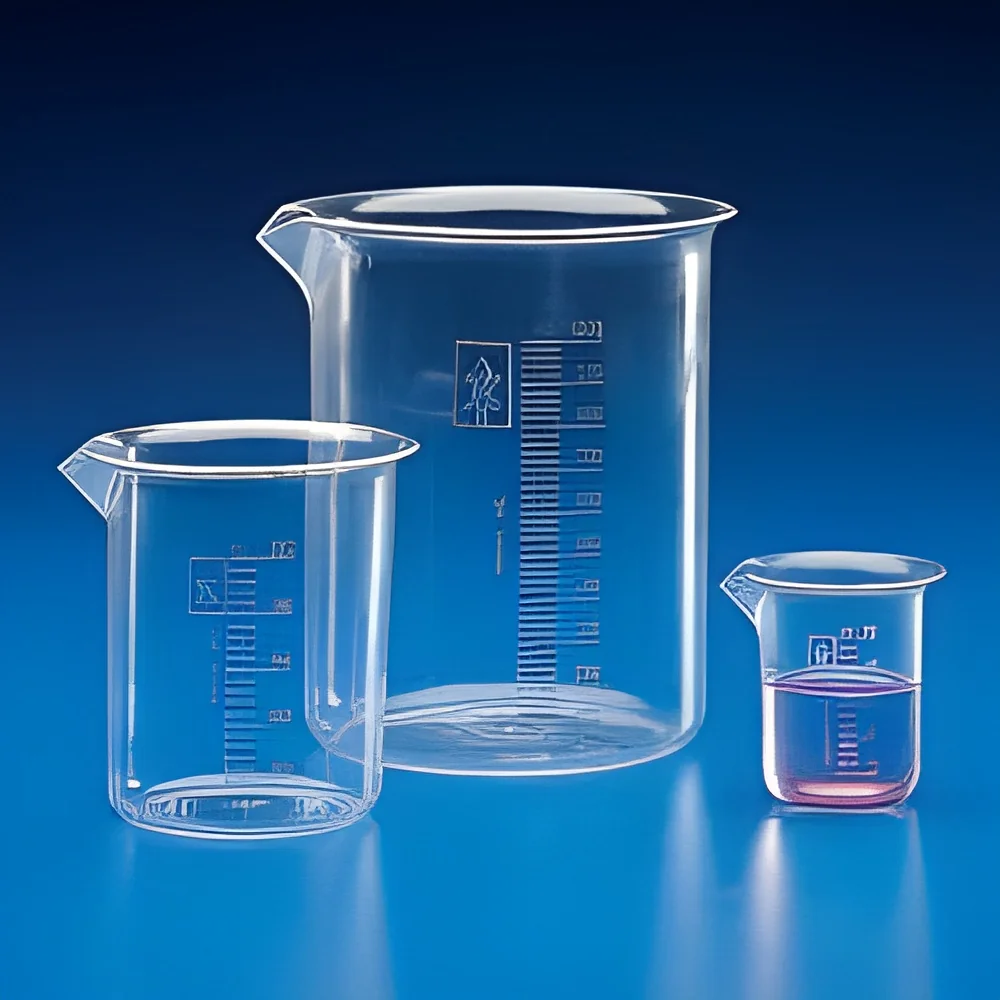
Engineering College Hydraulic Fluid Mechanics Training Instruments
Engineering College Hydraulic Fluid Mechanics Training Instruments provide hands-on learning with reliable performance and industry-standard components for effective engineering education in technical institutes.
Min. Order Quantity: 1 unit
Shipping
Shipping fee and delivery date to be negotiated. Contact supplier now for more details.
Corporate Resource Group
 New Delhi, India
New Delhi, IndiaManufacturer