What are Organic Certified Fruits?
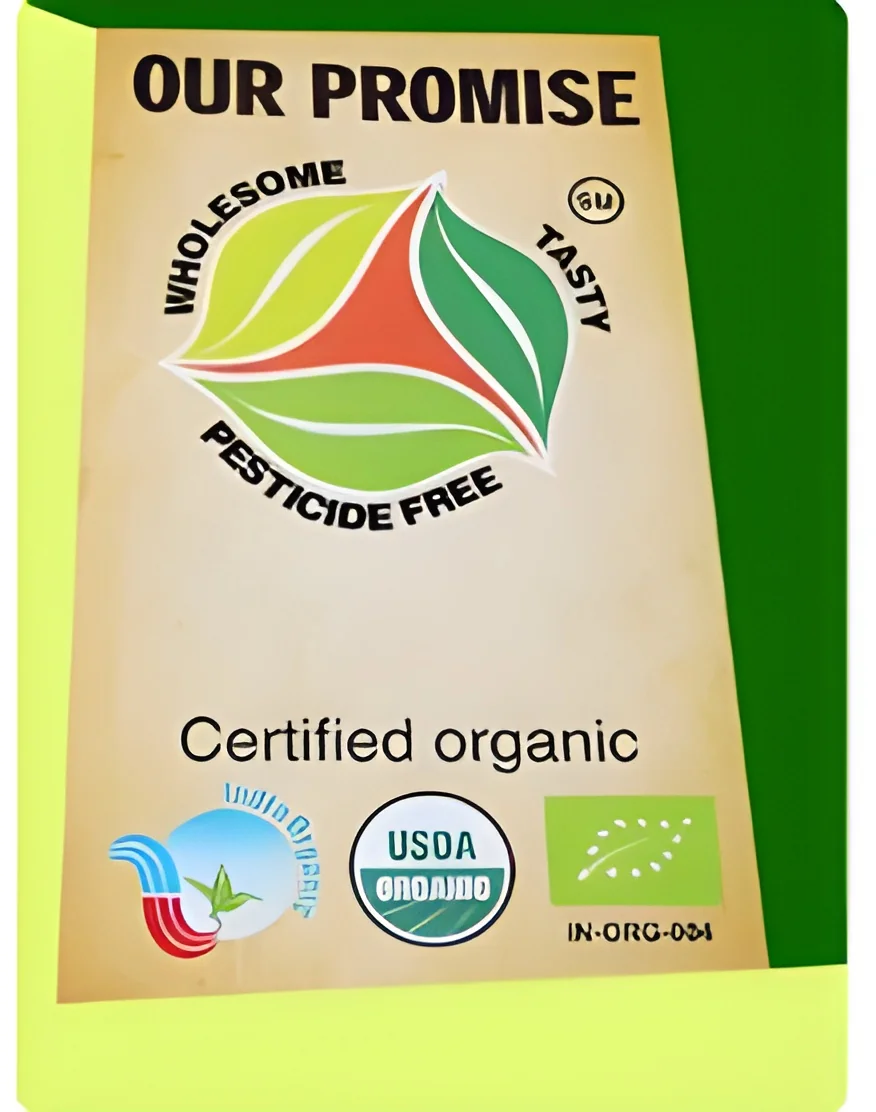
Organic Certified Fruits are fruits that are grown and processed according to specific agricultural standards that prioritize ecological balance and sustainability. These fruits are cultivated without the use of synthetic fertilizers, pesticides, or genetically modified organisms (GMOs). The certification process involves rigorous assessments and compliance with established organic farming practices, ensuring that the fruits meet the necessary criteria for organic labeling.
These fruits are widely used in various business applications, including food service, retail, and health food industries. They appeal to consumers seeking healthier, environmentally friendly options. Businesses often incorporate organic certified fruits into their product offerings, such as organic juices, snacks, and gourmet food items, to meet the growing demand for organic produce. The market for organic fruits is expanding significantly, driven by increased consumer awareness about health and sustainability.
In the context of the industry, organic certified fruits are becoming increasingly relevant as more consumers and businesses prioritize organic products. The global organic fruit market is experiencing growth, influenced by changing dietary preferences and the rise of health-conscious consumers. As a result, businesses that source organic certified fruits are better positioned to cater to this evolving market demand.
Key Features and Specifications
Organic Certified Fruits possess several important features that distinguish them from conventionally grown fruits. These features not only enhance their market appeal but also align with consumer expectations for quality and sustainability.
Key specifications include:
1. Organic Certification
- Fruits must be certified by an accredited body.
- Compliance with national and international organic standards.
2. Pesticide Residue
- Must have minimal to no pesticide residues.
- Regular testing required to ensure compliance with safety standards.
3. Nutritional Value
- Generally higher levels of vitamins and antioxidants.
- Enhanced flavors due to natural growing conditions.
4. Sustainability Practices
- Grown using environmentally friendly methods.
- Practices include crop rotation and soil health management.
5. Freshness and Shelf Life
- Harvested at peak ripeness for optimal freshness.
- Proper handling and storage recommended to extend shelf life.
6. Traceability
- Ability to trace the fruit from farm to market.
- Transparency in sourcing enhances consumer trust.
7. Packaging Standards
- Must comply with eco-friendly packaging requirements.
- Packaging materials should be recyclable or biodegradable.
In summary, the key specifications of organic certified fruits underline their quality, sustainability, and health benefits, making them a valuable addition to various business offerings.
Common Applications and Use Cases
Organic Certified Fruits are versatile and find applications across numerous industries. Their appeal and health benefits make them suitable for various business sectors.
1. Food Service Industry: Restaurants and catering services increasingly incorporate organic fruits into their menus, offering fresh salads, desserts, and beverages that emphasize organic ingredients.
2. Retail Grocery Stores: Supermarkets and health food stores feature organic fruits prominently, catering to health-conscious consumers looking for high-quality produce.
3. Beverage Manufacturing: Organic fruits are used in the production of juices, smoothies, and flavored waters, appealing to consumers seeking natural and healthy drink options.
4. Snack Food Industry: Organic fruits are often included in health snacks, such as granola bars and dried fruit products, targeting consumers focused on nutrition.
5. Health and Wellness Sector: Organic fruits are marketed as part of health supplements and dietary programs, promoting their nutritional advantages.
6. Food Processing: Organic fruits are used as ingredients in jams, jellies, and desserts, enhancing the appeal of processed products with natural flavors.
7. Organic Farming Initiatives: Farmers focusing on sustainability and organic practices incorporate these fruits into their crop rotations to maintain soil health and biodiversity.
Product Variants and Subcategories
Organic Certified Fruits come in a variety of types, providing diverse options for businesses looking to source high-quality produce. The range allows buyers to cater to different consumer preferences and market segments.
Apple Varieties
Organic apples are known for their crisp texture and sweet flavor. They are popular in both fresh and processed forms, ideal for salads, baking, and snacking.
Citrus Fruits
Organic citrus options include oranges, lemons, and grapefruits. These fruits are valued for their refreshing taste and high vitamin C content, commonly used in beverages and culinary dishes.
Berries
Organic certified berries, such as strawberries, blueberries, and raspberries, are sought after for their antioxidants and versatility in desserts, smoothies, and salads.
Stone Fruits
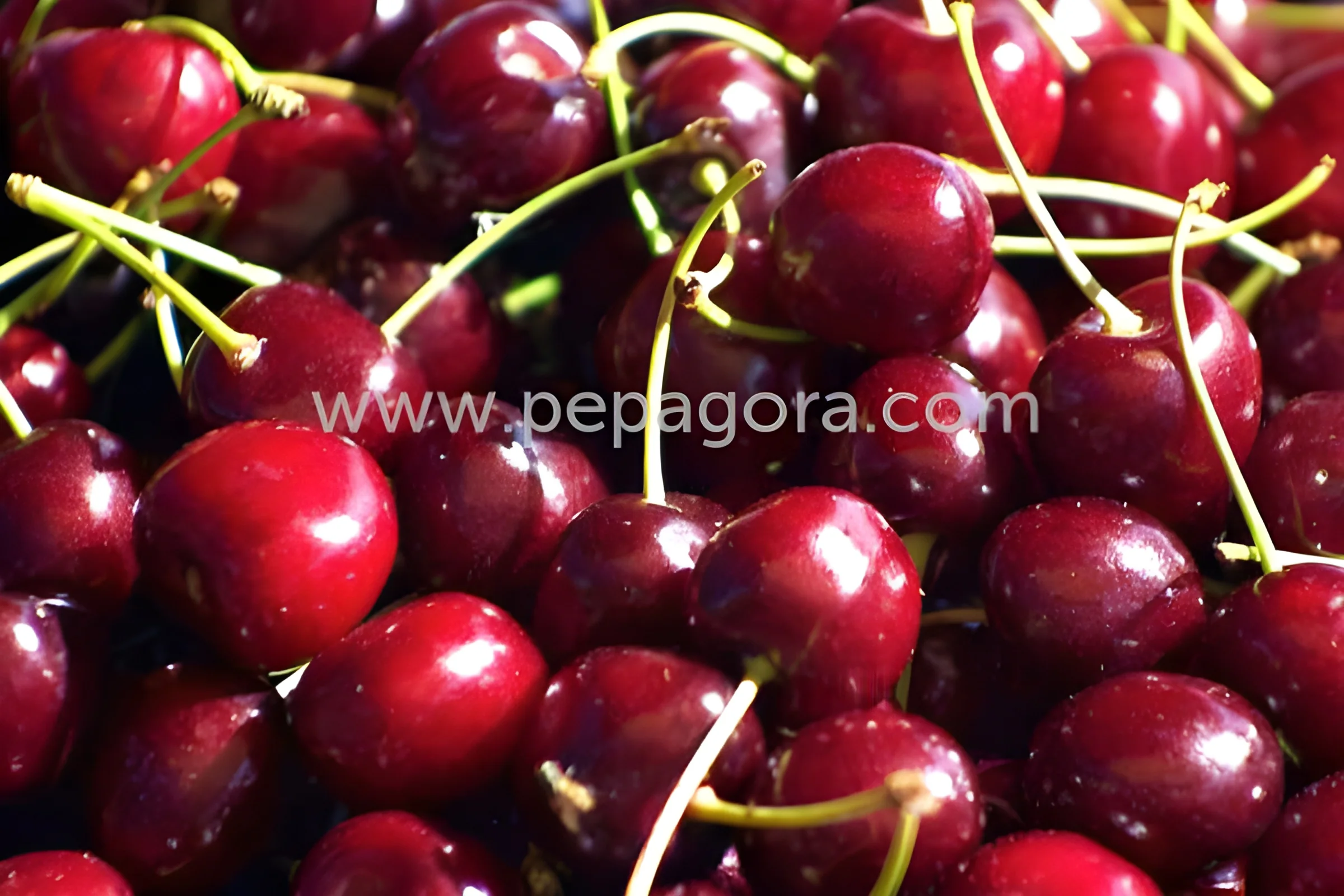
Fruits like peaches, plums, and cherries fall under this category. They are cherished for their juiciness and flavor, making them ideal for desserts and preserves.
Melons
Organic melons, including cantaloupes and watermelons, are refreshing options for summer dishes and beverages. Their high water content makes them a favorite among consumers.
Benefits and Advantages
Sourcing Organic Certified Fruits offers several key benefits for businesses. These advantages make them a wise choice for companies looking to improve their product offerings.
1. Health Benefits: Organic fruits are typically free from synthetic chemicals, providing a healthier option for consumers who prioritize natural foods.
2. Environmental Sustainability: Sourcing organic fruits supports environmentally friendly farming practices, contributing to soil health and biodiversity.
3. Market Demand: The increasing consumer demand for organic products can lead to higher sales and customer loyalty for businesses that offer organic certified fruits.
4. Quality Assurance: Organic certification provides assurance of quality and safety, which can enhance brand reputation and consumer trust.
5. Versatile Applications: Organic fruits can be utilized in various products, from fresh produce to processed goods, providing flexibility for businesses.
6. Compliance with Regulations: Sourcing organic certified fruits helps businesses meet evolving regulatory requirements related to food safety and environmental standards.
Buying Guide for B2B Buyers
When sourcing Organic Certified Fruits, businesses should consider several important factors to ensure they make informed decisions.
1. Quality Assessment: Evaluate the quality of the fruits by checking for freshness, appearance, and taste. Conduct regular inspections to maintain high standards.
2. Supplier Verification: Vet suppliers thoroughly to ensure they are accredited and comply with organic certification requirements. Request documentation to confirm their practices.
3. Pricing and MOQ: Understand the pricing structure and minimum order quantities. Assess how these factors impact your cost structure and inventory management.
4. Delivery and Lead Times: Discuss logistics and delivery schedules with suppliers to ensure timely receipt of products to meet your business needs.
5. Compliance Requirements: Familiarize yourself with relevant regulations and certifications needed for organic products in your region, ensuring that your sourcing practices align with legal requirements.
Compliance and Certifications
Organic Certified Fruits must adhere to various quality standards and certifications to ensure their integrity and safety. These standards often include ISO 9001 for quality management systems, HACCP for food safety management, and Good Distribution Practices (GDP) to ensure product quality during transport.
Additionally, organic fruits may obtain industry certifications such as CE, which indicates compliance with health, safety, and environmental protection standards for products sold within the European Economic Area.
Safety and testing requirements are crucial in maintaining consumer trust. Regular testing for pesticide residues and other contaminants ensures that organic certified fruits meet the necessary safety standards.
Regional compliance considerations also play a significant role, as different regions may have specific regulations governing organic certification. Businesses must stay informed about these requirements to maintain compliance and avoid potential penalties.
Why Source Organic Certified Fruits from Pepagora?
Pepagora offers a reliable platform for sourcing Organic Certified Fruits, providing several key advantages to B2B buyers.
Verified Supplier Network: Pepagora ensures that all suppliers are thoroughly vetted and accredited, giving buyers confidence in the quality and authenticity of the organic fruits they purchase. This verification process helps mitigate risks associated with sourcing from unverified suppliers.
Streamlined RFQ Process: The platform facilitates a streamlined Request for Quotation (RFQ) process, allowing buyers to easily compare prices and product specifications from multiple suppliers. This efficiency helps businesses make informed purchasing decisions quickly.
Trade Assurance and Support: Pepagora provides trade assurance, protecting buyers from potential disputes. This support enhances the sourcing experience, ensuring that transactions are secure and trustworthy.
Regional Coverage: With a strong presence in India, the GCC, and Southeast Asia, Pepagora offers extensive geographic reach, making it easy for businesses in these regions to access a diverse range of organic certified fruits. This coverage helps buyers source local produce while also exploring international options.

 IN
IN
 India
India