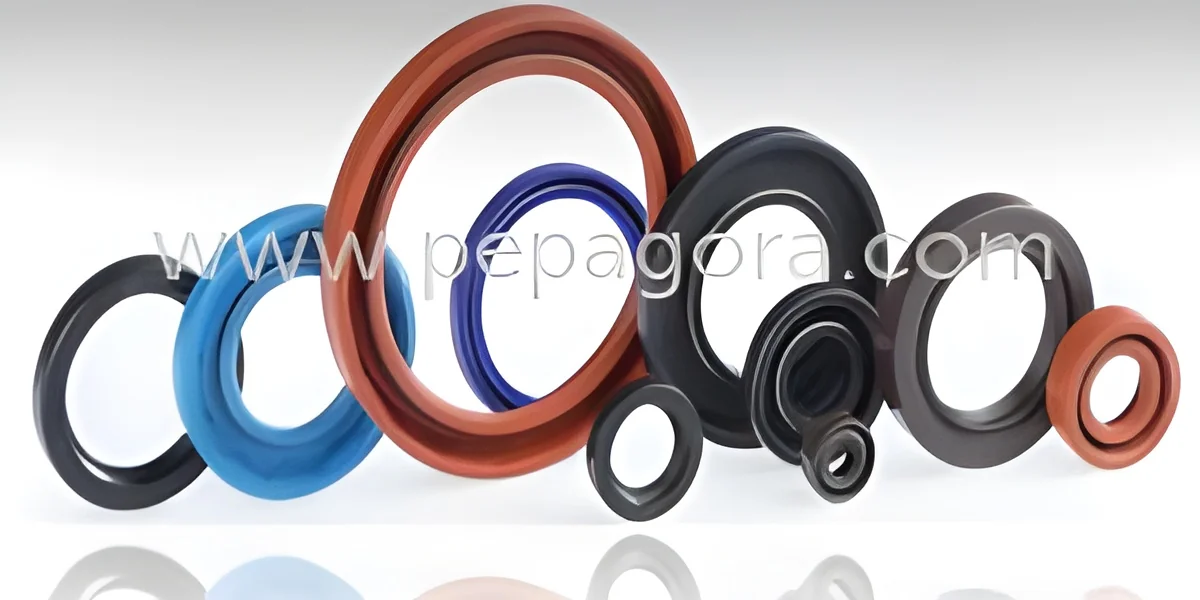
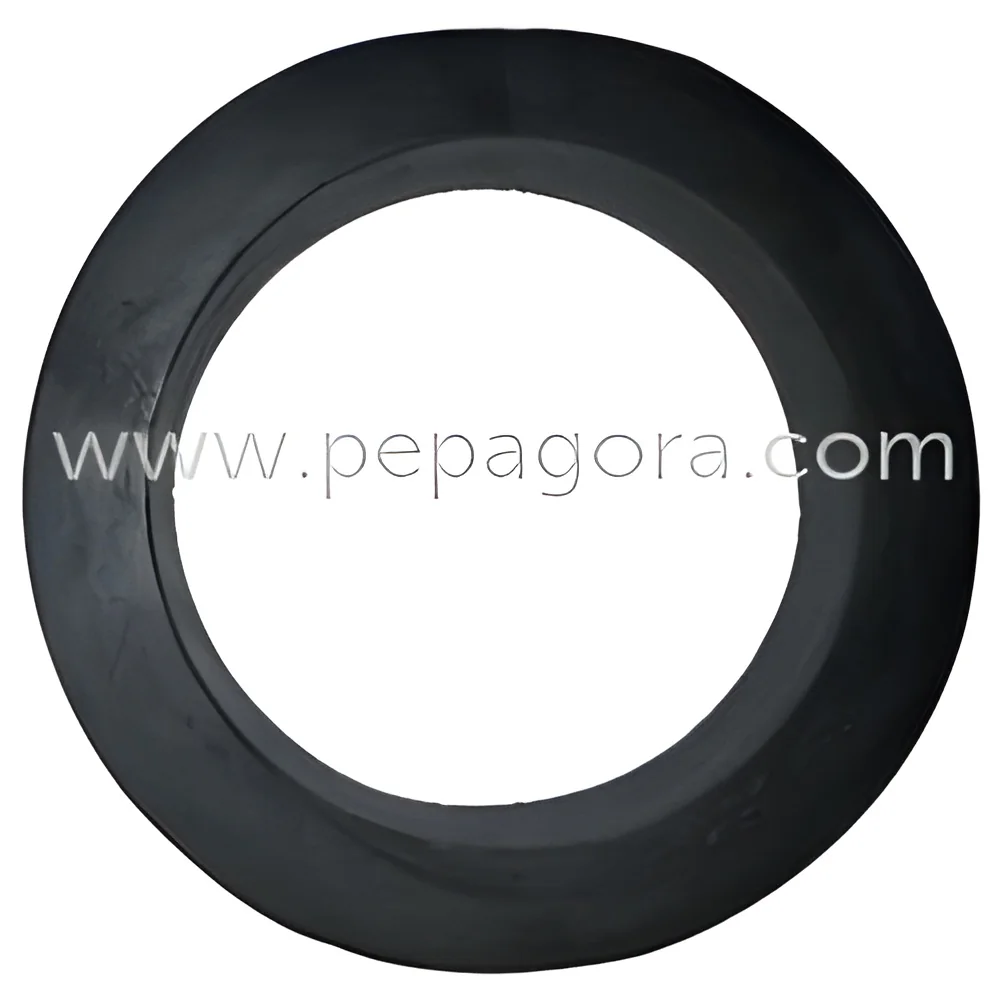
What are Oil Seals?
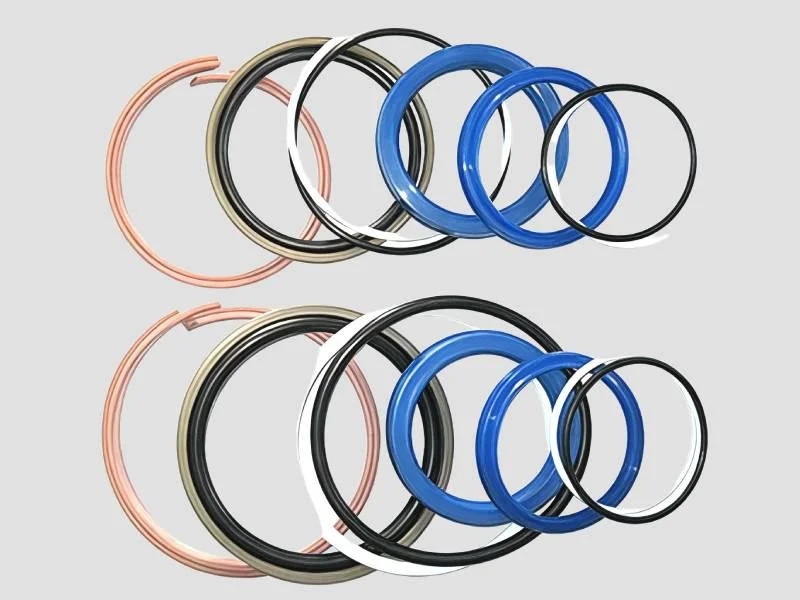
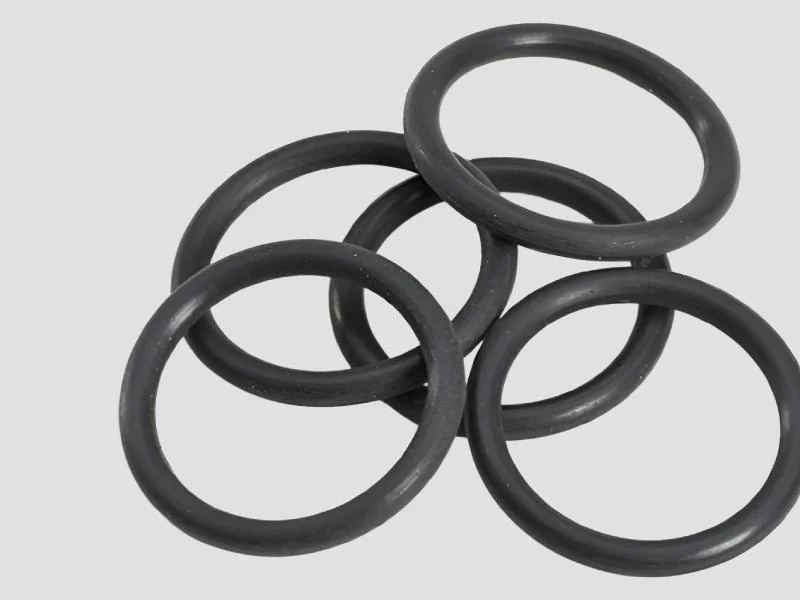
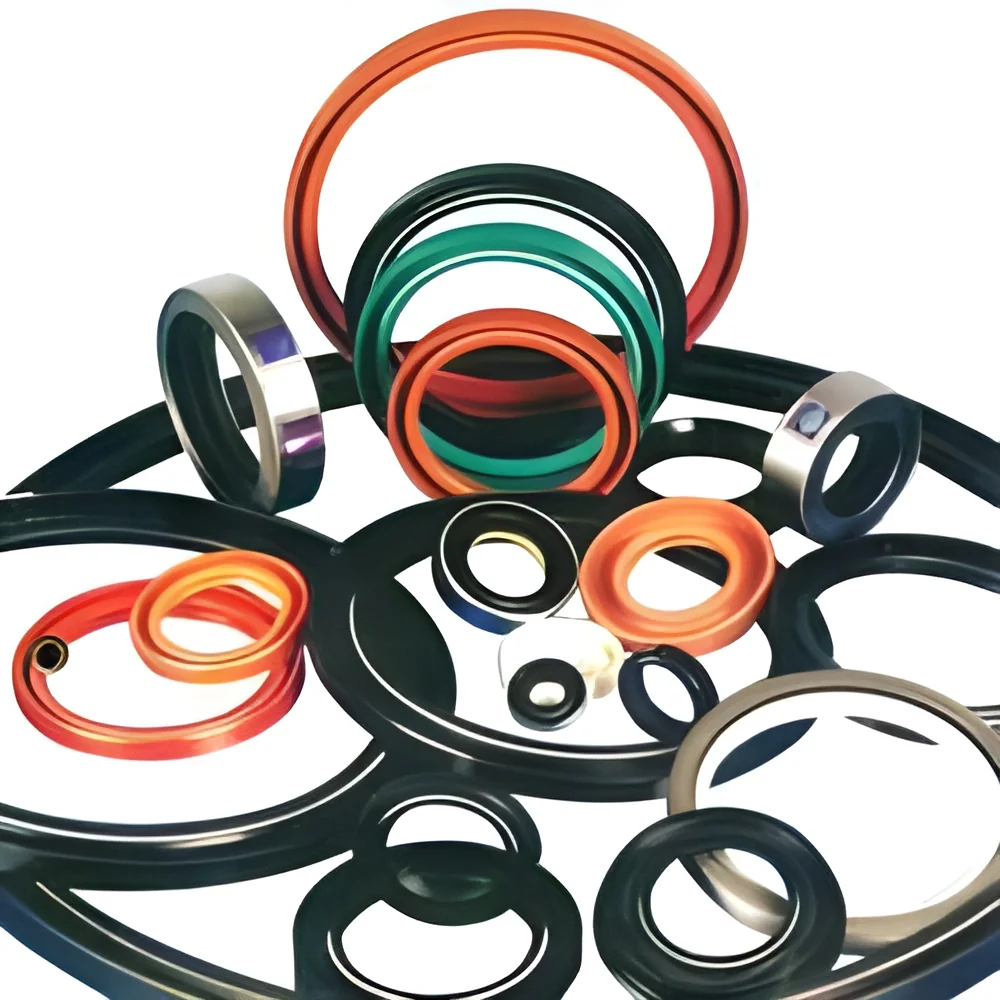
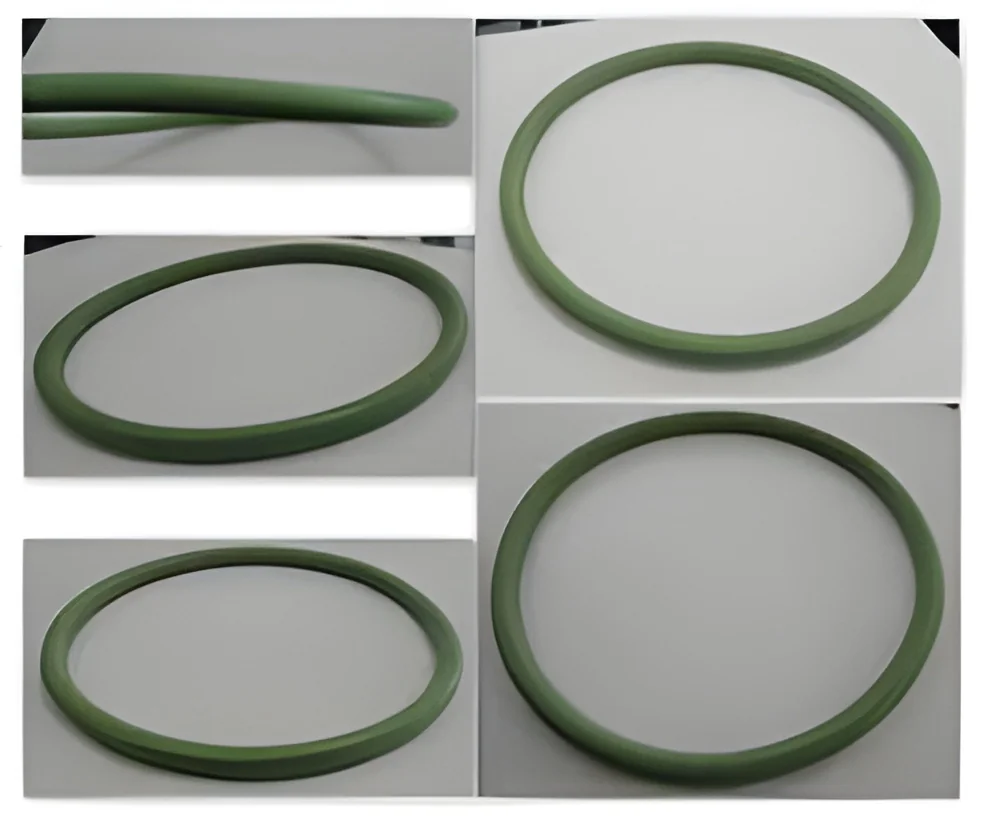
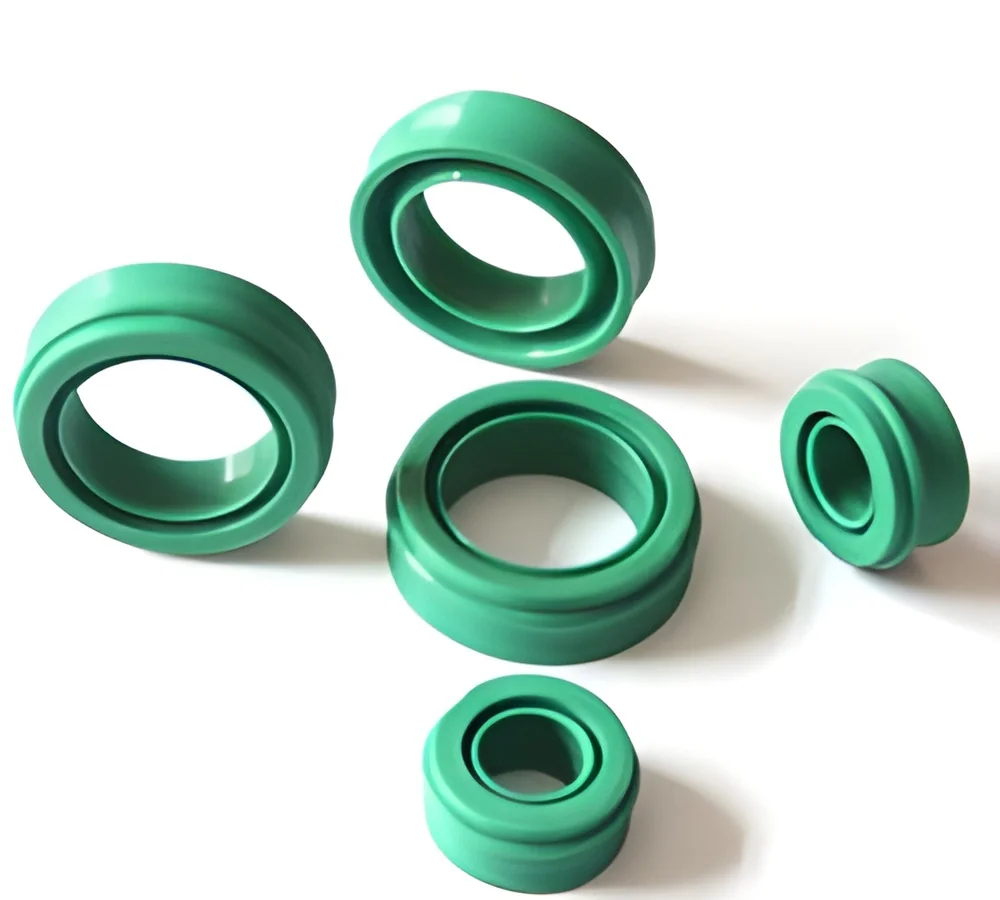
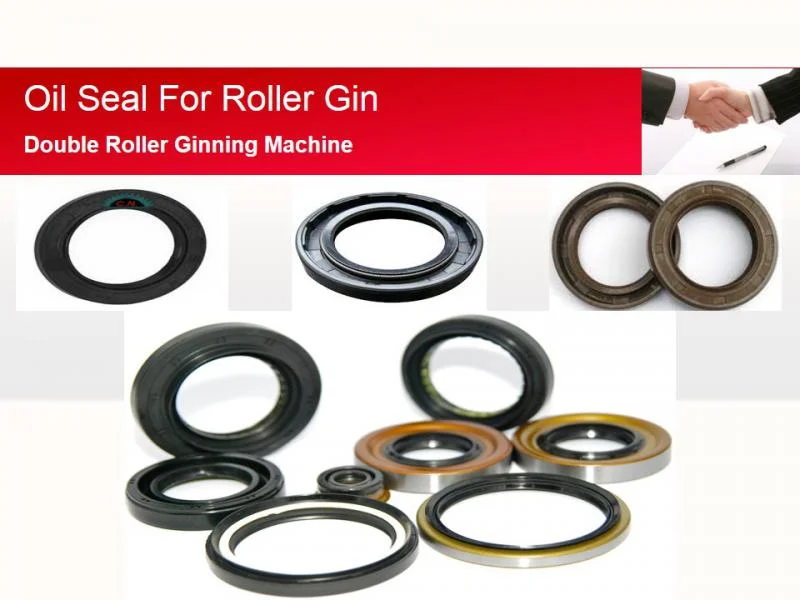
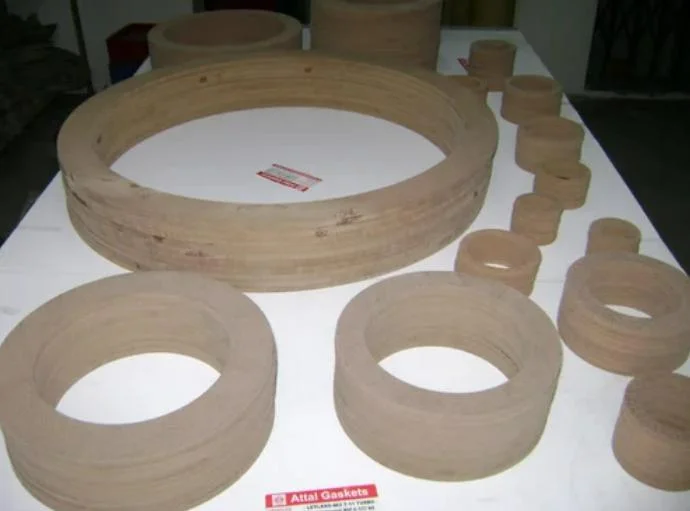
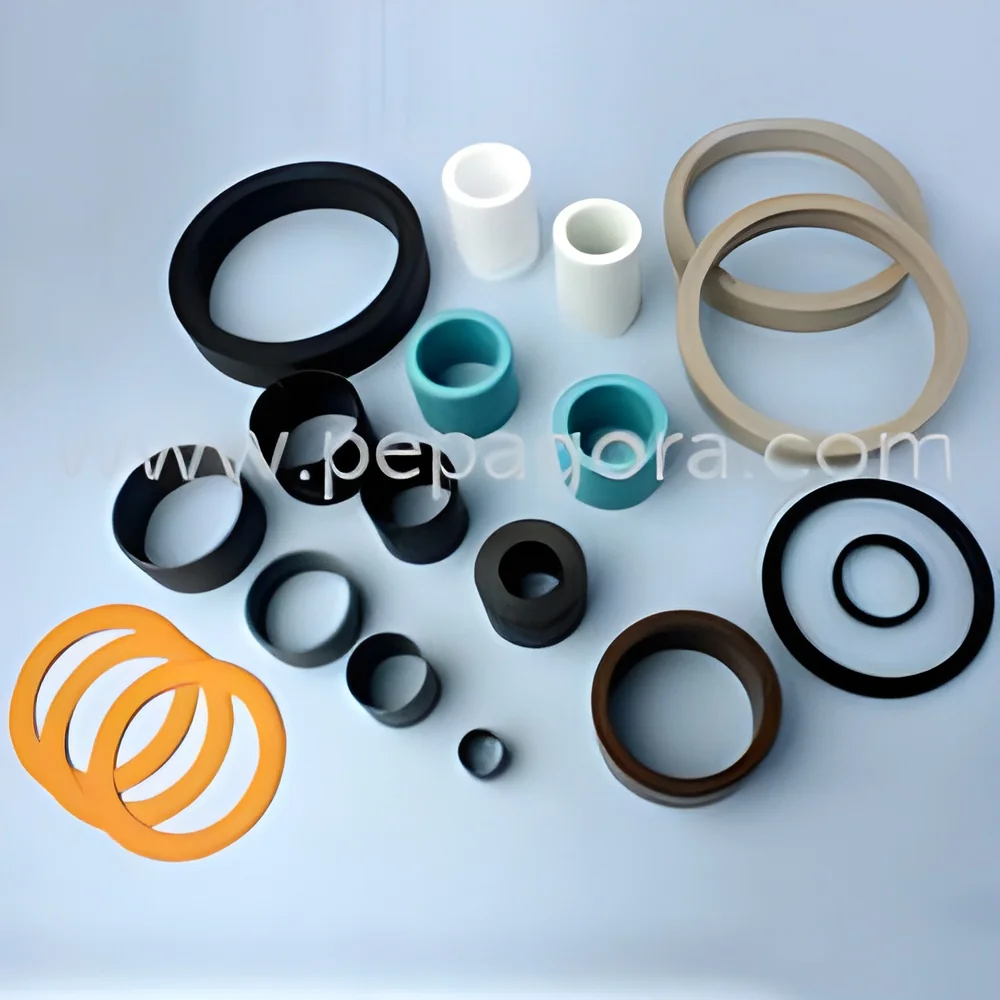
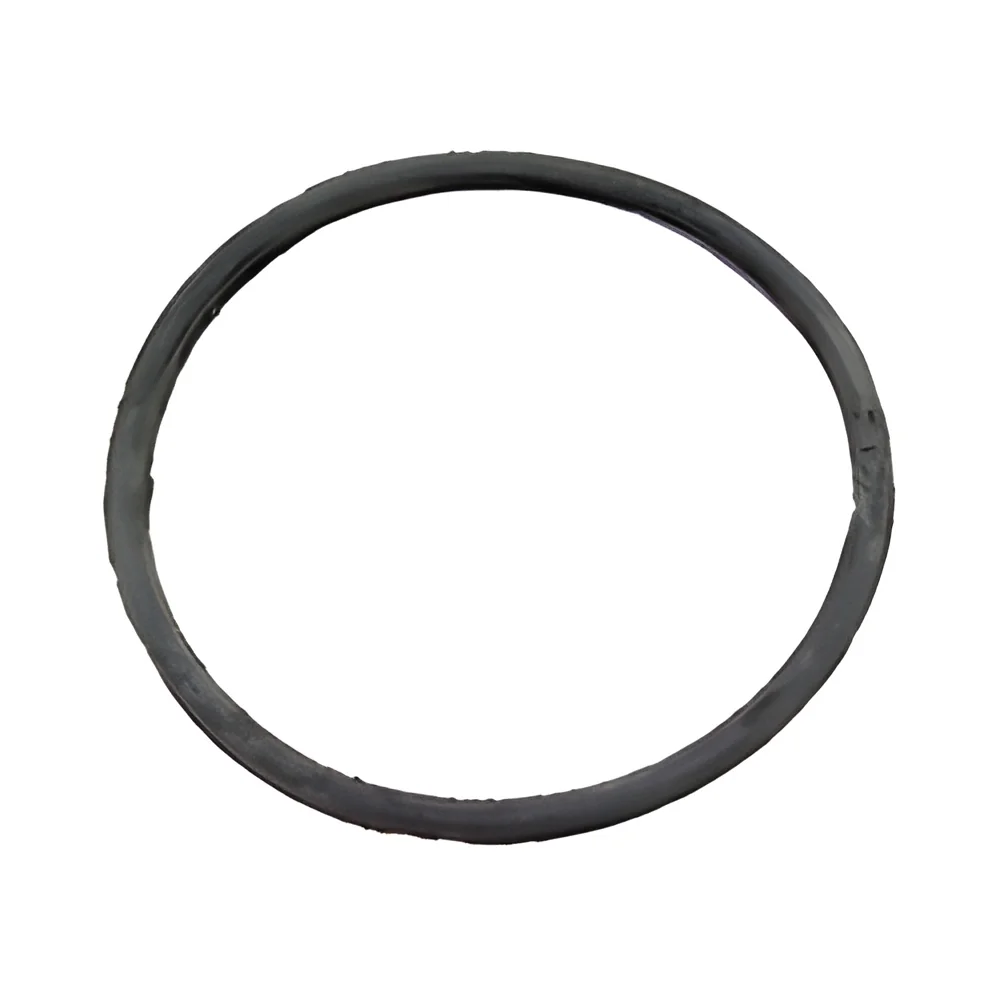
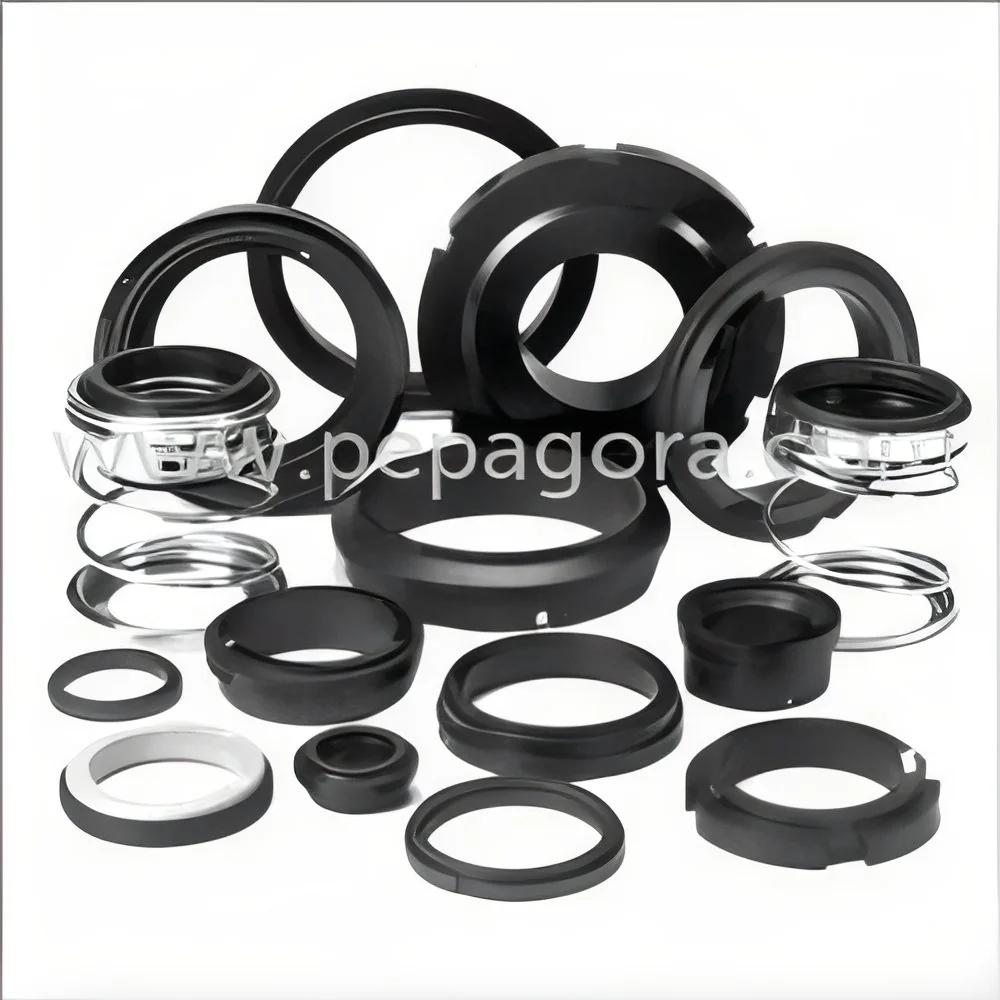
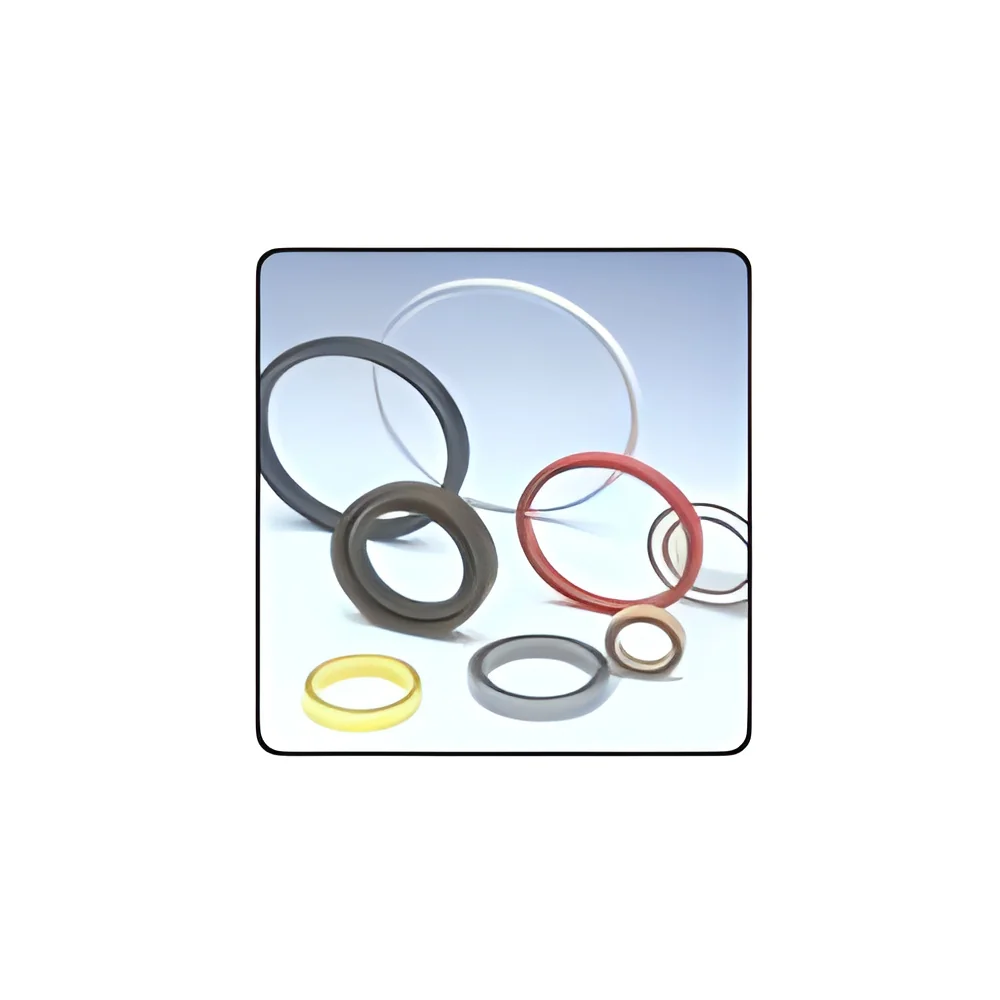
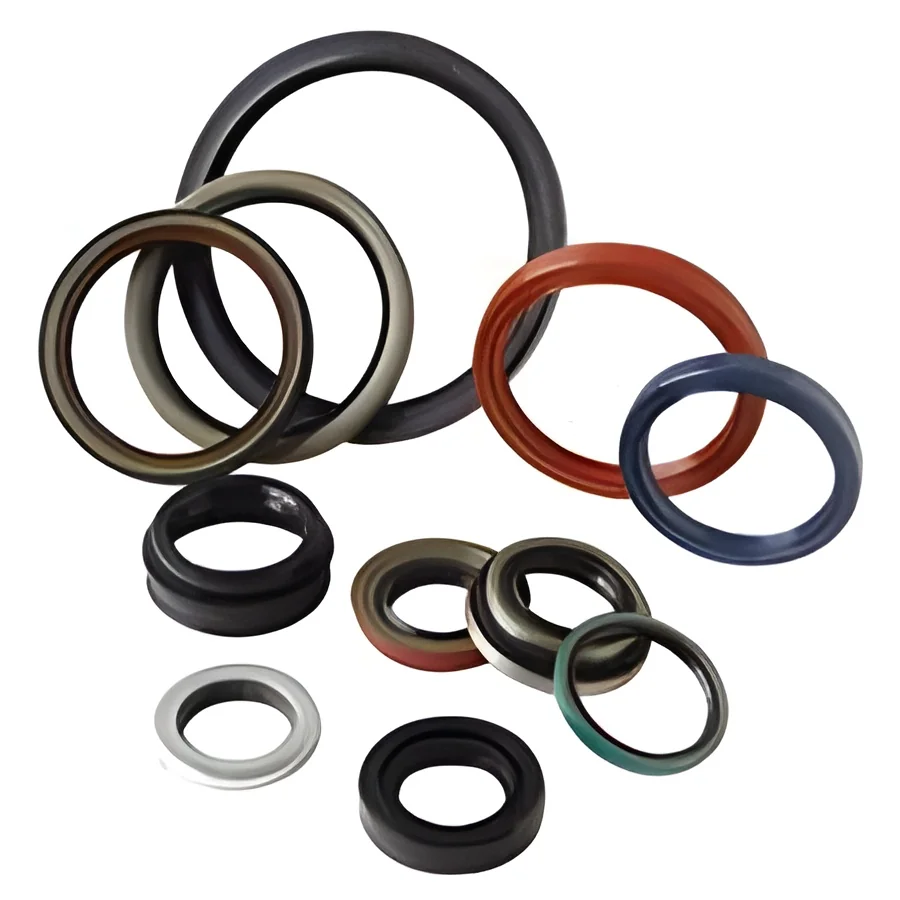
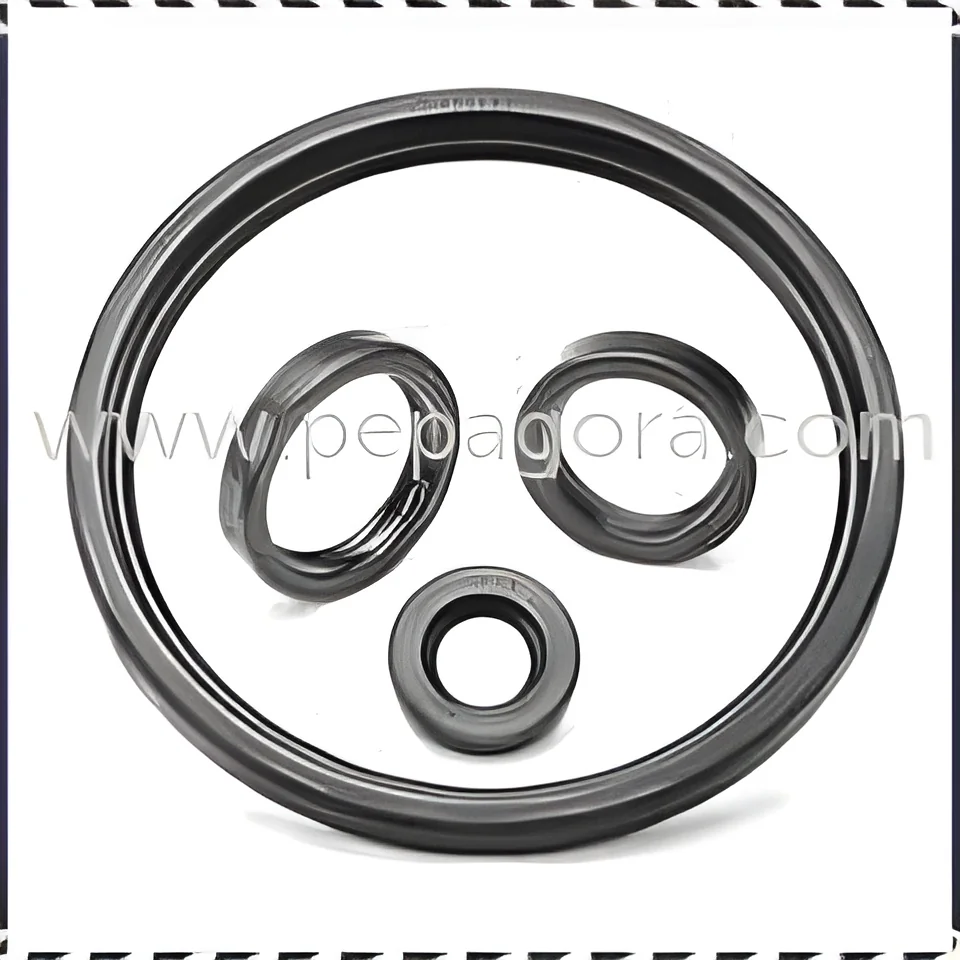
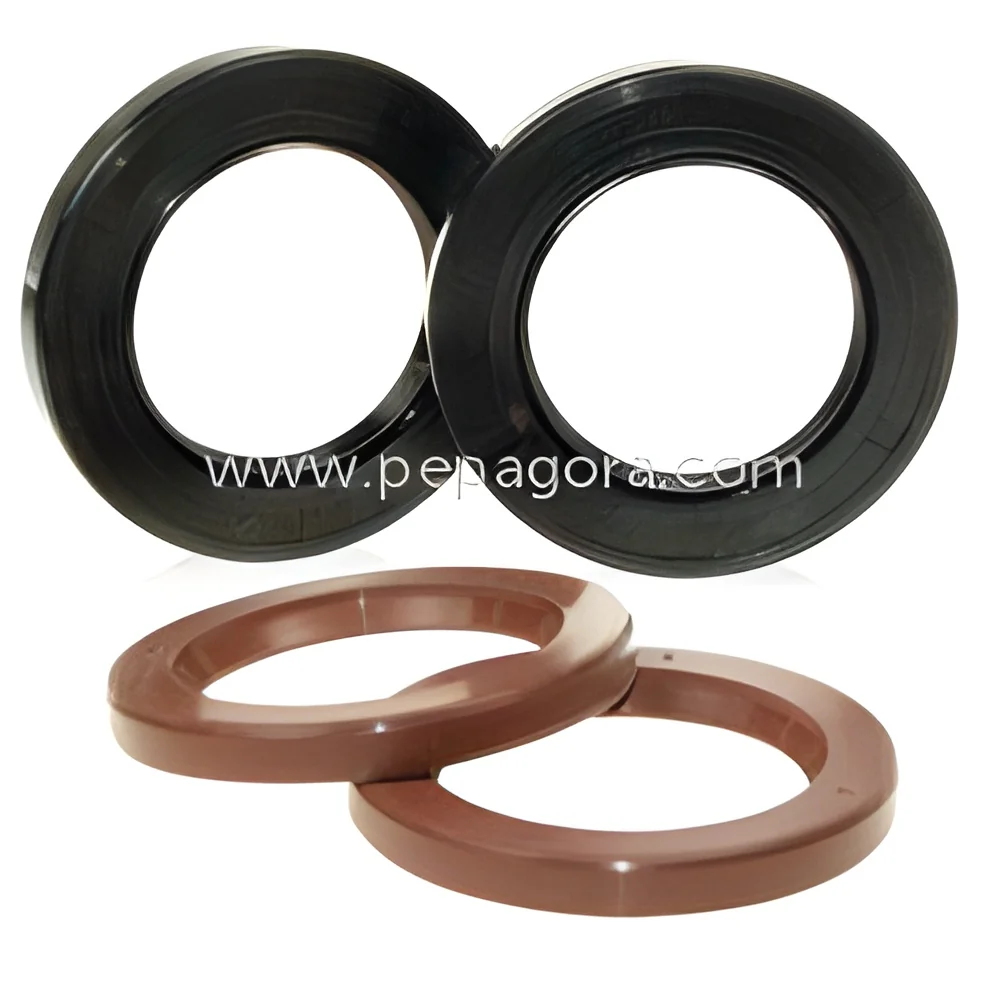
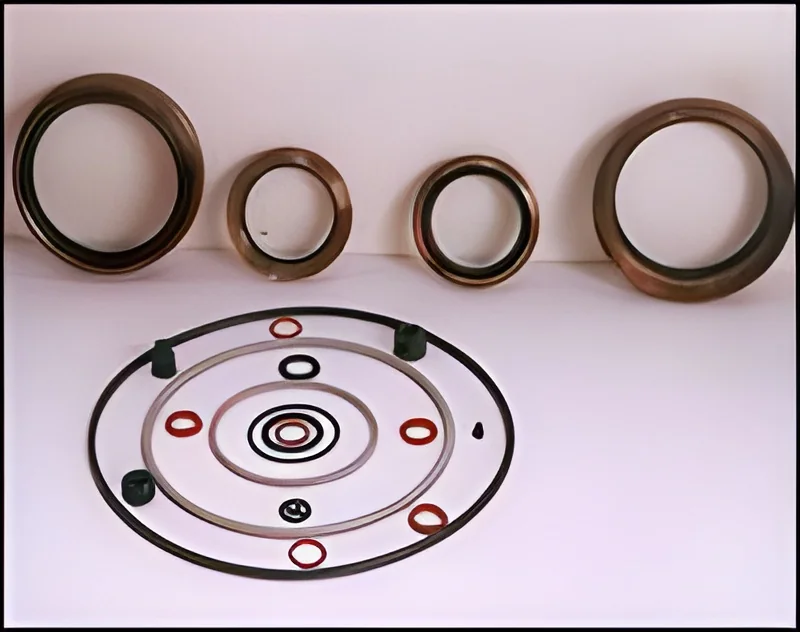
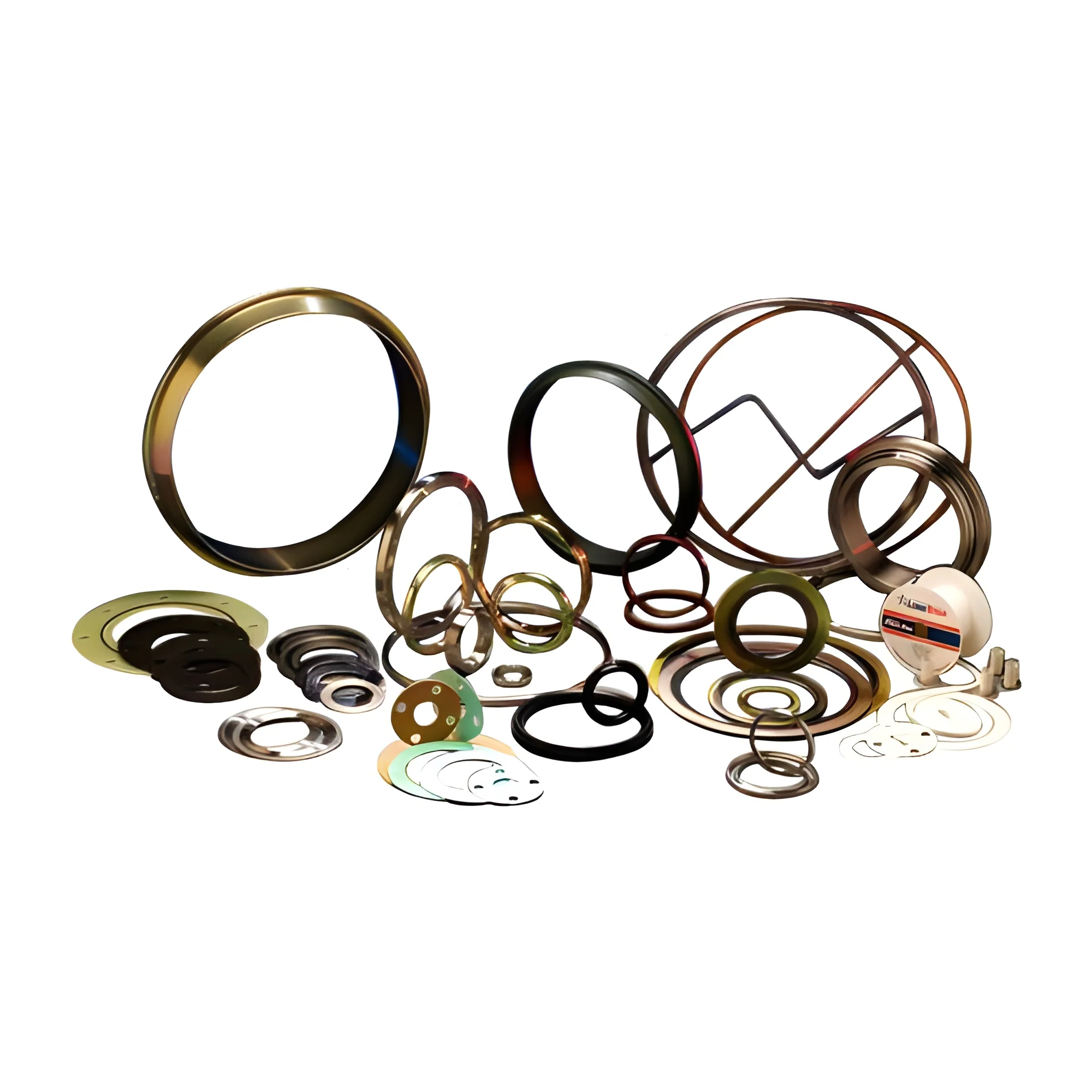
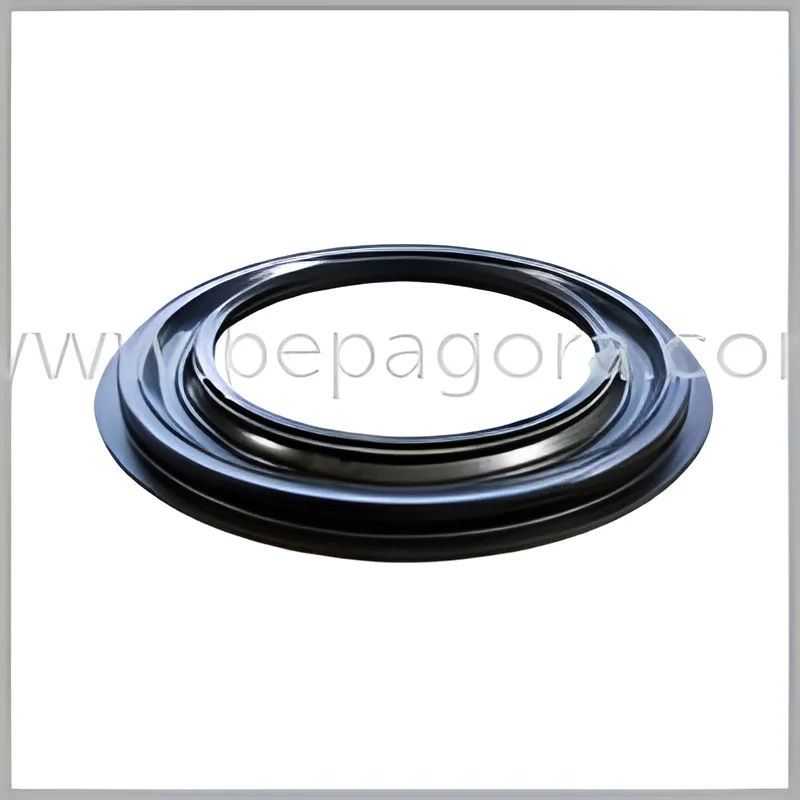
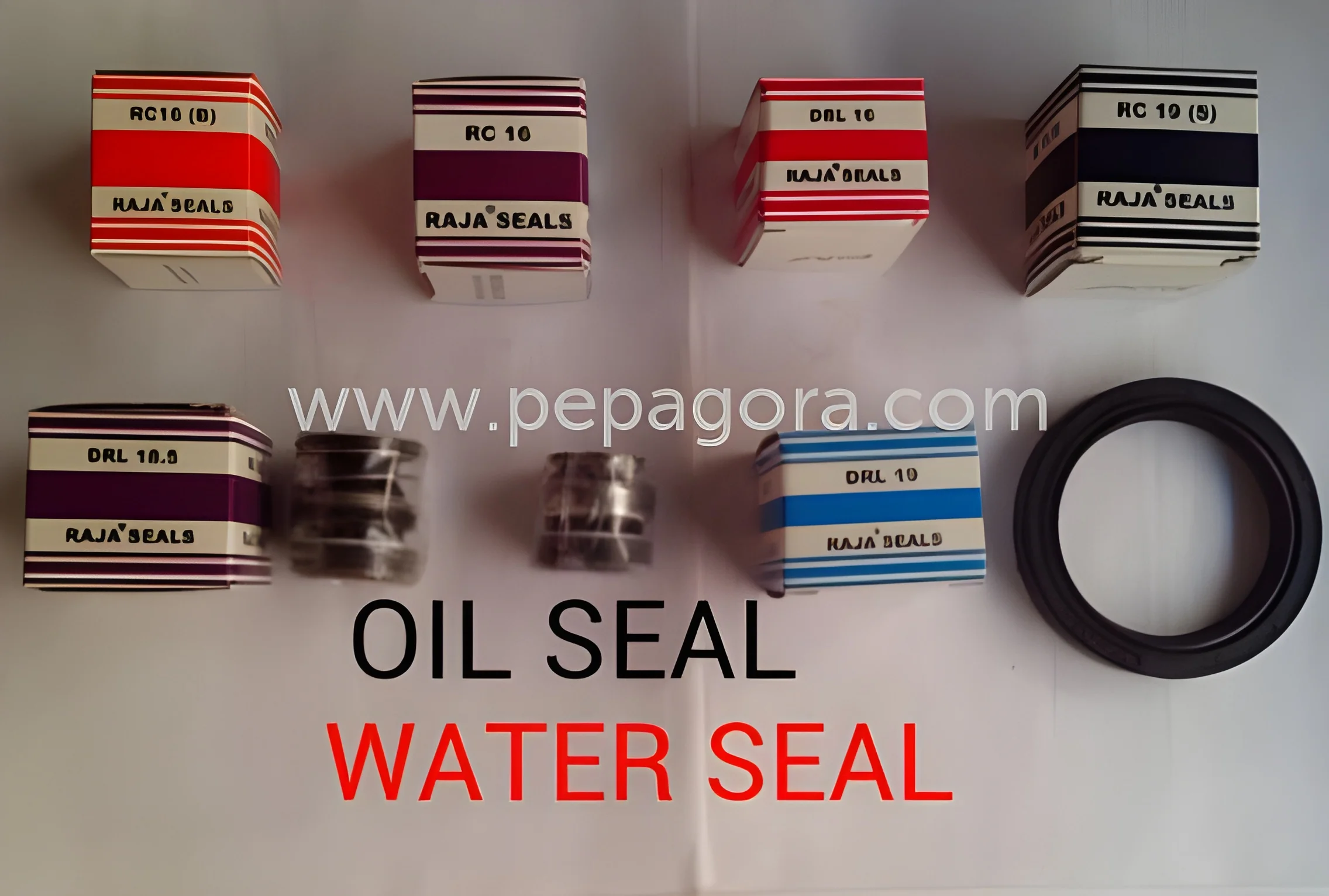
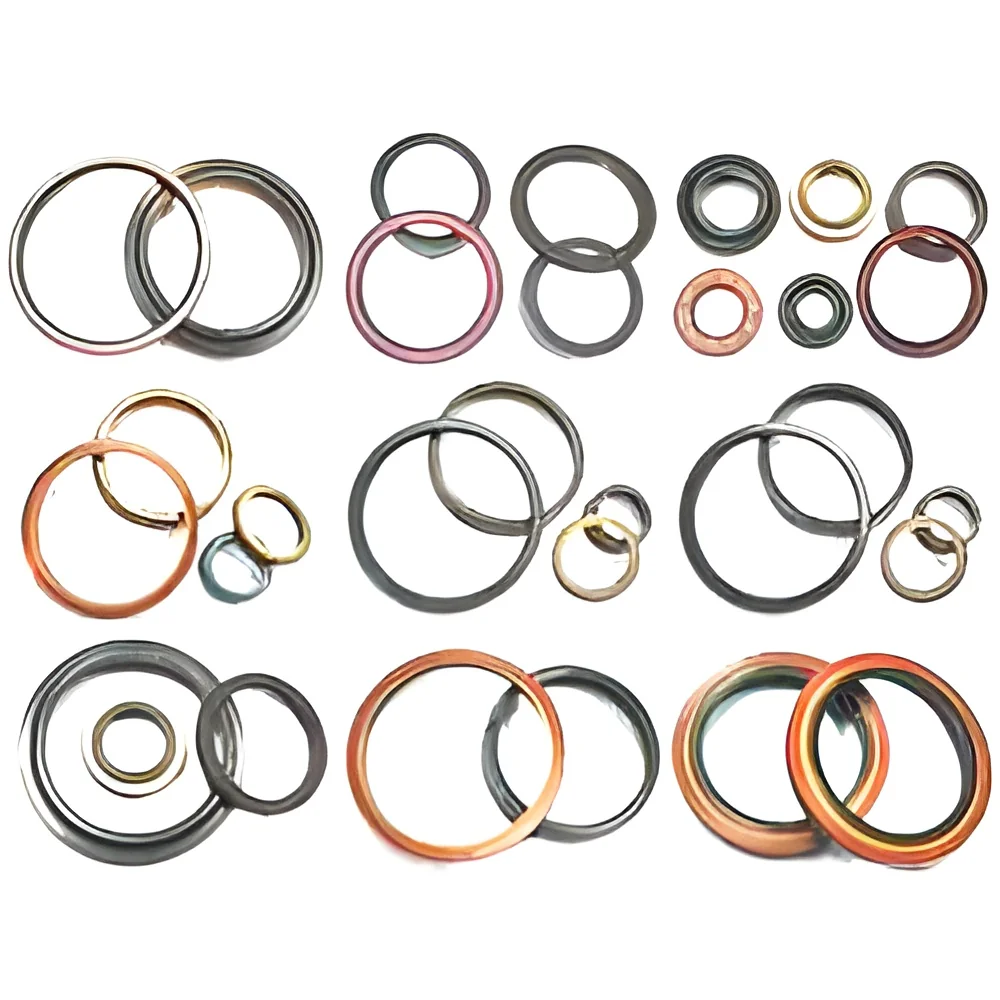
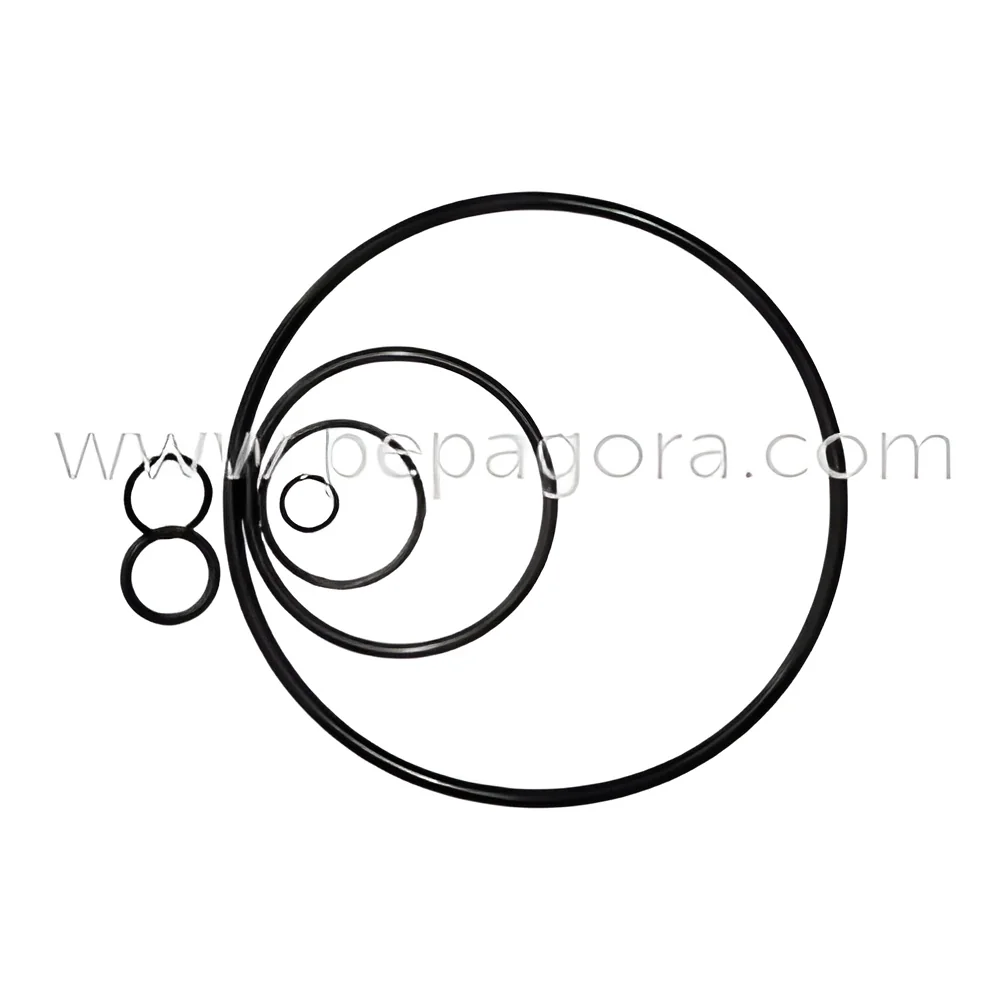
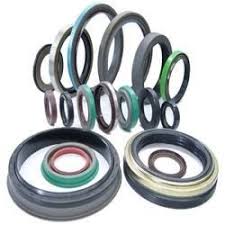
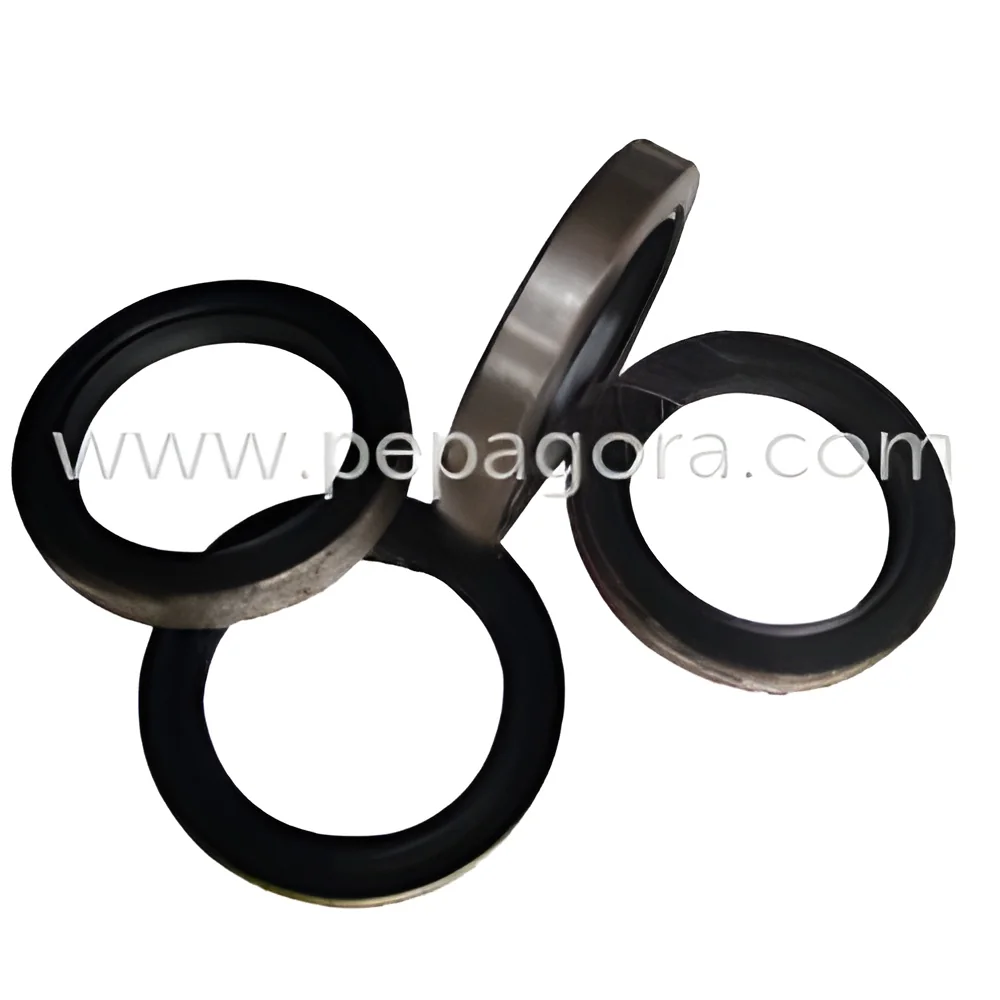
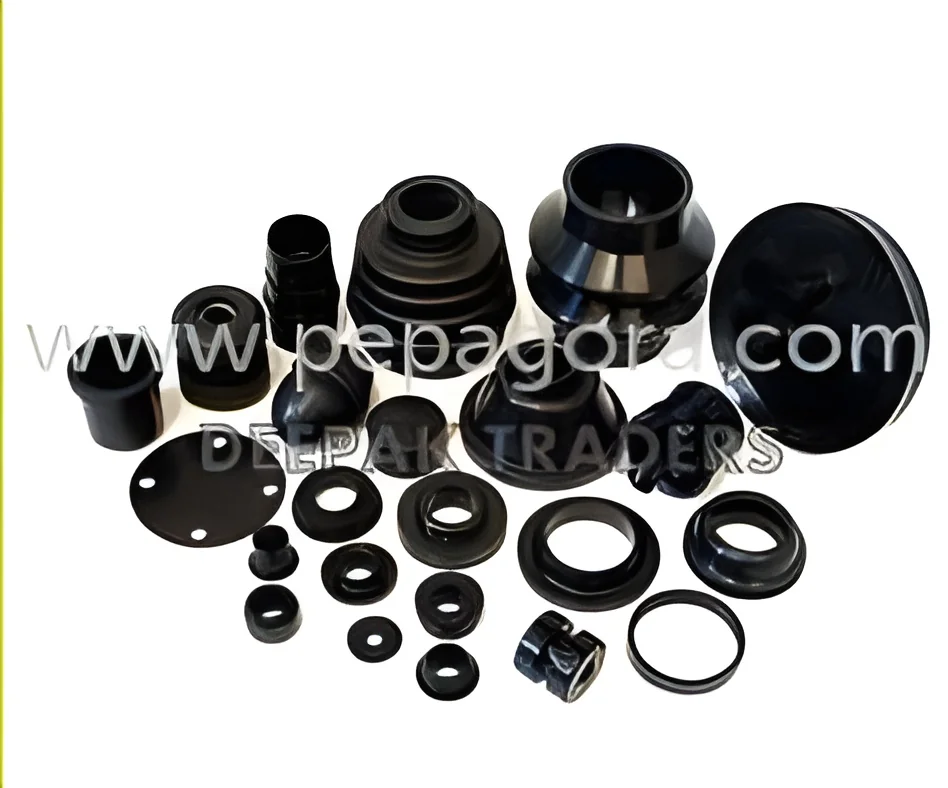
Oil seals are essential components used to prevent the leakage of lubricants and fluids in mechanical systems. They serve as barriers against contaminants, moisture, and dust, ensuring the longevity and efficiency of machinery. Typically made from rubber or elastomer materials, oil seals are designed to fit snugly around rotating shafts, effectively sealing the area to maintain optimal performance.
These seals find application in various industries, including automotive, manufacturing, aerospace, and heavy machinery. They are crucial in ensuring the proper functioning of engines, gearboxes, pumps, and hydraulic systems. By reducing the risk of leaks, oil seals contribute to lower maintenance costs and improved operational reliability, making them a vital component in industrial applications. As the demand for efficient machinery continues to rise, the relevance of oil seals in the market remains significant, with ongoing innovations aimed at enhancing their performance and durability.
Key Features and Specifications
Oil seals are characterized by several key features that determine their suitability for specific applications. Understanding these specifications is crucial for B2B buyers looking to select the right oil seals for their needs.
Key specifications include:
1. Material Composition
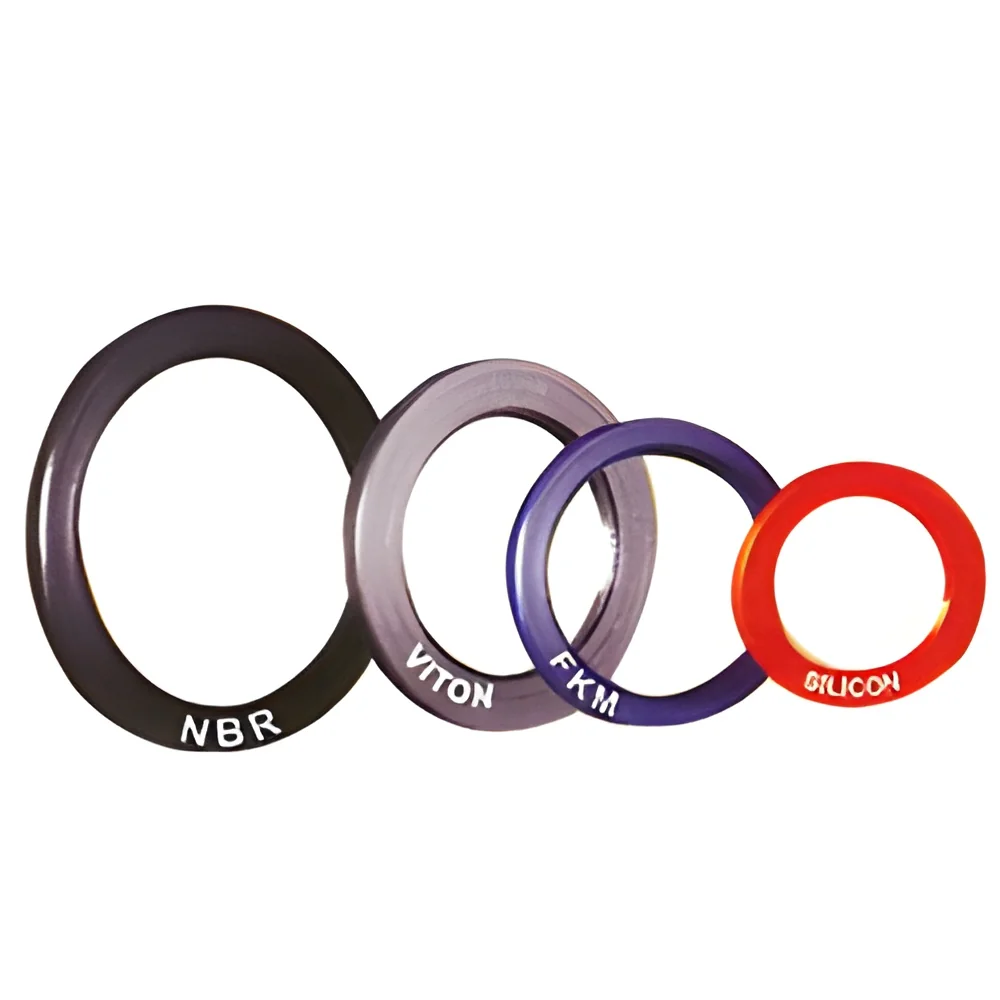
- Typically made from rubber or elastomer compounds.
- Provides flexibility and resistance to wear.
2. Temperature Range
- Designed to operate in a wide range of temperatures.
- Specific ranges depend on the material used.
3. Shaft Diameter Compatibility
- Available in various sizes to fit different shaft diameters.
- Custom sizes may be available upon request.
4. Sealing Type
- Includes single-lip and double-lip designs.
- Double-lip seals provide enhanced protection against leakage.
5. Pressure Resistance
- Capable of withstanding varying levels of pressure.
- Important for applications in hydraulic systems.
6. Compliance Standards
- Adherence to industry standards such as CE certification.
- Ensures quality and safety in use.
7. Humidity Control Features
- Some designs include features to manage humidity.
- Reduces the risk of degradation over time.
8. Monitoring Capabilities
- Certain oil seals may incorporate monitoring features.
- Useful for real-time assessment of seal integrity.
In summary, the features and specifications of oil seals play a crucial role in their performance and suitability for various applications. Buyers should carefully consider these factors when making procurement decisions.
Common Applications and Use Cases
Oil seals are utilized across a wide range of industries, each with specific applications that highlight their importance.
1. Automotive: In vehicles, oil seals are crucial for engines and transmissions, preventing oil leaks that can lead to severe mechanical failures.
2. Manufacturing: Oil seals are used in various machinery, including lathes and milling machines, to keep lubricants contained and reduce wear on components.
3. Aerospace: In aircraft, oil seals are vital for maintaining hydraulic fluid integrity in control systems, ensuring safety and reliability.
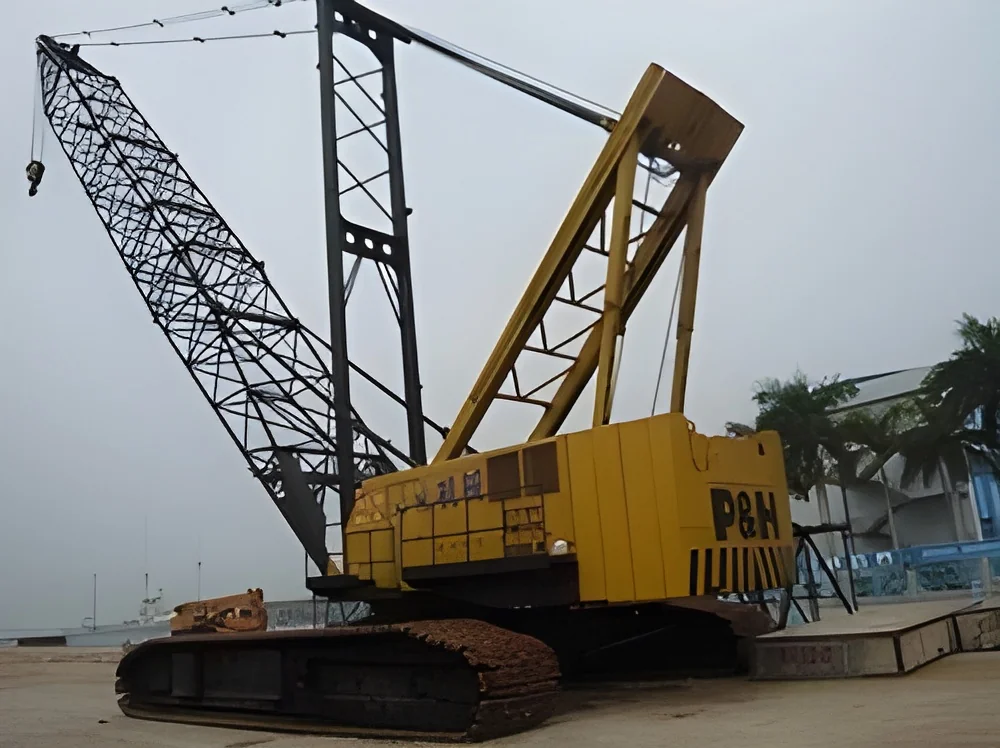
4. Heavy Machinery: In construction equipment, oil seals prevent fluid leakage in hydraulic systems, enabling efficient operation of excavators and bulldozers.
5. Marine: Oil seals in marine engines help protect against water intrusion, ensuring optimal engine performance in challenging environments.
6. Agricultural Equipment: In tractors and harvesters, oil seals maintain lubrication in gearboxes, enhancing longevity and reducing maintenance needs.
7. Pumps: Oil seals are used in various pumps to prevent leakage of fluids, crucial for maintaining pressure and efficiency in fluid transfer systems.
Product Variants and Subcategories
The diversity of oil seals allows for tailored solutions to meet specific needs across different industries.
Standard Oil Seals
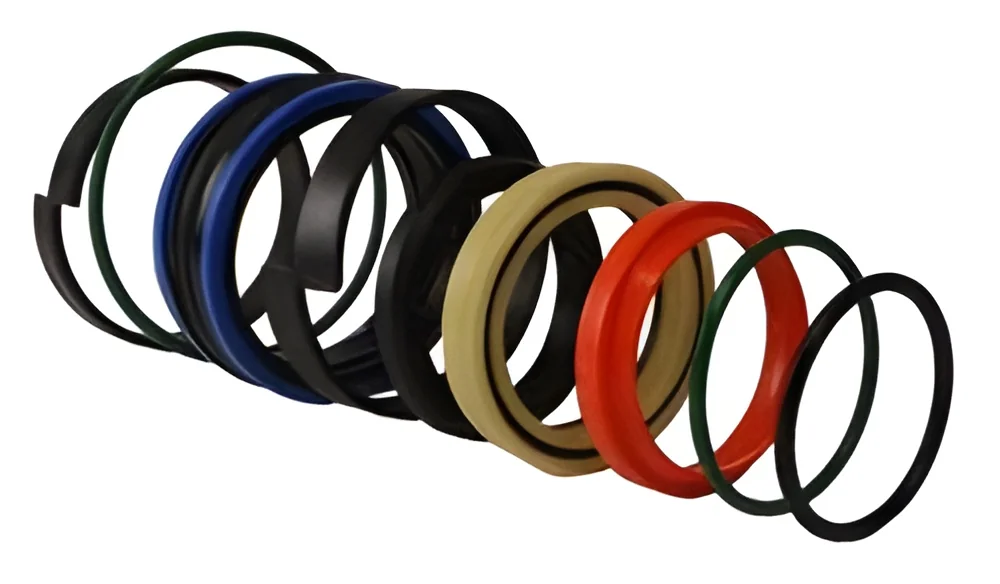
These are the most common type, designed for general applications. They offer effective sealing for a wide range of shaft sizes and operating conditions.
High-Performance Oil Seals
These variants are engineered for demanding environments where higher temperatures and pressures are prevalent. They are suitable for applications in automotive and aerospace industries.
Custom Oil Seals
For unique applications, custom oil seals can be manufactured to meet specific dimensions and material requirements. This ensures optimal performance in specialized machinery.
Benefits and Advantages
The selection of oil seals brings several benefits to businesses, enhancing operational efficiency.
1. Leak Prevention: Oil seals effectively prevent fluid leaks, reducing product loss and improving system efficiency.
2. Cost Savings: By minimizing maintenance needs and downtime associated with leaks, businesses can achieve significant cost savings.
3. Enhanced Equipment Longevity: Oil seals protect critical components from contaminants, extending the lifespan of machinery.
4. Versatility: Available in various sizes and materials, oil seals can be used in numerous applications across different industries.
5. Improved Performance: High-quality oil seals contribute to better overall performance of machinery by maintaining appropriate lubrication levels.
6. Customization Options: Businesses can source custom oil seals tailored to their specific needs, ensuring a perfect fit for unique applications.
Buying Guide for B2B Buyers
When sourcing oil seals, B2B buyers should consider several key factors to ensure they make informed decisions.
1. Quality Assessment: Look for seals that meet established quality standards. Evaluate the material, design, and performance specifications to ensure reliability.
2. Supplier Verification: Vet suppliers thoroughly to confirm their credibility and experience in the industry. Check for certifications and customer reviews.
3. Pricing and MOQ: Understand the pricing structure and minimum order quantities. Evaluate the cost against the expected performance and quality of the seals.
4. Delivery and Lead Times: Consider the supplier's ability to meet delivery schedules. Timely delivery is crucial for maintaining production schedules.
5. Compliance Requirements: Ensure that the oil seals comply with relevant industry regulations and standards. This is essential for safety and reliability in critical applications.
Compliance and Certifications
Oil seals must adhere to various quality and safety standards to ensure their performance and reliability in industrial applications.
Relevant quality standards include ISO 9001, which outlines the criteria for a quality management system. This certification demonstrates a commitment to quality and continuous improvement in production processes.
Additionally, industry certifications such as CE mark are essential, indicating compliance with European health, safety, and environmental protection standards. This certification is particularly important for products sold in the European market.
Safety and testing requirements are also critical, ensuring that oil seals can withstand the stresses of their operating environments. Testing for durability, temperature resistance, and pressure tolerance is common.
Regional compliance considerations may vary, so it is important for buyers to understand the regulations specific to their geographic area and industry.
Why Source Oil Seals from Pepagora?
Pepagora provides a trusted platform for sourcing oil seals, offering several key advantages to B2B buyers.
Verified Supplier Network: Pepagora features a network of verified suppliers, ensuring that buyers can trust the quality and reliability of the products they source.
Streamlined RFQ Process: The platform simplifies the request for quotation process, making it easy for buyers to obtain competitive pricing and service options from multiple suppliers.
Trade Assurance and Support: Pepagora offers trade assurance, providing buyers with protection for their orders. This adds an extra layer of security in transactions.
Regional Coverage: With a focus on regions like India, GCC, and Southeast Asia, Pepagora connects buyers with local suppliers, enhancing accessibility and reducing logistics challenges.
By choosing Pepagora for the procurement of oil seals, businesses can benefit from a reliable and efficient sourcing experience.

 IN
IN