What are Agricultural Equipment Bearings?
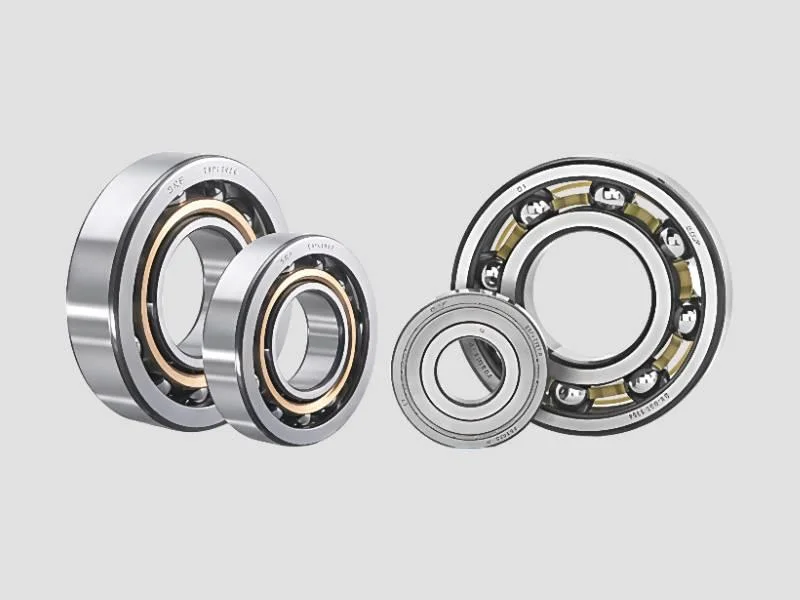
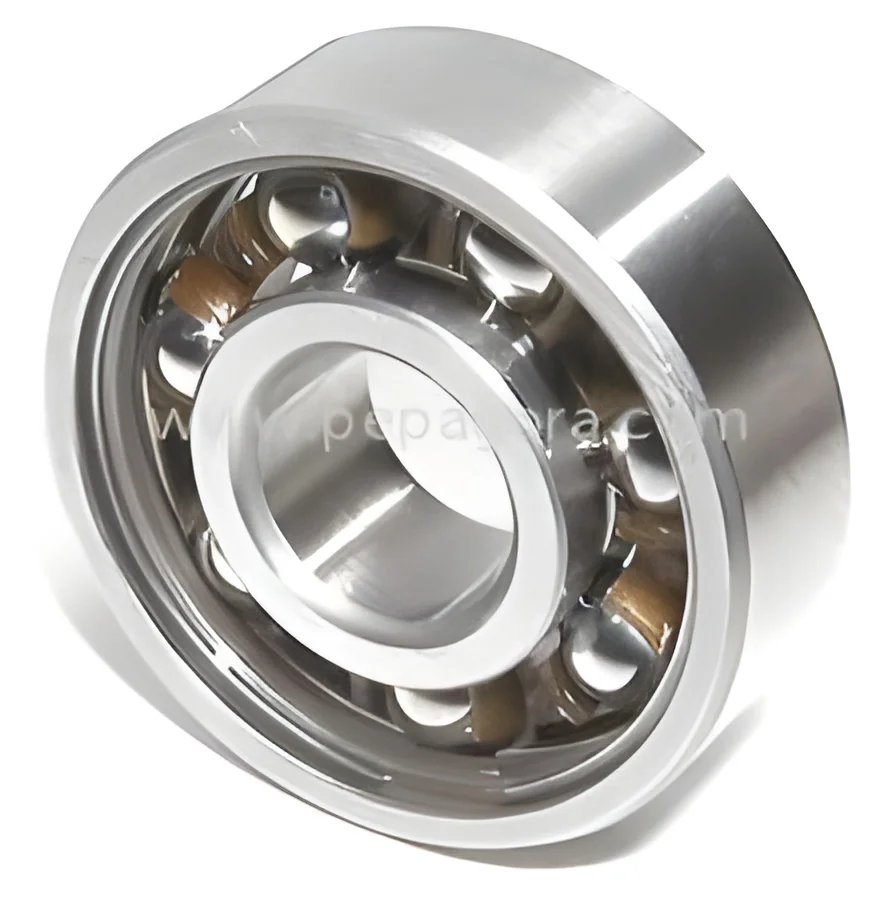
Agricultural equipment bearings are essential components designed to facilitate the smooth operation of various agricultural machinery. They support rotating shafts and reduce friction between moving parts, which helps in enhancing efficiency and prolonging the equipment's lifespan. These bearings are engineered to withstand harsh environments and high loads typical in agricultural settings.
Primarily, agricultural equipment bearings are utilized in machinery such as tractors, harvesters, tillers, and other farming tools. These bearings contribute to the optimal functioning of equipment by ensuring reliable performance under challenging conditions like moisture, dust, and heavy loads. The widespread use of these components underscores their significance in modern agriculture, where efficiency and reliability are paramount for productivity.
The relevance of agricultural equipment bearings is highlighted by the growing demand for advanced farming solutions. As the agricultural sector embraces innovation and technology, the need for high-quality bearings has become increasingly important. This demand is driven by the need for machinery that can operate efficiently while minimizing downtime, ultimately leading to increased yields and profitability for farmers.
Key Features and Specifications
Agricultural equipment bearings come with specific features and specifications that ensure they can handle the demands of agricultural applications. These specifications are crucial for businesses looking to invest in reliable equipment components.
Key specifications include:
1. Load Capacity
- The maximum load that the bearing can support without failure.
- Typically ranges based on size and design.
2. Material Composition
- Bearings are often made from high-quality steel or other durable materials.
- Materials are selected for strength, corrosion resistance, and wear resistance.
3. Temperature Range
- The operational temperature limits within which the bearing functions effectively.
- Specific ranges are critical for performance in different climates.
4. Sealing Type
- Includes options like rubber seals or metal shields to protect against contaminants.
- Important for longevity and maintenance of the bearing.
5. Size and Dimensions
- Various sizes available to fit different machinery.
- Specifications include inner diameter, outer diameter, and width.
6. Precision Rating
- Indicates the tolerance levels and performance standards of the bearing.
- Higher precision ratings lead to smoother operations.
7. Lubrication Type
- Options for grease or oil lubrication, affecting maintenance needs.
- Proper lubrication is essential for performance and lifespan.
8. Compliance Standards
- Bearings may comply with industry standards for safety and performance.
- Relevant standards ensure quality and reliability.
In summary, understanding the key specifications of agricultural equipment bearings is vital for making informed purchasing decisions. These specifications help businesses select the right bearings that align with their operational needs.
Common Applications and Use Cases
Agricultural equipment bearings are utilized across various industries, reflecting their versatility and importance in enhancing machinery performance.
1. Crop Production: Bearings play a critical role in tractors and combines, facilitating efficient planting, harvesting, and post-harvest processing.
2. Livestock Farming: In equipment used for feeding or transporting livestock, bearings ensure smooth operation, reducing downtime and improving efficiency.
3. Irrigation Systems: Bearings are essential in pumps and irrigation equipment, enabling reliable water distribution crucial for crop health.
4. Horticulture: Specialized bearings are used in tools designed for planting and maintenance of plants, ensuring precision and reliability.
5. Agricultural Transport: Bearings support components in vehicles used for transporting goods, enhancing movement efficiency.
6. Seed Processing: Equipment that processes seeds relies on bearings for smooth operation, ensuring quality and consistency in seed supply.
7. Equipment Manufacturing: Manufacturers of agricultural machinery depend on high-quality bearings for their products, impacting overall equipment performance.
Product Variants and Subcategories
The diversity of agricultural equipment bearings allows for tailored solutions to meet specific operational needs.
Standard Bearings
These are the most commonly used bearings in agricultural machinery, designed for a wide range of applications. They offer reliable performance and are available in various sizes and specifications.
Heavy-Duty Bearings
Heavy-duty bearings are engineered to withstand extreme conditions and heavier loads typical in large agricultural equipment. They are ideal for high-stress applications, ensuring durability and reliability.
Sealed Bearings
Sealed bearings come with protective covers that prevent contaminants from entering. They are particularly useful in environments with high dust or moisture, helping to maintain optimal performance.
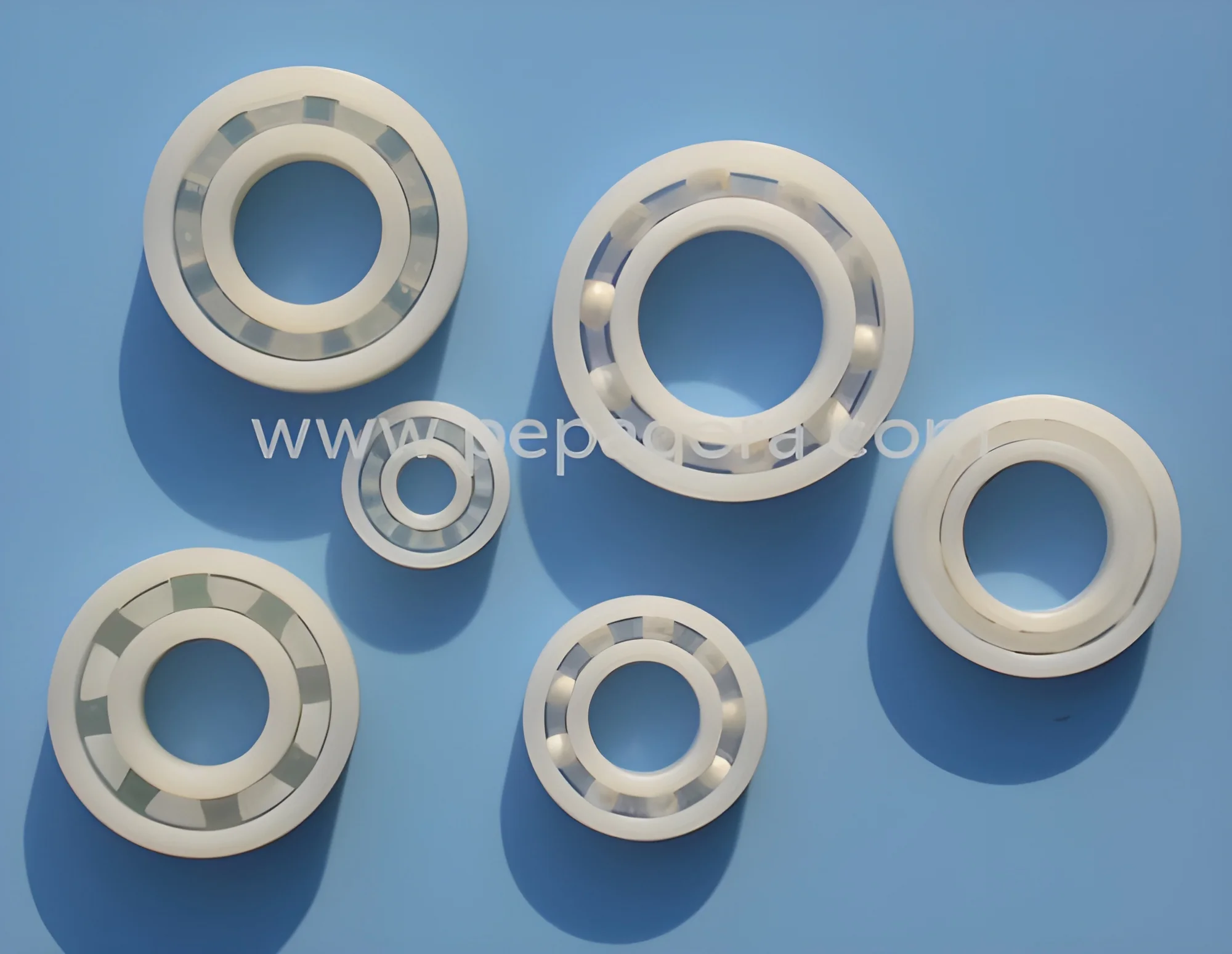
Ceramic Bearings
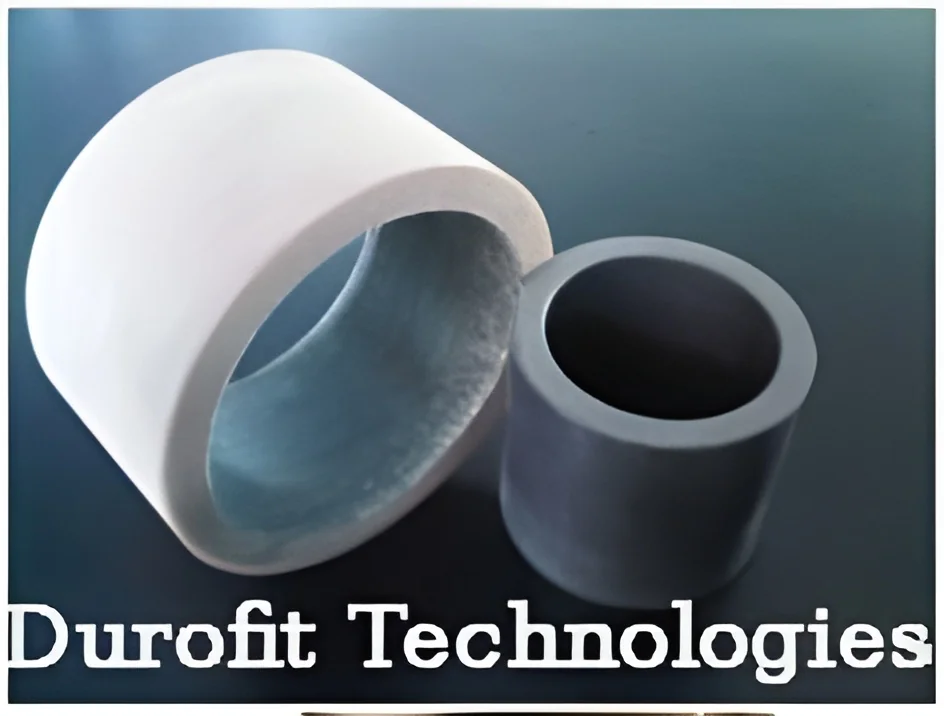
These bearings are made from advanced ceramic materials, offering superior corrosion resistance and lower friction. They are suitable for specialized applications where traditional materials may fall short.
Benefits and Advantages
Investing in high-quality agricultural equipment bearings provides numerous benefits to businesses operating in the agricultural sector.
1. Enhanced Efficiency: Quality bearings reduce friction, leading to smoother and more efficient machinery operation.
2. Increased Longevity: Durable materials and designs extend the life of bearings, resulting in less frequent replacements and lower maintenance costs.
3. Improved Reliability: High-performance bearings ensure that machinery operates consistently, minimizing downtime and disruptions.
4. Reduced Maintenance: Bearings designed for harsh conditions require less frequent maintenance, allowing for more operational time.
5. Cost-Effectiveness: Investing in quality bearings can lead to overall savings in operational costs due to reduced breakdowns and maintenance.
6. Better Performance in Challenging Conditions: Specialized bearings can perform well in environments that are typically tough on machinery, such as those with high moisture or dust.
Buying Guide for B2B Buyers
When sourcing agricultural equipment bearings, it is essential to consider several critical factors to ensure the best purchasing decisions.
1. Quality Assessment: Evaluate the quality of the bearings based on material composition, manufacturing standards, and performance ratings. Look for certifications that indicate high quality.
2. Supplier Verification: Vet suppliers by checking their reputation, years in business, and customer reviews. A reliable supplier can provide consistent quality and support.
3. Pricing and MOQ: Understand the pricing structure and minimum order quantities. This information is crucial for budgeting and planning your procurement needs.
4. Delivery and Lead Times: Discuss delivery options and lead times with suppliers to ensure that your machinery can be operational when needed. Timely delivery is crucial in agricultural operations.
5. Compliance Requirements: Ensure that the bearings meet all relevant compliance and regulatory requirements to avoid legal or operational issues.
Compliance and Certifications
Compliance and certifications play a vital role in ensuring the quality and safety of agricultural equipment bearings.
Relevant quality standards, such as ISO 9001, guide manufacturers in maintaining effective quality management systems. This standard ensures that products meet customer and regulatory requirements consistently.
Industry certifications, including CE and UL, indicate that the bearings have passed rigorous safety and performance tests. These certifications are crucial for ensuring that products are reliable and safe for use in various applications.
Safety and testing requirements are essential for agricultural equipment bearings to ensure they can withstand the demands of the industry. Regular testing helps manufacturers maintain high standards and deliver reliable products.
Regional compliance considerations may vary, but it is essential to ensure that the bearings meet local regulations and standards, especially in international markets.
Why Source Agricultural Equipment Bearings from Pepagora?
Pepagora provides a trusted platform for sourcing agricultural equipment bearings, offering several key advantages for B2B buyers.
Verified Supplier Network: Pepagora ensures that all suppliers are thoroughly vetted, providing buyers with confidence in the quality and reliability of the products offered. This network of qualified suppliers helps buyers find the best options for their needs.
Streamlined RFQ Process: The platform facilitates a straightforward Request for Quotation (RFQ) process, allowing buyers to easily compare prices and specifications from multiple suppliers. This efficiency helps in making informed decisions quickly.
Trade Assurance and Support: Pepagora offers trade assurance, protecting buyers throughout the purchasing process. This added layer of support ensures that businesses can source bearings with peace of mind.
Regional Coverage: With a strong presence in India, the GCC, and Southeast Asia, Pepagora provides extensive geographic reach. This coverage ensures that buyers can access quality bearings no matter where they are located, enhancing the ability to serve diverse agricultural markets.

 IN
IN