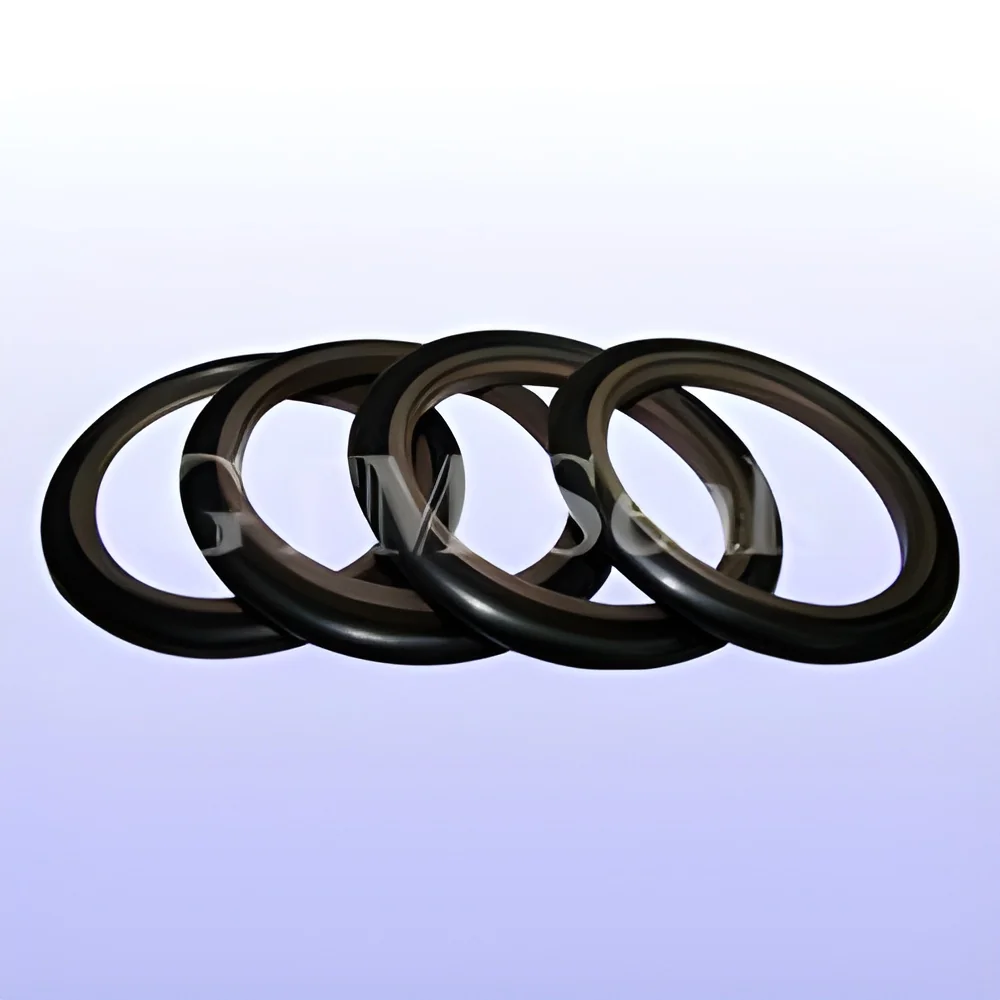
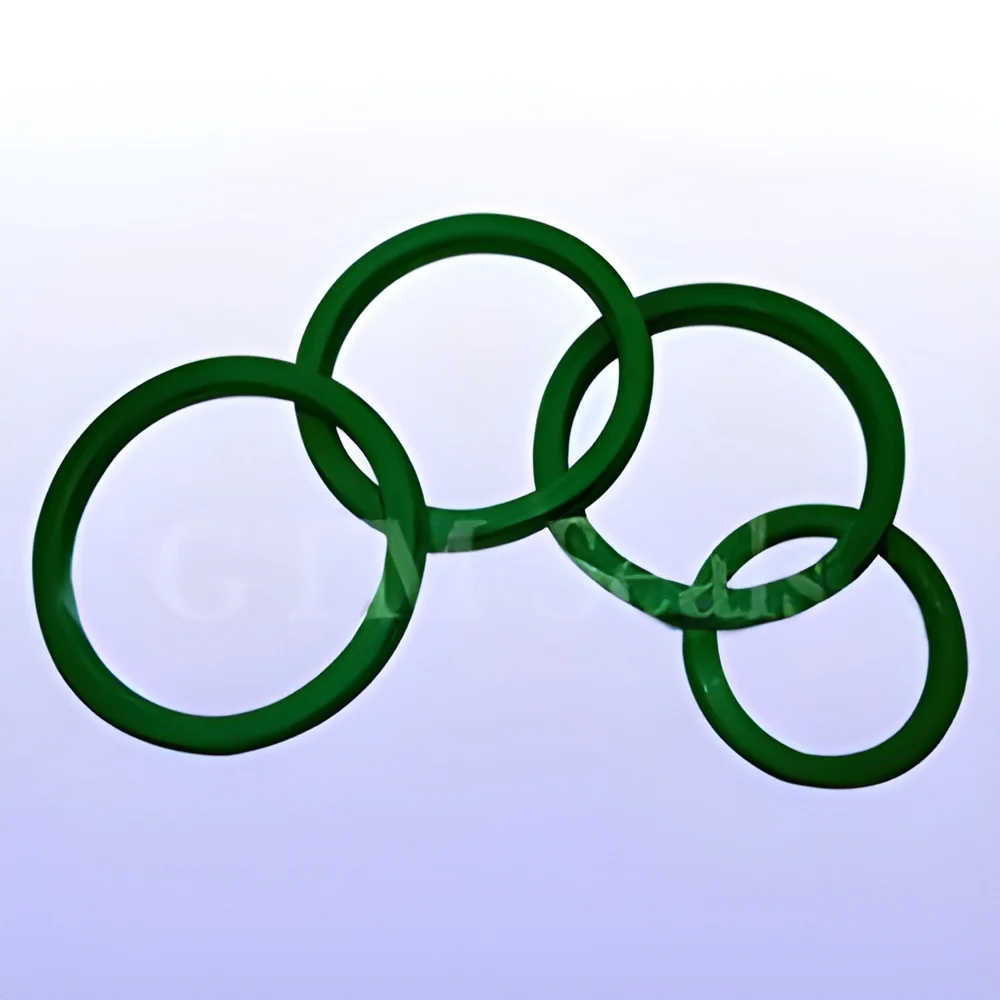
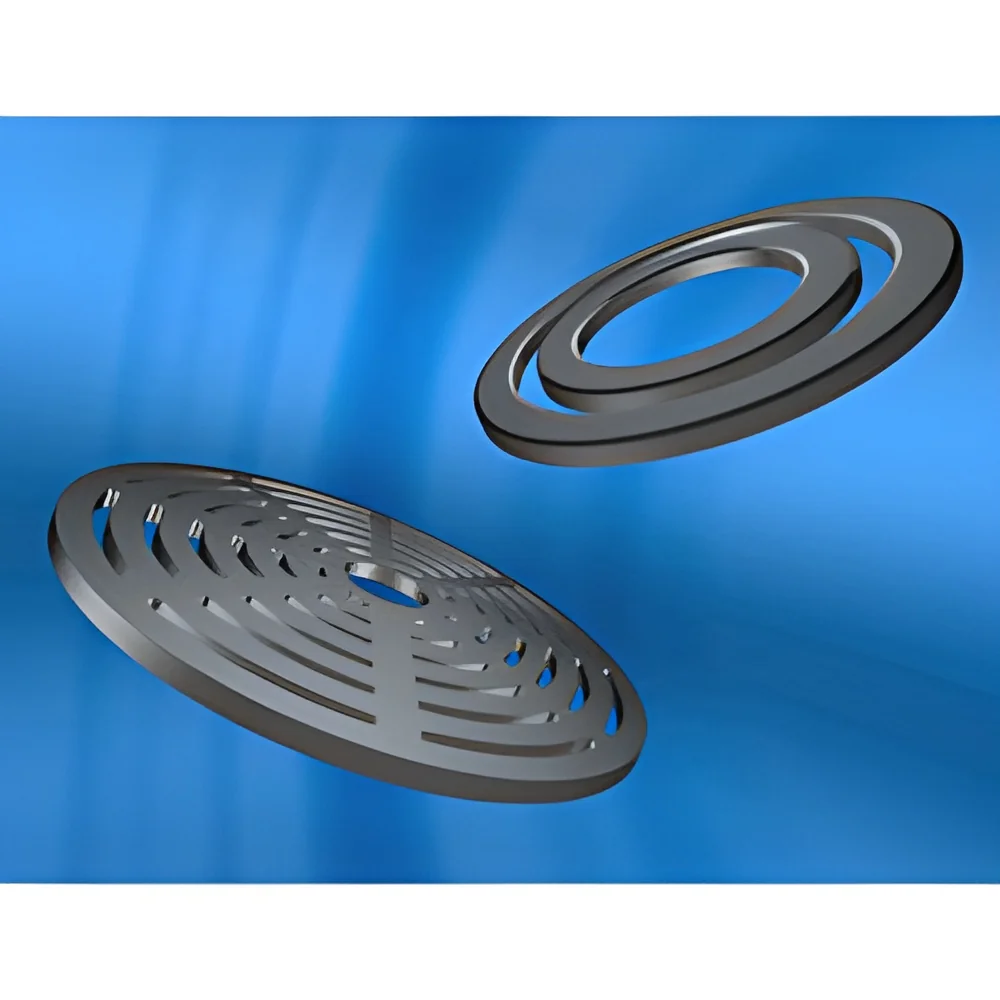
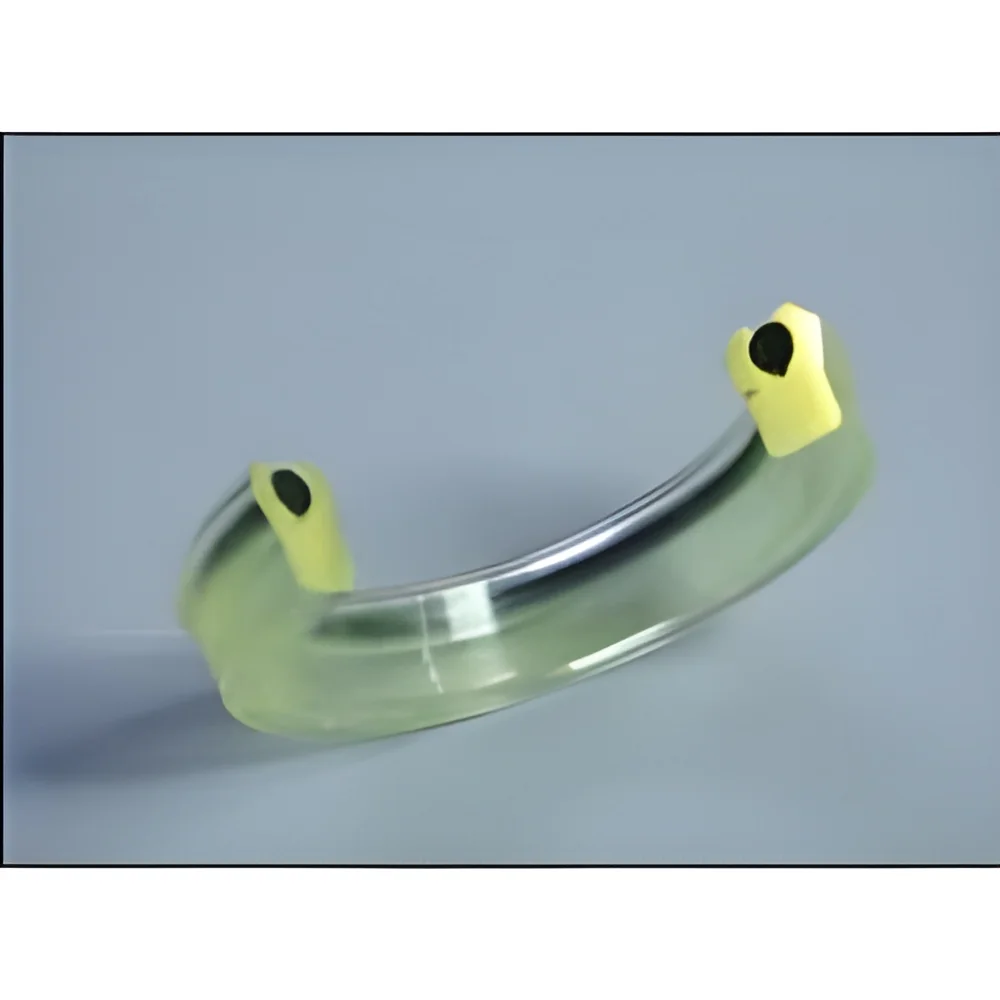
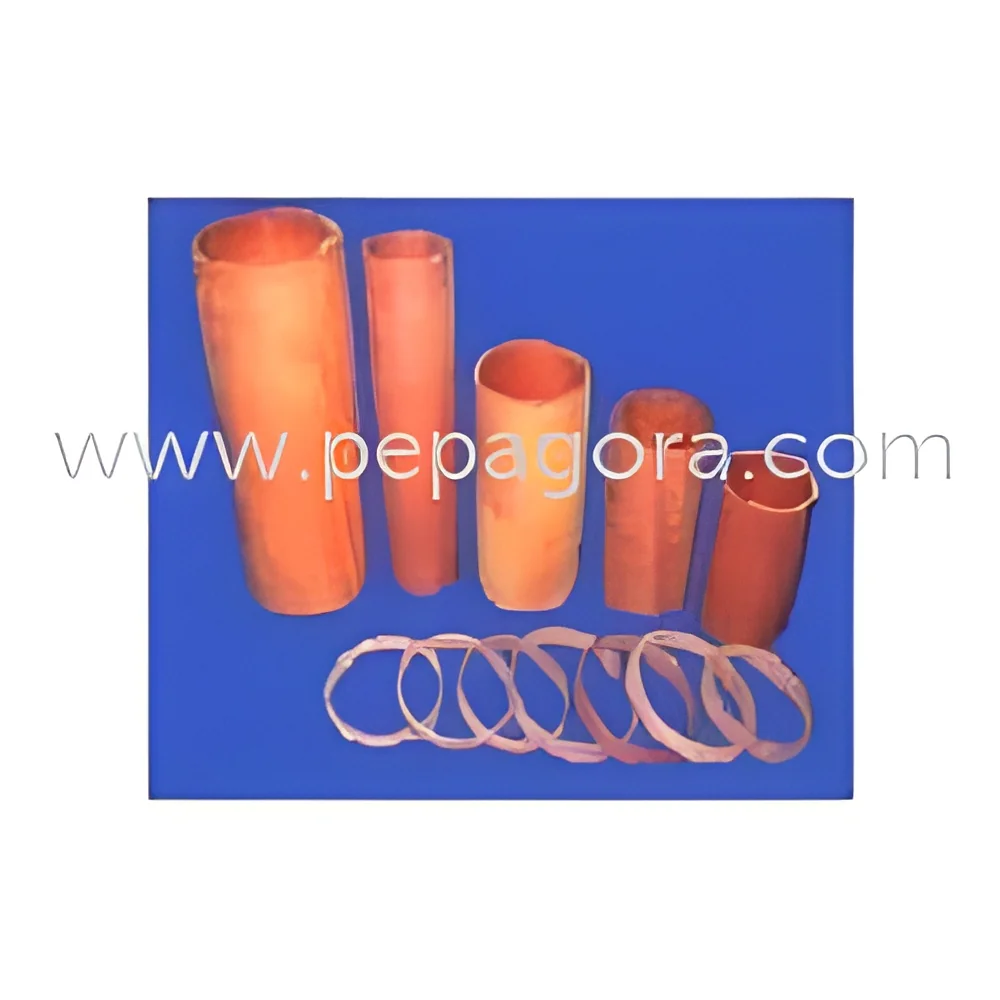
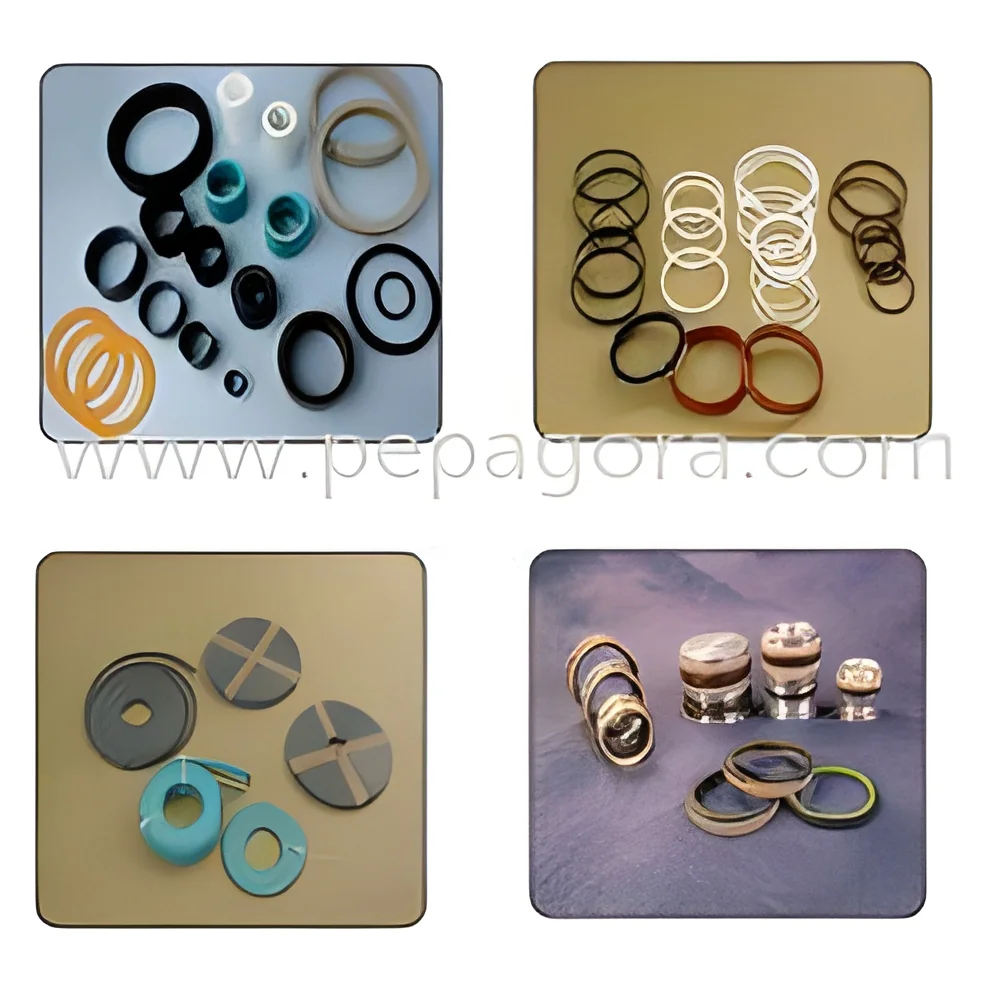
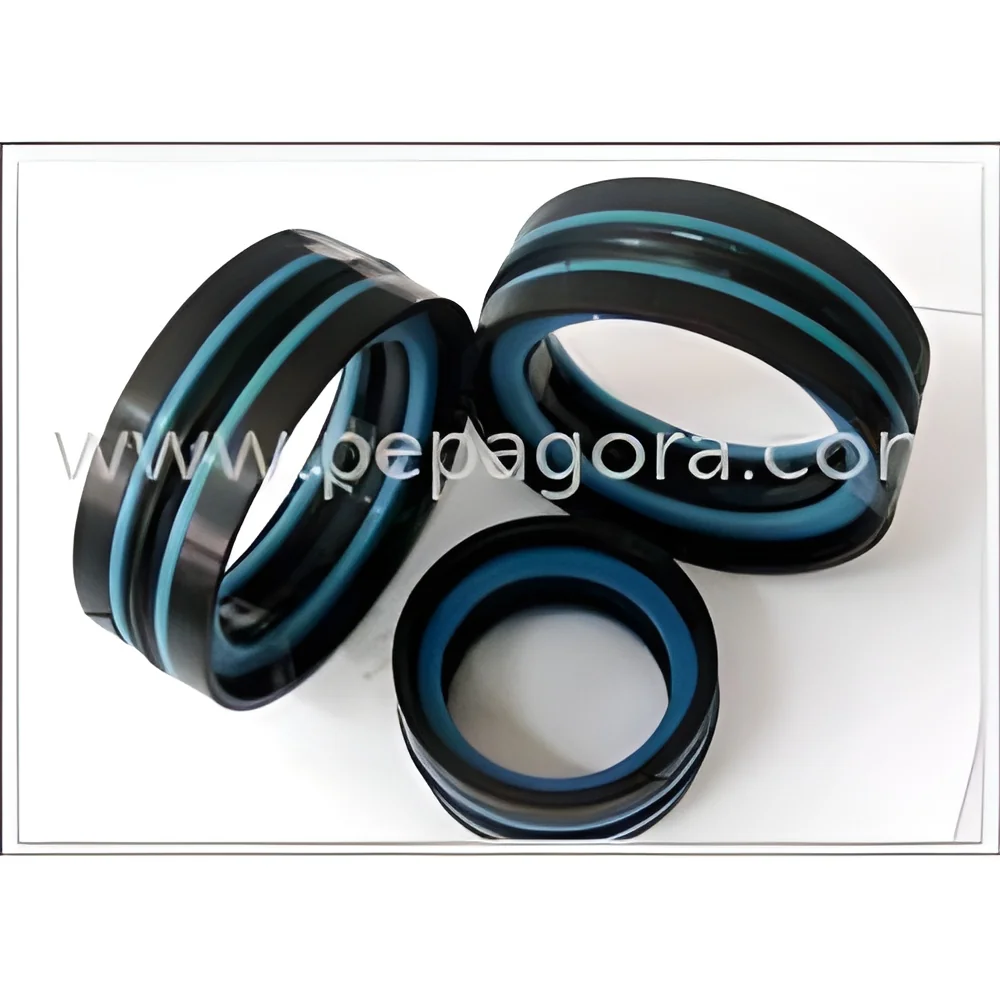
Key Features and Specifications
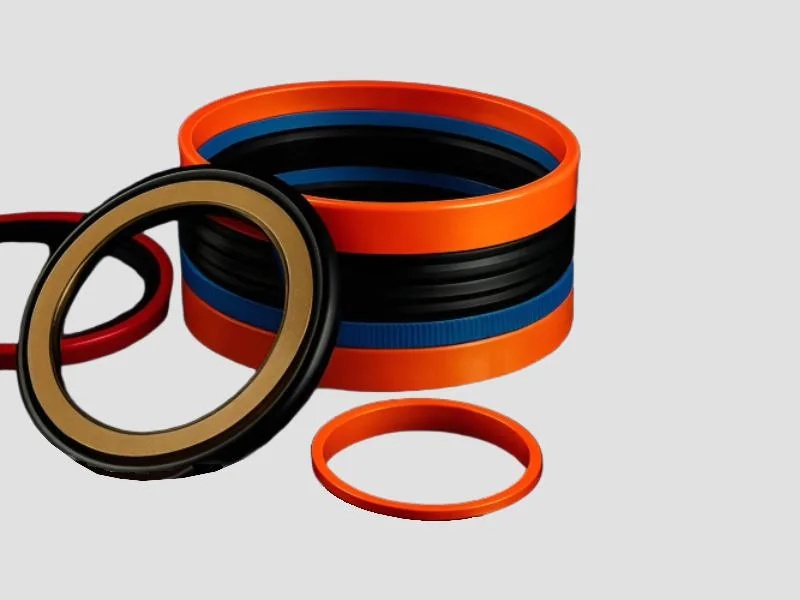
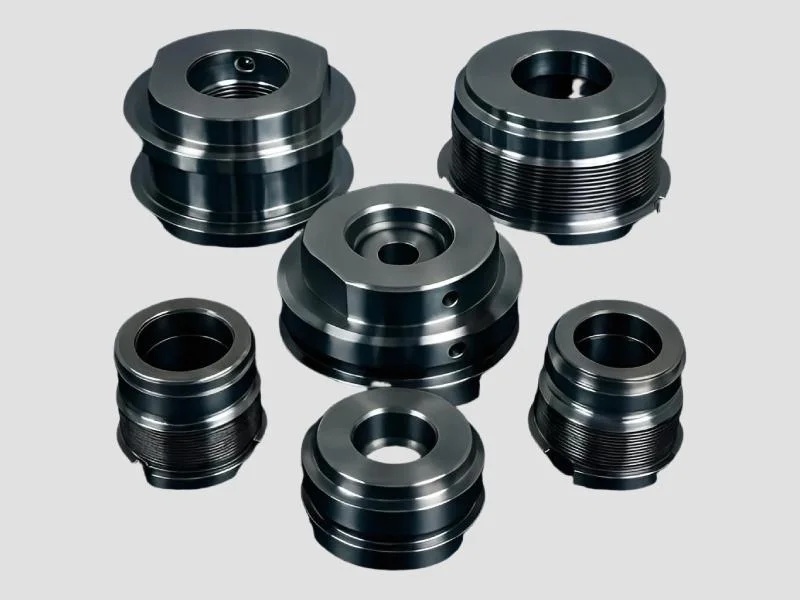
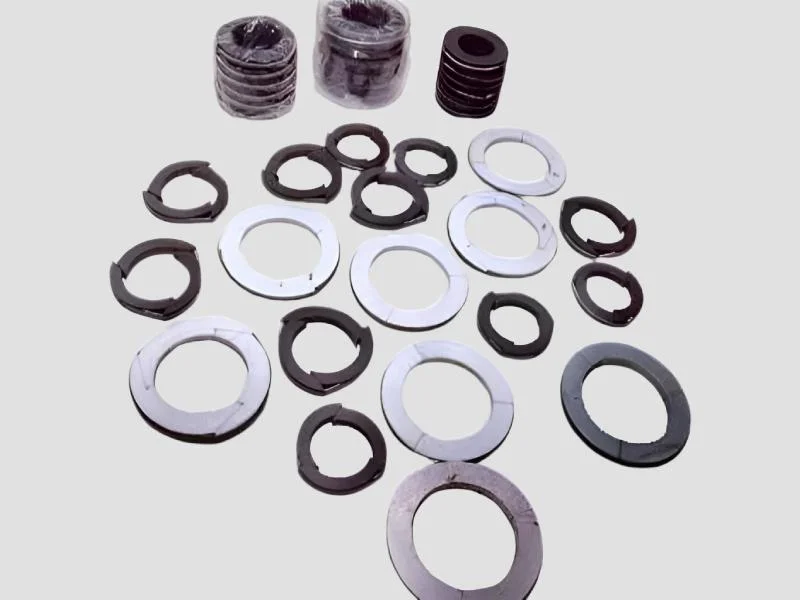
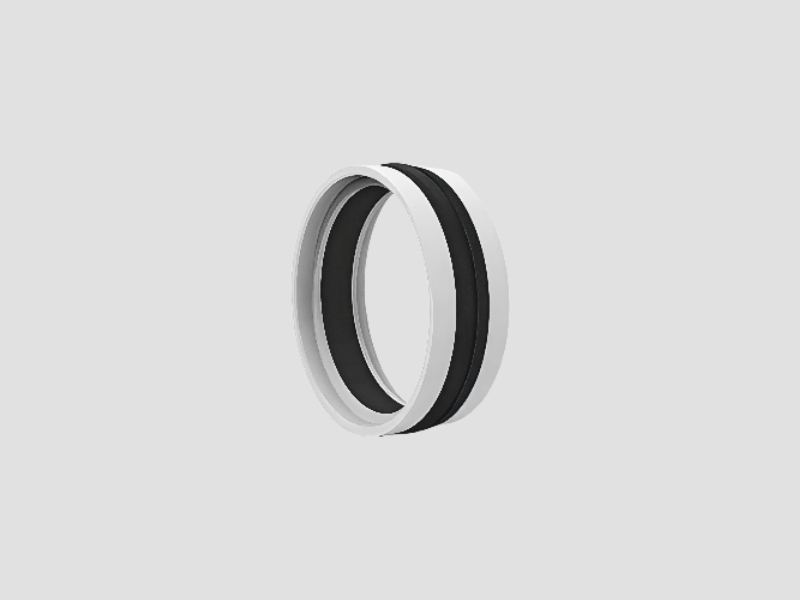
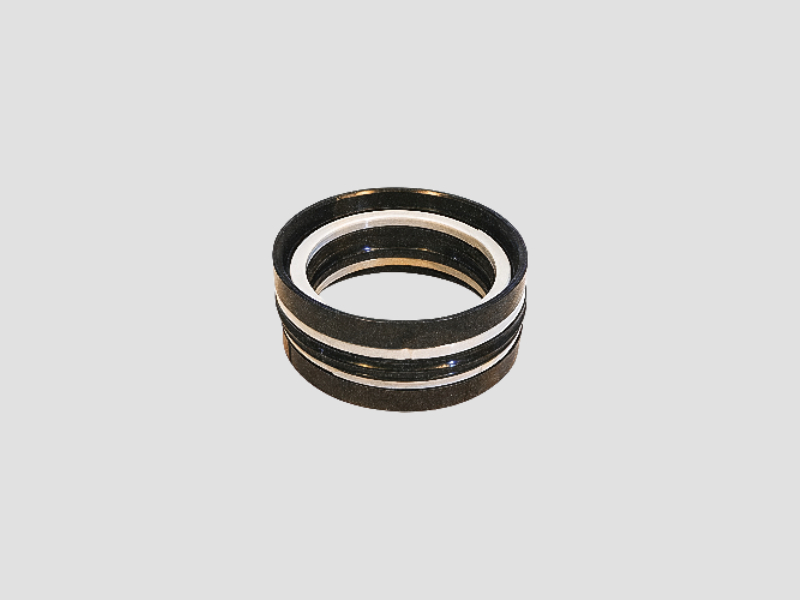
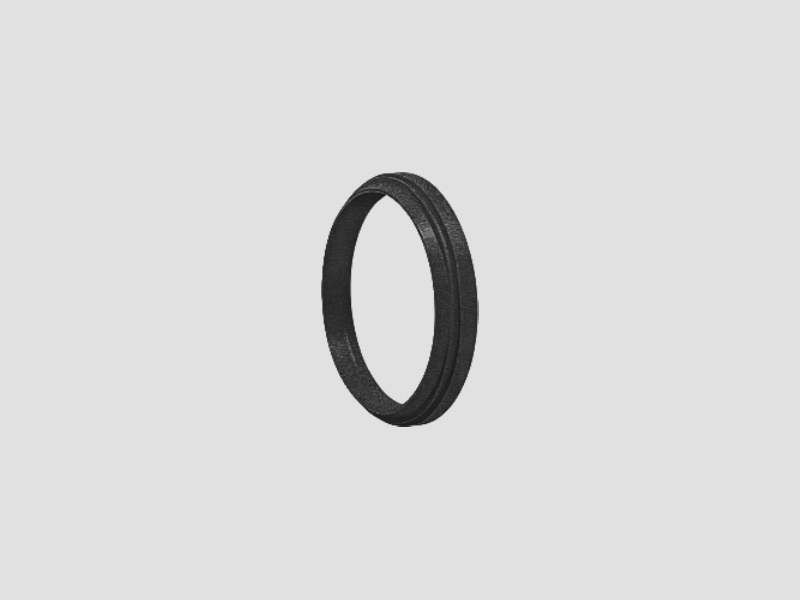
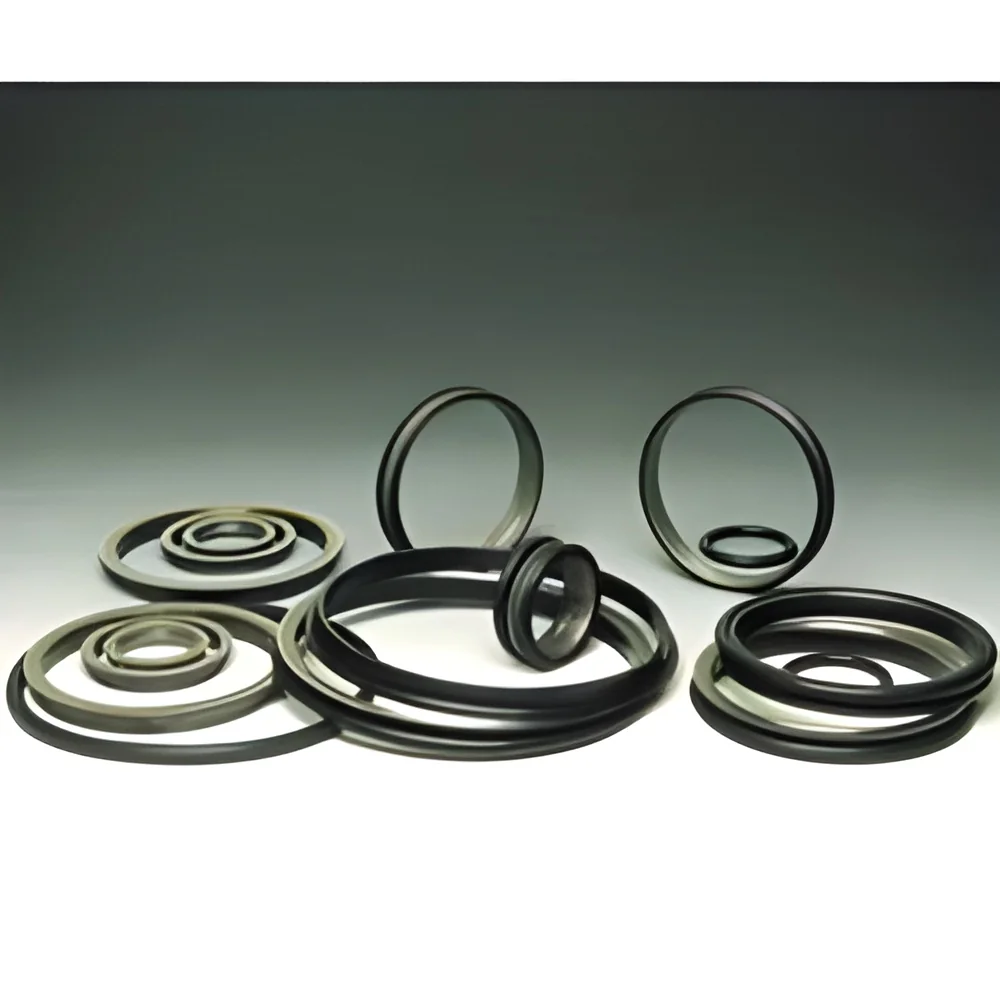
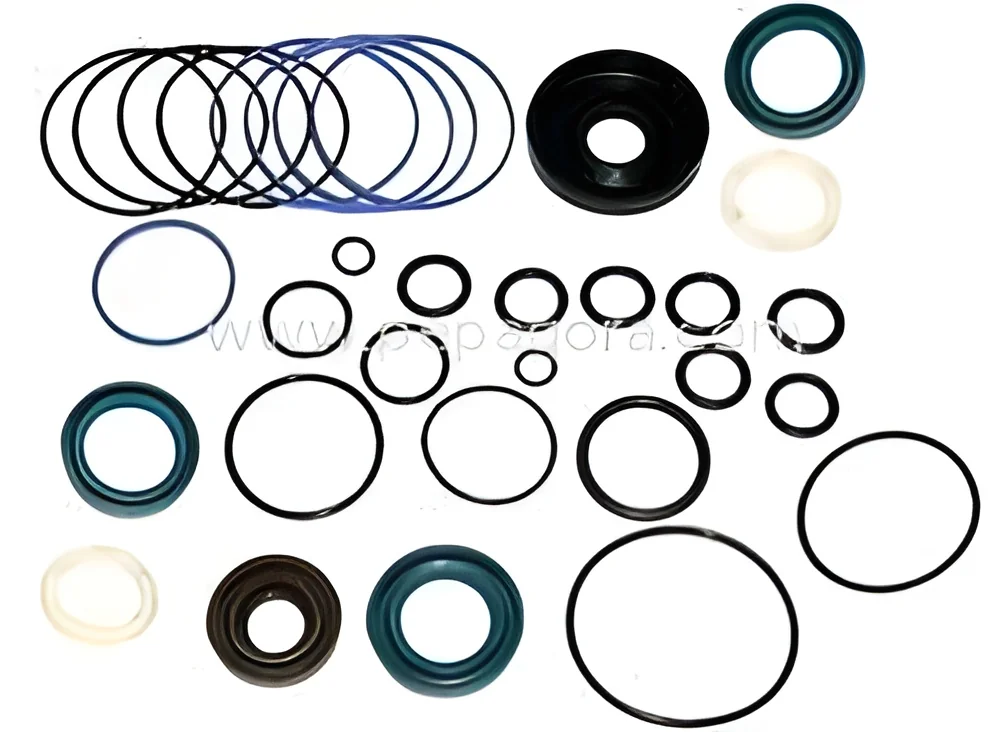
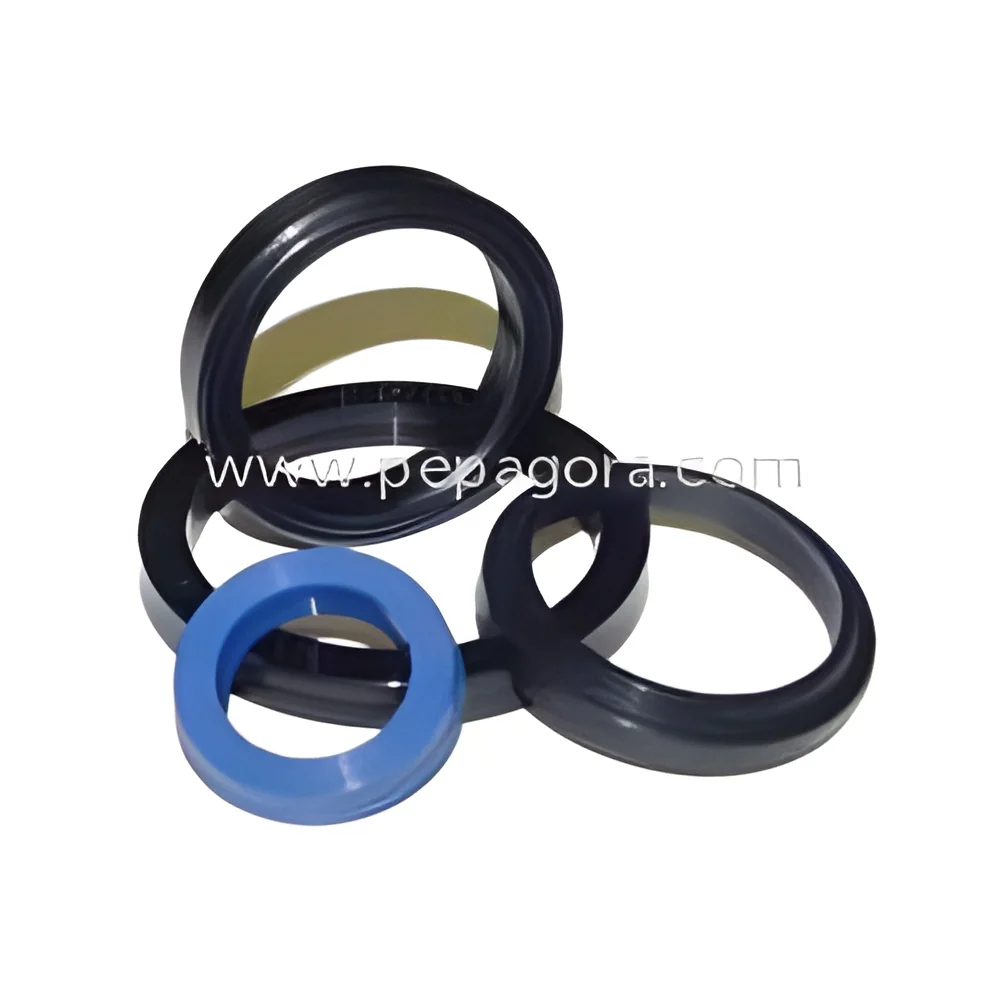
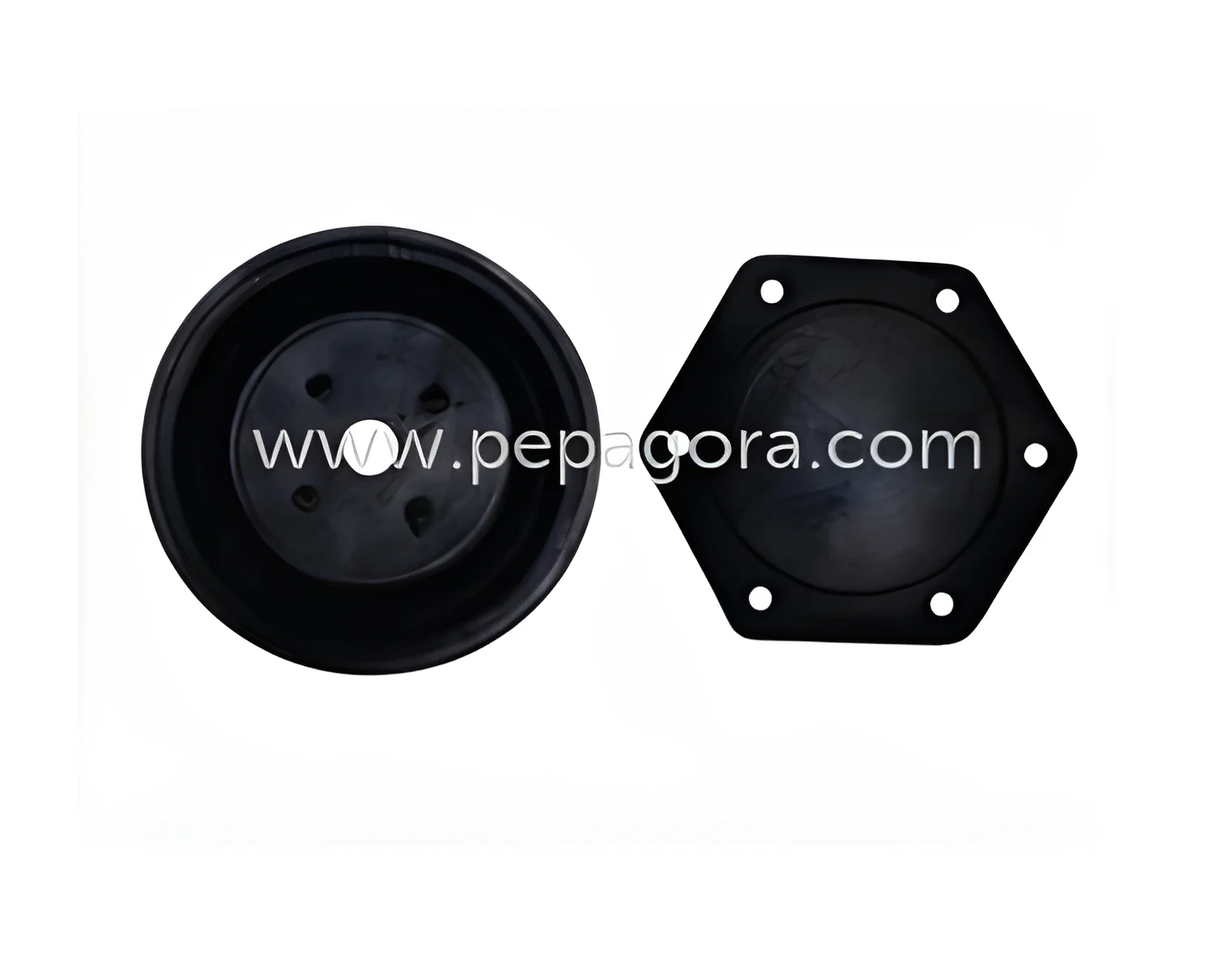
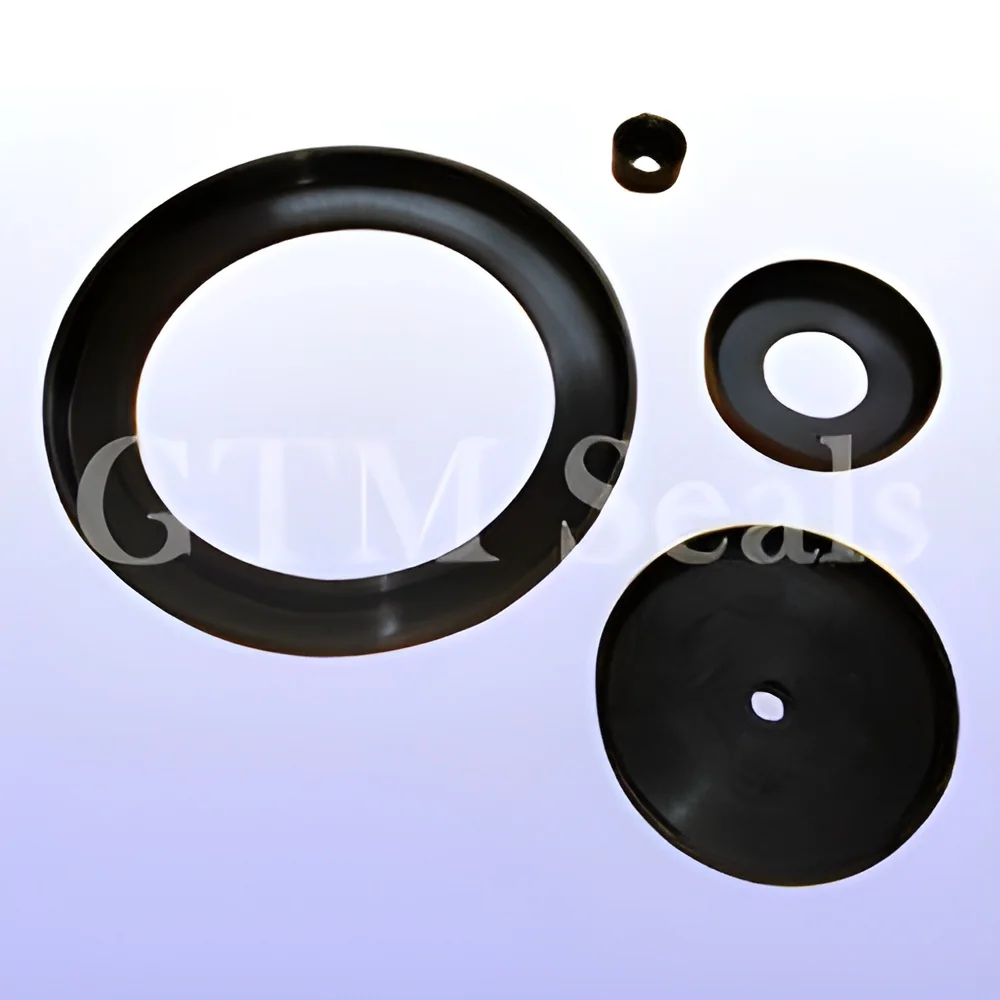
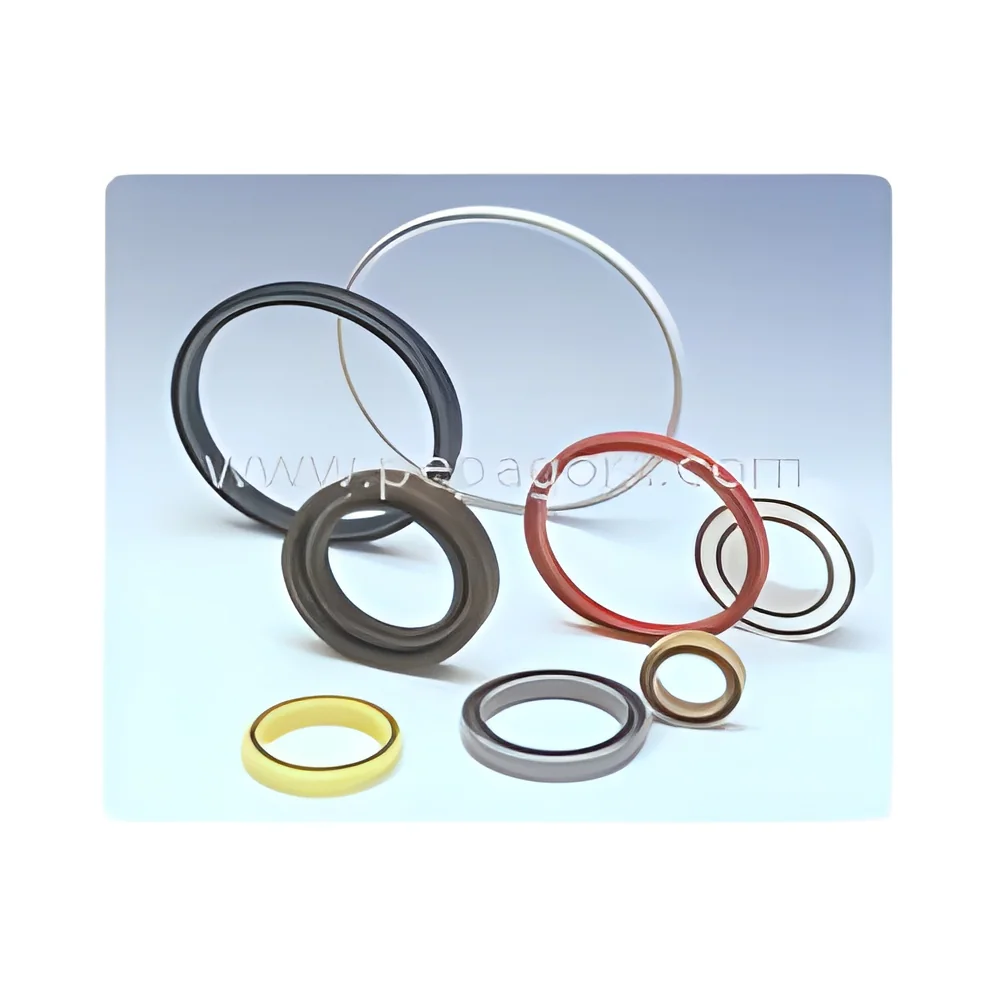
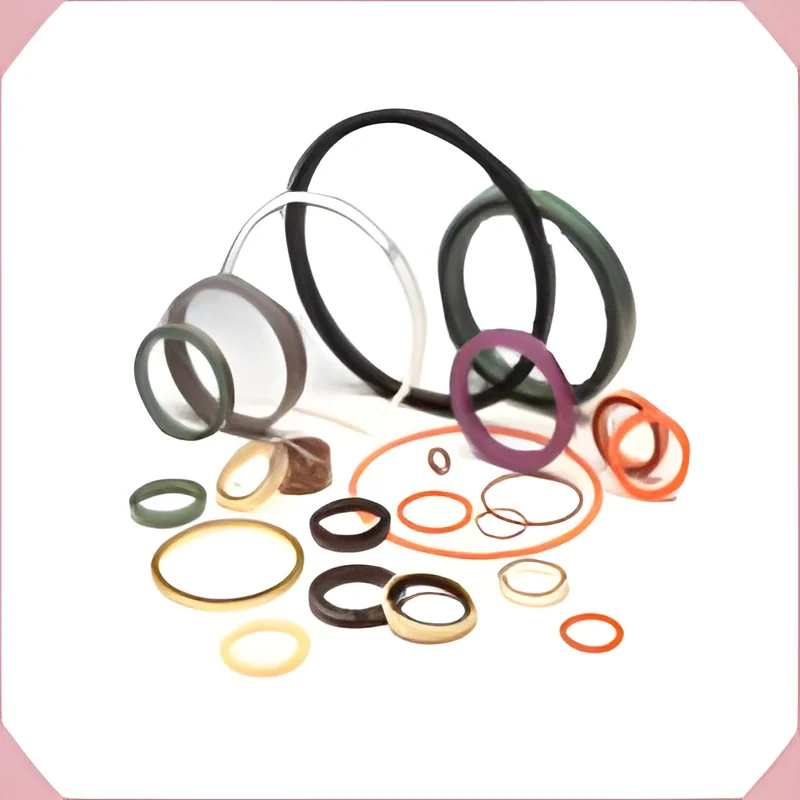
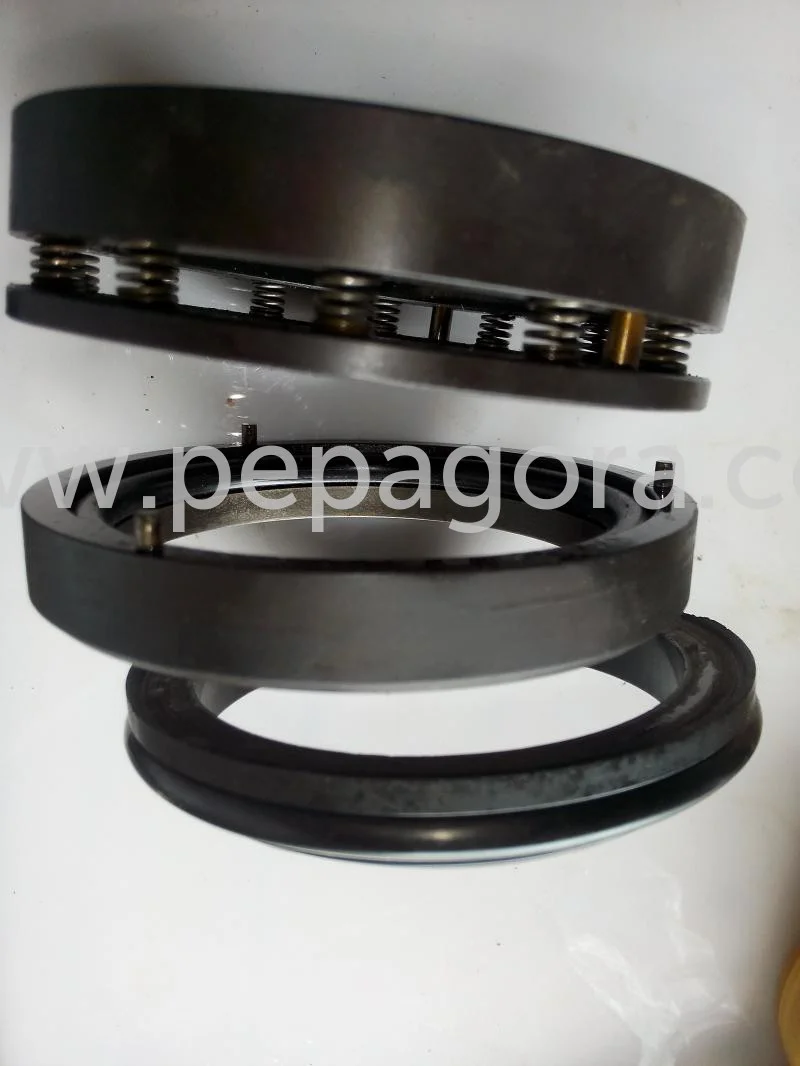
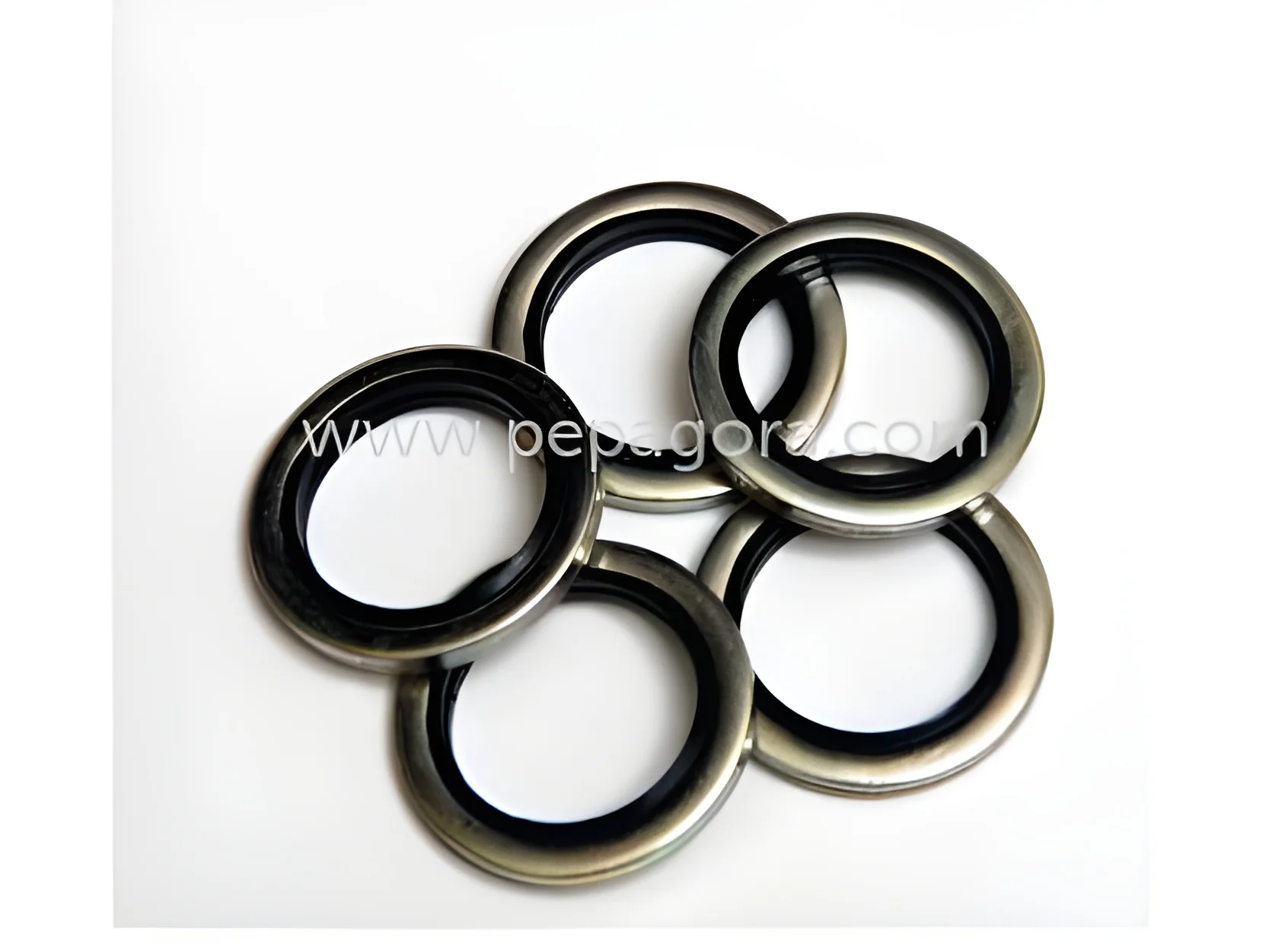
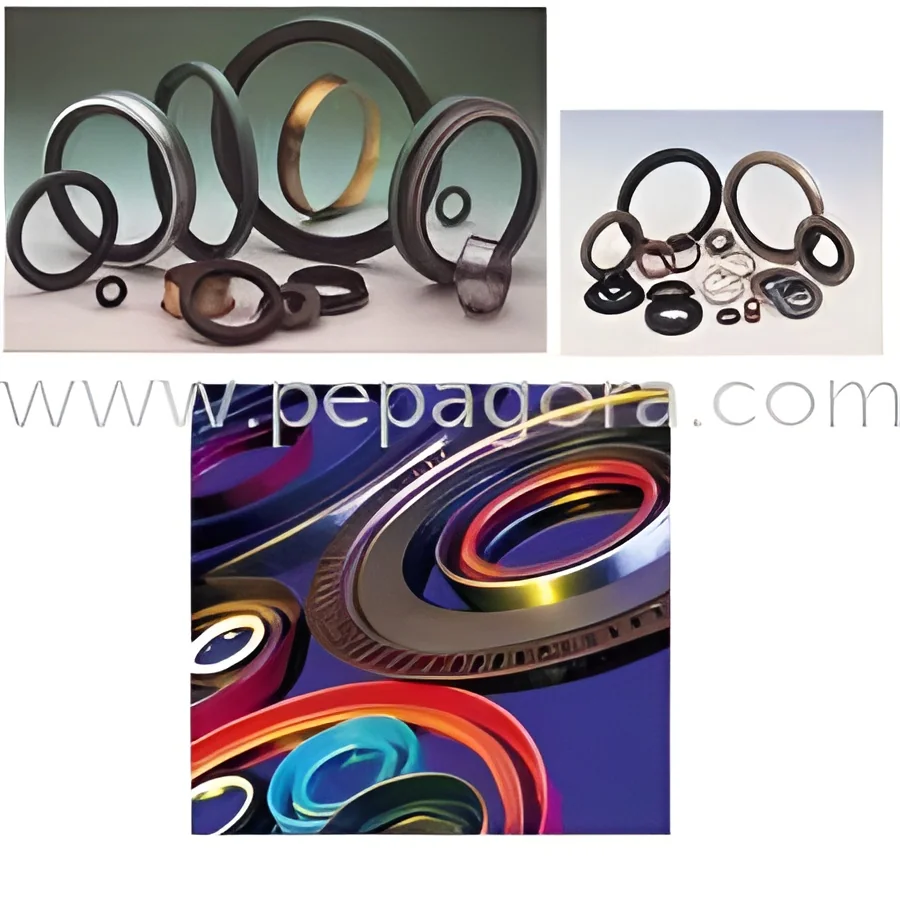
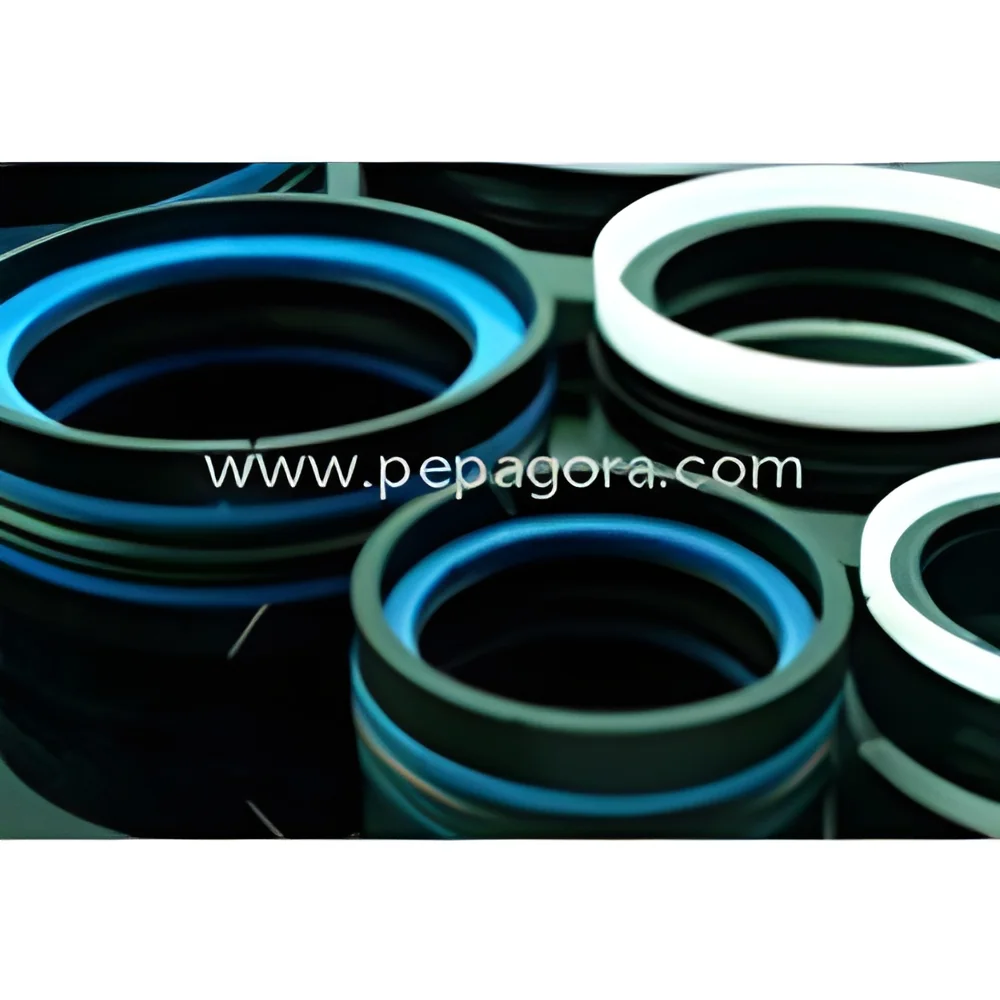
Hydraulic seals (piston and rod) come with several key features that define their performance and suitability for different applications. These features include durability, resistance to wear and tear, and the ability to handle high pressures and temperatures. Understanding the specifications of these seals is crucial for selecting the right product for specific needs.
Key specifications include:
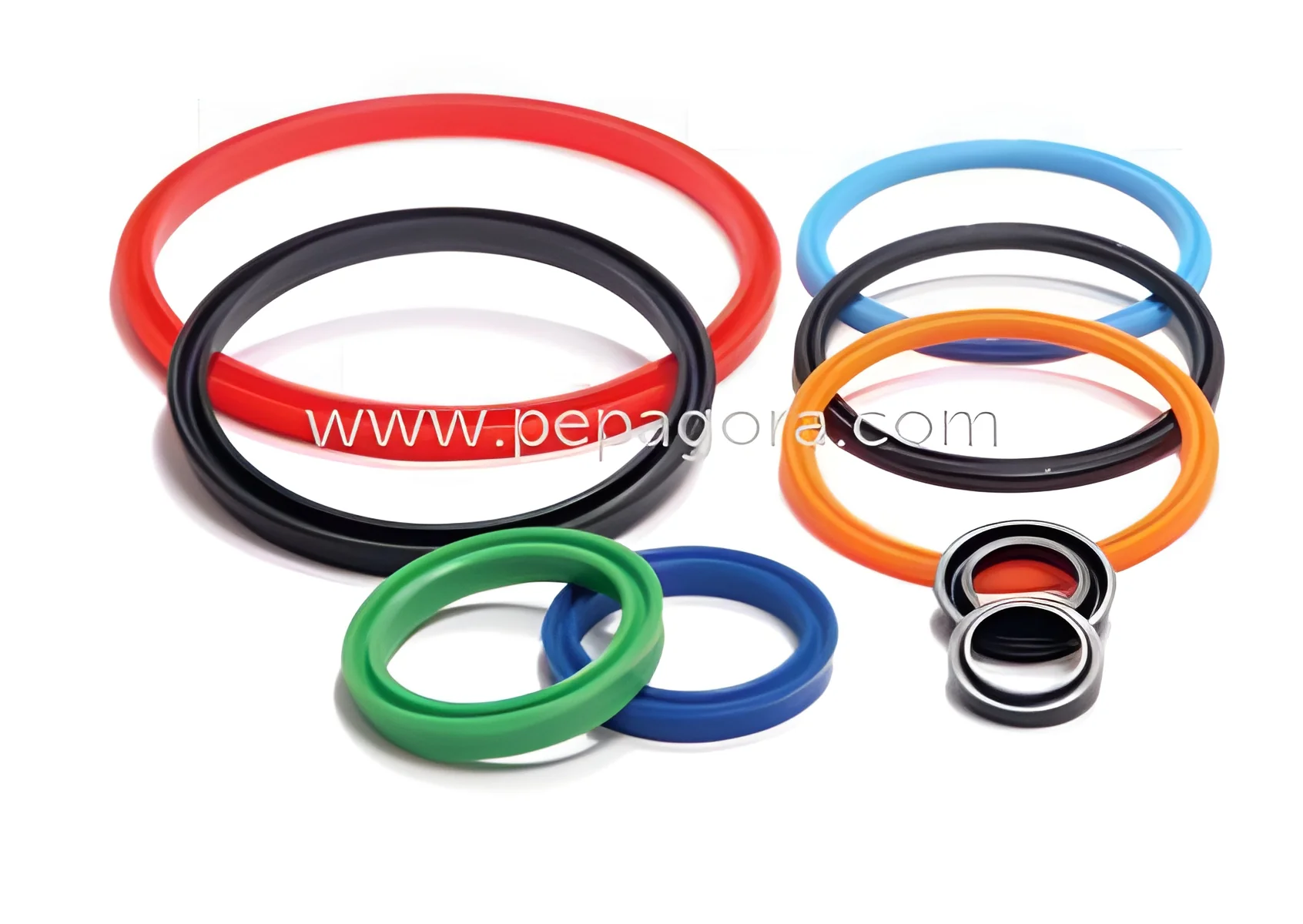
1. Material Composition
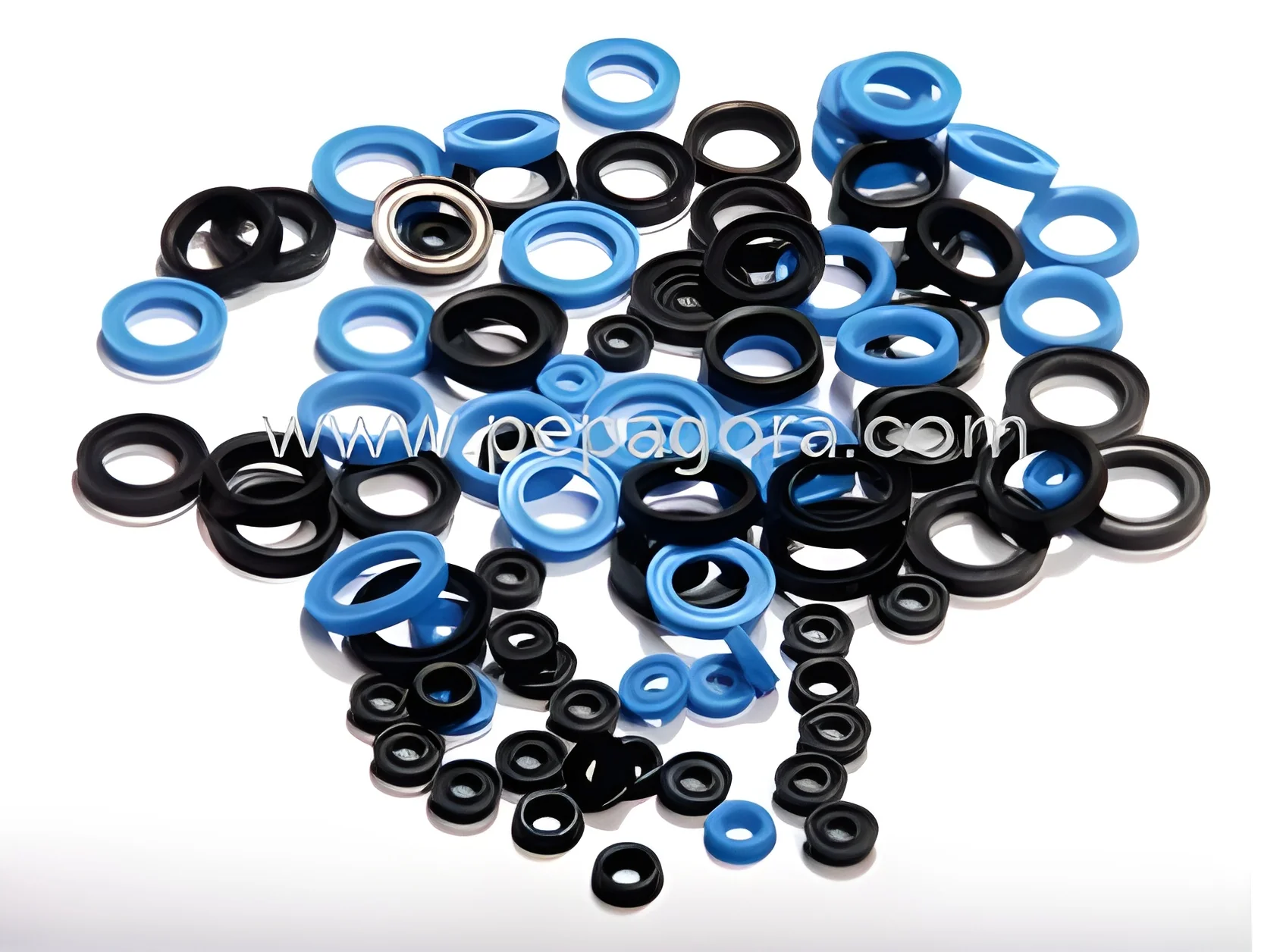
- Common materials include polyurethane, nitrile, and Teflon.
- Each material has different temperature and chemical resistance properties.
2. Pressure Rating
- Seals are designed to operate under varying pressure levels, typically ranging from 100 to 5000 psi.
- Higher ratings are available for specialized applications.
3. Temperature Range
- Operating temperatures can vary from -40°C to 100°C depending on the material.
- Some high-performance seals can withstand up to 200°C.
4. Size and Dimensions
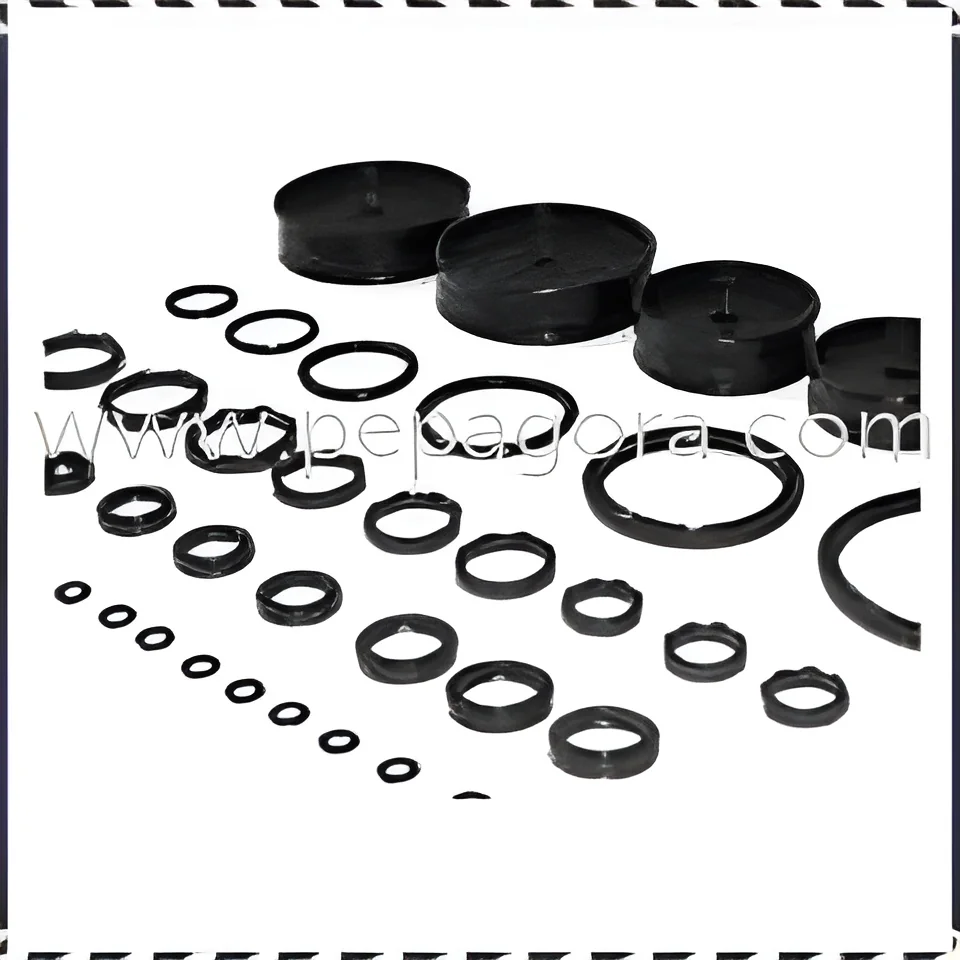
- Available in various sizes to fit standard and custom hydraulic cylinders.
- Precise dimensions are critical for effective sealing.
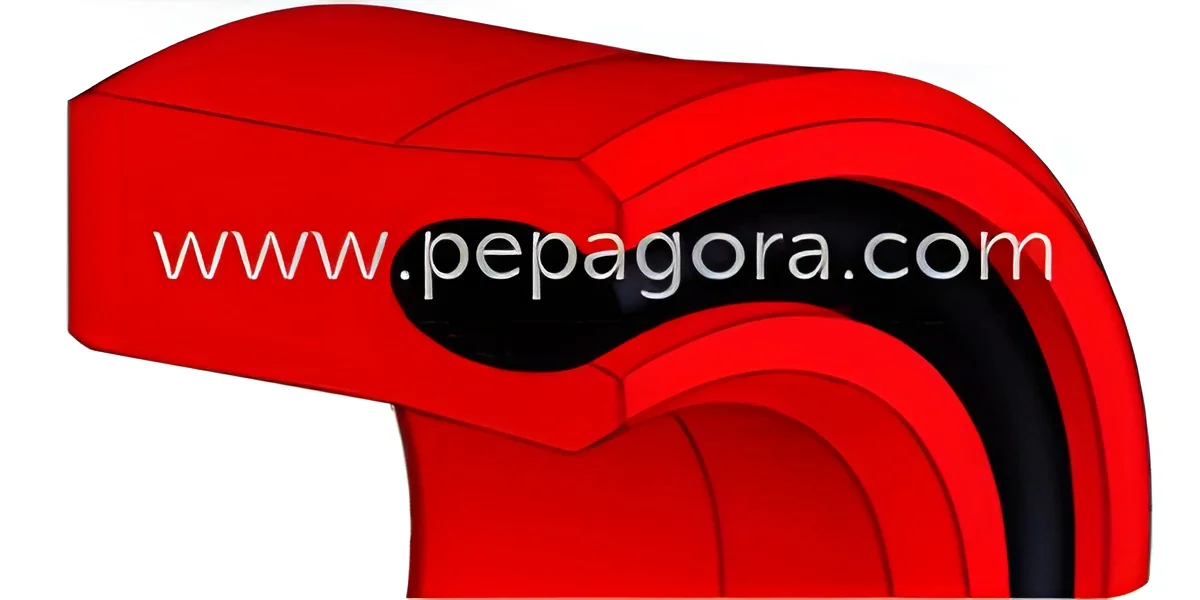
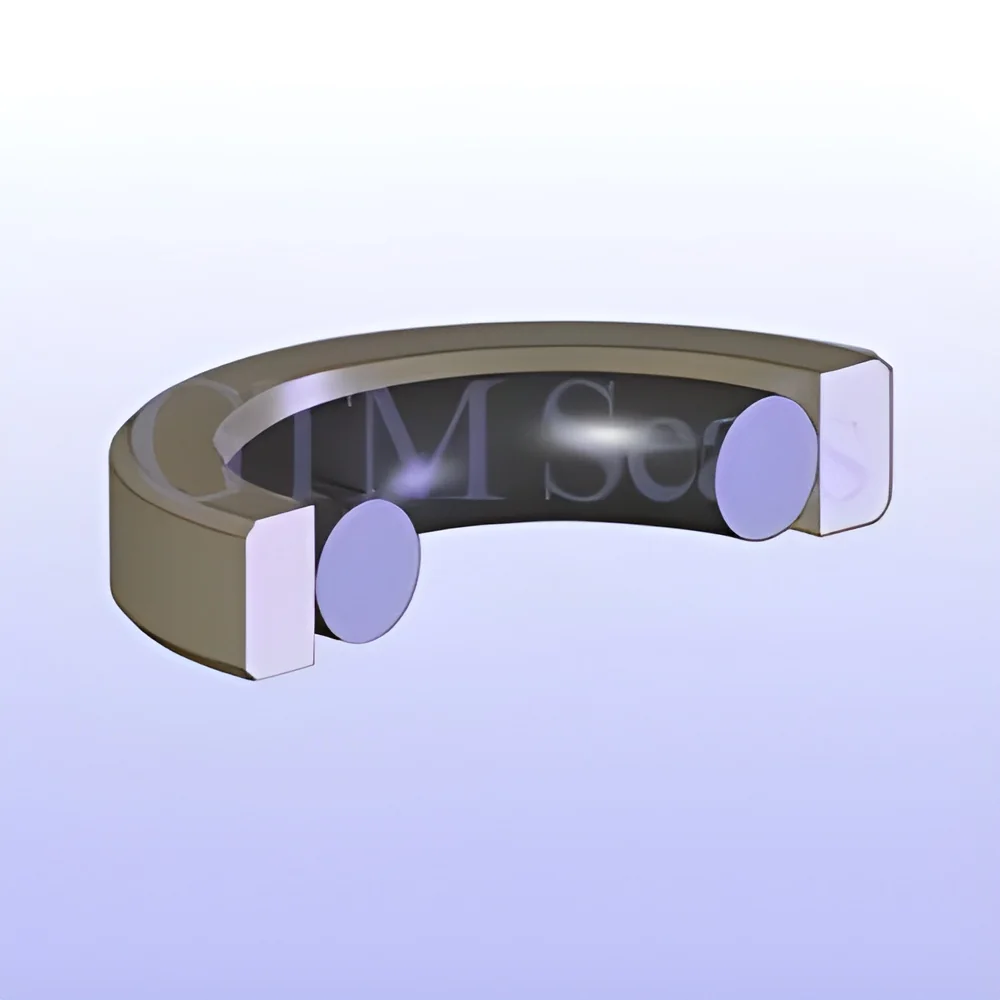
5. Groove Design
- Specific designs for grooves can enhance sealing performance.
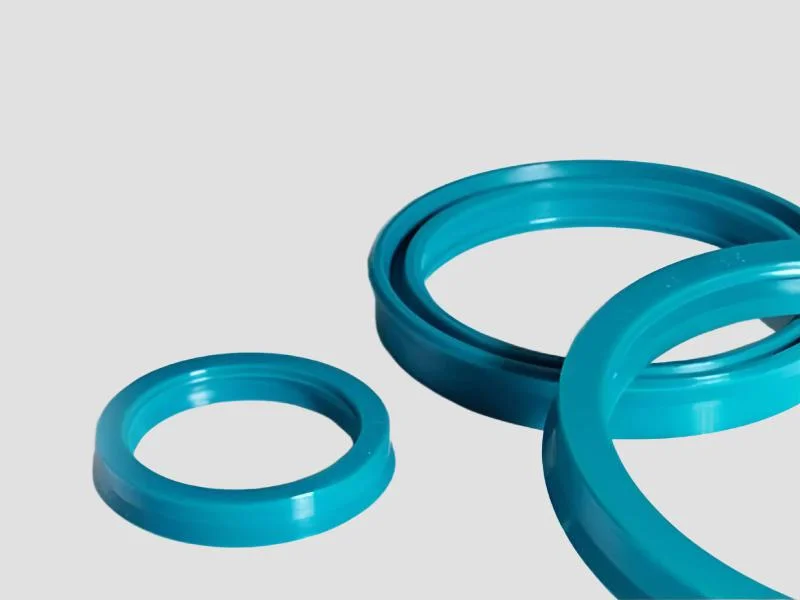
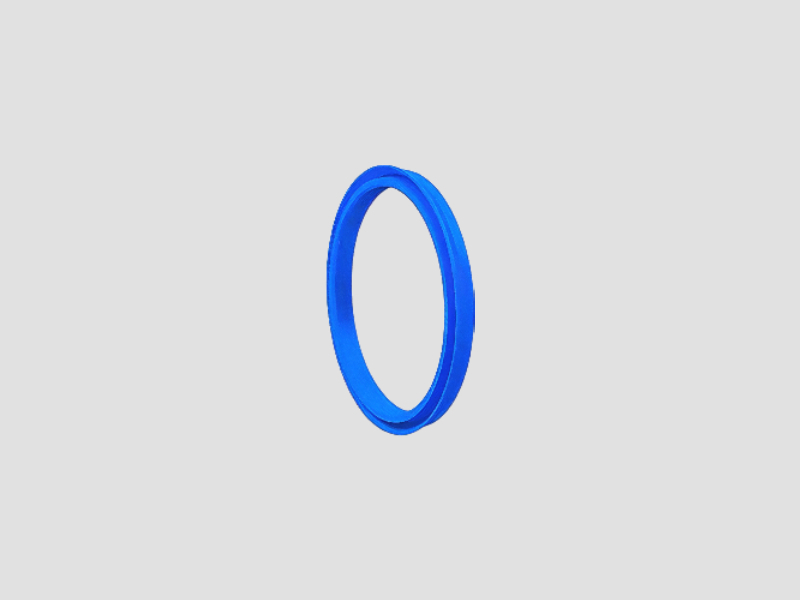
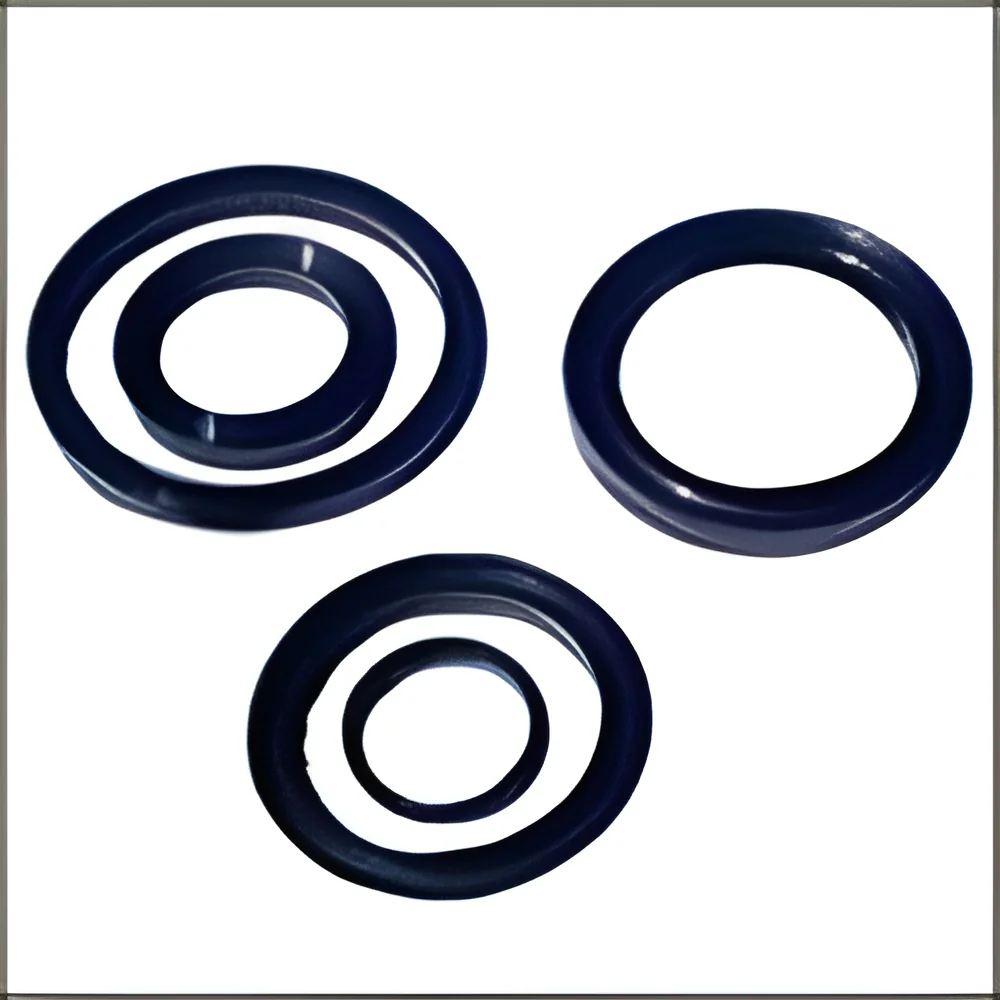
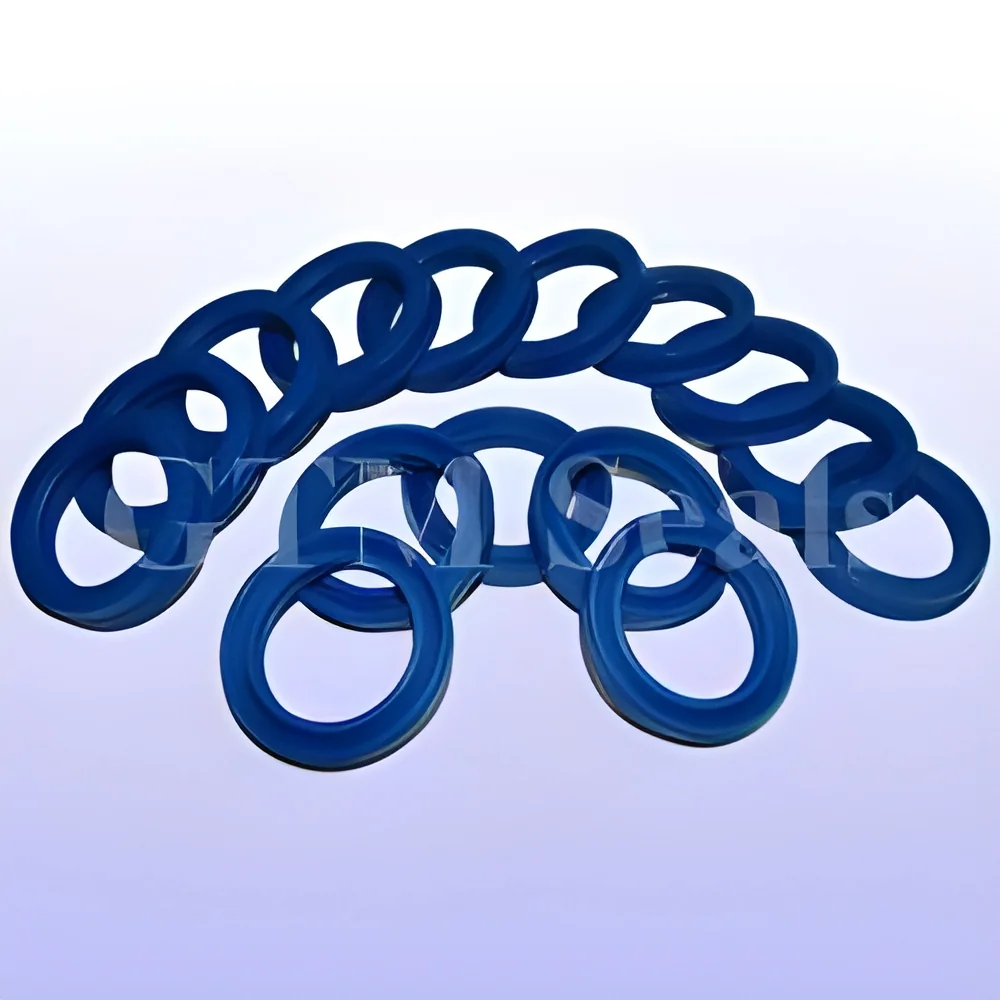
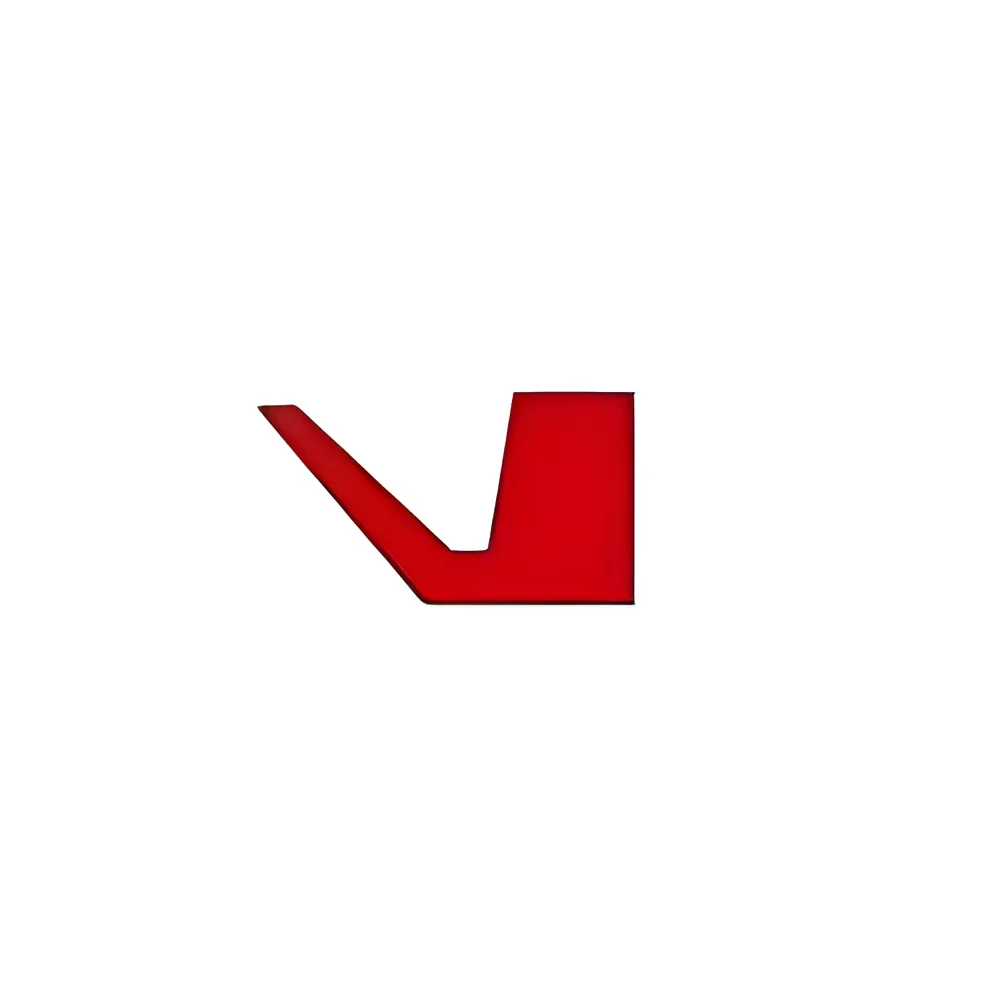
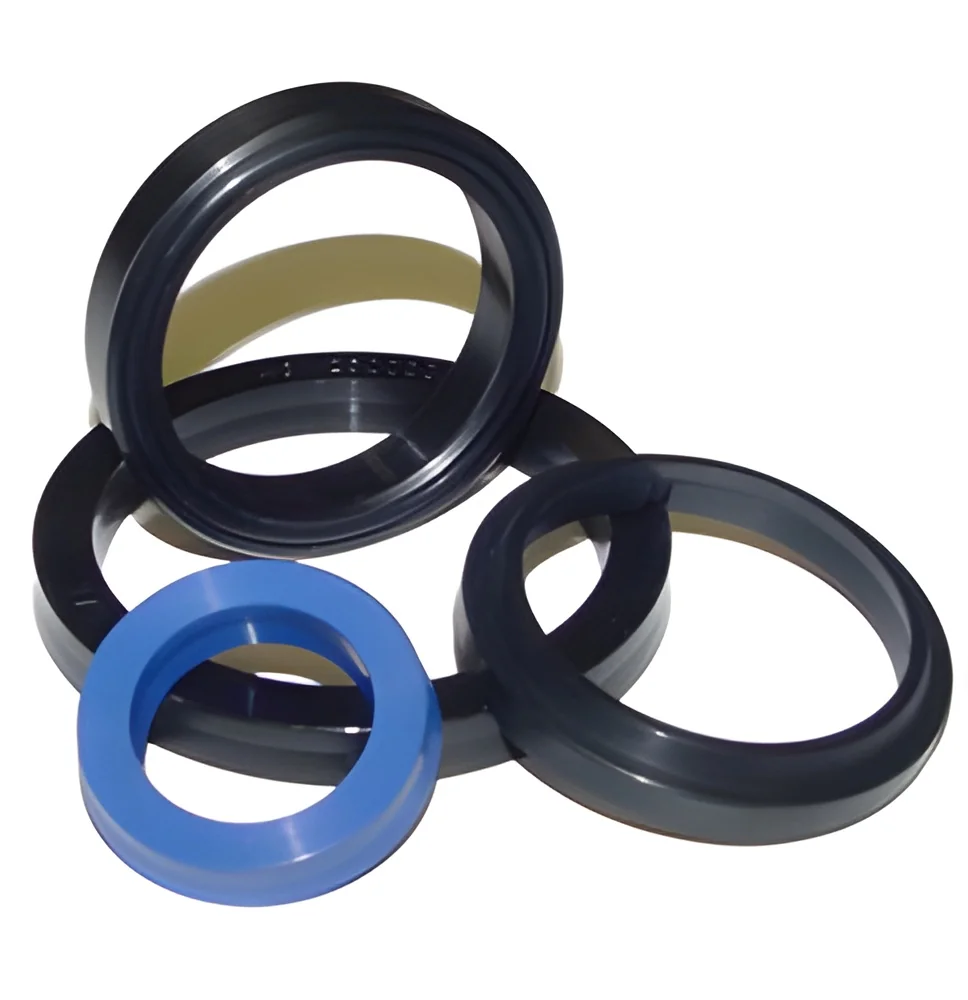
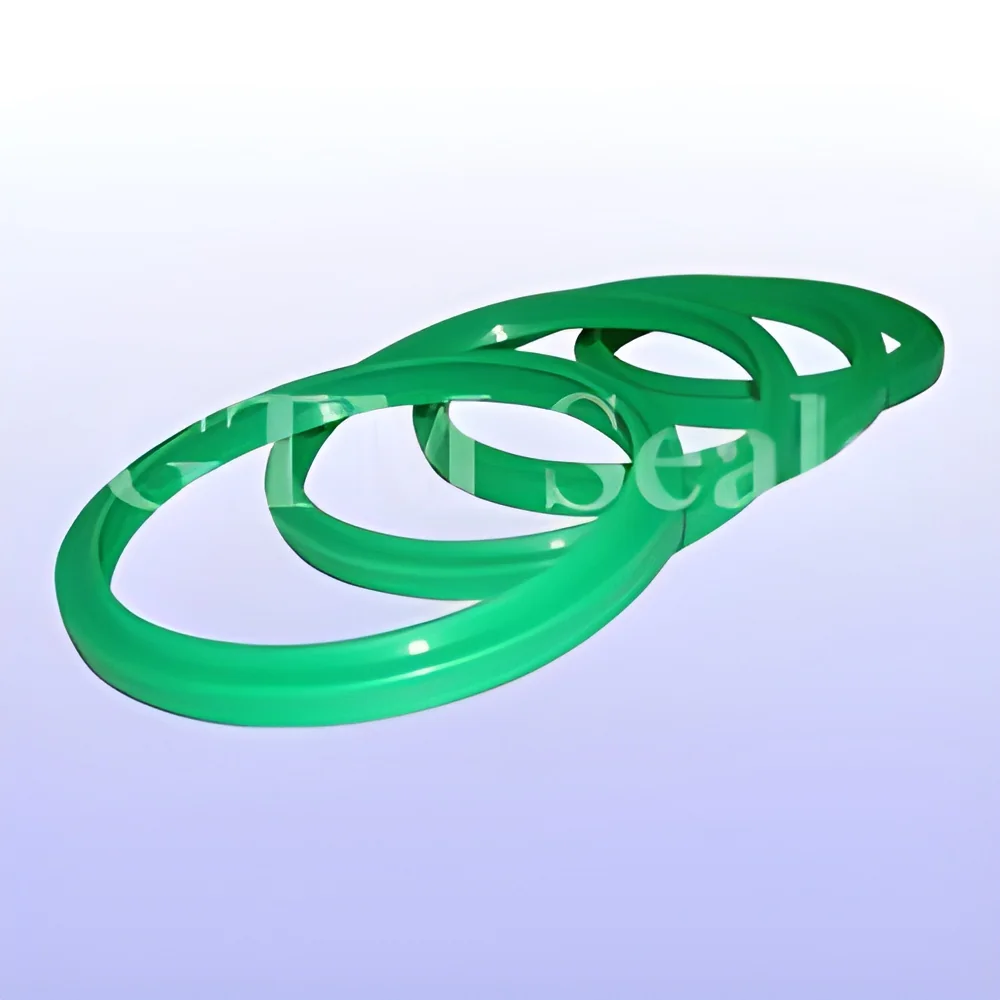
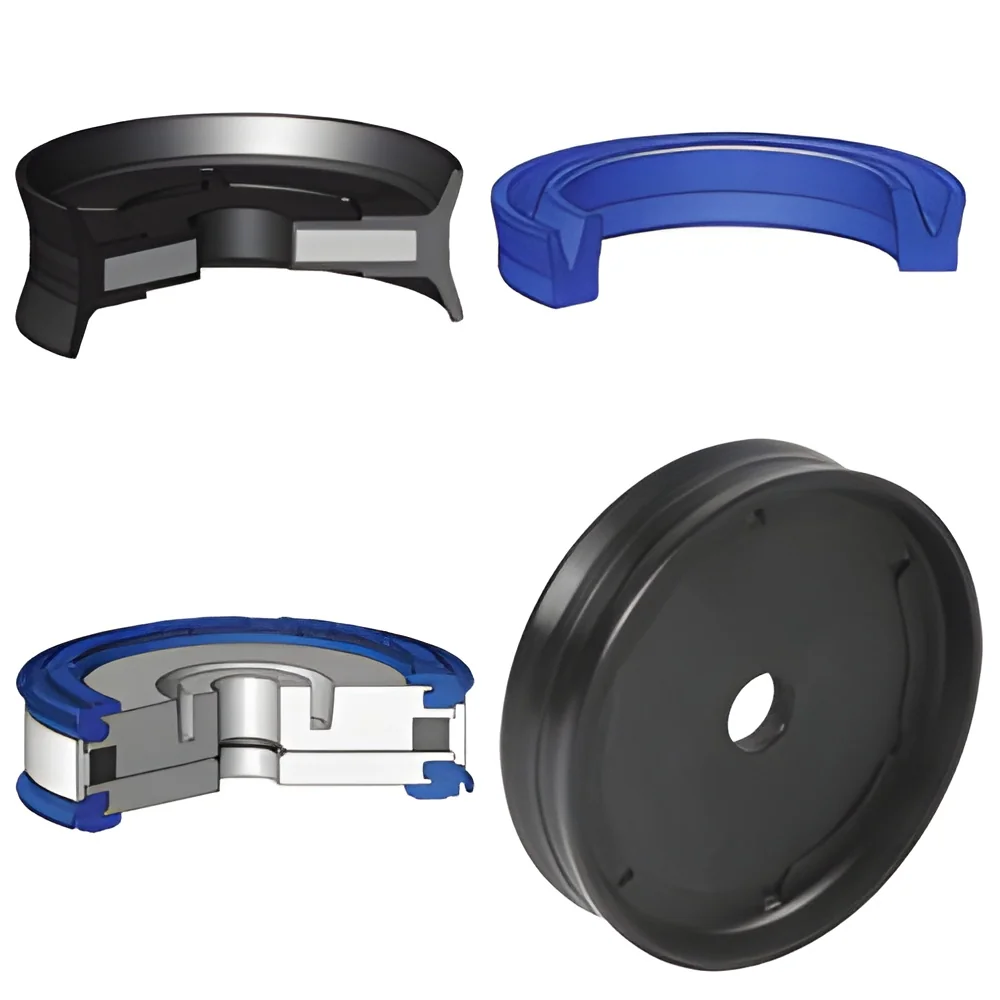
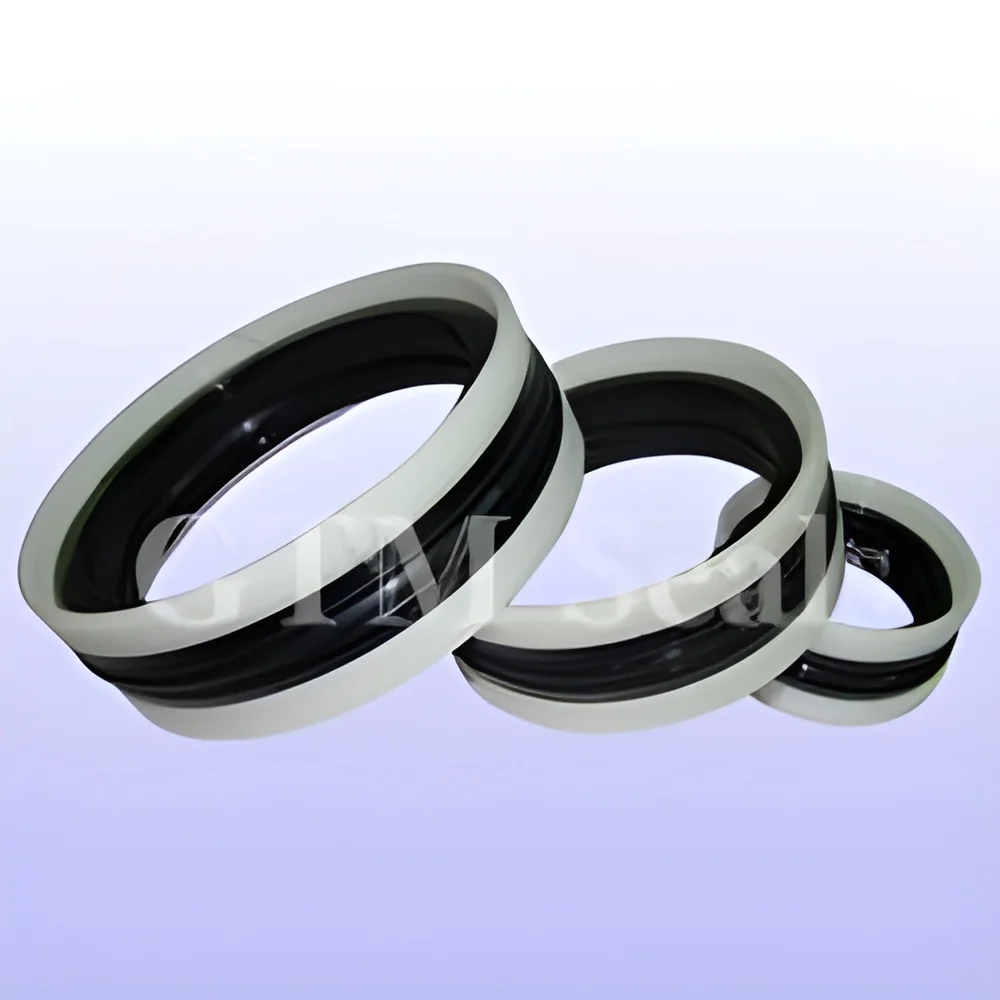
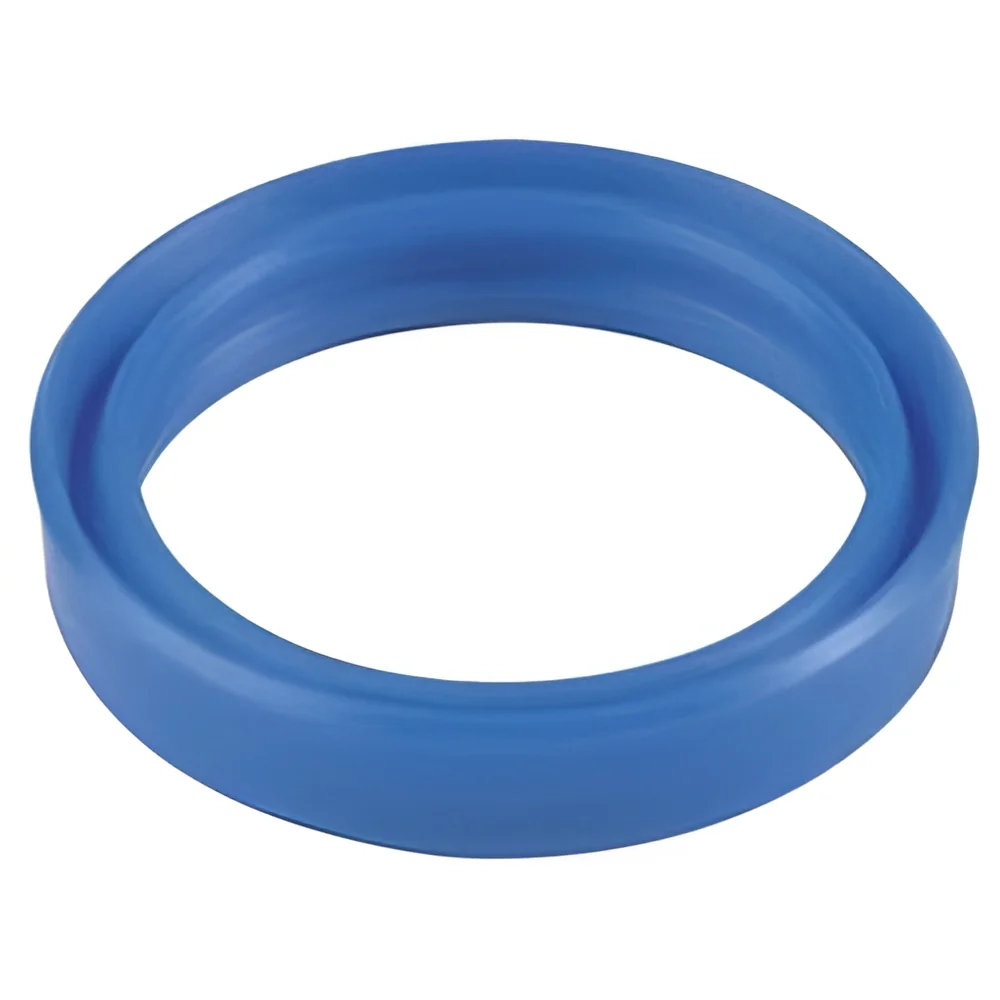
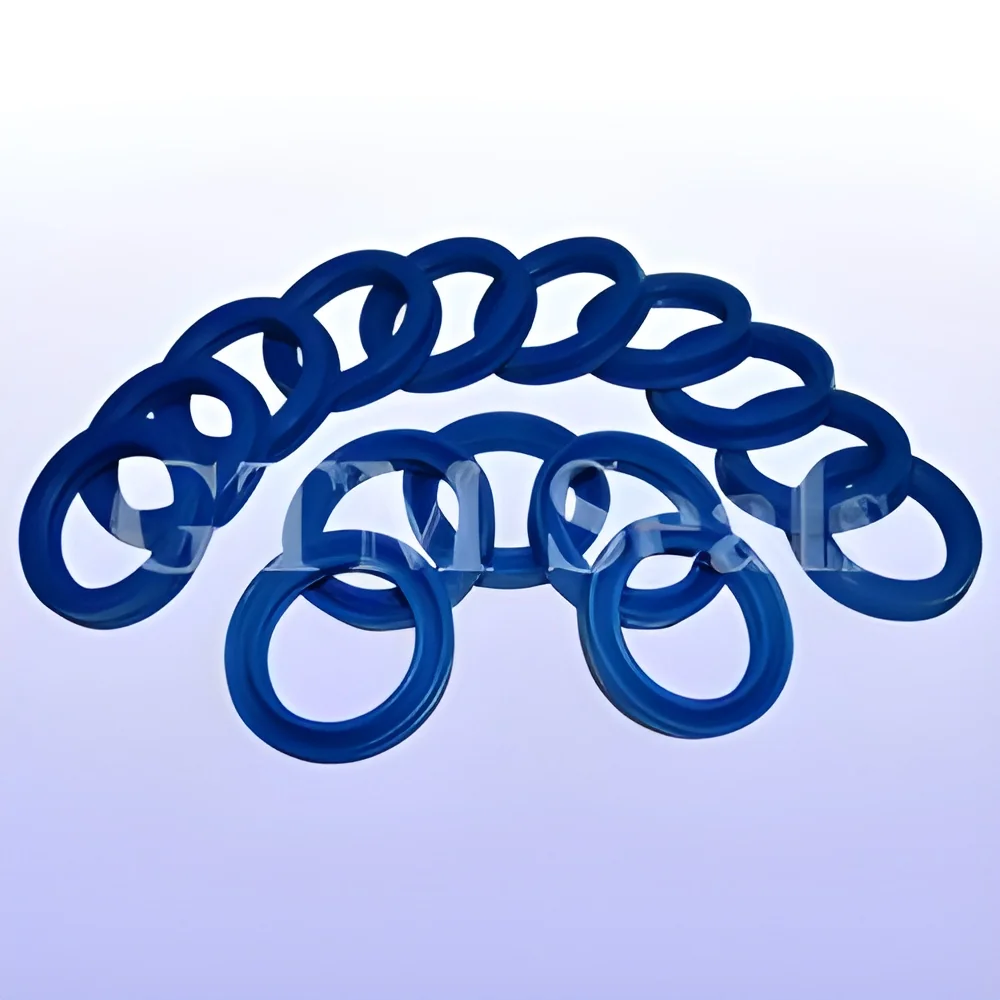
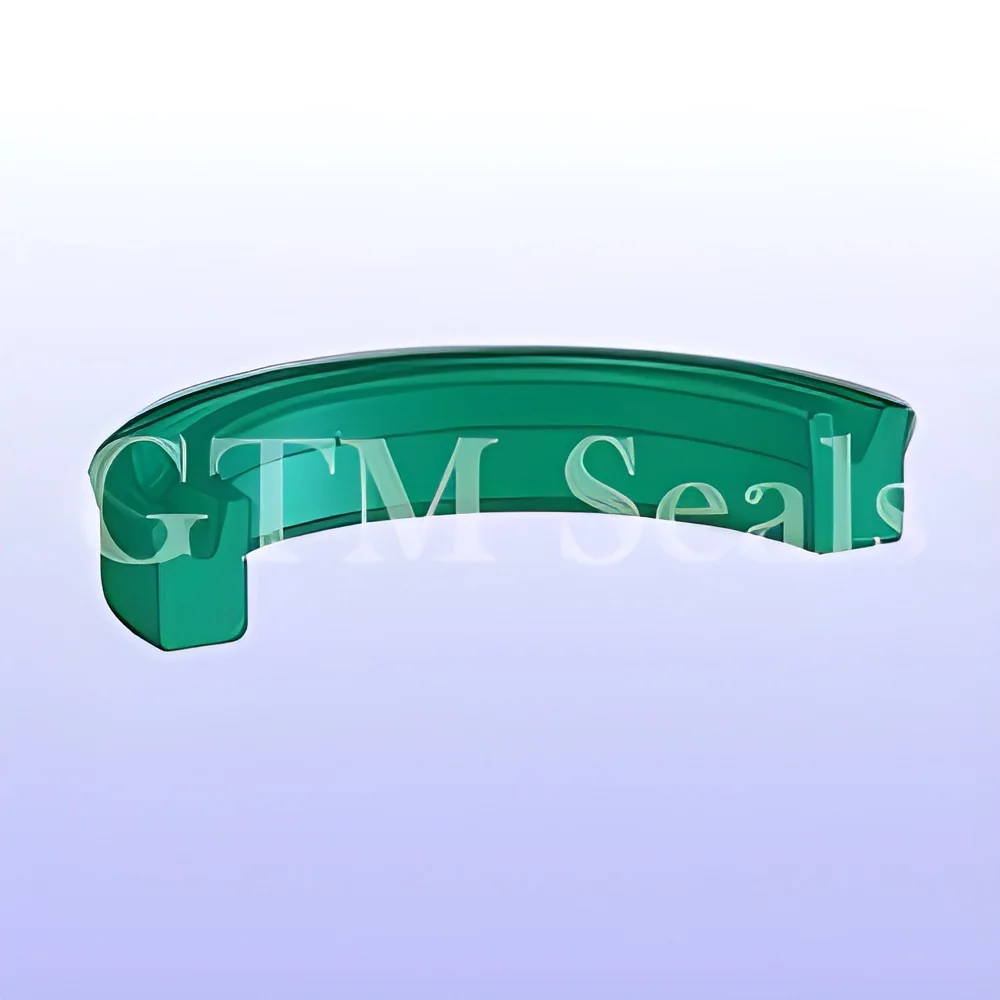
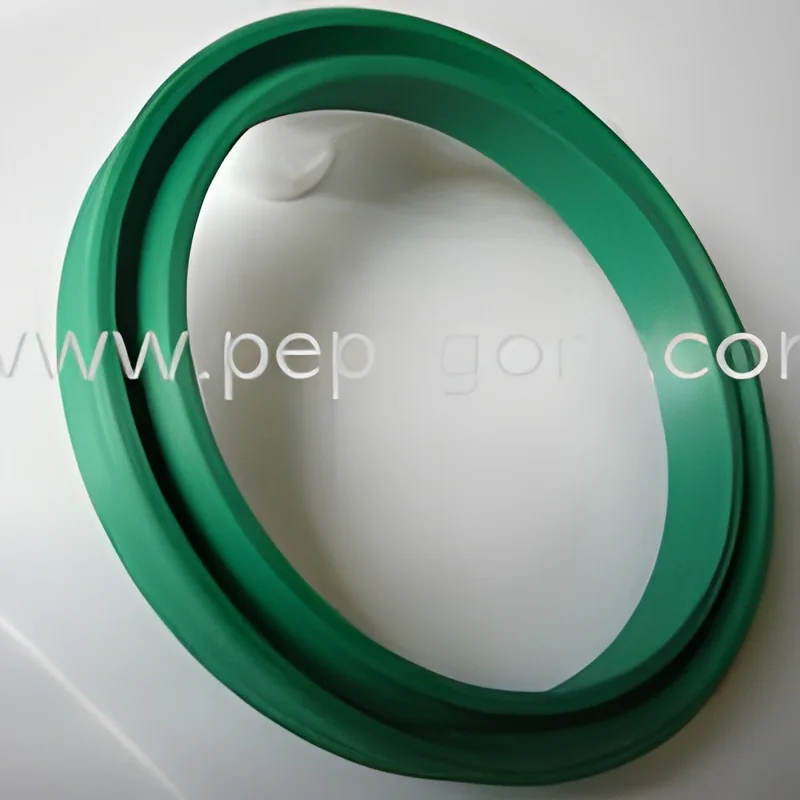
- Common designs include U-cup and V-ring configurations.
6. Lubrication Requirements
- Some seals require specific lubrication to function optimally.
- Proper lubrication can extend the lifespan of the seal.
7. Compliance Standards
- Seals may meet industry standards like ISO 9001 for quality assurance.
- Compliance with regulations ensures reliability in critical applications.
In summary, understanding these specifications helps businesses select the right hydraulic seals to ensure optimal performance and longevity.
Common Applications and Use Cases
Hydraulic seals are integral to many sectors and applications, providing essential sealing solutions for various hydraulic systems.
1. Construction: Hydraulic seals are used in excavators, bulldozers, and other heavy machinery, where they ensure efficient operation under high pressure.
2. Automotive: In vehicles, hydraulic seals are found in braking systems and power steering, contributing to safety and responsiveness.
3. Manufacturing: Hydraulic presses and assembly lines utilize these seals for precise fluid control, which enhances production efficiency.
4. Agriculture: Tractors and harvesters rely on hydraulic seals for effective operation in various farming tasks.
5. Aerospace: In aircraft hydraulic systems, seals prevent fluid leaks, ensuring safety and system integrity.
6. Oil and Gas: Hydraulic seals are critical in drilling equipment, where they maintain pressure and prevent fluid loss in extreme conditions.
7. Marine: Ships and submarines use hydraulic systems for steering and other operations, where reliable seals are crucial.
Product Variants and Subcategories
Hydraulic seals come in various designs and configurations to meet specific application needs. Each variant offers unique features that enhance performance in different environments.
Piston Seals
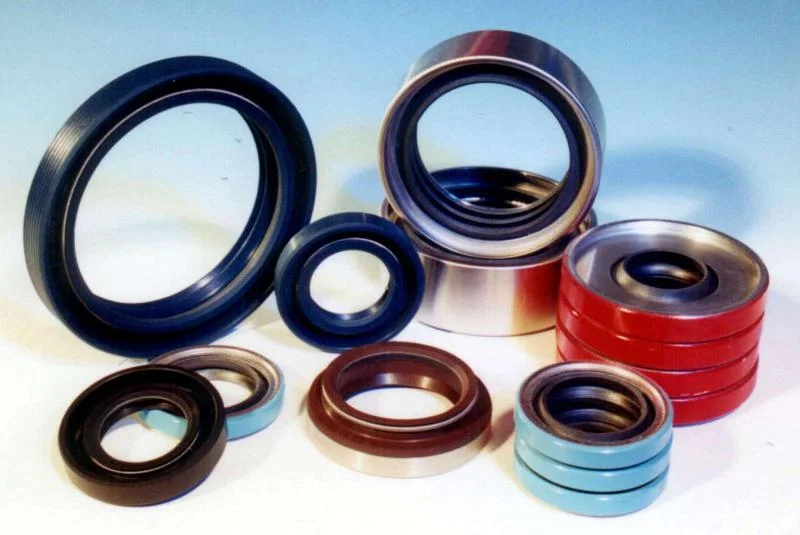
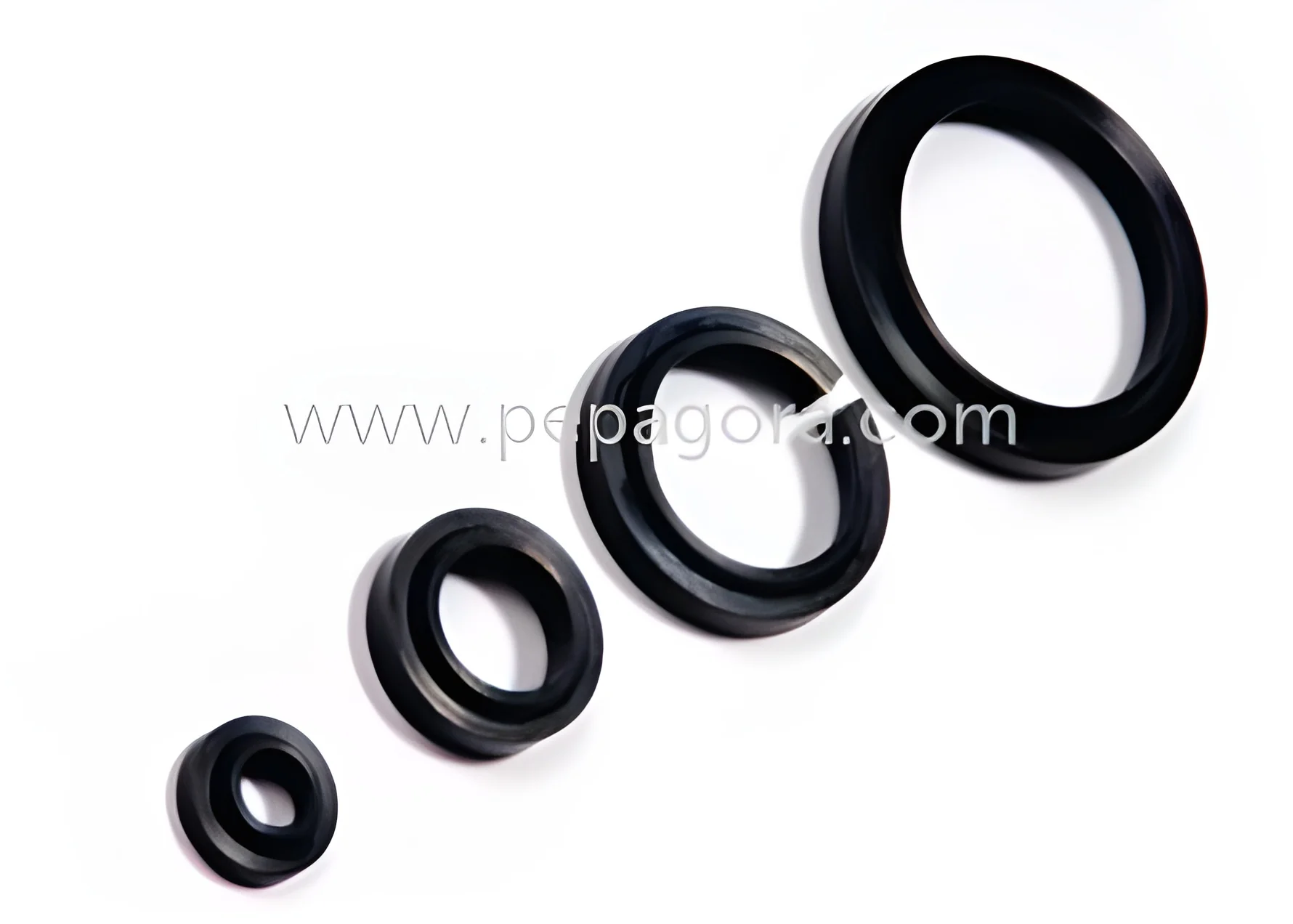
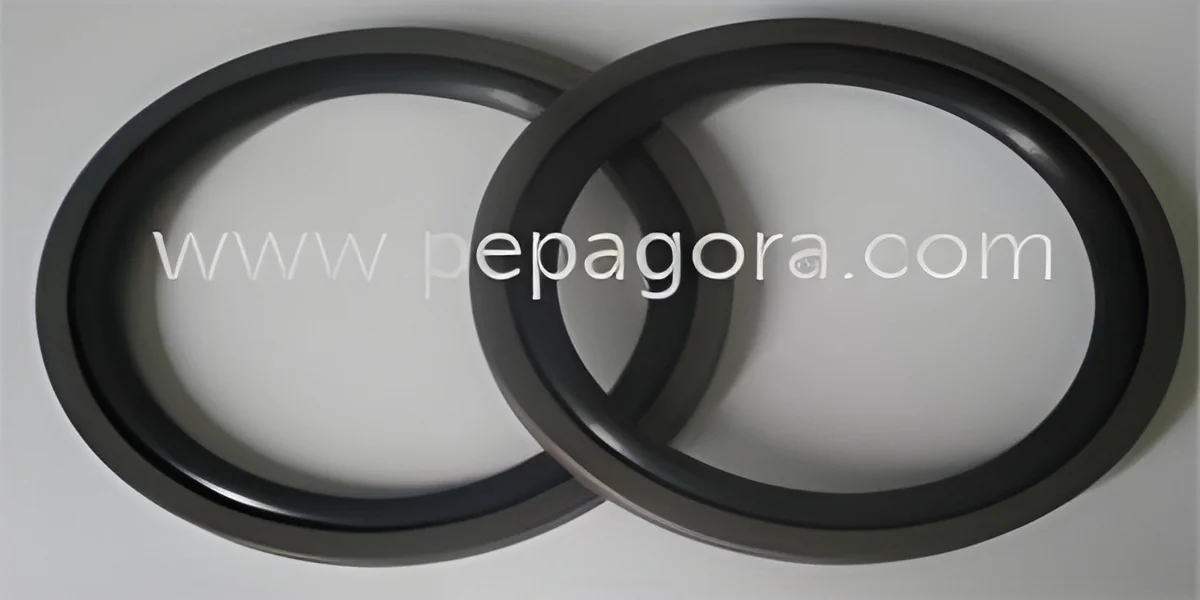
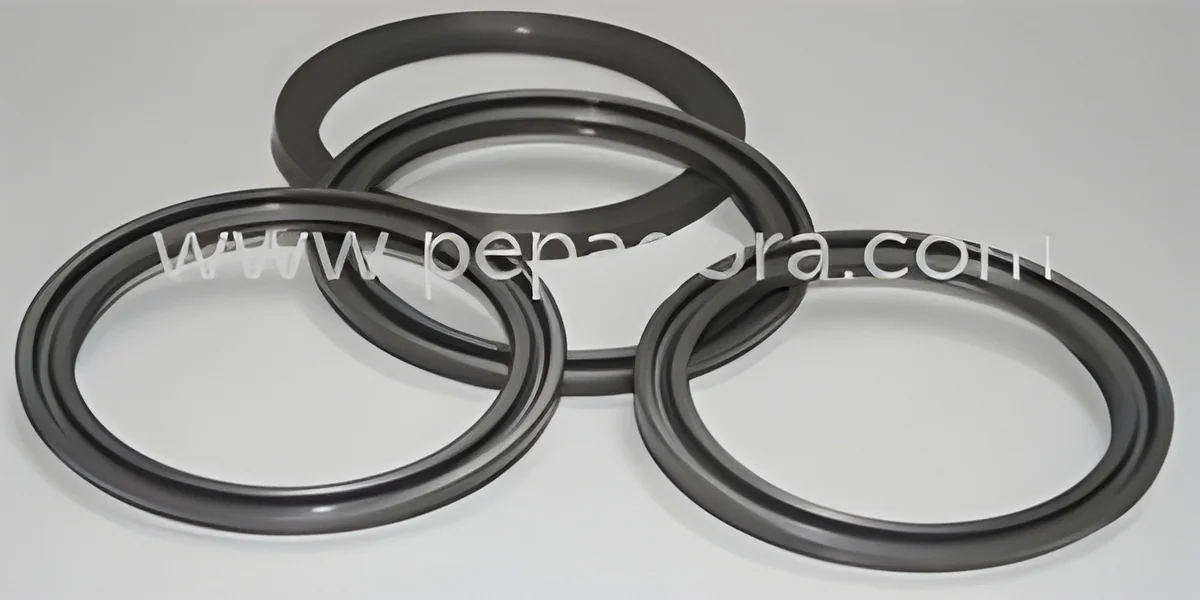
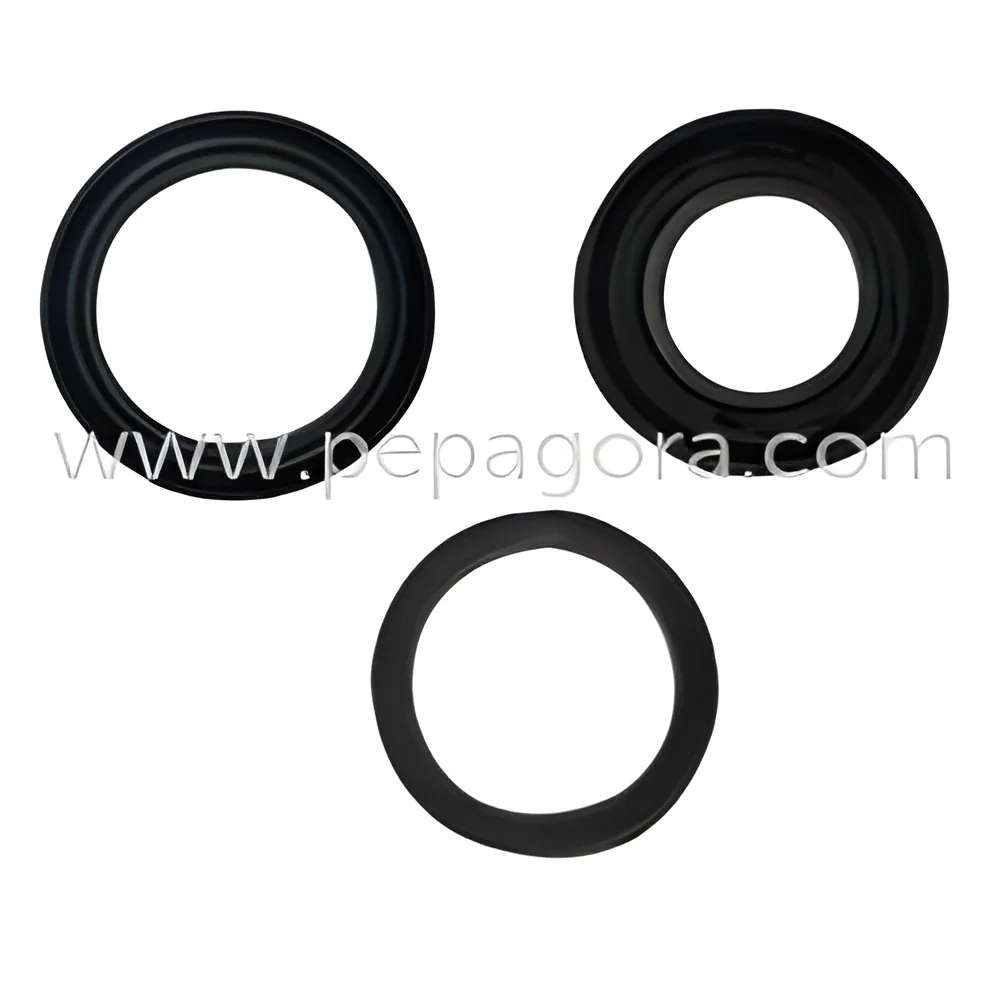
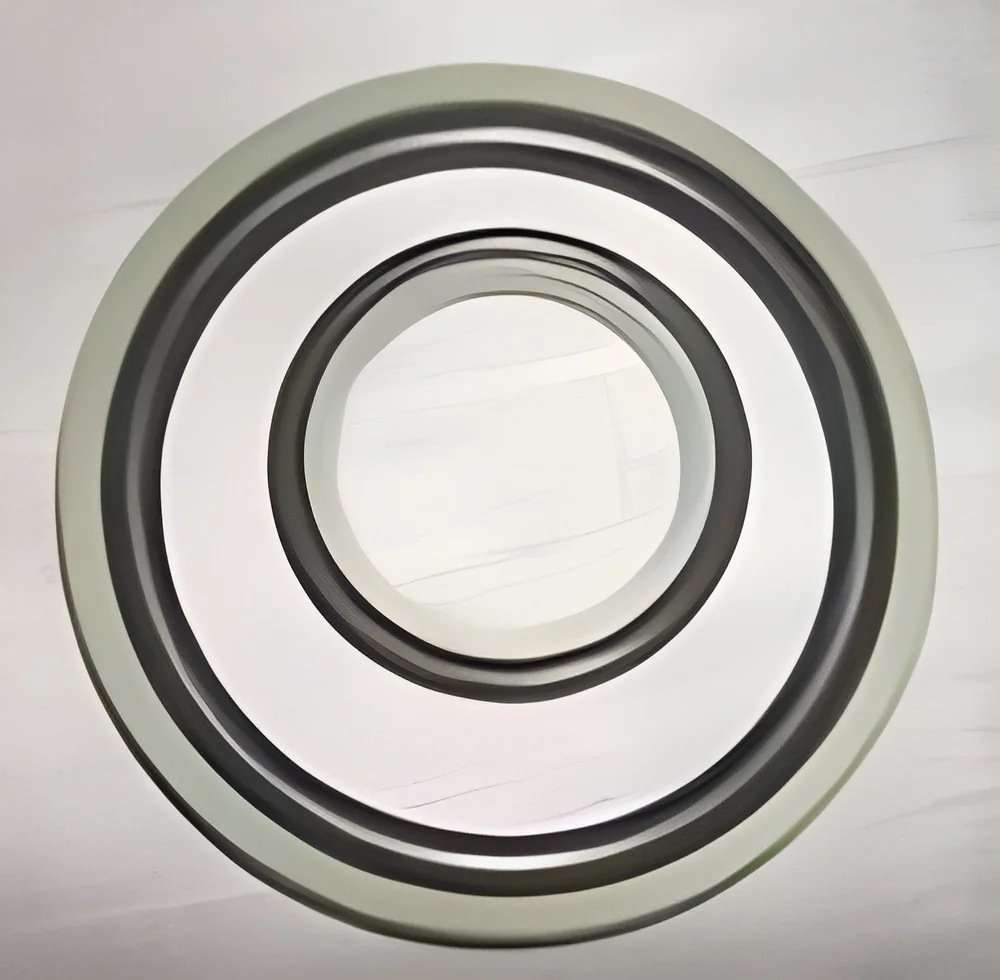
Piston seals are designed to fit snugly within hydraulic cylinders, preventing fluid leakage while allowing smooth piston movement. They are often made from high-performance materials that resist wear and high pressures, making them suitable for heavy-duty applications.
Rod Seals
Rod seals are specifically designed to fit at the end of hydraulic cylinders. They prevent leakage as the rod extends and retracts. These seals often have advanced designs to accommodate dirt and contaminants, ensuring long-lasting performance in demanding conditions.
Benefits and Advantages
Choosing hydraulic seals provides several advantages that enhance operational efficiency and reliability.
1. Leak Prevention: Hydraulic seals effectively prevent fluid leaks, which helps maintain system pressure and efficiency.
2. Enhanced Durability: High-quality materials ensure that seals can withstand harsh conditions and prolonged use, reducing maintenance needs.
3. Improved Performance: Proper seals enhance the overall performance of hydraulic systems, leading to better productivity.
4. Cost-Effectiveness: By reducing fluid loss, hydraulic seals minimize operational costs associated with fluid replenishment.
5. Versatility: Hydraulic seals can be used across various industries, making them a versatile solution for many applications.
6. Safety Assurance: Reliable seals contribute to safer operations by preventing unexpected fluid leaks that could lead to accidents.
Buying Guide for B2B Buyers
When sourcing hydraulic seals (piston, rod), several key factors must be considered to ensure the right choice for your business needs.
1. Quality Assessment: Look for seals made from high-grade materials that meet industry standards. Test data and certifications can provide insight into quality.
2. Supplier Verification: Vet suppliers by checking their reputation, customer reviews, and compliance with quality standards to ensure reliability in sourcing.
3. Pricing and MOQ: Compare prices from different suppliers and consider the minimum order quantity to ensure it aligns with your budget and demand.
4. Delivery and Lead Times: Assess logistics and delivery timelines to prevent disruptions in your operations. Timely delivery is crucial for maintaining production schedules.
5. Compliance Requirements: Ensure that the seals meet any regulatory or industry-specific compliance requirements to avoid legal issues and ensure safety.
Compliance and Certifications
Hydraulic seals (piston, rod) must adhere to various compliance and certification standards to guarantee their quality and safety in use. Key standards include ISO 9001, which ensures quality management systems are in place, enhancing product reliability. Additionally, certifications like CE and UL indicate that the seals meet international safety and performance standards.
Testing requirements often include pressure and durability tests to ensure seals can withstand operational demands. Regional compliance may also come into play, as different regions might have specific regulations governing hydraulic components. Ensuring compliance with these standards is essential for manufacturers and buyers alike, as it reflects commitment to quality and safety.
Why Source Hydraulic Seals (Piston, Rod) from Pepagora?
Pepagora offers a trusted platform for sourcing hydraulic seals (piston, rod), providing numerous advantages for businesses seeking reliable components.
Verified Supplier Network: Pepagora connects buyers with a network of verified suppliers, ensuring that all products meet high-quality standards and are sourced from reputable manufacturers.
Streamlined RFQ Process: The platform facilitates a simplified Request for Quotation (RFQ) process, allowing buyers to receive competitive pricing and timely responses from multiple suppliers.
Trade Assurance and Support: Pepagora provides buyer protection through trade assurance programs, ensuring that transactions are secure and that buyers receive the products as specified.
Regional Coverage: With a broad geographic reach across India, the GCC, and Southeast Asia, Pepagora ensures that businesses can access hydraulic seals tailored to their local market needs. This regional focus enhances convenience and support for buyers in various industries.

 IN
IN