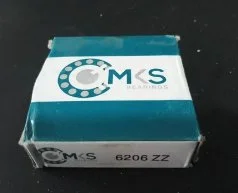
What are Steel Mill Bearings?
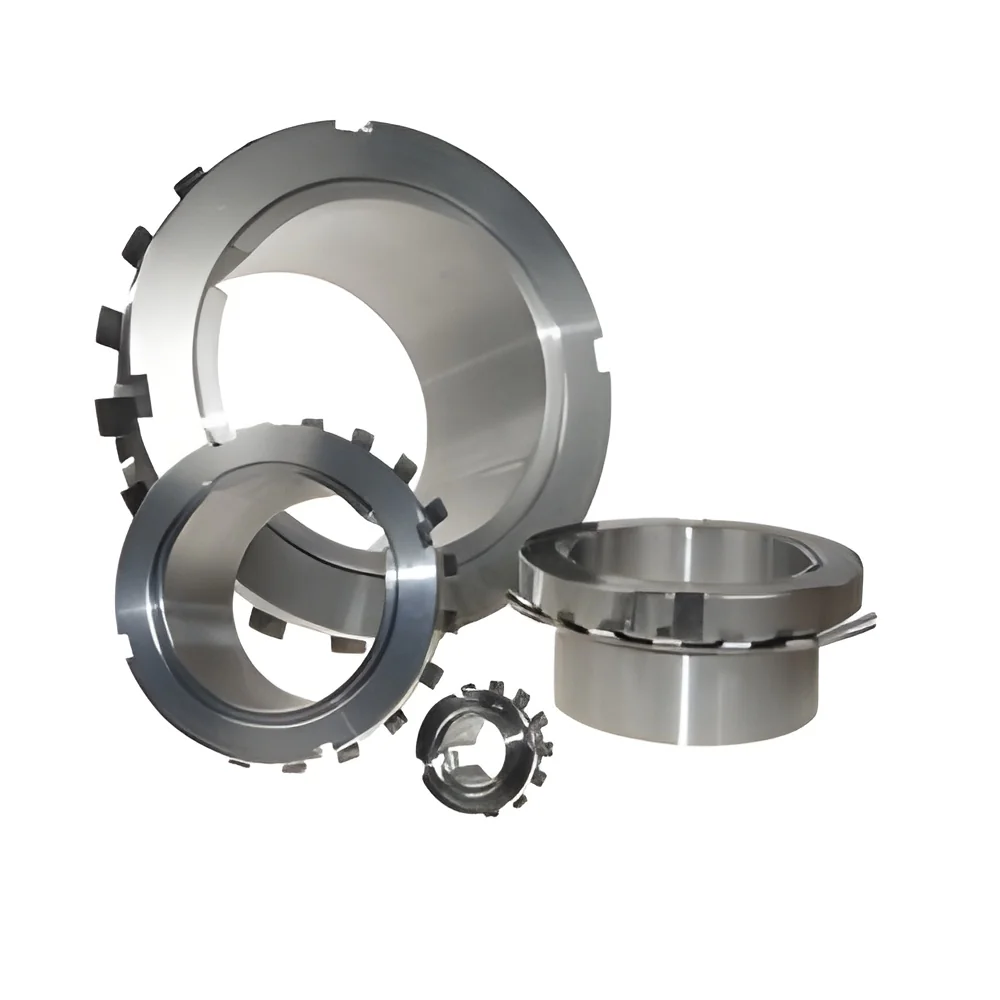
Steel mill bearings are specialized components designed to support and facilitate the smooth operation of machinery in steel manufacturing processes. They are engineered to withstand the harsh conditions typical of a steel mill environment, including high temperatures, heavy loads, and exposure to dust and moisture. These bearings play a critical role in ensuring the reliability and efficiency of equipment such as rolling mills, conveyors, and other machinery used in the production of steel.
Steel mill bearings are primarily used in various applications within the steel industry. They are essential in processes like casting, rolling, and finishing, where they support rotating parts and ensure precise movement. The performance of these bearings directly impacts production efficiency, equipment lifespan, and maintenance costs. With the growing demand for steel across various sectors, the market for steel mill bearings continues to expand, driving innovations in design and materials to enhance performance and reliability.
Key Features and Specifications
Steel mill bearings are characterized by their robust construction and ability to operate under extreme conditions. They are available in various designs and materials, tailored for specific applications within steel manufacturing. Understanding the key features and specifications of these bearings is crucial for selecting the right product for your needs.
Key specifications include:
1. Load Capacity
- High load-bearing capacity to support heavy machinery
- Typically rated in terms of dynamic and static load limits
2. Operating Temperature Range
- Designed to operate effectively at elevated temperatures
- Specific temperature ranges depend on bearing material and application
3. Material Composition
- Common materials include high-carbon steel, stainless steel, and bronze
- Materials are chosen based on strength, wear resistance, and corrosion resistance
4. Sealing and Shielding
- Options for sealed or shielded designs to protect against contaminants
- Enhances durability and reduces maintenance needs
5. Dimensions and Tolerances
- Available in various sizes to fit different machinery
- Precision tolerances ensure proper fit and function
6. Lubrication Requirements
- Some bearings are designed for grease lubrication, while others may require oil
- Proper lubrication is vital for optimal performance and longevity
7. Speed Rating
- Bearings are rated for maximum operational speeds
- Important for applications involving high-speed machinery
8. Certification and Compliance
- Many bearings meet industry standards such as CE certification
- Ensures quality and safety in manufacturing processes
In summary, the selection of steel mill bearings should consider these critical specifications to ensure compatibility and performance in demanding industrial applications.
Common Applications and Use Cases
Steel mill bearings are integral to various applications within the steel industry, providing essential support and facilitating efficient operations.
1. Rolling Mills: Bearings are used in rolling mills to support rolls that shape steel into desired profiles, enabling smooth and continuous production.
2. Conveyors: In conveyor systems, bearings ensure the reliable movement of steel products throughout the manufacturing process, reducing downtime and enhancing throughput.
3. Electric Arc Furnaces: Bearings in electric arc furnaces support the heavy machinery involved in melting steel, ensuring stability and precision during operation.
4. Finishing Lines: Bearings play a crucial role in finishing lines, where they support processes such as cutting, coating, and packaging of steel products.
5. Blast Furnaces: In blast furnaces, bearings are used in equipment that processes raw materials, helping to maintain operational efficiency under extreme conditions.
6. Scrap Processing: Bearings are essential in the machinery used for processing scrap metal, facilitating the recycling of materials in steel production.
7. Steel Processing Equipment: Various types of steel processing equipment leverage bearings to ensure smooth operation and minimize wear.
Product Variants and Subcategories
Steel mill bearings come in a range of variants to meet specific operational needs. Their diversity allows manufacturers to select the most suitable options for their applications.
Spherical Roller Bearings
These bearings are designed to accommodate misalignment and are commonly used in heavy machinery within steel mills. Their robust design allows for high load capacities and reliability in demanding environments.
Tapered Roller Bearings
Tapered roller bearings are ideal for applications that require high radial and axial load capacities. They are often used in gearboxes and other machinery where precise alignment is critical.
Deep Groove Ball Bearings
These bearings are versatile and commonly found in various steel mill applications. They provide excellent performance in both radial and axial loads, making them suitable for numerous machinery types.
Benefits and Advantages
Choosing the right steel mill bearings offers several benefits that can significantly impact operational efficiency and cost-effectiveness.
1. Enhanced Durability: Steel mill bearings are designed to withstand harsh operating conditions, leading to longer service life and reduced replacement frequency.
2. Improved Efficiency: High-quality bearings ensure smooth operation of machinery, which minimizes energy consumption and optimizes production processes.
3. Reduced Maintenance Costs: With their robust design and reliability, these bearings require less frequent maintenance, lowering overall operational costs.
4. Increased Load Capacity: Steel mill bearings are engineered for high load-bearing capacities, allowing for the use of heavier machinery and equipment.
5. Customization Options: Many manufacturers offer customizable bearing solutions to meet specific application requirements, ensuring optimal performance.
6. Compliance with Standards: Sourcing bearings that meet industry certifications ensures quality and safety, providing peace of mind for operators.
Buying Guide for B2B Buyers
When sourcing steel mill bearings, it is essential to consider various factors to ensure you select the right product for your needs.
1. Quality Assessment: Evaluate the quality of bearings based on material composition, load capacity, and manufacturer reputation. Look for products that meet industry standards and certifications.
2. Supplier Verification: Vet suppliers to ensure they have a reliable track record in providing high-quality bearings. Consider their experience in the steel industry and customer reviews.
3. Pricing and MOQ: Understand the pricing structures and minimum order quantities (MOQ) that suppliers offer. Balance cost with quality to achieve the best value for your investment.
4. Delivery and Lead Times: Discuss delivery schedules and lead times with suppliers to ensure timely availability of bearings, which can impact production schedules.
5. Compliance Requirements: Familiarize yourself with any regulatory compliance requirements relevant to your industry and ensure that the bearings you source meet these standards.
Compliance and Certifications
Steel mill bearings must adhere to various quality standards and certifications to ensure their reliability and safety in industrial applications.
Relevant quality standards such as ISO 9001 ensure that manufacturers maintain consistent quality management systems. Compliance with these standards is crucial for operational efficiency and product reliability.
Industry certifications, including CE certification, indicate that steel mill bearings meet European safety and performance standards. This certification is particularly important for companies operating in markets that demand high safety and quality benchmarks.
Safety and testing requirements play a vital role in the manufacture of steel mill bearings. Manufacturers typically conduct rigorous testing to assess load capacity, wear resistance, and performance under various conditions.
Regional compliance considerations can also impact the sourcing of steel mill bearings. Different regions may have specific regulations that must be adhered to, and it is essential to ensure that suppliers are compliant with local laws.
Why Source Steel Mill Bearings from Pepagora?
Pepagora is a trusted platform for sourcing steel mill bearings, offering several key advantages to B2B buyers.
Verified Supplier Network: Pepagora connects buyers with a network of verified suppliers, ensuring that all listed manufacturers meet stringent quality and reliability standards. This verification process helps buyers make informed decisions based on supplier credibility.
Streamlined RFQ Process: The platform features a streamlined request for quotation (RFQ) process, allowing buyers to easily obtain competitive quotes from multiple suppliers. This efficiency saves time and enhances procurement strategies.
Trade Assurance and Support: Pepagora provides trade assurance measures to protect buyers throughout the sourcing process. This includes support in resolving disputes, ensuring a secure transaction environment.
Regional Coverage: With a strong presence in India, the GCC, and Southeast Asia, Pepagora offers extensive regional coverage, enabling buyers to access a wide range of steel mill bearing suppliers and solutions tailored to specific markets.

 IN
IN