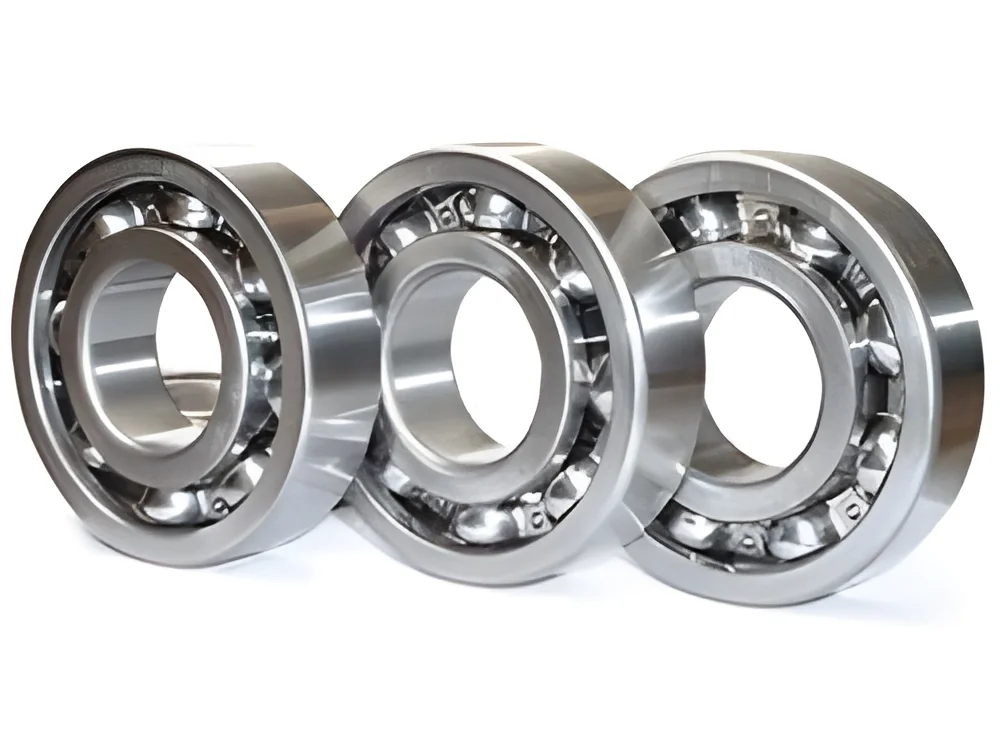
What are Miniature Ball Bearings?
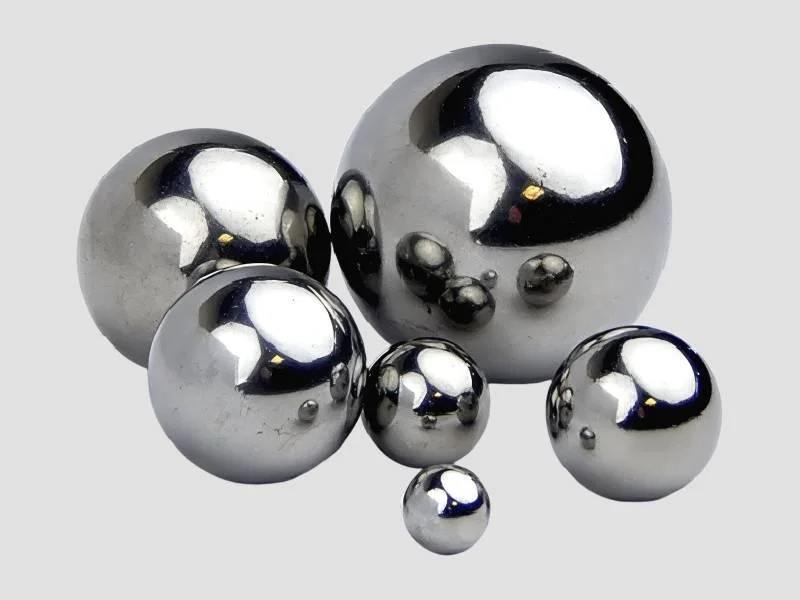
Miniature ball bearings are small mechanical components designed to facilitate smooth rotation and movement in various machinery and equipment. They consist of inner and outer rings, balls, and a cage that keeps the balls evenly spaced. These bearings are essential for reducing friction and wear in rotating parts, allowing for efficient operation even in compact spaces.
These bearings are primarily utilized in applications where space and weight constraints are critical. Industries such as electronics, automotive, aerospace, and medical devices rely on miniature ball bearings for their precision and reliability. They are often found in small motors, robotics, and precision instruments, where high performance is necessary in a limited footprint. The increasing demand for compact and efficient machinery has led to a growing market for miniature ball bearings.
As industries evolve and technology advances, the relevance of miniature ball bearings continues to grow. Their applications are becoming more diverse, and manufacturers are increasingly focusing on innovation to enhance their performance. This market's context highlights the need for high-quality miniature ball bearings that meet stringent industry standards.
Key Features and Specifications
Miniature ball bearings are characterized by several key features that enhance their performance and applicability in various industries. Understanding these specifications is crucial for selecting the right bearing for specific needs.
Key specifications include:
1. Size and Dimensions
- Available in various inner and outer diameters
- Standardized sizes for compatibility with different applications
2. Load Capacity
- Rated for radial and axial loads
- Specifications vary based on size and design
3. Material Composition
- Typically made from stainless steel, chrome steel, or plastic
- Material choice impacts durability and corrosion resistance
4. Sealing Options
- Available with open, shielded, or sealed designs
- Sealed options provide better protection against contaminants
5. Operating Temperature Range
- Designed to operate in various temperature conditions
- Standard ranges can be specified based on application needs
6. Precision Rating
- Available in several precision grades (e.g., ABEC)
- Higher precision ratings are suitable for demanding applications
7. Lubrication Type
- Can be pre-lubricated or require external lubrication
- Choice of lubricant affects performance and maintenance
8. Speed Rating
- Each bearing has a maximum speed limit
- Important for applications involving high rotational speeds
Selecting miniature ball bearings with the right specifications ensures optimal performance and longevity in their respective applications.
Common Applications and Use Cases
Miniature ball bearings serve a wide range of industries, each with specific applications that benefit from their use.
1. Electronics: Miniature ball bearings are crucial in devices such as computer hard drives, printers, and cameras, where precision and compact design are essential.
2. Automotive: These bearings are used in electric motors, power tools, and small engines, contributing to improved efficiency and reduced wear.
3. Aerospace: In aircraft systems, miniature ball bearings are employed in control mechanisms and instrumentation, requiring high reliability under varying conditions.
4. Medical Devices: They are integral to surgical tools and imaging equipment, where precision and cleanliness are critical.
5. Robotics: Miniature ball bearings enable smooth movement in robotic joints and actuators, enhancing overall functionality.
6. HVAC Systems: Used in fans and blowers, these bearings help maintain efficient airflow and operation.
7. Home Appliances: Found in small motors and mechanisms, they contribute to the smooth functioning of devices like vacuum cleaners and washing machines.
Product Variants and Subcategories
Miniature ball bearings come in several variants, each tailored to meet specific requirements and applications.
Standard Miniature Ball Bearings: These are the most common type, designed for general applications where basic performance is needed. They are versatile and widely used across various industries.
Precision Miniature Ball Bearings: Engineered for high-precision applications, these bearings offer tighter tolerances and enhanced performance. They are ideal for use in instruments and machinery that demand accuracy.
Flanged Miniature Ball Bearings: These variants include a flange that assists in positioning within an assembly. They are commonly used in applications where axial support is required.
Stainless Steel Miniature Ball Bearings: Made from corrosion-resistant materials, these bearings are suitable for environments exposed to moisture or corrosive substances, such as in medical and food processing equipment.
Plastic Miniature Ball Bearings: Lightweight and resistant to certain chemicals, these bearings are often used in applications where weight reduction is critical.
Benefits and Advantages
Miniature ball bearings provide numerous benefits that enhance the performance of mechanical systems.
1. Reduced Friction: They significantly lower friction between moving parts, leading to smoother operations and less energy consumption.
2. Compact Design: Their small size allows for use in tight spaces, making them ideal for modern, compact machinery.
3. High Load Capacity: Despite their size, miniature ball bearings can handle significant loads, ensuring durability and longevity.
4. Versatility: They can be adapted for various applications across multiple industries, making them a flexible choice for engineers.
5. Enhanced Reliability: Miniature ball bearings are designed for high performance, contributing to the overall reliability of machinery and equipment.
6. Ease of Maintenance: Many variants are pre-lubricated or sealed, reducing the need for regular maintenance and extending operational life.
Buying Guide for B2B Buyers
When sourcing miniature ball bearings, it is essential for buyers to consider several factors to ensure they make informed decisions.
1. Quality Assessment: Evaluate the quality of the bearings by checking certifications and compliance with industry standards. High-quality materials and manufacturing processes are crucial.
2. Supplier Verification: Vet potential suppliers by reviewing their reputation, customer feedback, and their ability to meet delivery schedules. A reliable supplier ensures consistent product quality.
3. Pricing and MOQ: Consider the pricing structure and minimum order quantities (MOQ) to align with budget and inventory needs. Compare costs from different suppliers for the best value.
4. Delivery and Lead Times: Understand the supplier's delivery capabilities and lead times to ensure timely availability of products for production schedules.
5. Compliance Requirements: Be aware of any regulatory compliance requirements specific to your industry, including safety standards and environmental regulations.
Compliance and Certifications
Miniature ball bearings must meet specific quality standards and certifications to ensure their reliability and safety. Key standards include ISO 9001, which pertains to quality management systems, ensuring that manufacturers adhere to quality processes.
Industry certifications, such as CE marking, indicate compliance with European health, safety, and environmental protection standards. This is particularly important for products used in regulated industries like medical devices and aerospace.
Safety testing requirements are also critical, encompassing assessments for operational performance and durability under varying conditions. Understanding regional compliance considerations is essential for companies looking to source miniature ball bearings internationally, as different markets may have unique regulations.
Why Source Miniature Ball Bearings from Pepagora?
Pepagora offers a trusted platform for sourcing miniature ball bearings, providing several key advantages for B2B buyers.
Verified Supplier Network: Pepagora ensures that all suppliers are thoroughly vetted, providing access to a network of reliable manufacturers. This gives buyers confidence in the quality and consistency of their products.
Streamlined RFQ Process: The platform features a user-friendly quotation system, allowing buyers to request quotes from multiple suppliers efficiently. This simplifies the sourcing process and enhances competitiveness.
Trade Assurance and Support: Pepagora prioritizes buyer protection through trade assurance policies, offering support in case of disputes or issues with orders. This fosters a secure purchasing environment.
Regional Coverage: With a broad geographic reach across India, the GCC, and Southeast Asia, Pepagora connects buyers with suppliers who can meet their specific regional needs. This ensures timely delivery and local support, enhancing the overall purchasing experience.

 IN
IN