What are Track Rollers?
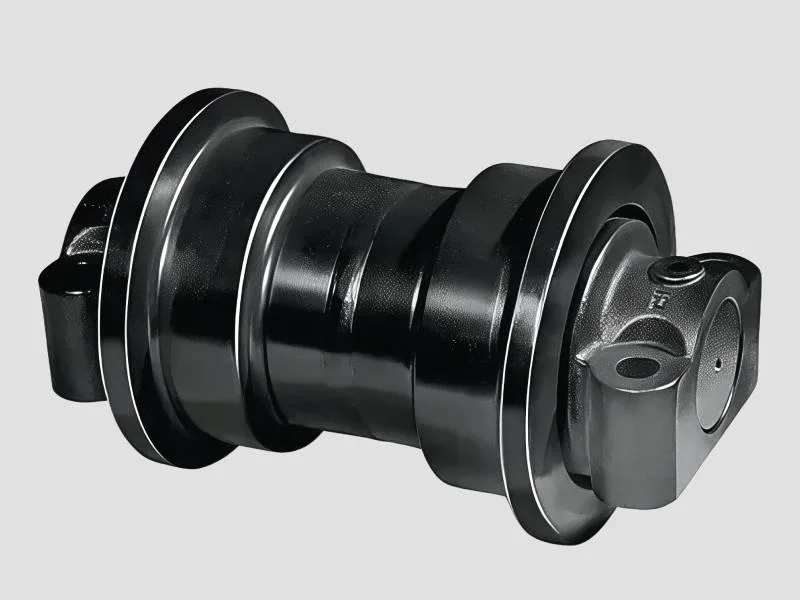
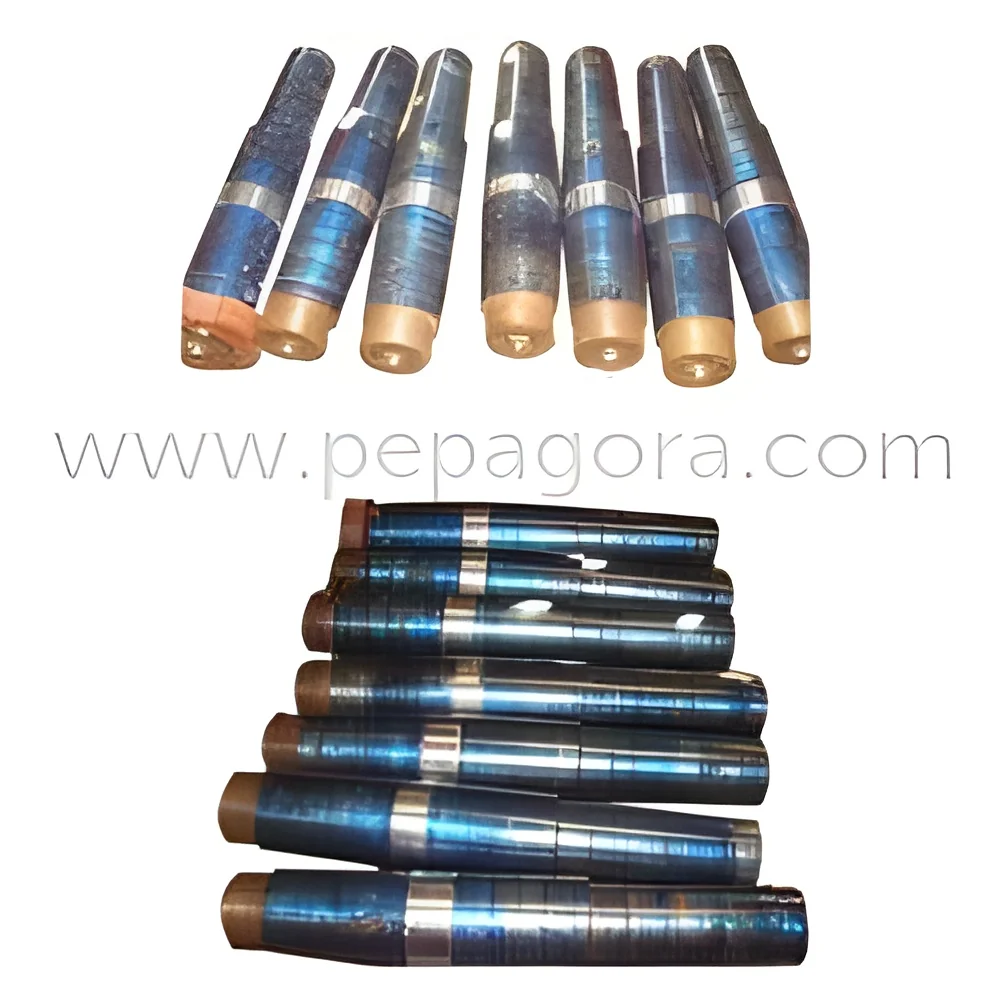
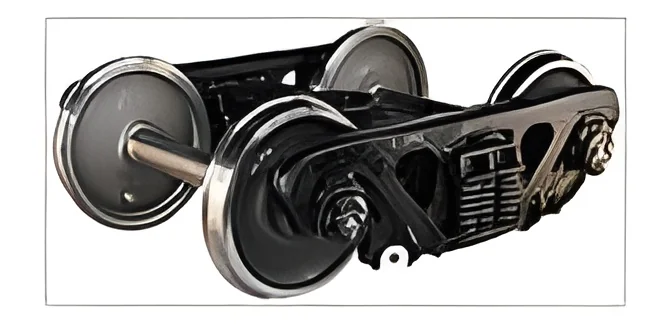
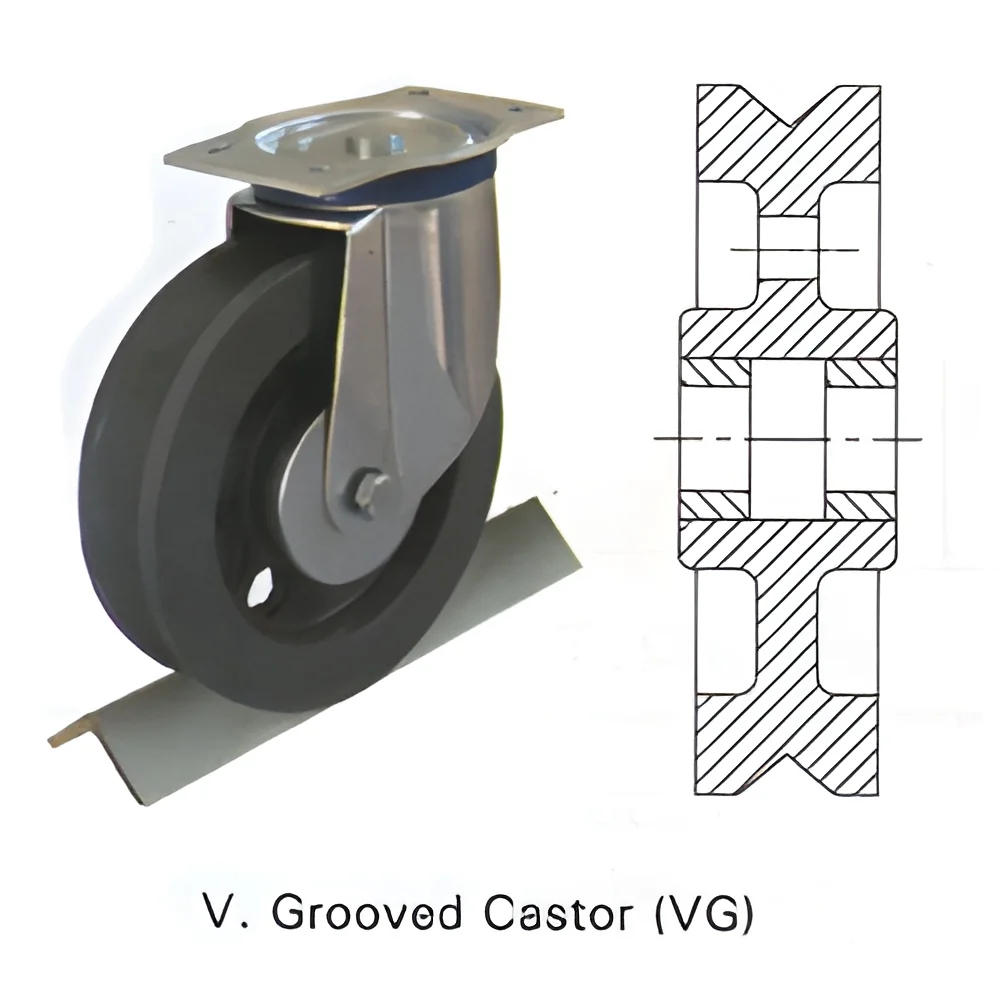
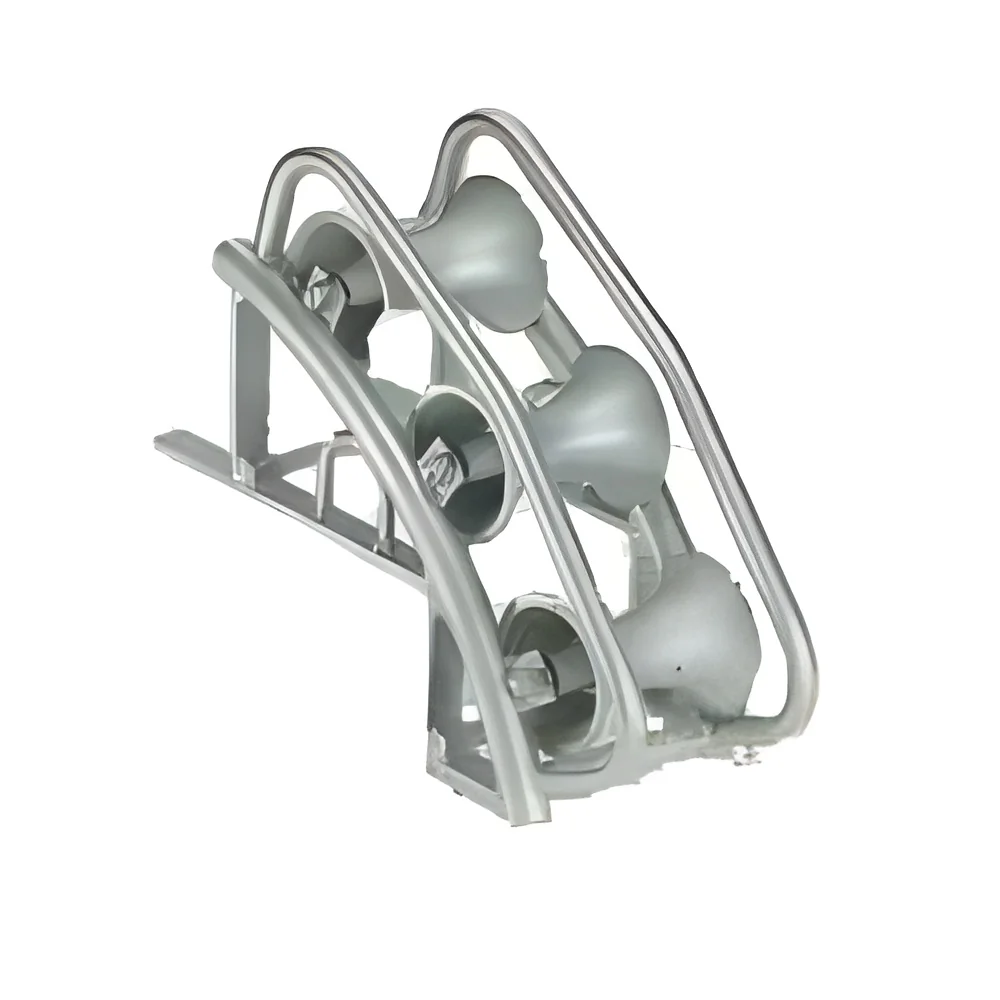
Track rollers are essential components used in various industrial applications to support and guide the movement of machinery and equipment, particularly in tracked vehicles and conveyor systems. These rollers are designed to provide stability and reduce friction, enabling smooth operation while bearing heavy loads. Typically made from durable materials, track rollers are engineered to withstand harsh working conditions and prolonged use.
The primary uses of track rollers can be found in industries such as construction, mining, and agriculture. They are commonly utilized in excavators, bulldozers, and other heavy machinery that rely on tracks for movement. Additionally, track rollers are crucial in conveyor systems where materials need to be transported efficiently. Their ability to maintain alignment and support heavy weight makes them vital for operational efficiency and safety in these sectors.
In the current market context, track rollers are increasingly relevant as industries look to enhance productivity and reduce maintenance costs. With advancements in manufacturing technologies, the demand for high-performance track rollers has grown, leading to innovations in design and material selection. As businesses continue to prioritize reliability and efficiency, track rollers remain a key component in the machinery that drives industrial applications worldwide.
Key Features and Specifications
Track rollers come with various features and specifications that enhance their performance and reliability in demanding environments. Understanding these specifications is crucial for selecting the right product for specific applications.
Key specifications include:
1. Material Composition
- Typically made from high-strength steel or composite materials
- Ensures durability and resistance to wear and tear
2. Load Capacity
- Designed to support substantial weight, often exceeding several tons
- Essential for heavy machinery applications
3. Diameter and Width
- Available in various sizes to fit different machinery designs
- Standard diameters range from 100 mm to 300 mm
4. Bearing Type
- Equipped with sealed or open bearings depending on the application
- Sealed bearings provide better protection against dirt and moisture
5. Operating Temperature Range
- Standard operating temperatures are generally between -20°C to 80°C
- Ensures functionality in various environmental conditions
6. Surface Finish
- Often coated or treated to resist corrosion
- Enhances longevity in harsh conditions
7. Mounting Style
- Available in various mounting configurations for compatibility
- Ensures easy integration into existing systems
8. Compliance Standards
- Adherence to industry standards such as CE certification
- Ensures quality and safety for industrial applications
In summary, the specifications of track rollers are designed to meet the rigorous demands of heavy machinery and industrial applications, ensuring both reliability and efficiency.
Common Applications and Use Cases
Track rollers serve a variety of industries, providing essential support and functionality in numerous applications.
1. Construction: In construction, track rollers are used in heavy equipment like excavators and dozers, enabling them to move efficiently on various terrains.
2. Mining: Track rollers play a critical role in mining equipment, where they help transport materials across rugged landscapes, ensuring operational uptime.
3. Agriculture: In agricultural machinery, track rollers support tractors and combine harvesters, allowing them to traverse fields with minimal soil disturbance.
4. Forestry: Track rollers are utilized in forestry machines, facilitating the movement of heavy logs and equipment through challenging environments.
5. Material Handling: In conveyor systems, track rollers guide the movement of materials, ensuring smooth transitions and reducing wear on components.
6. Rail Transportation: Track rollers are essential in rail systems, providing support for trains as they navigate tracks, ensuring safety and stability.
7. Heavy Equipment Manufacturing: Track rollers are integrated into manufacturing processes, supporting machinery that requires precise movement and heavy lifting capabilities.
Product Variants and Subcategories
Track rollers come in various configurations to meet specific operational needs. Understanding these variants helps businesses choose the right product for their applications.
Standard Track Rollers: These are designed for general applications and are suitable for various types of machinery. They offer a balance of durability and performance, making them versatile for multiple industries.
Heavy-Duty Track Rollers: Built to withstand extreme conditions and heavy loads, heavy-duty track rollers are ideal for mining and construction equipment. They provide enhanced strength and reliability.
Compact Track Rollers: Designed for smaller machinery or tight spaces, compact track rollers maintain performance without compromising on load capacity. They are frequently used in landscaping and urban construction projects.
Benefits and Advantages
Sourcing the right track rollers can provide several advantages for businesses seeking to enhance their operations.
1. Enhanced Durability: Track rollers are designed with high-strength materials, ensuring a longer lifespan and reduced need for replacements.
2. Improved Efficiency: By facilitating smooth movement, track rollers improve the overall efficiency of machinery, leading to increased productivity.
3. Cost Savings: Investing in quality track rollers can lead to significant savings in maintenance and operational costs over time.
4. Versatility: With various sizes and configurations available, track rollers can be tailored to fit specific machinery and applications, providing flexibility for different industries.
5. Reduced Downtime: Reliable track rollers minimize the risk of equipment failure, resulting in less downtime and uninterrupted operations.
6. Safety Assurance: Quality track rollers contribute to the safe operation of heavy machinery, reducing the risk of accidents in industrial environments.
Buying Guide for B2B Buyers
When sourcing track rollers, B2B buyers should consider several key factors to ensure they make informed decisions.
1. Quality Assessment: Evaluate the quality of track rollers by reviewing materials, manufacturing processes, and adherence to industry standards. Look for certifications that guarantee reliability.
2. Supplier Verification: It is essential to vet suppliers thoroughly to ensure they provide high-quality products. Check their track record, customer reviews, and case studies to assess their reliability.
3. Pricing and MOQ: Understand the pricing structure and minimum order quantities (MOQ) set by suppliers. Consider bulk purchasing options for cost savings.
4. Delivery and Lead Times: Inquire about delivery schedules and lead times to ensure that you can meet operational deadlines without delays.
5. Compliance Requirements: Be aware of any regulatory compliance needs that may affect your industry. Ensure that the track rollers you source meet these standards.
Compliance and Certifications
Compliance and certifications are critical factors in ensuring the quality and safety of track rollers. Relevant industry standards, such as ISO 9001, ensure that manufacturers adhere to quality management principles, promoting consistency and reliability in production.
Additionally, certifications like CE indicate that the products meet European safety and performance standards. This provides assurance that the track rollers are designed with safety in mind and have undergone rigorous testing.
Safety and testing requirements are paramount in the manufacturing of track rollers. They must be tested for load-bearing capabilities, durability, and resistance to environmental factors. Regional compliance considerations may also apply, depending on the market where the products are sold. Understanding these requirements is essential for buyers looking to source reliable and compliant track rollers.
Why Source Track Rollers from Pepagora?
Pepagora is a trusted platform for sourcing track rollers, offering numerous advantages to B2B buyers.
Verified Supplier Network: Pepagora provides access to a network of verified suppliers, ensuring that buyers can rely on quality products and reputable manufacturers. This verification process gives buyers confidence in their sourcing decisions.
Streamlined RFQ Process: The platform simplifies the request for quotation (RFQ) process, allowing buyers to quickly compare offers from multiple suppliers. This efficiency helps in making timely purchasing decisions.
Trade Assurance and Support: Pepagora offers trade assurance to protect buyers throughout the sourcing process. This includes support for any issues that may arise, providing peace of mind when purchasing track rollers.
Regional Coverage: With a broad geographic reach in markets such as India, the GCC, and Southeast Asia, Pepagora connects buyers with suppliers that can meet their needs efficiently, regardless of location. This regional expertise enhances the overall sourcing experience.
In conclusion, sourcing track rollers through Pepagora not only ensures quality and reliability but also offers comprehensive support and resources for B2B buyers looking to enhance their operations.

 IN
IN