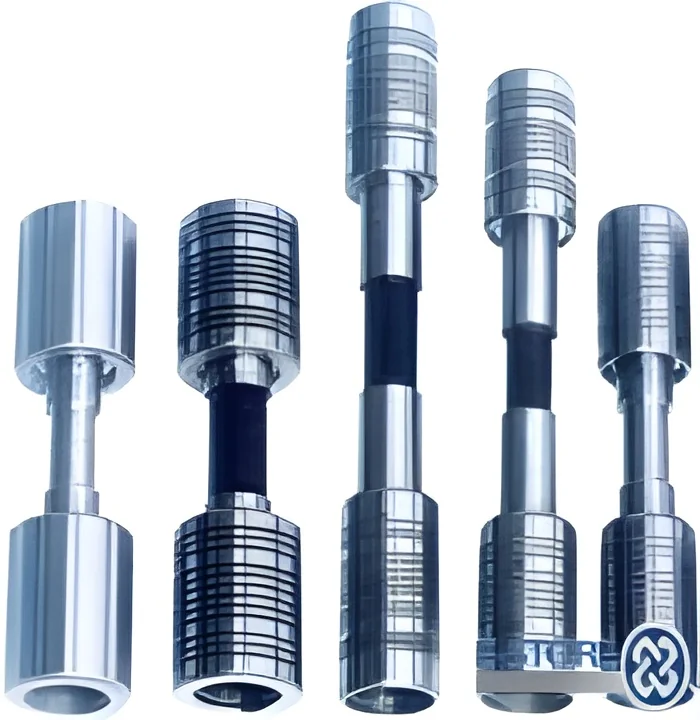
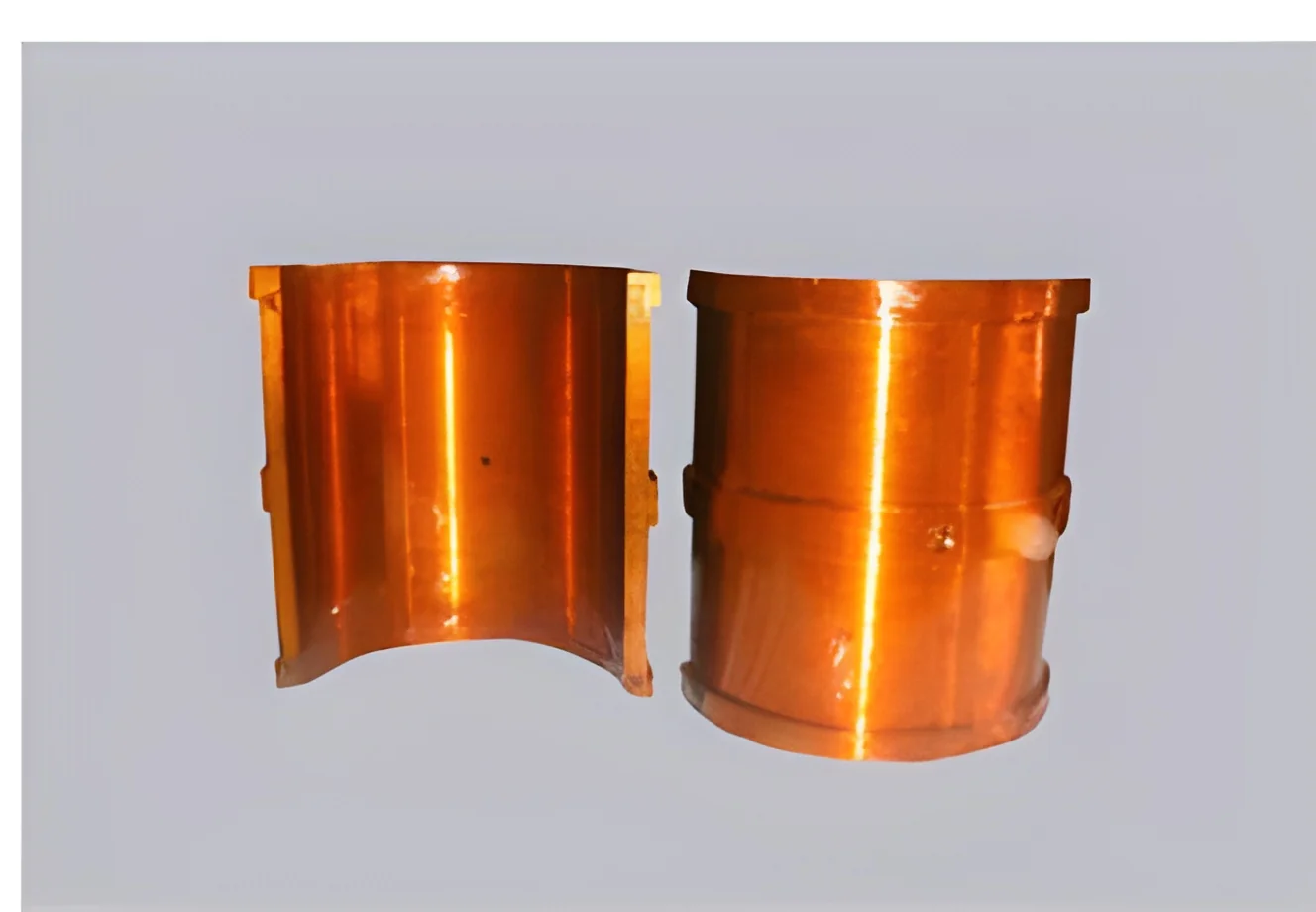
What are Textile Machinery Bearings?
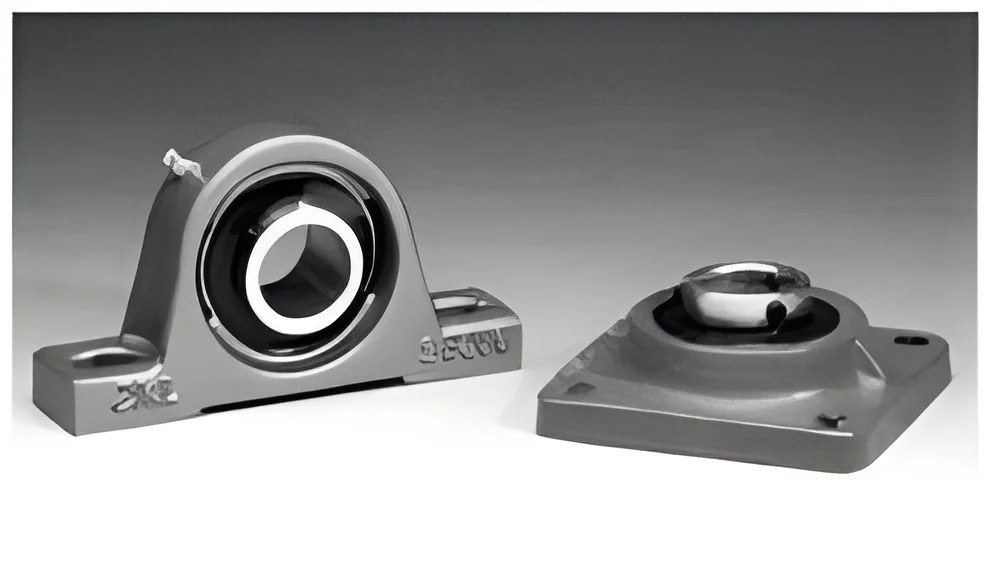
Textile machinery bearings are critical components in the operation of various textile manufacturing equipment. They facilitate smooth rotation and support moving parts, ensuring efficient operation. These bearings are engineered to withstand the unique demands of the textile industry, including high speeds and heavy loads. Their design typically includes features that enhance durability and performance in challenging environments.
The primary applications of textile machinery bearings span across multiple processes in textile production. They are used in spinning, weaving, knitting, and finishing machines. In these settings, bearings ensure that machine components such as spindles, rollers, and shafts function optimally. The relevance of textile machinery bearings in the industry is significant, as they directly impact the productivity and quality of textile products.
As a fundamental component in the textile manufacturing process, the market for textile machinery bearings is evolving. With advancements in technology and increased demand for high-performance materials, manufacturers are continuously improving bearing designs. This evolution is crucial for maintaining competitiveness in the global textile market.
Key Features and Specifications
Textile machinery bearings come with a variety of features that cater to the specific needs of the textile industry. These features ensure that the bearings provide optimal performance and longevity.
Key specifications include:
1. Load Capacity
- Bearings are designed to support various load types, including radial and axial loads.
- Load capacities vary based on size and design, typically ranging from several hundred to thousands of kilograms.
2. Speed Ratings
- Bearings are rated for maximum operational speeds to prevent overheating and premature wear.
- Speed ratings can range from low-speed applications to high-speed textile machinery.
3. Material Composition
- Common materials include chrome steel, stainless steel, and polymer composites, chosen for their strength and corrosion resistance.
- Material selection impacts the bearing's durability and suitability for specific applications.
4. Seal Types
- Textile machinery bearings may come with different seal types to protect against contaminants.
- Seal options include rubber seals, metal shields, and open designs depending on environmental conditions.
5. Noise Levels
- Bearings are designed for low noise operation, which is particularly important in textile manufacturing environments.
- Specifications often include noise level ratings measured in decibels.
6. Temperature Tolerance
- Bearings are engineered to function effectively within a range of temperatures, accommodating the heat generated in textile processes.
- Temperature tolerances vary but typically span from -20°C to +120°C.
7. Lubrication Options
- Textile machinery bearings can be pre-lubricated or designed for relubrication to ensure continuous operation.
- Lubrication methods may include grease or oil systems, depending on application requirements.
8. Compliance Standards
- Many textile machinery bearings meet international quality standards, ensuring reliability and performance.
- Common compliance certifications include CE, which indicates adherence to safety and performance regulations.
In summary, textile machinery bearings are characterized by their robust specifications, which are tailored to meet the rigorous demands of the textile industry. Their design and features play a pivotal role in ensuring efficient manufacturing processes.
Common Applications and Use Cases
Textile machinery bearings are utilized across various sectors within the textile industry.
1. Spinning: In spinning machines, bearings support spindles that twist fibers into yarn. Their reliability is crucial for maintaining consistent tension and quality.
2. Weaving: Weaving machines rely on bearings to facilitate the movement of shuttles and warp beams, ensuring smooth operation and high-speed production.
3. Knitting: In knitting machines, bearings support needles and cams, enabling precise stitching patterns and reducing downtime from mechanical failures.
4. Dyeing: Bearings in dyeing machines must withstand harsh chemicals while maintaining performance, ensuring that fabrics are treated effectively without damage.
5. Finishing: In finishing processes, bearings support rollers that apply treatments to fabrics, enhancing texture and appearance.
6. Nonwoven Fabric Production: Bearings are essential in machines that produce nonwoven fabrics, providing the necessary support for high-speed operations.
7. Textile Printing: In printing machines, bearings ensure that print heads move accurately, resulting in high-quality print finishes.
Product Variants and Subcategories
Textile machinery bearings are available in various forms to cater to specific applications and requirements.
Deep Groove Ball Bearings
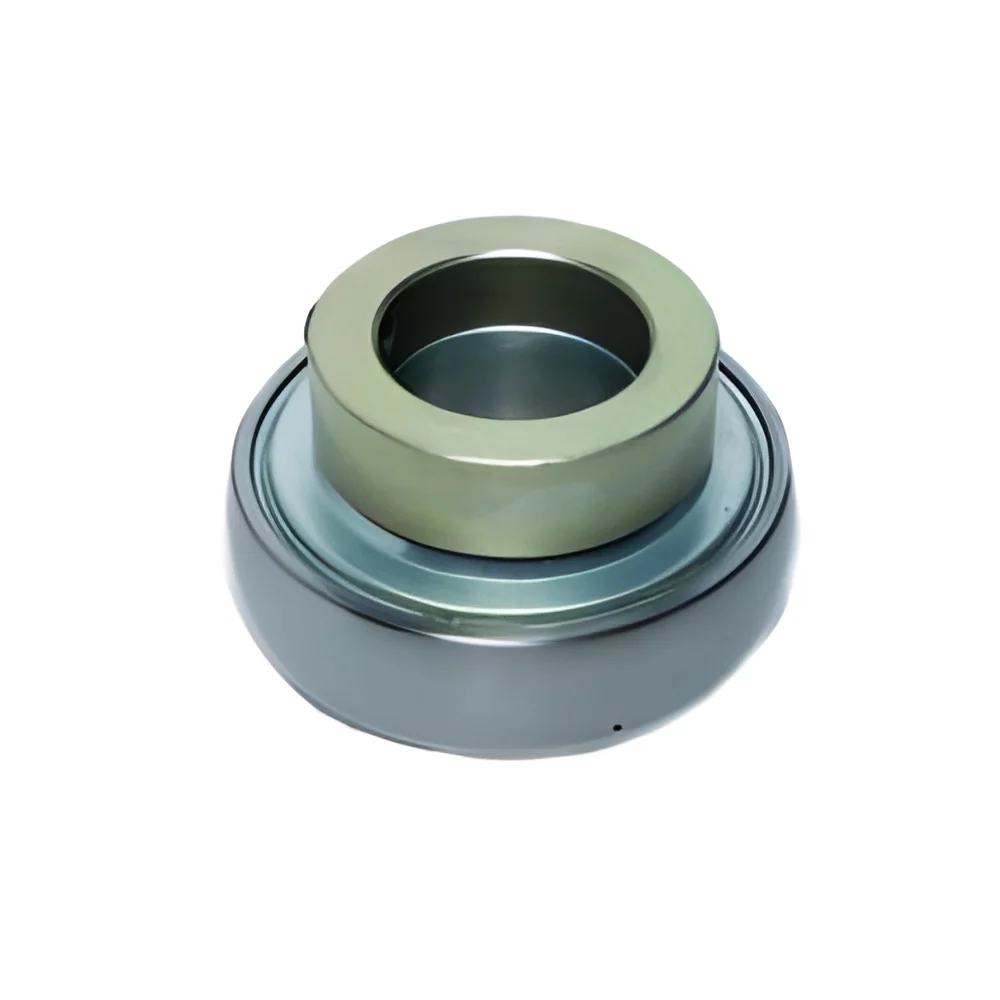
These bearings are commonly used in textile machinery due to their versatility and ability to handle radial and axial loads. They offer low friction and high-speed capabilities, making them suitable for numerous applications in the textile sector.
Self-Aligning Ball Bearings
Designed to accommodate misalignment, these bearings are ideal for textile machinery that experiences shaft deflections. Their design ensures smooth operation even under challenging conditions, contributing to extended service life.
Cylindrical Roller Bearings
These bearings are robust and capable of supporting heavy radial loads. They are often used in large textile machines, providing high load capacities and durability.
Spherical Roller Bearings
With the ability to handle both radial and axial loads, spherical roller bearings are used in applications where misalignment may occur. Their design enhances performance in demanding textile environments.
Benefits and Advantages
Textile machinery bearings provide numerous advantages that contribute to efficient manufacturing processes.
Key benefits include:
1. Enhanced Performance: Bearings facilitate smooth operation, which leads to increased productivity in textile machinery.
2. Durability: High-quality materials and design features ensure a longer lifespan, reducing the frequency of replacements and maintenance.
3. Reduced Downtime: Reliable bearings minimize the risk of mechanical failures, ensuring uninterrupted manufacturing operations.
4. Noise Reduction: Low noise levels during operation contribute to a better working environment in textile production facilities.
5. Customization: Many suppliers offer customization options to meet specific operational needs, enhancing efficiency.
6. Compliance Assurance: Sourcing certified bearings helps ensure adherence to industry standards and regulations, promoting safety and reliability.
Buying Guide for B2B Buyers
When sourcing textile machinery bearings, it is essential to consider several key factors to make informed purchasing decisions.
1. Quality Assessment: Evaluate the quality of bearings based on materials, manufacturing processes, and compliance with relevant standards. Look for certifications that indicate high reliability.
2. Supplier Verification: Vet suppliers to ensure they have a proven track record in providing quality products. Consider their reputation, customer reviews, and industry experience.
3. Pricing and MOQ: Compare the pricing of different suppliers and understand their minimum order quantities. This helps in budgeting and ensures that you get the best value for your investment.
4. Delivery and Lead Times: Inquire about the estimated delivery times and logistics capabilities of suppliers. Timely delivery is crucial for maintaining production schedules.
5. Compliance Requirements: Ensure that the bearings meet all necessary industry compliance requirements. This includes understanding regional regulations and safety standards.
Compliance and Certifications
Textile machinery bearings must adhere to various quality standards to ensure their reliability and performance in demanding industrial environments.
Relevant quality standards, such as ISO 9001, ensure that manufacturing processes are consistently monitored and improved. This certification reflects a commitment to quality management principles, which is crucial for maintaining high operational standards.
Industry certifications like CE indicate that the products meet European safety and health standards. These certifications assure buyers of the product's reliability and safety for use in textile machinery.
Additionally, safety and testing requirements are essential for ensuring that bearings can withstand the rigors of textile operations. Regular testing for performance and durability helps manufacturers identify any potential issues before they impact production.
Regional compliance considerations should also be taken into account, as different areas may have specific regulations regarding materials and manufacturing practices. Understanding these requirements is vital for companies operating in multiple regions.
Why Source Textile Machinery Bearings from Pepagora?
Pepagora offers a trusted platform for sourcing textile machinery bearings, providing several key advantages to B2B buyers.
Verified Supplier Network: Pepagora maintains a rigorous vetting process for suppliers, ensuring that only those with proven reliability and quality are included in the network. This gives buyers confidence in their sourcing decisions.
Streamlined RFQ Process: The request for quotation system on Pepagora simplifies the procurement process. Buyers can easily request quotes from multiple suppliers, allowing for comparison and selection based on specific needs.
Trade Assurance and Support: With trade assurance policies in place, buyers are protected throughout the procurement process. This includes support for any disputes or issues that may arise during transactions.
Regional Coverage: Pepagora has a broad geographic reach, covering regions such as India, the GCC, and Southeast Asia. This allows buyers to access a wide variety of suppliers and products, catering to diverse needs in the textile machinery sector.

 IN
IN