What are Thin Section Bearings?
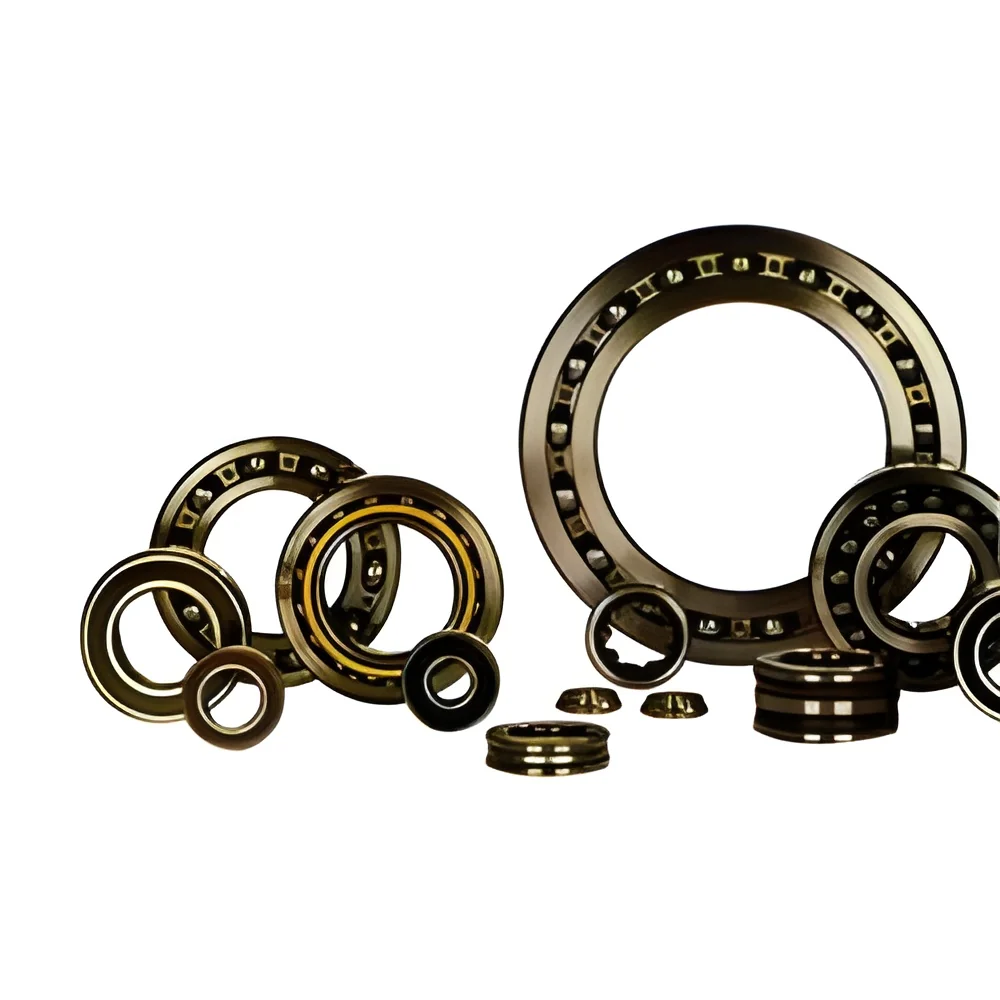
Thin section bearings are specialized types of rolling element bearings that are designed to have a small cross-sectional thickness. Their unique design allows them to support both radial and axial loads while taking up minimal space. This makes them ideal for applications where space is constrained, allowing for more compact designs. Thin section bearings are often made from high-quality materials to ensure durability and performance under various conditions.
These bearings are widely used across numerous industries, including aerospace, robotics, medical equipment, and precision machinery. Their ability to operate efficiently in tight spaces makes them invaluable for high-performance applications, such as in robotic arms or precision measuring instruments. In a competitive market, thin section bearings are essential for manufacturers looking to enhance the functionality of their products while maintaining a compact design.
Key Features and Specifications
Thin section bearings come with a range of features and specifications that cater to different applications. They are engineered to provide high performance, low friction, and long service life.
Key specifications include:
1. Outer Diameter
- This specification defines the overall diameter of the bearing.
- Ranges can vary based on application, typically from a few millimeters to several hundred millimeters.
2. Inner Diameter
- This refers to the internal diameter where the shaft fits.
- Sizes are often customized to match specific shaft dimensions.
3. Width
- The width of the bearing is crucial for ensuring strength and load capacity.
- Typically ranges from a few millimeters to over 50 millimeters.
4. Load Capacity
- Indicates the maximum load the bearing can support.
- Varies based on design and dimensions, with values often specified in Newtons.
5. Speed Rating
- This shows the maximum operational speed of the bearing.
- Speed ratings can range from low RPM to thousands of RPM depending on the application.
6. Material
- Common materials include stainless steel and ceramic, chosen for their strength and corrosion resistance.
- Material selection is based on environmental conditions and load requirements.
7. Seal Type
- Determines the type of sealing used to protect against contaminants.
- Options include open, shielded, or sealed designs.
8. Temperature Range
- Indicates the operational temperature limits of the bearings.
- Data for specific temperature ranges is not available, but they are generally designed to withstand a variety of conditions.
In summary, thin section bearings provide a combination of compact design and robust performance, making them suitable for a wide range of applications.
Common Applications and Use Cases
Thin section bearings are utilized across various industries, showcasing their versatility and efficiency.
1. Aerospace: These bearings are critical in aircraft components, where lightweight and compact solutions are necessary for high-performance systems.
2. Robotics: Thin section bearings enable smooth and precise movements in robotic joints and arms, improving the overall efficiency of robotic applications.
3. Medical Equipment: In surgical devices and imaging systems, these bearings provide reliable performance while occupying minimal space.
4. Automotive: Found in electric motors and precision instruments, thin section bearings contribute to enhanced performance and reliability in automotive applications.
5. Industrial Machinery: Used in conveyor systems and high-speed spindles, they support efficient operation in manufacturing processes.
6. Optical Equipment: Thin section bearings are essential in camera lenses and microscopes, allowing for precise adjustments and movements.
7. Semiconductor Manufacturing: They are used in equipment requiring high precision and minimal space, ensuring the reliability of semiconductor devices.
Product Variants and Subcategories
Thin section bearings come in various designs to accommodate different applications and requirements.
Radial Type Thin Section Bearings
These bearings are designed to support radial loads and are ideal for applications requiring high stiffness and low friction. They are commonly used in machines where rotational motion is essential.
Angular Contact Thin Section Bearings
These are engineered to handle both axial and radial loads simultaneously. They are suitable for applications where precision and high-speed operation are crucial, such as in robotics or aerospace systems.
Crossed Roller Thin Section Bearings
These bearings feature cylindrical rollers arranged in a crossed pattern, providing high load capacity and rigidity. They are often used in applications that require high precision, such as in medical imaging equipment.
Benefits and Advantages
Thin section bearings offer several key benefits that make them a preferred choice in various applications.
1. Space Efficiency: Their compact design allows for the integration into tight spaces without compromising performance.
2. Versatility: Thin section bearings can support multiple load orientations, making them suitable for a variety of applications.
3. Low Friction: They are designed to minimize friction, which enhances operational efficiency and reduces wear.
4. High Precision: These bearings provide accurate movement, which is essential for high-performance applications.
5. Durability: Made from high-quality materials, they are built to withstand harsh conditions and offer long service life.
6. Weight Reduction: Their lightweight design contributes to overall weight savings in applications such as aerospace and robotics.
Buying Guide for B2B Buyers
When sourcing thin section bearings, several factors should be taken into account to ensure the best fit for your needs.
1. Quality Assessment: Look for bearings that meet industry standards and specifications. Assess the materials used and the manufacturing process to ensure reliability.
2. Supplier Verification: Vet suppliers by checking their reputation and customer feedback. Ensure they have a track record of delivering quality products.
3. Pricing and MOQ: Understand the pricing structure, including minimum order quantities. This helps in budgeting and inventory planning.
4. Delivery and Lead Times: Consider the logistics involved in the procurement process. Confirm lead times and shipping options to avoid delays in production.
5. Compliance Requirements: Ensure that the bearings meet relevant regulatory and industry compliance standards. This may include certifications such as CE and ISO.
Compliance and Certifications
Thin section bearings must adhere to various quality standards and certifications to ensure safety and reliability. Commonly recognized standards include ISO 9001, which emphasizes quality management systems, ensuring that manufacturers maintain high-quality production processes.
Additionally, certifications such as CE indicate that the products meet European safety, health, and environmental protection standards. Compliance with these standards is crucial for industries such as aerospace and medical equipment, where safety is paramount.
It is also important to consider safety and testing requirements that may apply based on the specific application of the bearings. Regional compliance considerations may vary, so it is essential to stay informed about the regulations applicable to your area and industry.
Why Source Thin Section Bearings from Pepagora?
Pepagora provides a trusted platform for sourcing thin section bearings, offering several key advantages for B2B buyers.
Verified Supplier Network: Pepagora has a comprehensive network of verified suppliers, ensuring that buyers can access high-quality products. This reduces the risk associated with sourcing and enhances confidence in procurement.
Streamlined RFQ Process: The request for quotation (RFQ) process on Pepagora is designed to be efficient, allowing buyers to quickly receive competitive quotes from multiple suppliers. This simplifies the decision-making process.
Trade Assurance and Support: Buyers on Pepagora benefit from trade assurance measures that protect their investments. The platform provides support to ensure smooth transactions and addresses any concerns that may arise.
Regional Coverage: With a strong presence in regions such as India, the GCC, and Southeast Asia, Pepagora enables buyers to access a wide range of thin section bearings tailored to their specific needs. This geographic reach enhances accessibility and convenience for businesses operating in diverse markets.

 IN
IN