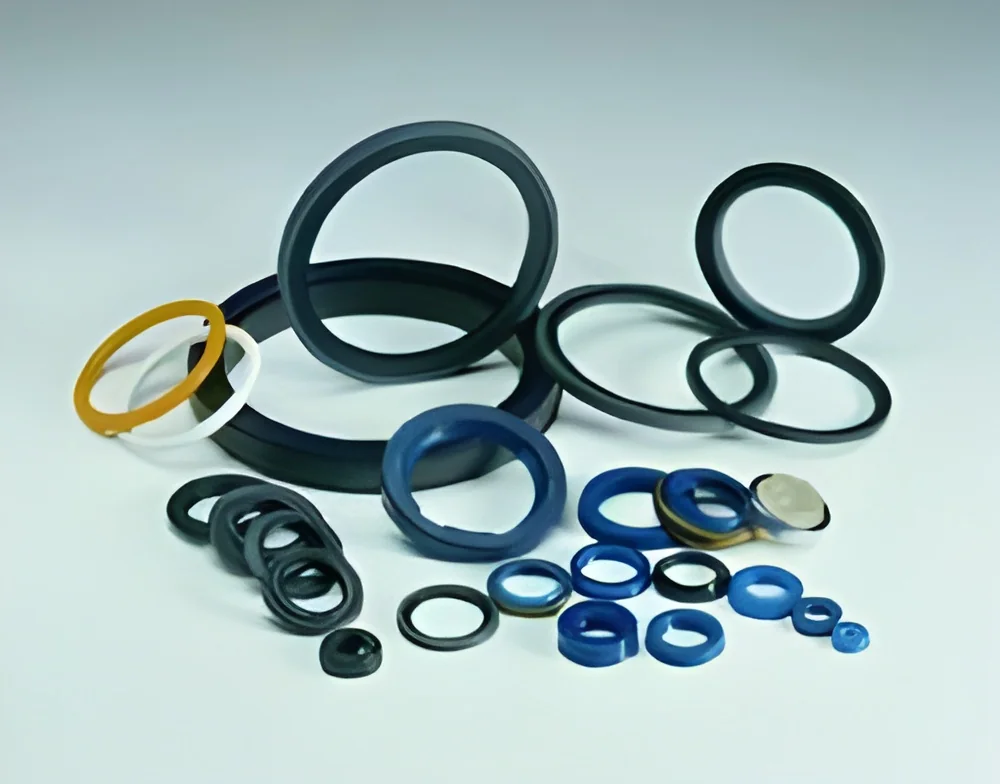
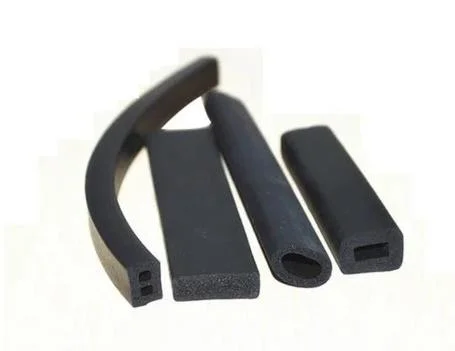
What are O-Rings (Nitrile, Viton, Silicone)?
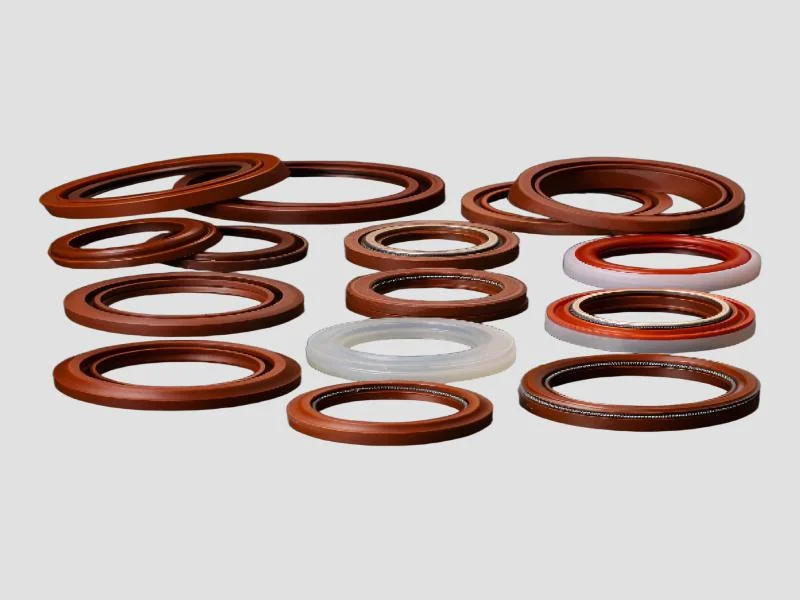
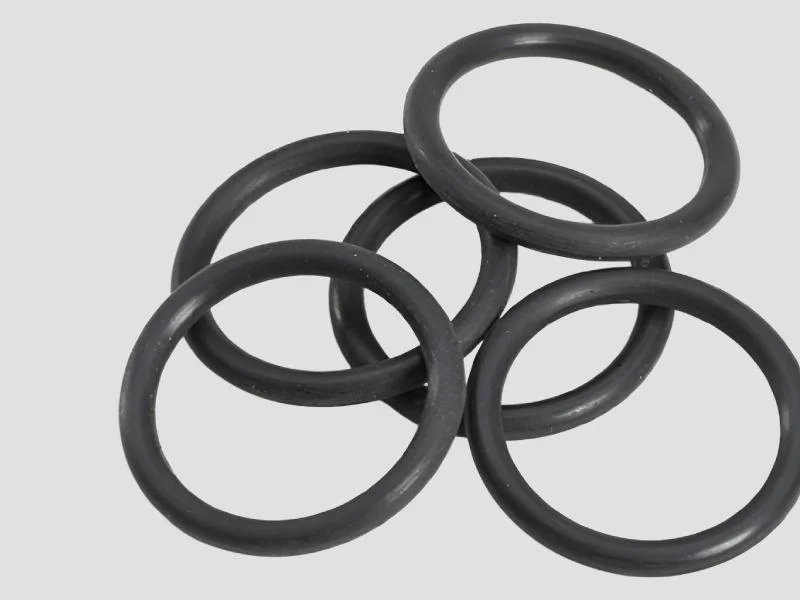
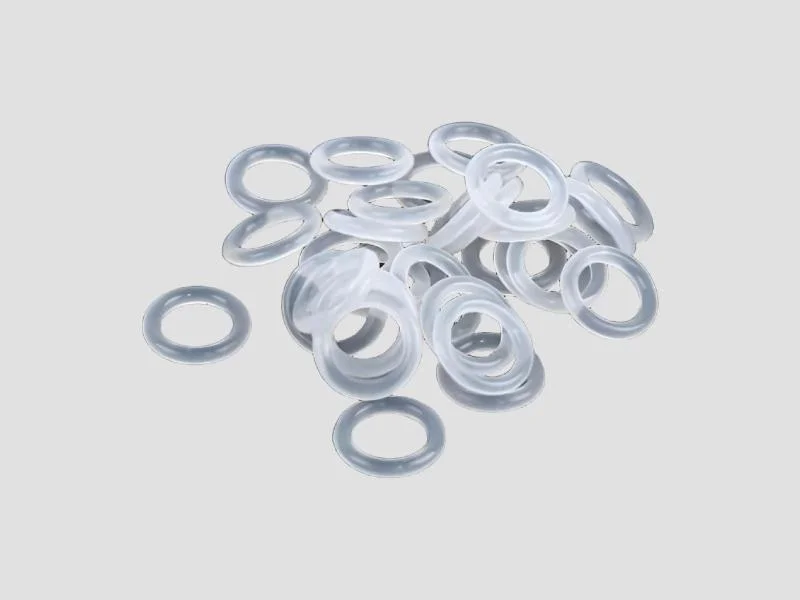
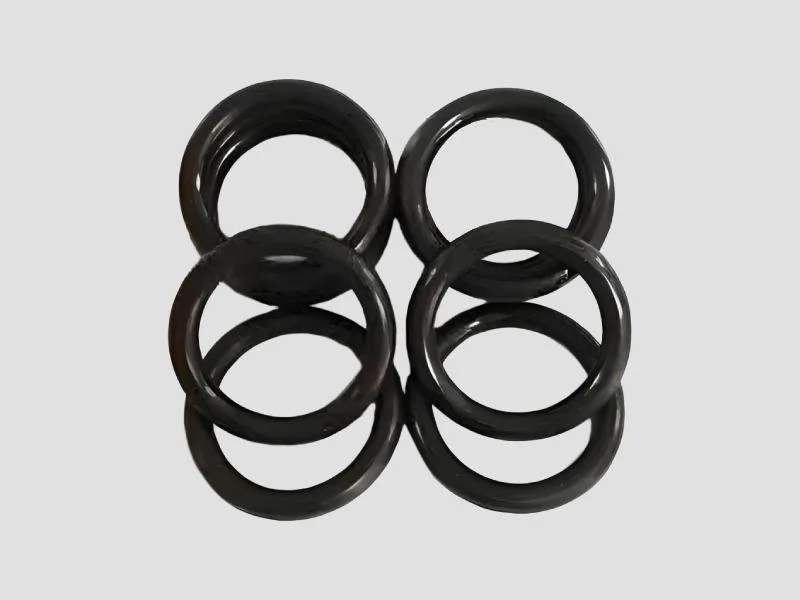
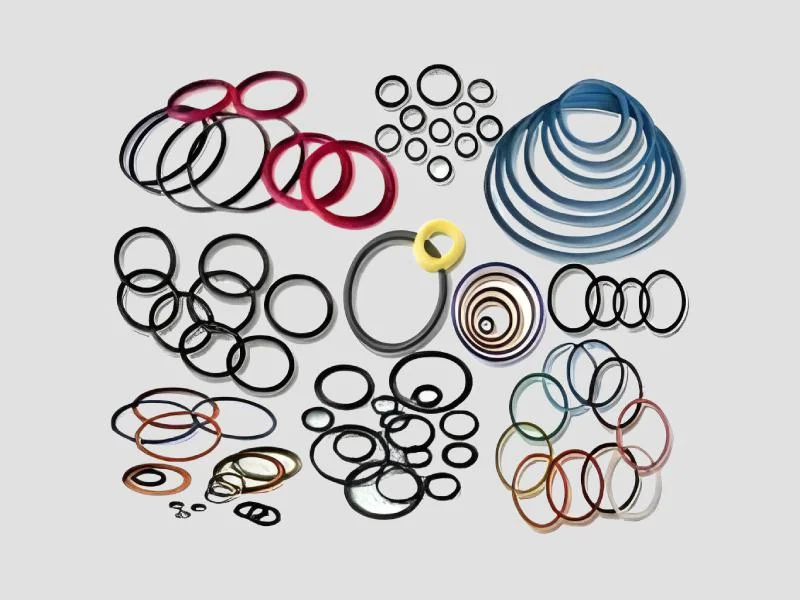
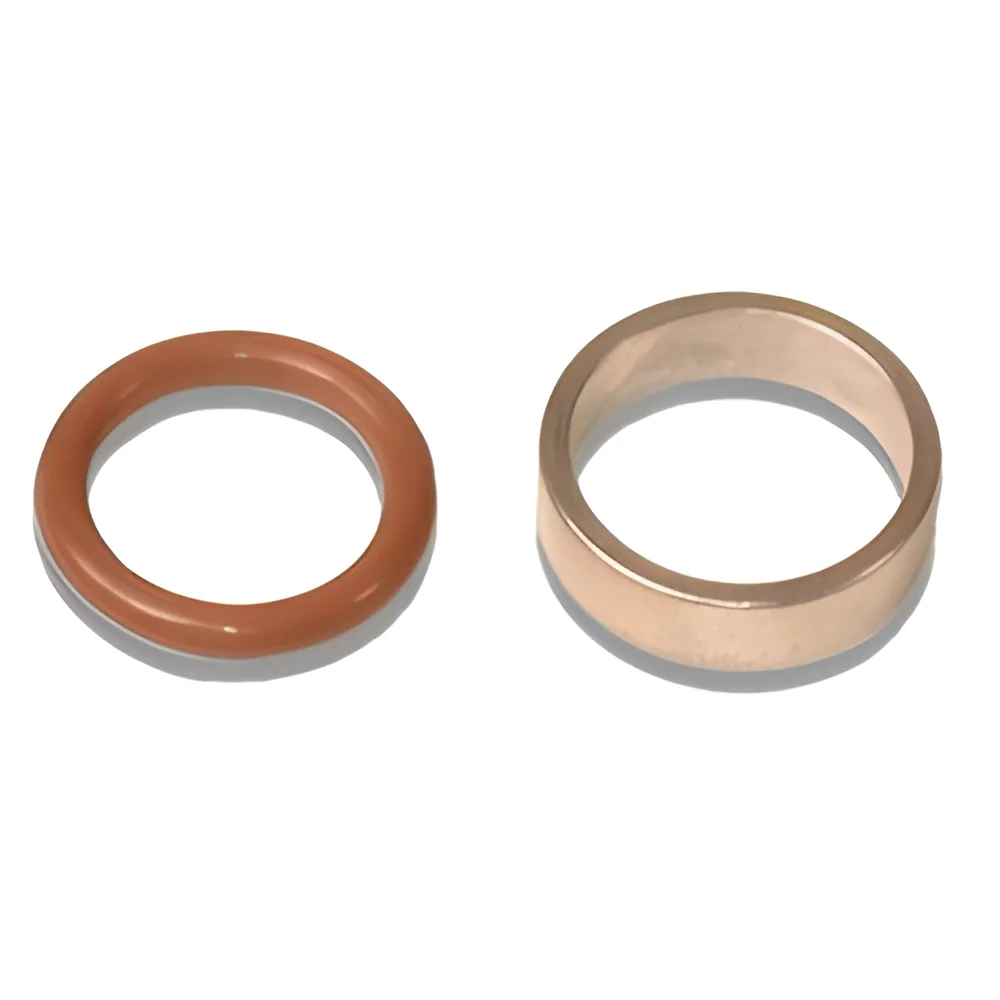
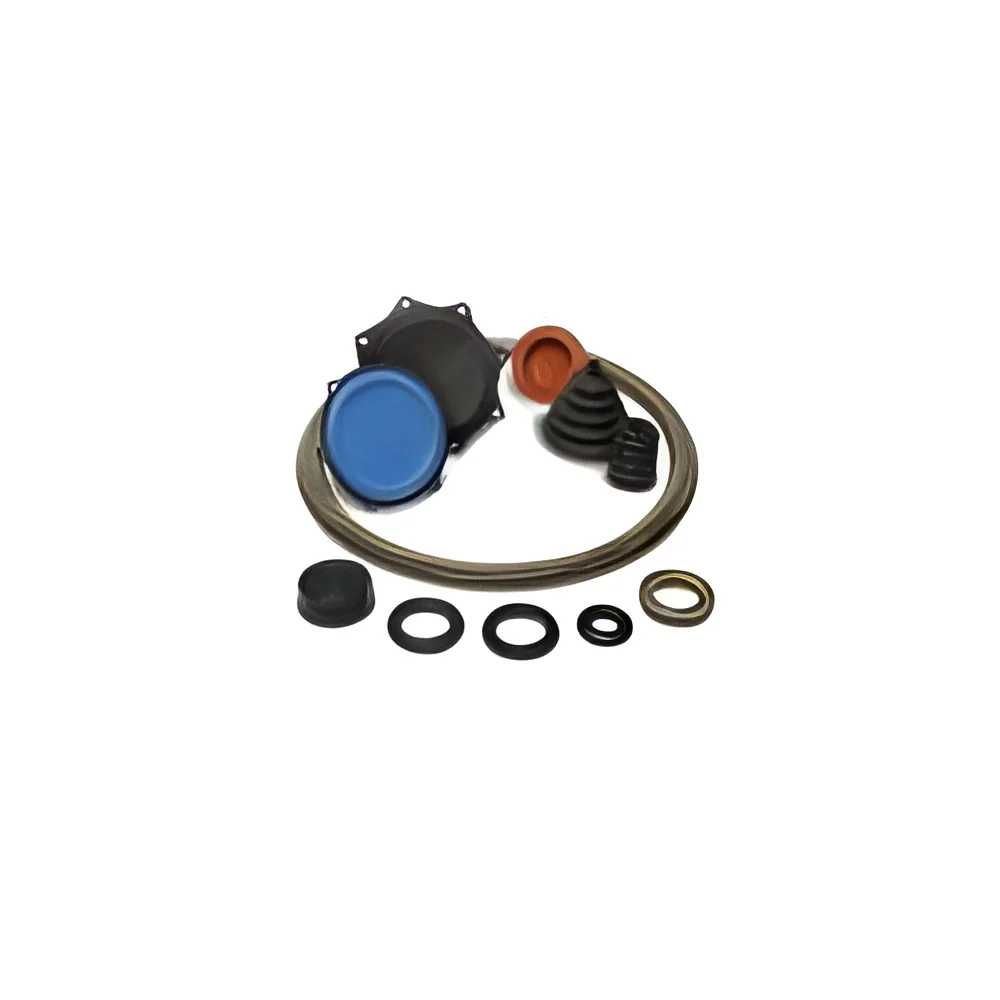
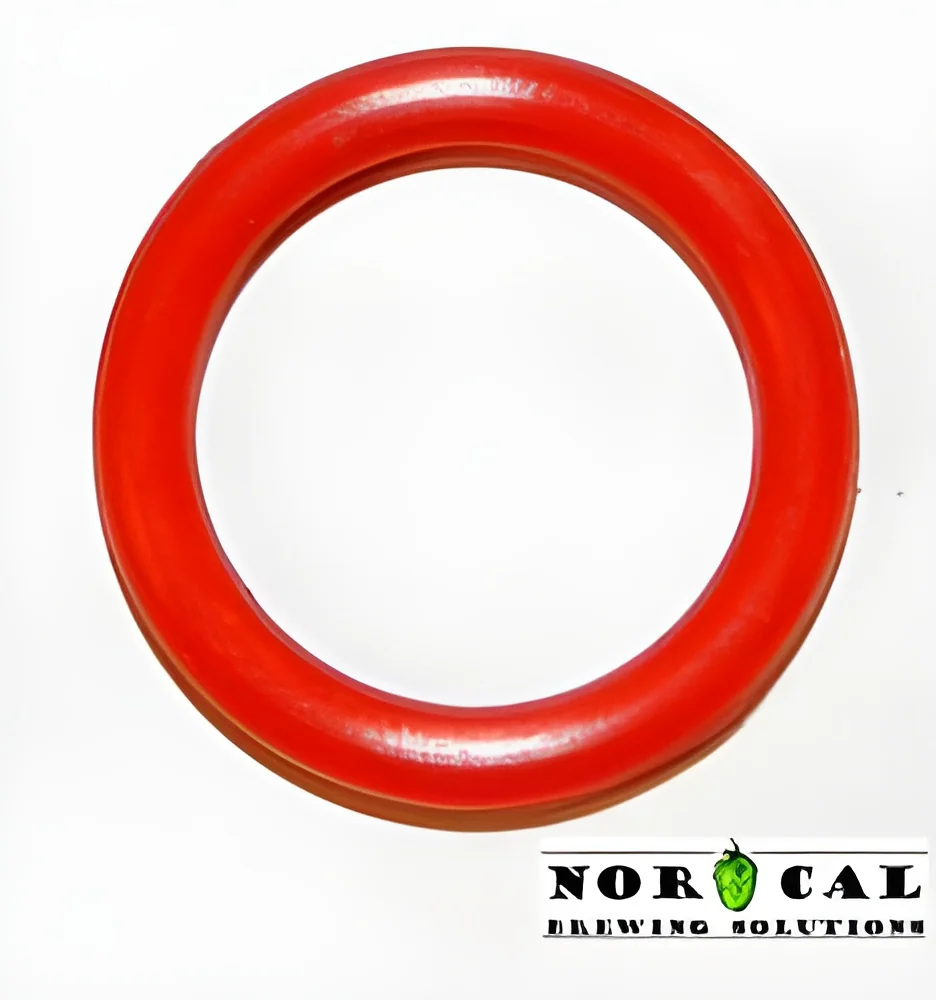
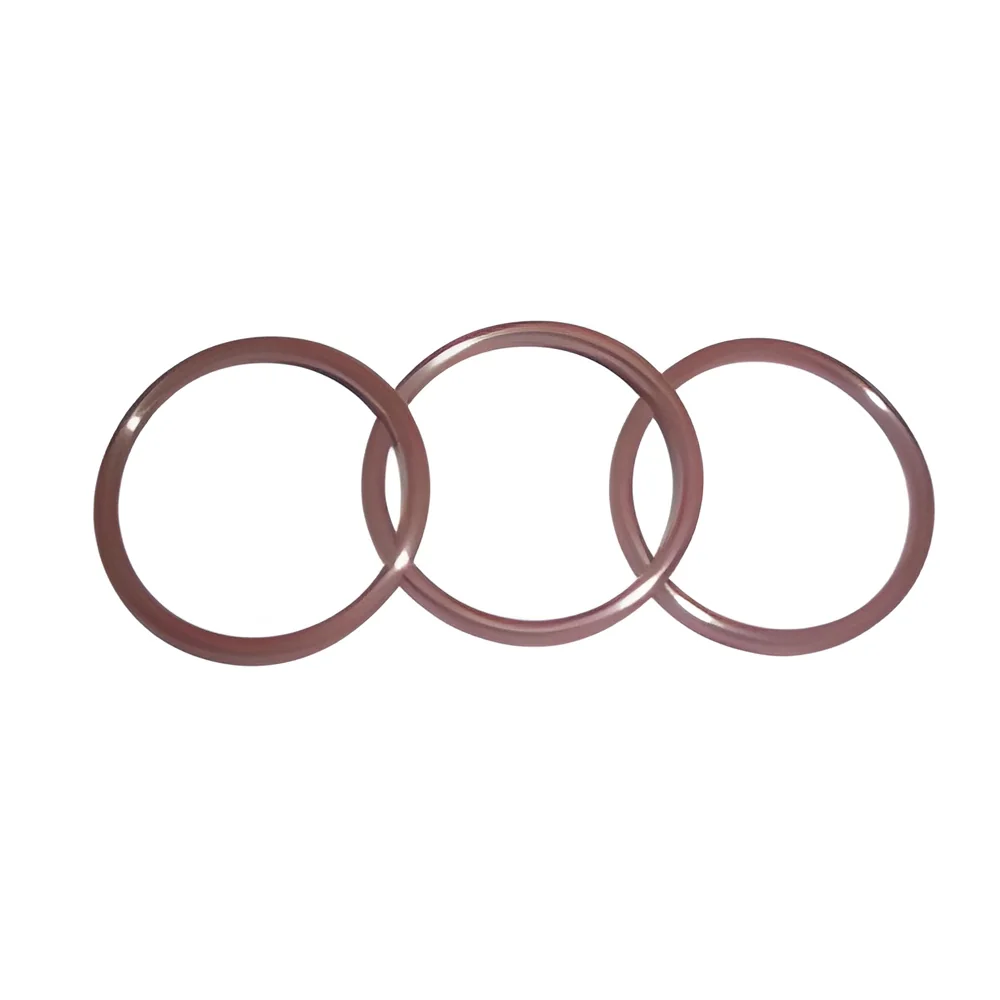
O-Rings are circular seals designed to prevent the leakage of fluids or gases in various applications. They are manufactured from different materials, including Nitrile, Viton, and Silicone, each offering unique properties suitable for specific environments. Nitrile O-Rings are known for their resistance to oil and fuel, while Viton O-Rings provide superior chemical resistance and high-temperature stability. Silicone O-Rings are valued for their flexibility and ability to withstand extreme temperatures.
These seals play a crucial role in many industries, including automotive, aerospace, and manufacturing. They are commonly used in hydraulic and pneumatic systems, automotive engines, and household appliances. Their ability to create a tight seal makes them essential in applications where preventing leaks is critical. Given their versatility and reliability, O-Rings are an integral component in ensuring the safety and efficiency of various industrial operations.
In the current market, the demand for O-Rings continues to grow as industries seek to improve their operational efficiency and reduce maintenance costs. With advancements in material science, manufacturers are able to produce O-Rings that meet stringent performance standards. This positions O-Rings as a key component in modern engineering and manufacturing solutions.
šš²š šš²š®šššæš²š š®š»š± š¦š½š²š°š¶š³š¶š°š®šš¶š¼š»š
O-Rings are engineered to meet specific performance criteria, ensuring they function effectively in a variety of environments. The following key specifications detail the characteristics that buyers should consider when selecting O-Rings.
Key specifications include:
1. Material Type
- Nitrile: Excellent oil and fuel resistance
- Viton: Superior chemical resistance and high temperature stability
- Silicone: Flexibility and extreme temperature tolerance
2. Hardness Range
- Measured in durometers, typically between 40 to 90
- Allows for the selection of O-Rings based on application requirements
3. Temperature Resistance
- Nitrile: Up to 120°C (248°F)
- Viton: Up to 200°C (392°F)
- Silicone: Up to 230°C (446°F)
4. Pressure Ratings
- Suitable for low to high-pressure applications
- Varies based on material and installation conditions
5. Size Range
- Available in numerous standard sizes
- Custom sizes can be produced based on specific needs
6. Chemical Compatibility
- Varies by material; Nitrile is not suitable for polar solvents, while Viton handles a wider range
7. Aging Characteristics
- Resistance to heat, ozone, and weathering, particularly important for outdoor applications
8. Surface Finish
- Options for smooth or rough finishes, affecting sealing performance and wear
In summary, understanding these specifications helps buyers choose the most appropriate O-Rings for their applications, ensuring optimal performance and longevity.
šš¼šŗšŗš¼š» šš½š½š¹š¶š°š®šš¶š¼š»š š®š»š± šØšš² šš®šš²š
O-Rings serve a wide range of industries and applications, showcasing their versatility and functionality.
1. Automotive: O-Rings are used in engines, fuel systems, and transmission systems to prevent leaks and ensure proper sealing under varying conditions.
2. Aerospace: These seals are critical in hydraulic systems and fuel systems, where they must withstand extreme temperatures and pressures.
3. Manufacturing: O-Rings are utilized in machinery and equipment to seal joints and prevent fluid loss during operation.
4. Oil and Gas: They are essential in drilling and refinery operations, where they provide seals for pipes and valves under high pressure.
5. Medical Devices: O-Rings are found in various medical equipment, ensuring sterile environments by preventing leaks in critical applications.
6. Food and Beverage: They are used in processing equipment to ensure compliance with health standards while maintaining product integrity.
7. HVAC Systems: O-Rings are employed in compressors and pumps to maintain pressure and efficiency in heating and cooling systems.
š£šæš¼š±šš°š š©š®šæš¶š®š»šš š®š»š± š¦ššÆš°š®šš²š“š¼šæš¶š²š
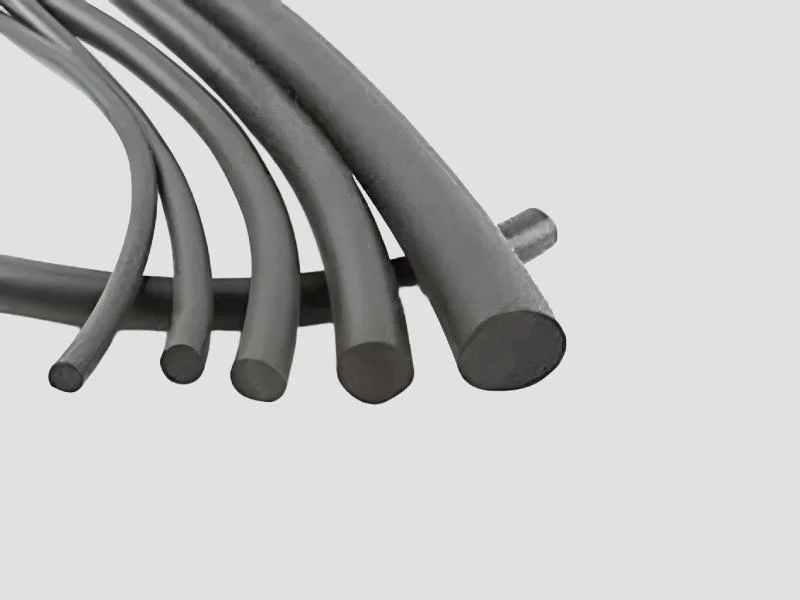
O-Rings are available in various materials and designs, catering to diverse industrial needs.
Nitrile O-Rings: These are widely used in applications involving oils, fuels, and other petroleum-based fluids. They offer good mechanical properties and are cost-effective, making them a popular choice in the automotive and manufacturing sectors.
Viton O-Rings: Known for their superior chemical resistance, Viton O-Rings are ideal for applications involving aggressive chemicals and high temperatures. They are commonly used in the aerospace and oil industries.
Silicone O-Rings: These O-Rings are preferred in applications requiring flexibility and resistance to extreme temperature fluctuations. They are often found in medical devices and food processing equipment.
šš²š»š²š³š¶šš š®š»š± šš±šš®š»šš®š“š²š
Choosing the right O-Rings can provide significant advantages to businesses.
1. Enhanced Sealing Performance: O-Rings provide reliable seals that prevent leaks, ensuring efficient operation of machinery and systems.
2. Cost Efficiency: Their durability reduces the need for frequent replacements, leading to lower maintenance costs.
3. Versatility: Available in multiple materials, O-Rings can be used in various environments, from automotive to aerospace.
4. Customization: O-Rings can be manufactured to specific dimensions and materials, allowing for tailored solutions to meet unique application requirements.
5. Safety Assurance: High-quality O-Rings contribute to the safety of industrial operations by preventing leaks that could lead to hazardous situations.
6. Regulatory Compliance: Sourcing O-Rings that meet industry standards ensures compliance with safety and quality regulations.
šššš¶š»š“ ššš¶š±š² š³š¼šæ šš®š šššš²šæš
When sourcing O-Rings (Nitrile, Viton, Silicone), it is crucial for B2B buyers to consider several factors to make informed decisions.
1. Quality Assessment: Evaluate the quality of O-Rings based on material specifications and industry standards. Ensure that the products have undergone rigorous testing and meet relevant certifications.
2. Supplier Verification: Choose suppliers with a proven track record in the industry. Verify their credentials, including certifications and customer testimonials, to ensure reliability.
3. Pricing and MOQ: Compare pricing among different suppliers while considering minimum order quantities (MOQ). Factor in the total cost of ownership, including potential shipping and handling fees.
4. Delivery and Lead Times: Assess the supplier's ability to meet your delivery schedules. Timely delivery is critical to maintaining operational efficiency.
5. Compliance Requirements: Ensure that the O-Rings meet necessary regulatory and safety standards pertinent to your industry. This helps mitigate risks associated with non-compliance.
šš¼šŗš½š¹š¶š®š»š°š² š®š»š± šš²šæšš¶š³š¶š°š®šš¶š¼š»š
O-Rings must adhere to various quality standards to ensure reliability and safety. Key standards include ISO 9001, which focuses on quality management systems, and CE certification, indicating conformity with European health, safety, and environmental protection standards.
Manufacturers may also need to comply with industry-specific standards such as HACCP for food safety and GDP for pharmaceutical applications. These certifications demonstrate a commitment to quality and safety, essential for gaining customer trust.
Testing requirements often include assessments for chemical resistance, temperature tolerance, and mechanical properties. Additionally, regional compliance considerations may impact sourcing decisions, especially for businesses operating in multiple countries.
Why Source O-Rings (Nitrile, Viton, Silicone) from Pepagora?
Pepagora is a trusted platform for sourcing O-Rings (Nitrile, Viton, Silicone) that offers several key advantages for B2B buyers.
Verified Supplier Network: Pepagora connects buyers with verified suppliers, ensuring that all listed products meet industry standards for quality and reliability. This reduces the risk associated with sourcing from unknown entities.
Streamlined RFQ Process: The request for quotation (RFQ) process on Pepagora is designed to be efficient and user-friendly. Buyers can easily compare quotes from multiple suppliers, allowing for informed purchasing decisions.
Trade Assurance and Support: Pepagora provides buyer protection through trade assurance, ensuring that orders are fulfilled as promised. This support builds confidence in the sourcing process.
Regional Coverage: Pepagora's geographic reach spans India, the GCC, and Southeast Asia, making it easier for businesses to find local suppliers as well as international options. This extensive network facilitates timely deliveries and reduces logistical challenges.