What are Deep Groove Ball Bearings?
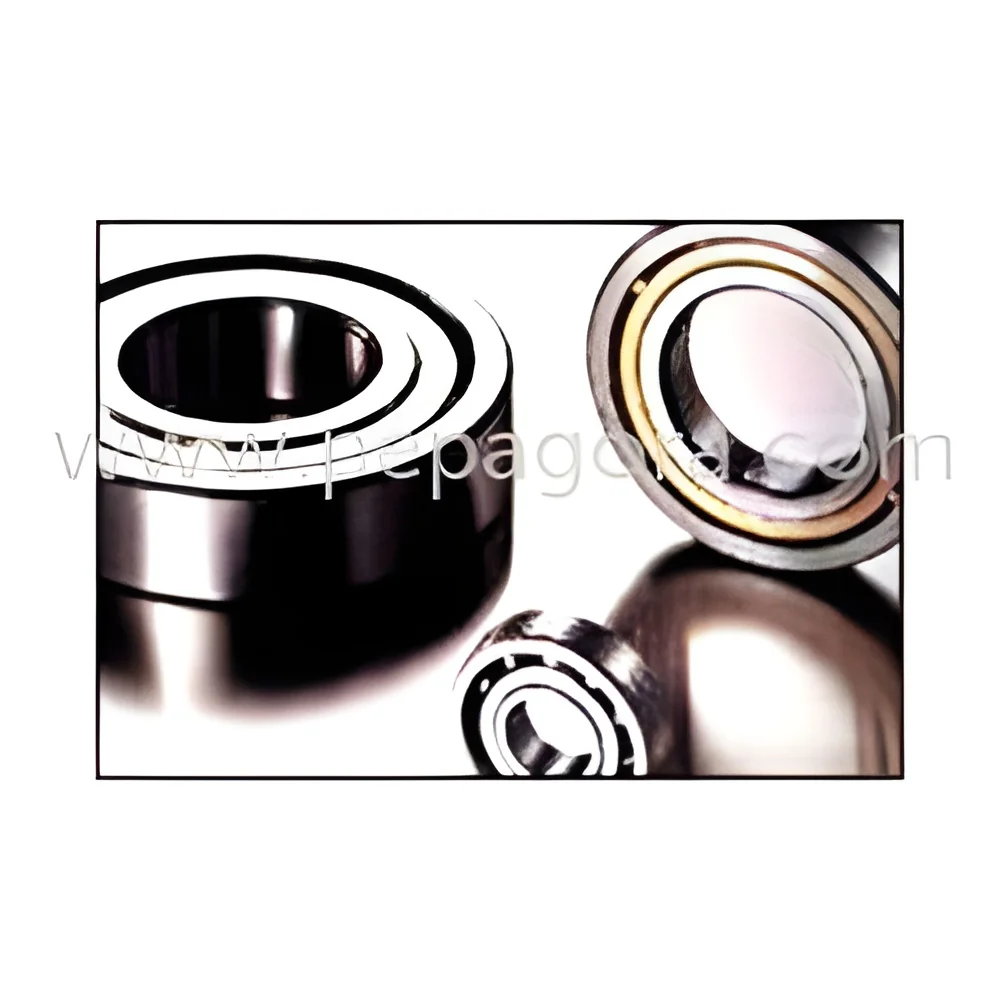
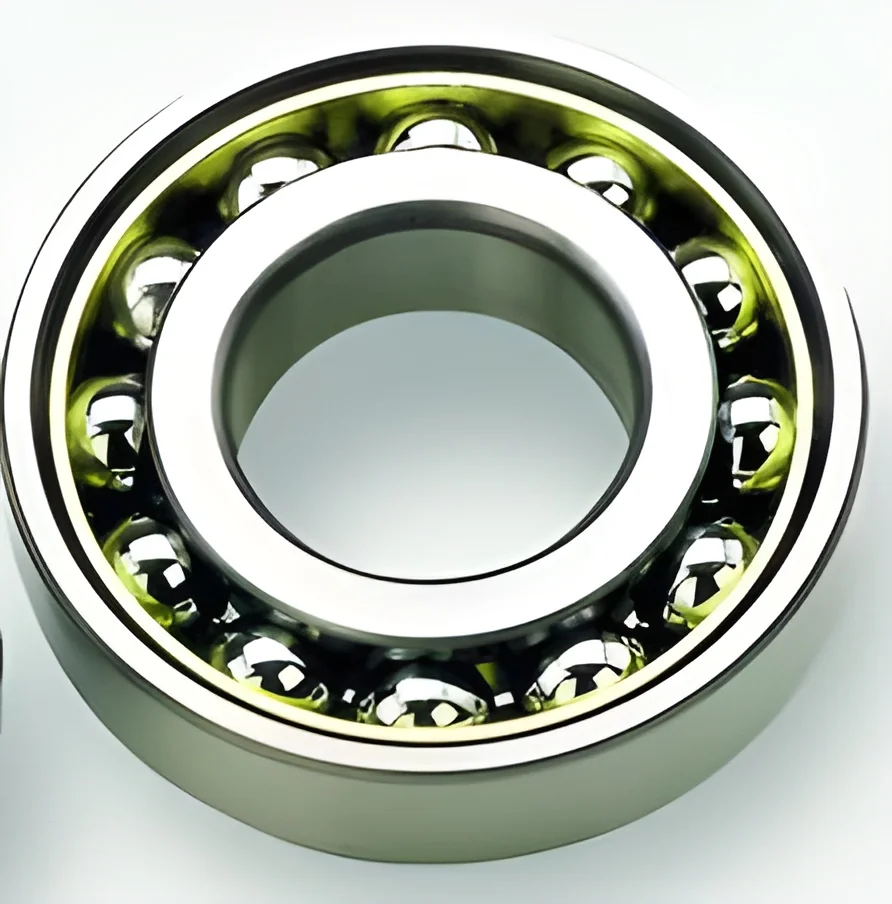
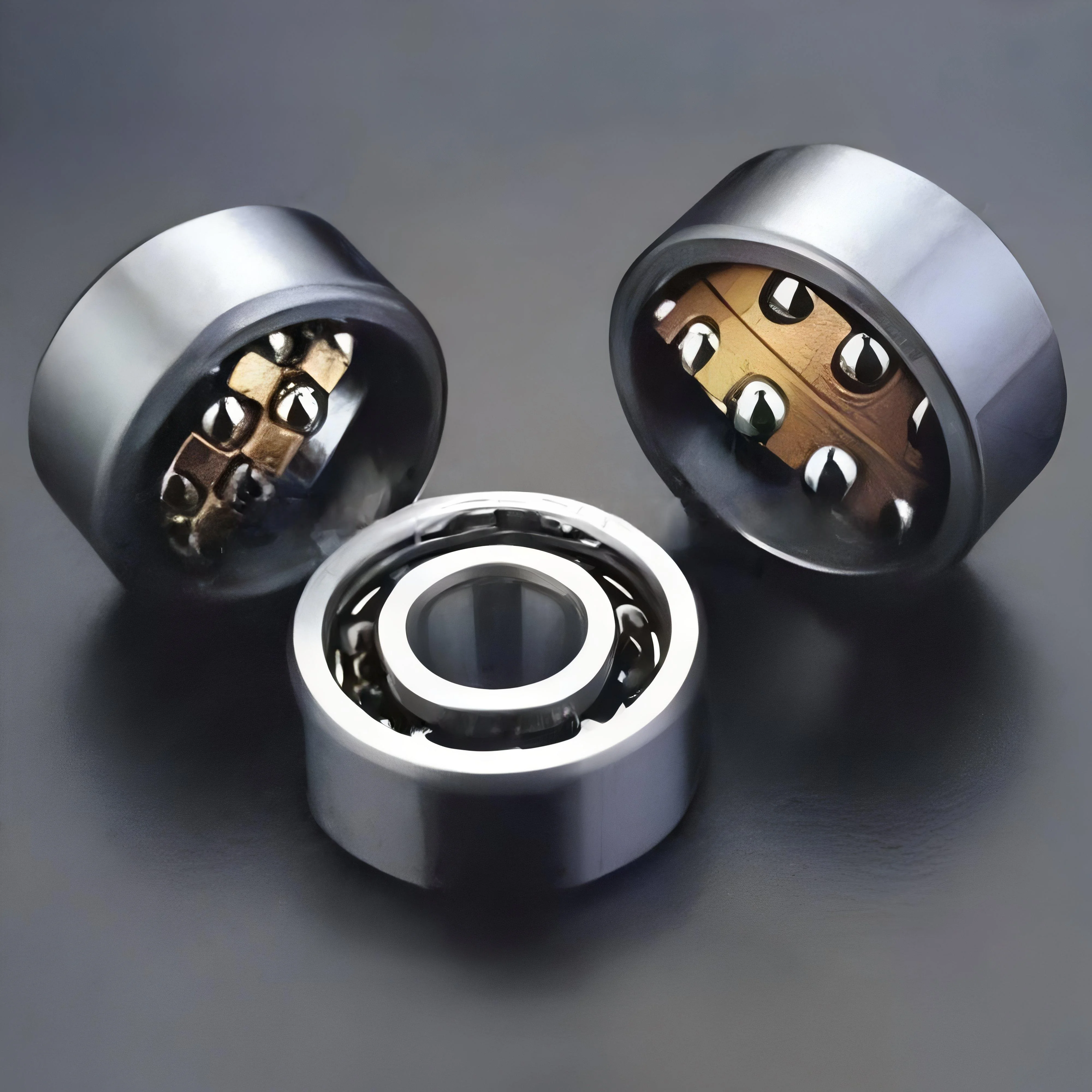
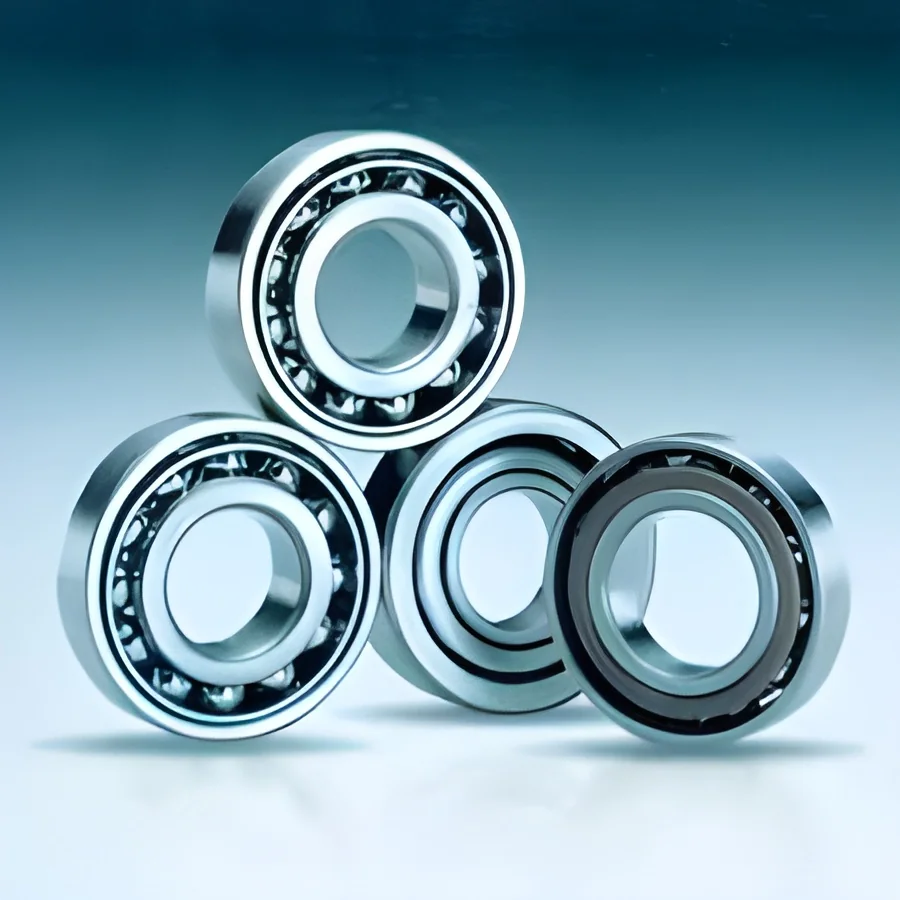
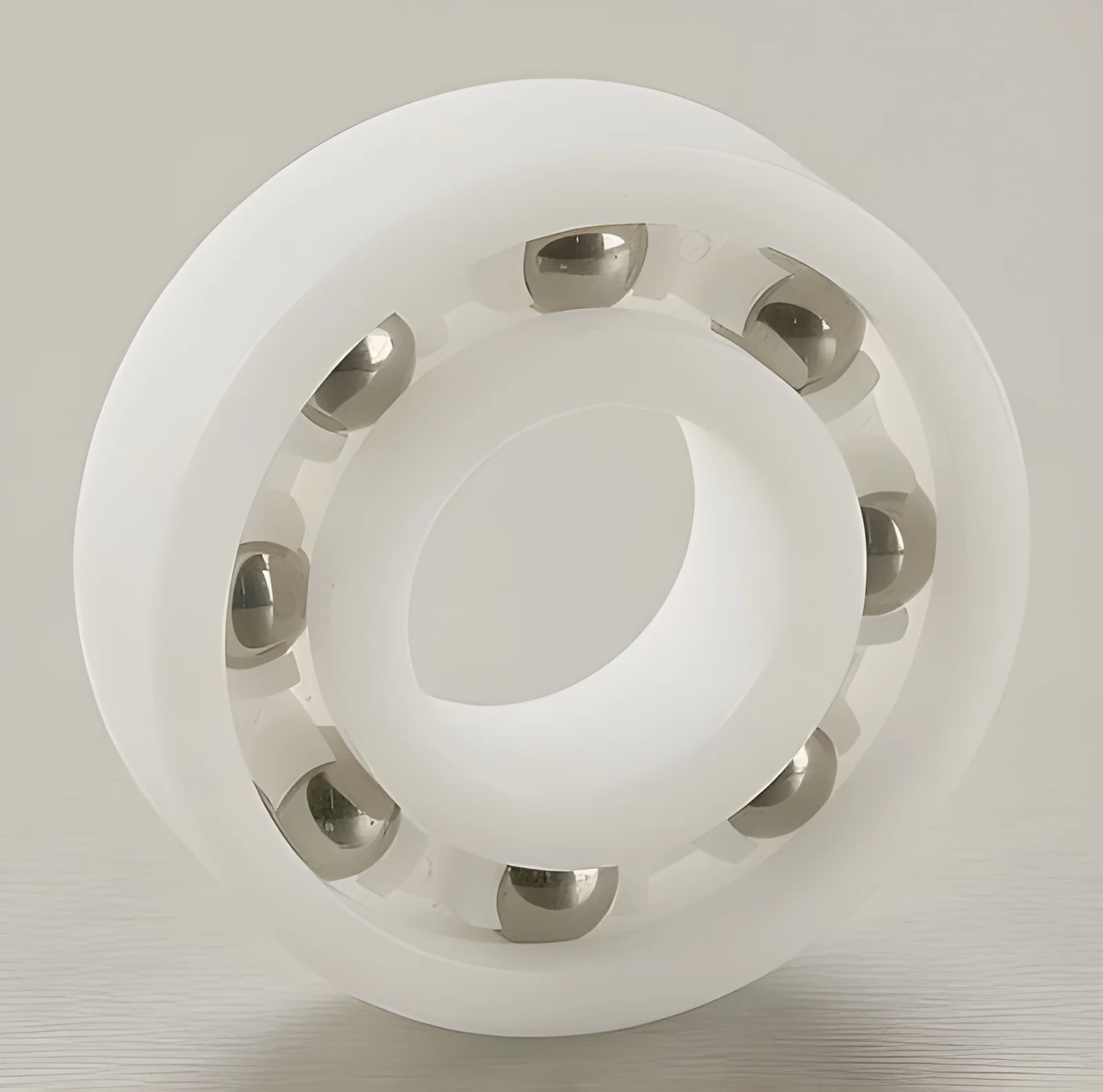
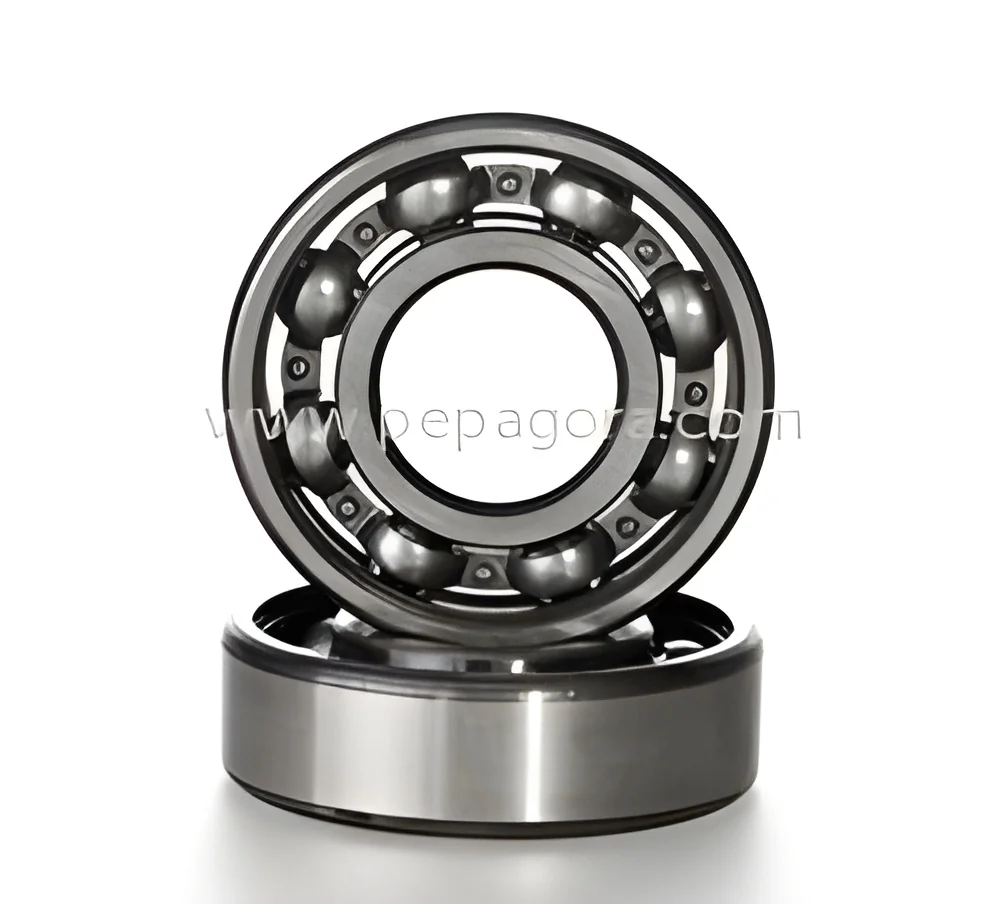
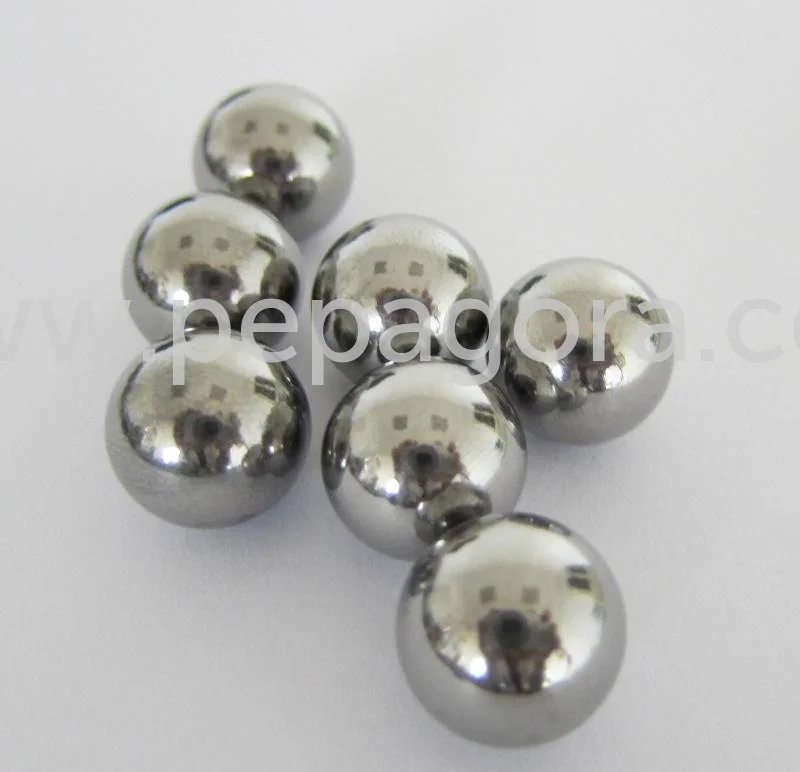
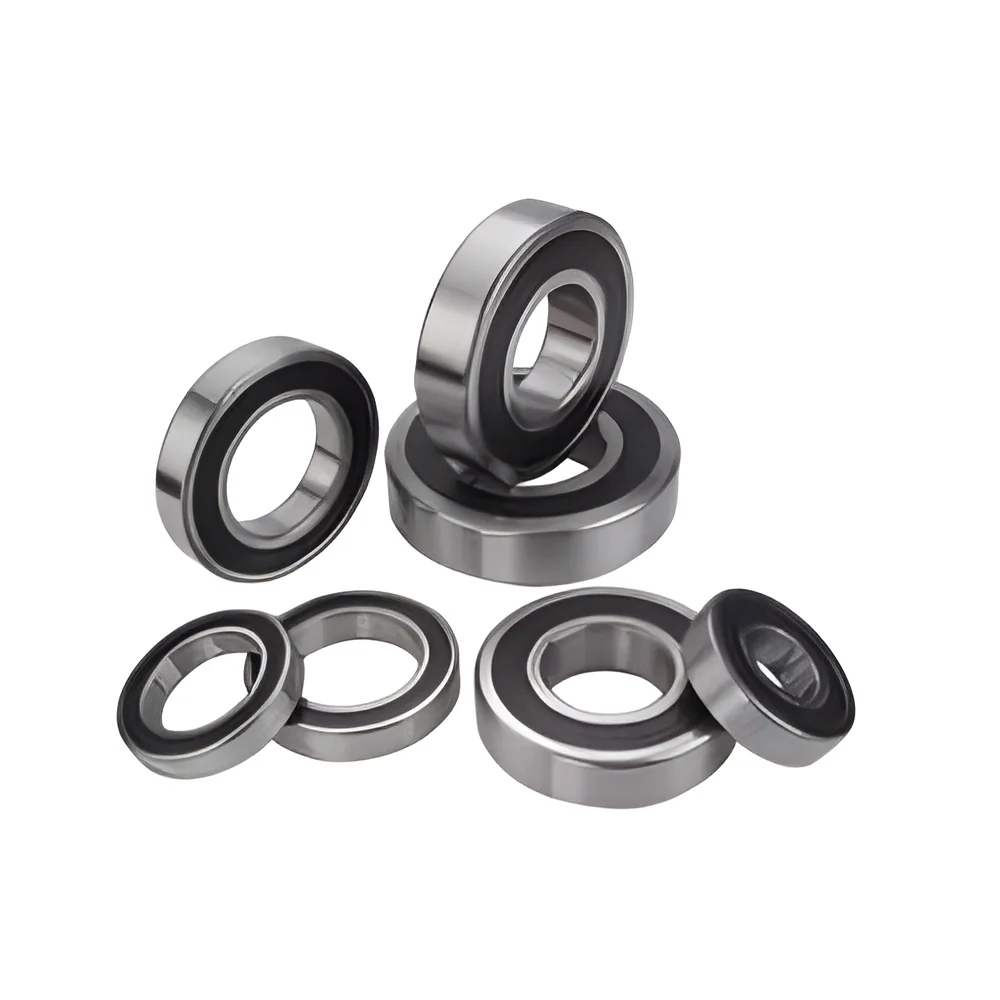
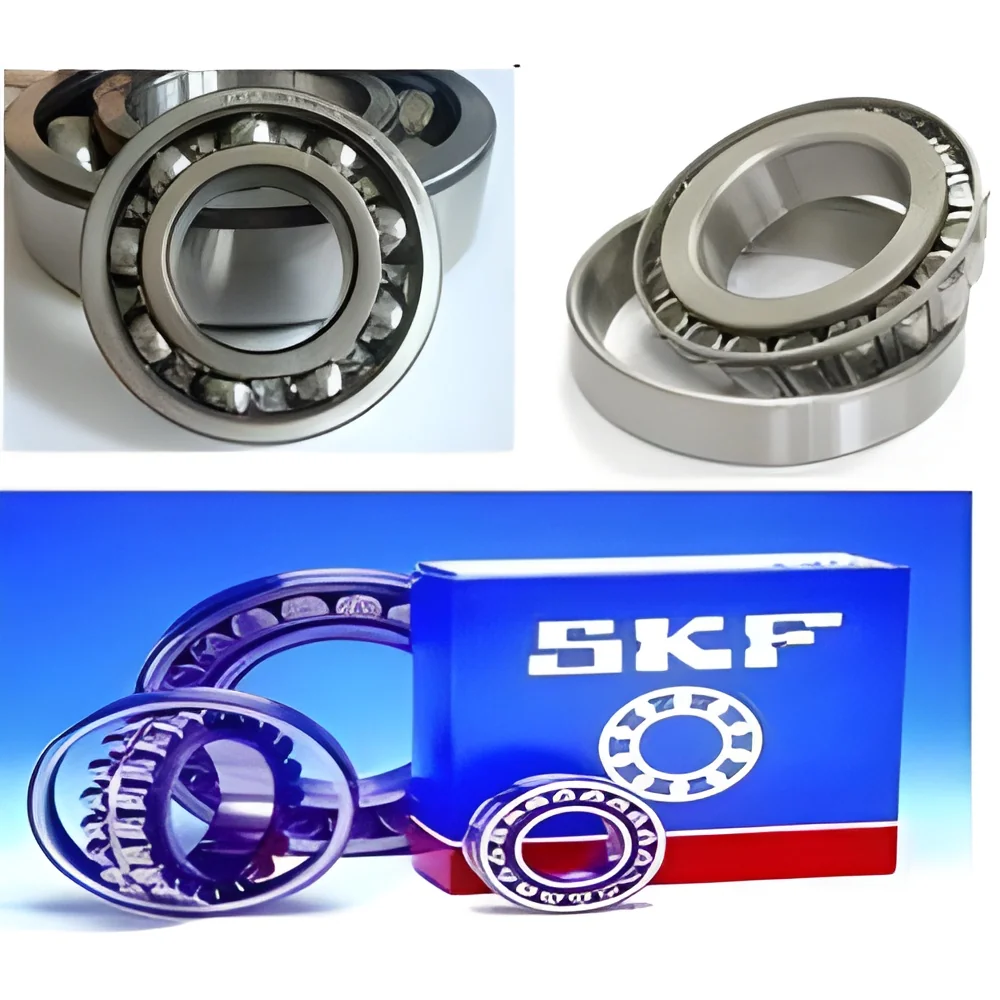
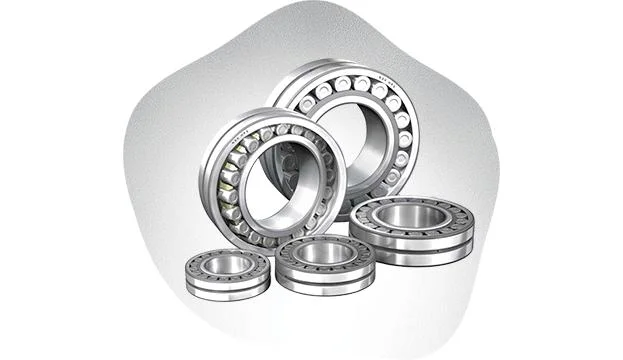
Deep groove ball bearings are a type of rolling-element bearing that is designed to accommodate radial and axial loads in both directions. These bearings consist of an inner and outer ring, a cage, and a set of spherical balls that fit snugly between the two rings. The deep grooves on the inner and outer rings allow the balls to maintain contact with the races, providing stability and reducing friction during operation.
These bearings find extensive applications across various industries, owing to their versatility and reliability. They are commonly used in machinery, automotive components, and electrical equipment, among others. Their ability to handle both radial and axial loads makes them suitable for dynamic applications, where efficiency and durability are crucial.
In the current market context, deep groove ball bearings are a staple in industrial settings, contributing to the smooth operation of equipment and machinery. The demand for these bearings is driven by the need for higher efficiency and reduced maintenance in manufacturing processes, making them an essential component in many industrial applications.
Key Features and Specifications
Deep groove ball bearings are characterized by several key features that enhance their performance and adaptability. They are available in various sizes and designs, making them suitable for a wide range of applications. Additionally, their simplicity in design contributes to ease of installation and maintenance.
Key specifications include:
1. Load Capacity
- This specification indicates the maximum load that the bearing can support.
- Technical parameters vary based on size and design but typically range from a few hundred to several thousand Newtons.
2. Speed Rating
- The speed rating denotes the maximum operational speed of the bearing.
- It is usually expressed in RPM and can reach up to 50,000 RPM for high-performance variants.
3. Material Composition
- Most deep groove ball bearings are made from high-carbon chromium steel or stainless steel.
- The specific material influences factors like corrosion resistance and fatigue strength.
4. Lubrication Type
- Bearings can be pre-lubricated or designed for grease or oil lubrication.
- The choice of lubrication affects operating temperature and longevity.
5. Tolerance Class
- This defines the permissible deviation in dimensions and can affect bearing fit and performance.
- Common tolerance classes include P0 (normal), P6 (medium), and P5 (high).
6. Operating Temperature Range
- The operating temperature limits detail the environments in which the bearing can function.
- Specific ranges are not available but typically accommodate temperatures from -20°C to +120°C.
7. Seal Type
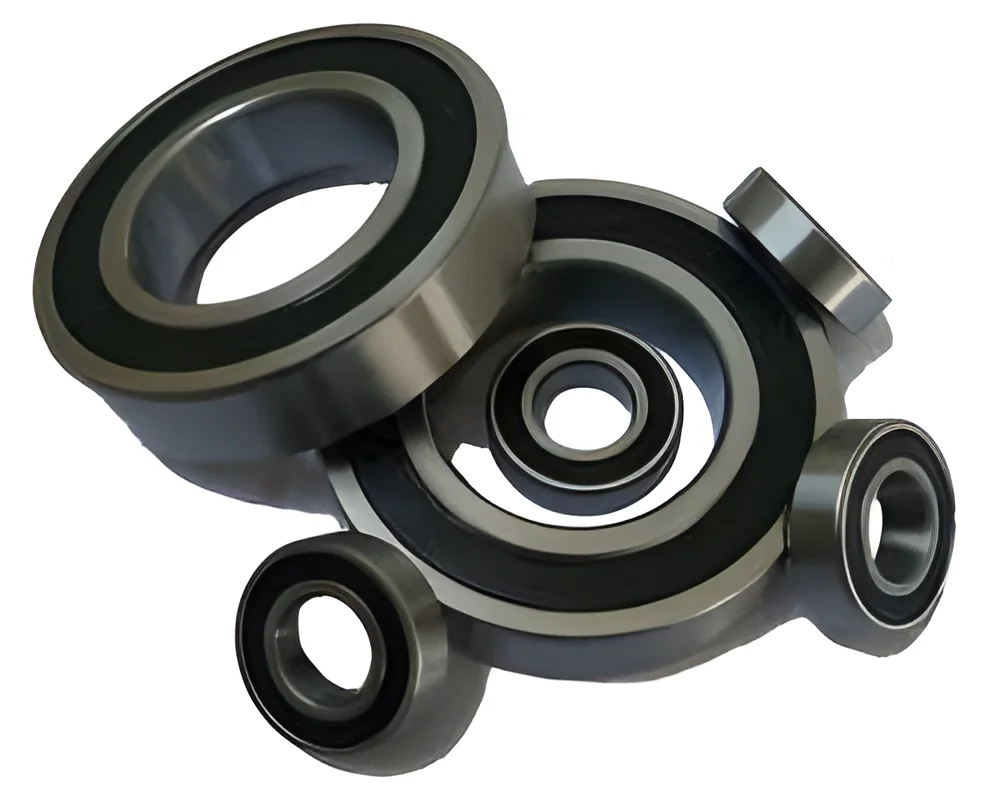
- Bearings may come with rubber or metal seals to prevent contamination.
- Sealed bearings generally require less maintenance and have longer service life.
8. Clearance Type
- This refers to the internal clearance within the bearing which can vary based on application needs.
- Options include C2 (tight), C0 (normal), and C3 (loose).
In summary, understanding these specifications is critical for selecting the right deep groove ball bearing for specific applications, ensuring optimal performance and longevity.
Common Applications and Use Cases
Deep groove ball bearings play a vital role in various industries due to their versatility.
1. Automotive: These bearings are widely used in vehicles for wheel hubs, transmissions, and alternators, contributing to smooth movement and efficiency.
2. Manufacturing: In industrial machinery, they support rotating parts such as spindles and conveyor systems, ensuring reliable operation.
3. Electrical Equipment: Motors and generators utilize deep groove ball bearings to reduce friction and increase efficiency in power generation and transmission.
4. Aerospace: They are essential in aircraft engines and landing gear systems where reliability and high performance are critical.
5. Home Appliances: These bearings can be found in washing machines and refrigerators, enhancing functionality and energy efficiency.
6. Robotics: In robotic arms and automated systems, deep groove ball bearings facilitate precise movements and positioning.
7. Construction Equipment: Heavy machinery relies on these bearings for operational stability and load handling in demanding environments.
Product Variants and Subcategories
Deep groove ball bearings come in various configurations to meet specific needs, allowing for tailored solutions.
Standard Deep Groove Ball Bearings: These are the most common type and are suited for a wide range of applications. They offer good load capacity and speed capabilities.
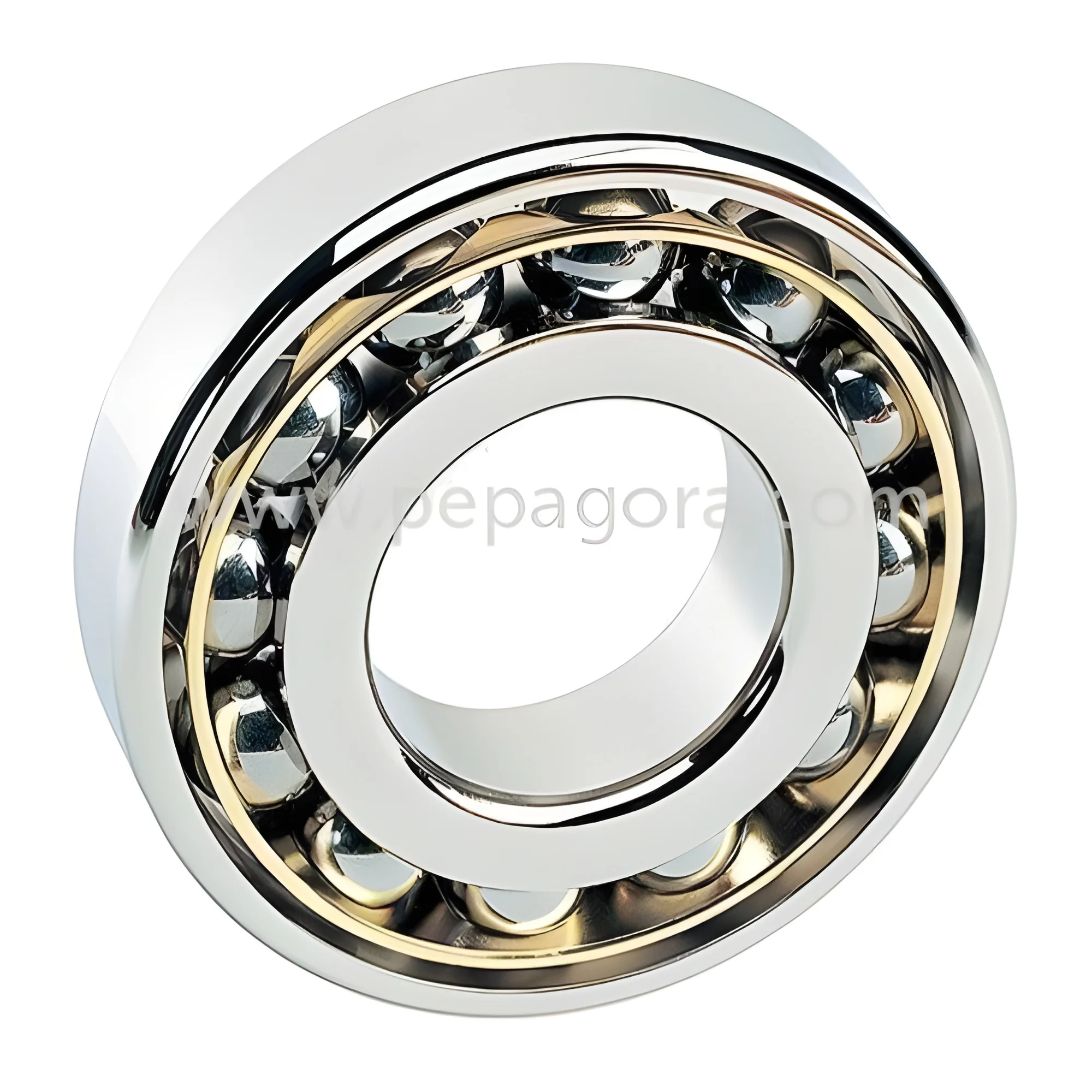
Angular Contact Ball Bearings: Designed to handle higher axial loads in one direction, these bearings are ideal for applications requiring precision and stability, such as machine tools.
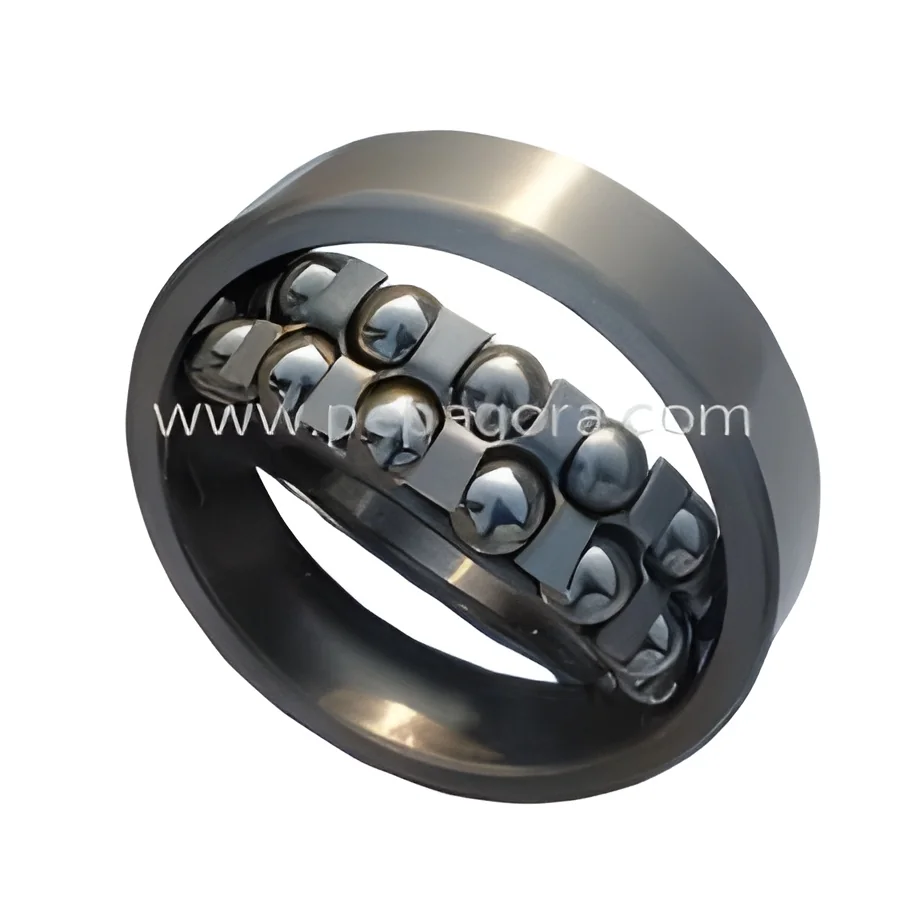
Single Row vs. Double Row: Single row bearings are versatile for most applications, while double row bearings can accommodate higher loads and are often used in heavy machinery.
Benefits and Advantages
Deep groove ball bearings offer numerous advantages that make them a preferred choice in industrial applications.
1. High Versatility: They can handle both radial and axial loads, making them suitable for various applications.
2. Low Friction: These bearings reduce friction, which enhances efficiency and minimizes wear, contributing to longer service life.
3. Ease of Maintenance: Their design allows for straightforward installation and maintenance, reducing downtime.
4. Reliability: Deep groove ball bearings are known for their durability and consistent performance, ensuring operational reliability.
5. Cost-Effectiveness: Their widespread availability and relatively low cost make them an economical choice for many businesses.
6. Wide Range of Options: With various sizes and configurations, these bearings can be customized to fit specific application needs.
Buying Guide for B2B Buyers
When sourcing deep groove ball bearings, several factors should be considered to ensure the best purchase decision.
1. Quality Assessment: Evaluate the quality of the bearings based on material, manufacturing processes, and adherence to industry standards. Look for certifications like CE to ensure reliability.
2. Supplier Verification: Vet suppliers by checking their reputation, customer reviews, and experience in the industry. A reliable supplier should have a proven track record.
3. Pricing and MOQ: Compare prices among different suppliers while considering the minimum order quantity. Be aware of any volume discounts that may apply.
4. Delivery and Lead Times: Assess the supplier's ability to meet your delivery timelines. Ensure they can provide timely shipments to avoid production delays.
5. Compliance Requirements: Confirm that the bearings meet relevant industry standards and regulations. This helps ensure safety and compatibility with your applications.
Compliance and Certifications
Deep groove ball bearings must adhere to various quality standards and certifications to ensure their reliability and safety in industrial applications.
ISO 9001 is a crucial standard that outlines quality management practices, ensuring that manufacturers consistently meet customer and regulatory requirements. This certification often indicates that the manufacturer has a well-defined quality management system in place.
CE marking is another significant certification, especially in the European market. It demonstrates that the product complies with EU health, safety, and environmental protection standards, making it suitable for use in various applications.
Safety and testing requirements are also critical, as bearings must undergo rigorous testing to verify their performance and durability. This includes assessing load capacity, speed ratings, and environmental resistance.
Regional compliance considerations may vary, and it is essential to be aware of local regulations that could affect the sourcing and use of deep groove ball bearings in specific markets.
Why Source Deep Groove Ball Bearings from Pepagora?
Pepagora provides an exceptional platform for sourcing deep groove ball bearings, offering several key advantages for businesses.
Verified Supplier Network: Pepagora ensures that all suppliers within its network are thoroughly vetted for quality and reliability. This helps buyers connect with trustworthy manufacturers, reducing the risk of subpar products.
Streamlined RFQ Process: The request for quotation (RFQ) process is designed to be efficient, allowing buyers to easily compare options and get the best deals. This saves time and effort in sourcing.
Trade Assurance and Support: Pepagora offers trade assurance, providing buyers with protection during transactions. This includes support in case of disputes, ensuring a secure purchasing experience.
Regional Coverage: With a strong presence in India, the GCC, and Southeast Asia, Pepagora's geographic reach allows buyers to access a wide range of suppliers and products, catering to diverse industrial needs.
By choosing Pepagora, businesses can confidently source deep groove ball bearings that meet their operational requirements while benefiting from a comprehensive support system.

 IN
IN