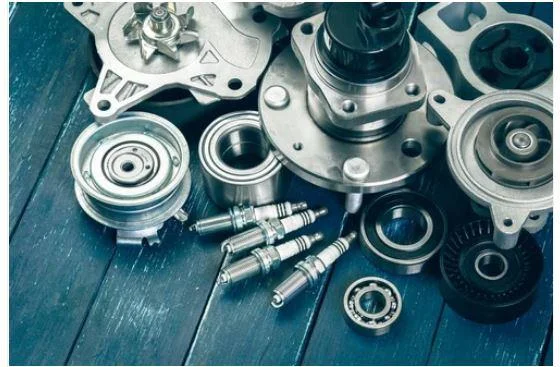
What are Bearing Pullers & Fitting Tools?
Bearing pullers and fitting tools are specialized devices used in mechanical and industrial applications to remove and install bearings and other press-fitted components. These tools are essential for ensuring the correct handling of bearings, which are critical for the smooth operation of machinery. Bearing pullers typically consist of a central screw that is turned to apply force, enabling the user to extract bearings from their housings without damaging surrounding components. Fitting tools, on the other hand, are designed to accurately install bearings into their designated locations, ensuring a proper fit and alignment.
These tools are widely used in various sectors, including automotive, manufacturing, and maintenance industries. In automotive applications, bearing pullers are crucial for servicing engines and transmissions, where bearings play a vital role in performance. In manufacturing, they facilitate the assembly and disassembly of machinery and equipment, allowing for routine maintenance and repairs. The relevance of bearing pullers and fitting tools in these industries cannot be overstated, as they ensure operational efficiency and longevity of machinery, ultimately contributing to reduced downtime and increased productivity.
Key Features and Specifications
Bearing pullers and fitting tools come with a variety of features that enhance their usability and effectiveness. When selecting these tools, it's essential to consider their specifications to ensure they meet the required operational standards.
Key specifications include:
1. Tool Type
- Types include internal, external, hydraulic, and mechanical pullers.
- Each type serves specific applications based on bearing size and accessibility.
2. Capacity
- Refers to the maximum load the tool can handle.
- Typical ranges vary from 1 ton to over 10 tons, depending on the model.
3. Material
- Often constructed from high-strength steel or alloy materials.
- Provides durability and resistance to wear and tear.
4. Size Range
- Available in various sizes to accommodate different bearing diameters.
- Common sizes range from small (10 mm) to large (200 mm) pullers.
5. Adjustment Mechanism
- Some models feature adjustable arms for versatility.
- Allows for better grip and adaptability to various bearing types.
6. Ease of Use
- Ergonomic handles and designs enhance user comfort.
- Simplifies the application of force during operation.
7. Carrying Case
- Many sets come with a protective case for storage and transport.
- Ensures tools remain organized and accessible.
8. Certification
- Compliance with safety and quality standards like CE and UL.
- Ensures reliability and safe operation in industrial settings.
In summary, understanding the key features and specifications of bearing pullers and fitting tools is crucial for making an informed purchasing decision. This ensures the selected tools will effectively meet the demands of specific applications.
Common Applications and Use Cases
Bearing pullers and fitting tools are utilized across a wide range of industries, each with unique applications.
1. Automotive: In the automotive industry, bearing pullers are used during engine and transmission repairs. Technicians rely on these tools to extract and replace bearings efficiently, minimizing vehicle downtime.
2. Manufacturing: In manufacturing settings, these tools are essential for assembling machinery. They facilitate the installation and removal of bearings in equipment, ensuring smooth operational processes.
3. Industrial Equipment: Bearing pullers are commonly employed in maintenance tasks for industrial machinery. They allow technicians to perform routine inspections and repairs without damaging other components.
4. Aerospace: In the aerospace sector, precision is key. Fitting tools are used to install bearings in aircraft engines, ensuring safety and performance in flight operations.
5. Electrical Engineering: Electric motors often require bearing maintenance. Pullers and fitting tools are used to service these motors, keeping them running efficiently.
6. Construction: Heavy machinery in construction often has bearings that need regular servicing. These tools help maintain equipment reliability and performance.
7. Marine: In marine applications, bearing pullers are used to service propeller shafts and other critical components in boats and ships.
Product Variants and Subcategories
Bearing pullers and fitting tools come in various types and models, each designed to meet specific requirements.
Internal Pullers: These pullers are designed to extract bearings from inside housings. They feature adjustable arms that can grip the inner race of the bearing securely. Internal pullers are ideal for applications where space is limited.
External Pullers: External pullers are used for bearings that are mounted on shafts. They grip the outer race of the bearing and are available in various sizes. These pullers are commonly used in automotive and industrial applications.
Hydraulic Pullers: Hydraulic pullers use hydraulic force to remove bearings, making them suitable for larger or more stubborn components. They provide greater force with less effort, making them a popular choice in heavy machinery servicing.
Mechanical Pullers: Mechanical pullers operate through a manual screw mechanism. They are versatile and can be used for a wide range of bearing sizes. Mechanical pullers are often favored for their simplicity and ease of use.
Benefits and Advantages
Using bearing pullers and fitting tools offers several advantages to businesses and maintenance professionals.
1. Precision: These tools provide accurate removal and installation of bearings, reducing the risk of damage to components.
2. Efficiency: They enable faster maintenance and repair processes, minimizing equipment downtime and improving productivity.
3. Versatility: With various types available, these tools can accommodate different bearing sizes and configurations, making them suitable for multiple applications.
4. Durability: High-quality materials ensure that these tools withstand rigorous use, providing long-term reliability.
5. Safety: Many models come with safety features to protect users during operation, reducing the risk of accidents.
6. Cost-Effectiveness: Investing in quality pullers and fitting tools reduces the need for frequent replacements and minimizes repair costs.
Buying Guide for B2B Buyers
When sourcing bearing pullers and fitting tools, several key factors should be considered to ensure a successful purchase.
1. Quality Assessment: Assessing the quality of tools is essential. Look for reputable manufacturers that adhere to industry standards. Certifications like CE and UL can indicate a reliable product.
2. Supplier Verification: Vetting suppliers is crucial to ensure they provide genuine products. Check for reviews, references, and their history in the industry before making a decision.
3. Pricing and MOQ: Understand the pricing structure and minimum order quantities. Competitive pricing can lead to cost savings, but ensure it does not compromise quality.
4. Delivery and Lead Times: Confirm the expected delivery times and lead times before placing an order. Reliable logistics are vital for maintaining project schedules.
5. Compliance Requirements: Ensure that the tools meet relevant compliance standards for safety and quality. This is particularly important in regulated industries.
Compliance and Certifications
Compliance with quality standards is critical for bearing pullers and fitting tools. Many manufacturers adhere to ISO 9001 standards, ensuring that their production processes meet international quality management criteria. This certification reflects a commitment to quality and continuous improvement.
Industry certifications such as CE and UL are also important. CE certification indicates compliance with European health, safety, and environmental protection standards. UL certification signifies that the product meets rigorous safety and performance standards, providing assurance to buyers.
Safety and testing requirements vary by region and application. Manufacturers often conduct tests to verify the strength and durability of their tools, ensuring they can withstand demanding conditions. It is essential for buyers to confirm that the tools they purchase comply with regional regulations and industry-specific standards.
Why Source Bearing Pullers & Fitting Tools from Pepagora?
Pepagora offers a reliable platform for sourcing bearing pullers and fitting tools, providing several advantages to B2B buyers.
Verified Supplier Network: Pepagora connects buyers with a network of verified suppliers. Each supplier undergoes a thorough vetting process to ensure quality and reliability. This gives buyers confidence in their sourcing decisions.
Streamlined RFQ Process: The request for quotation (RFQ) process on Pepagora is designed for efficiency. Buyers can easily request quotes from multiple suppliers, enabling them to compare prices and features quickly.
Trade Assurance and Support: Pepagora provides trade assurance, protecting buyers throughout the purchasing process. This includes support for dispute resolution and ensuring that products meet specified standards.
Regional Coverage: With a strong presence in India, the GCC, and Southeast Asia, Pepagora offers extensive regional coverage. This allows buyers to access local suppliers and expedite their sourcing needs, ensuring timely delivery.
In conclusion, leveraging Pepagora for sourcing bearing pullers and fitting tools can lead to better purchasing decisions and enhanced operational efficiency.

 IN
IN