What are Gaskets & Spiral Wound Gaskets?
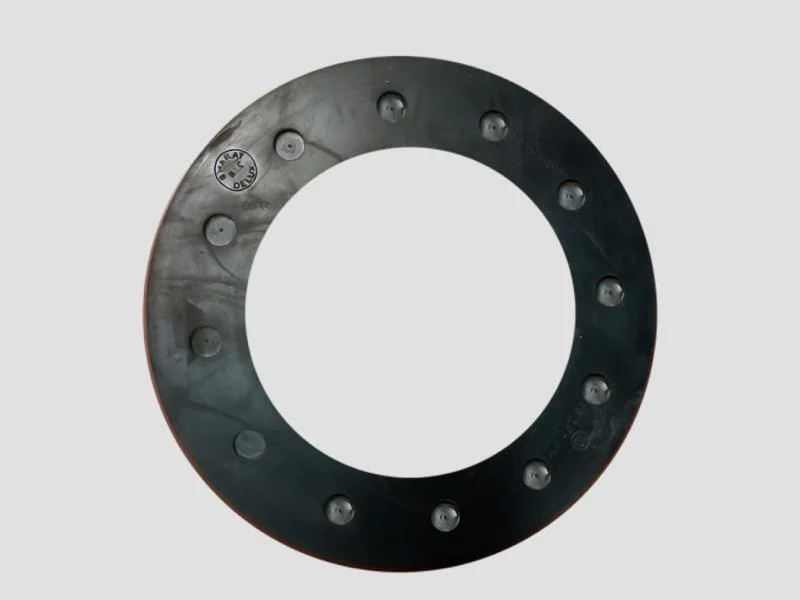
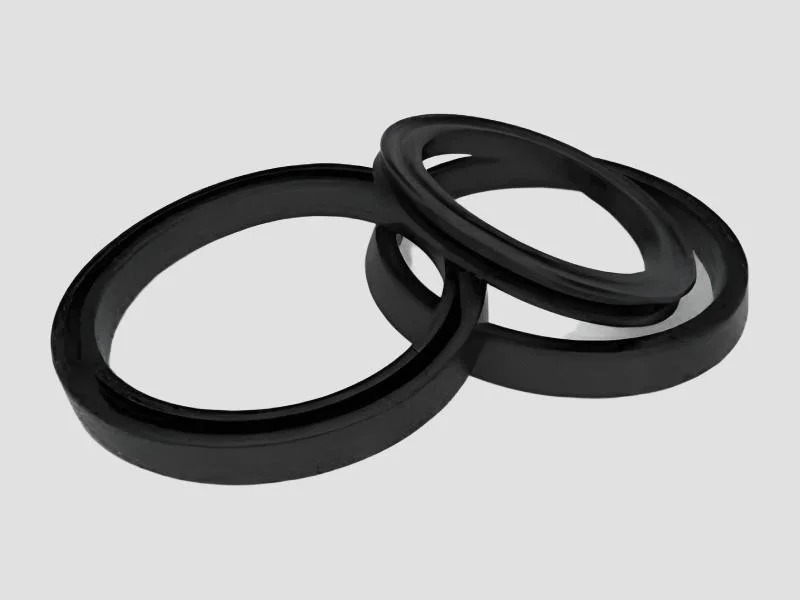
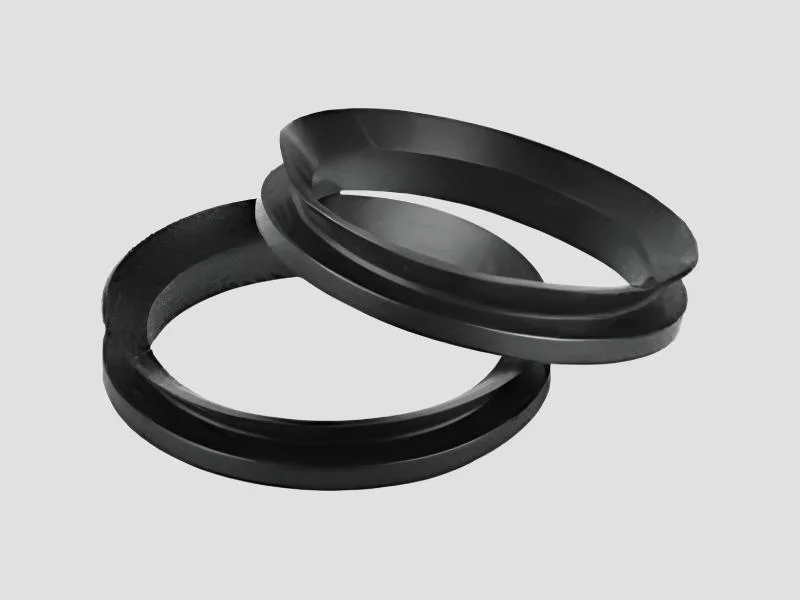
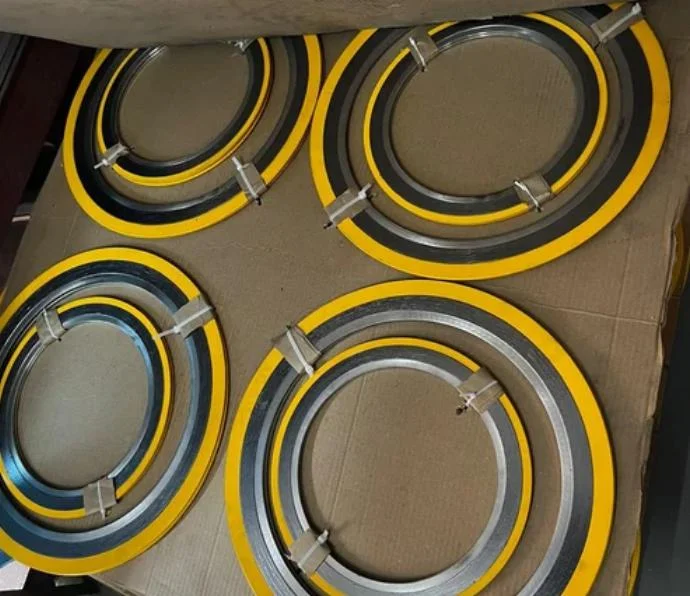
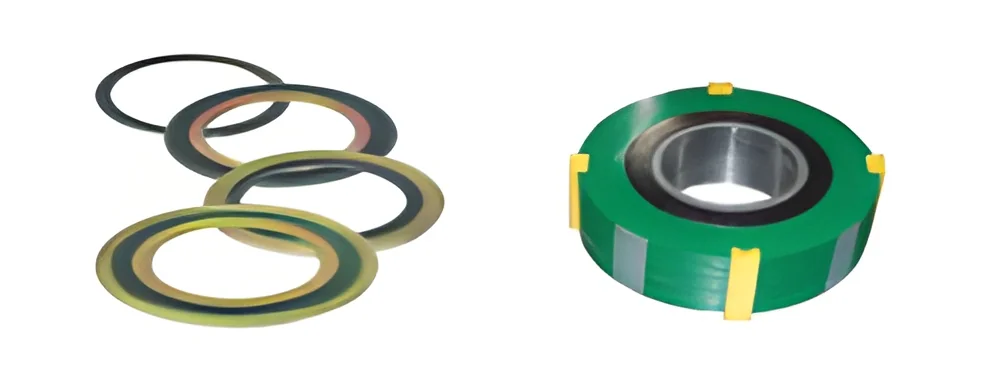
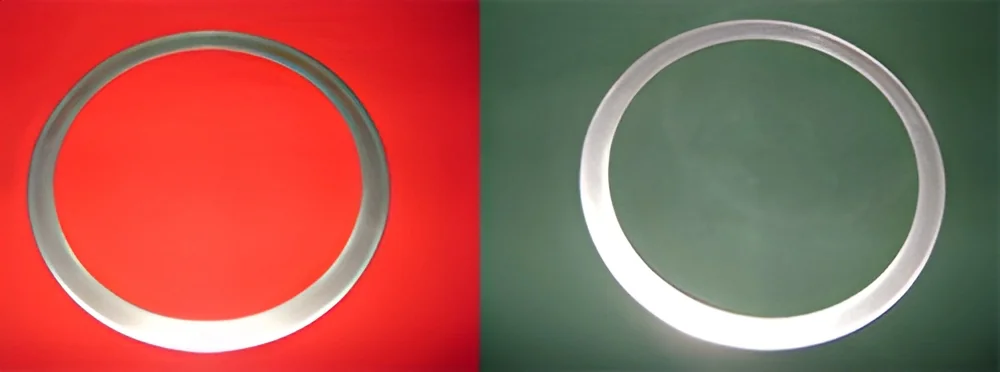
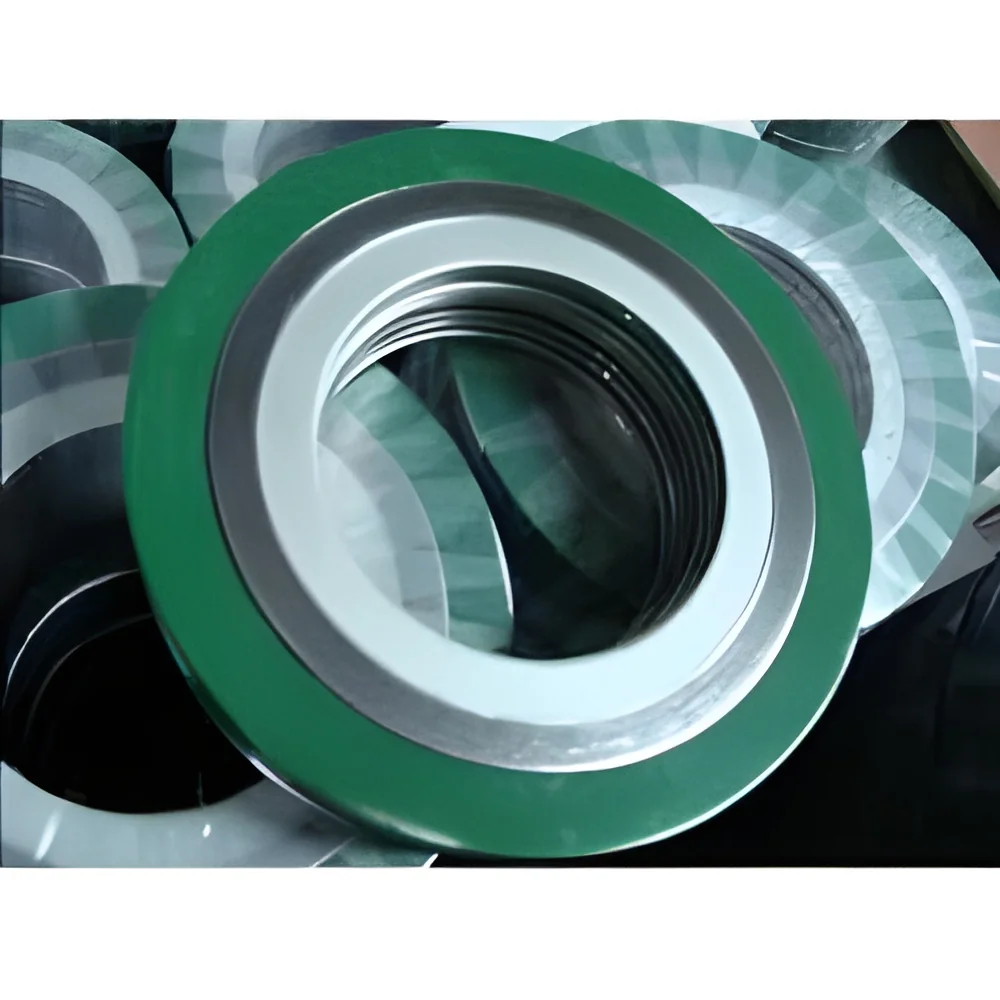
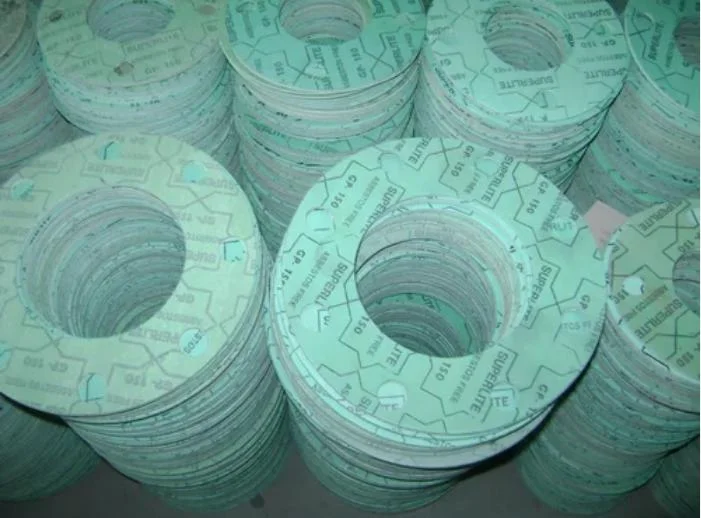
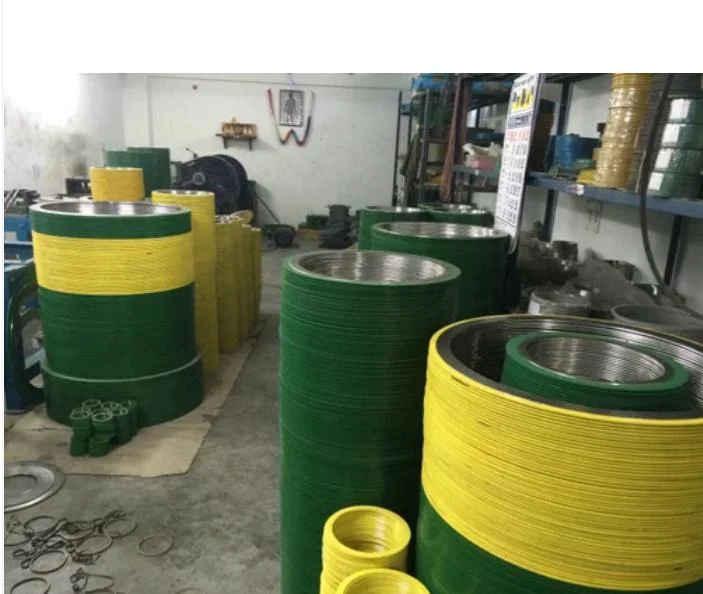
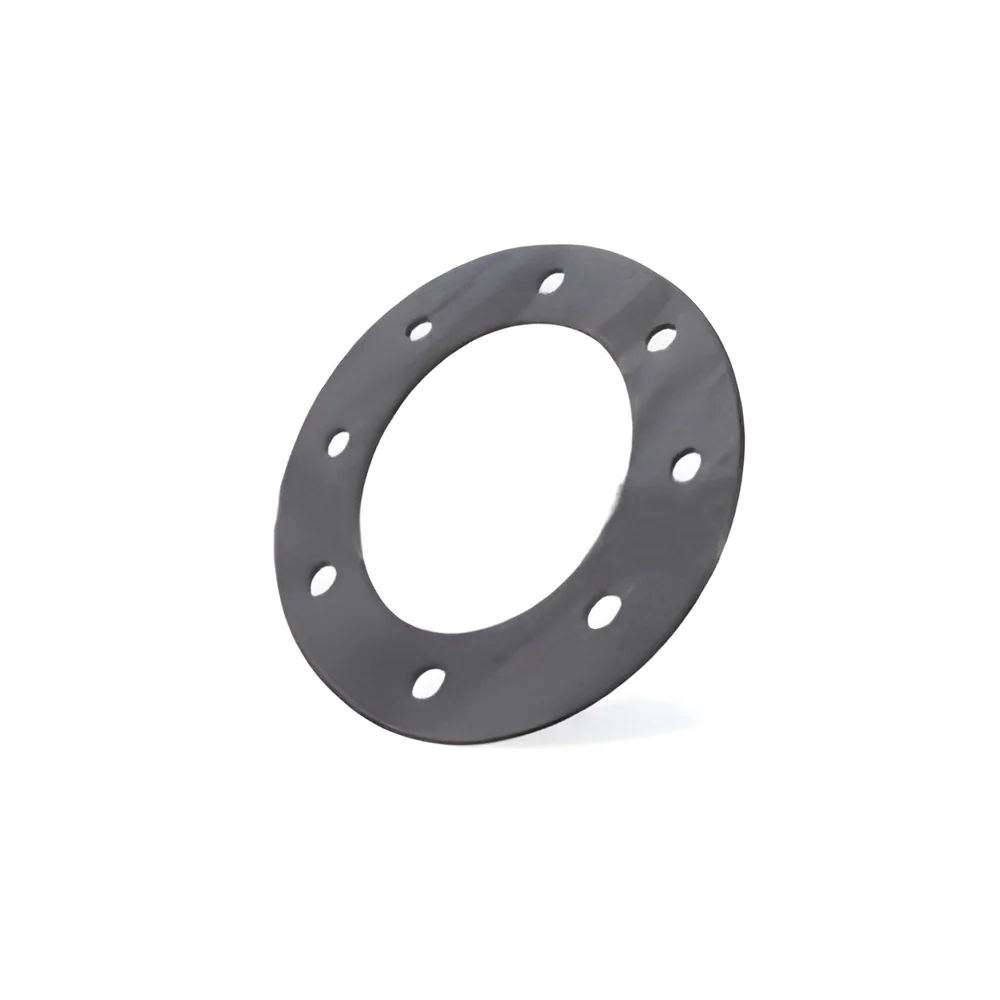
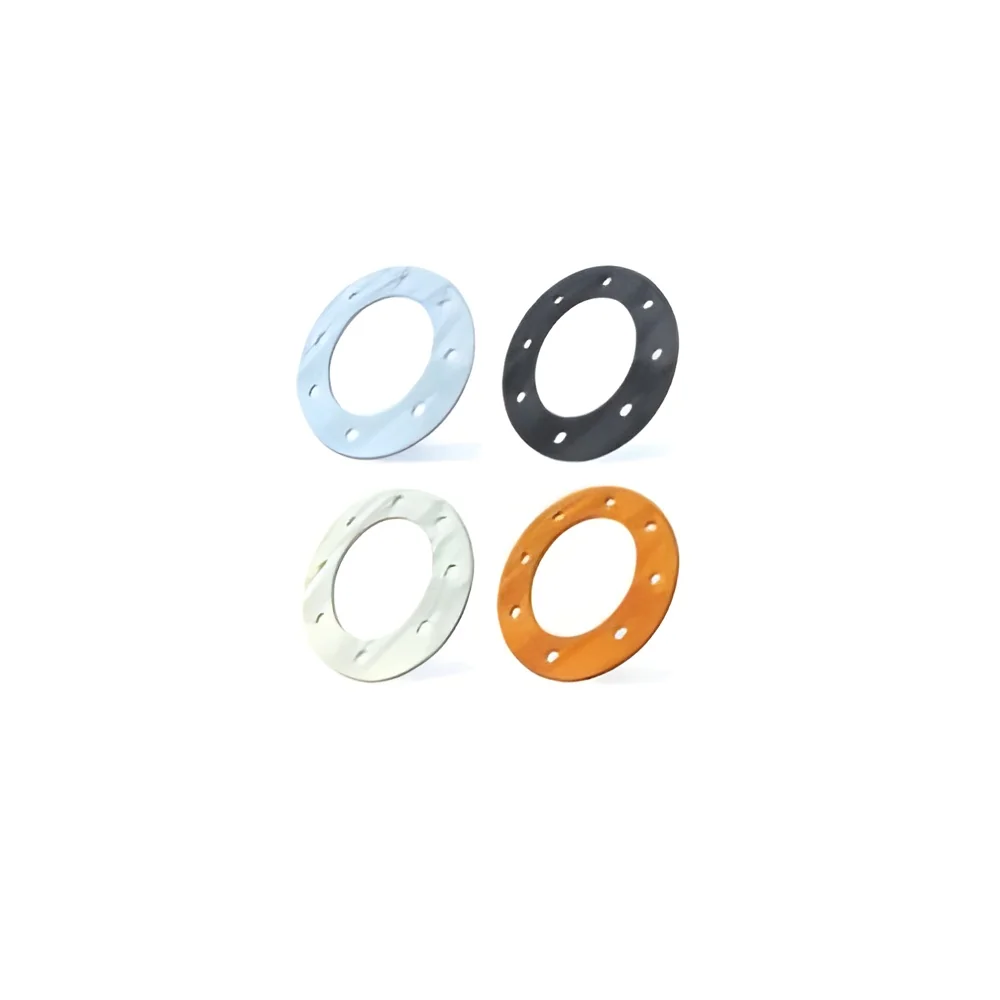
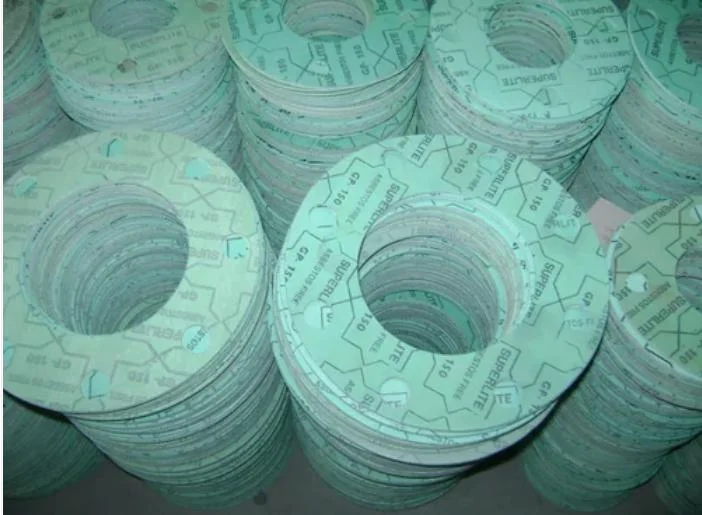
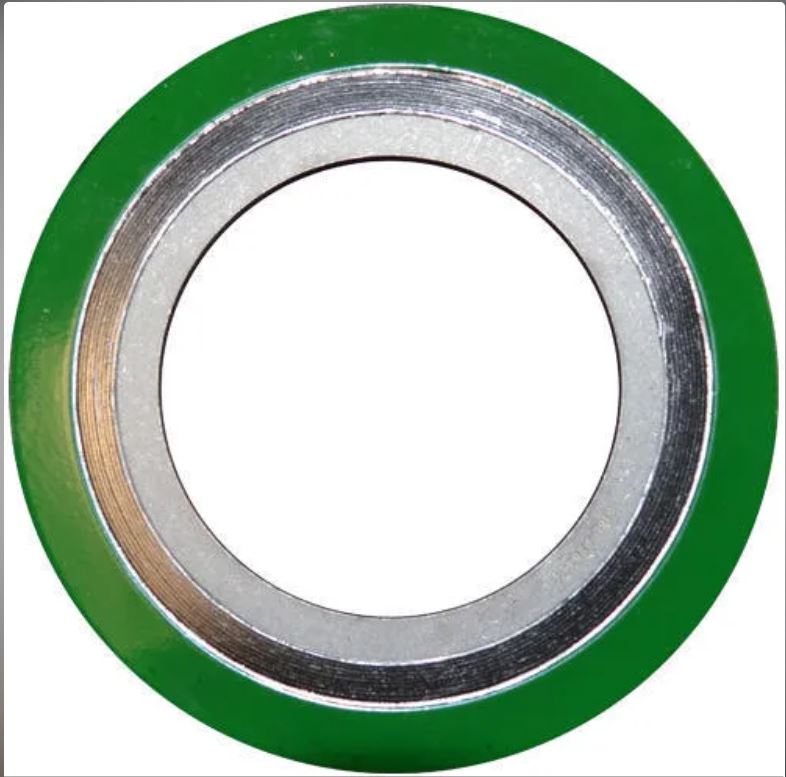
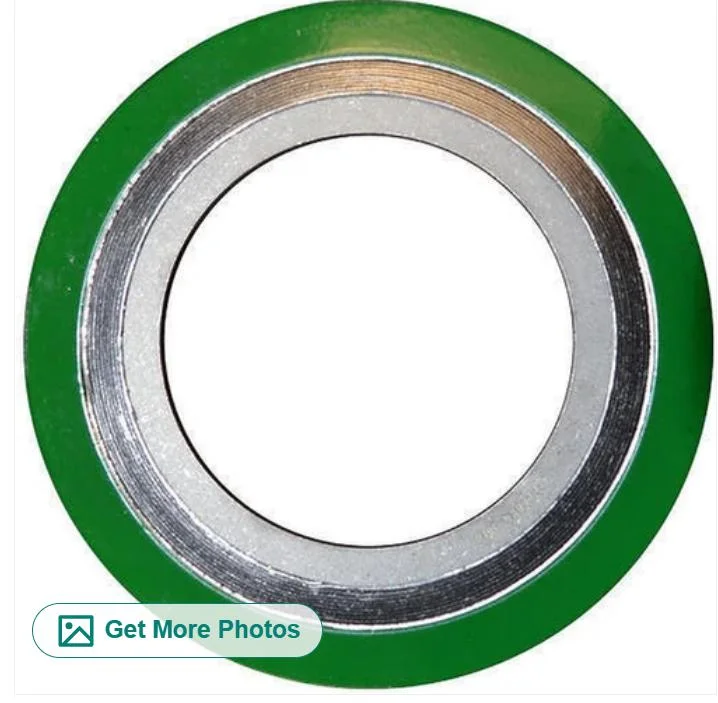
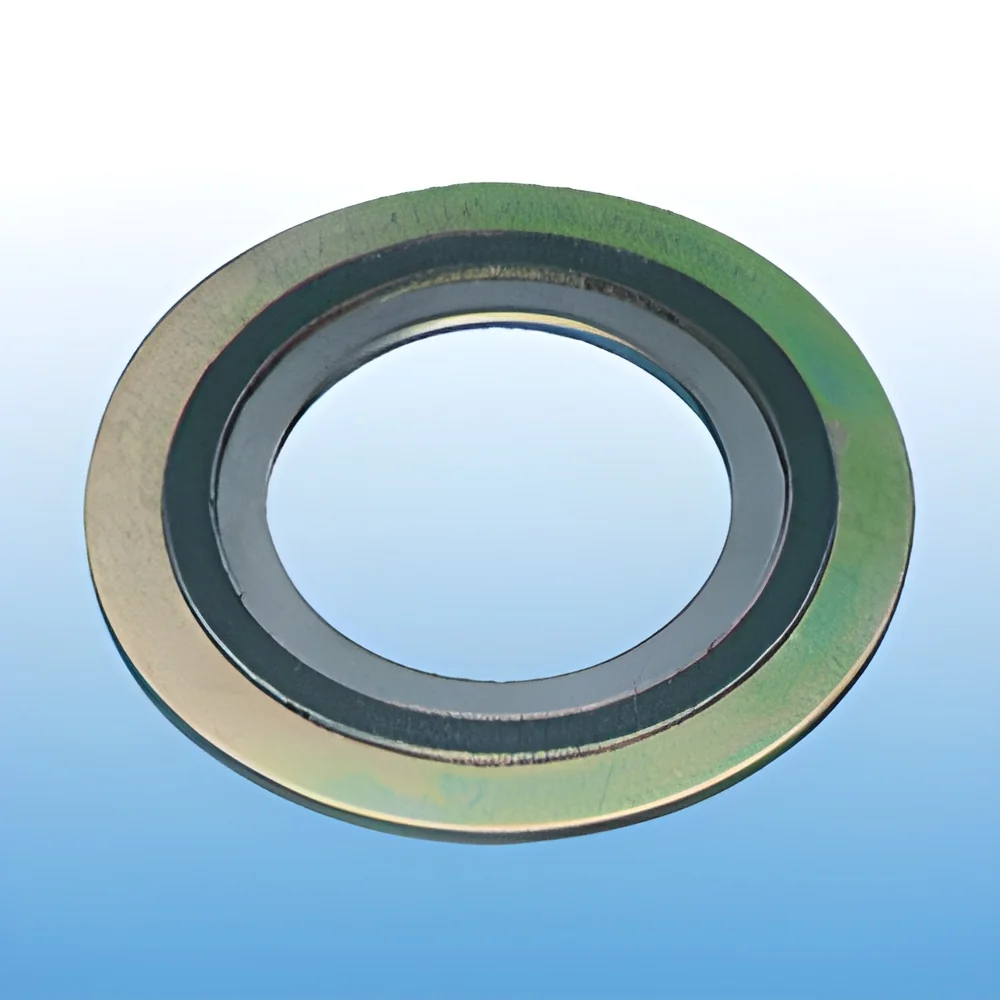
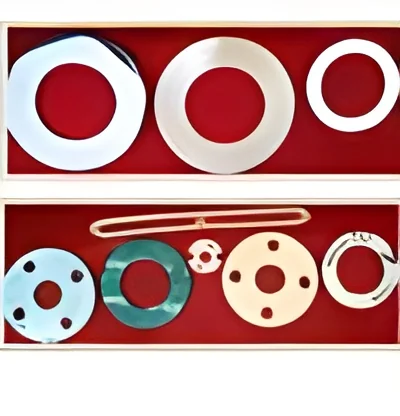
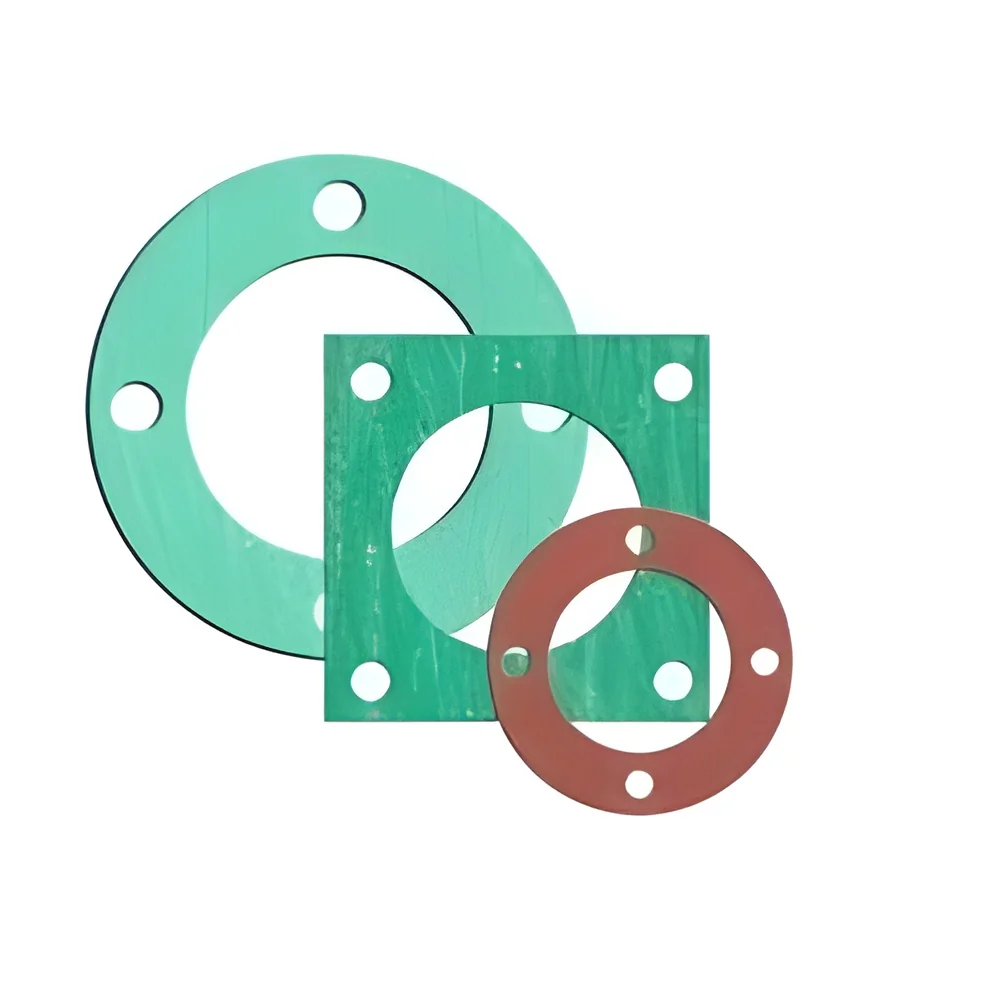
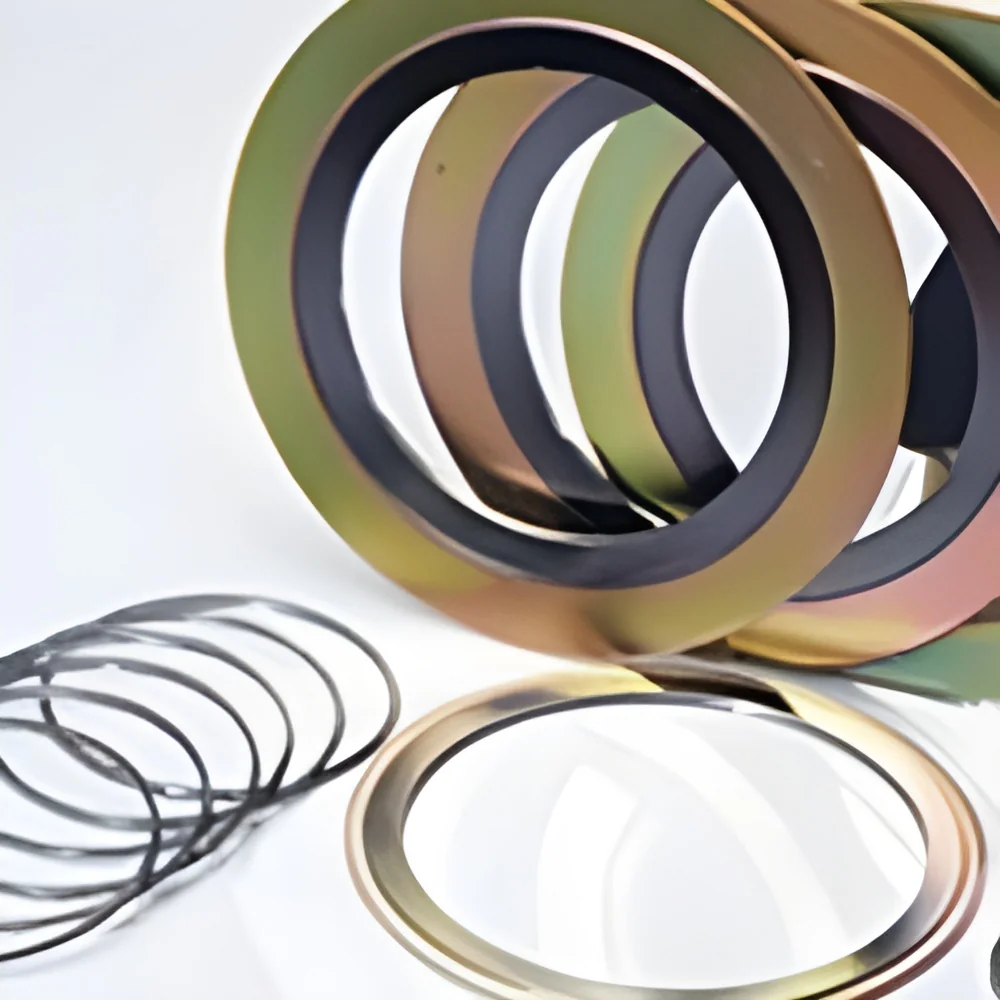
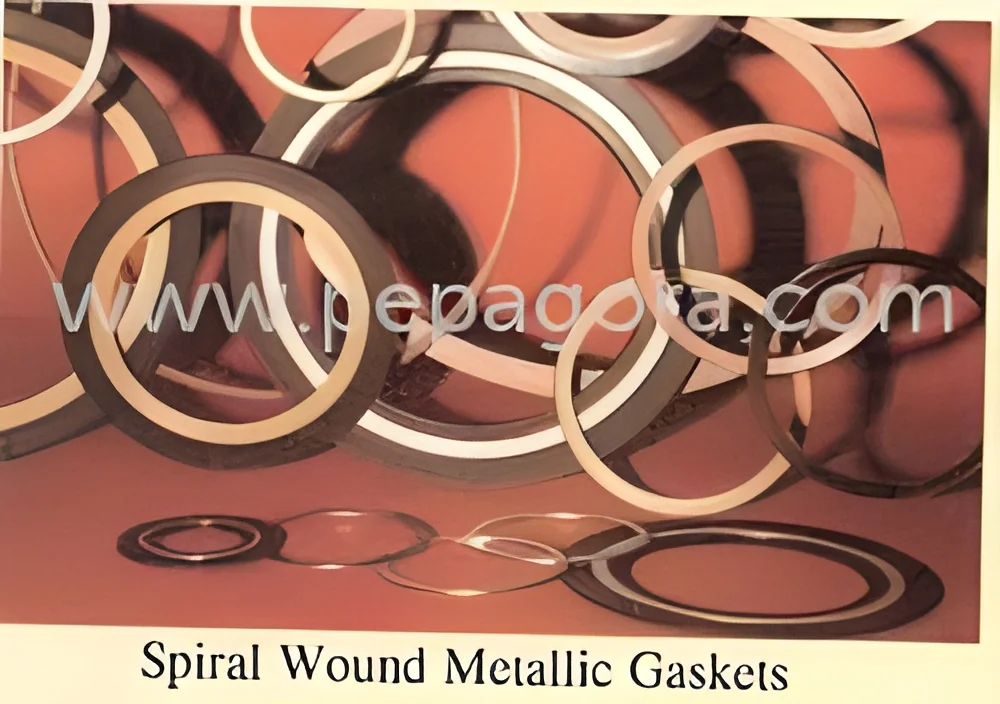
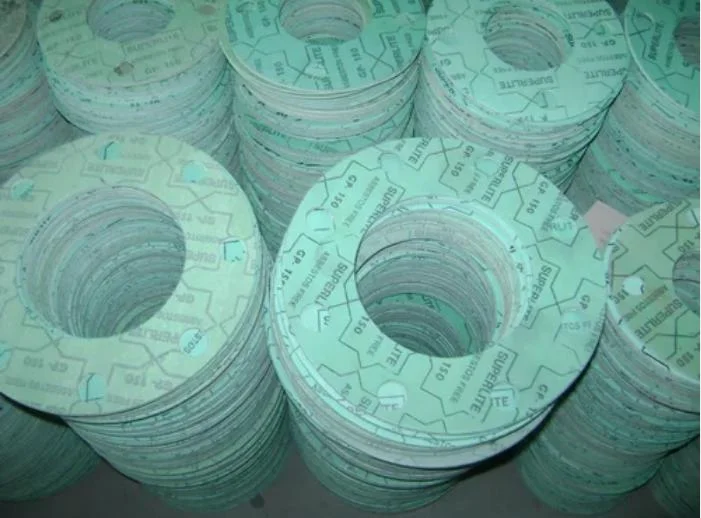
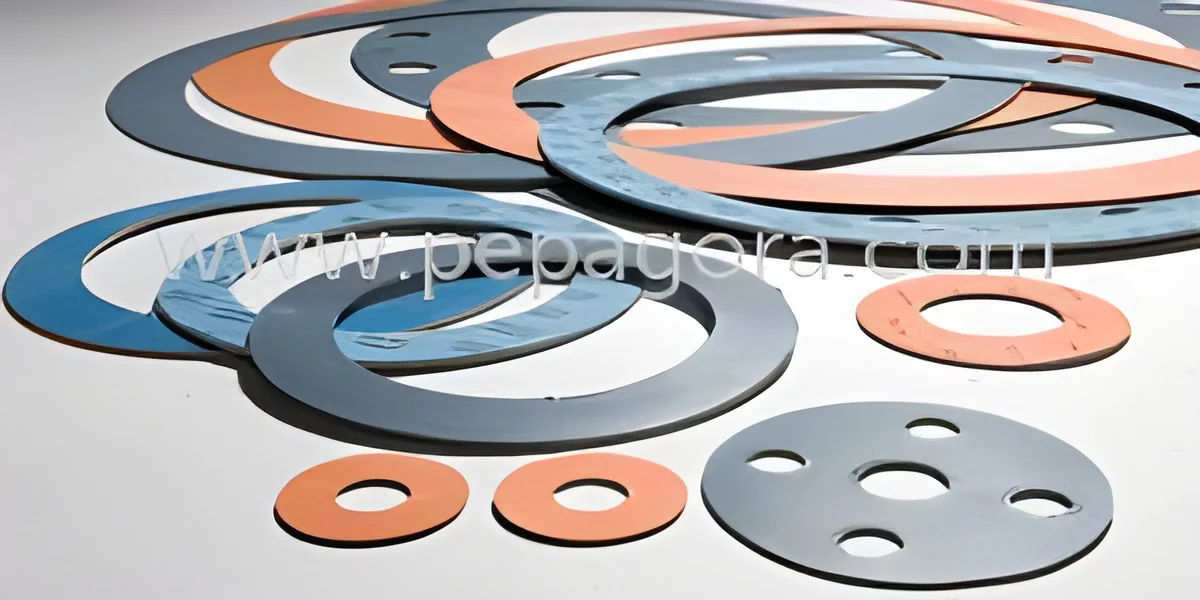
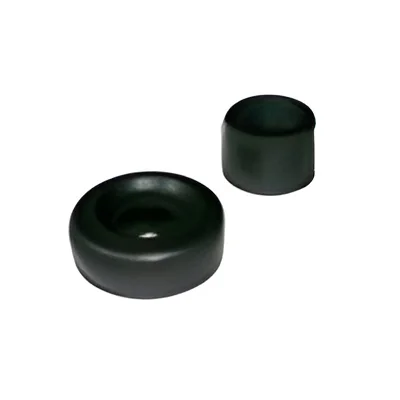
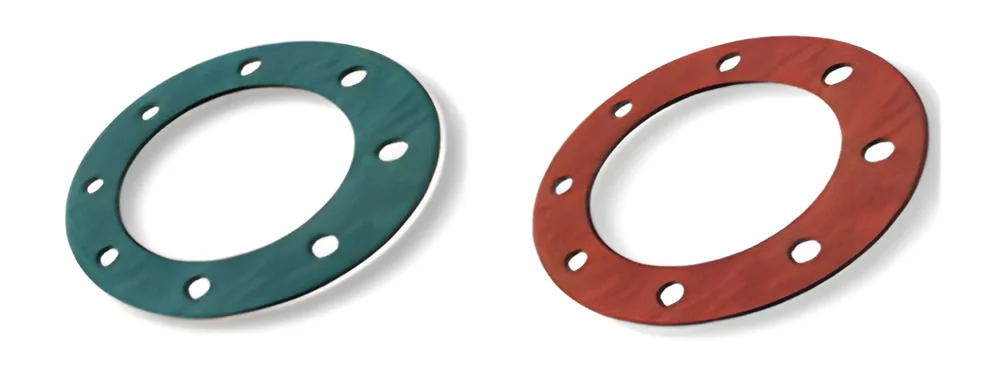
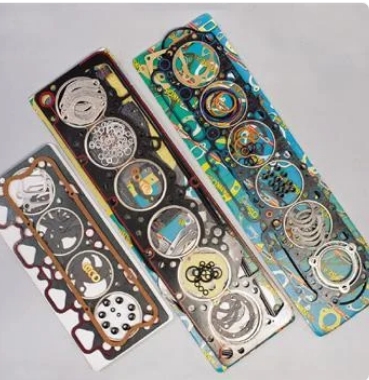
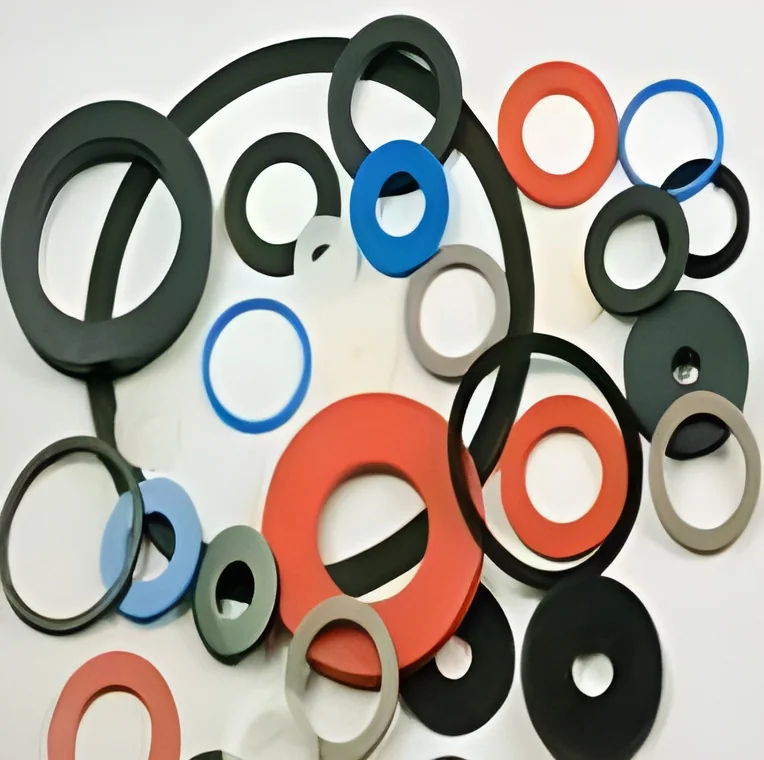
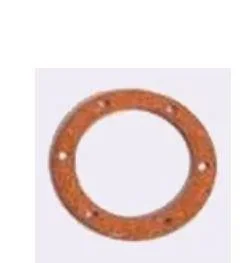
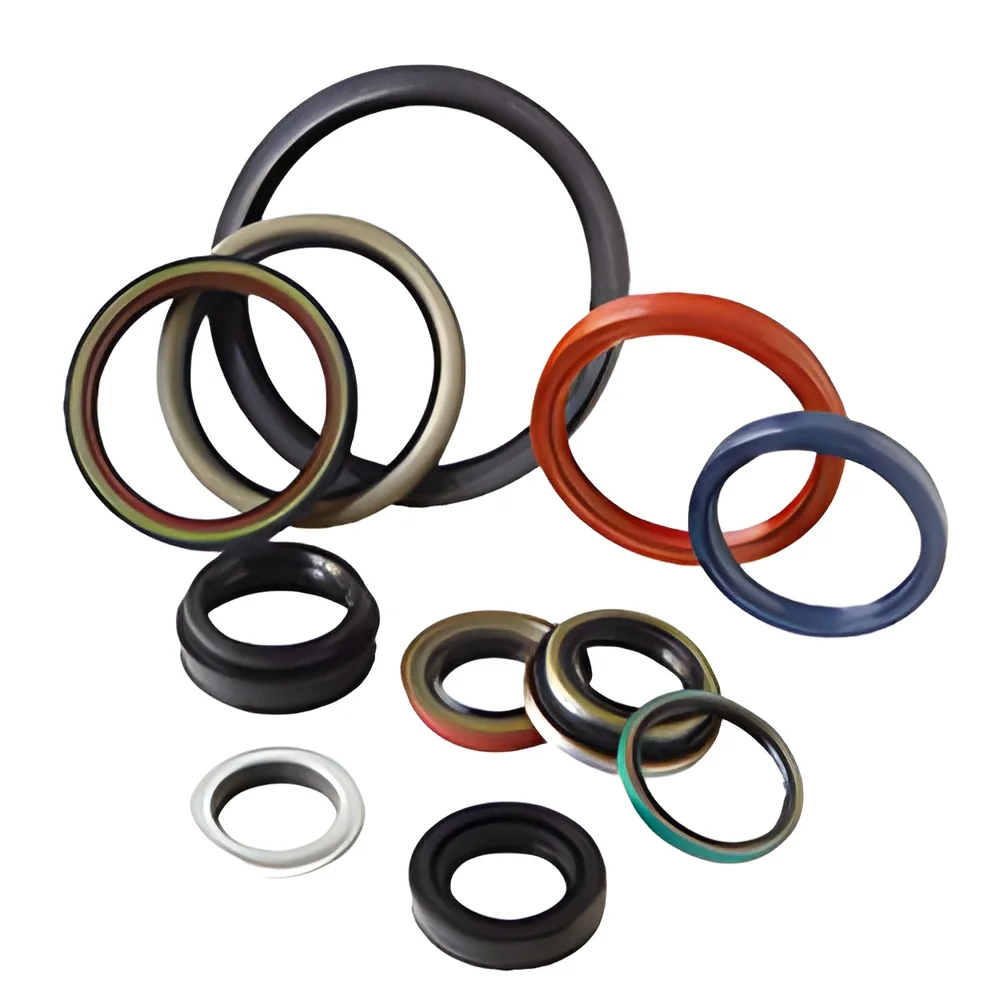
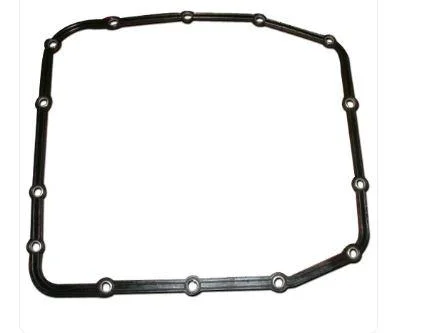
Gaskets are essential components used to seal the junctions between two or more surfaces, preventing leakage of fluids or gases. They are made from various materials, including rubber, metal, and composite materials, depending on the application requirements. Spiral wound gaskets, a specific type of gasket, consist of alternating layers of metal and a softer filler material, which allows them to provide excellent sealing performance under high pressure and temperature conditions.
These gaskets are widely used in industries such as oil and gas, chemical processing, power generation, and water treatment. Their primary function is to ensure that equipment operates efficiently without the risk of leaks, which can lead to hazardous situations and costly downtime. In today's market, the demand for reliable sealing solutions has increased due to stringent regulatory requirements and the need for sustainable operations.
Key Features and Specifications
Gaskets and spiral wound gaskets come with several key features that make them suitable for various applications. Understanding these specifications is crucial for selecting the right gasket for your needs.
Key specifications include:
1. Material Composition
- Gaskets can be made from rubber, metal, or composite materials.
- Spiral wound gaskets typically use stainless steel or other alloys combined with a filler material.
2. Temperature Resistance
- Gaskets can withstand a range of temperatures depending on the material.
- Spiral wound gaskets are designed to handle extreme temperatures up to 1000 degrees Celsius.
3. Pressure Rating
- Gaskets have specific pressure ratings that indicate their performance under pressure.
- Spiral wound gaskets are often rated for high-pressure applications, making them suitable for demanding environments.
4. Size and Thickness
- Gaskets come in various sizes and thicknesses to fit different applications.
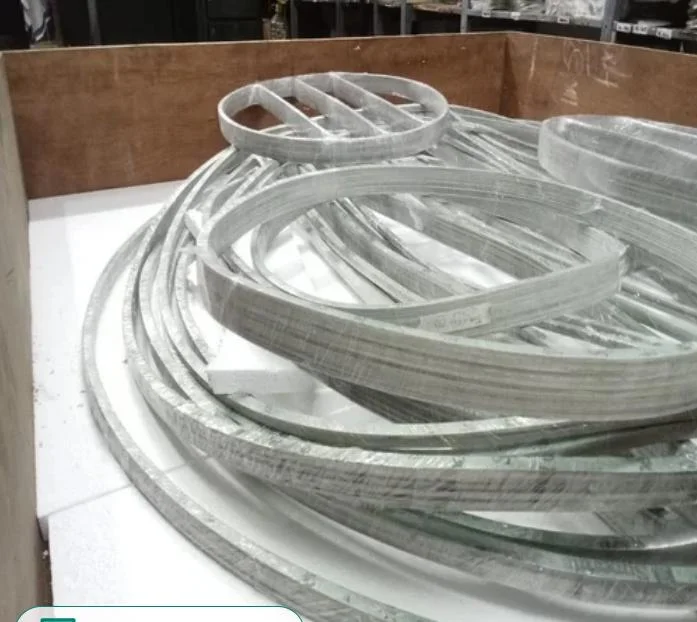
- Spiral wound gaskets are customizable to meet specific dimensional requirements.
5. Chemical Compatibility
- Gaskets must be compatible with the fluids they are sealing to prevent degradation.
- Spiral wound gaskets are suitable for aggressive chemicals due to their robust construction.
6. Certification
- Many gaskets meet industry standards such as CE certification for safety and reliability.
7. Customization Options
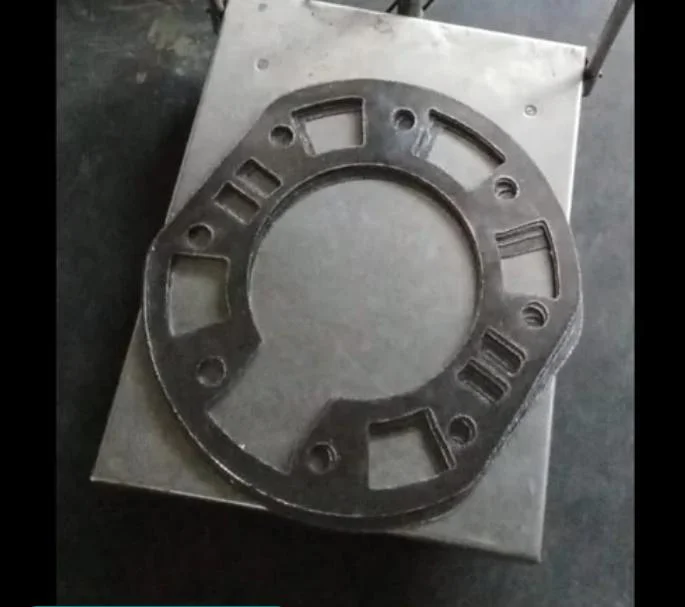
- Gaskets can often be tailored to meet unique specifications and requirements.
In summary, selecting the right gasket involves considering material composition, temperature and pressure ratings, size, and chemical compatibility.
Common Applications and Use Cases
Gaskets and spiral wound gaskets are utilized across diverse industries due to their essential sealing properties.
1. Oil and Gas: In this industry, gaskets are crucial for maintaining the integrity of pipelines and equipment, ensuring safe transport of hydrocarbons.
2. Chemical Processing: Gaskets prevent leaks in reactors and storage tanks, protecting the environment and ensuring compliance with safety regulations.
3. Power Generation: Gaskets are used in turbines and boilers to maintain efficiency and prevent energy loss.
4. Water Treatment: These gaskets are vital for sealing valves and pumps, ensuring clean water delivery and preventing contamination.
5. Aerospace: Gaskets are employed in aircraft components to prevent leaks and maintain pressure in critical systems.
6. Food and Beverage: In this sector, gaskets help maintain hygiene and prevent contamination during processing and packaging.
7. Pharmaceuticals: Gaskets ensure the integrity of sensitive equipment and storage systems, adhering to strict regulatory requirements.
Product Variants and Subcategories
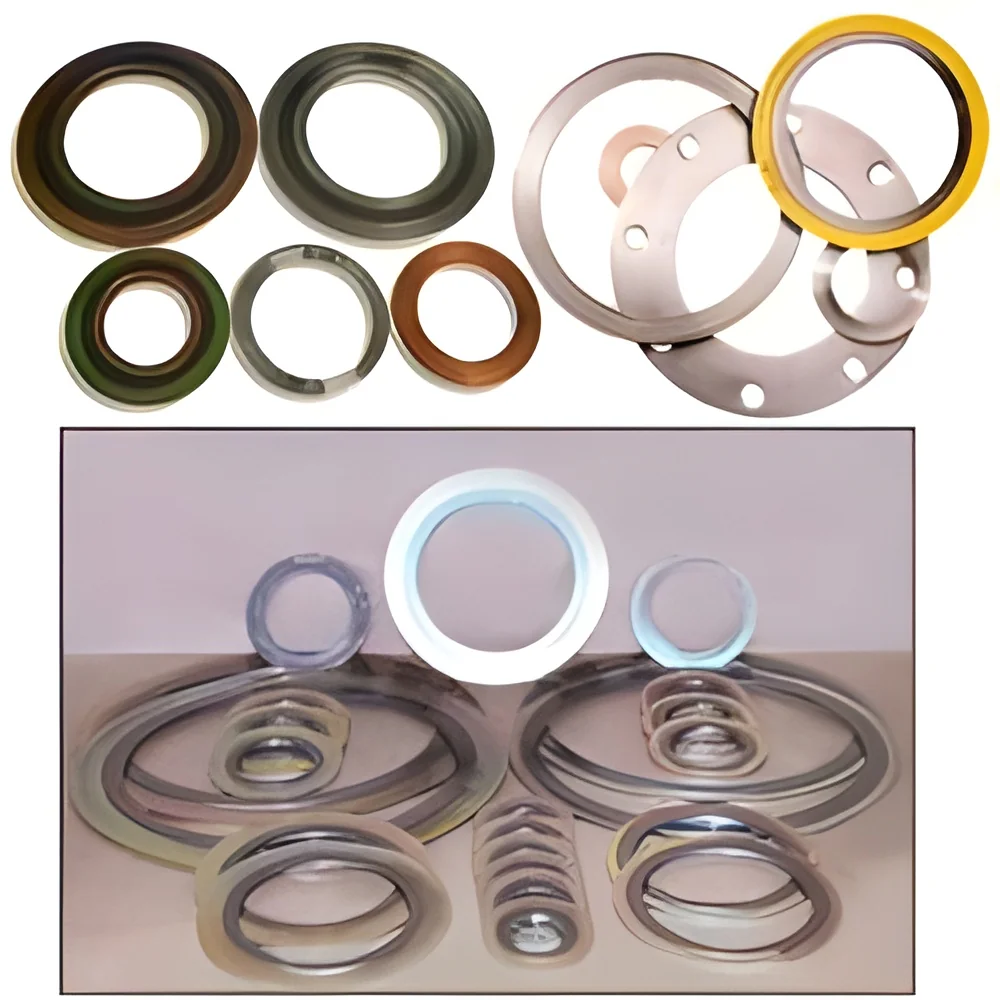
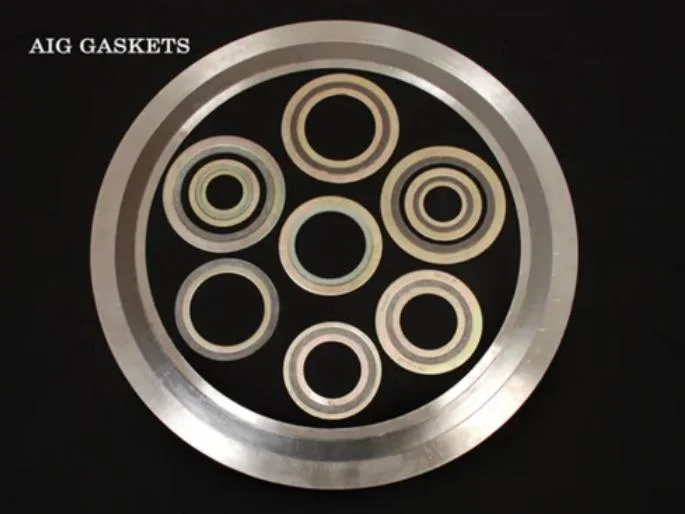
Gaskets and spiral wound gaskets come in various designs to accommodate specific applications and requirements.
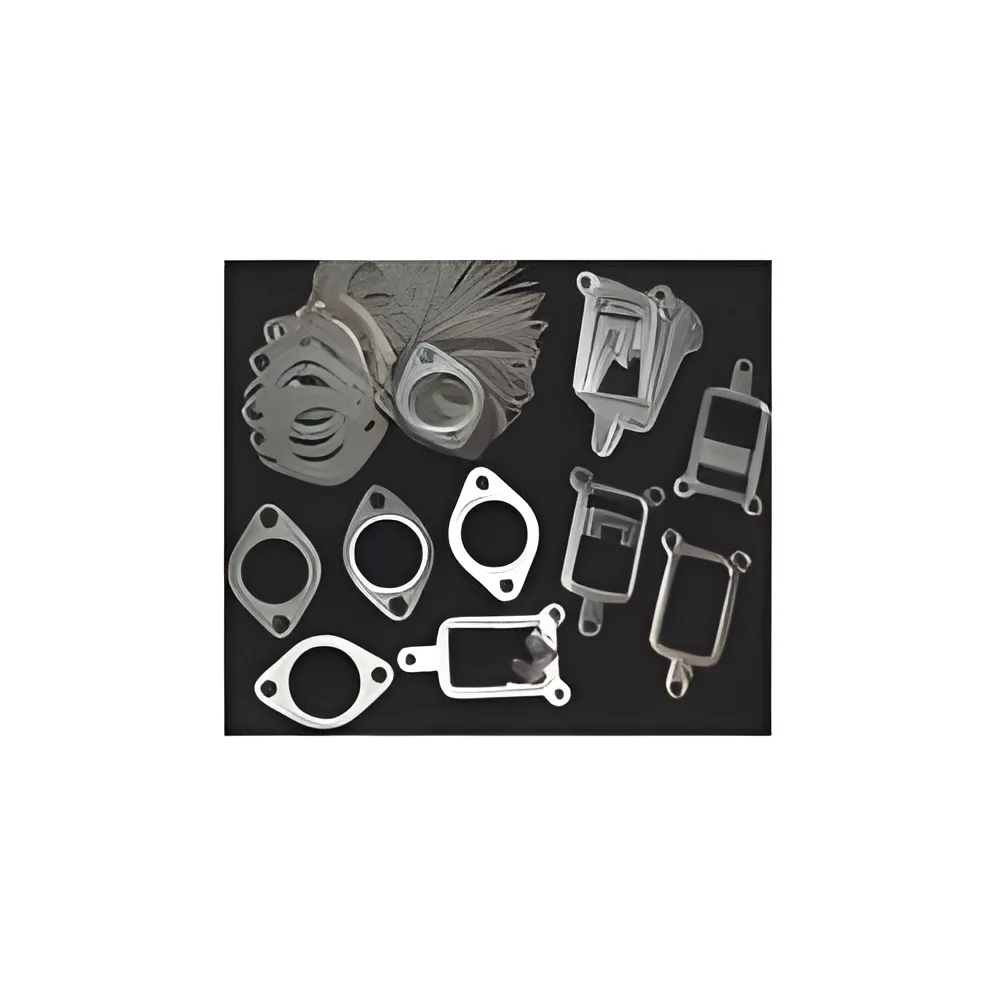
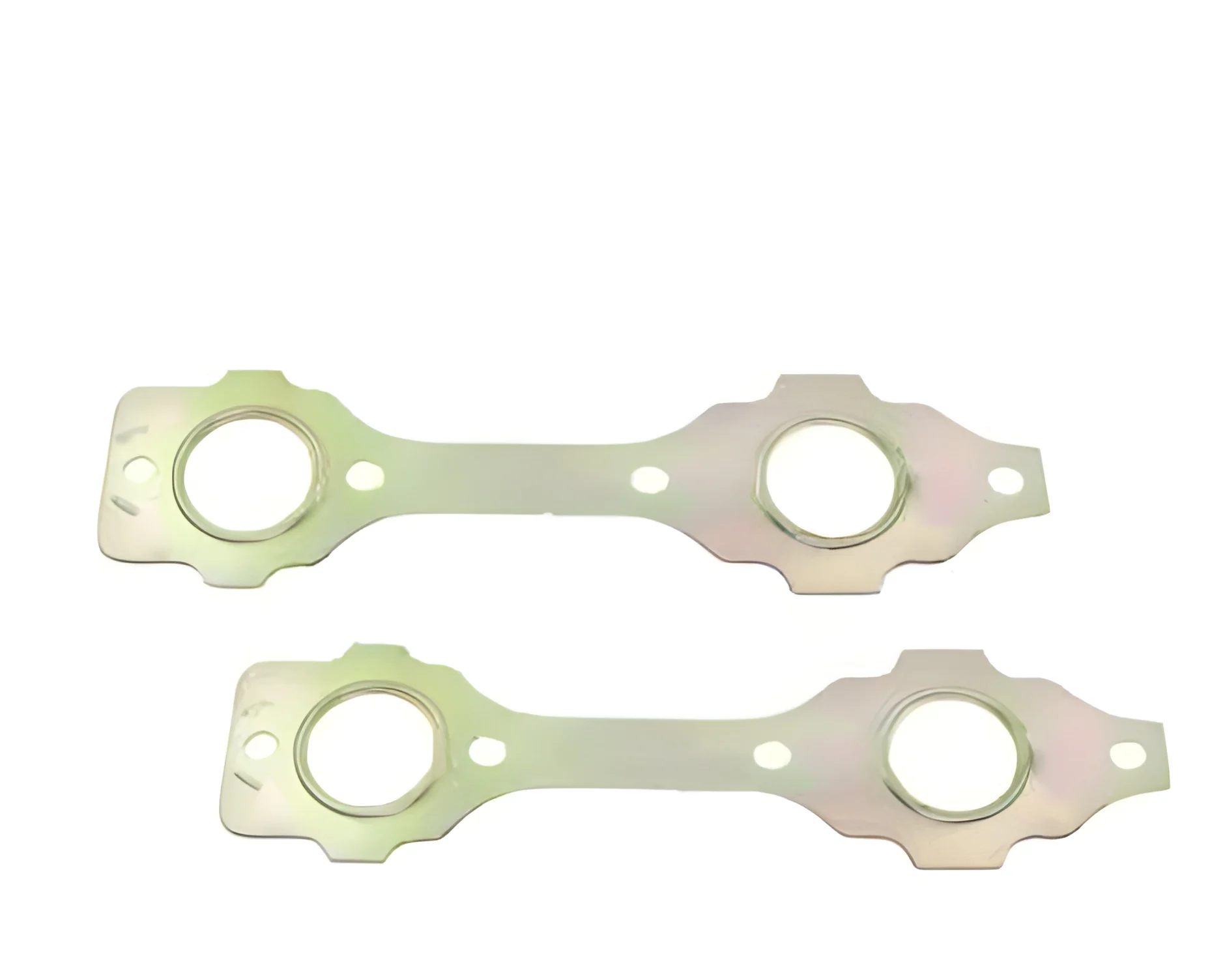
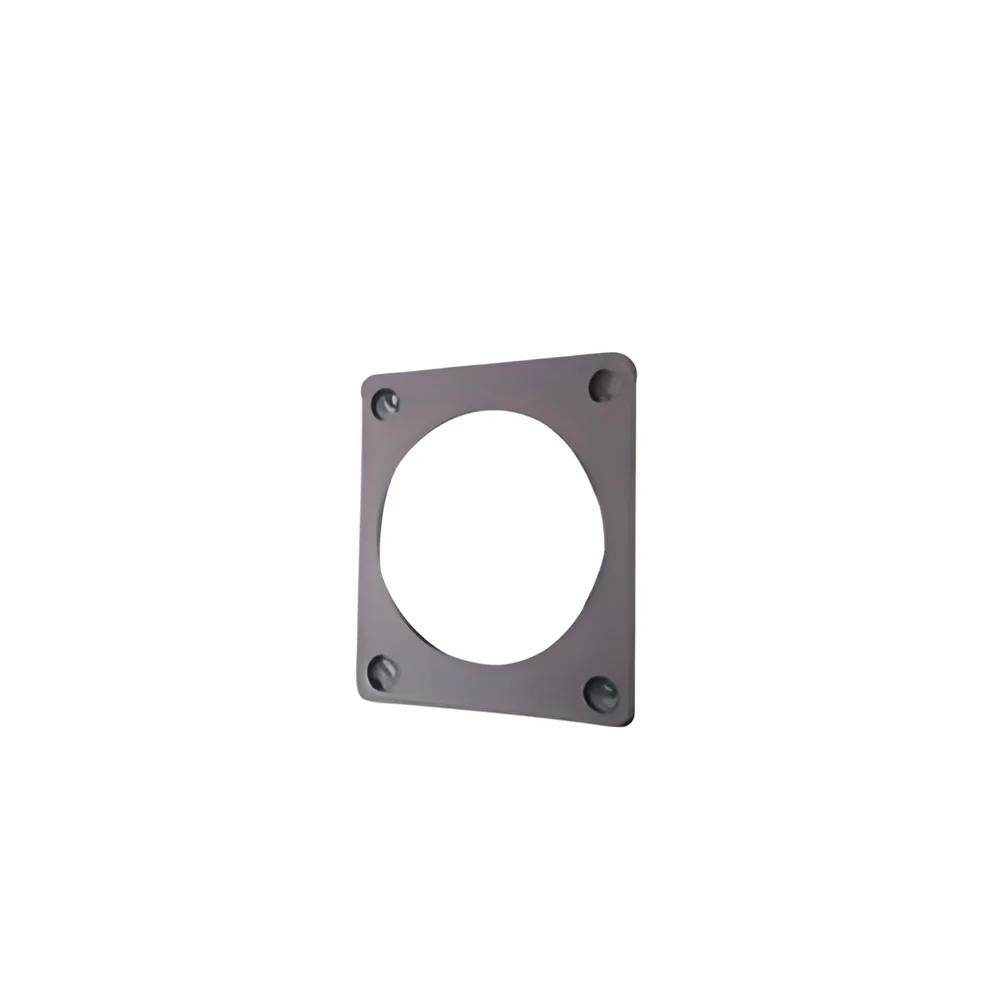
Metallic Gaskets: These gaskets are made from various metals and are ideal for high-temperature and high-pressure applications. They are known for their durability and resistance to harsh conditions.
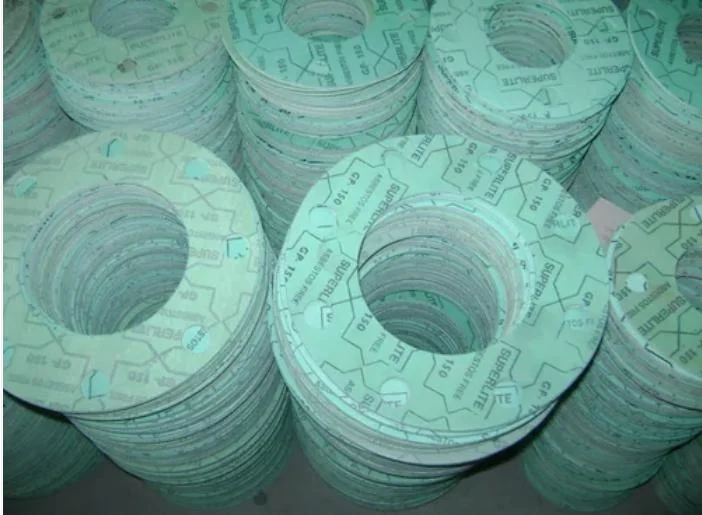
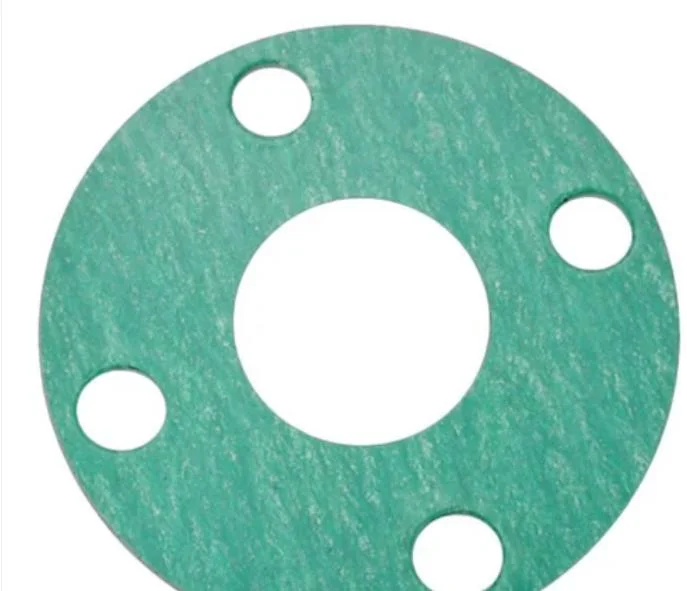
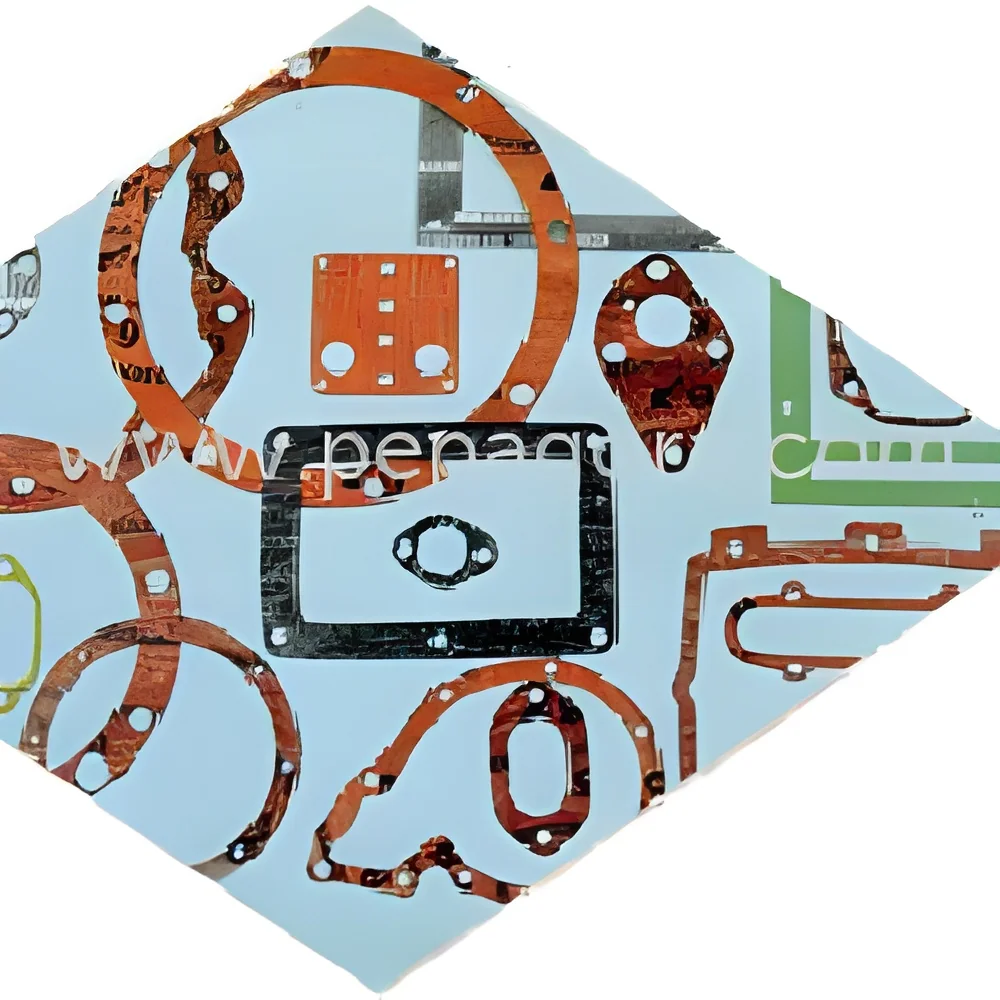
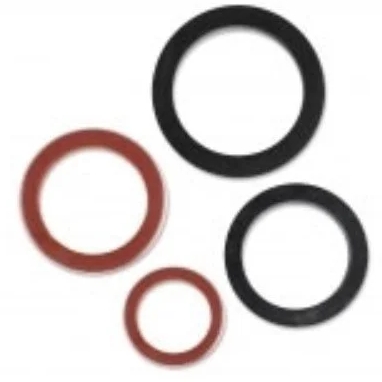
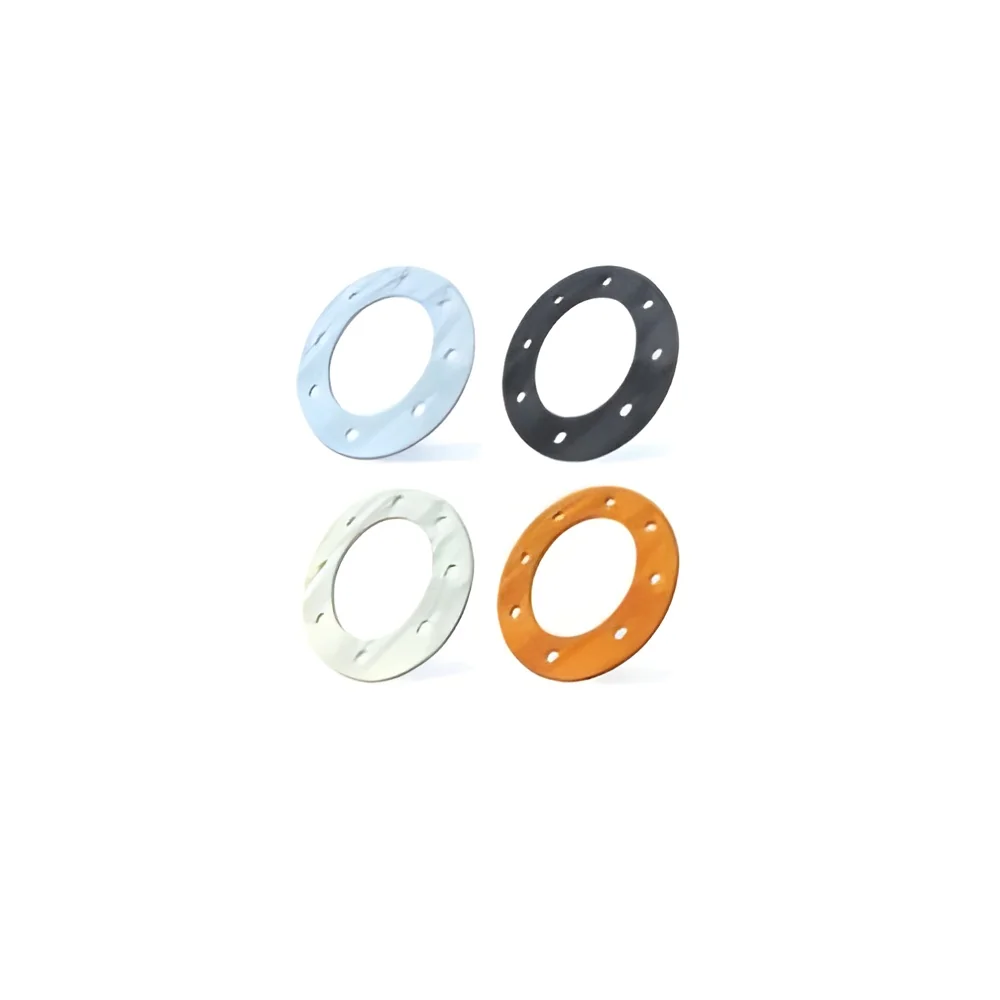
Non-Metallic Gaskets: Typically made from rubber or composite materials, these gaskets are suitable for less demanding environments and applications where flexibility is essential.
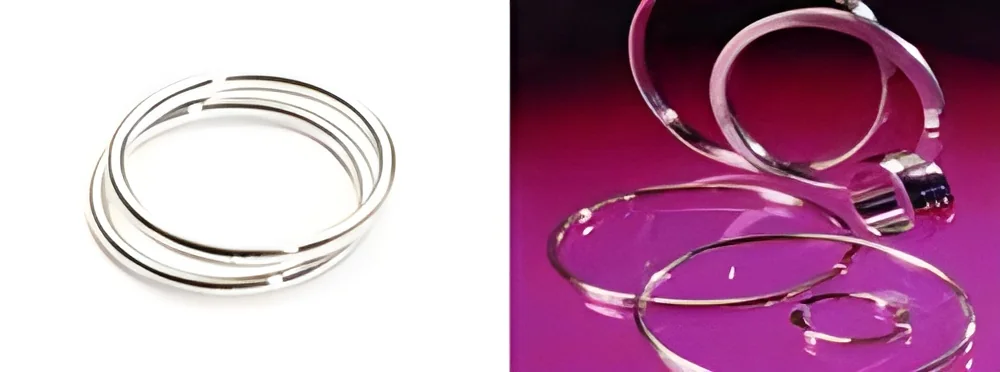
Spiral Wound Gaskets: This variant combines metal and filler materials, providing excellent sealing performance under variable conditions. They are particularly effective in high-pressure environments.
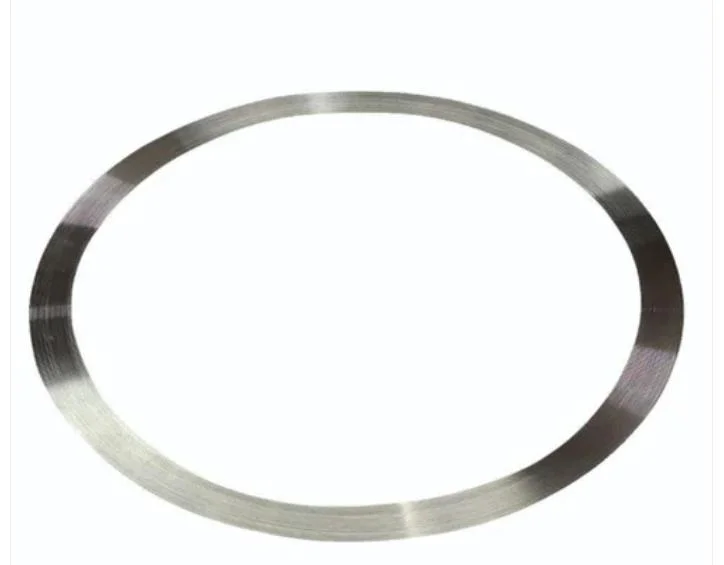
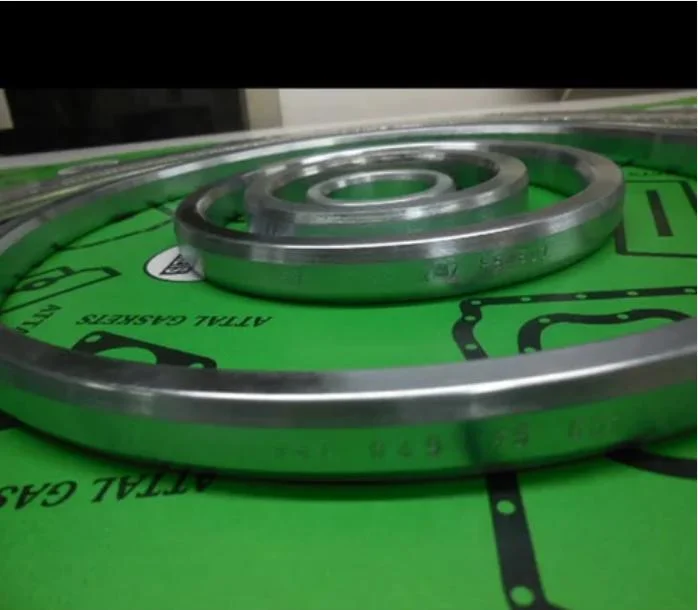
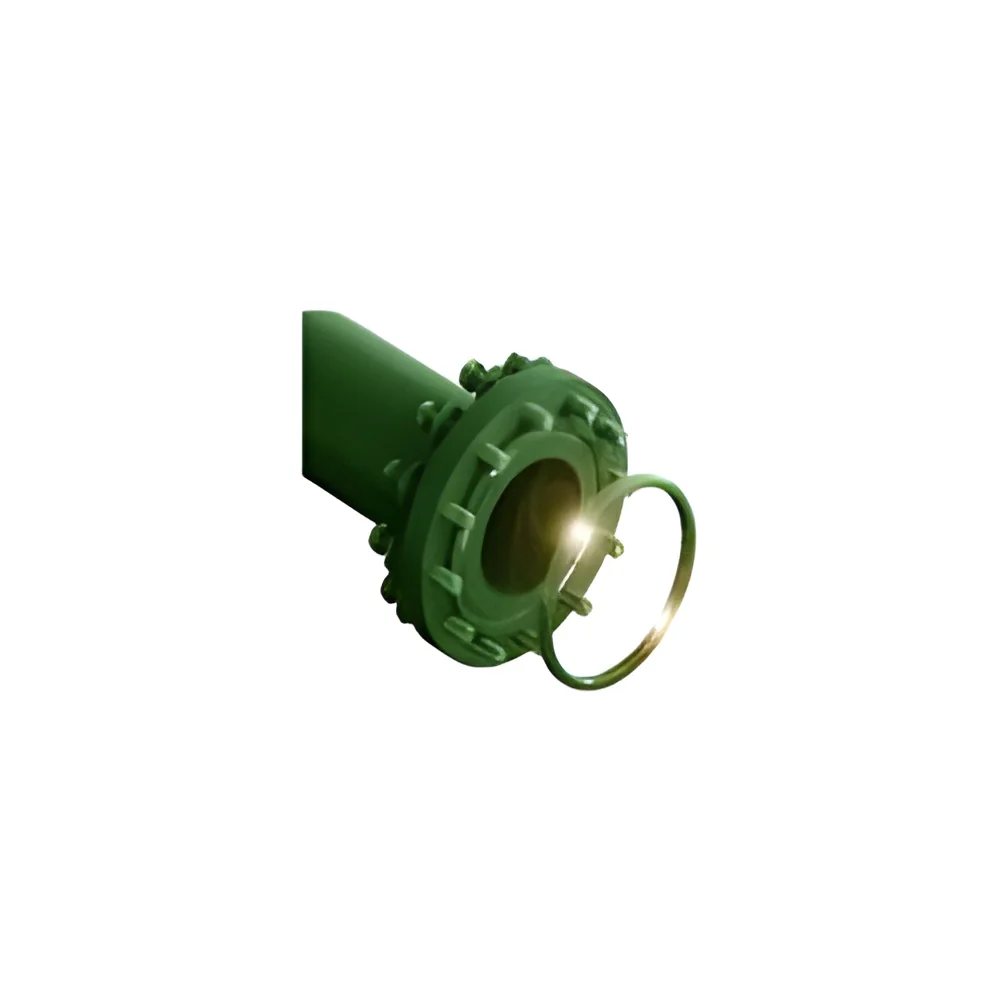
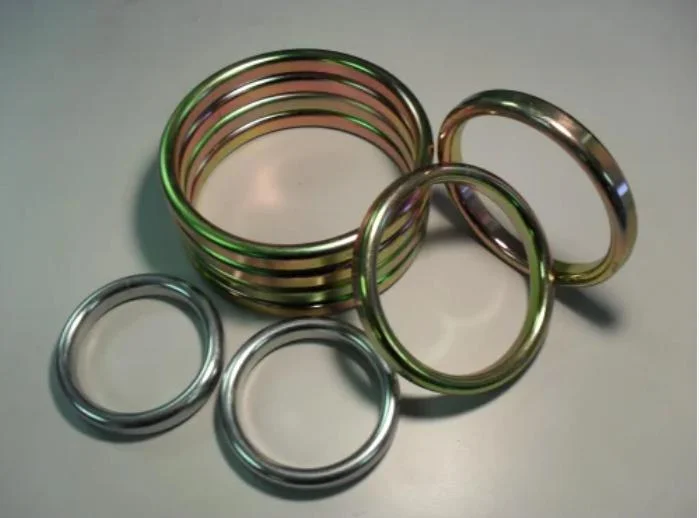
Ring Joint Gaskets: These gaskets are used in high-pressure applications and are designed to create a strong seal through metal deformation.
Benefits and Advantages
Using gaskets and spiral wound gaskets provides several advantages that enhance operational efficiency.
1. Leak Prevention: These gaskets effectively prevent leaks of fluids and gases, ensuring safe operations.
2. Versatility: Gaskets can be used in various applications across multiple industries, making them a flexible choice.
3. Cost-Effectiveness: By reducing downtime and maintenance costs, gaskets ultimately save money in the long run.
4. Enhanced Performance: Gaskets help maintain system integrity, directly contributing to improved performance and efficiency.
5. Customization: Many gaskets can be tailored to meet specific requirements, ensuring compatibility with unique applications.
6. Regulatory Compliance: Using certified gaskets helps businesses meet industry regulations, reducing liability risks.
Buying Guide for B2B Buyers
When sourcing gaskets and spiral wound gaskets, it is essential to consider several factors to ensure a successful purchase.
1. Quality Assessment: Evaluate the quality of gaskets based on material certifications and performance standards. Look for suppliers that provide detailed specifications.
2. Supplier Verification: Vet suppliers by checking their reputation, customer reviews, and industry experience. A verified supplier network ensures reliability.
3. Pricing and MOQ: Understand the pricing structure and minimum order quantities to align with your budget and inventory needs.
4. Delivery and Lead Times: Assess logistics capabilities to ensure timely delivery, minimizing potential delays in operations.
5. Compliance Requirements: Ensure that the gaskets meet relevant regulatory and safety standards to avoid compliance issues.
Compliance and Certifications
Compliance and certifications play a critical role in the quality and reliability of gaskets and spiral wound gaskets. Many gaskets adhere to quality standards such as ISO 9001, which ensures that the manufacturing process meets high-quality benchmarks.
Additionally, industry-specific certifications, like CE, are crucial for demonstrating compliance with safety and performance regulations. These certifications indicate that the products have undergone rigorous testing and meet established safety requirements.
Companies must also consider safety and testing requirements based on their specific applications. This ensures that the gaskets perform reliably under various operational conditions. Furthermore, regional compliance considerations may apply depending on the geographic location of the operations, emphasizing the importance of sourcing from suppliers who understand these regulations.
Why Source Gaskets & Spiral Wound Gaskets from Pepagora?
Pepagora offers a trusted platform for sourcing gaskets and spiral wound gaskets, providing several key advantages for B2B buyers.
The verified supplier network ensures that businesses can connect with reputable manufacturers, fostering confidence in the quality and reliability of the products. Each supplier is vetted to guarantee that they meet industry standards.
The streamlined RFQ process simplifies the procurement experience, allowing buyers to request quotes efficiently and compare options based on their specific needs. This system saves time and enhances decision-making.
Pepagora also prioritizes trade assurance and support, providing buyer protection and assistance throughout the purchasing process. This feature is crucial for ensuring that transactions are secure and satisfactory.
Lastly, Pepagora's regional coverage extends across India, the GCC, and Southeast Asia, enabling businesses to access a wide range of suppliers and products suited to their operational needs. This geographic reach enhances the sourcing experience, ensuring that buyers find the right gaskets and spiral wound gaskets for their requirements.

 IN
IN