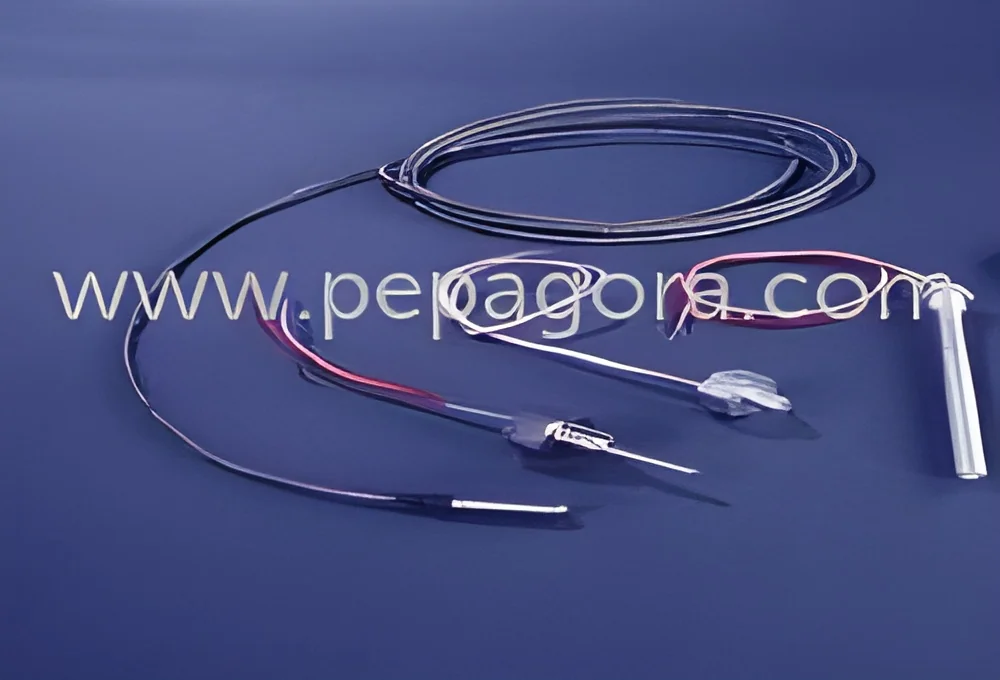
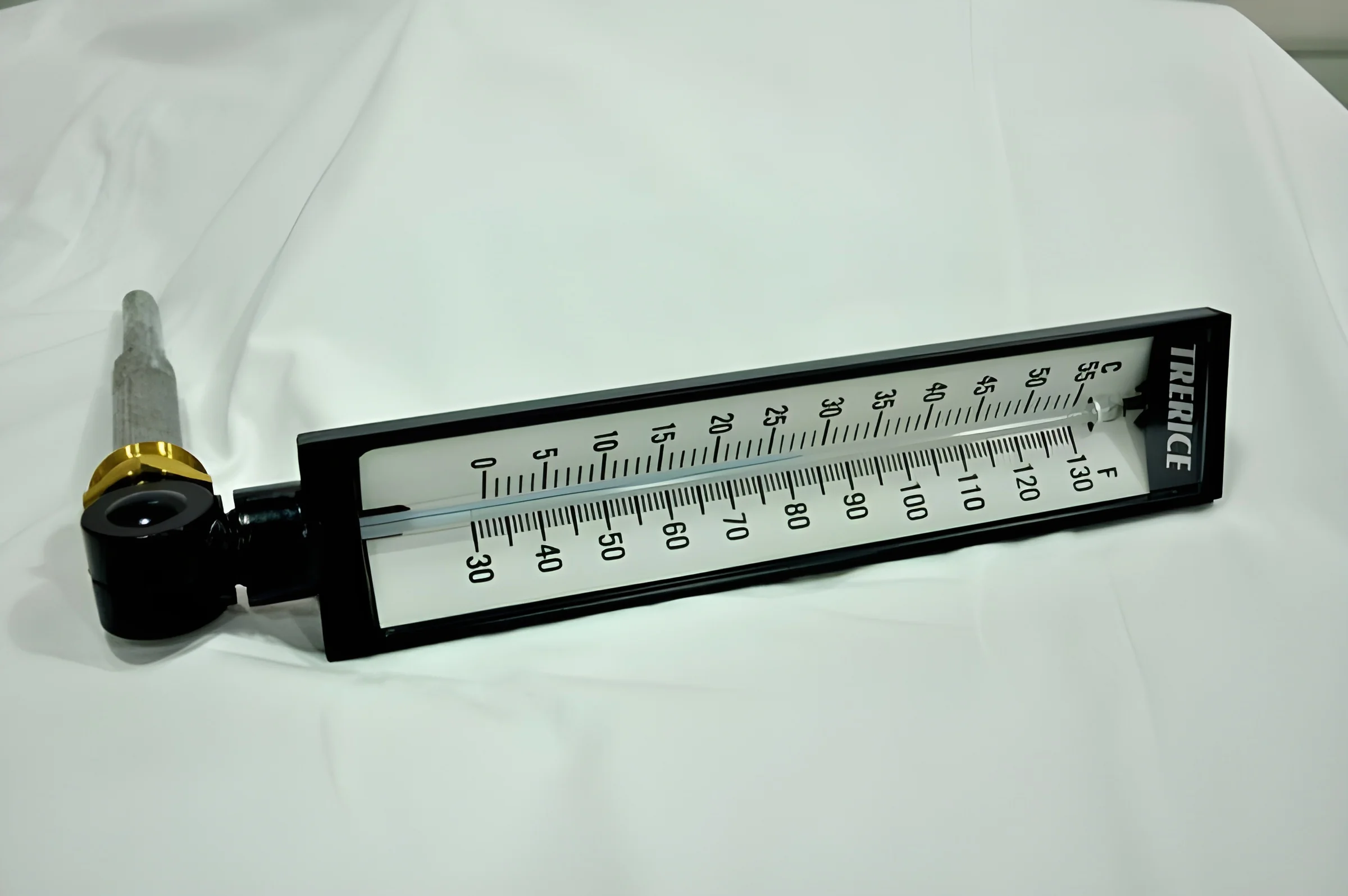
What are Bearing Temperature Sensors?
Bearing temperature sensors are devices designed to monitor the temperature of bearings used in various machinery and equipment. These sensors provide real-time temperature readings, allowing for the early detection of potential overheating and mechanical failures. By continuously monitoring temperature fluctuations, they help maintain optimal operating conditions and prevent costly downtime.
The primary use of bearing temperature sensors is in industrial applications where rotating equipment is prevalent. Industries such as manufacturing, oil and gas, and transportation rely on these sensors to ensure the efficient operation of critical machinery. By integrating temperature sensors into their systems, businesses can enhance reliability, improve maintenance practices, and extend the lifespan of their equipment. The growing emphasis on predictive maintenance and operational efficiency has increased the demand for these sensors across various sectors.
As industries continue to evolve, the relevance of bearing temperature sensors remains high. The market for these sensors is driven by the need for improved monitoring technologies and the push towards automation in industrial settings. With advancements in sensor technology, businesses can now access more accurate and reliable temperature data, which is essential for efficient operations.
Key Features and Specifications
Bearing temperature sensors offer a range of features that enhance their functionality and usability. These sensors are designed to operate effectively in harsh environments and provide precise temperature measurements for various applications.
Key specifications include:
1. Temperature Range
- Typically designed to measure temperatures in the range of -40 to 200 degrees Celsius.
- Some models may support extended temperature ranges based on specific applications.
2. Sensor Type
- Common types include thermocouples, RTDs (Resistance Temperature Detectors), and thermistors.
- Each type offers unique advantages in terms of response time and accuracy.
3. Output Signal
- Standard output signals include 4-20 mA, voltage output, or digital signals.
- The choice of output can affect integration with existing monitoring systems.
4. Material Construction
- Often made from durable materials such as stainless steel or thermoplastic.
- Designed to withstand exposure to harsh chemicals and environmental conditions.
5. Response Time
- Typically ranges from milliseconds to several seconds, depending on the sensor design.
- Faster response times are crucial for real-time monitoring applications.
6. Mounting Options
- Various mounting options are available, including threaded, flanged, or adhesive mounts.
- The choice of mounting depends on the specific application and installation requirements.
7. Environmental Protection
- Many sensors are rated for IP65 or higher, providing protection against dust and water.
- Ensures reliable operation in challenging industrial environments.
8. Calibration Standards
- Sensors may require calibration according to specific industry standards.
- Regular calibration ensures measurement accuracy and compliance with quality standards.
In summary, bearing temperature sensors are equipped with essential features and specifications that cater to diverse industrial needs, making them a vital component for effective equipment monitoring.
Common Applications and Use Cases
Bearing temperature sensors are utilized in a variety of industrial applications, ensuring the smooth operation of machinery.
1. Manufacturing: In manufacturing plants, bearing temperature sensors are used to monitor motors, conveyors, and gearboxes. This helps prevent unplanned downtime by alerting operators to potential overheating issues.
2. Oil and Gas: In the oil and gas sector, these sensors monitor pumps and compressors. Detecting temperature anomalies can prevent equipment failures and enhance safety in critical operations.
3. Transportation: In the transportation industry, bearing temperature sensors are applied in vehicles and locomotives. They help ensure the reliability of bearings in wheels and axles, contributing to safer transport.
4. Power Generation: In power plants, these sensors monitor turbines and generators. They play a crucial role in maintaining optimal performance and preventing overheating.
5. Mining: In mining operations, bearing temperature sensors are used in heavy machinery such as excavators and loaders. Monitoring temperatures helps in maintaining equipment efficiency and longevity.
6. HVAC Systems: In heating, ventilation, and air conditioning systems, these sensors ensure that motors and fans operate within safe temperature limits, improving system reliability.
7. Food and Beverage: In the food processing industry, bearing temperature sensors help monitor equipment used in production lines, ensuring compliance with safety and quality standards.
Product Variants and Subcategories
Bearing temperature sensors come in various types to suit different industrial needs. Each variant offers unique features that cater to specific applications.
Thermocouple Sensors: These sensors are popular for their fast response times and wide temperature range. They are suitable for high-temperature applications, making them ideal for heavy machinery and manufacturing processes.
RTD Sensors: Resistance Temperature Detectors are known for their accuracy and stability. They are often used in precision applications, such as in laboratories and high-quality manufacturing environments.
Thermistor Sensors: These sensors provide excellent sensitivity and are commonly used in applications requiring high accuracy at lower temperature ranges. They are often found in HVAC systems and consumer appliances.
Benefits and Advantages
Bearing temperature sensors provide numerous advantages that enhance operational efficiency and safety.
1. Early Failure Detection: By continuously monitoring temperature, these sensors can detect early signs of overheating, allowing for timely maintenance.
2. Increased Equipment Lifespan: Regular monitoring and maintenance prompted by temperature readings help prolong the life of bearings and machinery.
3. Enhanced Safety: Monitoring temperature reduces the risk of catastrophic failures, thereby improving workplace safety for employees.
4. Cost Savings: Early detection of issues can prevent costly repairs and unplanned downtime, resulting in significant cost savings for businesses.
5. Improved Operational Efficiency: Real-time temperature data enables better decision-making, enhancing overall equipment effectiveness.
6. Compliance with Standards: Using temperature sensors helps businesses adhere to industry standards and regulations, ensuring safe and reliable operations.
Buying Guide for B2B Buyers
When sourcing bearing temperature sensors, it is essential to consider several key factors to ensure the right choice for your application.
1. Quality Assessment: Look for sensors that meet relevant industry standards and specifications. Quality assurance processes, such as ISO certifications, can indicate a reliable product.
2. Supplier Verification: Vet potential suppliers by checking their reputation, customer reviews, and history. A reliable supplier should have a proven track record in delivering quality products.
3. Pricing and MOQ: Understand the pricing structure and minimum order quantities (MOQ) offered by suppliers. Comparing prices among different providers can help you find the best deal.
4. Delivery and Lead Times: Consider the logistics involved in delivery. Understanding lead times is crucial for planning and ensuring that you receive the sensors when needed.
5. Compliance Requirements: Ensure that the sensors meet any local or international regulatory requirements. Compliance with safety and quality standards is essential for operational integrity.
Compliance and Certifications
Bearing temperature sensors must adhere to various compliance and certification standards to ensure quality and safety. Common quality standards include ISO 9001, which focuses on maintaining high-quality management systems. Compliance with HACCP (Hazard Analysis Critical Control Point) is vital in industries such as food and beverage, where safety is paramount.
In addition to quality standards, industry certifications such as CE are crucial for ensuring that products meet European safety and environmental requirements. These certifications indicate that the sensors have undergone rigorous testing and comply with relevant regulations.
Furthermore, safety and testing requirements are often dictated by the specific application and industry. It is essential to consider regional compliance, as different markets may have varying regulations regarding temperature sensors. Businesses should stay informed about local standards to ensure that their products meet all necessary compliance requirements.
Why Source Bearing Temperature Sensors from Pepagora?
Pepagora offers a trusted platform for sourcing bearing temperature sensors, providing several key advantages for B2B buyers.
The verified supplier network ensures that businesses have access to reputable manufacturers and distributors. Pepagora conducts thorough checks to verify suppliers, enhancing buyer confidence.
The streamlined RFQ process simplifies the procurement experience. Buyers can easily request quotations from multiple suppliers, allowing for efficient comparisons and informed decision-making.
Trade assurance and support services further enhance buyer protection. Pepagora provides assistance throughout the sourcing process, ensuring that buyers receive quality products and reliable service.
Additionally, Pepagora's regional coverage extends across India, the GCC, and Southeast Asia. This geographic reach ensures that businesses from various regions can access quality bearing temperature sensors tailored to their specific needs.

 IN
IN