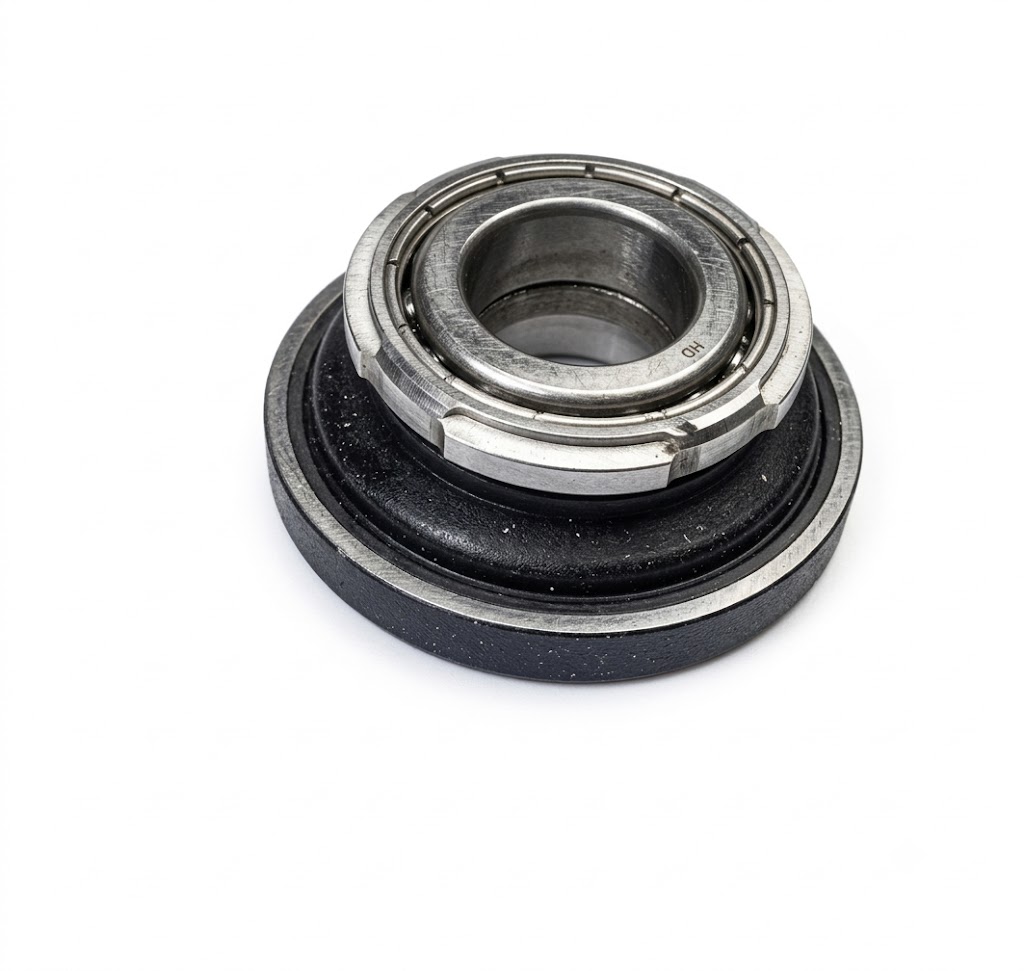
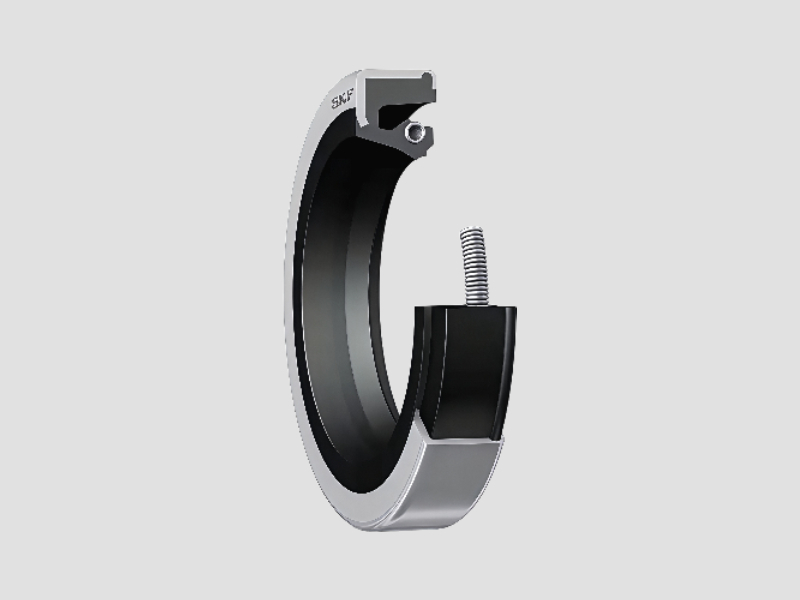
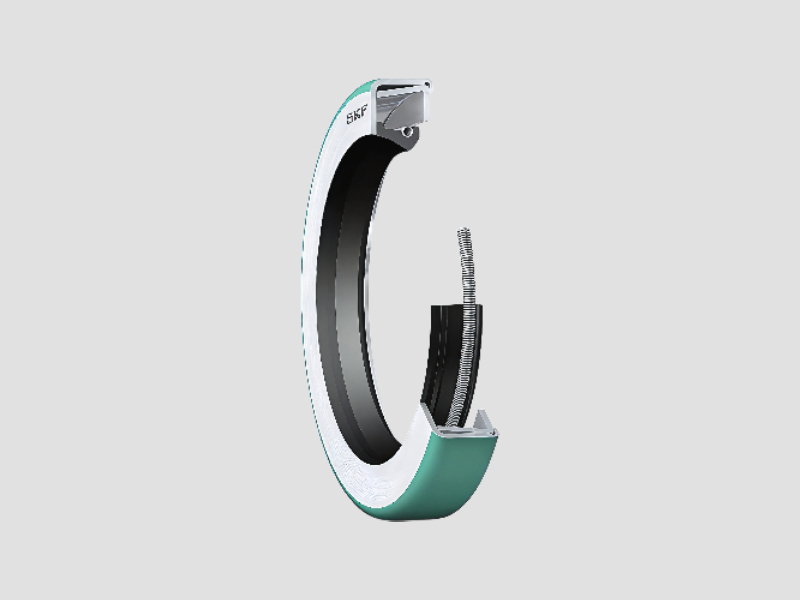
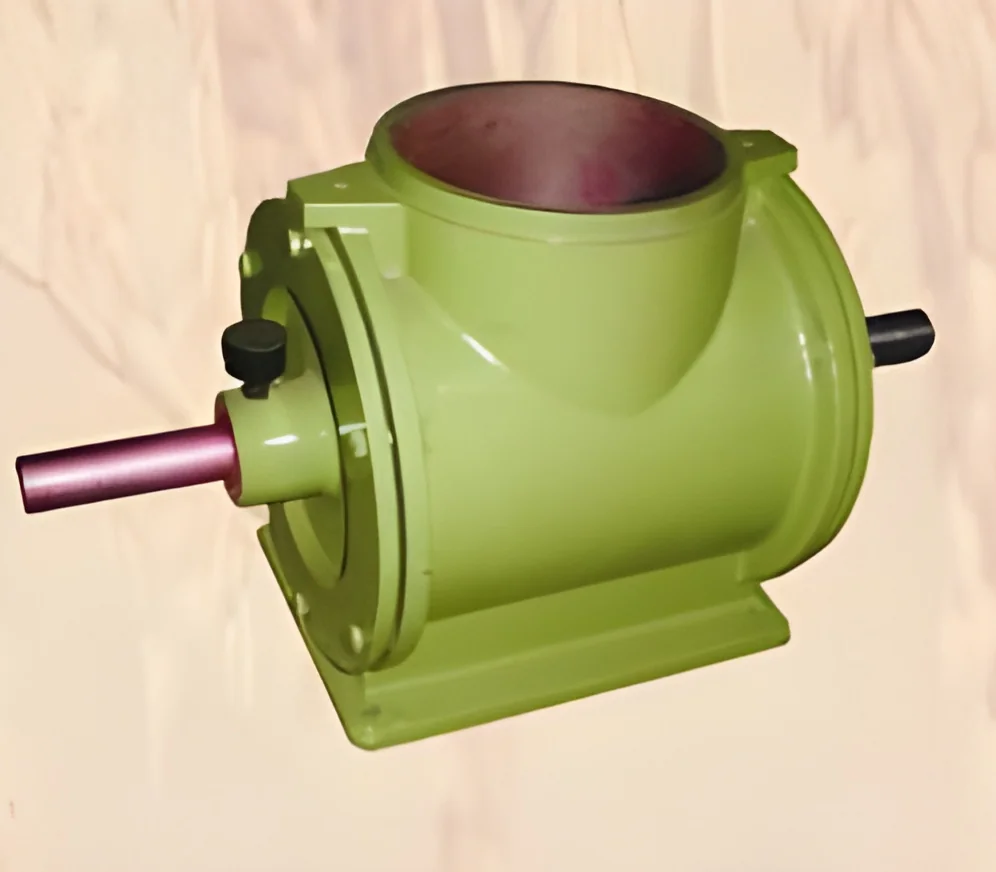
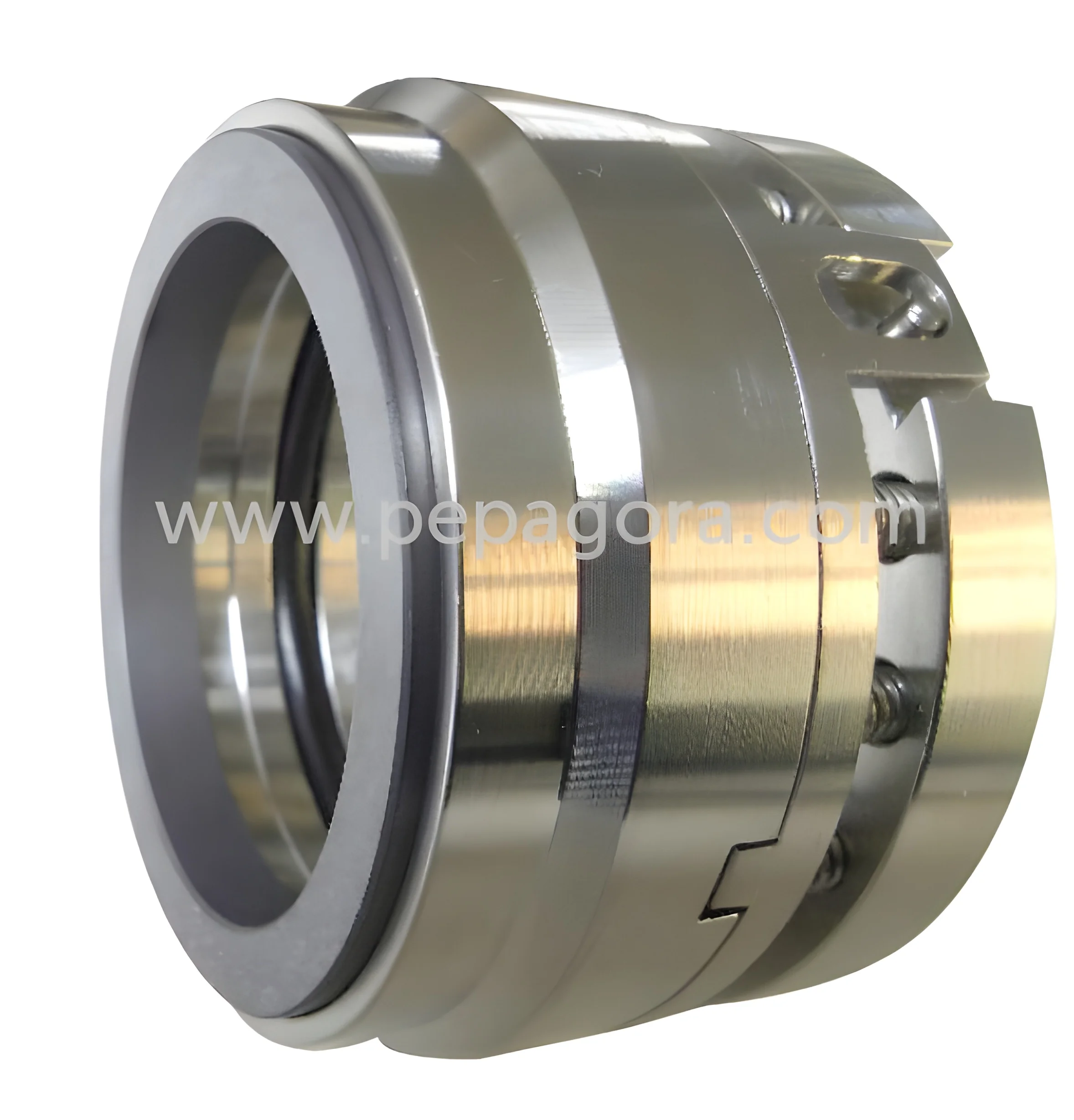
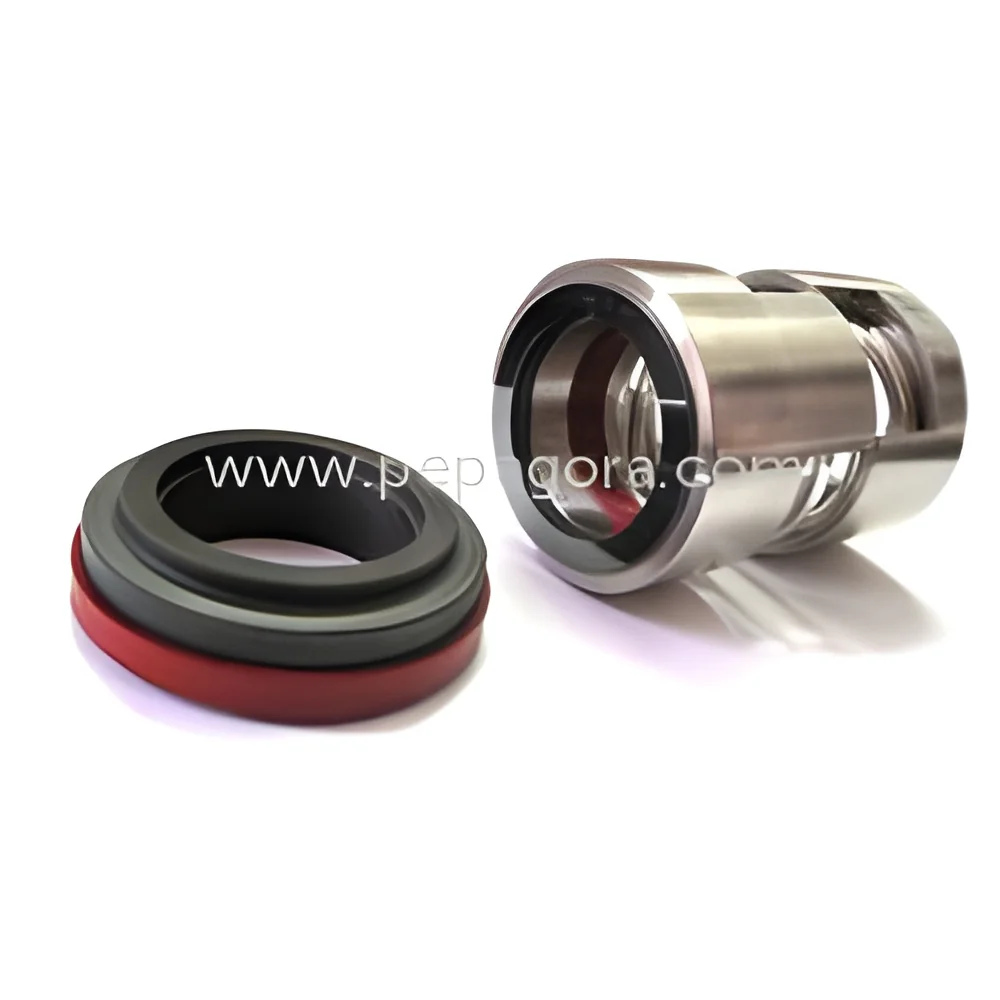
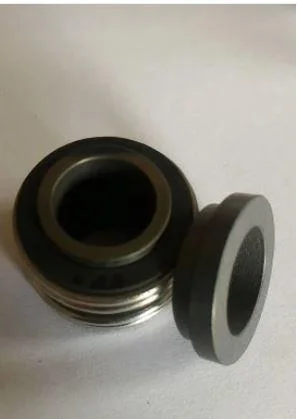
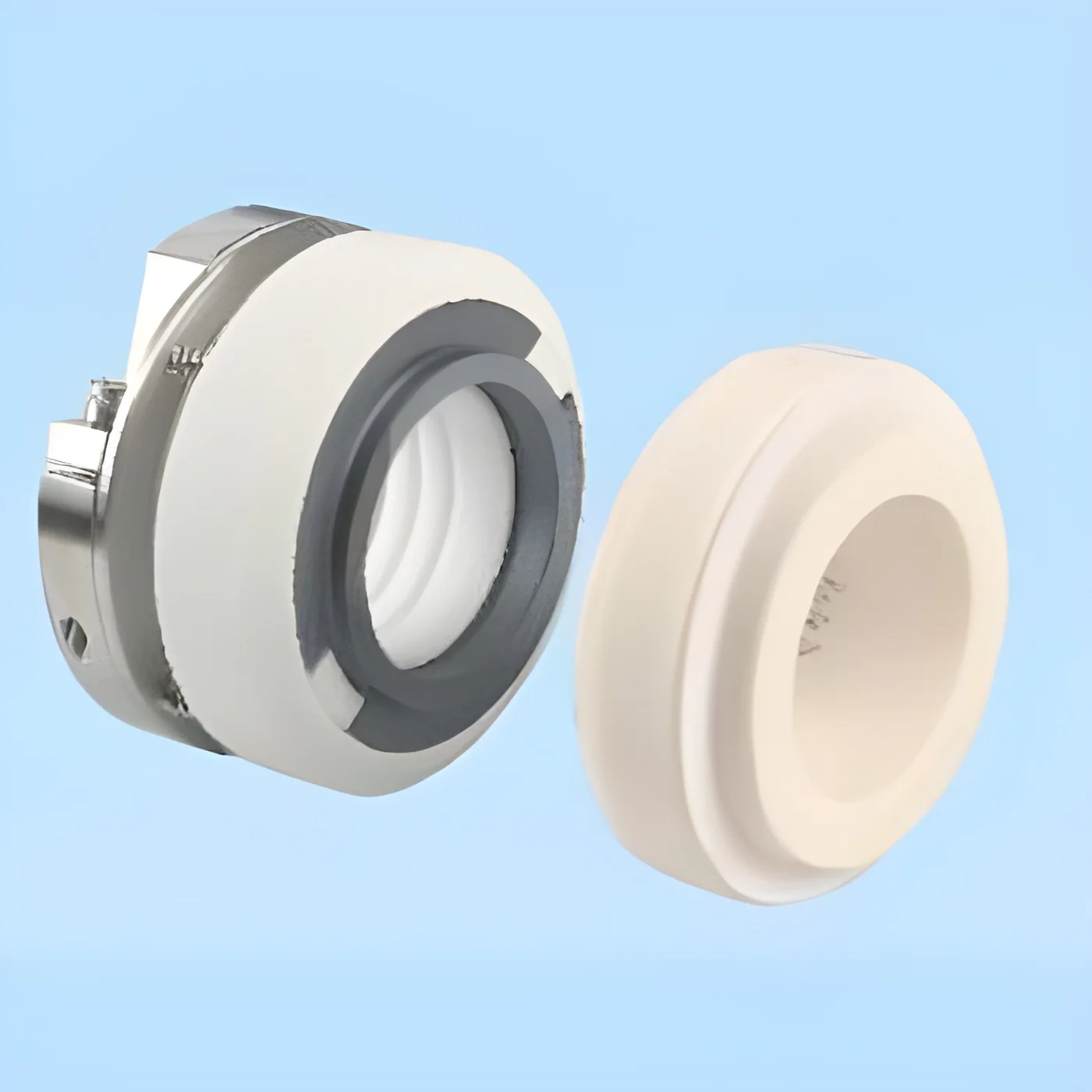
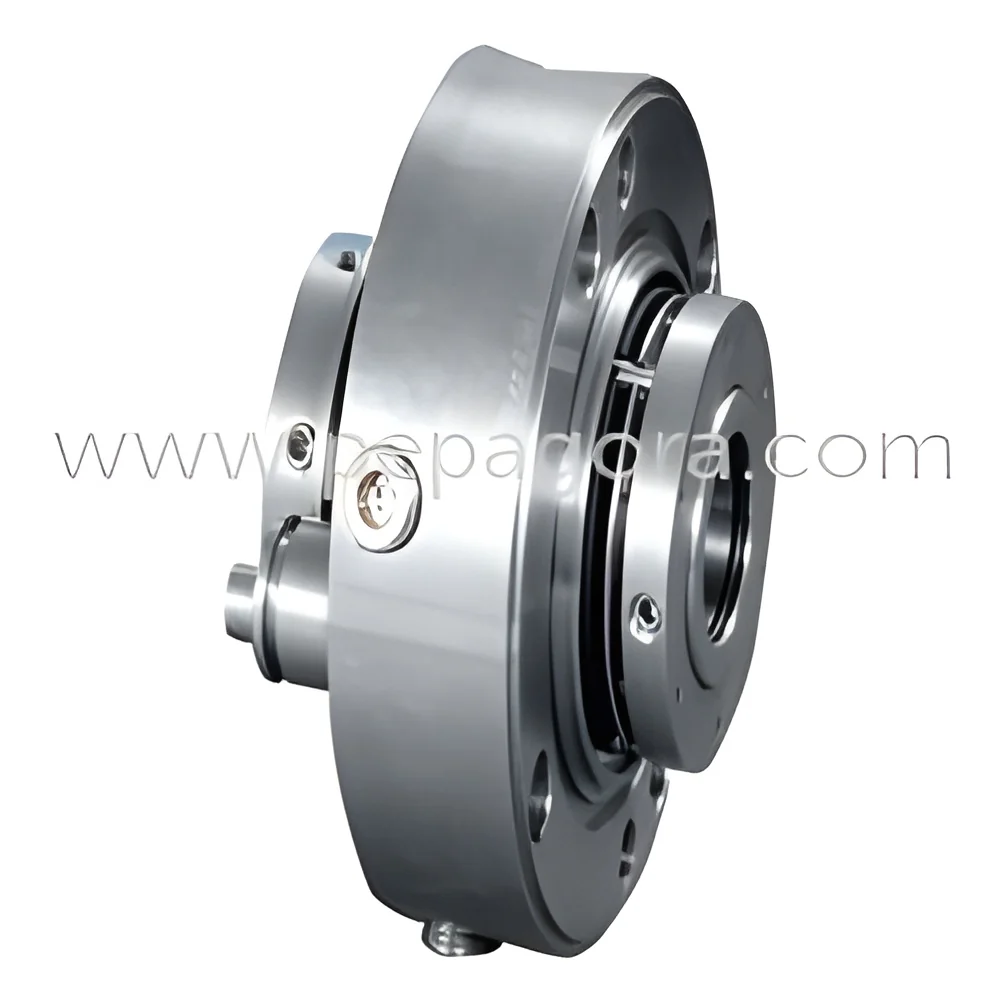
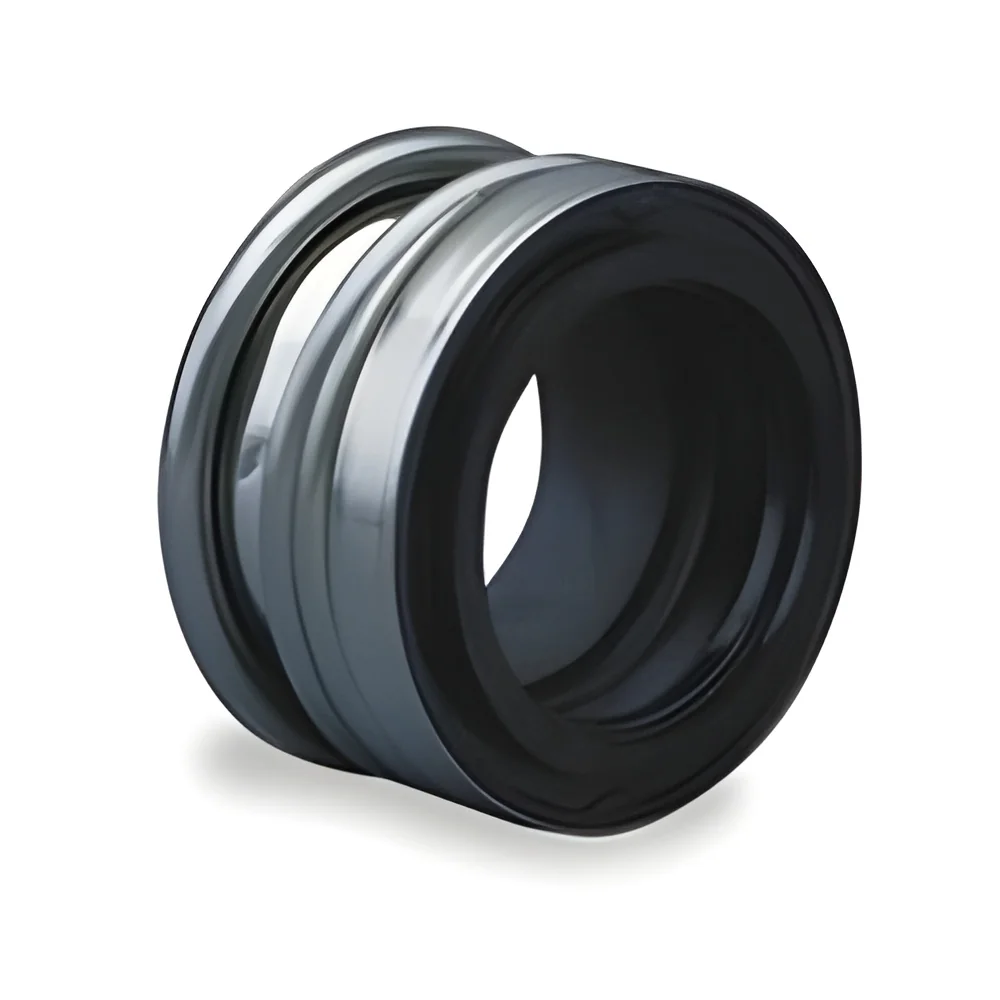
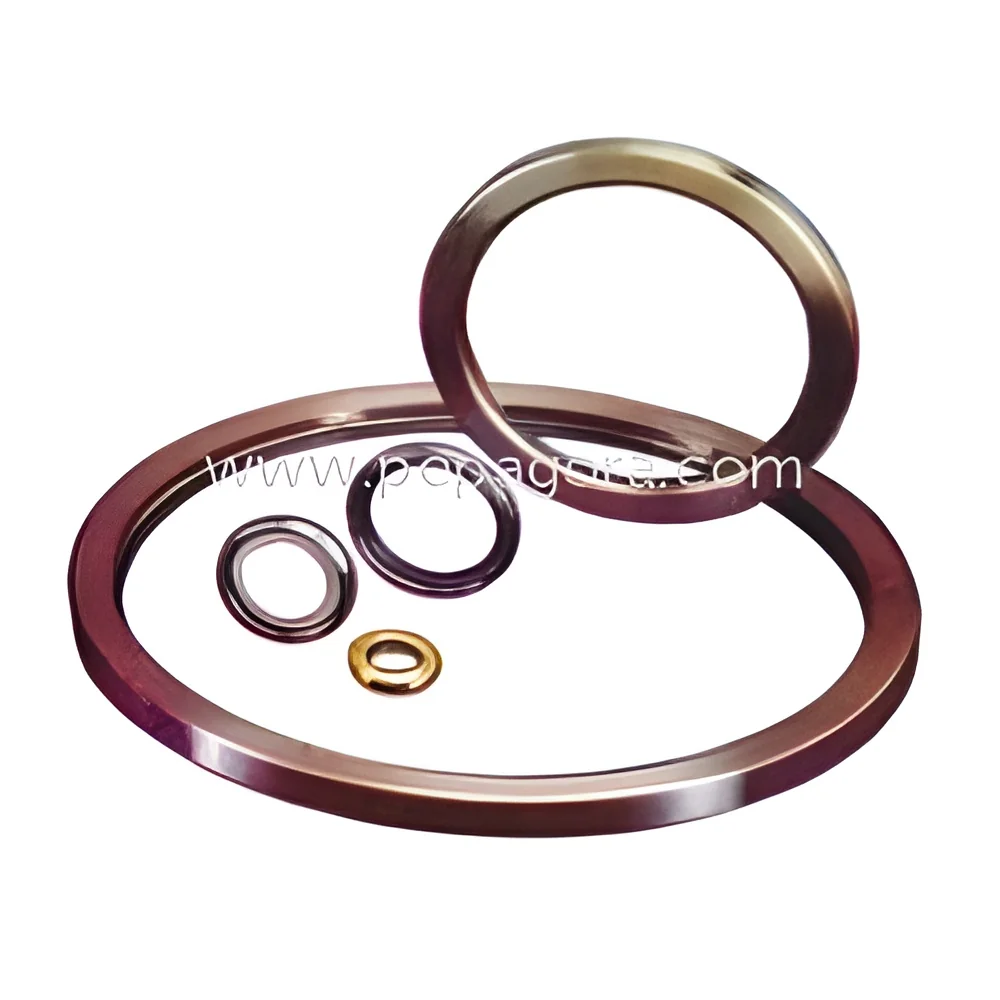
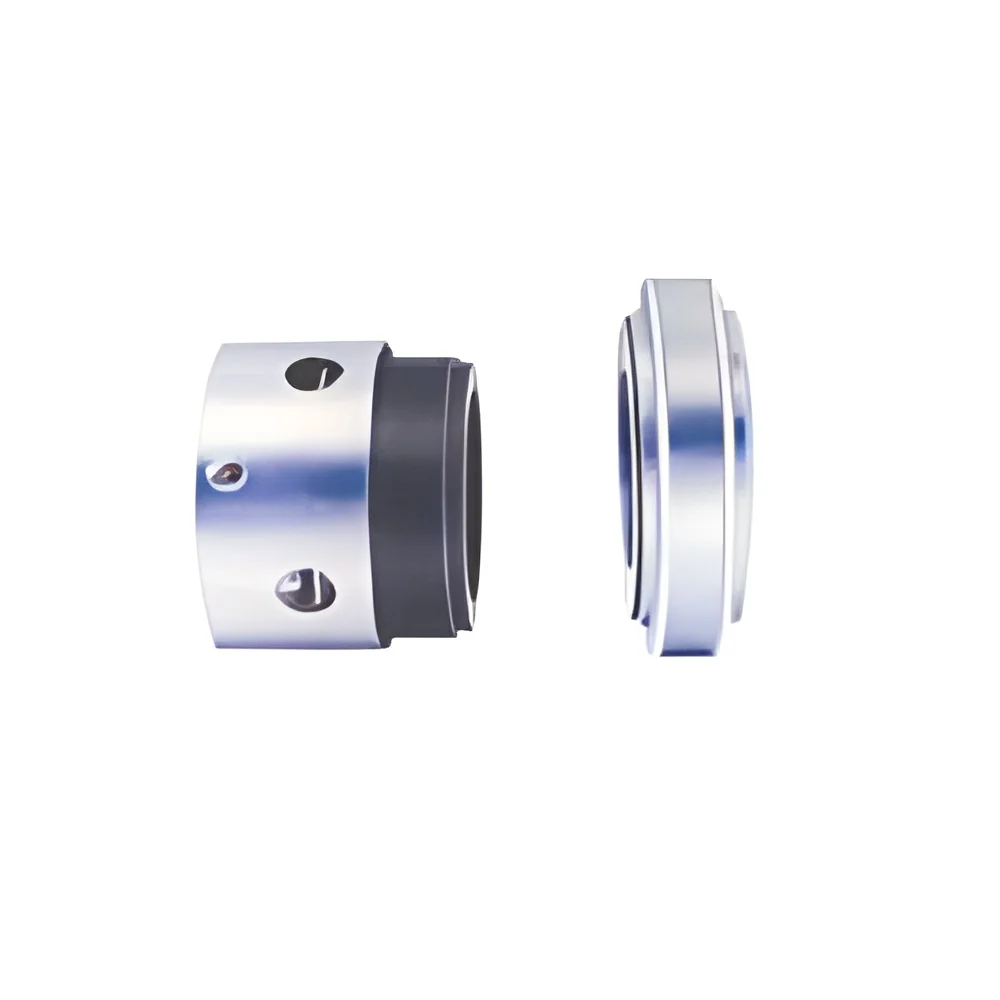
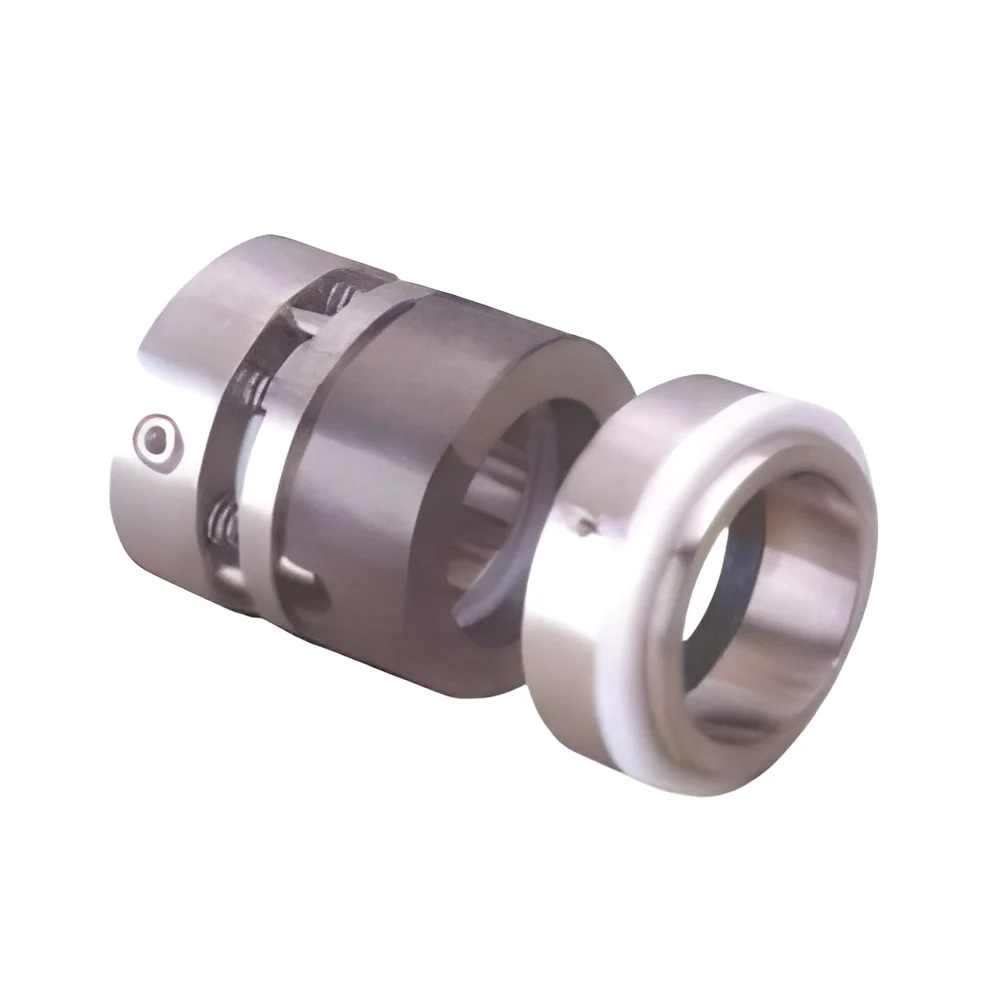
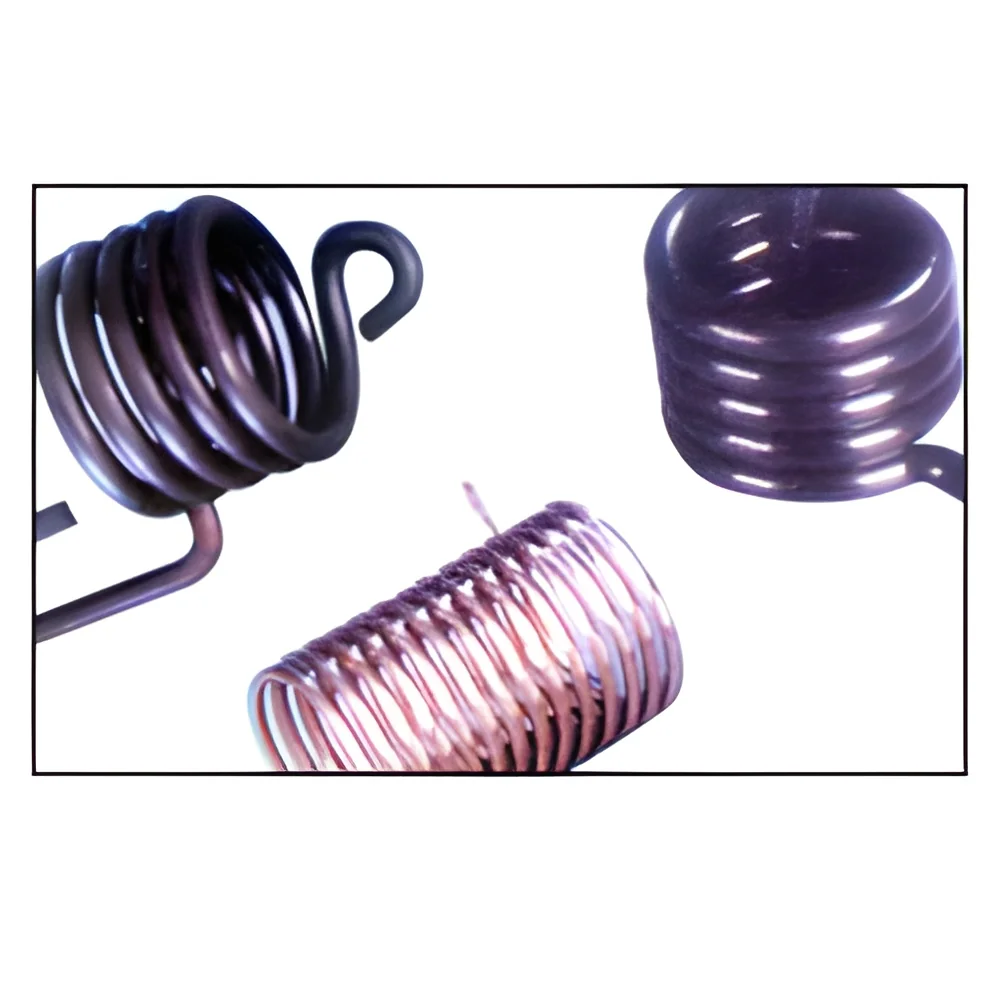
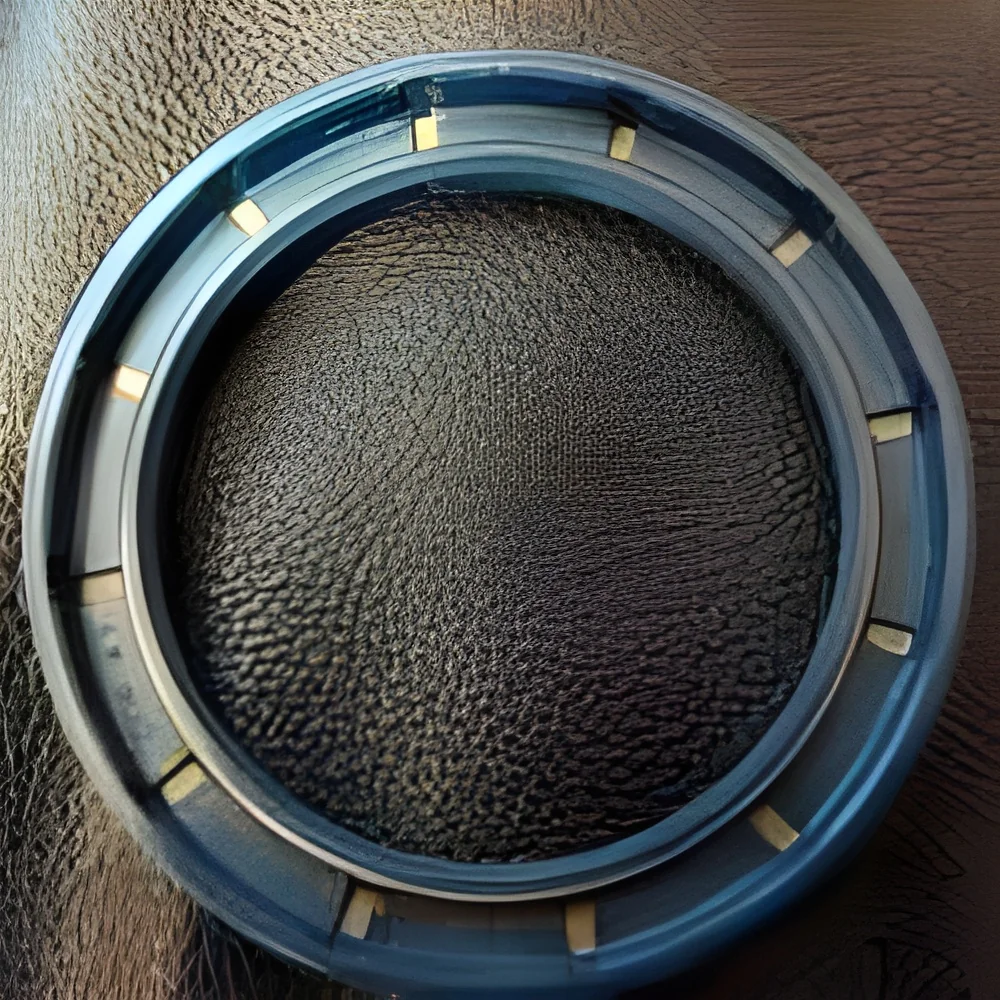
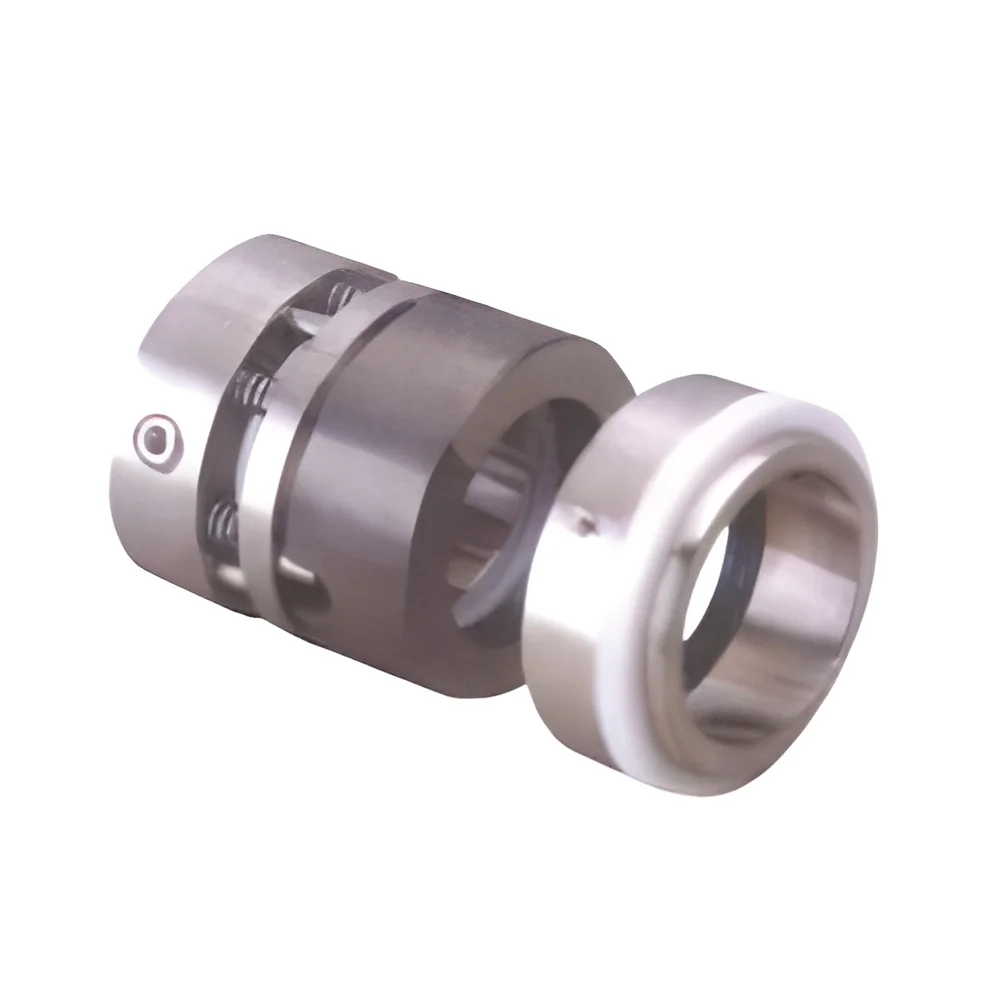
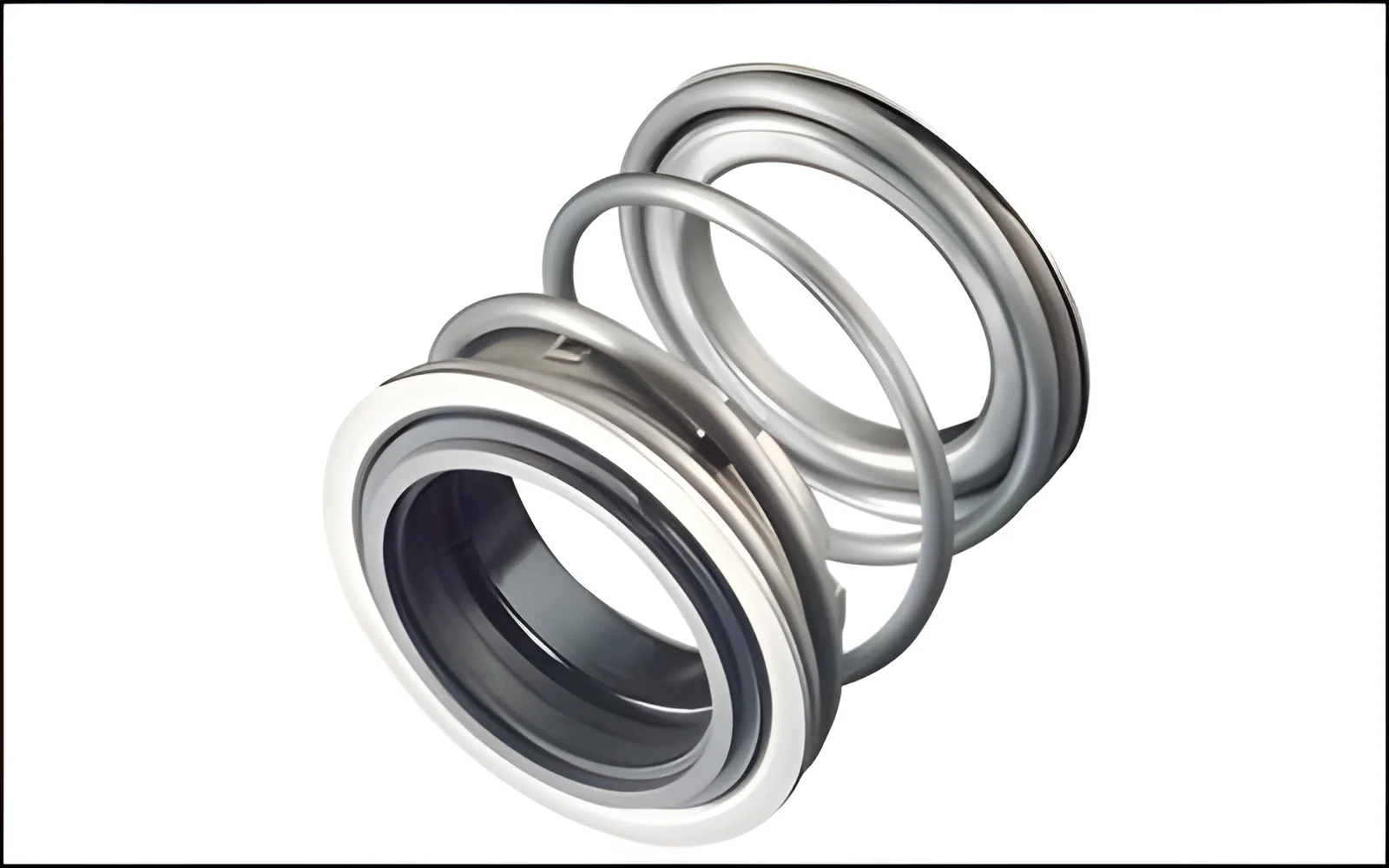
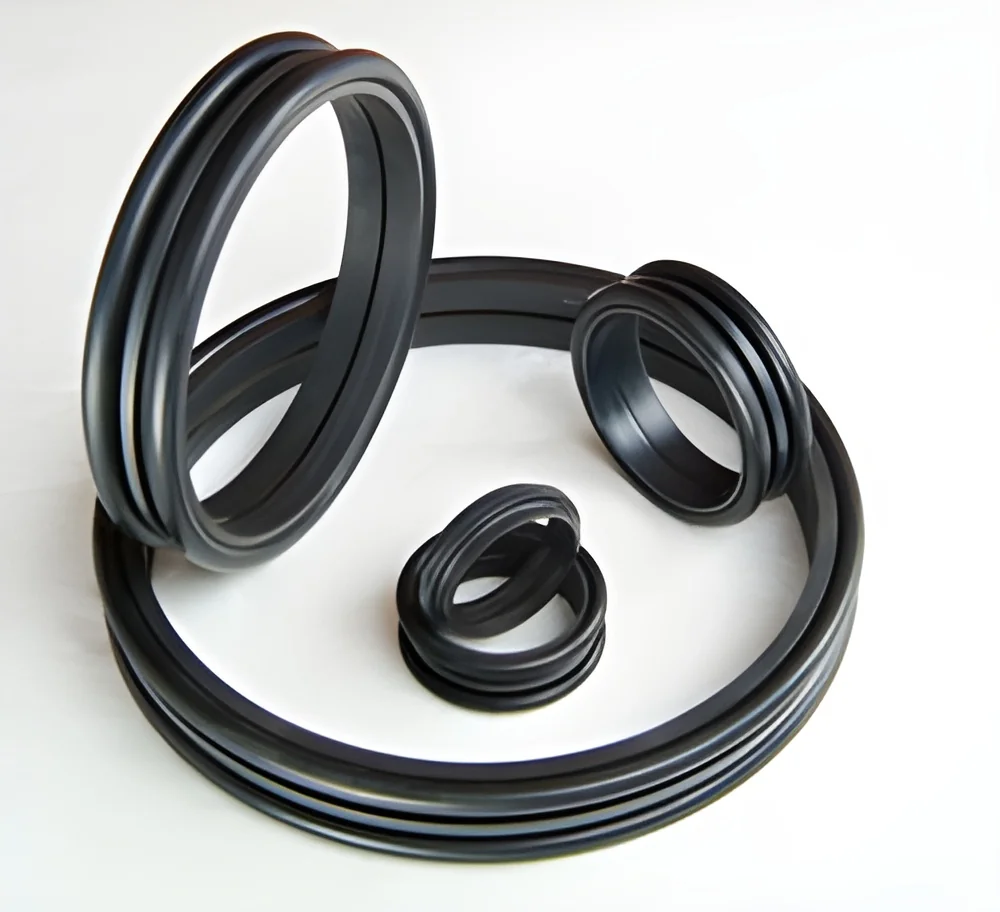
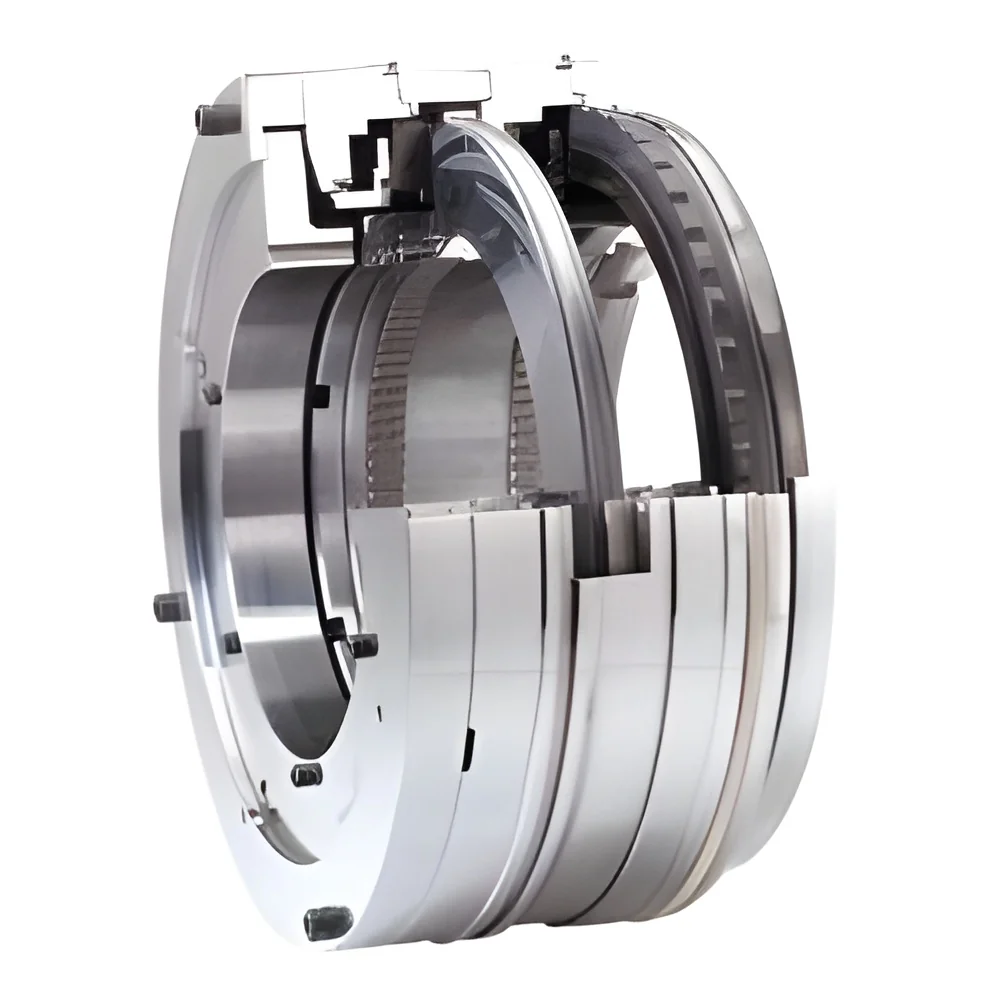
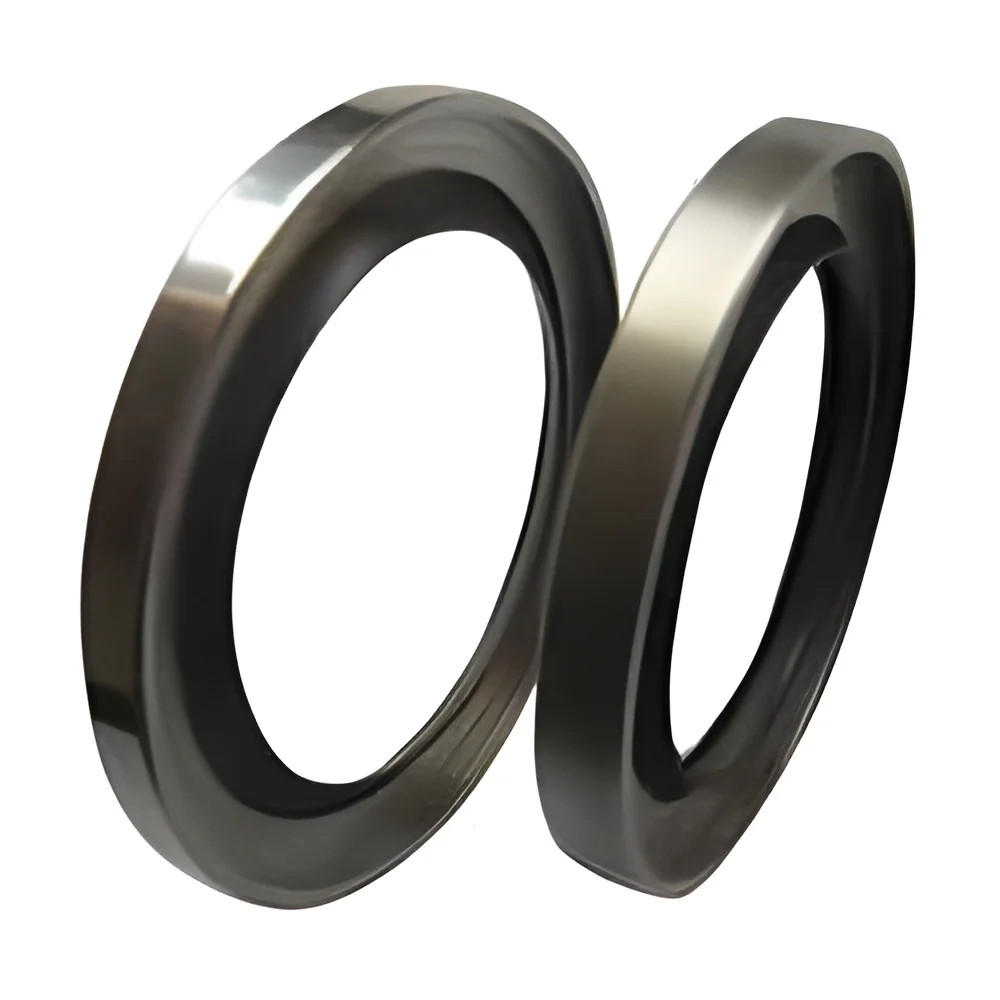
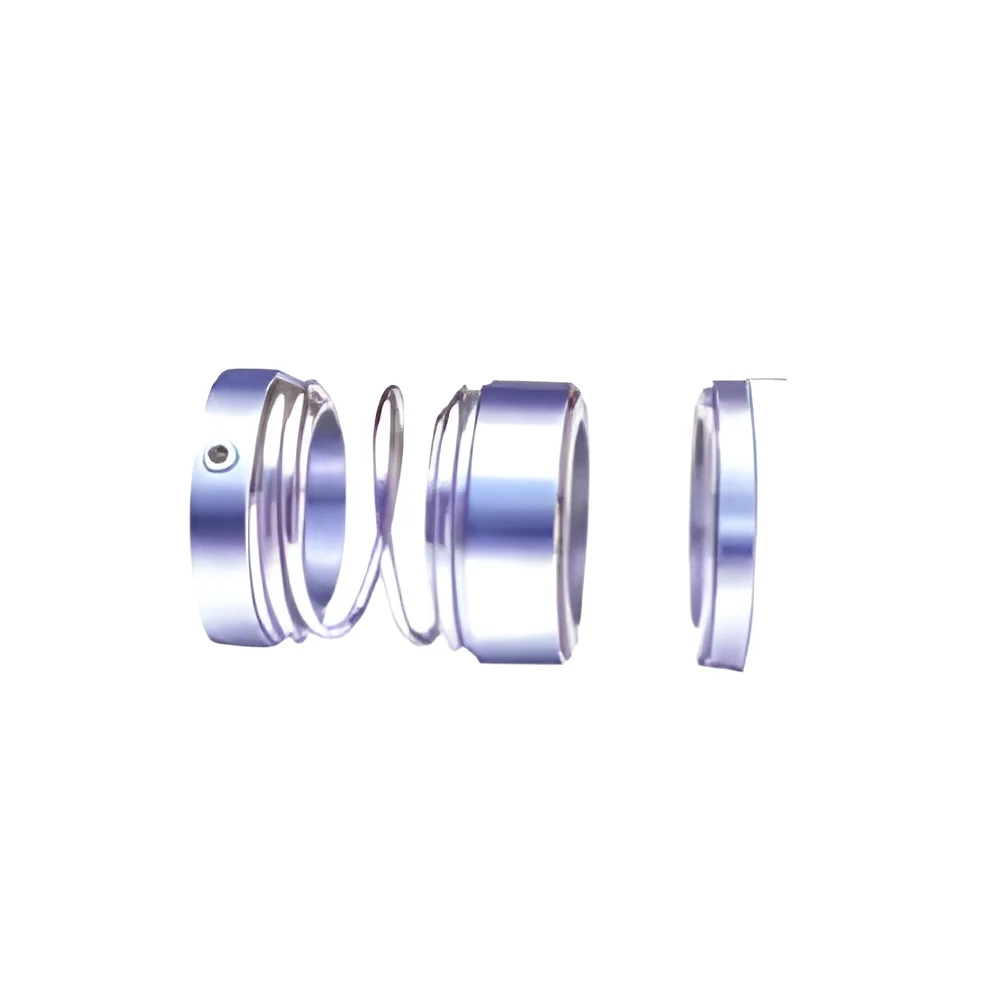
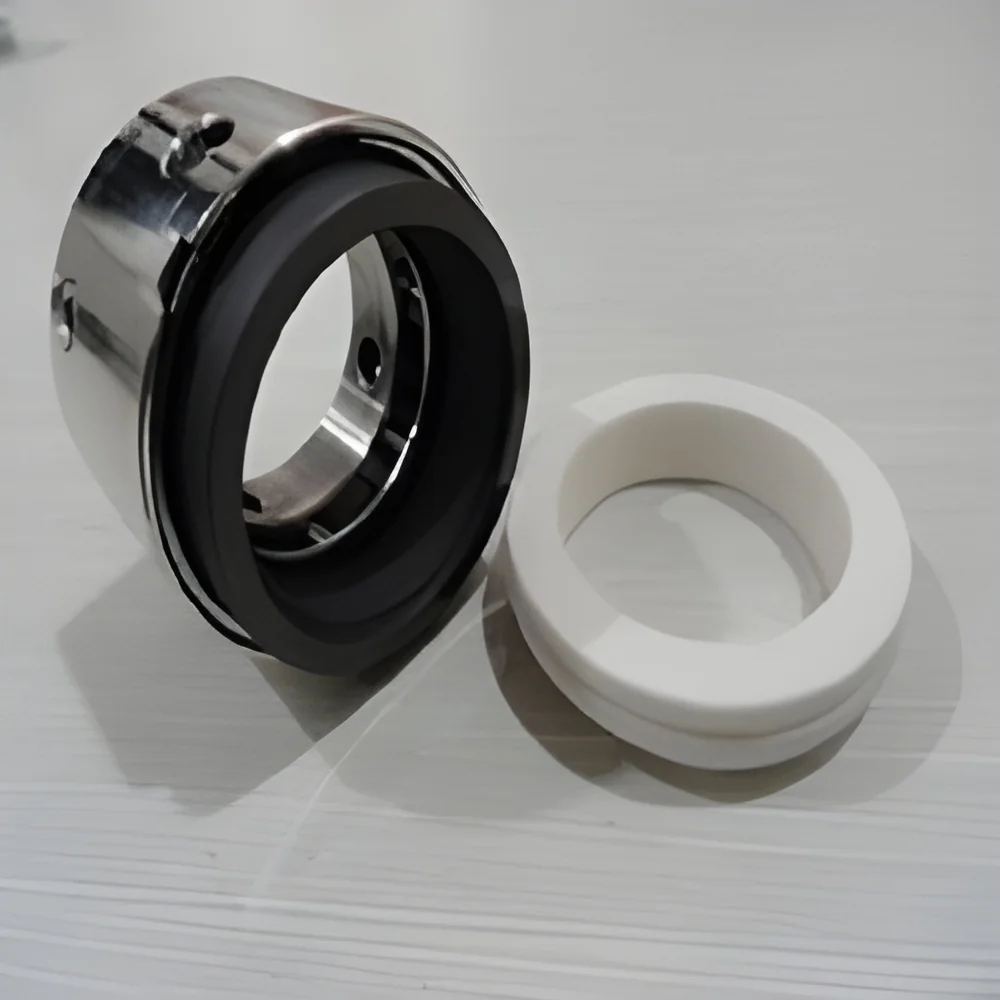
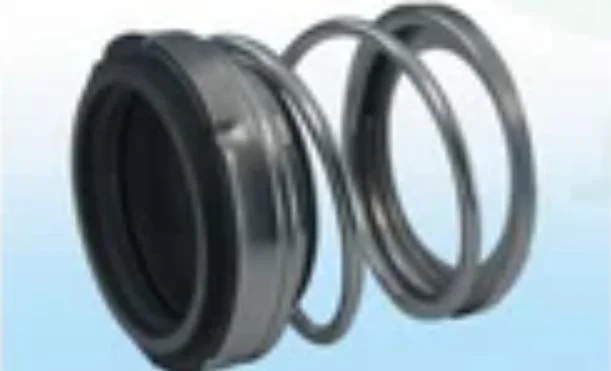
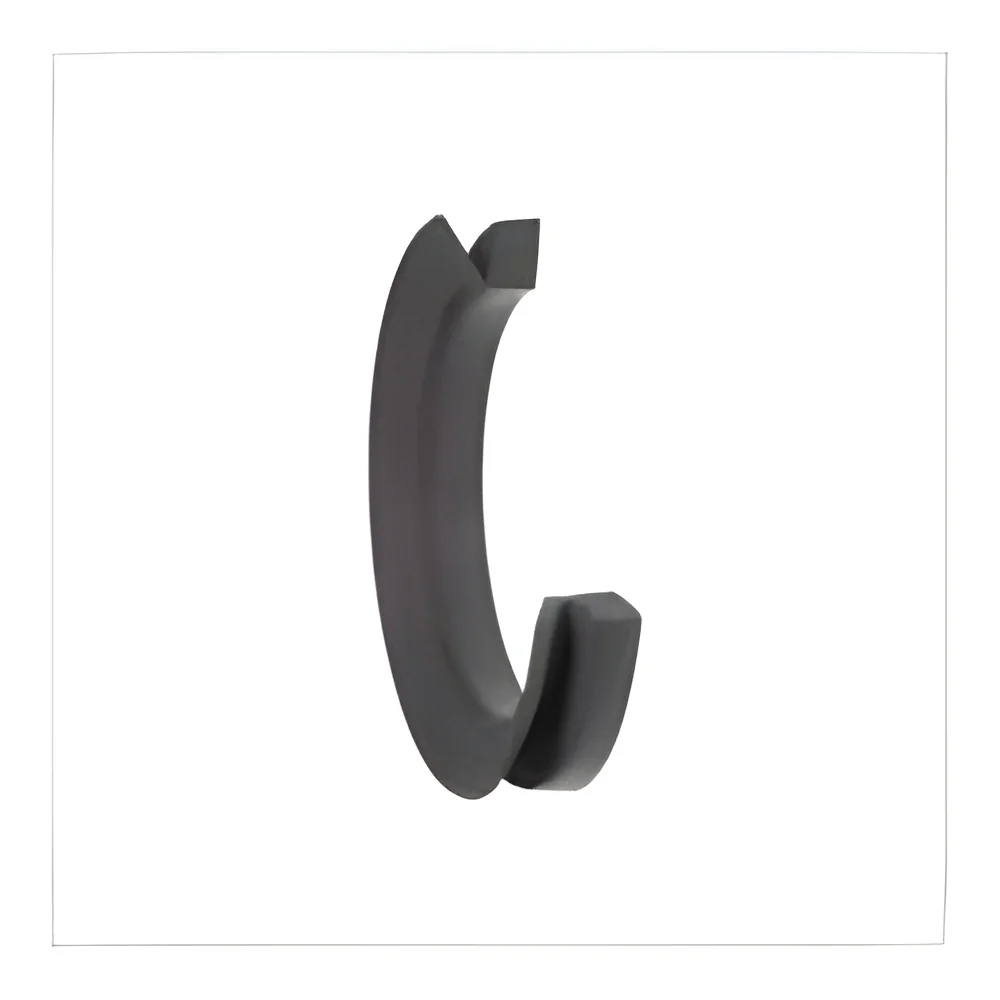
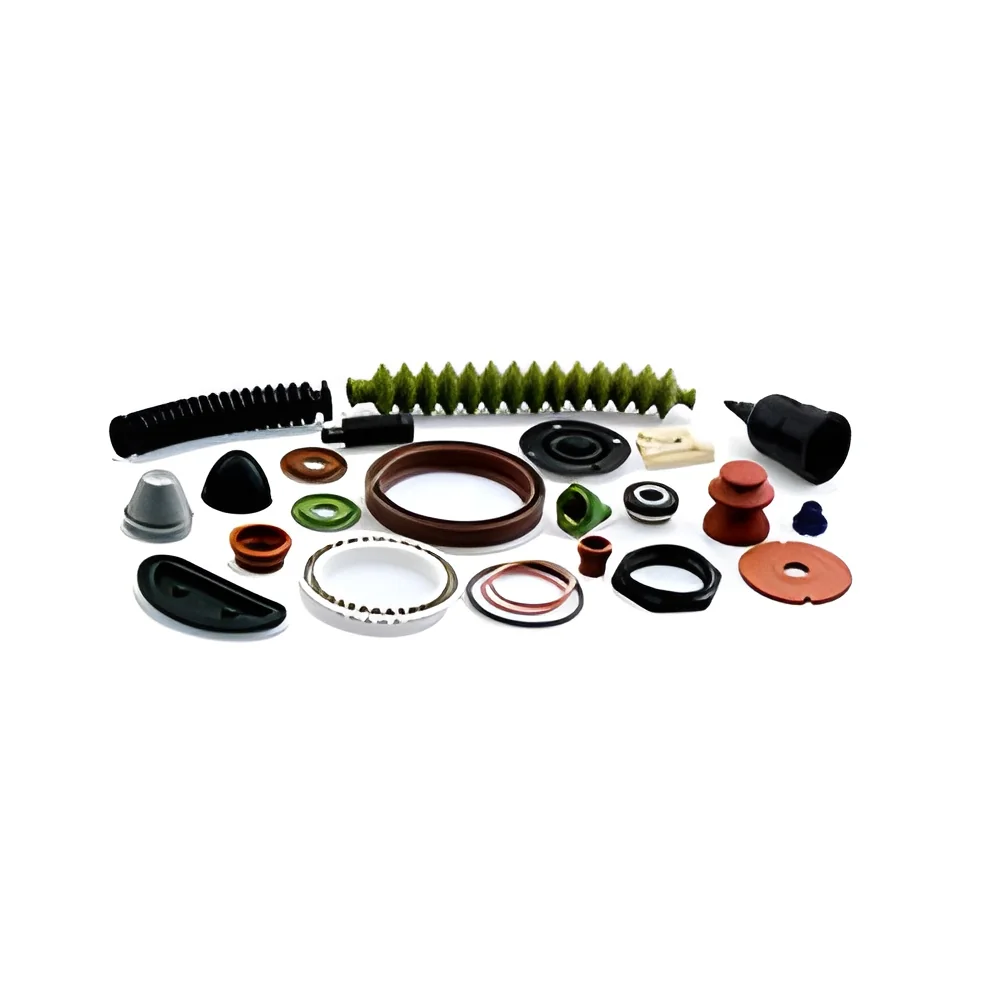
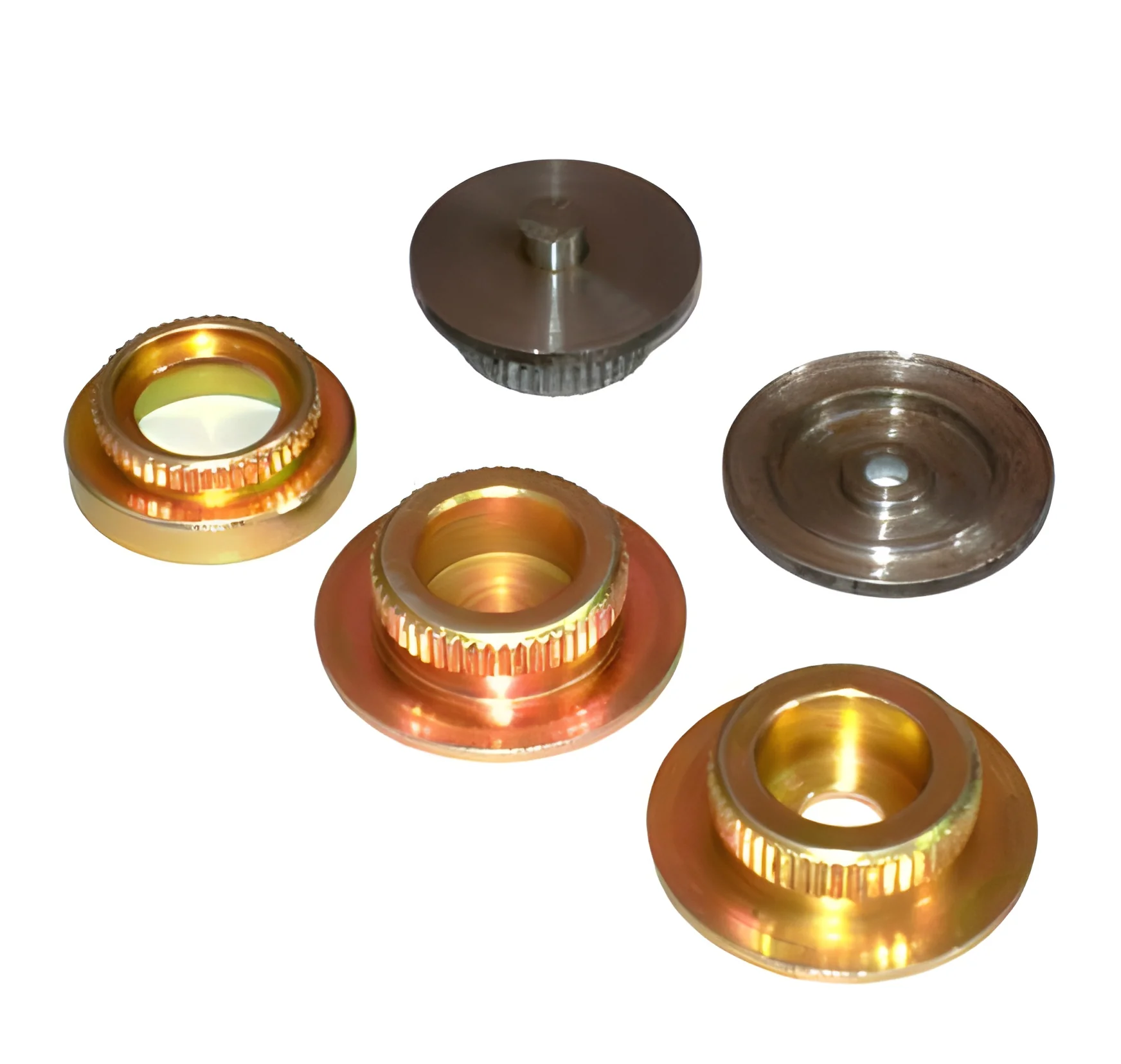
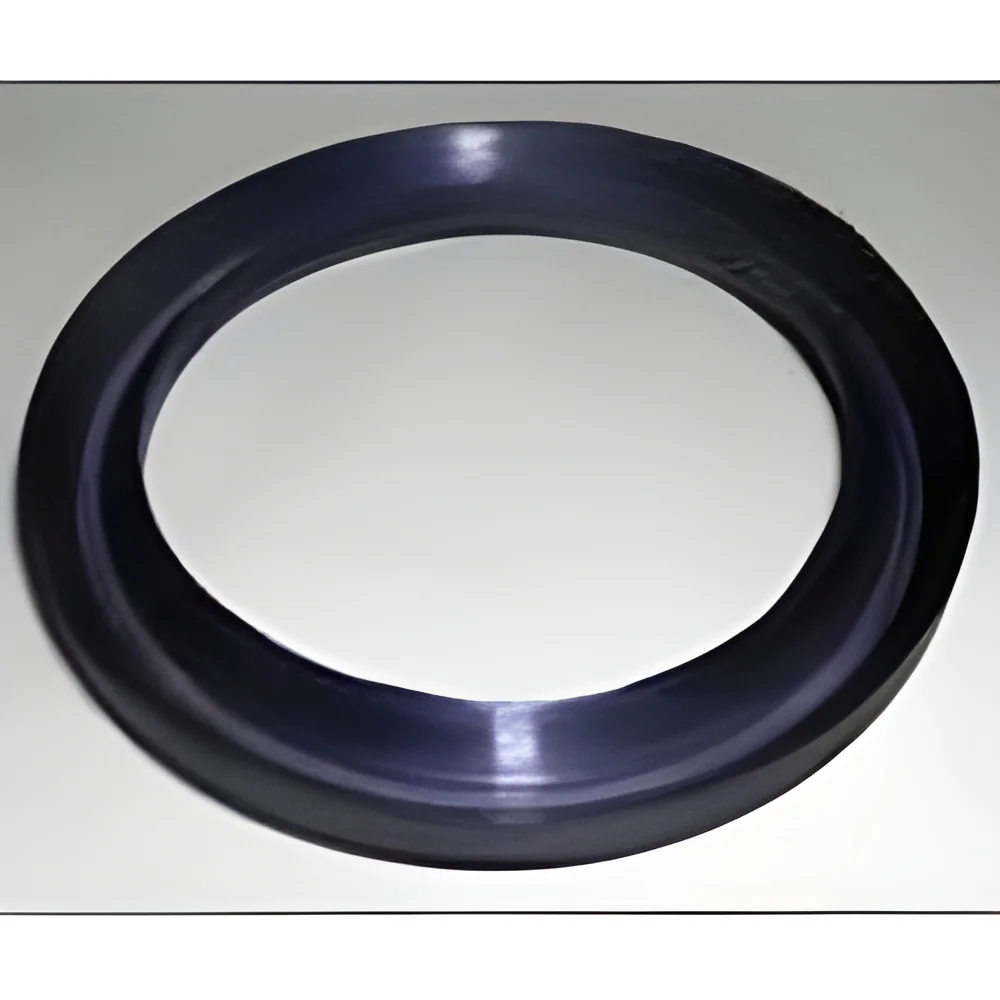
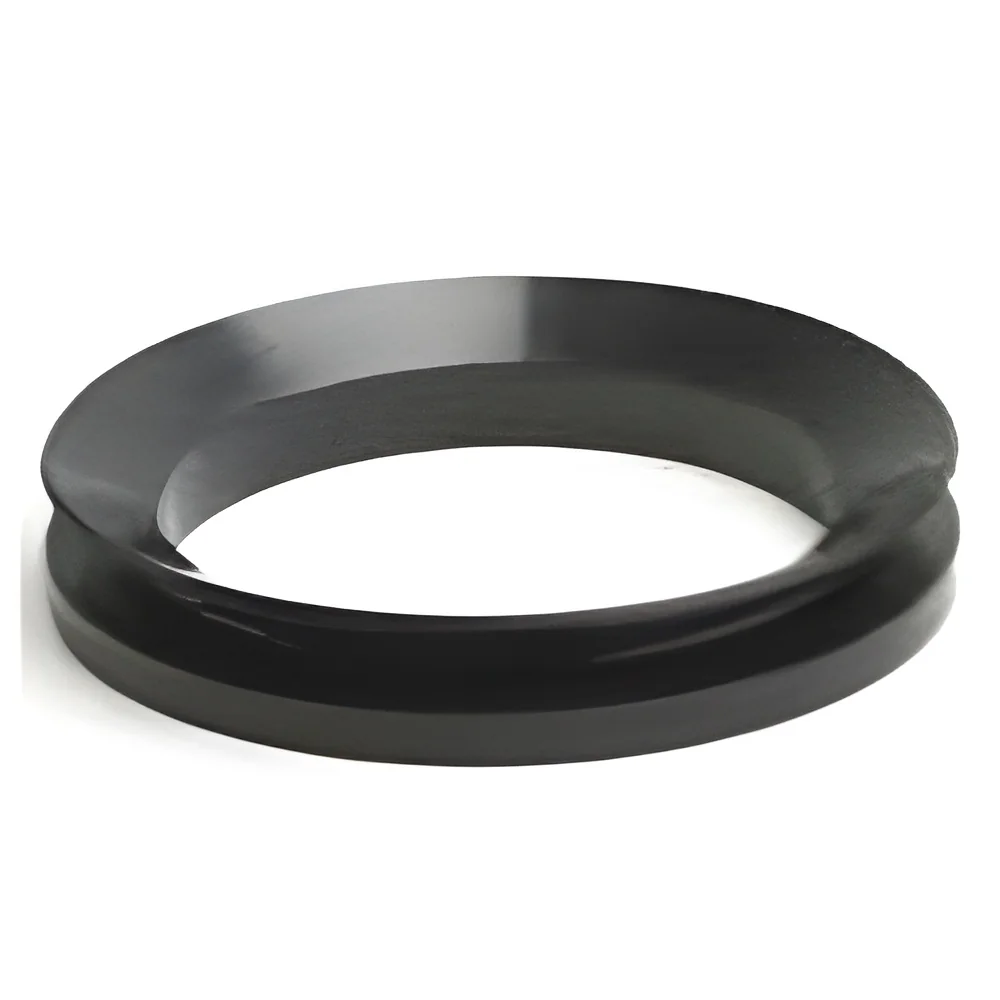
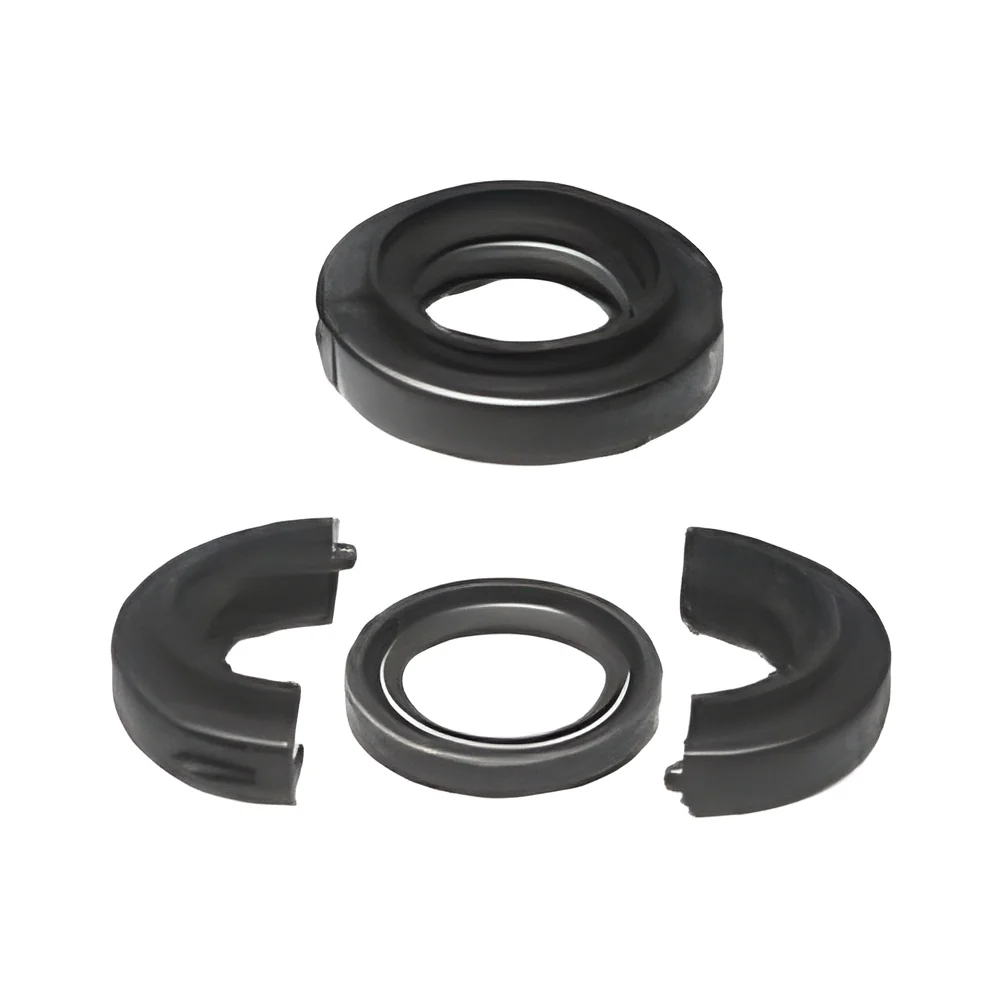
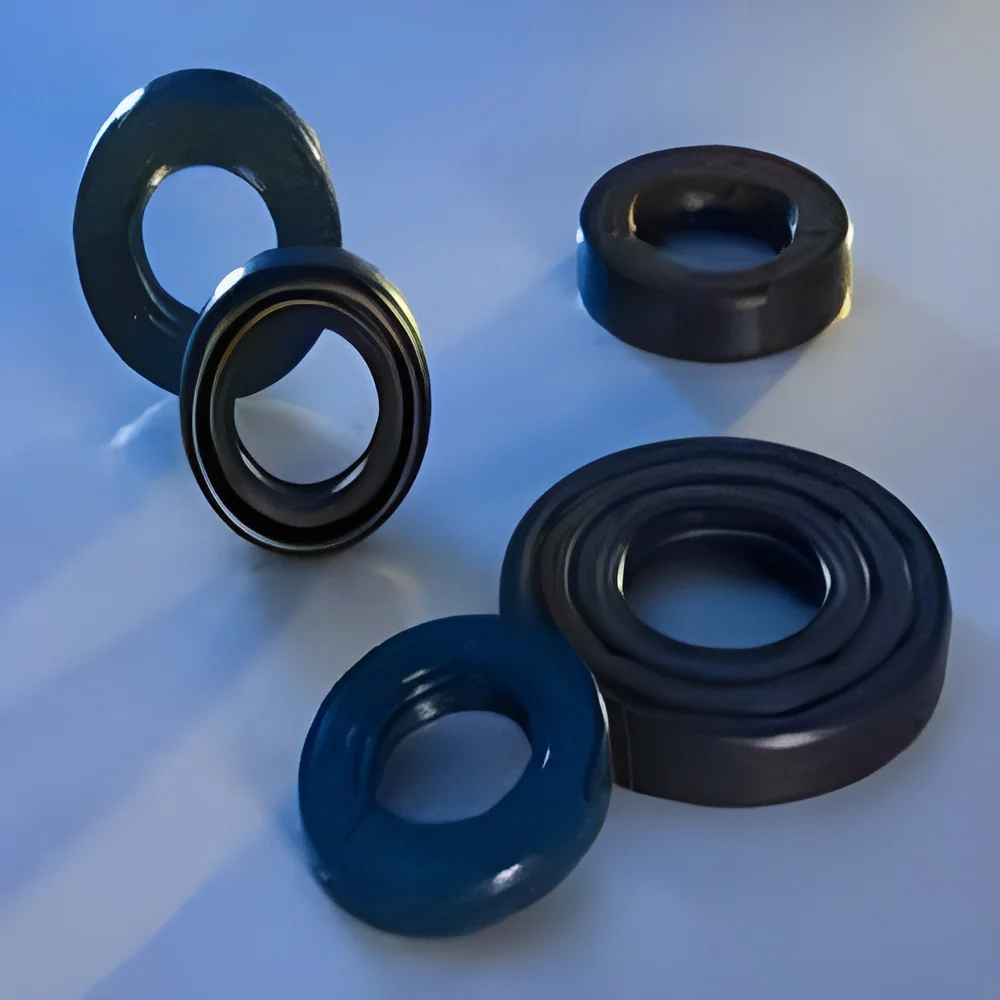
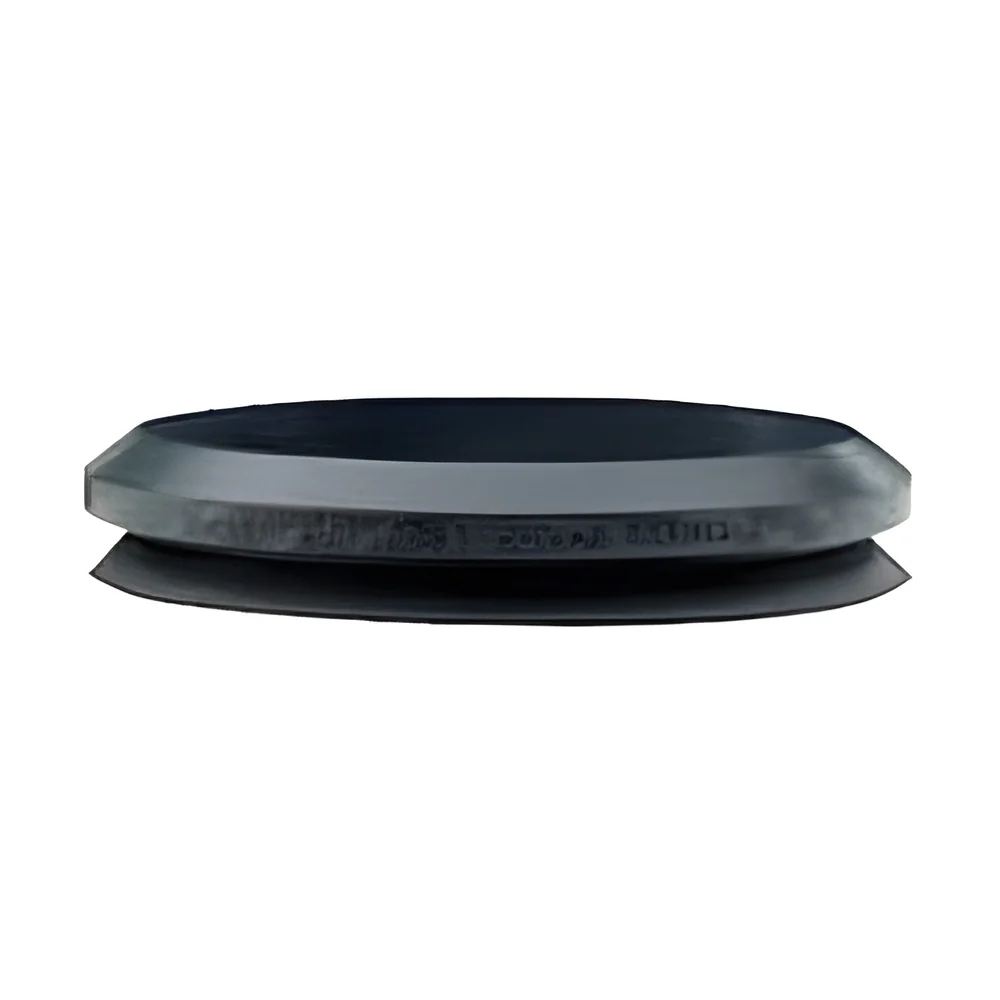
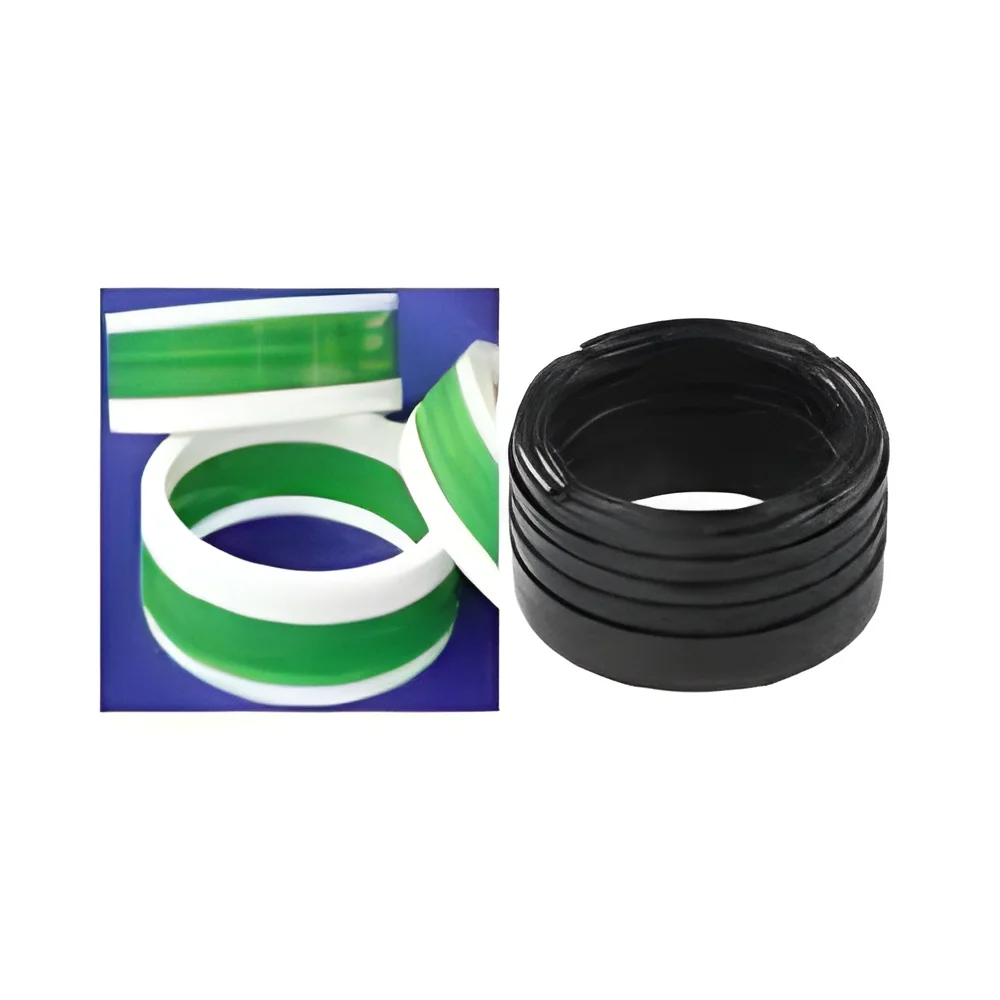
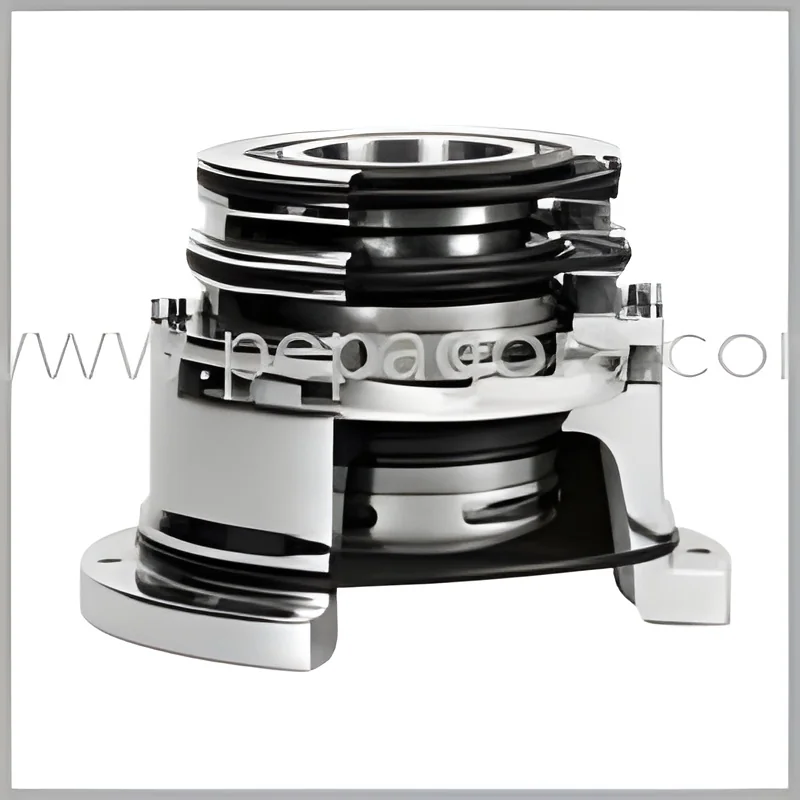
What are Mechanical Shaft Seals?
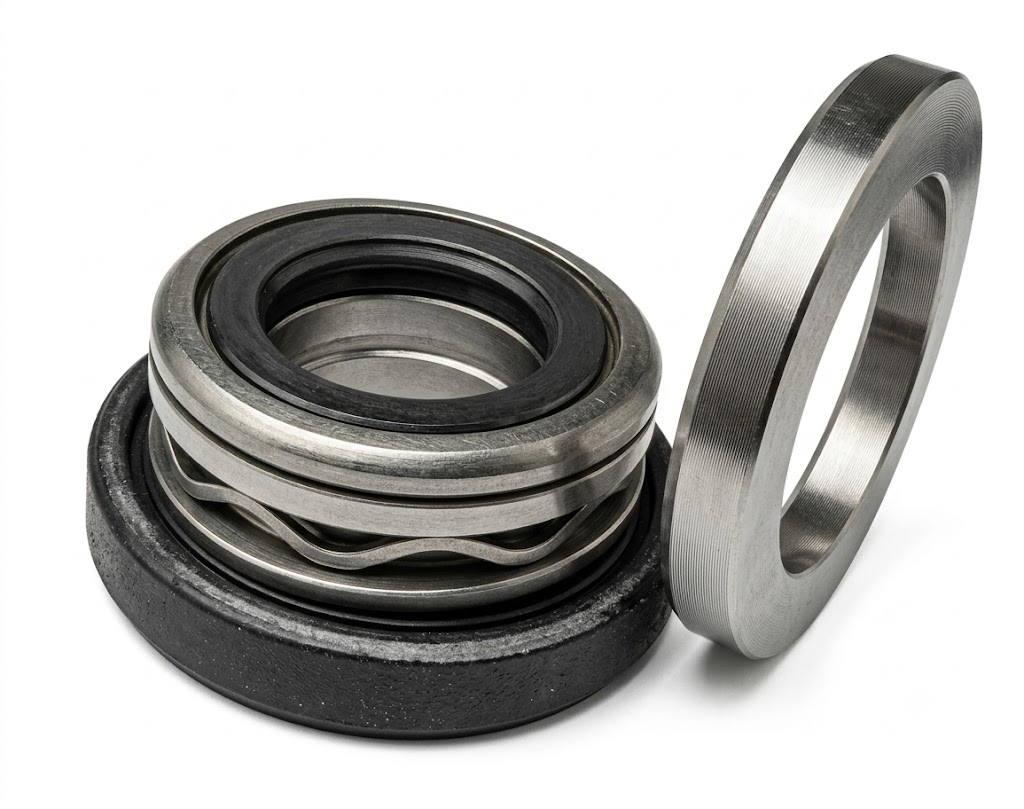
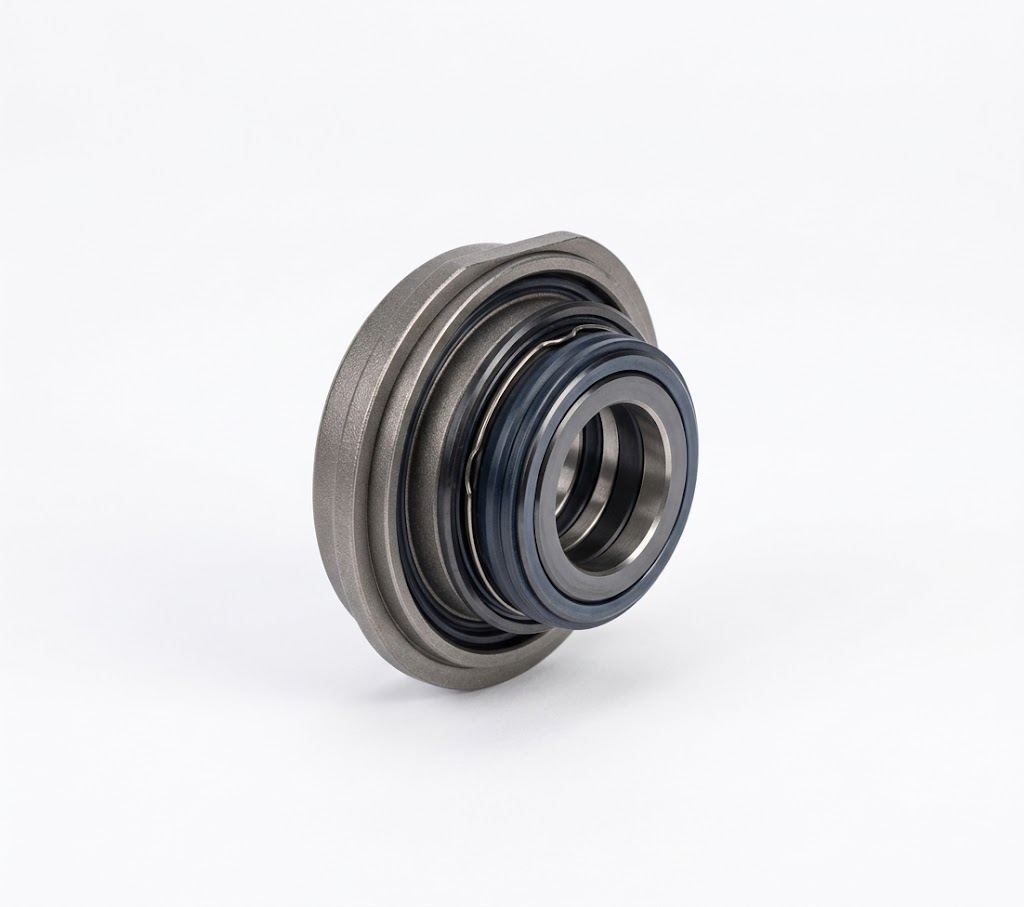
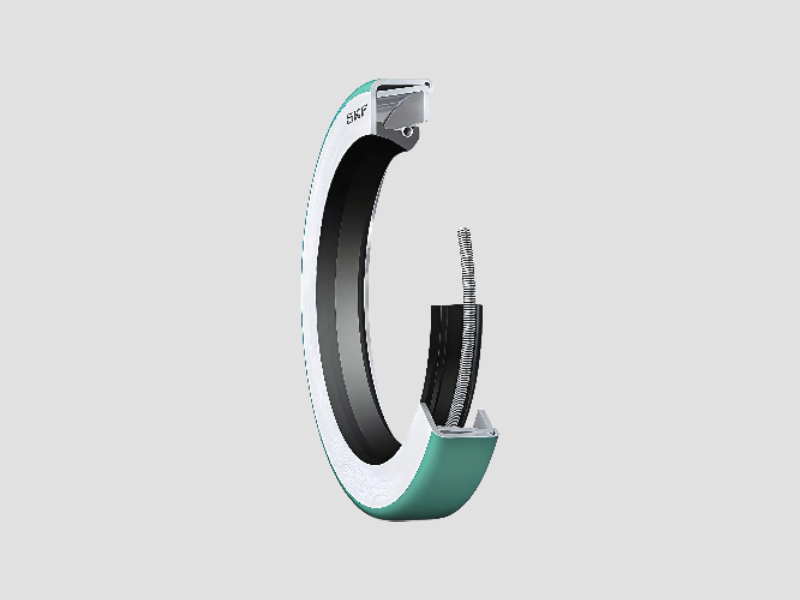
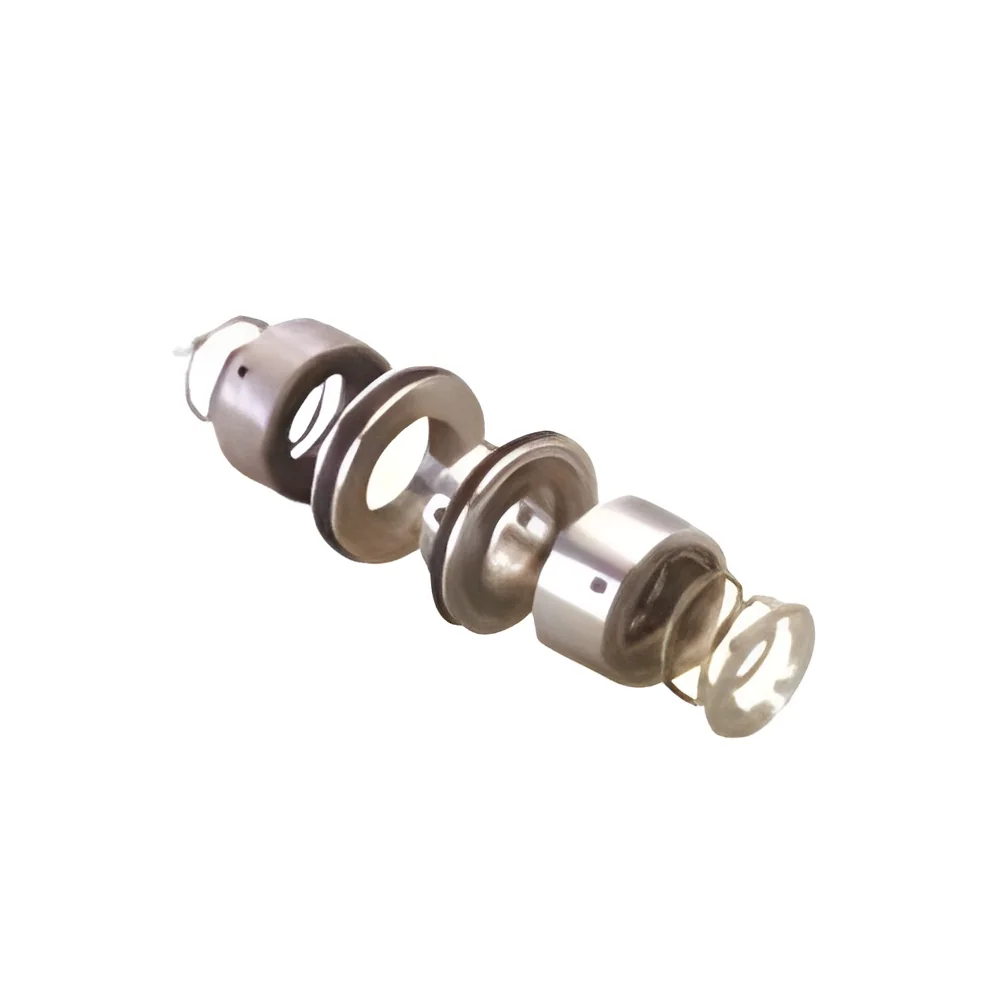
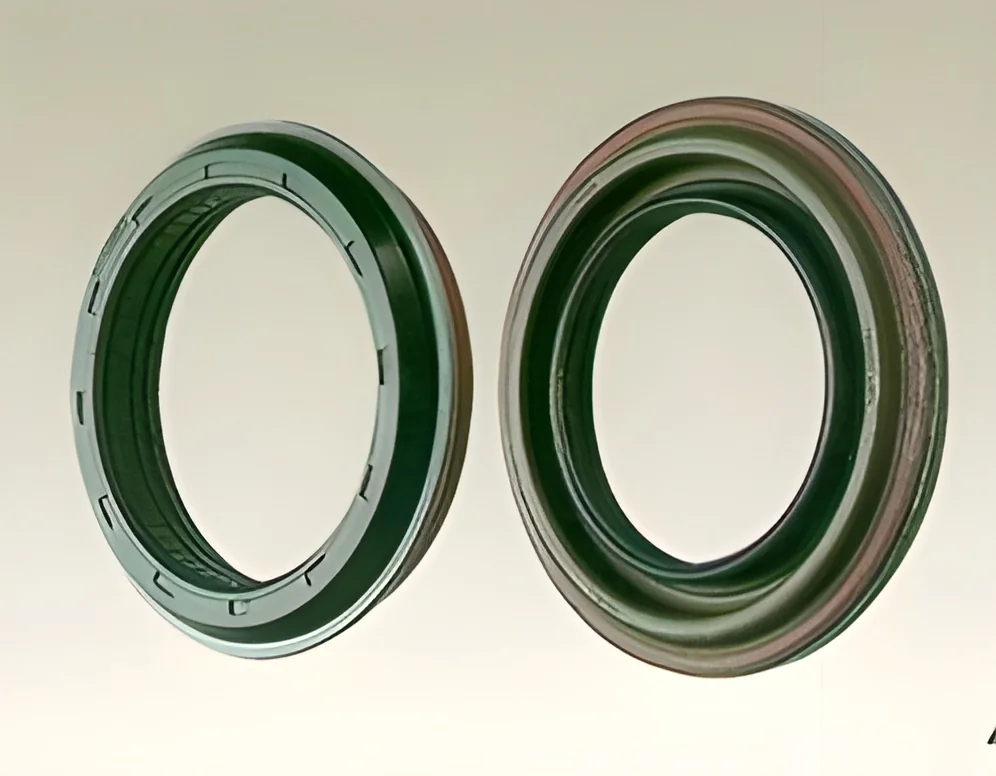
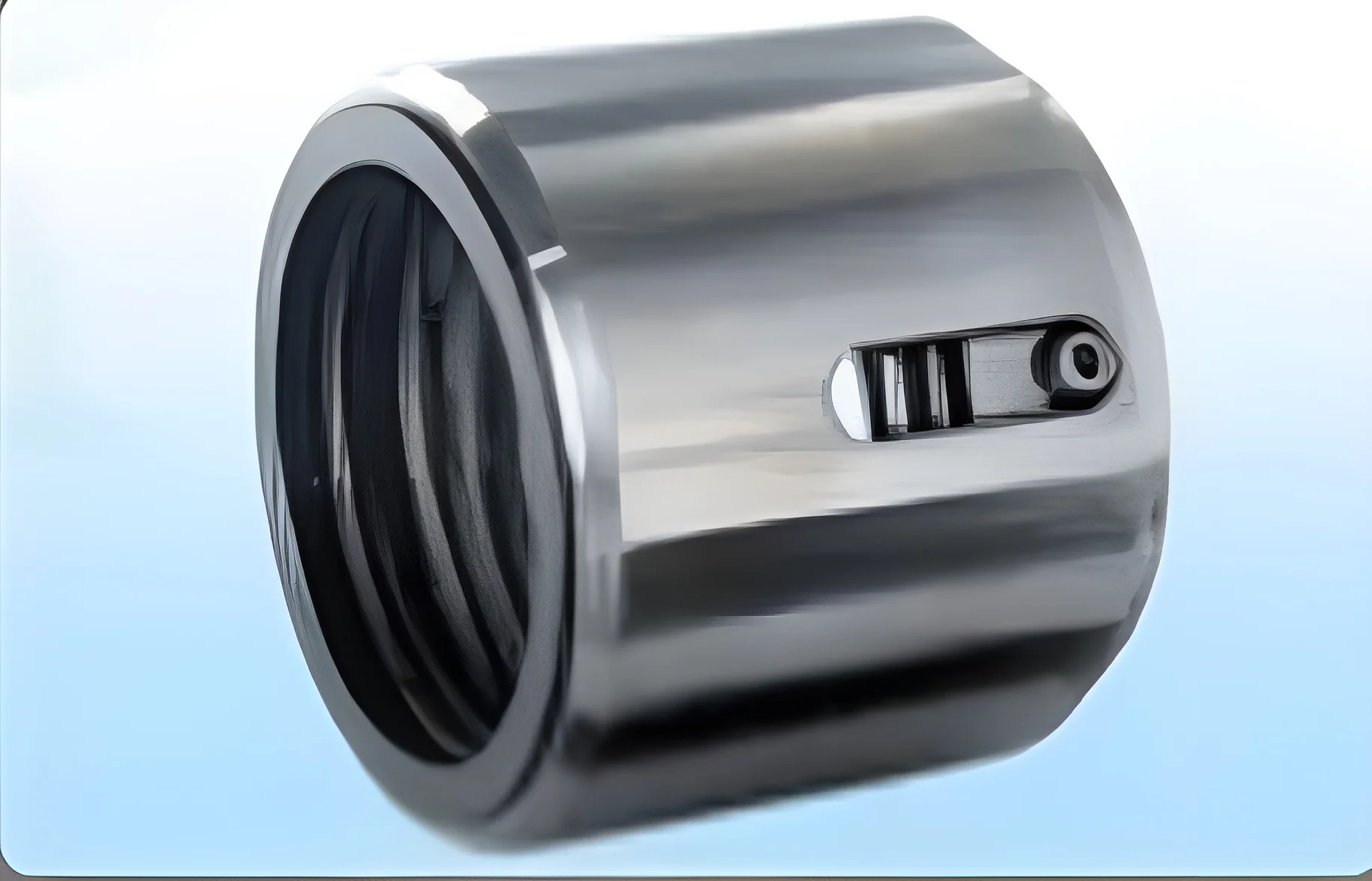
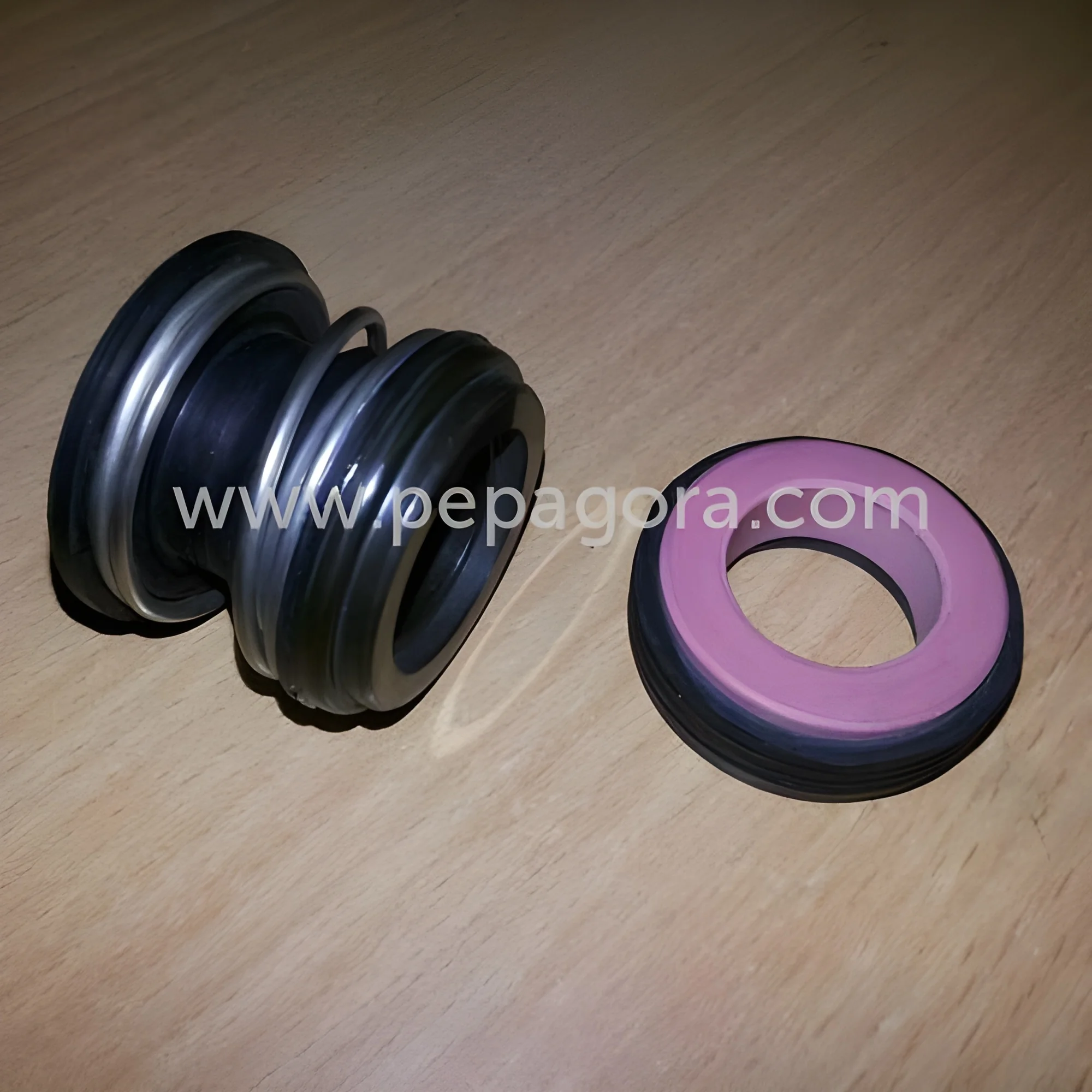
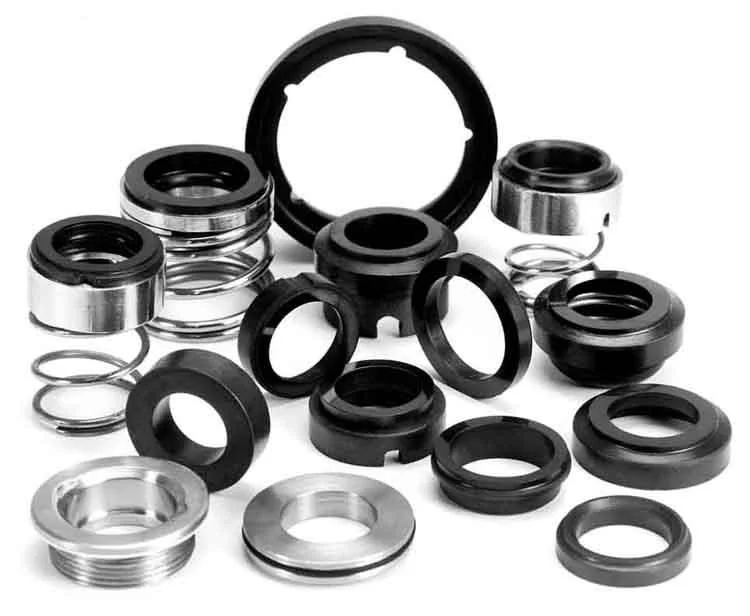
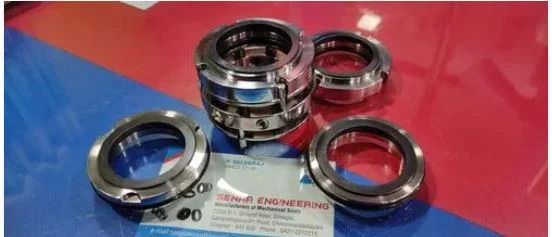
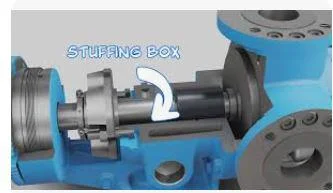
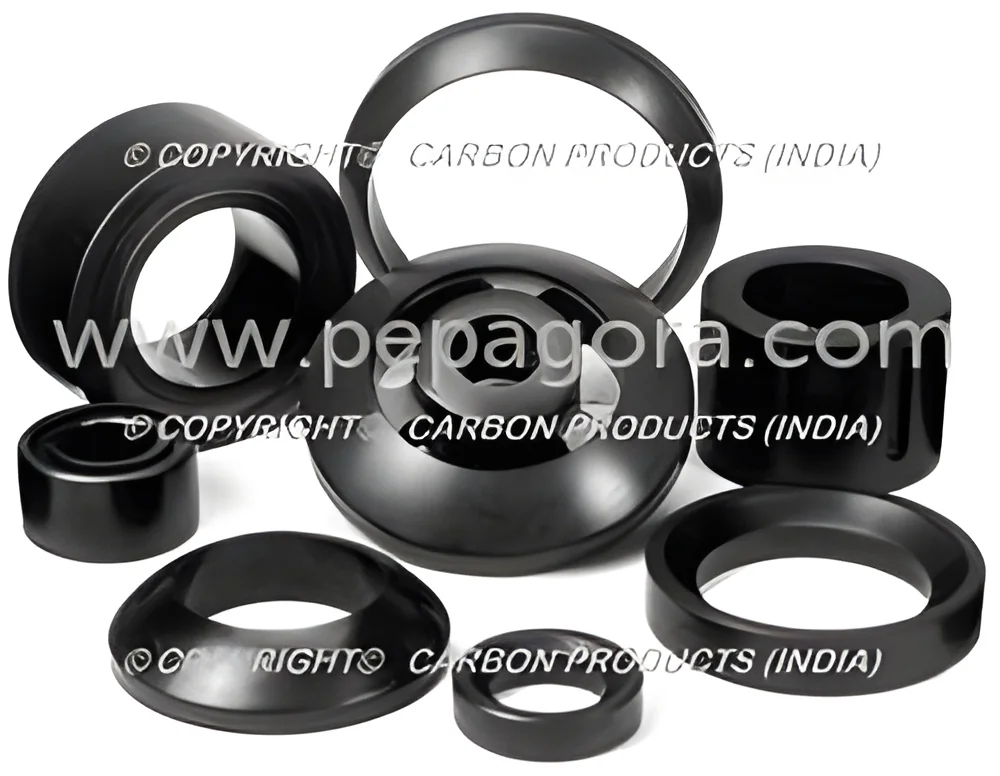
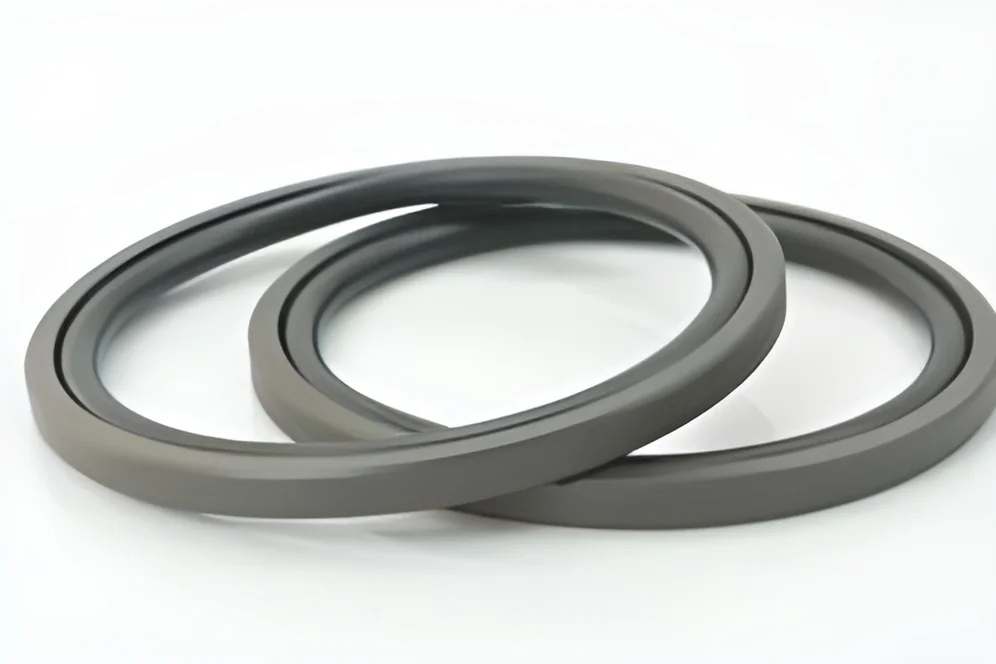
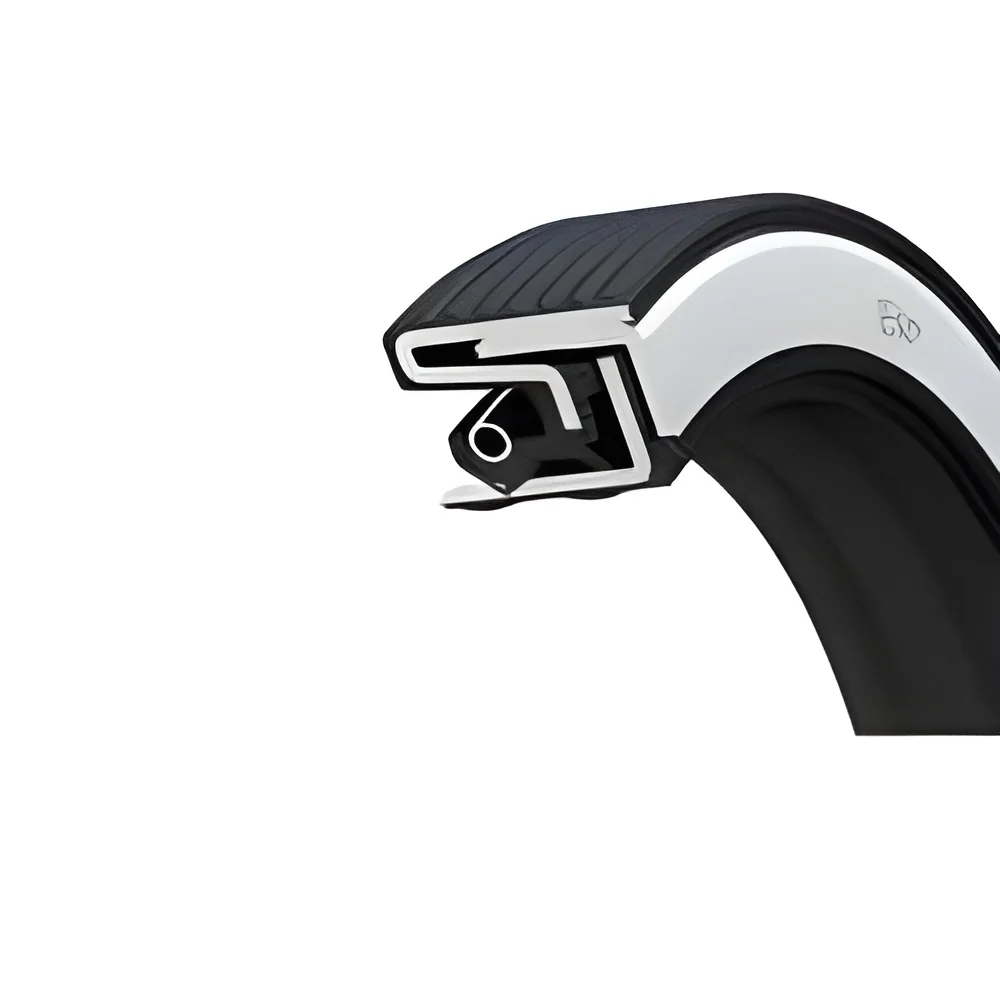
Mechanical shaft seals are essential components used to prevent fluid leakage around rotating shafts in various machinery. These seals function by creating a barrier between the rotating shaft and the stationary housing, effectively minimizing the escape of lubricants or other fluids. They are designed to withstand different conditions, including pressure and temperature variations, making them vital for maintaining equipment efficiency and reliability.
Mechanical shaft seals find primary applications in industries such as automotive, manufacturing, and process industries. In these sectors, they are commonly used in pumps, motors, and gearboxes. The effectiveness of mechanical seals helps ensure that machinery operates smoothly, reducing maintenance needs and downtime. In a competitive market, the demand for reliable and high-performance mechanical shaft seals continues to grow, highlighting their significance in industrial operations.
Key Features and Specifications
Mechanical shaft seals are engineered with several critical features that enhance their performance and longevity. Understanding these specifications helps businesses select the right seals for their specific applications.
Key specifications include:
1. Material Composition
- Made from materials such as rubber, silicone, or metal
- Provides durability and resistance to wear and tear
2. Temperature Range
- Designed to operate effectively within specified temperature limits
- Ensures optimal performance under varying heat conditions
3. Pressure Resistance
- Capable of sustaining specific pressure levels
- Essential for maintaining seal integrity in high-pressure environments
4. Shaft Diameter Compatibility
- Available in various sizes to fit different shaft diameters
- Important for proper sealing and function
5. Seal Type
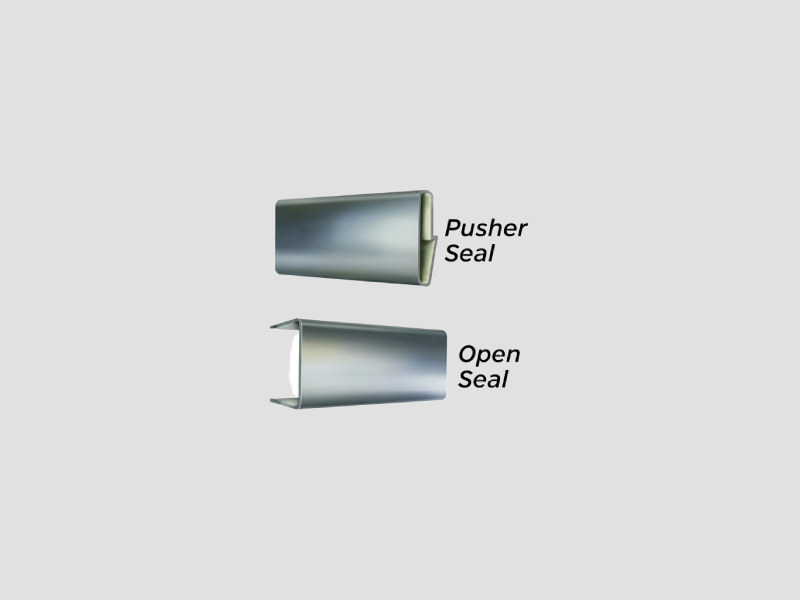
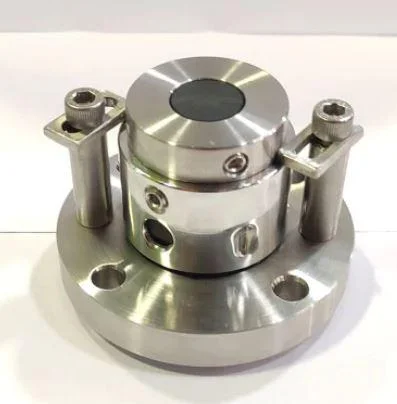
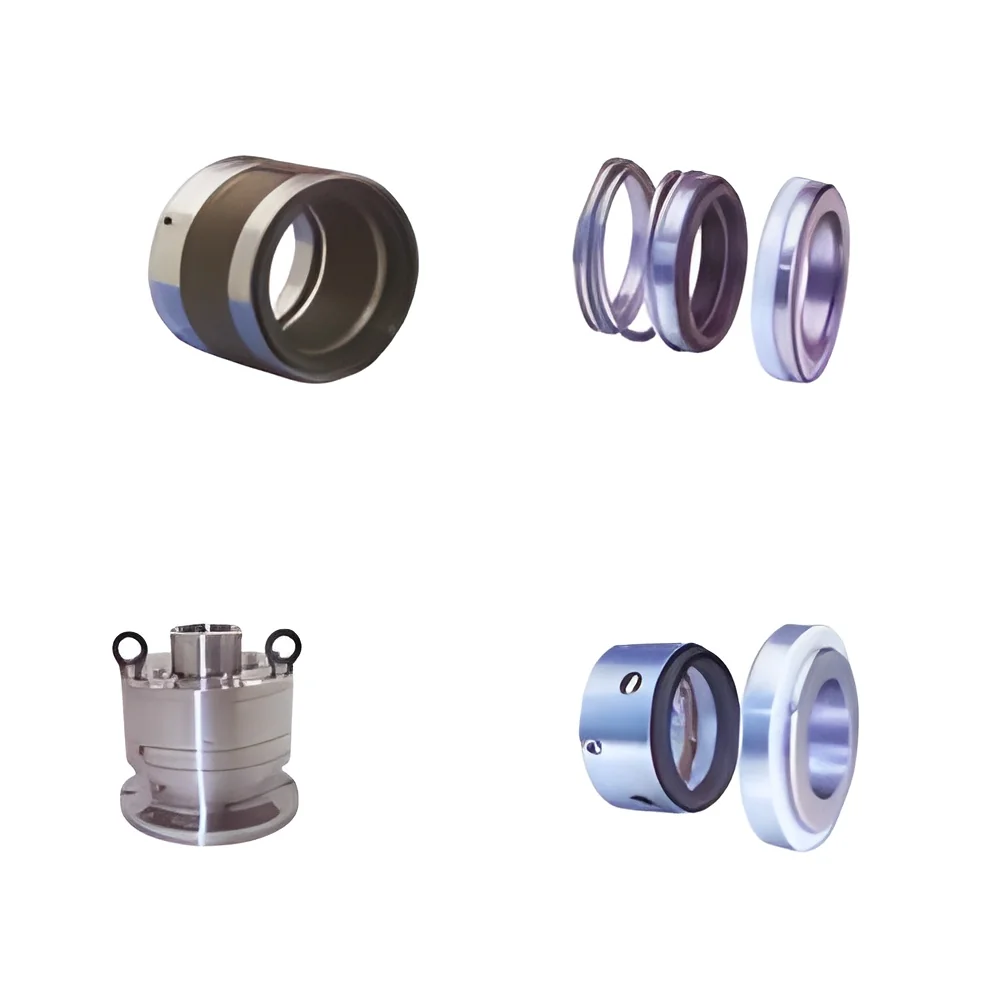
- Includes options like single, double, or cartridge seals
- Different types provide varying levels of leakage control
6. Lubrication Requirements
- Some seals require lubrication for optimal performance
- Affects installation and maintenance considerations
7. Performance Standards
- Complies with industry standards for quality and reliability
- Ensures seals meet operational demands
8. Installation Features
- Designed for ease of installation and maintenance
- Can include features like pre-assembled or adjustable designs
In summary, understanding these features and specifications is crucial for choosing mechanical shaft seals that align with business needs.
Common Applications and Use Cases
Mechanical shaft seals are utilized across a variety of industries, each with specific applications that benefit from their sealing capabilities.
1. Automotive: In vehicles, mechanical seals are used in engines and transmissions to prevent oil leaks, ensuring efficient operation and longevity of components.
2. Manufacturing: Machinery in manufacturing processes often employs these seals to maintain lubrication and prevent contamination, enhancing productivity and reducing downtime.
3. Chemical Processing: In the chemical industry, mechanical seals are critical for preventing leaks of hazardous materials, ensuring safety and regulatory compliance.
4. Food and Beverage: These seals are used in food processing equipment to maintain hygiene standards while preventing product contamination.
5. Aerospace: Mechanical seals in aerospace applications help maintain pressure and protect sensitive components from environmental factors.
6. Marine: In marine applications, seals prevent water ingress in propulsion systems, ensuring reliable operation in harsh conditions.
7. Mining: Equipment in mining operations relies on mechanical seals to operate efficiently under extreme conditions, preventing equipment failure.
Product Variants and Subcategories
Mechanical shaft seals come in various forms to meet the diverse needs of different applications.
Standard Mechanical Shaft Seals
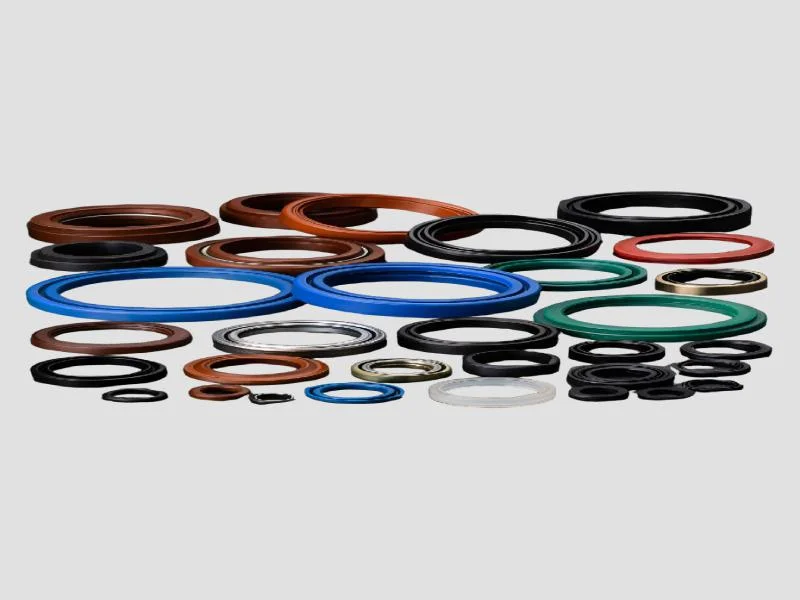
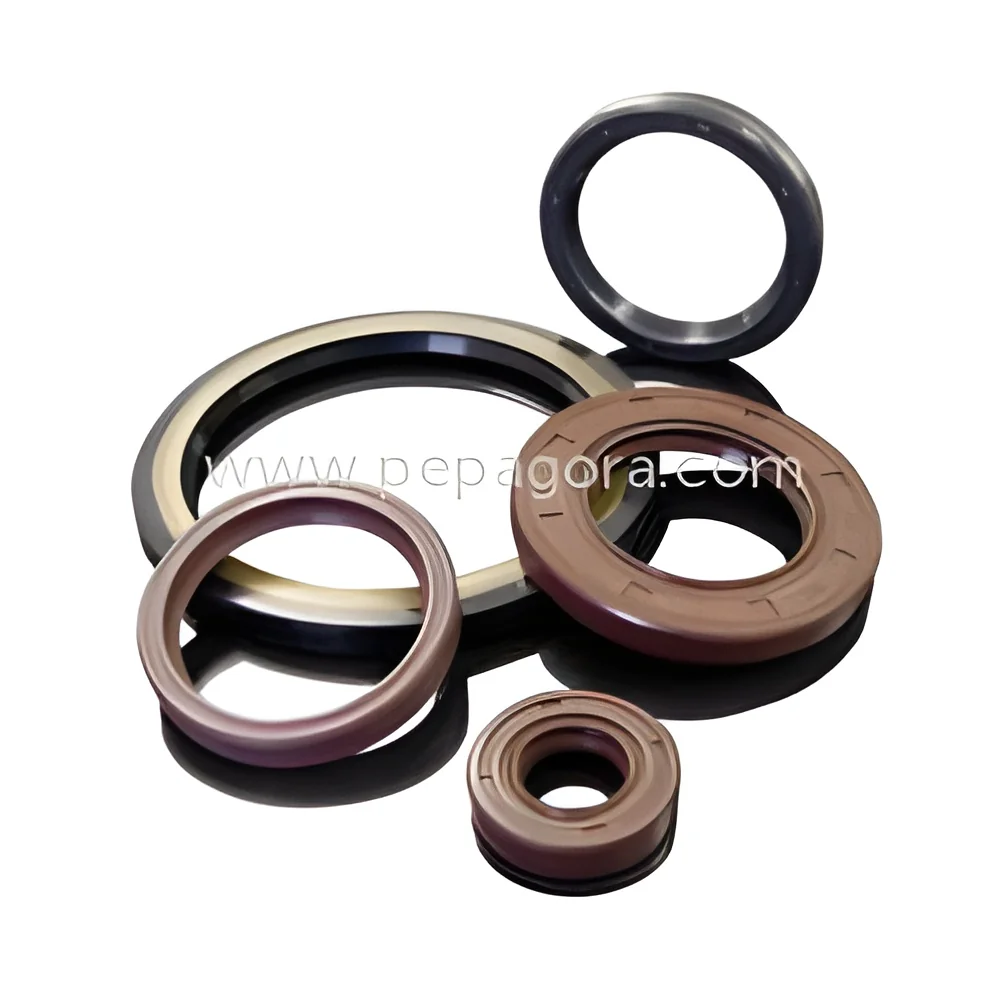
These are the most common type, designed for general use across multiple industries. They offer reliable sealing performance and are available in various sizes and materials.
High-Performance Mechanical Shaft Seals
Engineered for demanding applications, these seals are made from advanced materials that provide enhanced durability and resistance to extreme conditions, such as high temperatures and pressures.
Custom Mechanical Shaft Seals
Some suppliers offer customized seals tailored to specific operational requirements. These can be adjusted in size and material to meet unique challenges in various applications.
Benefits and Advantages
Mechanical shaft seals provide several key benefits that enhance operational efficiency and equipment lifespan.
1. Leak Prevention: They effectively prevent fluid leaks, which helps maintain machinery efficiency and reduces the risk of environmental contamination.
2. Cost Efficiency: By minimizing maintenance needs and downtime, mechanical seals contribute to lower operational costs in the long run.
3. Enhanced Reliability: High-quality mechanical seals improve the reliability of machinery, ensuring consistent performance in critical applications.
4. Versatile Applications: Their ability to function in a variety of industries makes them a versatile choice for manufacturers and facility operators.
5. Customization Options: Many suppliers offer customization, allowing businesses to find the perfect fit for their specific sealing requirements.
6. Regulatory Compliance: Mechanical seals help companies meet safety and environmental regulations, essential in industries like food processing and chemical manufacturing.
Buying Guide for B2B Buyers
When sourcing mechanical shaft seals, it is essential for B2B buyers to consider several factors to ensure they select the right product.
1. Quality Assessment: Look for seals that meet industry standards for durability and performance. Evaluate materials and construction to ensure they meet specific operational requirements.
2. Supplier Verification: Vet suppliers thoroughly to confirm their reputation and reliability. Check for certifications and customer reviews to ensure quality assurance.
3. Pricing and MOQ: Understand the pricing structure and minimum order quantities. Compare prices across suppliers to find a balance between cost and quality.
4. Delivery and Lead Times: Inquire about logistics and lead times for delivery. Timely availability is crucial for maintaining production schedules.
5. Compliance Requirements: Ensure that the seals meet any regulatory standards relevant to your industry, such as food safety or environmental regulations.
Compliance and Certifications
Mechanical shaft seals must adhere to various compliance and certification standards to ensure safety and reliability in industrial applications.
Relevant quality standards such as ISO 9001 ensure that manufacturing processes meet consistent quality benchmarks. This certification is crucial for maintaining product integrity throughout the supply chain.
Industry certifications like CE indicate that the seals comply with European health, safety, and environmental protection standards. This is particularly important for businesses operating in or exporting to the European market.
Safety and testing requirements are also vital considerations. Mechanical seals must undergo rigorous testing to verify their performance under specific conditions. This testing helps identify any potential issues before the seals are deployed in critical applications.
Regional compliance considerations may vary, and it is essential for businesses to be aware of local regulations that govern seal manufacturing and use, especially in heavily regulated industries such as food and pharmaceuticals.
Why Source Mechanical Shaft Seals from Pepagora?
Pepagora provides a trusted platform for sourcing mechanical shaft seals, offering several key advantages that facilitate the procurement process.
Verified Supplier Network: Pepagora connects buyers with a network of verified suppliers, ensuring that all manufacturers meet strict quality and reliability standards. This verification process helps buyers make informed decisions.
Streamlined RFQ Process: The platform features a streamlined request for quotation (RFQ) system that simplifies the process of obtaining quotes from multiple suppliers. This efficiency saves time and helps buyers compare options easily.
Trade Assurance and Support: Buyers benefit from trade assurance programs that provide protection throughout the purchasing process. Pepagora offers support to ensure that any issues are promptly addressed, building buyer confidence.
Regional Coverage: With a geographic reach that includes India, the GCC, and Southeast Asia, Pepagora enables businesses to source mechanical shaft seals from a wide range of suppliers, catering to diverse market needs and facilitating regional trade.

 IN
IN